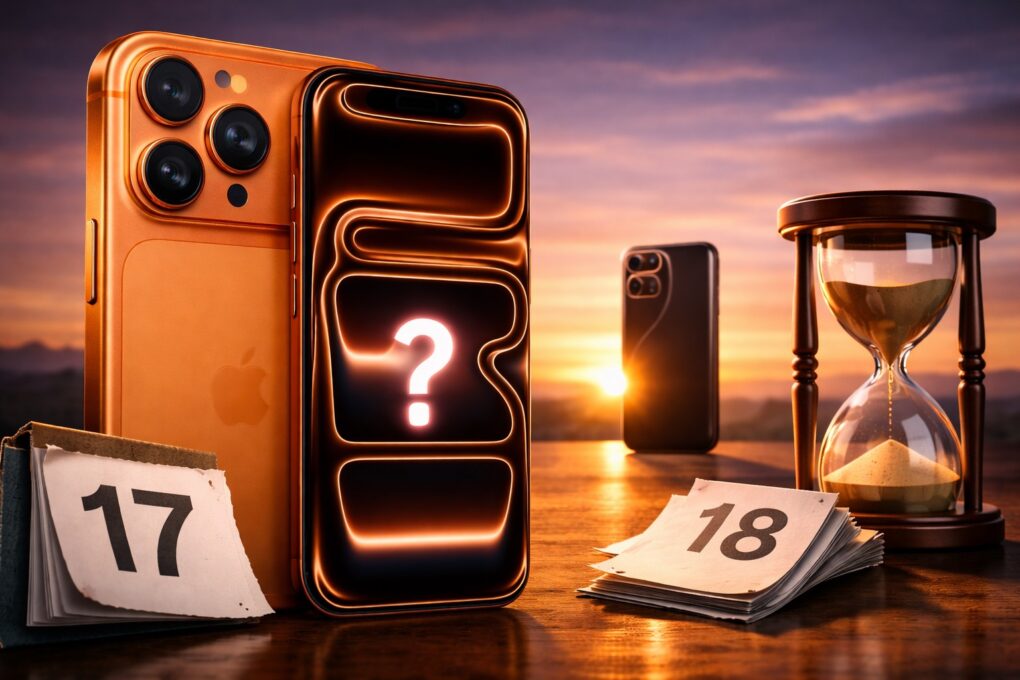
Apple delivered some genuinely meaningful upgrades with the iPhone 17 Pro, fulfilling all the fundamentals: better performance, display, battery life and overall polish. Under normal circumstances, this would make an easy upgrade.
Yet, I’m choosing to skip it. If the iPhone 17 Pro nailed the basics, the iPhone 18 Pro looks set to finally push Apple’s Pro lineup forward in a meaningful way.
Why wait for iPhone 18 Pro? Lots of reasons.
The iPhone Pro 17 is currently the best iPhone you can buy. But besides the iPhone 17 Pro’s major design revamp, Apple did not introduce anything radically new with the device. Instead, it executed on the essentials. And to achieve that, it even made the phone thicker to deliver longer battery life and better heat dissipation.
By contrast, leaks and reports suggest the iPhone 18 Pro could mark one of Apple’s biggest generational shifts in years. Under-display Face ID, a revamped front design, meaningful camera hardware changes (including a variable aperture), and efficiency gains driven by Apple’s next-gen silicon and in-house modem point to a significantly better user experience.
The iPhone 17 Pro is a very good upgrade. But if the rumors pan out, the iPhone 18 Pro could be the one that’s actually worth my money.
Lighter and sleeker
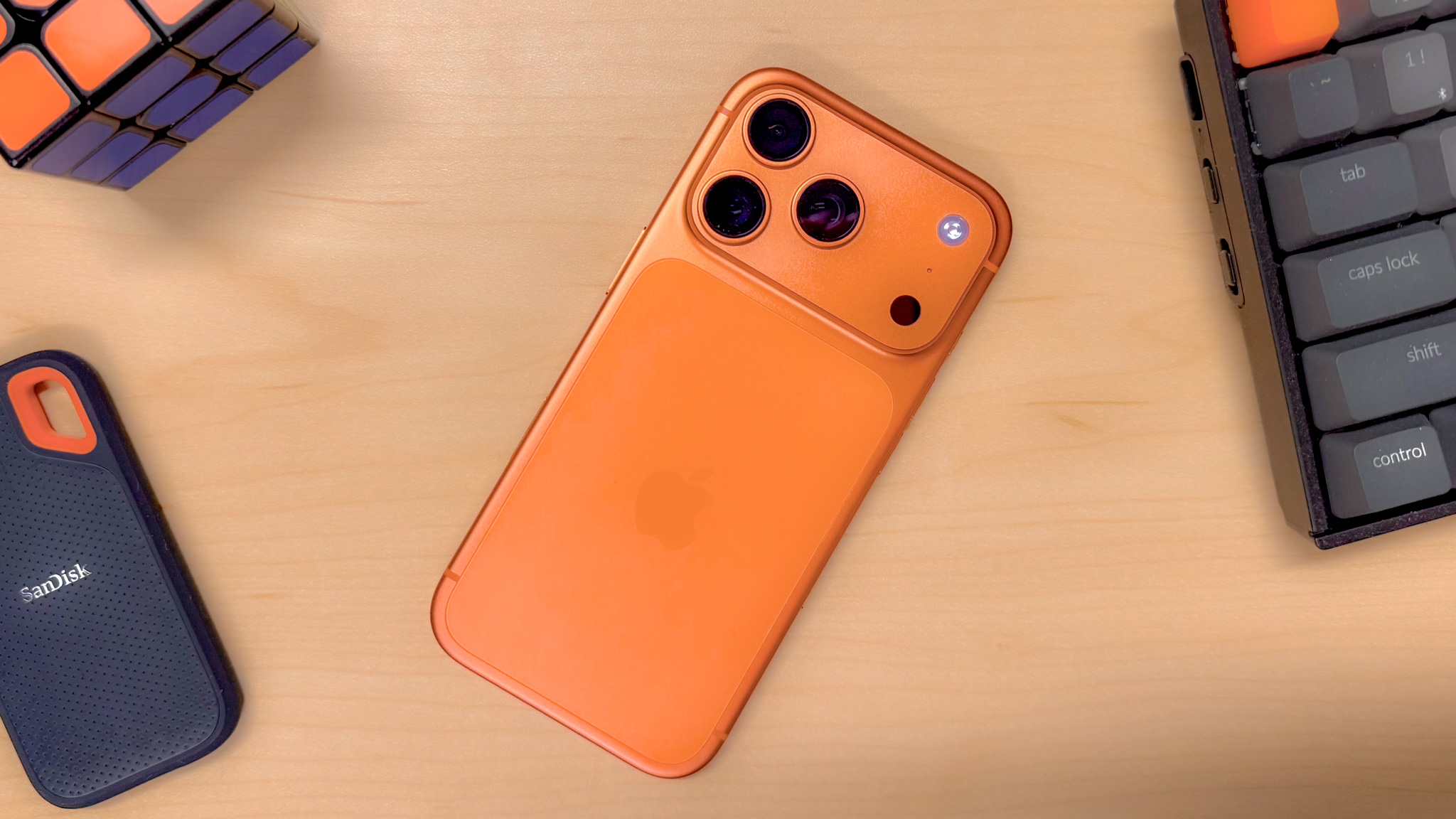
Photo: Ian Fuchs/Cult of Mac
In 2025, most major Android flagship phones became lighter and slimmer. However, Apple took the opposite route with the iPhone 17 Pro and iPhone 17 Pro Max, making the devices heavier and thicker than their predecessors.
The iPhone 17 Pro Max weighs 231 grams and features an 8.75 mm-thick waistline. That makes it noticeably bulkier than its closest rival, the Galaxy S25 Ultra. The latter weighs just 218 grams and measures 8.2 mm thick.
The added heft and thickness might not seem like a big deal. But it makes a big difference in daily use, especially on a phone as large as the iPhone 17 Pro Max.
While current rumors don’t point to any major design changes, there’s still hope that Apple rethinks the iPhone 18 Pro’s ergonomics. Trimming down the weight and thickness would go a long way toward improving day-to-day comfort. And Apple can achieve this without compromising battery life by using a silicon-carbon battery.
All Chinese flagship phones are already becoming slimmer and lighter, despite packing bigger batteries than ever before.
Knowing Apple, it could pair the iPhone 18 Pro’s tweaked design with bold new colors, building on the cosmic orange it introduced with the iPhone 17 Pro.
Bye-bye, Dynamic Island?
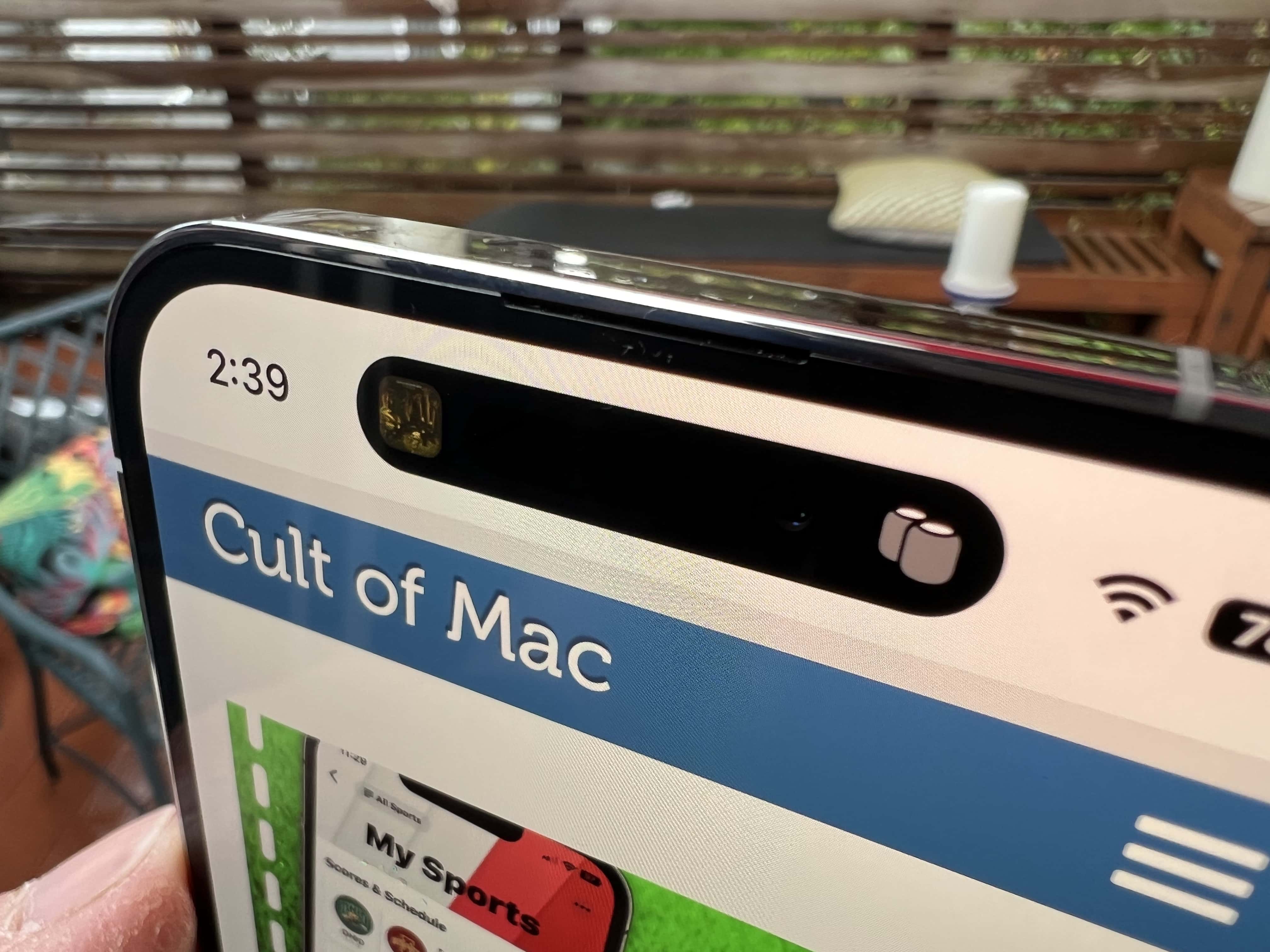
Photo: Leander Kahney/Cult of Mac
Apple last updated the iPhone’s front design with the iPhone 14 Pro in 2023. At that time, Apple replaced the notch with the Dynamic Island, housing the True Depth camera system and the sensors required for Face ID underneath a pill-shaped cutout that expands as needed.
If rumors are to be believed, Apple will outdo itself with the iPhone 18 Pro this year and finally introduce under-display Face ID. However, instead of removing the Dynamic Island entirely, it could simply shrink it.
There are mixed reports on this. If the Dynamic Island disappears, the front camera would move to the upper left corner.
Under-display Face ID remains technically challenging, so Apple might hold off on bringing it to the iPhone 18 Pro. Still, I would prefer a smaller Dynamic Island, especially since I find the cutout on the iPhone 17 Pro distracting in some apps.
A much-needed primary camera upgrade
Apple made only one notable rear camera upgrade with the iPhone 17 Pro: a bigger 4x telephoto shooter with a faster aperture. It left the primary camera untouched, marking the third straight year without any meaningful improvements.
The lack of upgrade stings, especially since the iPhone’s imaging performance trails high-end models from Chinese manufacturers. Cupertino’s competitors pushed ahead with larger sensors and more advanced optics, while Apple stuck with the same primary camera setup for three years in a row.
Are the iPhone 17 Pro’s cameras reliable? Yes. But are they the best? Far from it. And as someone who wants the best cameras on their phone, this is a letdown.
The iPhone 18 Pro might finally address the imaging gap. Its primary rear camera could get a variable aperture. Typically found in DSLRs, this technology enables them to control how much light hits the sensors. It also allows physical control over the amount of background blur.
Hopefully, Apple will pair a variable aperture with a bigger camera sensor, leading to a noticeable improvement in image quality.
A recent leak suggests Samsung is developing a new three-layer stacked image sensor specifically for Apple. With a higher resolution and a physically larger sensor, it could fully take advantage of the variable aperture, enabling better light control and improved low-light performance.
If this rumor pans out, this will also mark the first time Apple moves away from Sony for the iPhone’s camera sensors.
C2 modem
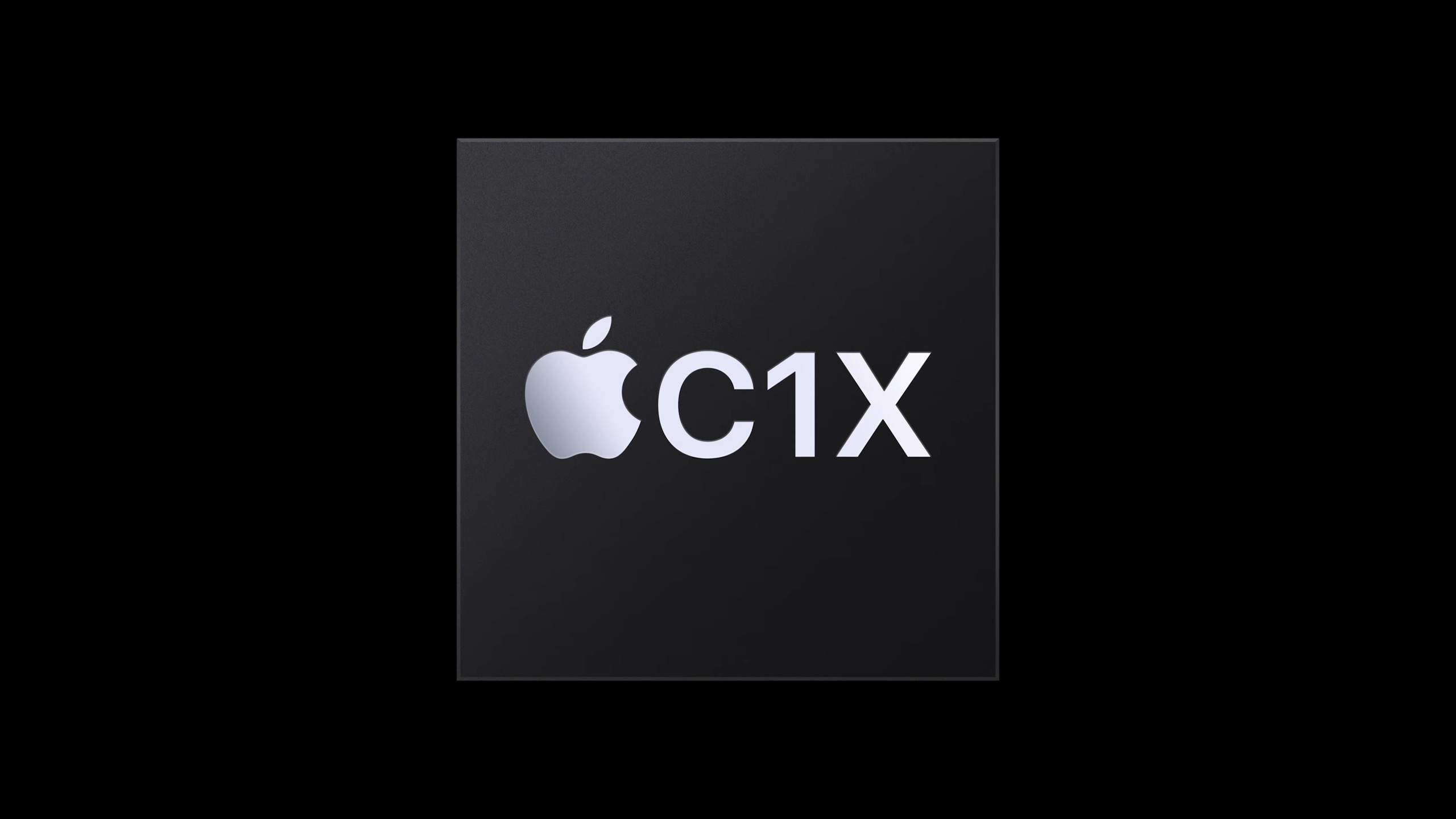
Photo: Apple
You might not pay much attention to the modem your phone uses, but it makes a big difference in daily use. In recent years, Apple has used Qualcomm’s latest and greatest cellular baseband to deliver faster and superior network coverage.
With the iPhone 18 Pro lineup in 2026, though, Apple might make a big change by switching to its in-house C2 modem. I wouldn’t have been particularly excited about this change on its own, if not for Apple’s recent track record with its in-house modems.
Apple’s C1 and C1x show impressive performance and power efficiency. And despite being Apple’s first-generation basebands, real-world tests show they can comfortably hold their own against Qualcomm’s offerings.
Every time Apple transitions to an in-house chip, the new hardware delivers clear gains in efficiency and performance. Apple silicon and the N1 wireless chip are perfect examples of how tight hardware and software integration can outperform the competition.
A20 chip for better performance and efficiency
Image: D. Griffin Jones/Cult of Mac
Every new A-Series chip from Apple introduces a major leap in performance and efficiency. And the upcoming A20 Pro SoC inside the iPhone 18 Pro should be no different. However, it might bring a bigger leap in performance than usual.
Unlike the A18 and A19 processors, Apple will supposedly switch to TSMC’s new 2nm node for fabricating the A20 Pro. The move to a cutting-edge node will allow for higher transistor density, enabling better performance and lower power consumption.
More importantly, rumors point to TSMC’s new packaging directly integrating the RAM inside the chip. This will bring the memory closer to the CPU, GPU and Neural Engine. Theoretically, this should provide a significant boost in performance and efficiency by cutting latency for data arriving at the CPU.
In short, the iPhone 18 Pro could deliver better performance and longer battery life without a corresponding increase in battery size. Apple already made meaningful gains with the iPhone 17 Pro in 2025. The next step could be pushing runtimes even further through efficiency improvements rather than a larger battery.
This improvement will not come cheap, though, with the A20 possibly costing Apple 50% more than the A19. The company will likely pass these additional costs to customers. Still, if the A20 Pro delivers on the performance and efficiency front, the extra cost should be worth it.
Revamped Camera Control
Apple introduced the Camera Control with the iPhone 16 in 2024. More than a year later, it is clear that the button has not lived up to its potential, primarily due to Apple’s poor implementation.
The touch-sensitive surface is finicky to use and prone to accidental inputs. In many cases, it is faster to tap on the screen instead of using the button. If anything, in its current form, the Camera Control ends up adding friction to something that should be instant.
With the iPhone 18, Apple might finally make amends. One leak points to the company trialing a revamped Camera Control button without the touch-sensitive sensor.
While this might sound like a downgrade on paper, it could actually make the Camera Control far more usable. Removing touch sensitivity would eliminate accidental inputs. And with the right software tweaks, it could finally allow the button to deliver on its potential.
Conclusion: Why I’m waiting for iPhone 18
The iPhone 17 Pro is an excellent phone, but it feels like a safe upgrade rather than a bold one. If Apple delivers on even half of what’s rumored for the iPhone 18 Pro, waiting nine more months could prove far more rewarding than upgrading now.

Rajesh has been writing about consumer technology for over a decade, with a strong focus on iPhones, Macs and Apple’s ecosystem. He enjoys digging into Apple software updates, hardware changes, and discovering new Mac apps that make work faster and more enjoyable.
You can reach out to him at mail[at]rajeshpandey.me.


One response to “Why I’m waiting for iPhone 18 Pro instead of upgrading to iPhone 17 Pro”
100% agree