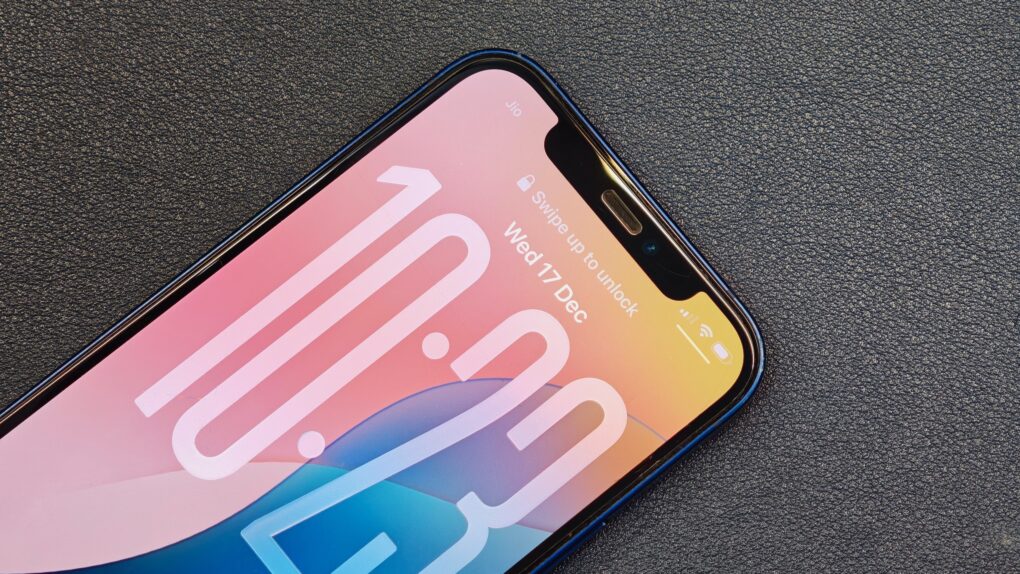
Apple’s 2026 flagship iPhones — the iPhone 18 Pro and Pro Max — might feature under-display Face ID sensors, according to a new port. As part of the change, the company will reportedly relocate the devices’ front cameras to their top-left corner.
The report also sheds light on other changes coming to next year’s iPhones, including a new rear camera sensor.
Under-display Face ID may finally become a reality in 2026
Apple introduced the iPhone 17 Pro with a revamped design this year, headlined by a new rear camera island. Next year, however, the company reportedly won’t make similarly drastic design changes. But it still plans to make some notable tweaks.
As part of this shift, the iPhone 18 Pro lineup will apparently adopt under-display Face ID, according to The Information. The front camera will seemingly not follow suit due to performance concerns. Instead, Apple plans to relocate it to the top-left corner.
Rumors of Apple moving to under-display Face ID have been swirling for a few years now. Given the technical challenges involved, it’s not surprising that the company hasn’t pulled it off yet.
A variable aperture for the new rear camera sensor
The report also backs up long-standing rumors of the iPhone 18 Pro adopting a variable aperture mechanism for its primary camera. This would go well with the new rear camera sensor, which can purportedly capture more light.
Without a new camera sensor, it would make little sense for Apple to add a variable aperture to the iPhone’s rear camera. The current sensor is simply too small for a variable aperture to deliver any meaningful benefits.
With a larger sensor, a variable aperture becomes far more useful. It allows the camera to precisely control how much light hits the sensor, helping avoid overexposure in bright scenes while capturing extra detail in low-light conditions. It also would help control the camera’s natural depth of field.
Additionally, the iPhone 18 Pro’s A20 chip reportedly will use a new TSMC 2nm packaging technology that will integrate the RAM directly onto the SoC. This should deliver a significant performance boost while also reducing the chip’s overall footprint.

Rajesh has been writing about consumer technology for over a decade, with a strong focus on iPhones, Macs and Apple’s ecosystem. He enjoys digging into Apple software updates, hardware changes, and discovering new Mac apps that make work faster and more enjoyable.
You can reach out to him at mail[at]rajeshpandey.me.