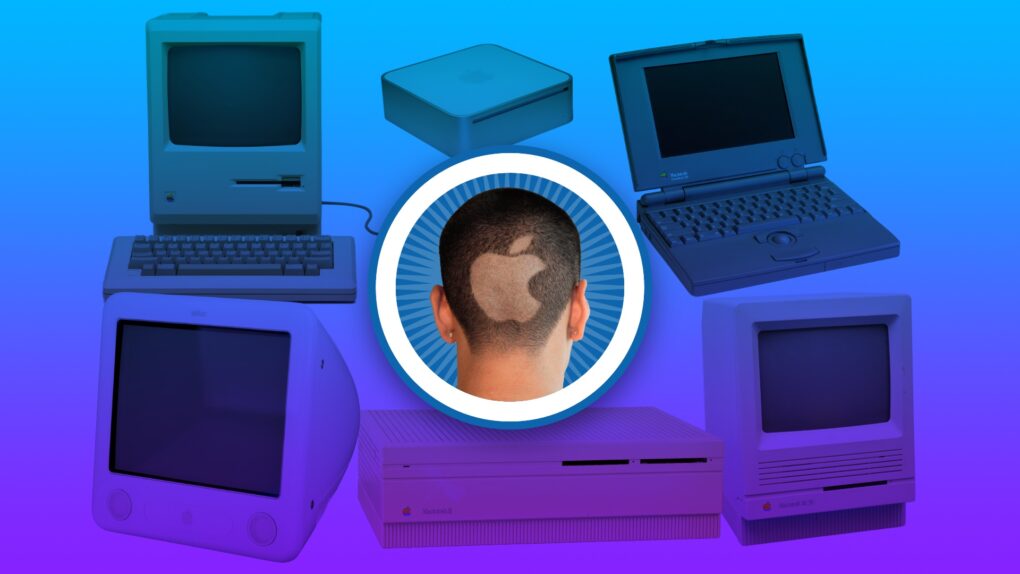
 Apple started exactly 50 years ago, and most of the Cult of Mac staffers have been Mac users almost since the beginning. We have 170-plus years of experience!
Today’s milestone has us looking back on how we got started using Apple computers, from the original Macintosh to the first PowerBook to the early Mac mini.
Our first Apple products: How Cult of Mac writers joined the cult
We Cult of Mac writers are lifetime Apple users. And our expertise goes way back. We remember 9-inch monochrome screens, and know what SCSI stands for. We didn’t just read about Apple’s struggles in the 1990s in the history books — we lived them. We vividly remember where we were when Steve Jobs unveiled the iPhone.
We write about Apple because we love the products, and have for decades.
Table of contents: Our first Apple experiences
- Leander Kahney: The Macintosh
- Lewis Wallace: Macintosh SE/30
- Ed Hardy: PowerBook 140
- Graham Bower: Macintosh IIfx
- Ian Fuchs: Macintosh IIsi
- D. Griffin Jones: eMac
- Rajesh Pandey: Mac mini
Leander Kahney: An original compact Macintosh
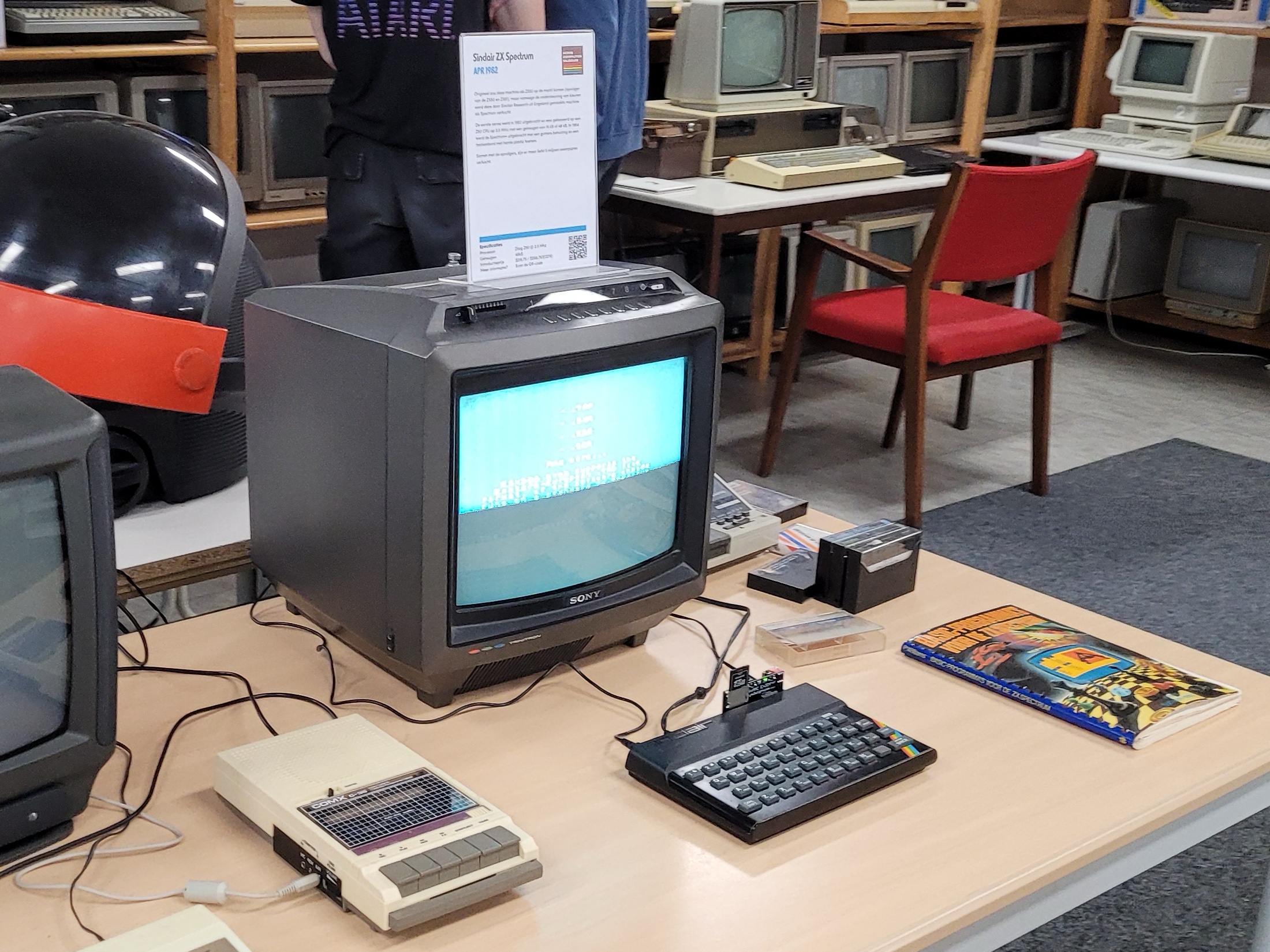
Photo: Prolete, CC0, via Wikimedia Commons
I was introduced to Apple and the Mac by my dad, who was a huge Apple fan all the way back in 1984. He waxed rhapsodic about how Apple was revolutionizing computing with its amazing graphical user interface. He was giddy about it.
I was about 19 at the time, and my experience with computers was limited to various Commodore PETs and ZX Spectrums we had in our school computer lab. I absolutely hated them, and had no aptitude whatsoever for their command-line interfaces. We were taught how to write simple “Hello world” programs in BASIC (which we loaded onto tape drives), and I was completely and utterly underwhelmed.
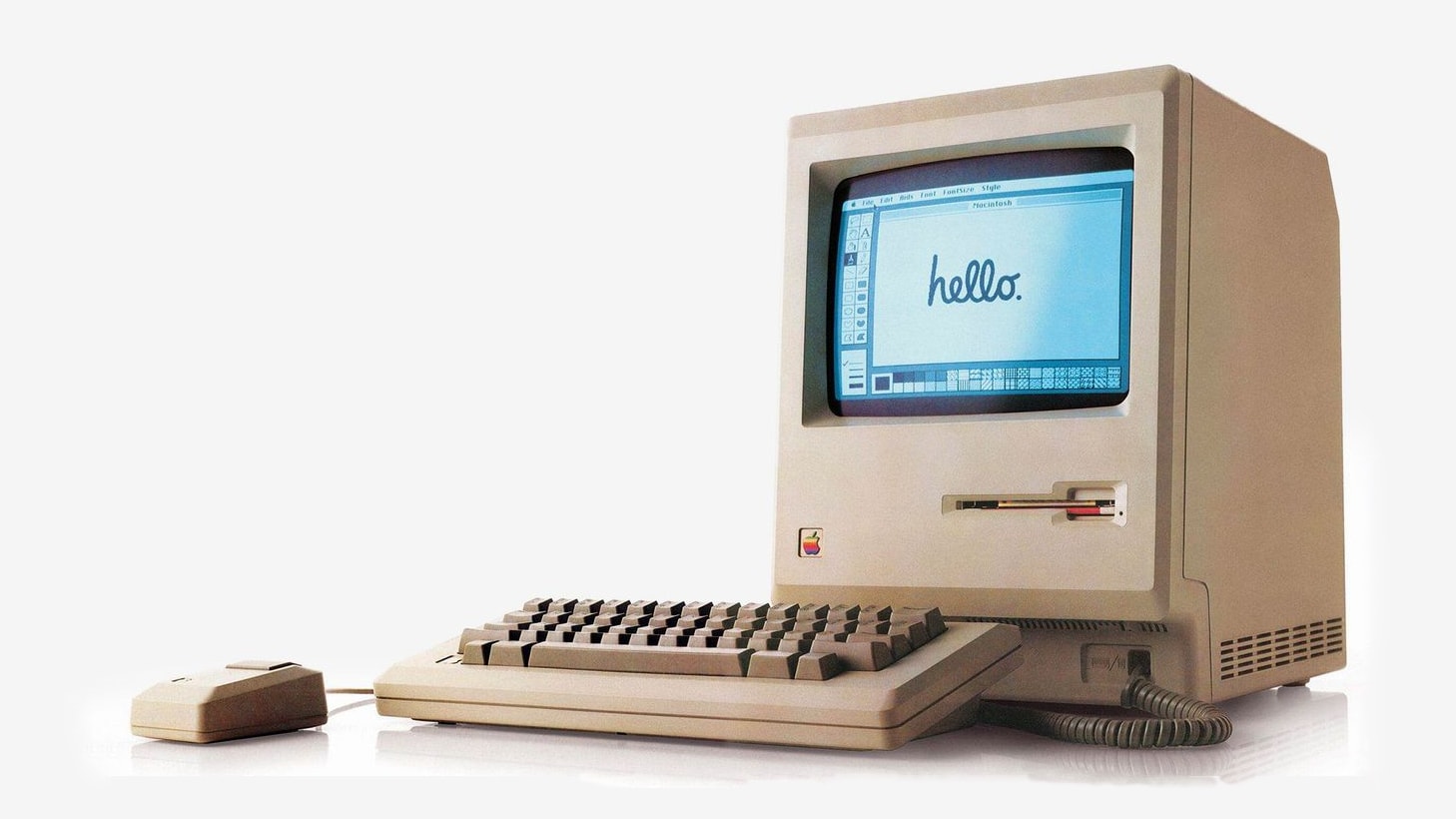
Photo: Apple
But then my dad, a psychology professor at the Open University, got me and my brothers access to an early Mac in the psychology department. I don’t recall exactly, but it was likely a Macintosh 512K, and we spent hours playing with MacPaint in the evenings after the staff had gone home. We printed out our artwork on a large and noisy dot-matrix printer that shook the whole building as it spat out endless scrolls of tractor-feed paper. My dad proudly hung our (probably dreadful) artwork all over the building.
We soon got a Mac at home, too, and my dad was glued to it night and day, working on his papers and books. I used it for writing college papers, and I was always nervous that my work would get wiped as I swapped out the floppy that had Word on it for a floppy to save my essay. It frequently crashed mid-essay, too, and the sight of the classic “bomb” icon and the loss of my work filled me with indescribable rage — and bewilderment. This can’t be happening! I don’t believe it! How could this happen? We played a lot of Lode Runner, too.
My dad eventually got a Mac Plus, which I brought to America in a suitcase after he died. I used it for a while for freelance writing, and then stashed it in the basement for years. I scrapped it when it would no longer boot up. I wish I’d kept it now — in memory of my dad, who I still miss dearly. —Leander Kahney
Lewis Wallace: Desktop publishing on a Macintosh SE/30
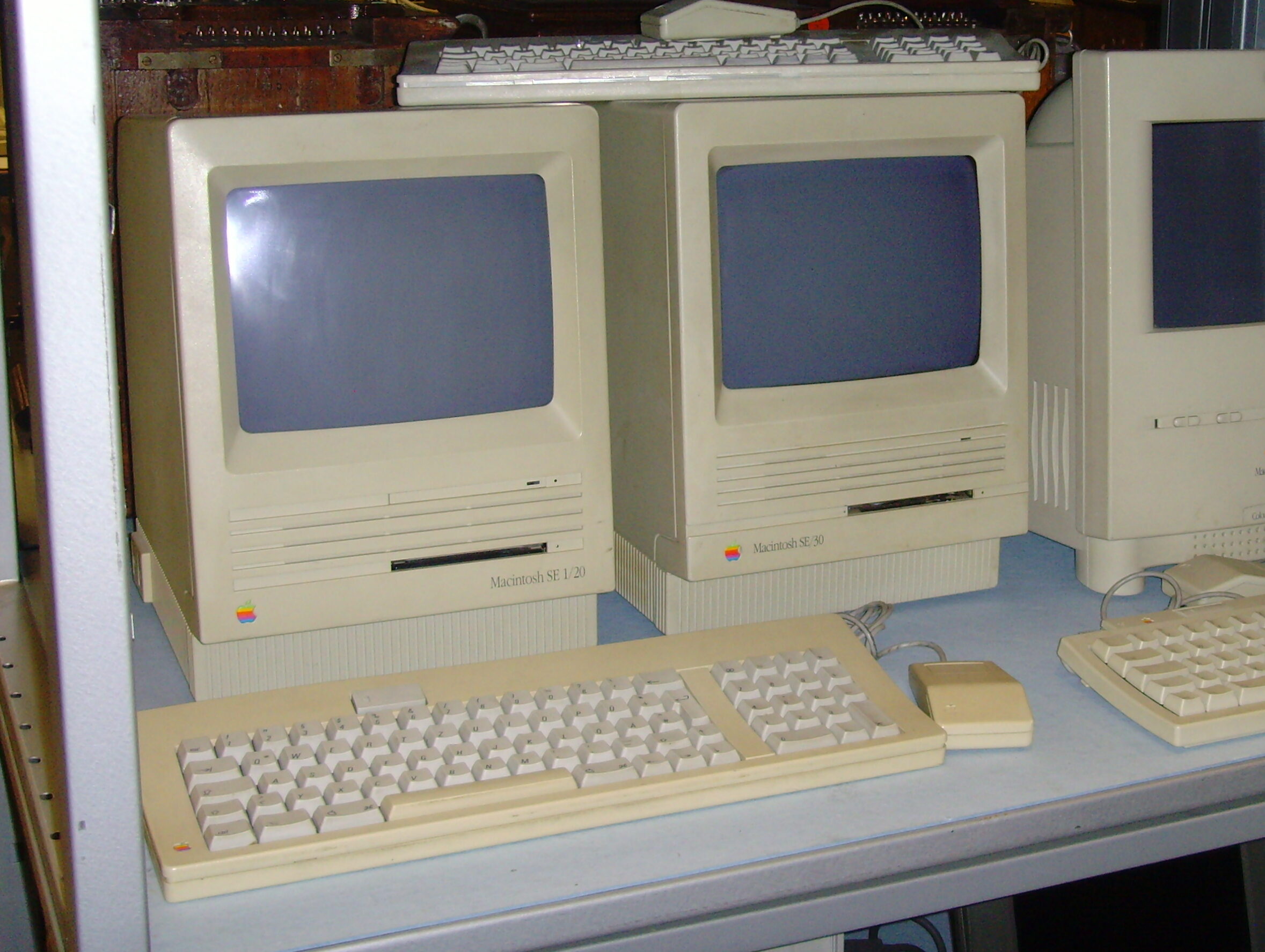
Photo: Klaus Nahr from Germany/Wikimedia Commons
My “Saul on the road to Damascus” moment for the Macintosh came when my college newspaper switched from a dreadful old system for filing copy to an all-Mac setup. The ancient newsroom system consisted of bulky terminals with tiny screens and 5.25-inch floppies that reporters would dash across the room when handing in a story to an editor.
As with so many things of that era, my recollection of the exact publishing system that we used prior to the Macs is hazy. However, I vividly recall writing a news story not once, not twice, but three times from my hastily scribbled notes, due to the system “eating” my copy. What’s not at all fuzzy is my memory of the revolution that took place when our college supervisors brought in the Macs. The screens looked bright and modern (little did we know then). And suddenly, the computers talked to each other (using a new-at-the-time AppleTalk network).
Yes, we still encountered the dreaded bomb icon occasionally due to system errors. But the Mac were light-years ahead of the previous publishing system. And QuarkXPress — early WYSIWYG desktop publishing software that competed with Aldus PageMaker — made it simple for The News Record’s copy editors to lay out pages on their giant, vertical(!) screens. The whole experience was so much more elegant than the old industrial garbage we had been using — and the MS-DOS PCs of the time, one of which I had in my dingy apartment — that I was spoiled for life by my first exposure to the Mac. I took my extravagant graduation gifts, a Macintosh SE/30 and an Apple LaserWriter, to my first full-time job at a local Cincinnati rag. —Lewis Wallace
Ed Hardy: One of Apple’s first PowerBooks
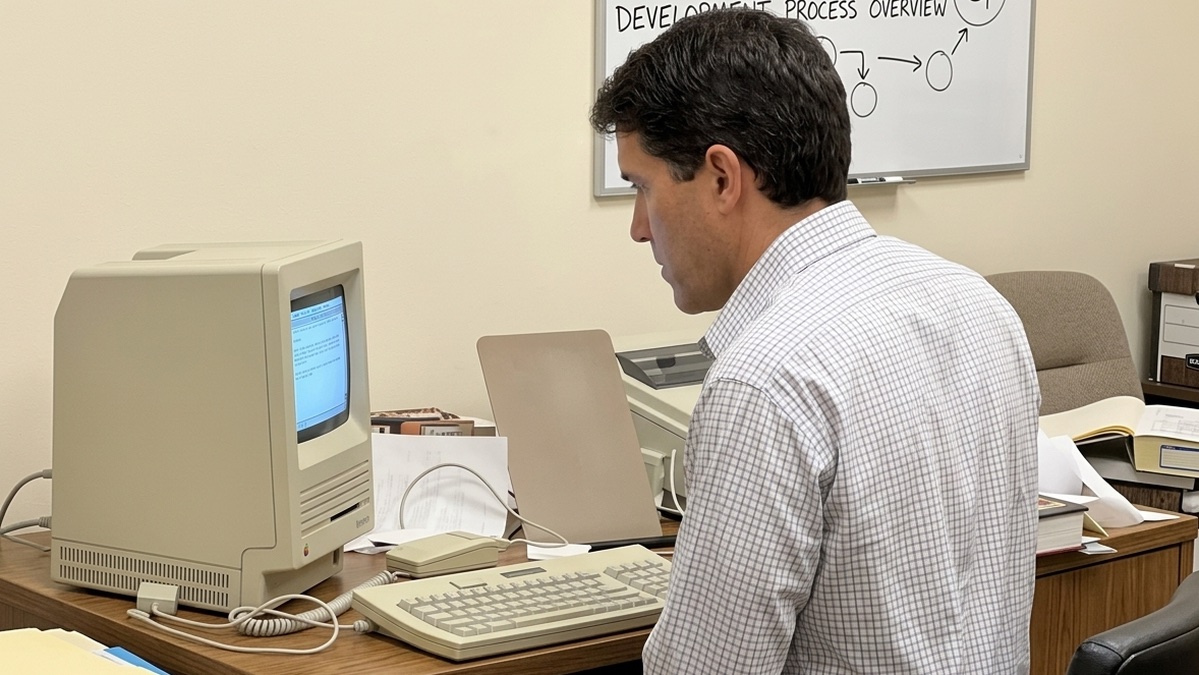
AI enhanced image: Ed Hardy/ChatGPT
In the early 1990s, my university campus was all Macintosh — I could go to any computer lab and write on a Mac. But when Apple launched the PowerBook 100 series in 1991, I had to have one. I saved my money for months and was finally able to buy a used model.
As I remember it, this was the first laptop on campus. Other students were amazed… and envious. No company before Apple had been able to make a usable mobile computer.
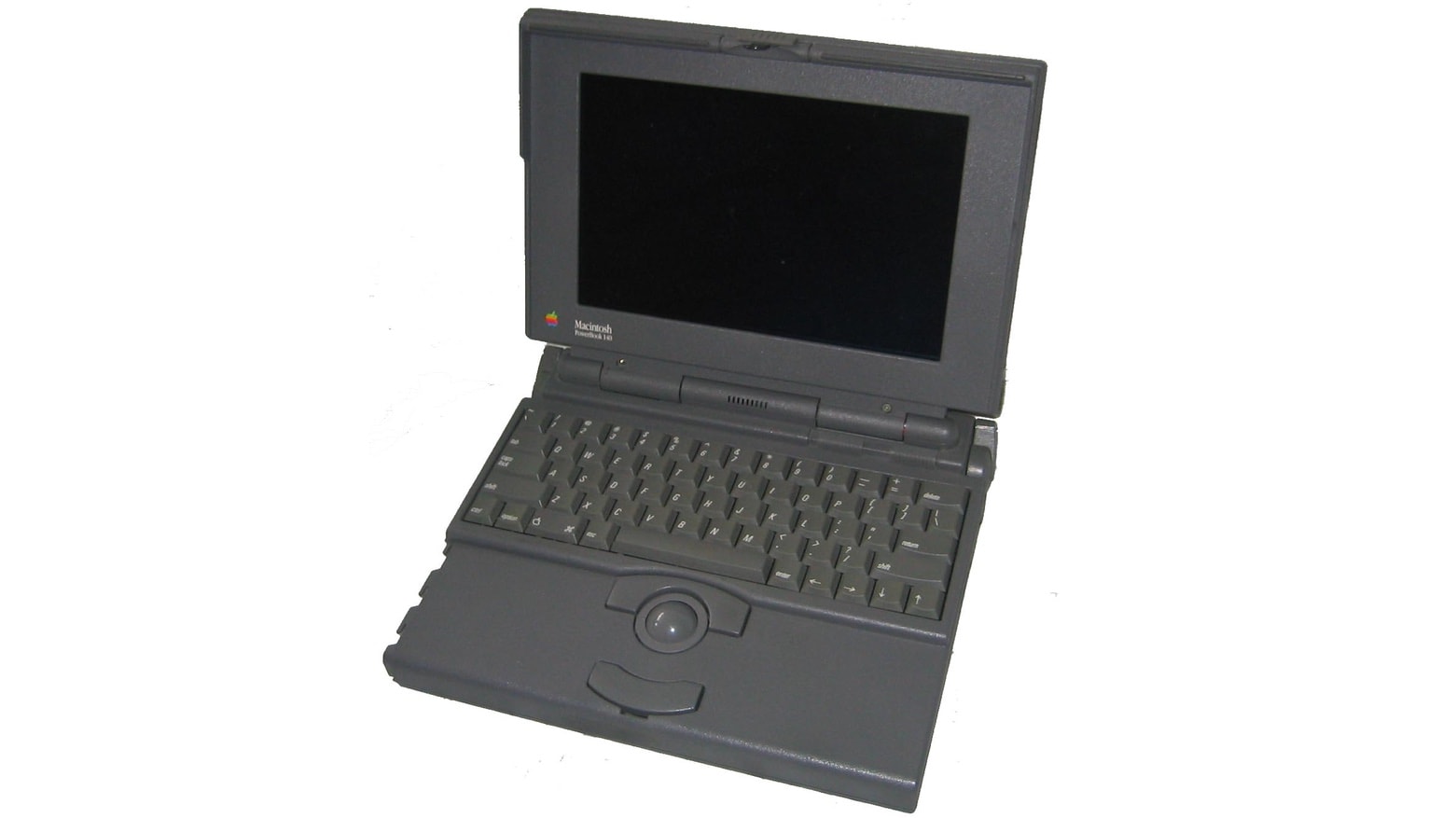
Photo: Wikipedia Commons
It’s hard to describe now what a revolution that PowerBook 140 was. It was a computer that fit in my backpack with my textbooks, but had all the power of a desktop Macintosh. Rather than wasting time going to a computer lab, my Mac was always with me.
It helped get me through university, and lasted for years afterward. I eventually replaced it with another PowerBook because I was hooked on mobile computing. And on Apple. —Ed Hardy
Graham Bower: A Macintosh IIfx
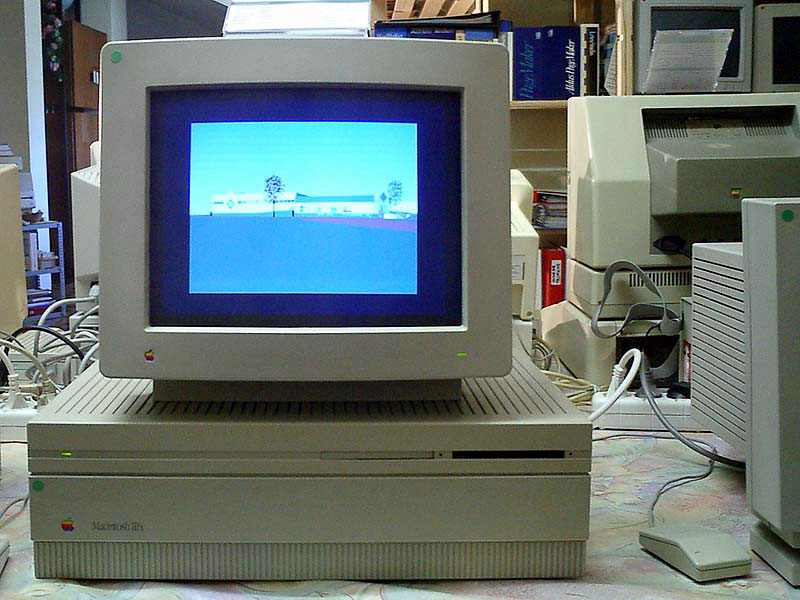
Photo: allaboutapple.com, CC BY-SA 2.5 IT, via Wikimedia Commons
The first Apple product I ever used was a Macintosh IIfx at Central Saint Martins College of Art and Design in London, back in 1991. The desktop-publishing revolution was just getting started. Most print artwork was still produced mechanically, and Macs were regarded with suspicion by many of my fellow students. As a result, the computer room was populated almost entirely by geeks like me. We really were “the crazy ones.”
Macs were expensive back then, and I couldn’t afford one of my own. But my college had a room full of them, and I couldn’t believe my luck. They ran System 6, with its one-bit, black-and-white interface. It was primitive by today’s standards. You had to manually allocate memory to applications. You needed extensions like Adobe Type Manager to do almost anything useful. And you couldn’t even move a font in the Finder.
But none of that mattered. The Mac enabled me to create designs that would have been impossible without it. And it looked cool, too. I was hooked. And I’ve been using Apple products ever since. —Graham Bower
Ian Fuchs: Macintosh IIsi
My first exposure to Apple came at a very early age. When visiting my grandparents over Christmas break when I was probably 7 or 8, my cousin and I discovered that their computer — a Macintosh IIsi, if I recall correctly — had this pizza delivery game (PizzaRush, according to my Google searching). We spent hours that holiday buzzing up and down these low-bit streets dropping off pizzas and driving all around the town.
With each passing visit to their house, we would discover new games. SimCity, Spectre, Maelstrom, to name a few. In hindsight, I have no idea where or how we found them, but I remember feeling completely at home using the classic Mac interface.
A few short years later, during seventh grade, our school became part of a pilot group to introduce iMovie and the iMac to students. I attended a two-day, hands-on learning experience at a local college, shooting video with a small Canon digital video cam and editing the footage with an instructor and two other students. The experience turned what was a glorified gaming system into a powerful tool, and introduced me to the productive and creative side of Apple.
That experience put me on a path to study video and audio production, graphic design, and web design and development in college. It helped me land my first “real” job out of college and opened many other doors in my career. From gaming on a Mac IIsi to learning video editing on a tangerine iMac, to a career of work on MacBook Pro, Apple and the Mac have been with me a long time. It’s tough to imagine where I’d be without this amazing fruit company. — Ian Fuchs
D. Griffin Jones: An eMac in a school computer lab
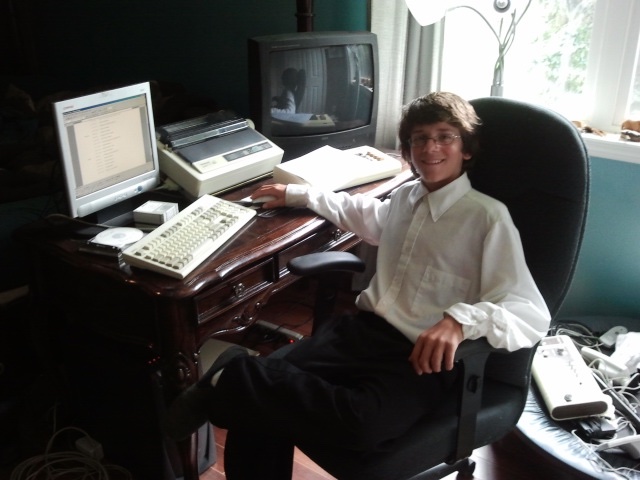
Photo: D. Griffin Jones/Cult of Mac
My first computer was a PC my dad built for me in 2002, likely a Pentium II machine put together with spare parts, running Windows 2000. My whole family used PCs, so to my eyes, a computer was always a slow beige box with chunky gray windows, a Start menu, tiny bitmapped icons, pixelated text and Internet Explorer 4.
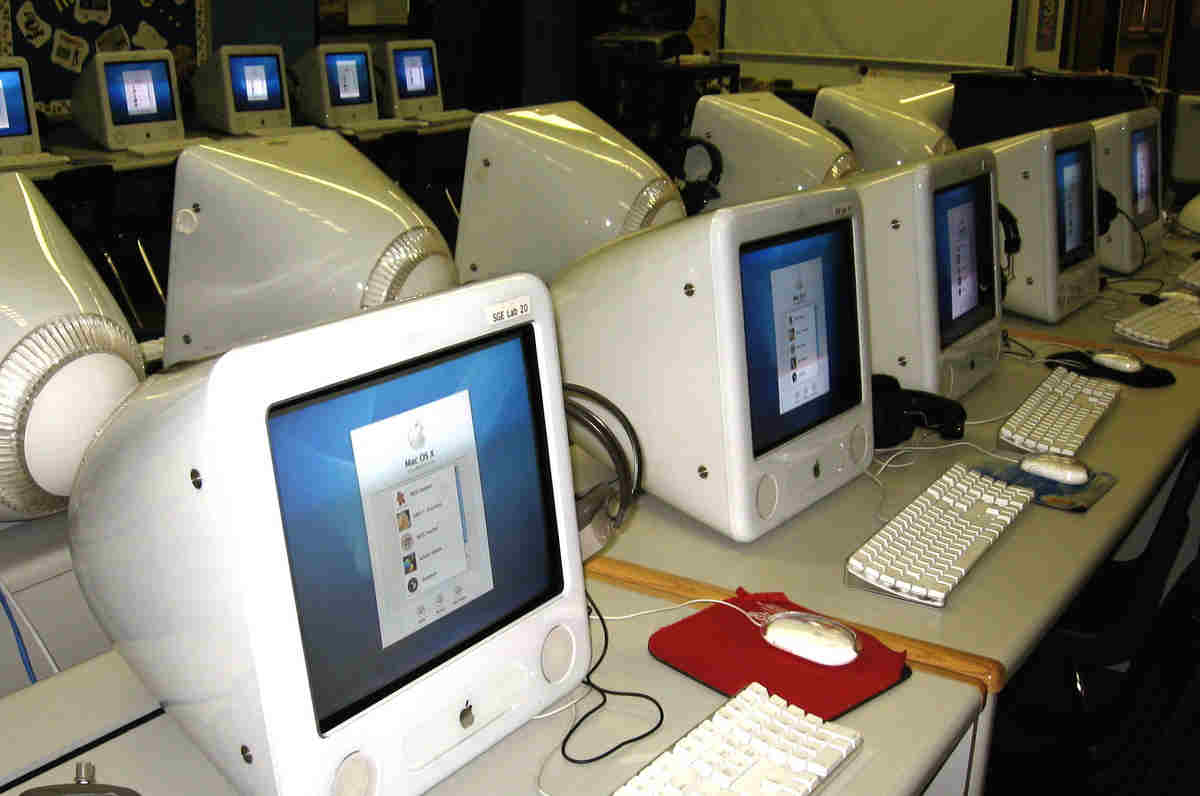
Photo: Frank Alley/Radschool Association Magazine
You can imagine how my mind was utterly blown when I sat down in front of an eMac (or possibly an iMac) running Mac OS X. Translucency everywhere. Bright, bold colors. Pinstripes. And the icons! Microsoft Office, which I knew as clunky and boring, had these radical, shiny, extremely cool abstract letter icons, and I couldn’t take my eyes off. Even the mouse was inverted, black instead of white. My world was turned upside-down.
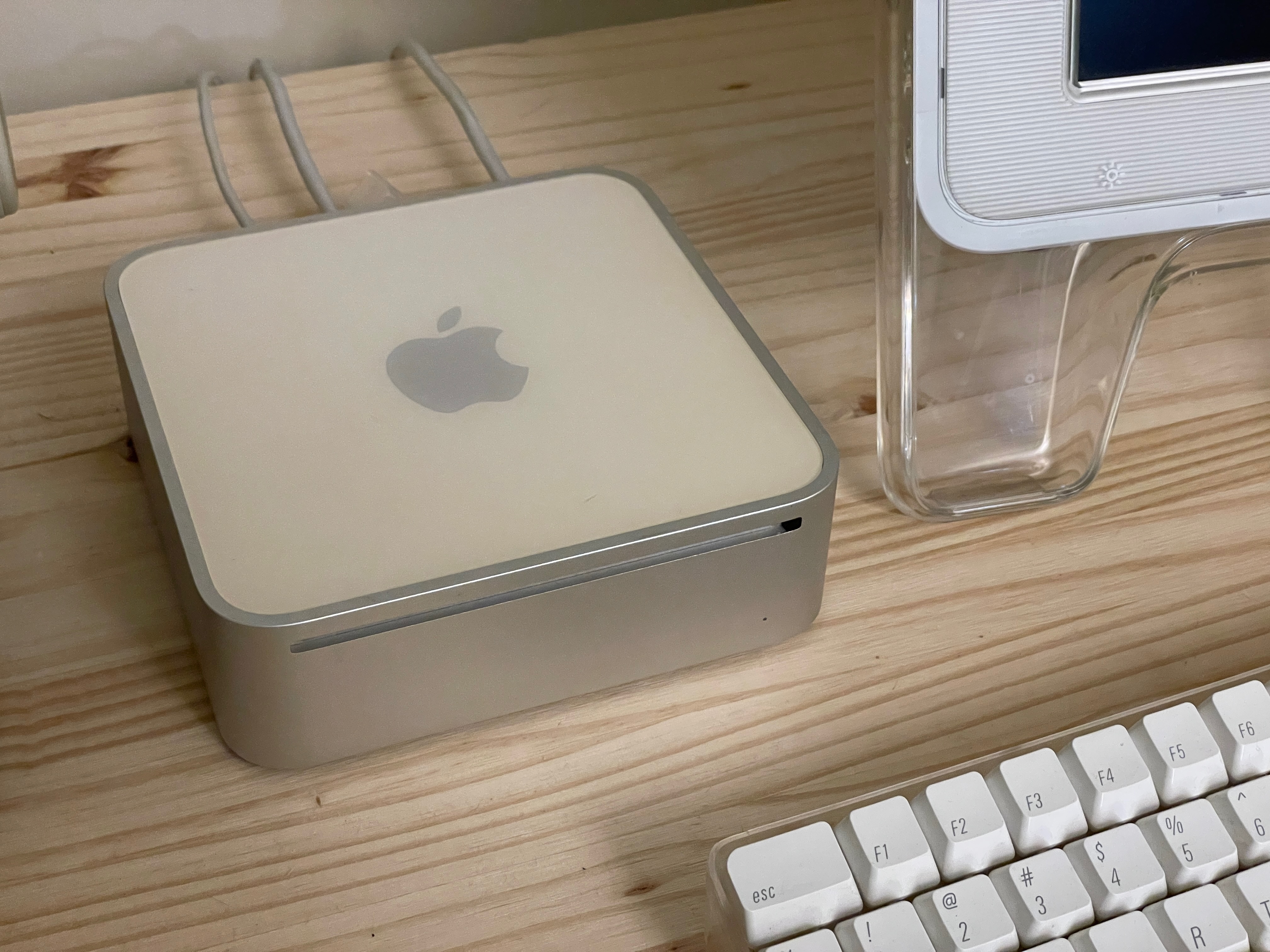
Photo: D. Griffin Jones/Cult of Mac
I wouldn’t get a Mac of my own for many more years, but the fire inside was lit. The 2006 Mac mini I inherited had a lowly 32-bit Intel Core Solo processor. It ran Snow Leopard at a snail’s pace. But it didn’t matter one bit; I had finally joined the Cult of Mac. —D. Griffin Jones
Rajesh Pandey: Just had to have a Mac mini
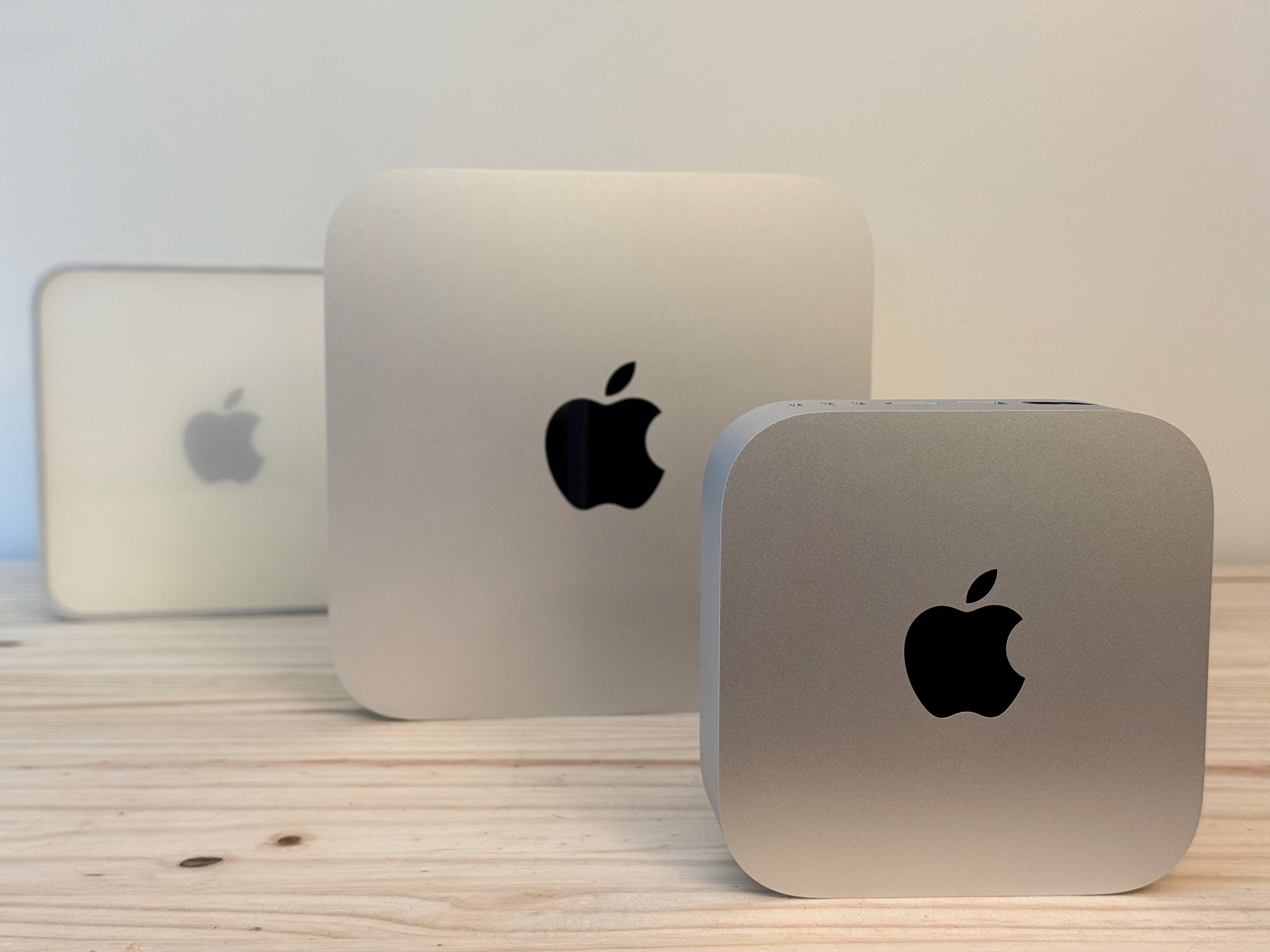
Photo: D. Griffin Jones/Cult of Mac
As a college kid with way too much free time, I spent weeks trying to get Hackintosh to work on my PC. Kexts, boot flags, kernel panics — I tried it all. Every time I thought I had it figured out, something else would break. Between that and the usual Windows headaches, I was done. So when I walked past a 2011 Mac mini at a store, I picked it up on a whim. No research, no spec comparisons. I just wanted the real Mac experience.
Within minutes of booting the mini, I understood what all the fuss was about. The experience was leagues ahead of everything I had tried before. I loved that little machine so much that I cracked it open, threw in extra RAM and an SSD, and kept it chugging for years. That Mac mini didn’t just make me swear off Windows. It made me join the Apple cult.
More than a decade later, the Mac mini is still my primary computing device, handling my ever-growing workload. It’s now even smaller, and yet it packs a much faster M4 Pro chip inside. —Rajesh Pandey
More on Apple’s 50th anniversary:
- 50 years of the most important Apple products
- The most important Apple announcement every year, from 1976 to 2026
- 5 times Apple turned failed products into huge successes
- The other geniuses: 16 unsung heroes from Apple’s first 50 years

Ed Hardy has been writing full-time about tech for 26 years, and using it for much longer than that. His intro to Apple was a Macintosh SE/30 (which he still has), but now he uses a 13-inch iPad Pro as his primary computer.
That’s because he’s a “tablet first” type of guy. Rather than use a Macbook, he connects a keyboard case to the iPad. And instead of a desktop Mac, he connects his tablet to a 27-inch display and full-size keyboard. (So don’t try to tell him that everyone has to use a Mac to be productive.)
Before coming to Cult of Mac, Ed wrote for NotebookReview, TabletPCReview and Brighthand, as well as other sites.

2 responses to “Our first Apple products: How we joined the Cult of Mac”
Was hired by my school district in the Spring of 1983 as a Tech in prep for setting up brand new computer labs in all K-12 schools… Had never touched a computer in my life before the Apple IIe’s arrived will all the bells & whistles included (Apple Printers, Apple Scanners, Apple Floppy Drives and Educational Software bundles for appropriate grade levels. Each lab had a total of 14 computers X 10 schools for a total of 150 Apple computers. That was just the beginning by the time I retired labs computers had been upgraded and all classrooms district wide had at least 1 computer as well. My first personal purchase was in 1998 – 15″ PowerBook
I was in elem with Apple II’s and a clone in college. But what drew me in was the 2nd gen. iPod and I quickly bought the 1st gen Mac Mini