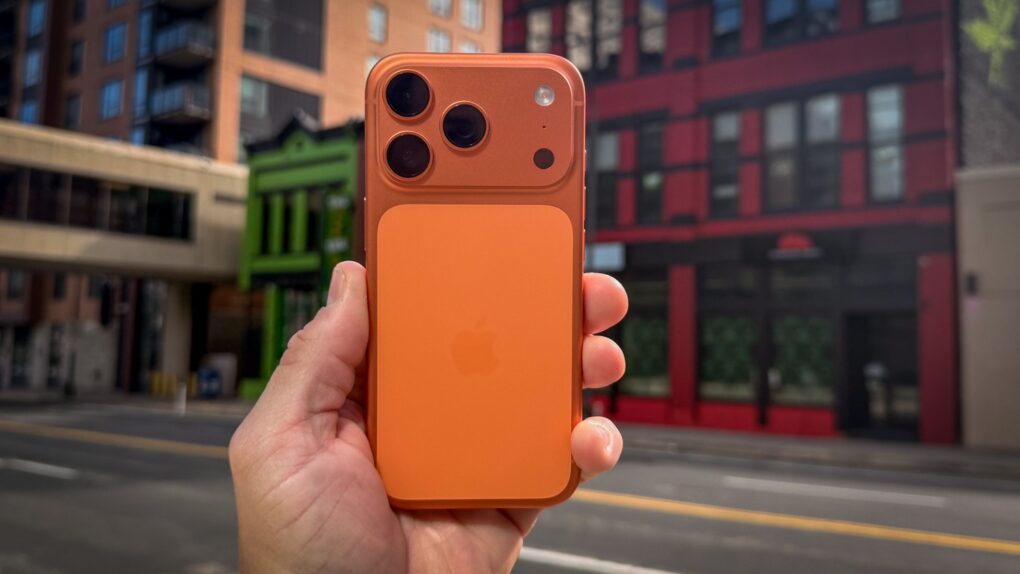
Apple’s first foldable iPhone could be about to get off the assembly line, and so is the much rumored OLED iPad mini and OLED MacBook Pro. And every single panel inside them might come from just two South Korean companies, which presents a major supply-chain risk for Apple.
If you are planning to buy any of these products, that’s worth knowing. Reportedly, Samsung Display and LG Display are said to be supplying 100% of the OLED panels for Apple’s upcoming 2026 lineup, with China’s BOE — a display giant that reportedly fumbled production of previous iPhone screens — shut out completely.
BOE isn’t making any OLED panels for Apple
Apple’s 2026 lineup looks like a major leap forward but behind the scenes, it marks a major strategic shift. By relying entirely on Samsung Display and LG Display for every OLED panel, Apple is trading supplier diversity for execution certainty after BOE’s stumbles. That decision could shape everything from product quality to supply stability, especially as Apple pushes into more complex designs like its first foldable iPhone.
The news about Apple’s OLED suppliers comes from Korea’s ETNews, claiming BOE never started developing screens for the iPhone 18 series. That is a sharp fall compared to last year – when BOE actually got to make the iPhone 17 Pro’s panels.
But BOE reportedly ran into quality-control issues that stalled shipments and didn’t resume until April 2025. And Apple does not forget this kind of stumble so easily.
So, who’s supplying what?
The publication claims Samsung Display will be making all OLED panels for Apple’s first foldable iPhone (approx 10 million units) and iPad mini (around 2 million units). It also includes the OLED MacBook Pro, which is rumored to enter production sometime next month.
LG Display is reportedly making approximately 34 million OLED panels for the Apple Watch Series 12. It is also said to be making panels for the iPhone 18 Pro and the iPhone 18 Pro Max. The report claims it might be the single biggest OLED order of the year, at around 90 million units combined, split between both suppliers.
The iPhone 18 series is also rumored to get LTPO+ tech, which should translate to better battery life and a snappier display in dimly lit environments.
Apple could be taking a risk
By sticking to Samsung and LG, Apple will be more reliant on these companies, and the opposite is also true. Last year, 45.6% of Samsung Display’s revenue came from the U.S.
As for LG Display, a company “believed to be Apple” might make up for 58.4% of its revenue.
For years, Apple has tried to include Japanese and Chinese display makers to avoid this kind of risk. But for now, its effort seems to have hit a roadblock. Apple’s foldable ambitions could be relying on just two Korean factories getting it right.
We will soon know if Apple’s gamble pays off. The iPhone 18 Pro and the first foldable iPhone are both expected to land this September.

Anurag Chawake is a tech-focused writer specializing in smartphones, apps and consumer technology. His interest in computers began during the Windows 98 era, eventually leading him to explore everything from operating systems to mobile devices and PC hardware. Anurag previously contributed to The Indian Express, covering Apple, Android, gaming and the broader technology landscape.