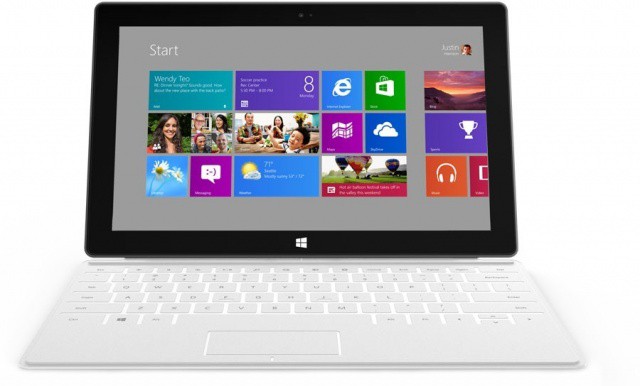
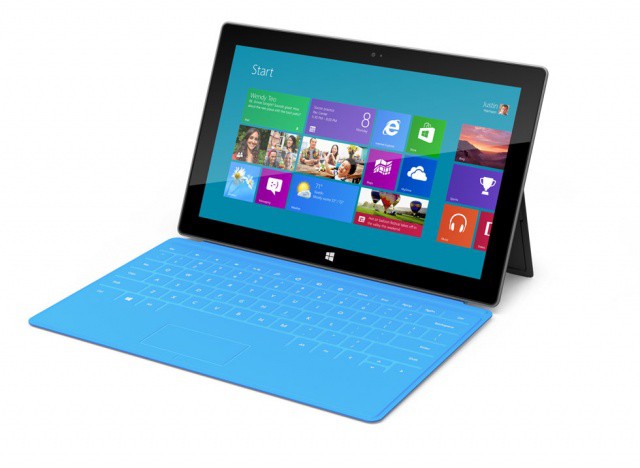
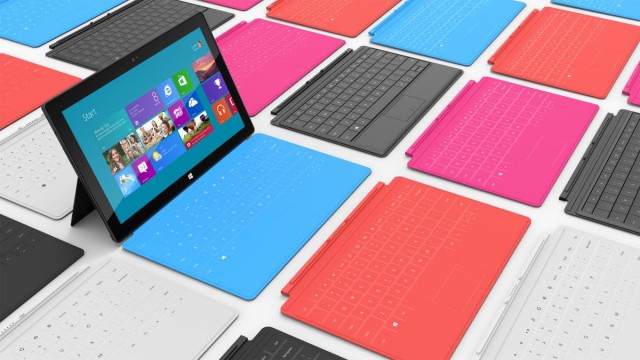
Microsoft couldn't rely on a third-party to build a tablet like this.
Despite countless rumors suggesting it was on its way, when Microsoft unveiled its new Surface tablet late last week, a lot of people were surprised. It was a strange move by the Redmond-based company, who has traditionally focused solely on software and allowed other companies to worry about the hardware.
So why did Microsoft build its own tablet?
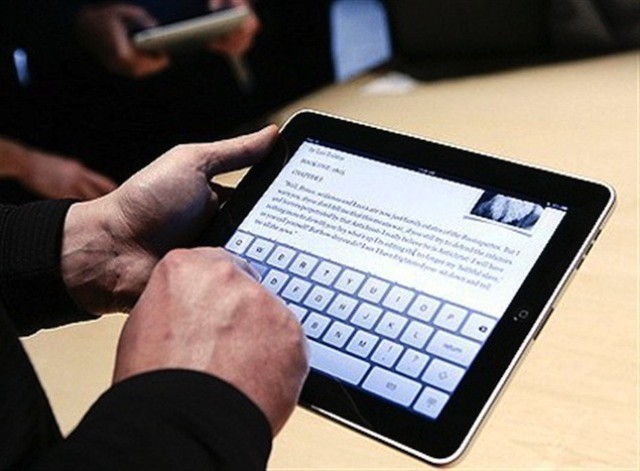
According to one of the company’s former employees, it took hardware matters into its own hands when it realized it couldn’t rely on PC makers to make the same bets Apple was making. You see, Apple has taken some incredible steps to make its iPad the behemoth it is today. And rival companies just weren’t willing to gamble.
As has been discussed in the past, the general consensus among those in the tech industry seems to be that the only way to compete with the iPad is to make your product cheaper than it.
This was moderately successful for devices such as the Kindle Fire, which sold in respectable numbers, but fell off after a short amount of time, even though it retailed for only $199. If history is anything to base expectations off of, the Microsoft Surface may be in trouble. The Next Web is reporting today that Microsoft’s entry into the tablet market may cost considerably more than the iPad.
Arguing the iPad can't access legacy IT systems often means IT is ignoring much bigger problems
Plenty of people have offered their thoughts and opinions about Microsoft’s Surface devices after the company unveiled the two tablets earlier this week. One particular thread of conversation has been what Surface means for the iPad in businesses and enterprises. One piece that stood out to me was Justin Watt’s blog post Goliath Wants David’s Market.
Watt offers an interesting and well written argument that Surface may find success in many companies because they are still using legacy applications and processes – some of which may have originated long before Windows XP and OS X and have been patched countless times to over the years or decades to continue functioning. His core argument is that many iPad users access these tools using virtual desktop solutions like Citrix Receiver. As a result, at least for some tasks, the iPad functions as a Windows tablet. That could give Surface and other Windows tablets an edge over the iPad if they can directly deal with the legacy code involved or deliver the same virtual desktop experience.
The truth, however, is that many companies are chugging along on legacy solutions that were never designed to work with devices like the iPad. In fact, some widely used legacy systems have roots that weren’t even designed to work with Windows! In many companies, IT has been able to keep the age and state of those systems under wraps. But the iPad, and now the iPad versus Surface discussion, is now pushing that dirty little secret into the light of day.
For all the buzz about the Microsoft Surface, we don’t know really know the most important things about it yet. We don’t know when it’ll be released. We don’t know how much it’ll cost. As nice as the Surface looks, Microsoft didn’t even say if it would come with 3G, let alone with LTE. And according to Bloomberg, the reason they didn’t announce it is because the Surface won’t: it’s WiFi-only.
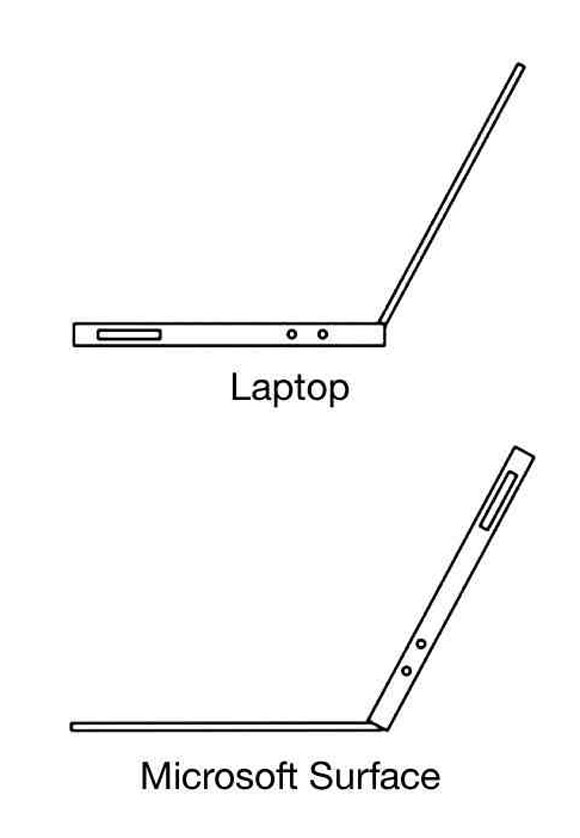
The word “innovative” has been thrown around a lot in the aftermath of Microsoft’s Surface announcement, but how innovative is the design, anyway? The thickest part of a MacBook Air is the keyboard, which allows you to balance it on your lap to type on it; where as the Microsoft Surface is just an Air flipped upside down, with the thickest part the screen, making it the first thing to go flipping off your lap.
Okay, we admit, this image is a little exaggerated, but it’s funny, and it does raise a good criticism of the Surface: ostensibly, the Surface is a tablet with a keyboard cover that allows it to be used as a notebook, but its form factor makes it impossible to type on unless you’re at a desk or a table.
Earlier this week, Microsoft revealed their new “iPad killer,” a sleek and sexy tablet they’re calling the Surface. The guys over at Gizmodo think it looks even better than the iPad and the MacBook Air. We don’t. Who’s right? What better way to find out than to grab Gizmodo’s Editor-in-Chief, Joe Brown, and let the fists fly on an all new CultCast.
Can Joe convince us that Microsoft is the coolest company in tech right now? Or will the CultCast crew enlighten the Gizmodo chief? Find out on a titillating new episode — and don’t miss the reveal of our favorite new gadgets!
Hit the subscribe button right now and read on for the show notes.
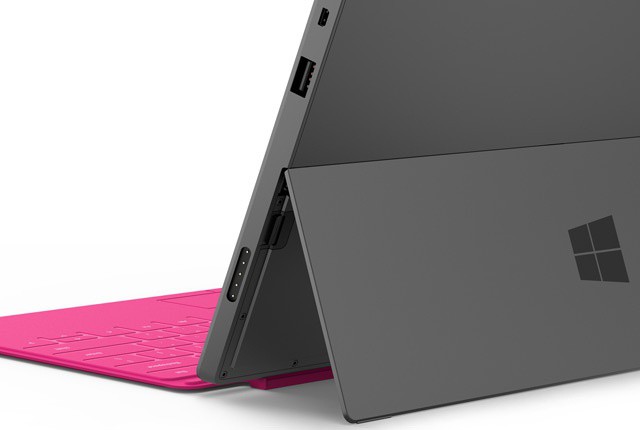
See that five-pin connector on the side of Microsoft's Surface? That's pretty much a MagSafe.
Ever since it first debuted in January 2006, Apple has jealously guarded its MagSafe technology from being poached by the competition. Patented up the wazoo, Apple doesn’t allow knock-offs and goes after companies that try to rip it off, even going so far as to sue companies that make MagSafe compatible accessories that use official recycled MagSafe connectors.
It’s through being so aggressive about its MagSafe IP that, to this day, none of the competition has anything like it. That’s about to change, though: the new Microsoft Surface tablet has a MagSafe-like connector. Prepare for a legal showdown.
Majority of Americans won't even consider buying a Microsoft Surface.
According to a poll conducted by discount site CouponCodes4u, less than one-quarter of American consumers will consider buying Microsoft’s newly unveiled Surface. The discount site used the poll to study the overall tablet space and to determine brand awareness and perceptions across the U.S. market. It found that only 22% of respondents would consider buying one of the Surface tablets.
The survey, which was taken by 1,578 Americans in the 21 to 35 age bracket, also found high brand loyalty among tablet owners for both the iPad and for Android.
Surface shakes up Windows RT and Windows 8 strategies, but not in a good way.
Microsoft’s announcement of its new Surface tablets got the entire tech industry’s attention yesterday. The announcement was big on drama but not so big on details. Despite showing off the new Surface devices and using them to build hype for Windows RT and Windows 8, Microsoft left out some key points of information like pricing and a clear understanding of how the devices will fit into mobile tech market.
The announcement also left many technology pros scratching their heads in confusion about Microsoft’s decision to own the entire computing process in the way that Apple does – from hardware to OS, to the app market. Another head scratcher, particularly for CIOs and IT leaders, is how or where Surface devices will fit into businesses.
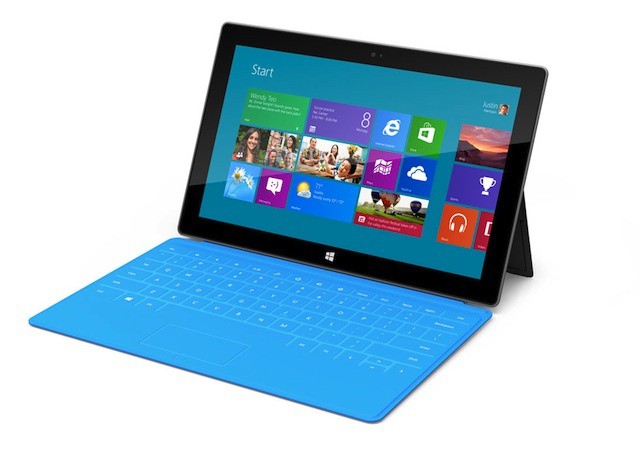
Microsoft today officially announced their new tablet, Surface for Windows, in two flavors, one with ARM chips (just like the iPad) and one with Intel chips, like standard laptops, including Macbooks. This is Microsoft directly competing with Apple for the iPad market, for sure.
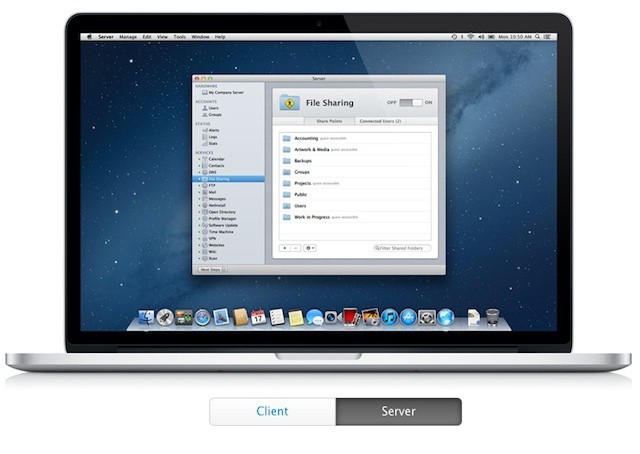
Apple's pricing for Mountain Lion Server is a great bargain for small businesses.
OS X Server has always been something of a bargain compared to the various flavors of Windows Server. Unlike Microsoft, Apple never focused on a client access licensing model in which organizations must pay for the server software itself plus additional licenses for users or devices that connect to it. Apple also doesn’t break OS X Server down into multiple variations each with its own features, licensing needs, and upgrade limitations.
When you buy OS X Server, Apple gives you everything from file sharing to Internet and collaborative services like wikis and internal messaging through Mac and iOS device management. If you start as a small business with a single basic server and eventually grow to the point where you need to support and manage dozens or hundreds of Macs, PCs, and mobile devices, there are no limits imposed on licensing or data migration.
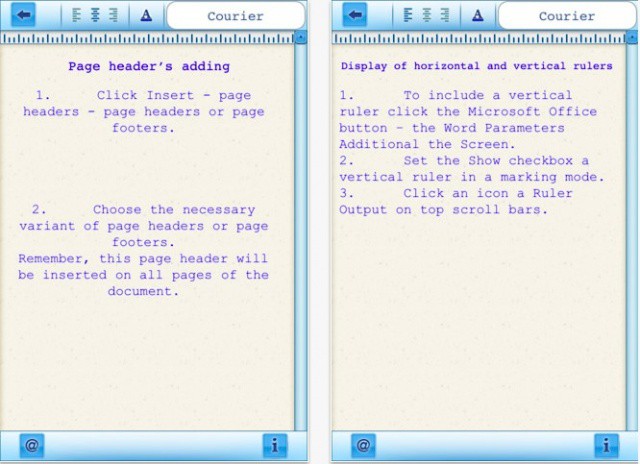
Looks a lot like Word, but it's just a shameless counterfeit.
There are a lot of iOS users who are waiting patiently for Microsoft’s Office productivity suite to finally make its App Store debut. Although Microsoft is maintaining its silence on the subject, recent reports have claimed that Office for iOS will arrive this year. Some developers have taken advantage of that speculation and begun making their own “Office” products.
No, I don’t mean the genuine productivity suites that have been available for some time — many of which are very good. I mean the knockoff apps that try their hardest to look like Microsoft’s own Office products just to trick you into handing over your cash. The latest is called “Microsoft Word 2012” by Super Racing Real Games.
With Windows 8, Microsoft is making a strong push for the tablet market, in a last-minute attempt to catch up with the wild success of the iPad. While its clear that the Redmond based company has a long road ahead of it to even catch up with the first iPad, we may see some dramatic progress on Monday, seeing that Microsoft has announced an event to be held in L.A. about Windows tablets.
Google's purchase of Quickoffice could cause a serious shakeup in the mobile business market
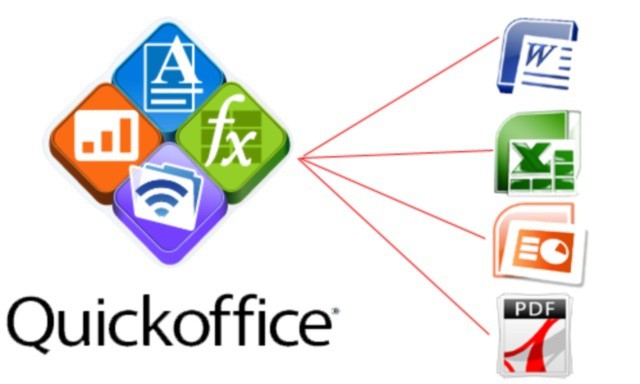
Google shook up the mobile business landscape by announcing its acquisition of mobile office powerhouse Quickoffice. That move might not seem terribly large, but it creates a very different and unexpected dynamic in the business mobility world. It also sets up a showdown over business capabilities that could have lasting ramifications.
Why is this move significant? It means that every company that produces a major mobile platform now also owns a serious office and productivity solution. Microsoft has Office, Apple has iWork, RIM has Documents To Go (which it acquired nearly two years ago), and Google now has Quickoffice as well as Google Docs. Each company can now ensure that its mobile business customers will have at least one solid option for working with Office files on their smartphones or tablets.
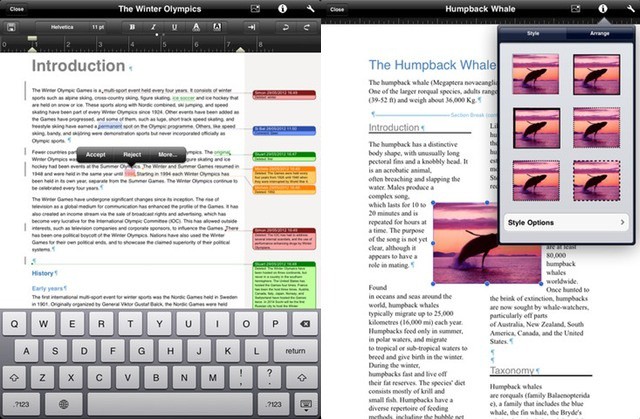
Many of you will have read the above headline and thought “Meh. Whatever.” And yet here you are, still reading. Well, if you got this far, here’s the reward. Office2 HD, the MS Office-compatible suite for the iPad, has just gotten support for Track Changes and comments. This is big because there is no other software on the iPad that does this. Not even Apple’s own Pages.
Business Software Alliance: 57% of Internet users admit to pirating software
While most new stories covering Internet piracy talk in terms of the entertainment industries and major associations like the MPAA and RIAA, software piracy is often part of the discussion and debate as well. While entertainment companies collectively call for extreme legal measures like SOPA and ACTA, software companies also battle piracy outside the legal arena by using extreme anti-pirating measures built into their products (and their accompanying license agreements). Microsoft is probably best example of a company that goes to great lengths to limit pirating of its products.
With digital piracy being a major issue in many countries over the past several months, the Business Software Association added user surveys to its annual piracy study. The results show that, despite measures from software makers, existing anti-piracy laws, and pending legislation, more than half of all Internet users admit to pirating at least one piece of software.
Will we finally see Microsoft's productivity suite on the iPad this fall?
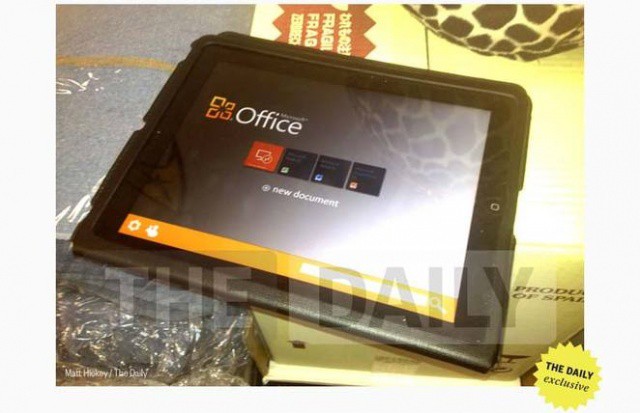
Echoing a report from last week, the The Daily has followed up its original scoop by saying that Microsoft will launch Office for iPad on November 10th, 2012. The Daily originally leaked images of the iPad app, but Microsoft denied the report by saying that it was “based on inaccurate rumors and speculation.”
Today The Daily gives a specific launch date for Office on the iPad. According to the report, the app is in the “hands of a usability team” at Microsoft and will be submitted to the App Store soon.
Microsoft plans to use license agreements to prevent class action lawsuits
Microsoft is a company known for creating strict, labyrinthine, costly terms in its commercial and end-user licensing. With Windows 8 seen as a make-or-break product for Microsoft, the company has already been adding licensing terms intended to strengthen its hand in the mobile market. As we reported earlier this year, Microsoft’s enterprise licensing for Windows 8 has provisions to coerce businesses into buying ARM-based Windows RT tablets while punishing those that deploy iPads with more costly terms.
Ratcheting things up a notch, Microsoft’s general counsel Tim Fielden announced new details about the company’s end-user license agreements. Although not mentioning specific products or services, Fielden posted on a Microsoft blog that many new agreements will prohibit users from initiating a class action lawsuit against the company.
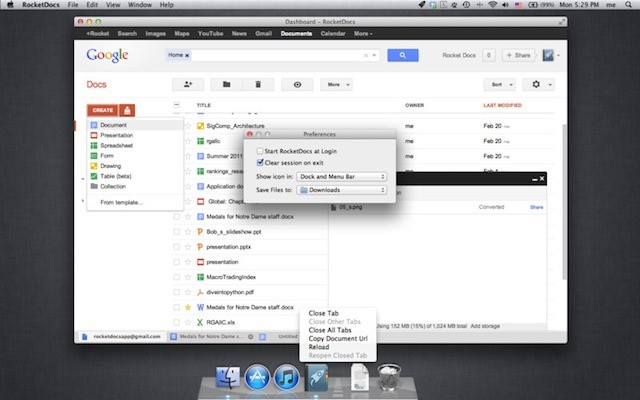
RocketDocs brings Google Docs to your desktop and makes editing more Mac-like
One of the hallmarks of Google Docs (and now Google Drive) is that you can use it anywhere. Within reason, any device with a modern web browser can deliver some level of viewing, editing, and collaboration. On iOS devices, however, native Office-style apps like Quickoffice tend to deliver a somewhat better user experience and are capable of opening, editing, and syncing documents with your Google.
There’s a clear value for such capability on an iOS device in that most apps deliver a better experience than Google Docs running in mobile Safari. Is there a similar need on the desktop? Would a native app a better solution than using Chrome or Safari on your Mac? According to Mac/iOS developer Tricky Duck, the answer is yes.
Apple's update strategy can save companies lot of money over maintaining Windows XP
There are a handful of intrinsic beliefs that Apple has as company – most of which came from Steve Jobs. The constant focus on building experiences rather than just products is one of them. Another is that Apple looks forward and not backward when it comes to technology. The company simply acknowledges that to offer its users truly great new experiences (and products), it cannot hold onto (and be held back by) outdated technology.
Apple often gets criticized for pushing its technologies and its users forward, particularly in business and enterprise IT circles. Despite that criticism, Apple may be doing companies (and users) a big favor by not supporting older Macs and OS X releases indefinitely as Microsoft does with Windows XP – and that advantage isn’t just about better products.
An IDC study commissioned by Microsoft discovered that supporting XP now costs companies and schools five times what it would cost them to support Windows 7 – making Apple’s forward-looking policy not only technically advantageous but also significantly less expense in the long run.
The Daily leaked a screenshot of Office on the iPad back in February.
Following an earlier report from The Daily that Microsoft was working on an iPad version of its Office suite, a new report today claims that Microsoft will launch Office for iPad in November of 2012.
Is the Rockstar Consortium Apple's secret weapon in the patent wars?
The Rockstar Consortium made headlines when the group won a bidding war for the patent portfolio of one-time communications giant Nortel. Aside from getting a green light for the purchase from the Department of Justice, Rockstar hasn’t really made headlines since it won the patents.
Rockstar may be keeping a low profile right now, but the company is well armed and will play a massive role in the mobile technology patent battles echoing around the world. In fact, the company may very well have been a secret weapon in Steve Jobs’ plan to “go thermonuclear” in Apple’s battle against Android.
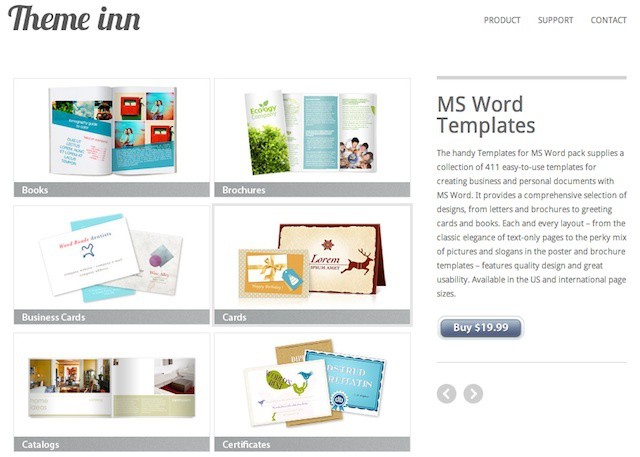
Theme Inn offers nearly 500 amazing Office for Mac templates.
One of the standout features of Apple’s iWork suite is how easy it is to make really standout documents and presentations. Compared to the basic and often drab files that Word, Excel, and PowerPoint produce, iWork-created files look bright, polished, and offer a sense of personality and style. While Office for Mac comes with a set of templates and design functions, they seem bland next to iWork and they aren’t anywhere near as easy to use.
Only Microsoft has the ability to make its tools less clunky and more intuitive, but other companies can spice things up with additional themes and templates. This week Theme Inn took up that challenge and succeeded rather spectacularly.
Microsoft killed the Zune once and for all in October of 2011. Photo: Microsoft
We all remember the Zune. Microsoft’s failed attempt at an iPod competitor gained about as much traction as Windows Phone 7 has during the last two years. Apple already had its hands around the music industry’s neck with the iPod and iTunes — there was no room for something like the Zune. It wasn’t that the Zune was a bad product, it was just too late to the game.
Former Microsoft executive Robbie Bach was in charge of the Zune division, and in a recent interview he acknowledges that Microsoft made a mistake releasing the Zune in the first place.
Apple will help Foxconn improve labor conditions by stumping up some of the cash.
Foxconn chief executive Terry Gou has confirmed that Apple will use some of its cash to help improve the labor conditions for more than 1 million workers in Foxconn’s Chinese factories, where devices like the iPhone, iPad, and iPod are assembled.