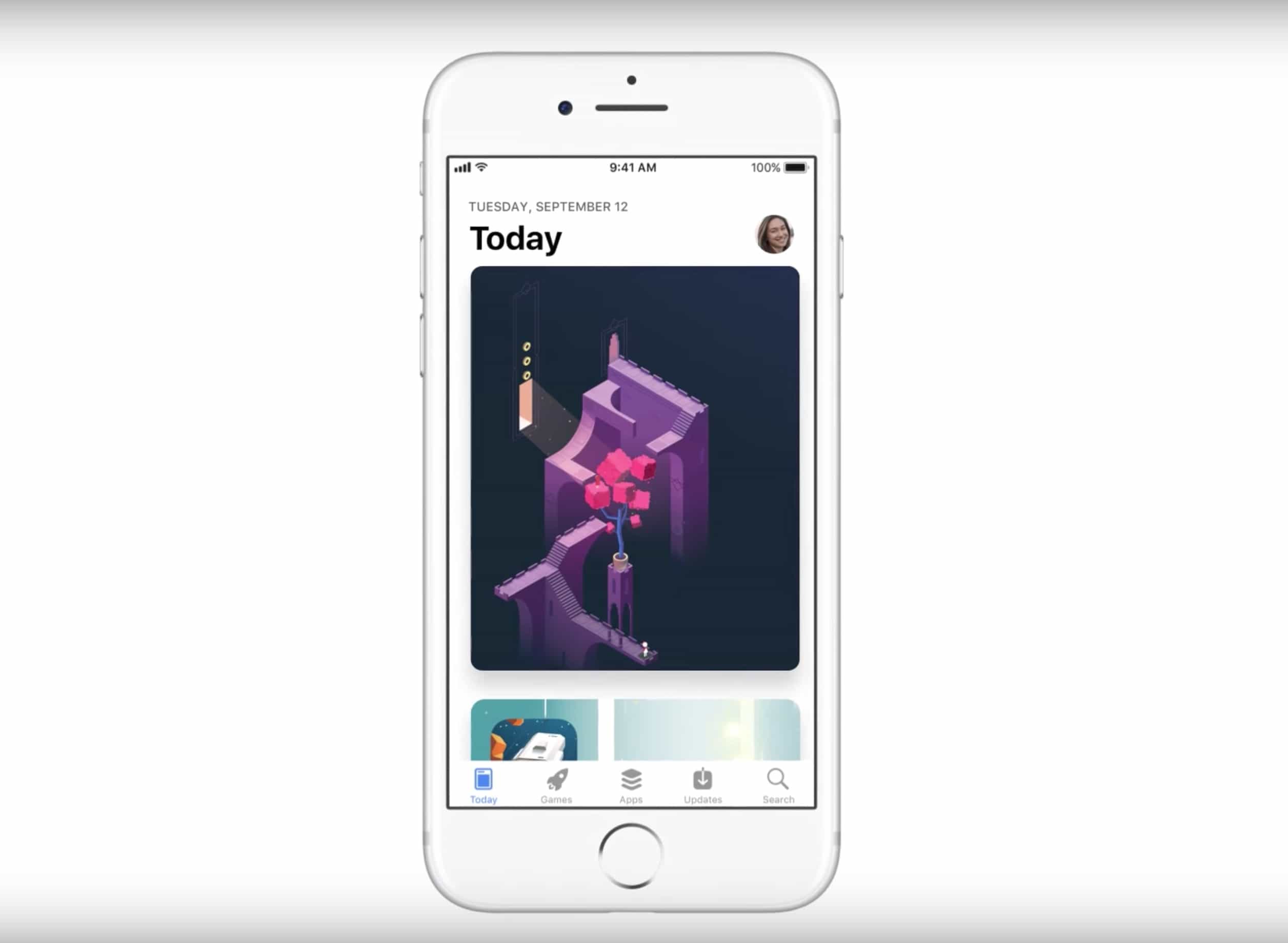
Imagination has been building GPUs for Apple since the iPod. Photo: Apple
Imagination Technologies, the company that has been making graphics chips for Apple’s mobile devices for well over a decade, says it has made no progress in its ongoing dispute with the iPhone maker.
Imagination is still in talks with potential buyers after putting itself up for sale, but it is adamant that it will continue its fight with Apple after the company’s “unsubstantiated claim.”
Apple is already driving an OLED boom. Photo: iDropNews
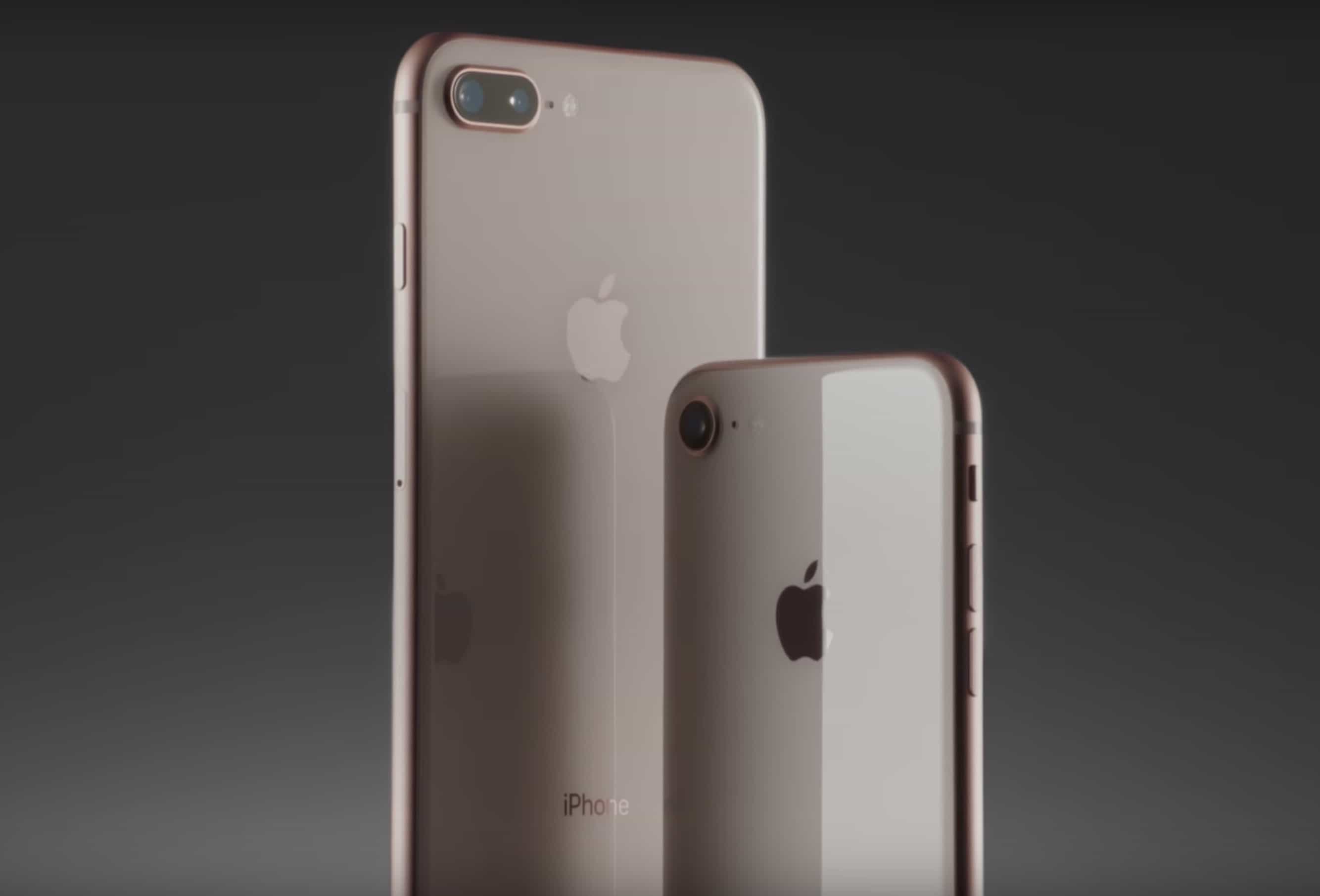
iPhone 8 will drive mass adoption of OLED displays as rival smartphone makers fight to compete with Apple, new research shows.
Rumors have already accelerated the development of new displays for other brands, and it’s thought that 50 percent of all handsets will feature an OLED display by 2020.
Future iPhone displays could all be made by LG. Photo: Ste Smith/Cult of Mac
Apple could make a significant investment in LG Display’s new OLED production facility to ensure exclusive supply for future iPhones, according to a new report.
The company is said to be considering a 2 trillion to 3 trillion won (approx. $1.75 billion to $2.62 billion) deal, and a final decision is expected later this month.
Get behind-the-scenes stories from the quest to create a world-changing gadget. Image: Ste Smith/Cult of Mac
It’s hard to put into words the iPhone’s massive impact on society over the past decade. But we tried! In this week’s Cult of Mac Magazine, we’ve rounded up our best coverage (including stories from our collaboration with Wired UK) of the iPhone’s 10th anniversary.
We’ve got insider stories about the development of breakthrough iPhone features, ultra-rare iPhone prototypes and much more for your reading pleasure. Get your free subscription to Cult of Mac Magazine from iTunes. Or read on for this week’s top stories.
Though Steve played it cool, the iPhone's launch was plagued with huge problems.
This week on The CultCast: You’d never know it from Steve Jobs’ effortless keynote introduction, but the original iPhone was plagued with huge design and production issues that almost made Apple call it quits — right up until the day it was released! To commemorate the iPhone’s 10th anniversary, we’ll recount some of the incredible stories behind iPhone’s beleaguered early days, and celebrate how Apple pulled off one of the greatest device launches in history.
Our thanks to Shutterstock for supporting this episode. Kickstart your next interactive project with video clips or music tracks from their collection, and save 20 percent for a limited time at shutterstock.com/cultcast.
Why stare at boring aluminum when you can stare at a second display instead? Photo: Oaxis
We’ve seen Oaxis’ e-ink cases a few times here on Cult of Mac. The InkCase is a relatively slim iPhone case with an e-ink screen embedded in the back, and a Bluetooth connection to the host iPhone. The idea is that you can use the low-power e-ink display that covers its back as an always-on second screen to so that you don’t have to keep waking up your iPhone to check things like shopping lists or calendar events.
And now, the case is available for the iPhone 7 Plus
Is Apple's design team losing its way? Photo: Ste Smith/Cult of Mac
Apple is famous for its iconic designs, but is the company slowly losing its way?
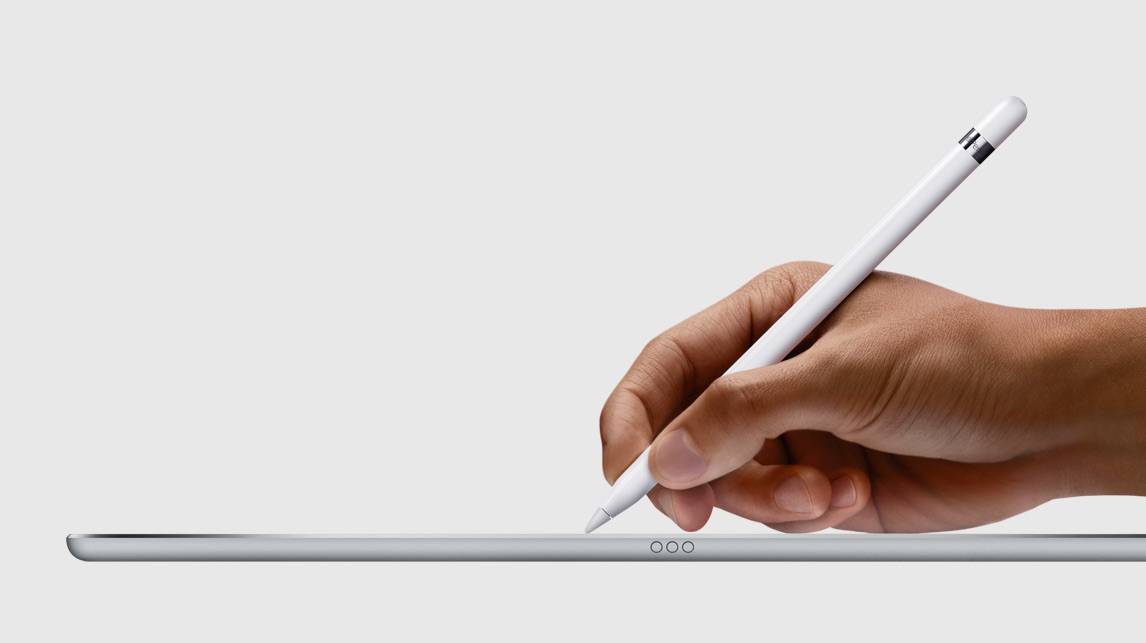
Products like the Apple Pencil and Smart Battery Case suggest that Apple’s design team might be missing a certain spark. Even the iPhone, once the prettiest smartphone by a long shot, is now being outshone by rivals from the likes of Samsung and LG.
Join us in this week’s Friday Night Fight as we battle it out over whether Apple design has become lazy and boring. And be sure to have your say!
Diablo Lake in North Cascades National Park shot by Kevin Lu on iPhone 7 Plus. Photo: Kevin Lu
America’s National Parks are getting a big boost from Apple during the month of July in the form of a new campaign aimed at raising awareness to preserve the classic landscapes.
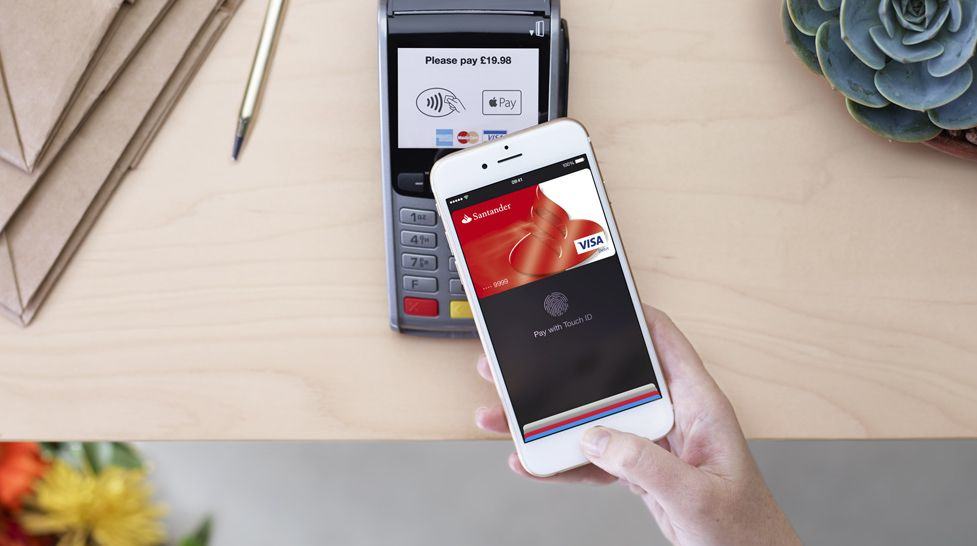
Apple revealed today that it is starting a new Apple Pay promotion aimed at making it easier for anyone to help preserve the country’s national parks. Now whenever you use Apple Pay at any of Apple’s online or physical retail locations the iPhone-maker will donate $1 to the National Park Foundation.
Michel Gondry was director of 2004's 'Eternal Sunshine of the Spotless Mind'. Photo: Apple
Apple has posted a short film online, shot on iPhone by Michel Gondry, the director of 2004’s Eternal Sunshine of the Spotless Mind. Called “Detour,” the short French language comedy tells the somewhat surreal story of a girl’s lost tricycle — which just so happens to also include plenty of slapstick pratfalls and some singing fish. Because why the heck not?
Apple's gonna need a bigger boat. Or OLED factory, at least. Photo: Jim Merithew/Cult of Mac
Samsung won all the orders for the iPhone 8’s OLED displays, and according to a new report it now wants to make itself even more indispensable by building the world’s biggest OLED plant, so as to be able to churn out more displays than ever.
According to sources, Samsung Display’s new “A5” facility will give it the ability to produce up to 270,000 OLED panels per month. At present, Samsung is able to produce around 135,000 panels per month: a number it aimed to achieve only after Apple began expressing an interest in OLED displays.
Will a future iPhone replace your Apple Watch? Photo: ConceptsiPhone
The iPhone’s success has been nothing short of spectacular. With more than 1 billion units sold as of June 2016, rival consumer electronics companies can only dream of building a product that popular.
It’s not easy to foresee how the iPhone will evolve in the future. Some things are obvious — like faster processors, more advanced cameras, and even better displays — but we must look beyond these to get a sense of Apple’s biggest ambitions. Here’s some of the many ways the iPhone might get better, stronger and faster in the next 10 years.
It's ugly, but it's a step forward. Photo: Benjamin Geskin
An alleged iPhone 8 prototype with a significantly larger display and slimmer bezels has made its way into the wild. Although it almost certainly doesn’t carry the handset’s final design, it’s still surprisingly ugly for an Apple device.
Photographer Joe Cunningham still thinks his original iPhone is the best. Photo: Joe Cunningham
The iPhone has changed enormously in the 10 years since it launched, but some people still think the first iPhone was the best.
Take, for instance, Minnesota photographer Joe Cunningham, who owns not one but two of Apple’s breakthrough smartphones. He doesn’t view them as investments, either. Even though the original iPhone goes for big bucks on eBay these days, Cunningham continues to use both handsets on a daily basis.
What does Tony Fadell, "godfather" of the iPod, think of the iPhone? Photo: Nest
Over the past decade, the iPhone has changed pretty much everything, from communication and gaming to the way in which we consume news and pay for our groceries. But how has the device impacted the lives of tech titans?
Find out from Eben Upton, creator of Raspberry Pi; Jimmy Wales, co-founder of Wikipedia; Tony Fadell, founder of Nest and “godfather” of the iPod, and more.
Is your iPhone keeping you awake at night? Photo: Jim Merithew/Cult of Mac
Have a teenager who’s always wide-awake at night? Blame their iPhone.
One sleep researcher says that smartphone addiction is proving an additional delay to sleep onset, meaning some kids are only getting six hours of sleep a night. The result is chronic tiredness and poor school performance.
One of the greatest product unveilings in history. Photo: Apple
Whether you write about it on a daily basis or just use it to stay in touch with your friends, family and the world around you, the iPhone is such a big part of our lives today that it’s difficult to remember what it was like before it existed.
With today marking 10 years since the original iPhone going on sale, it’s worth venturing back in time to check out Steve Jobs’ original unveiling of the iPhone at the 2007 Macworld.
This is the moment everything changed — and our Moto Q, Palm Treo and Nokia E62 handsets suddenly looked very, very dated:
This bag, which held an original iPhone on launch day in 2007, is now a super-rare Apple collectible. Photo: Mark Johnson
It’s cool to own an original, first-gen iPhone. But if you really want to show that you were among the Apple faithful — a true believer who queued up for Cupertino’s inaugural handset back on June 29, 2007 — you’re going to want an extra accessory: the custom paper bag it came in.
More than just an oddball Apple collectible, it’s an early example of the extraordinary care Cupertino puts into packaging its magical devices.
You probably had no idea your iPhone has a built-in magnifying glass. Photo: Leander Kahney/Cult of Mac
Damon Rose is 46, and has been blind since he was a teenager. In 2012, the iPhone changed his life.
Rose, a senior broadcast journalist at the BBC, uses GPS to get around unfamiliar areas, with an earbud stuck in one ear, and uses a third-party app that tells him what shops he’s walking past. It’s “amazingly helpful,” he told Cult of Mac. “I can look at menus on restaurant websites while I’m sitting there with my first drink of the evening,” instead of having the waiter read out the menu.
The iPhone might not have been the first phone with accessibility features, but it was certainly the first popular pocket computer to be easily useable by the blind and the hearing-impaired.
ARKit could revolutionize apps like Airbnb. Photo: Isil Uzum
Developers are already finding some incredible uses for ARKit that will change the way we do things with our iPhone. In the impressive concept below, one product designer shows how awesome AR maps could be used by Airbnb to show guests around their accommodation.
A lot has change since 2007, when iPhone OS arrived on the original iPhone. Photo: Ste Smith/Cult of Mac
The operating system that powers the iPhone has undergone radical changes since Apple launched the device 10 years ago.
As part of Cult of Mac’s collaboration with Wired UK to mark the 10th anniversary of the iPhone, we took a look at the evolution of iOS, from a simple touchscreen operating system lacking key features into a true computing behemoth with more tools than any one user could possibly need.
China's black market looks like "an iPhone factory has thrown up all over itself." Photo: Brian Merchant/Wired
You don’t have to visit a Foxconn factory to see an iPhone built from scratch.
Visit China’s black market and you’ll meet traders with the components, tools, and know-how to build you a working handset for a fraction of the price you would pay Apple. The whole process is complete by the time you’ve finished your coffee.
Business is booming for the App Store. Photo: PhotoAtelier/Flickr
Apple is making more revenue off the App Store alone in 2017 than it did in all of 2007, according to a new study that analyzed Apple’s money-printing app empire.
When the iPhone launched in 2007, Steve Jobs absolutely refused to let third-party apps on his beloved device. Fast forward ten years later and not it’s not just hard to imagine the iPhone without the App Store. It’s hard to imagine Apple being as profitable without it.
A lot has changed since the iPhone made its debut in 2007. Photo: Ste Smith/Cult of Mac
The iPhone is turning 10 years old this week and we’re ready to celebrate with more coverage and insight than any Apple fanboy could ever want. Every day through June 29, we’ll be publishing a batch of stories focused on the greatest device Apple’s ever made.
Cult of Mac is collaborating with Wired UK for the 10th anniversary of the iPhone. We’ll run down some of the device’s biggest innovations, failures and what’s in store for the future.
A lot has change since 2007, when iPhone OS arrived on the original iPhone. Photo: Ste Smith/Cult of Mac
As the iPhone turns 10 years old this week, the Apple’s long streak of dominance makes it seem like iPhone will rule the tech world for the forseeable future. Nothing last forever though, so what could the iPhone look like in 2027 when technology is more seamlessly embedded in our lives?
Cult of Mac is collaborating with Wired U.K. all this week for an in-depth look at the iPhone’s lasting impact and possible future. Tech experts that Wired talked to are pretty optimistic that the iPhone will still exist in some form 10 years from now. But interacting with it will be completely different.