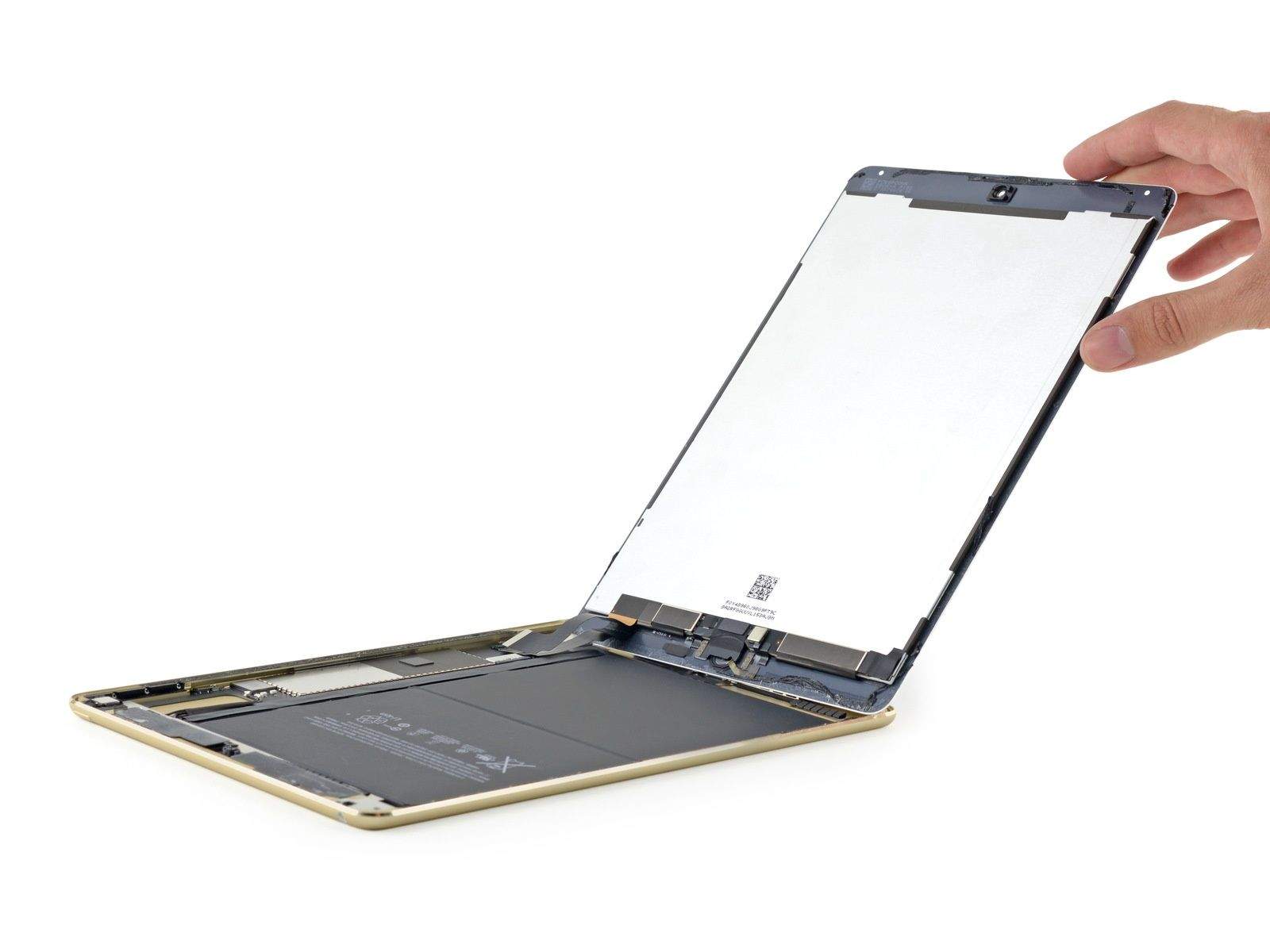
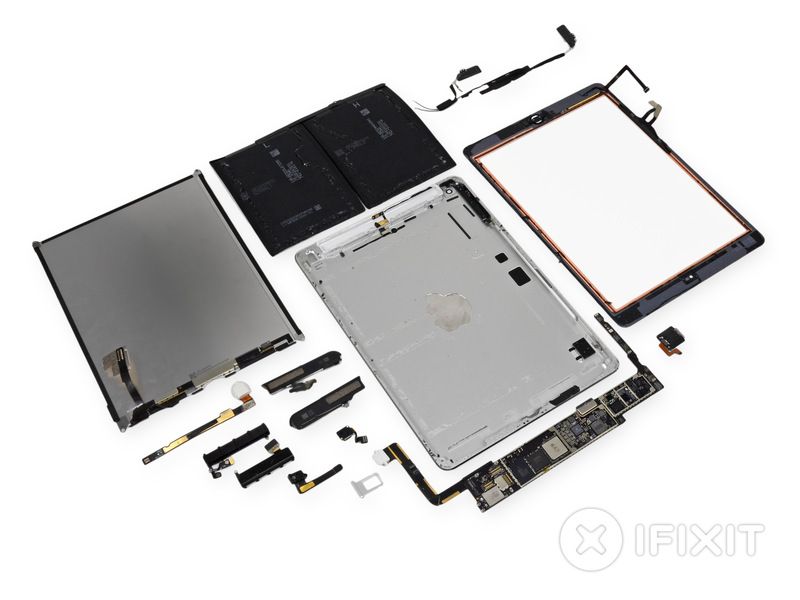
As they so often do when new Apple products land, the gadget vivisectionists at iFixIt have used one of their trademark spudgers to crack open a brand iPad Air 2, and there’s at least one interesting finding.
All the iPad Air’s specs have improved this generation except for one critical thing: battery.
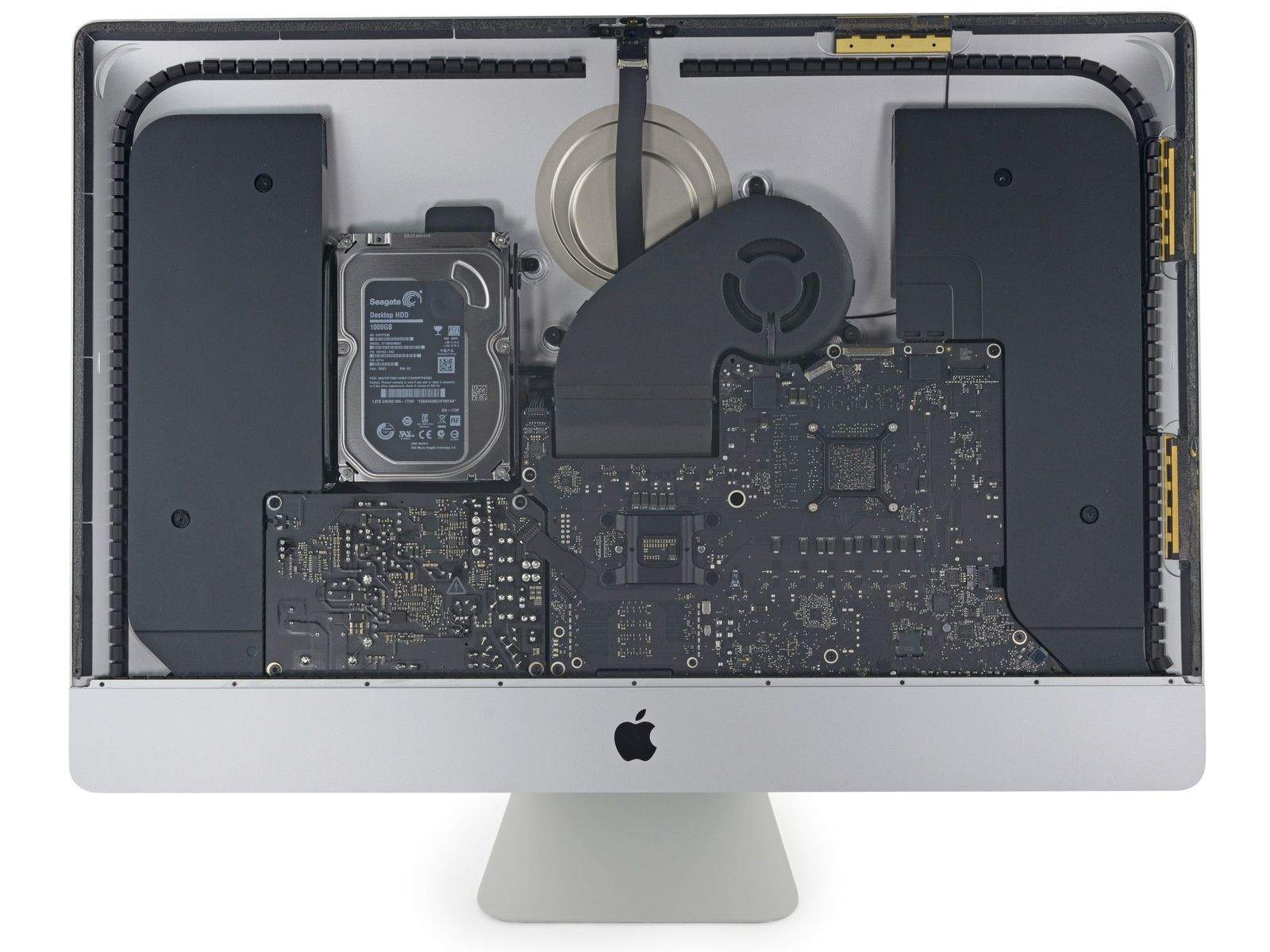
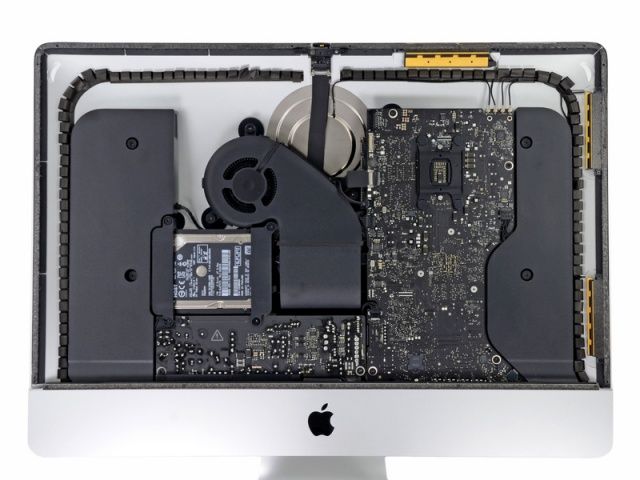
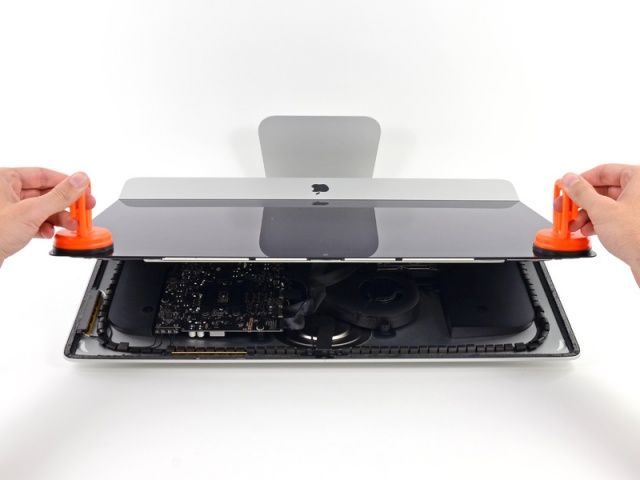
The folks at iFixit have already gotten their hands on a new 27-inch Retina iMac, and their teardown reveals everything you need to know about the machine’s innards.
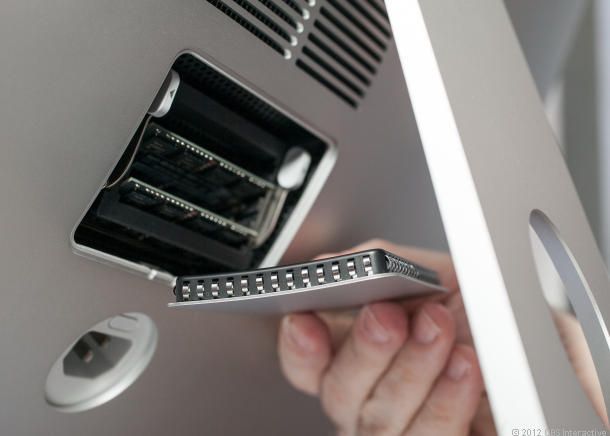
Thanks to a rear access door, the RAM in the new iMac remains user upgradable without needing to open the case. Most of the iMac’s internal design has stayed the same from last year’s model.
iFixit's CEO Kyle Wiens is ready to bend your iPhone back into shape. Photo courtesy iFixit Photo: iFixit
Kyle Wiens has seen the insides of just about every gadget under the sun, and he’s not surprised that the iPhone 6 Plus is susceptible to bending.
Wiens is CEO of iFixit, which is famous for its insightful teardowns of Apple products, and he says there’s nothing wrong with the design of the iPhone 6 Plus.
It’s long and thin. Duh — it’ll bend.
“I’m not surprised that it’s happening,” he told Cult of Mac in an email. “It’s thinner than other phones and metal bends.”
Yesterday, Apple quietly updated the 16GB iPod Touch, adding a rear-camera to the base model device while dropping the price of the entire line by $30 to $50 each.
Was anything else new? To find out, the famed gadget vivisectionists at iFixIt ripped apart a new 16GB iPod touch.
They say that Macworld doesn’t break news as much as soft launch it: Cult of Mac Magazine
begs to differ. This week, we bring you news you won’t find elsewhere from the Moscone floor.
Cult of Mac and iFixit teardown the 128k Macintosh
It’s the 30th anniversary of the launch of the Macintosh, and we wondered at Cult of Mac what can we do to celebrate? Then we thought, let’s dissect an original Macintosh and see what made it tick! There’s nothing like destruction in the persuit of knowledge.
In full retro spirit, we asked our friends at iFixit if they would help perform a special anniversary teardown of the 128k Mac. How does our silicon hero compare to modern Macs in terms of components, assembly and ease of repair? Of course being true geeks themselves, they jumped at the chance.
There was only one problem: where to find an original 128k Mac.
The crazy folks over at iFixit are at it again with a complete rip apart of Apple’s latest amazing machine, the iPad mini with Retinal Display.
What they found is that the iPad mini with Retina Display is just as amazing, just as powerful, as the other two flagship iOS products, the iPad Air and the iPhone 5s. The mini, as advertised, has the uber-powerful mobile A7 chip as well as the M7 motion coprocessor. It also has a stunningly sharp 2048 X 1536 pixel display that fairly shines with a fairly dense 326 pixels per inch (the iPad Air “only” has 264 pixels per inch).
That’s a lot of pixels–and power–in a small space.
Rather than cruising the streets for candy, the guys at iFixit spent All Hallow’s Eve tearing down the new iPad Air with all the tender loving care we’ve come to appreciate from the fixit gurus.
iFixit found few surprises during their teardown, but did discover that the APL5698 A7 processor Apple packed away in the iPad Air is a slightly different from the APL0698 version of the A7 found in the iPhone 5s, though it’s not clear what customizations Apple added to the chip.
The iPad Air comes with a gigantic battery that iFixit says is the one of the most difficult they’ve tried to remove, and the other components are much easier to swap out. As with most Apple devices, iFixit found that the iPad Air is horrifically hard to repair and gave it a repairability score of 2 out of 10.
Here are some of the internal goodies iFixit found in the iPad Air:
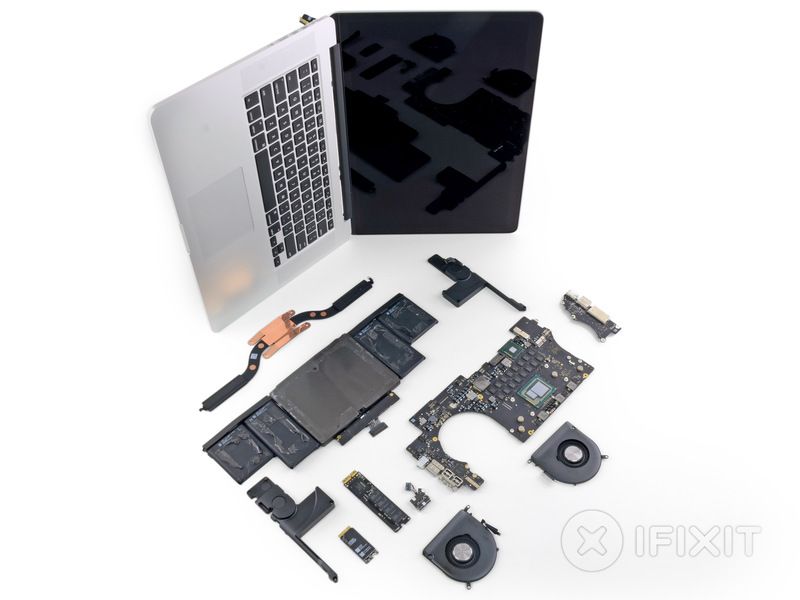
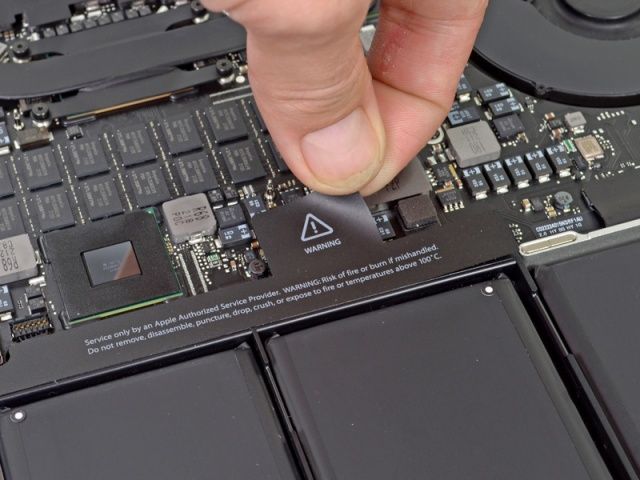
As is their wont, gadget vivisectors iFixIt have gotten their hands on Apple’s new Retina MacBook Pros in both 13-inch and 15-inch incarnations. As usual, these aren’t the machines you want if repairability is concerned, but there’s additional bad news this time around: the battery in both the 13-inch and 15-inch MacBook Pro has actually shrunk.
Apple silently snuck up on us all yesterday with new 21.5-inch and 27-inch iMacs, but short of upgrading them with Haswell processors, what has really changed? As is their custom, everyone’s favorite gadget dissectors over at iFixIt have torn apart their new iMacs to find out.
At the end of last night’s iPhone 5s teardown, the iFixit team still wasn’t sure who made the chips inside the latest iOS device, or where the brand-new M7 was, even. There was a lot of speculation as to who made the A7, Apple’s new, faster powerhouse of a main processing unit, as well.
That’s ancient history, now, as reverse-engineering and security firm, Chipworks, de-capped the various chips on the iPhone 5s logic board to find out precisely what’s what.
Update:
After ripping it apart and posting in real time, iFixit finished the teardown of the gold iPhone 5s last night. The team there pulled it to pieces (carefully, gently) to find out just what makes it tick. They were able to see inside the A7 chip, can’t find the M7 chip, and were able to identify the maker of the iSight camera (Sony). All in all, some great stuff from the folks down under.
What they found isn’t too surprising, but it’s a ton of fun to read through the details, below.
Original Post:
The team over at venerable rip-into-gadgets site, iFixit, have gotten their hot little hands on a brand new iPhone 5s, and they’re tearing it down to let us all know what’s inside. If you’re into seeing the guts of Apple’s latest iPhone 5s, check out all the gory goodness below.
The iPhone 5s and iPhone 5c has just gone on sale in Australia, and the team at iExperts have already gotten their hands on the new devices and given them their first teardown.
Thanks to all the leaks we’ve been enjoying in recent weeks, many of the components you’ll see below have already been seen before. But if you get a kick out of seeing expensive gadgets being pulled apart — or you just admire Apple’s incredible build quality — then you’re in for a treat.
Battery life on the iPhone 5 is pretty good when you compare it to other high-end devices with LTE connectivity, so if you’re having to charge yours more than normal, then you may need a new battery. But don’t worry — battery replacements are relatively cheap, and they’re so easy, you can probably do them yourself.
Teardown specialists iFixit show you how in a new five-minute walkthrough video.
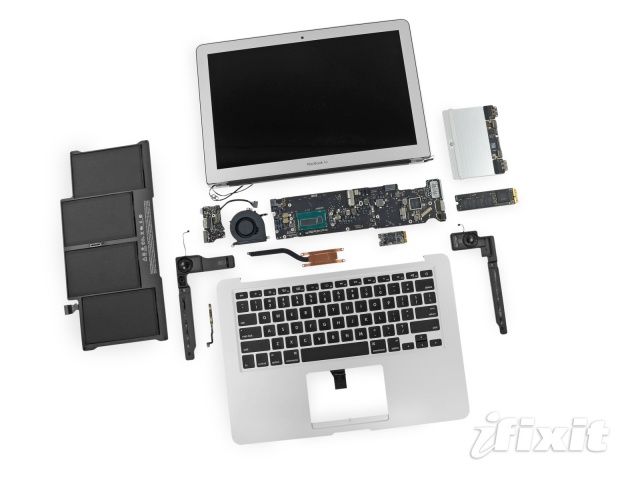
At a glance, Apple’s latest MacBook Air notebooks appear identical to their predecessors, but when you take a look under the hood, there are some obvious differences. Not only do they boast Intel’s latest Haswell processors, but they also have larger capacity batteries and smaller solid-state flash drives.
Teardown specialists iFixit have published a new tablet repairability guide that quickly tells you how difficult it’s going to be to mend your broken Android, iOS, or Windows 8 slate. The guide features 18 popular tablets, which have been given a repairability score between one and ten. The higher the score, the easier they are to repair.
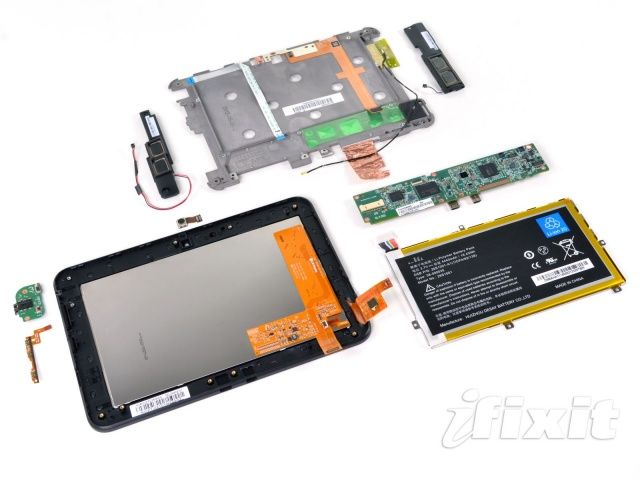
Unsurprisingly, Apple’s iPads are some of the hardest tablets to fix, second only to the Microsoft Surface Pro — the only tablet with a score of one. Amazon’s Kindle Fire’s, on the other hand, are relatively easy to repair, as are Dell’s devices.
The new iMacs are lovely, but the smaller units are hard as hell to get into if you want to make some upgrades of your own. The recent iFixit teardown of the 21.5-inch iMac revealed that you’ll have to unglue your display if you want to swap out your hard drive or add more RAM, even though it’s a piece of cake on the bigger, 27-inch iMacs.
Apple added a new feature for the 27-inch iMacs that makes swapping out RAM easier than a push of a button. Well, it’s almost that easy – here’s how to do it.
Not all of Apple's new iMacs are being assembled by Foxconn.
When you open up a new Apple gadget — whether it be a new MacBook Pro or an iPhone 5 — the packaging will almost always tell you it’s been “designed by Apple in California” and “assembled in China.” But Apple’s new iMacs are an exception to that, because some of the all-in-ones are being assembled in the good old United States of America.
Apple’s new iMac went on sale yesterday, and like clockwork, the folks at iFixit have performed a thorough teardown. Given Apple’s track record, it shouldn’t come as a surprise that the 2012 iMac is incredibly difficult to repair. The razor-thin LCD is glued and fused onto the frame, and accessing the RAM and hard drive is like cracking open a vault.
The new iMac scores pretty low on iFixit’s repairability scale, but the machine’s innards are still quite an impressive feat of modern engineering.
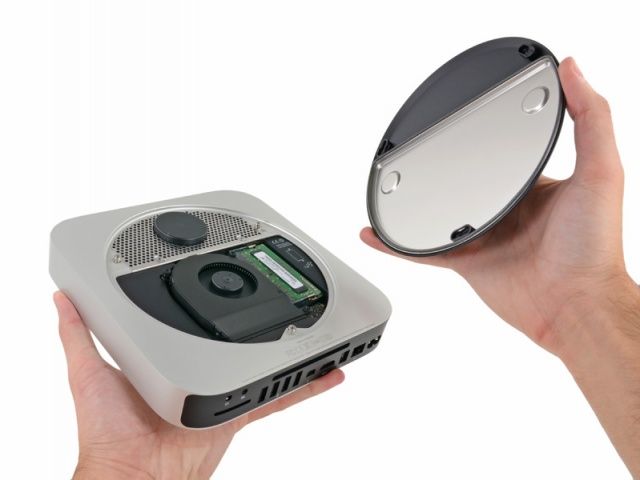
The new Mac mini is fairly easy to disassemble with normal tools.
Apple hasn’t been very friendly to the DIY community in recent years. Every year Macs get harder and harder to take apart and repair/upgrade at home. iFixit called the 15-inch MacBook Pro with Retina display the “least repairable” MacBook yet, and the 13-inch Retina MacBook didn’t score so well either.
That’s why it’s refreshing to hear that the 2012 Mac mini Apple announced Tuesday is actually very repairable. “The Mini continues to be one of the most repairable devices that Apple produces,” according to iFixit’s official teardown.
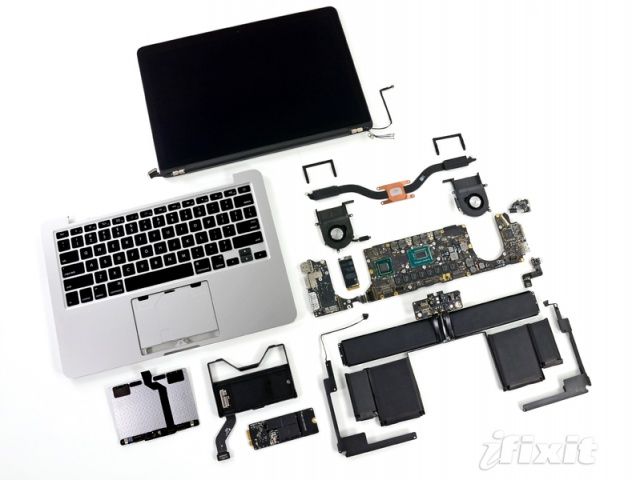
As is their wont, as if their drive, the lovely boys over at iFixIt have already ripped apart the new 13-inch Retina MacBook Pro to check out the gooey silicon insides of Apple’s latest laptops.
Tearing down the Retina MacBook Pro is like trying to dismantle an atomic bomb.
iFixit called the the 15-inch MacBook Pro with Retina display the “least repairable” laptop ever made, and for good reason. Apple’s super-strong glue, soldering, and proprietary screws make it impossible to replace the battery, upgrade RAM, swap the circuit boards, etc. That’s why Apple originally withdrew its products from EPEAT, the American standard for eco-friendly consumer electronics. After plenty of public outcry, Apple issued an apology and re-added its products to the EPEAT’s registry, despite the fact that laptops like the Retina MacBook Pro aren’t exactly “green.”
Last week EPEAT said that Apple’s products, including new laptops like the Retina MacBook Pro, meet its eligibility requirement for registry approval. Now EPEAT is giving the Retina MacBook Pro its highest “Gold” approval rating.
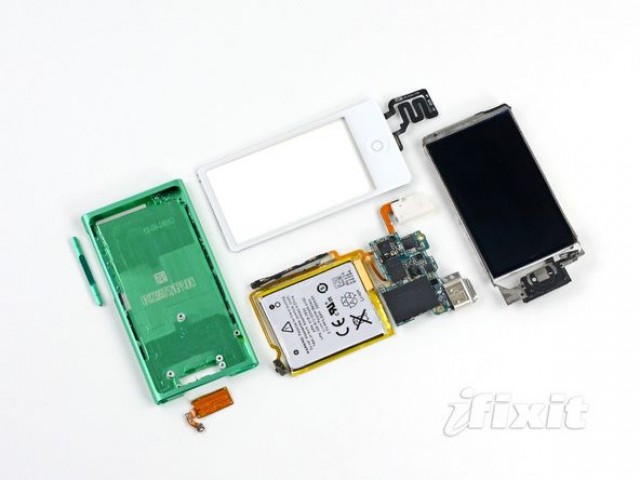
Almost every component in the iPod nano is soldered together.
Just days after pulling apart the fifth-generation iPod touch, iFixit have taken their tools to the new, seventh-generation iPod nano. This model marks another major change to the iPod nano lineup; it’s no longer a tiny device you can wear on your rest, but instead it takes a longer form much like the fourth- and fifth-generation devices.
iFixit has given this model a reparability score of 5 out of 10, which means that like the rest of Apple’s new iOS devices, this one isn’t to get into, or easy to repair. Here are some other interesting things the teardown uncovered.
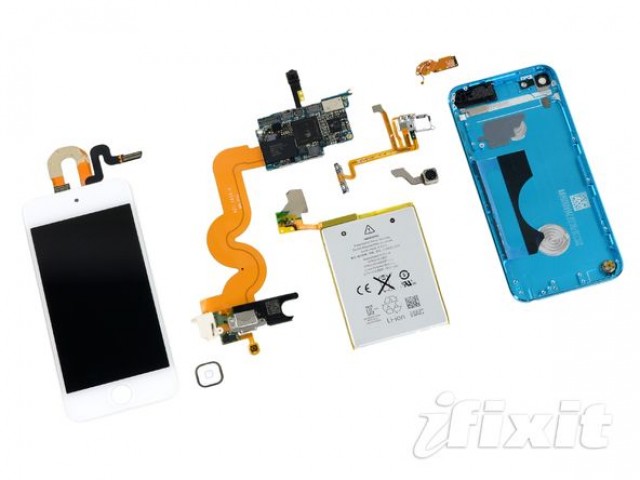
How do we know the new iPod touch began shipping yesterday? Because iFixit’s gone and torn it apart already. That’s right, the fifth-generation device has received its customary teardown, revealing its whopping new battery, and all of its new components. iFixit have awarded the iPod touch a repairability score of 3 out of 10, meaning it’s not at all easy to fix.
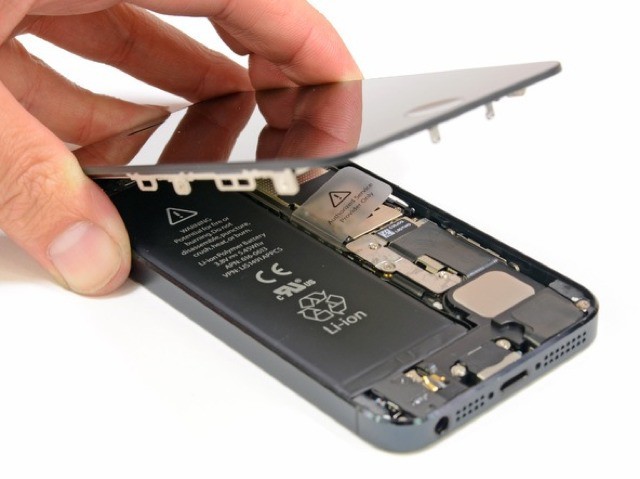
The iPhone 5 screen comes off like Brad Pitt's shirt: fast.
After boarding a plane to Melbourne, Australia to be one of the first in the whole world to get their hands on an iPhone 5, the folks at iFixit have torn it apart and found that — surprise — the new iPhone seems to actually have been designed with easy repair in mind. Partially, at least.