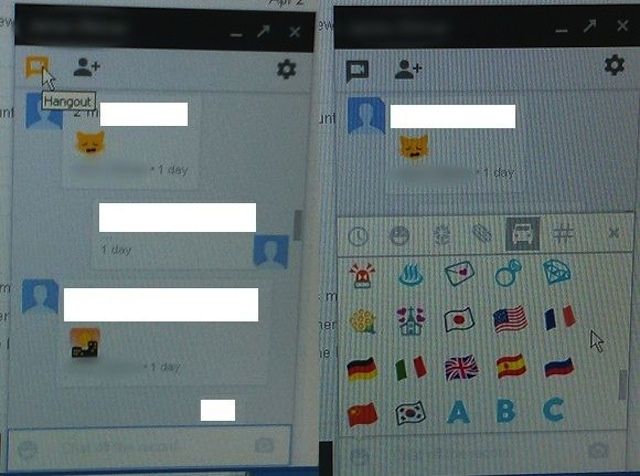
Babel, a new chat service rumored to be on its way from Google, has been shown off in a bunch of leaked screenshots ahead of its official unveiling. The images reportedly come from a Google employee, and they show Babel running on a desktop. Not only do they confirm the service’s name, but also a number of its features.
WhatsApp has denied that it is holding sales talks with Google following reports that the company is on the verge of a $1 billion buyout. One source claimed last week that the hugely popular cross-platform messaging service has been in talks with Google for the last 4-5 weeks, but WhatsApp’s business development lead, Neeraj Arora, denies any discussions.
There are a couple of cross-platform messaging apps that will help you bridge the divide between your friends on iOS and Android, but over the last year, WhatsApp has become the most popular option, and it’s caught the attention of Google.
A new report claims that Google is in talks to buy WhatsApp for $1 billion, but the talks have been going on for four or five weeks and haven’t been finalized yet.
The App Store and Google Play continued to drive mobile app downloads during the first quarter of 2013, while BlackBerry World and the Windows Phone Store remain “distant challengers.”
That’s according to the latest figures from Canalys, which say a whopping 13.4 billion apps were downloaded across these four stores over the last three months, raking in $2.2 billion in app sales, in-app purchases, and subscriptions.
Remember Lodsys, the patent troll that began suing a bunch of indie iOS developers back in 2011 over their use of in-app purchases? Well, it’s back to do more trolling. The company has targeted another ten mobile game makers in its latest complaints, which it has been quietly filing in an East Texas court throughout 2013.
The studios named include Gameloft, Walt Disney, BackFlip Studios, and Gamevil.
If you use Google Drive for iOS, you’ve probably discovered the lack of landscape support when editing a document on your iPhone. Fortunately, that’s no longer an issue, thanks to the app’s latest update — which is available in the App Store now.
Sergey Brin is an odd dude. He’s also filthy rich, which allows him to embrace all that oddness by working on crazy projects like Google Glass. Brin also thinks that using a smartphone is weird and totally “emasculating.” But you know what’s not emasculating at all? Driving around in a pink batmobile Telsa with Chrome logos on your chrome hubcaps.
Ryan Mac posted this picture of the Google co-founder rolling around LinkedIn HQ earlier today, and we’re at a complete loss of words. Brin’s either got indomitable swag, or he thinks rainbow colored eyelashes for your headlights are going to become the new vogue car accessory, which kind of makes him crazy, right? It turns out the pink Tesla batmobile was just an April Fools prank, but I’m sure Brin loved it.
Google has confirmed that it will drop WebKit for its own rendering engine called Blink in “around 10 weeks.” The company has already begun testing Blink in Chrome Canary builds — the beta version of its popular browser — but it will rollout the change to stable Chrome builds with version 28 for both desktops and Android devices.
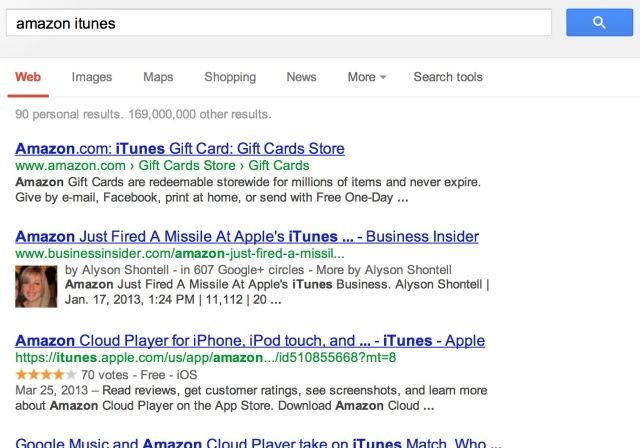
App Store links mysteriously disappeared from Google search this week, making it more difficult to find iOS apps with a simple web search. Some suspected Google may have killed them intentionally, but it turns out that a technical issue is to blame for the glitch.
Google says it’s now working with “the team” to get it fixed.
Acquired by Google last June and updated last October, Quickoffice for iPad is a great solution for iPad owners to work with Office files, especially ones that aren’t supported in Google Docs.
Today, the company announced that its bringing the app to Android, as well as a version to the iPhone. The app will let anyone edit Office documents on any mobile device, via Google’s own Drive system, something that wasn’t possible until now.
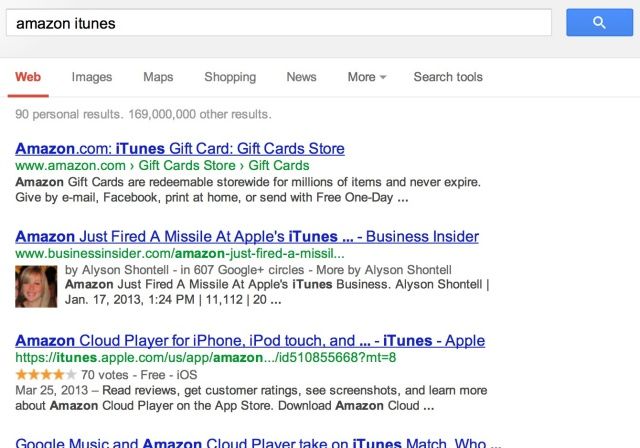
A common method for finding apps in the iTunes App Store is to do a quick search in Google. Searching the App Store for “Tweetbot” can take a lot longer than Googling “Tweetbot App Store” in a browser.
Links to iTunes have always been near the top of the first page when you search for an app, but iTunes results have recently started appearing lower in Google’s search results with no explanation.
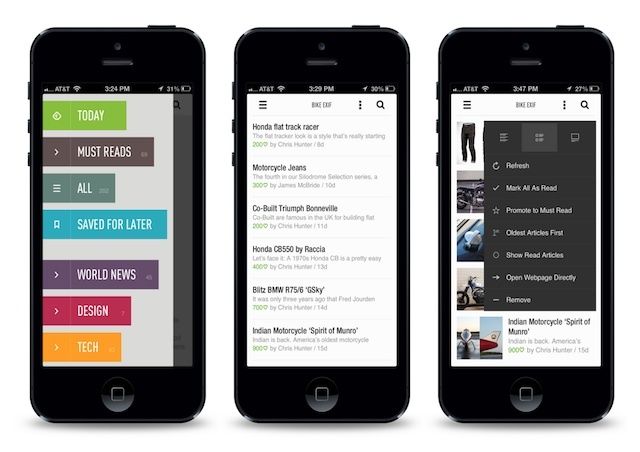
With Google Reader set to close up shop on June 3oth there have been a number of apps competing to replace the dying RSS service. Digg and Reeder have emerged as popular replacements, but Feedly has seen tremendous growth thanks to Google Reader’s death.
Since Google’s announcement that it’s killing Google Reader, Feedly has seen more than 3 million new users joined the service. To make things even better, Feedly just released a big app update for iOS that includes a new discovery engine, better sharing, and a must read section. With the new update and the development of a Google Reader API clone called Normandy, Feedly is looking like it will be one of the best replacements for Google Reader.
Here are the release notes on what’s new in Feedly version 14:
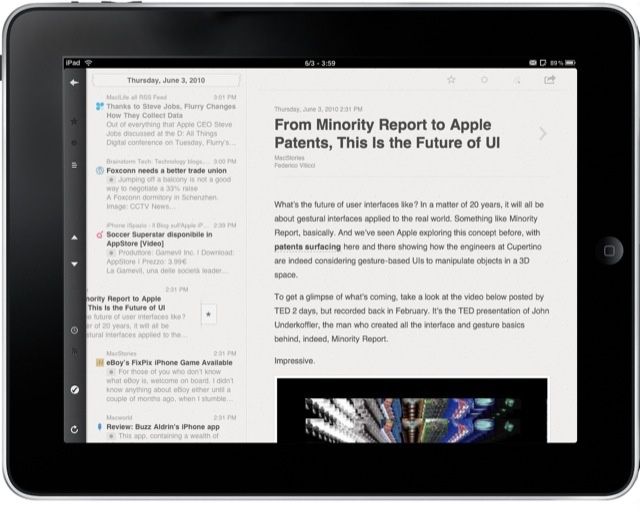
Reeder has long been our favorite newsreading app on the iPhone and iPad, but with Google Reader set to be discontinued on June 30th, the future of Reeder has been up in the air. Google Reader is the engine that drives Reeder, but with no clear alternative right now, it’s not exactly sure what Reeder’s new engine will be come July 1st.
So Reeder’s doing the right thing and not making people pay quite as much for an app with a seemingly uncertain future. Developer Silvio Rizzi are making the app free on both iPad and Mac, and they are halting development on the app until July 1st to wait until the dust settles and a clear Google Reader replacement emerges.
Unfortunately, Rizzi’s largesse only goes so far: the iPhone version still costs $2.99. I think it’s a price worth paying for the only iPhone feedreader in my view worth a damn, and with Reeder set to add Feedbin support sometime soon, my guess is that it will continue to be a strong app going forward.
Over the last few weeks, there has been a lot of speculation suggesting that Google is in the process of releasing a unified chat application called Babel. Babel is rumored to have merged services such as Voice, Talk, and Google + Messenger. The new service is also rumored to be a cross-platform chat service, allowing users on iOS and Android to communicate with each other, within Babel itself. It’s like Google’s version of iMessage.
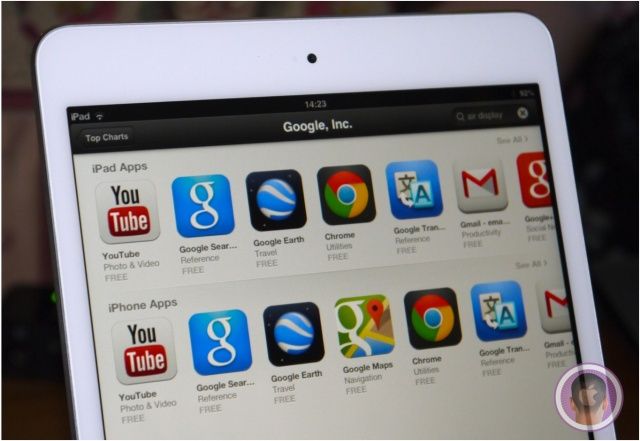
While Google’s Android platform may be the biggest rival to iOS, the search giant is happy to support users who choose Apple’s device. In fact, thanks to apps like YouTube and Google Maps, Google is the App Store’s top publisher, beating Apple on its own turf.
Gmail is already one of the best email apps on iOS and it’s getting just a little bit better today. Google just released an update for the native Gmail app for iOS.
The new Gmail for iOS app comes with a couple of new features, including the ability to swipe left and right to move between messages, and better editing options for a batch of multiple emails.
The Google+ apps for Android and iOS have today been updated with a number of new features and improvements. Both apps get user interface tweaks and the ability to re-share posts to communities, while iOS users will also see a number of Snapseed filters that will allow them to enhance their photos before they post them.
When the MacBook Pro with Retina Display first came out, it could make a fair claim towards being “the highest-resolution notebook ever.”
Now that Google has unveiled the Pixel, a $1,300 Chromebook that does nothing but run a browser but boasts an even more pixel-dense 12.85-inch display than the MacBook Pro, though, Apple has had to change their slogan.
Apple has purchased a small startup called WiFiSLAM, according to a new report from The Wall Street Journal. The two-year-old company specializes in indoor mapping, which is something Google has already been doing with Google Maps for some time.
Since Apple debuted its own mapping technology in iOS 6, it’s been working to bring its service up to par with Google Maps. WiFiSLAM’s expertise could very well be used to improve Apple Maps, and the acquisition also bodes well for another Apple service, Passbook.
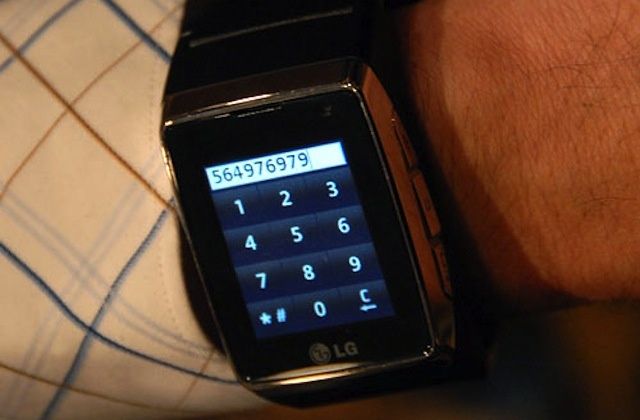
LG will compete with Apple, Google, and Samsung with a smartwatch of its own that is expected to run Google’s Android operating system. The company is also said to be working on another wearable computing device that will reportedly rival Google Glass.
The Google Glass project has been in the news a fair bit in recent months, but it seems Google may have another wearable gadget in development that’s been flying under the radar. The Financial Times reports that just like Apple and Samsung, the search giant is working on its own smartwatch that will act as an extension to the smartphone.
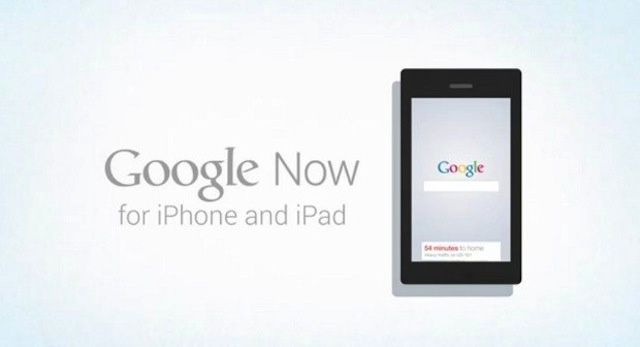
After a few days of speculation, Google’s Chairman, Eric Schmidt, finally commented on whether Google Now would be making its way to iOS. This morning, Schmidt said that Google Now has been submitted to the App Store and the only thing standing in its way is Apple. The only problem is Schmidt’s completely wrong.
Apple commented on the Google Now approval process this afternoon and said that they haven’t even received Google Now yet.
Last week, Google accidentally posted a video to its YouTube channel which announced Google Now is coming to iOS. The company quickly pulled it shortly after it went up, and it wasn’t clear whether the app would actually come to fruition, or whether it was a project Google had started and then killed.
Now the company’s chairman, Eric Schmidt, has confirmed Google Now is on its way to the App Store — but only if Apple approves it.
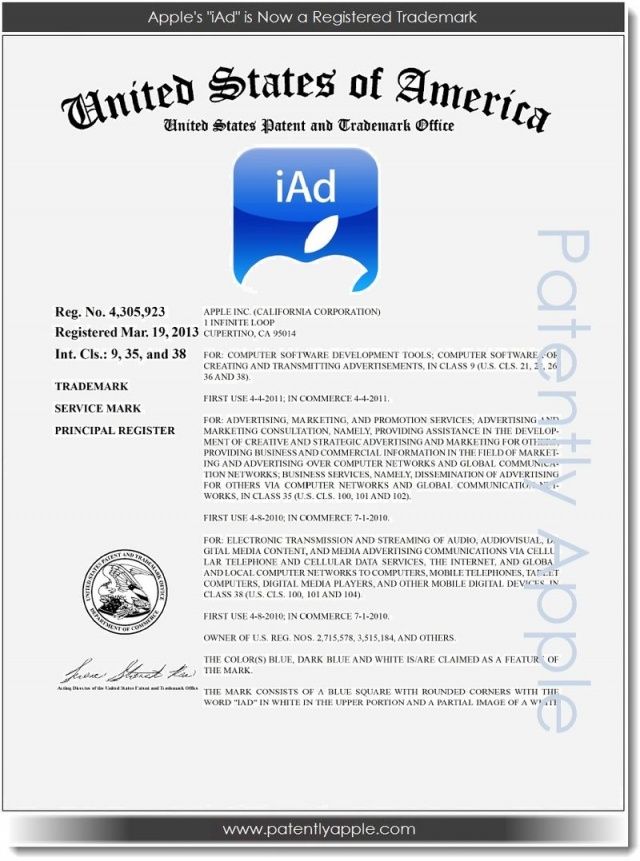
The U.S. Patent & Trademark Office has today approved Apple’s application for a registered trademark for “iAd,” 21 months after the Cupertino company first applied for it.
Adobe CTO Kevin Lynch is leaving the company to become Vice President of Technology at Apple, but Tim Cook may have to keep a close eye on him around the iPhones. Back in 2009, Lynch smashed up a whole bunch of them in a bid to get them to run Flash Player. See his destructive side for yourself in the video below.