Apple Watch may be the most recognizable product in the wearables space, but it isn’t the best-selling.
Sales of Apple Watch are down more than 70 percent, according to IDC Research, which cites third-quarter sales figures of the wearables market.
Apple Watch may be the most recognizable product in the wearables space, but it isn’t the best-selling.
Sales of Apple Watch are down more than 70 percent, according to IDC Research, which cites third-quarter sales figures of the wearables market.

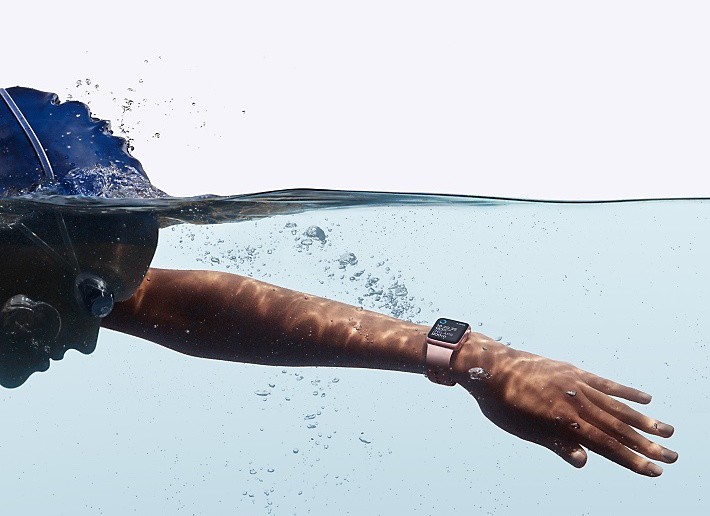
The writing has been on the wall for smartwatches ever since Cupertino chose to focus on sports and fitness features for Apple Watch Series 2. Smartwatch sales are plummeting, and fitness seems to be the only profitable area remaining in the wearables sector.
More evidence of this trend emerged this week, with smartwatch trailblazer Pebble reportedly being acquired by fitness wearables specialist Fitbit. We might very well be witnessing the demise of the smartwatch as we know it.
So how did we get here? Is Apple Watch really only fit for fitness, or could it still one day fulfill its destiny and become a true wrist-based computing platform?

Fitness band maker Fitbit is said to be in the process of acquiring Pebble, the company that kickstarted the smartwatch generation. Sources say the acquisition will cost between $35 million and $40 million, and will include the entire Pebble portfolio — including its intellectual property.
Analysts can’t agree whether smartwatch sales are tanking or booming.
In a new study that refutes IDC’s estimation that total smartwatch sales declined last quarter, analysts at Canalys argue that shipments actually rose 60 percent and the Apple Watch dominated.
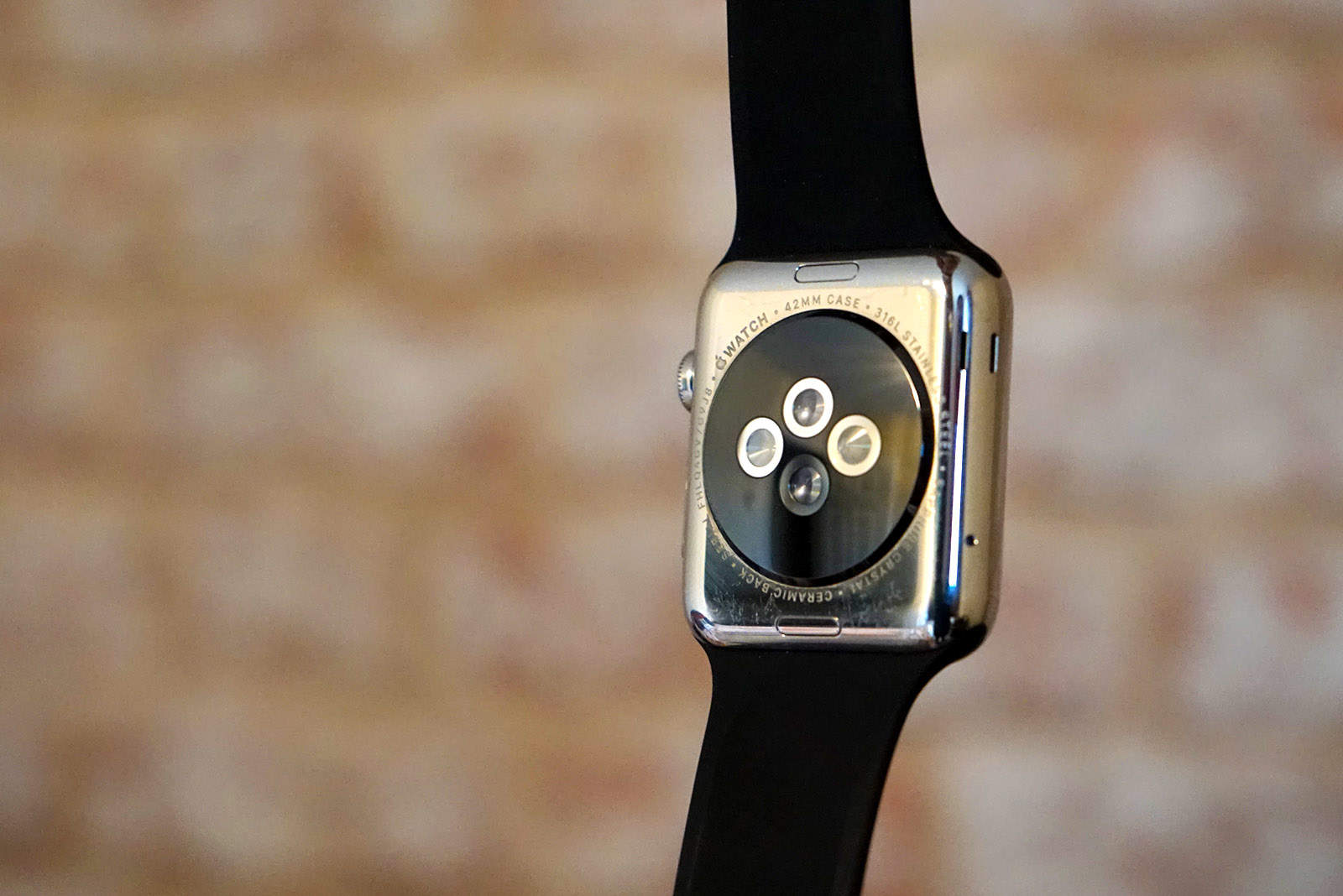
Fitness fanatics that want a good heart rate reading from their wrist better get an Apple Watch.
A new study of the four most popular wearables on the market found Apple Watch to be the most accurate smart watch for tracking heart rate. And it wasn’t even close.
Ever open the drawer and go, “Oh yeah. I own a Jawbone UP”? It’s easy to forget about an old fitness tracker or smartwatch you’ve got stashed away, but the Cult of Mac buyback program makes rediscovering an unused wearable more like finding a forgotten wad of cash.
We’ll give you the best price for your wearables, from shiny Apple Watches to older, well-worn products that most other buyback programs won’t accept. It’s a no-brainer to quickly and easily turn an old, unused wearable into cold, hard cash.
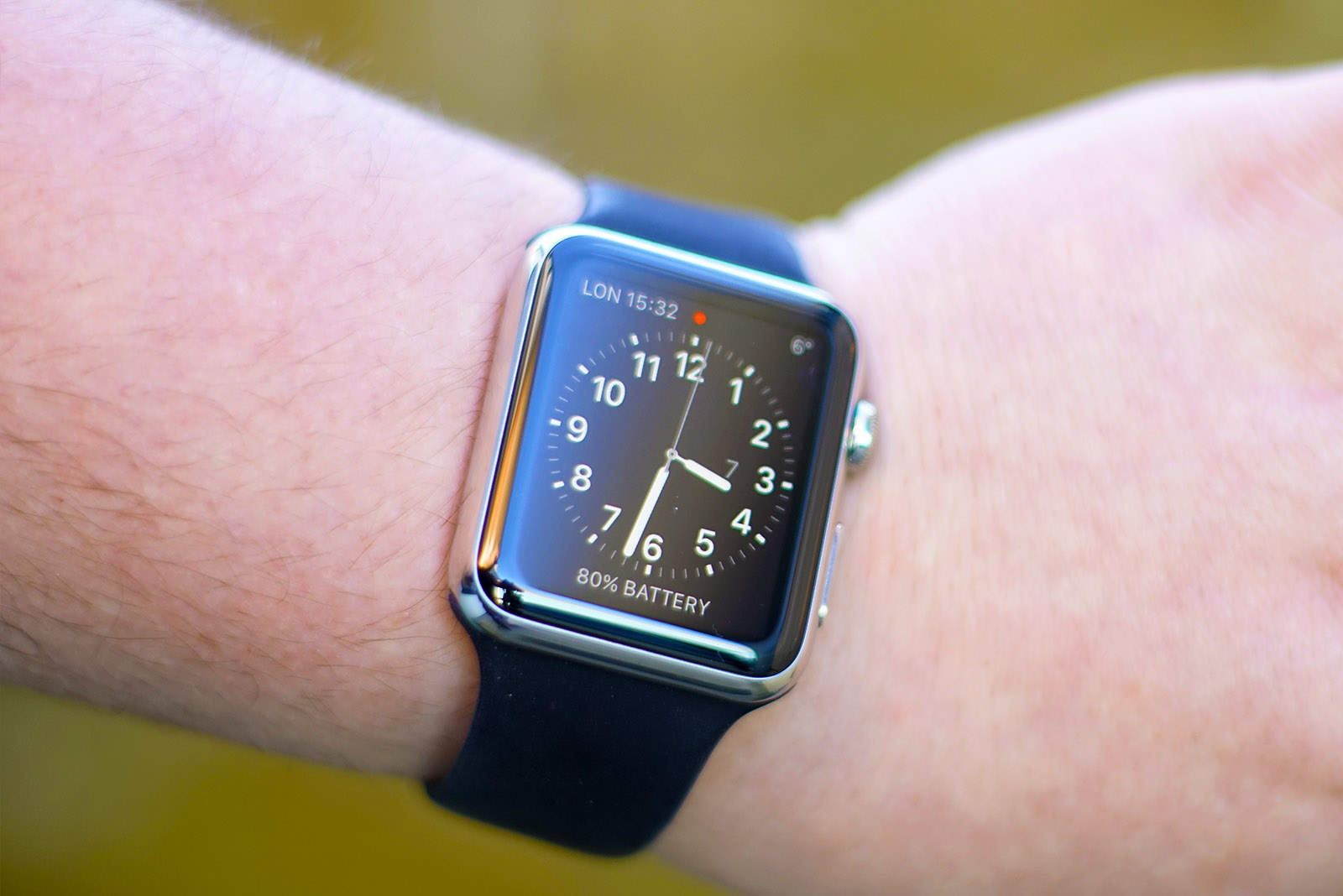
Despite its focus on helping you get fit, Apple Watch is still no closer to knocking Fitbit off its throne.
The company’s much more affordable fitness trackers have helped it claim 61.7 percent of the U.S. wearables market so far, while Apple’s first smartwatch has grabbed just 6.8 percent since making its debut last April.
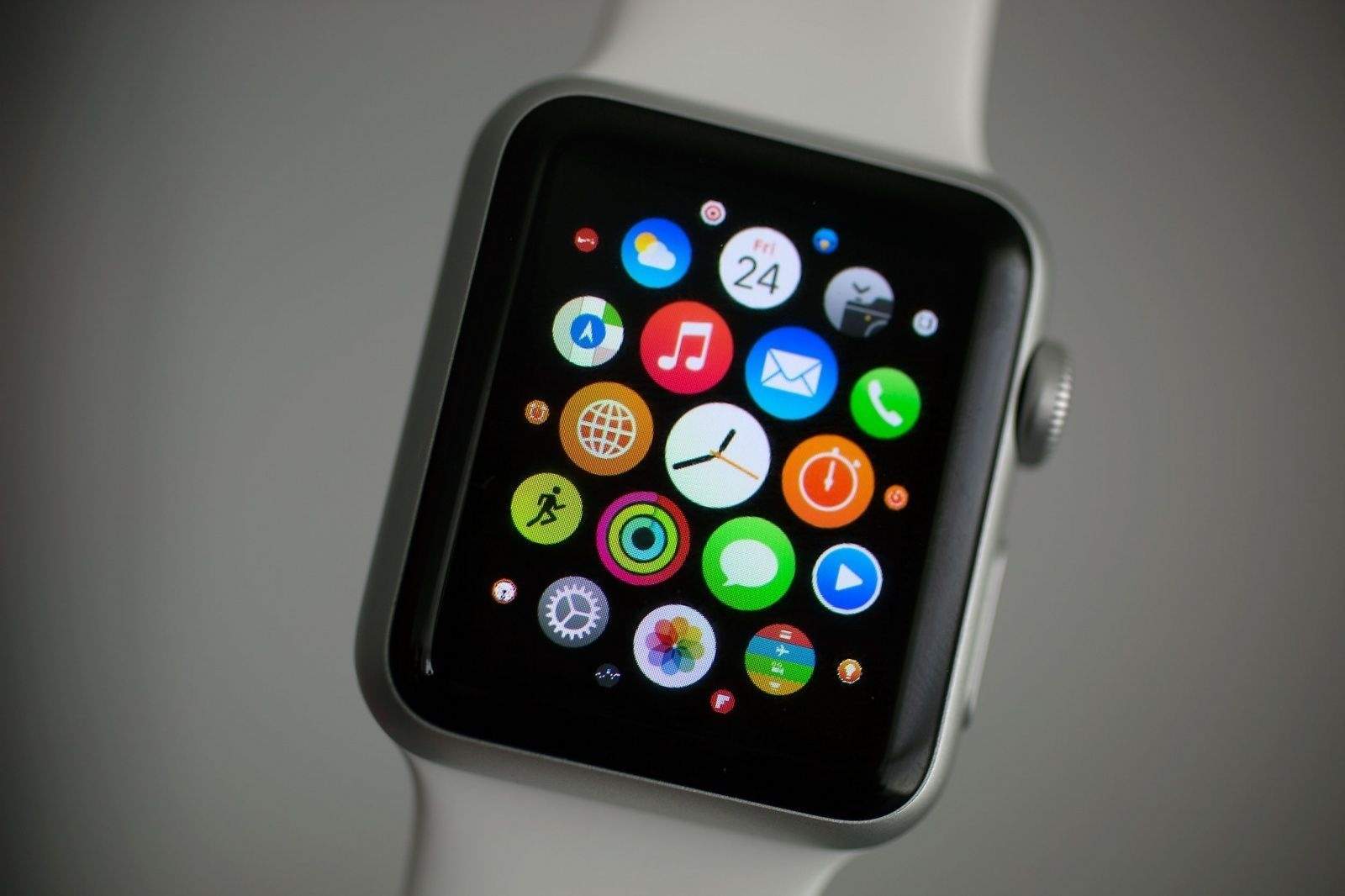
The Apple Watch may have out-earned Rolex to the tune of $1.5 billion last year, but according to Fitbit CEO’s James Park, Apple’s pursuing the wrong direction with its wearable devices.
“We look at it from a consumer point of view,” Park said, noting that the Apple Watch, “is a computing platform [instead, and] that’s really the wrong way to approach this category from the very beginning.”
Fitbit reported its best-ever holiday sales this week, but investors are fretting because the wearable maker’s guidance for the current quarter is lower than expected. Some analysts are questioning whether Fitbit can hold its own against competition from Cupertino.
Apple Watch has proved to be a fantastic fitness tracker for many Cult of Mac readers. So I was curious to find out how Fitbit’s trackers compare. They may be cheaper than Apple Watch, but are they as effective at promoting healthy habits?
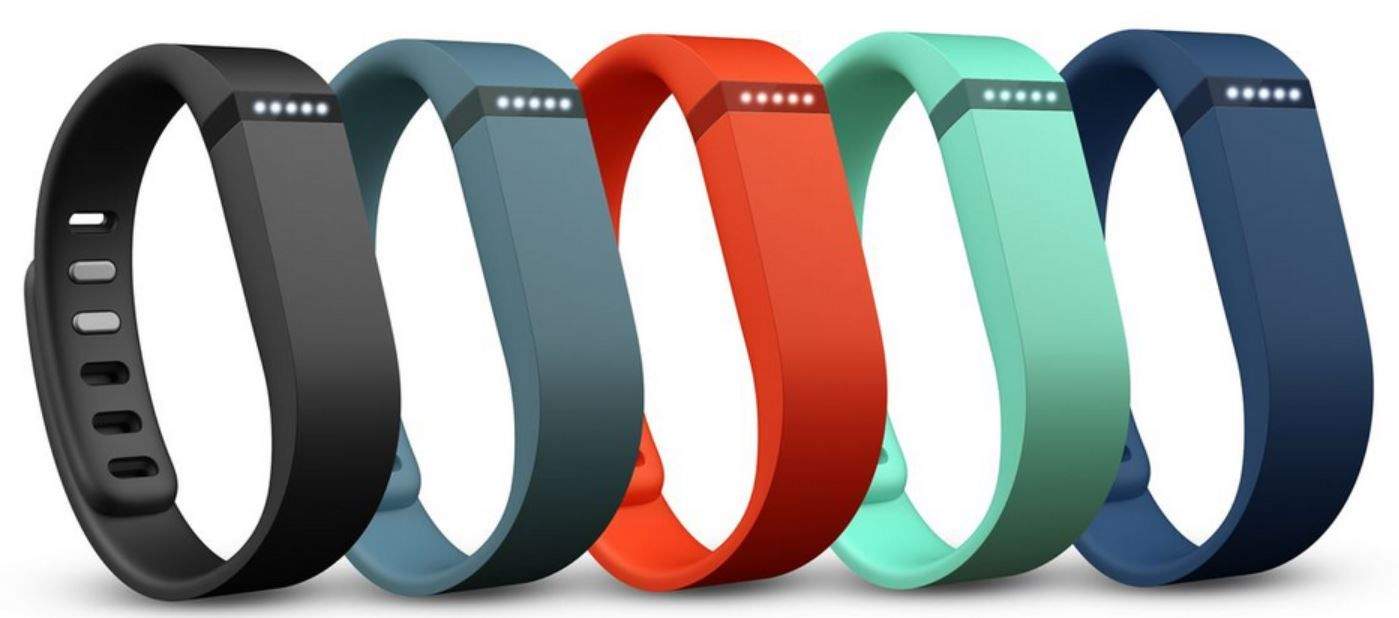
We still don’t have exact sales numbers on the Apple Watch, but something is clearly having a big impact on Fitbit, Apple’s biggest rival in the fitness wearables category.
Fitbit stock dropped 19 percent today after its forecasts missed estimates, and analysts downgraded the stock as a result. Fitbit shares have declined 44 percent this year so far.
And the Apple Watch? By all accounts we’ve heard, it’s doing pretty darn well.
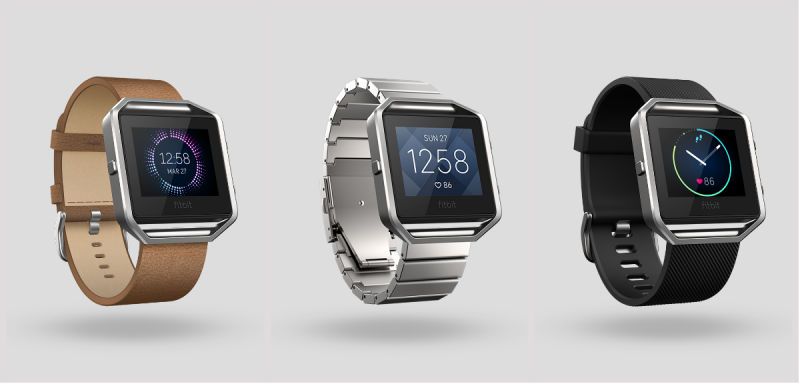
 Fitbit has upped its game to take on Apple Watch and Android Wear with a brand new fitness tracker called Blaze. It packs a premium, smartwatch-like design with color display, and it promises to run for up to five days in between charges.
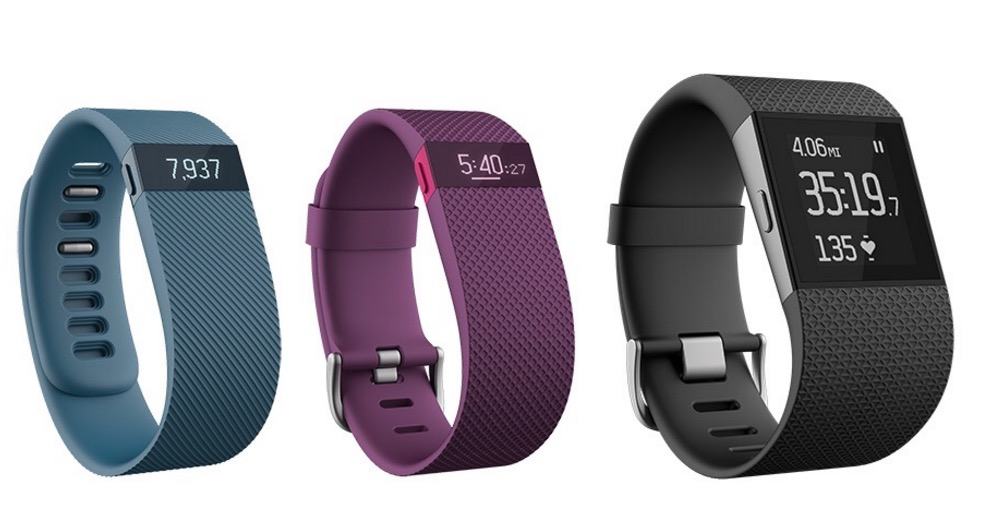
Although Fitbit may consider the Apple Watch a technical threat, Apple’s smartwatch didn’t seem to hamper Christmas sales any for the company: the market-leading activity tracker seems to have had a huge sales surge thanks to Christmas. Could Fitbit have outsold the Apple Watch this Holiday season?

Around the world, Apple Watch is helping people make life-changing improvements to their health and fitness.
I recently asked Cult of Mac readers to share their experiences getting in shape with Apple Watch, and the response has been amazing. Here are some of the inspiring stories I received — and some great insights into how you can use an Apple Watch to smash your fitness goals.
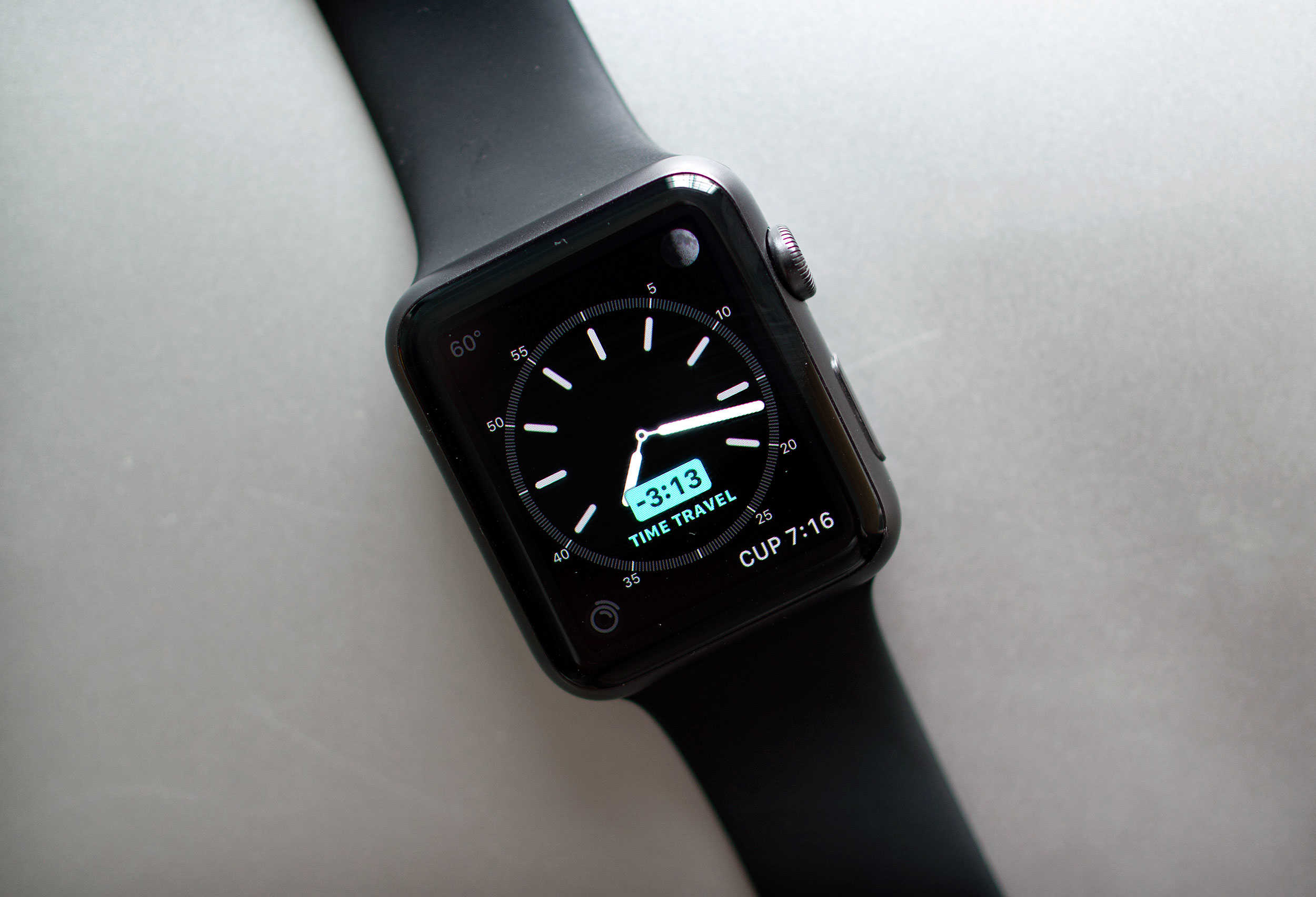
A new study suggests that the increased popularity of wearables like the Apple Watch and fitness trackers in the workplace is giving information technology professionals the willies.
IT tool and service provider Ipswitch polled 288 workers who feel like the burgeoning devices might present some problems, especially if they’re connected to company-owned Wi-Fi networks.

We’re seeing a lot of reports across the Internet of Apple Watch owners getting some irritation from their wearables. We have a few likely culprits for these blights, including friction with the band; contact dermatitis from dirt, water, or soap getting stuck underneath; or allergic reactions to adhesives or nickel used in the smartwatch’s production.
Whatever the cause, however, the fact remains that wearable rashes are very real and not limited to Apple’s new smartwatch. Here are some of the most interesting (meaning disturbing and gross) pictures we’ve been able to turn up from the Internet.
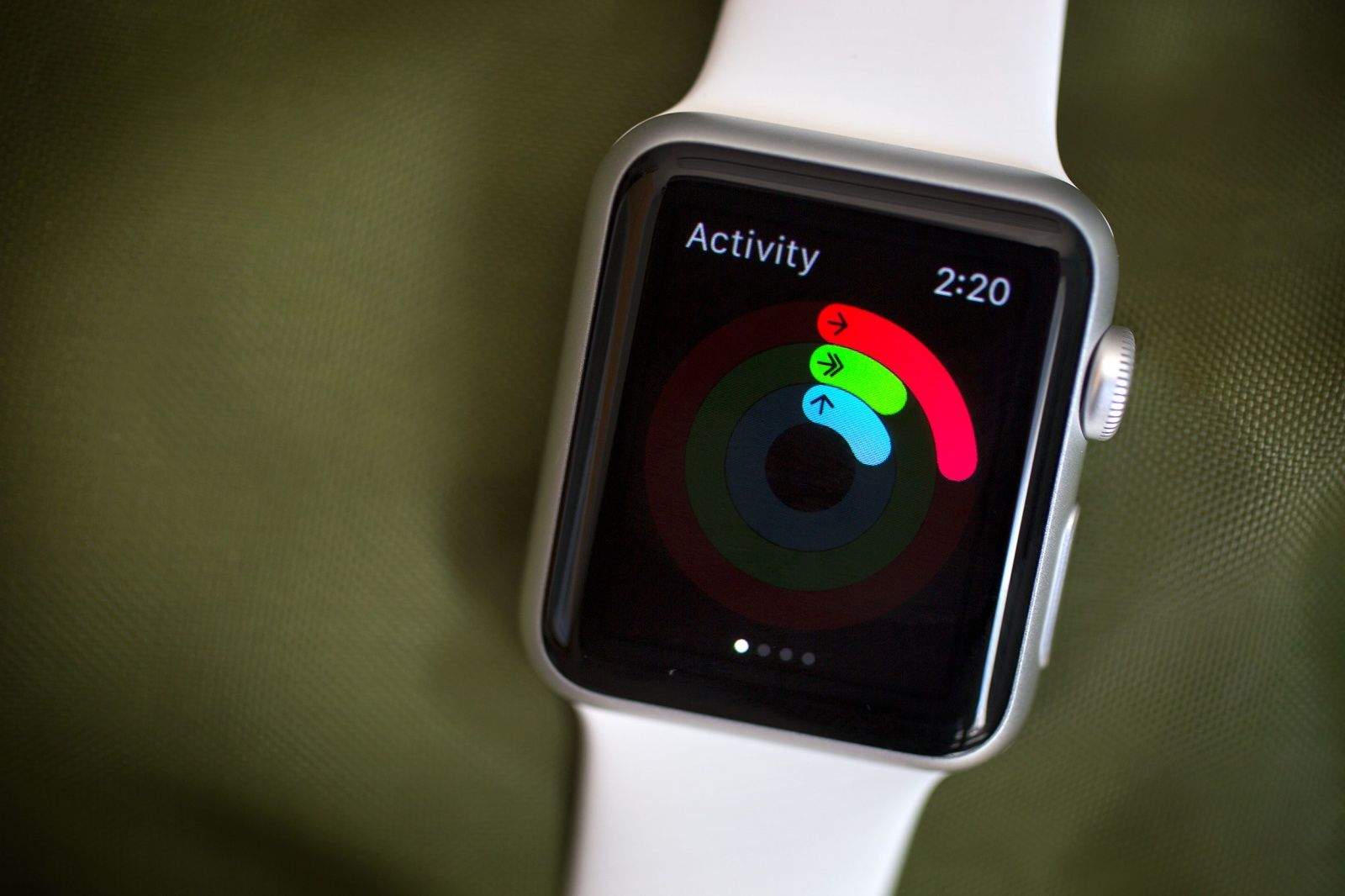
Many people say they want to get fit, but what does this actually mean? Fit for what?
The websites of leading fitness trackers, like Apple Watch, Fitbit, Microsoft Band and Jawbone Up don’t shed much light on this question. They talk a lot about the things that their devices measure, and even suggest changes in how we go about our day, but they rarely explain why this matters or what the actual benefits are.
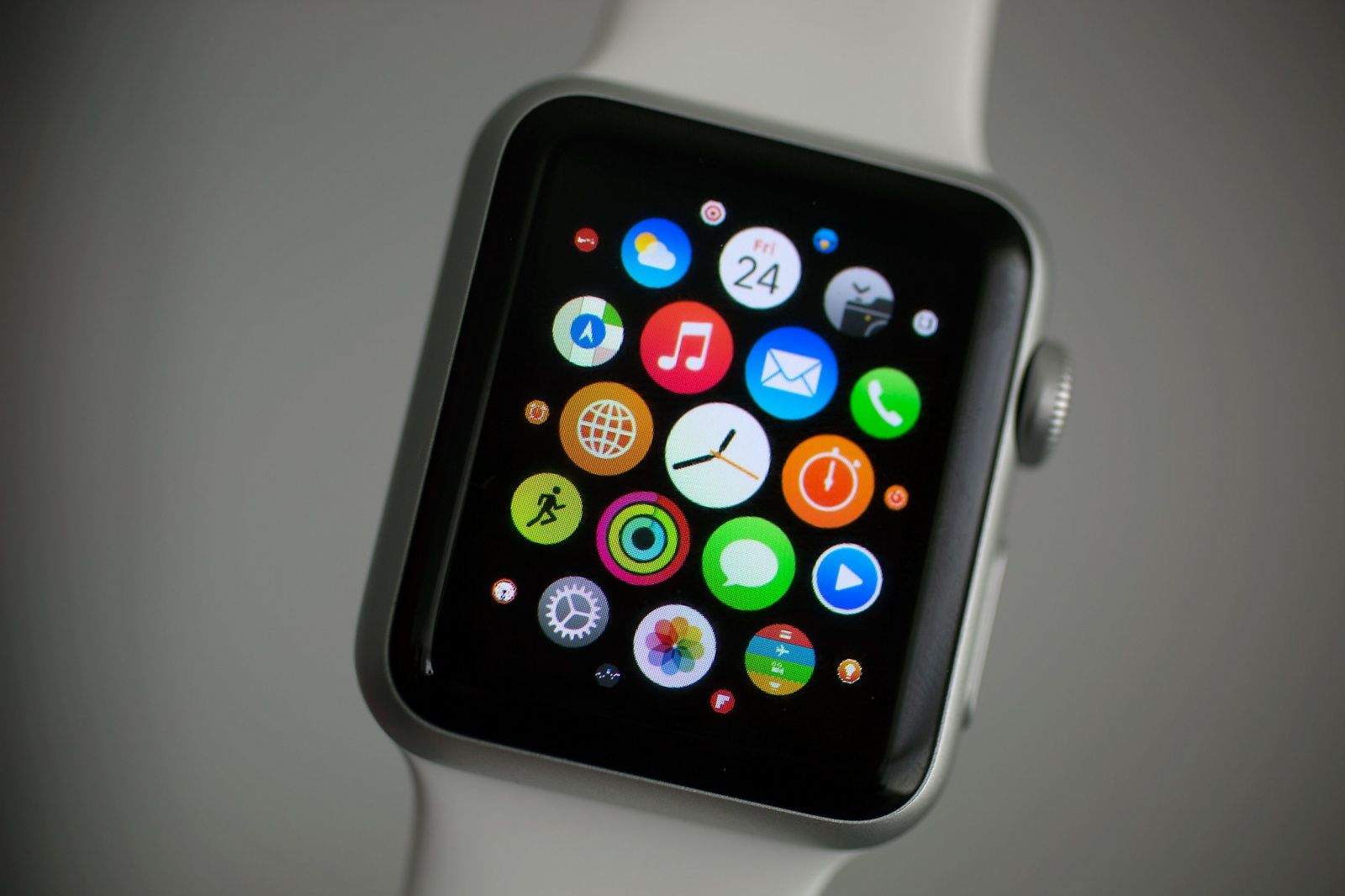
The Apple Watch is expected to do big things in China — with even the high-end Apple Watch Edition selling out within its first hour of preorders in the country — but one place the company’s debut wearable device won’t take off is the Chinese army.
That’s according to a recently released memo in which Chinese military leaders argue that wearable devices such as smartwatches and fitness trackers are sure to compromise soldiers’ security.
Fitbit is looking to make a splash on Wall Street by filing to go public. The company behind the Flex activity trackers announced it is looking to raise $100 million in an initial public offering later this year.
Fitbit sold 10.2 million devices last year, and is the first wearable technology company to go public. But now that Apple Watch is available to the public, Fibit is warning investors in its filing that it could potentially be “more competitive than our products and services.”
Full quote below:
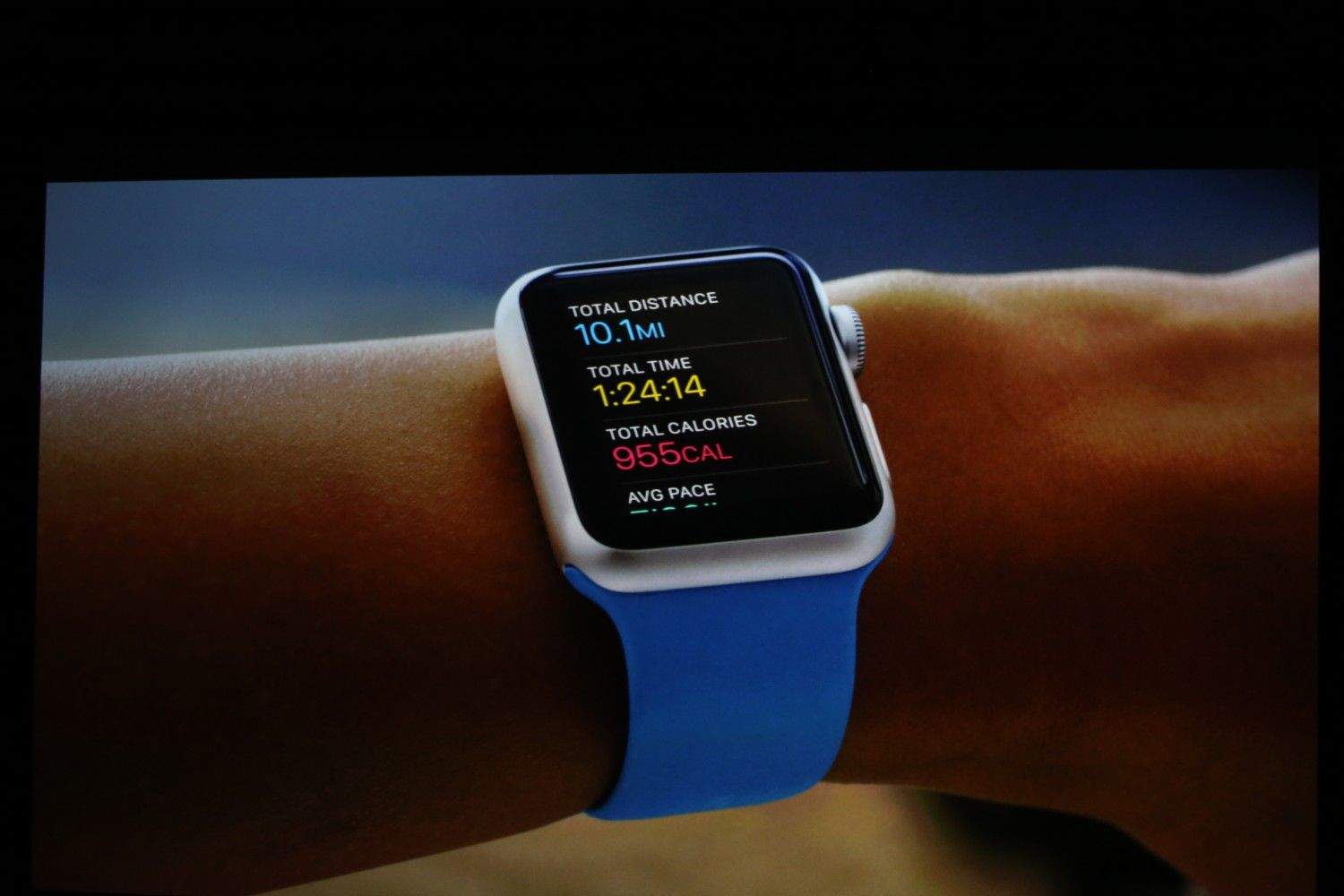
One of the big selling points of wearable devices is that they will be able to help us keep track of various fitness metrics.
However, a new report claims smartphones are just as good (if not slightly better) at tracking physical activity as the most popular wearables on the market.
Microsoft released its list of the top Bing searches of 2014 this week, and among tech companies, Apple appears to be this year’s big winner, again.
The iPhone 6 and iPad both ranked among the top 5 tech search words of 2014, according to BingTrends. Other top searches included Fitbit and the Xbox One, but the iPhone 6’s biggest competitor – the Samsung Galaxy S5 – didn’t even place in the top 10.
Here are the complete rankings:
One way you can tell a technology is becoming mainstream is when it starts to have brushes with the law. We saw it in the 1980s with the first computer hacker trials, more recently with the appearance of Google Glass, and now with fitness trackers — courtesy of a personal injury suit taking place in Canada.
In what is thought to be the first ever case of data from a wearable device being used in court, a female Calgary plaintiff is using information gathered by her Fitbit device to demonstrate that her activity levels have dropped dramatically following an accident.
The data is being analyzed by a third-party analytics firm called Vivametrica, which will make its findings known to the court.
Clearing the way for its own fitness-tracking wearables, Apple has stopped selling Fitbit activity trackers in the Apple Online Store, and has begun removing them from its brick-and-mortar retail outlets also.
Fitbit’s devices have been sold in Apple Stores for the past few years; quickly racking up close to 70% of the fitness-tracking device marketshare, courtesy of a head start over competitors such as Nike’s FuelBand and Jawbone Up.
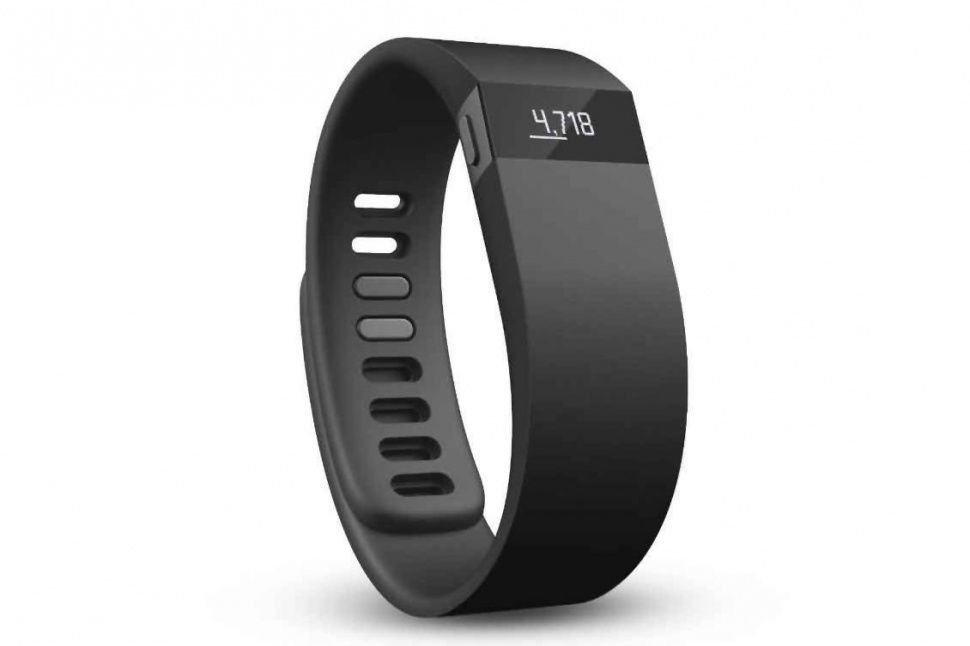
Fitbit’s lineup of activity trackers may soon get exiled from the Apple Store, sources have told Recode, as Apple prepares to launch its own lineup of wearables next year.
It’s unclear whether other activity trackers will suffer the same fate, but the move comes just days after FitBit announced it has no plans to support iOS 8’s HealthKit in the near future, which makes it easy for iOS users to track all of their fitness data in one app.
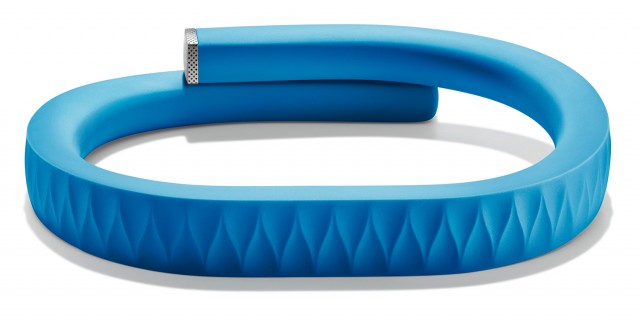
In the business world, Apple entering your product category is a little bit like a tsunami crashing into a home aquarium. What had previously seemed like a nice, small and self-contained ecosystem suddenly runs the risk of being obliterated by a giant wave-maker.
When Tim Cook announced the Apple Watch at Apple’s recent media event, the crowd went wild. But exciting as it was for consumers, it represents a seismic shift for the currently $330 million wearable tech industry.
Devices that can serve up smartphone notifications, track fitness goals and even advise us on health matters have the potential to be huge — but they’re not yet. That’s about to change, according to Juniper Research, which forecasts that wearable devices like smartwatches could hit sales of $19 billion by 2018.
What happens to Apple’s marketplace rivals as this sea change takes place? Cult of Mac did some digging to find out how companies like Jawbone and Fitbit plan to survive Apple’s smartwatch revolution.

SAN FRANCISCO — Brendan Nee is a walking contradiction. He’s car guru who doesn’t own one, a 21st-century geek with an 18th-century mustache who has come up with a novel bit of nagware that could help Americans get off their spreading behinds.
An engineer working on “smart car assistant” Automatic, he spends many of his weekends at hackathons and has a coder’s physique to show for it. In January, he won the Clinton Foundation Code4Health Codeathon by developing a working prototype of an app called Walkoff in just a weekend. A few months later, Nee and team rolled out a more polished version that mashes up the data Automatic pulls from cars with info gathered by a Jawbone Up fitness tracker, showing a user how much time they’re spending behind the wheel versus walking.
“Clearly, without an actual car, I’m not the ideal tester,” admits Nee. The closest he comes to owning a set of wheels is a retired public bus dubbed the PlayaPillar that he only rolls out for Burning Man.