Removing your personal info from data brokers is more important than ever. Photo: cottonbro/Pexels
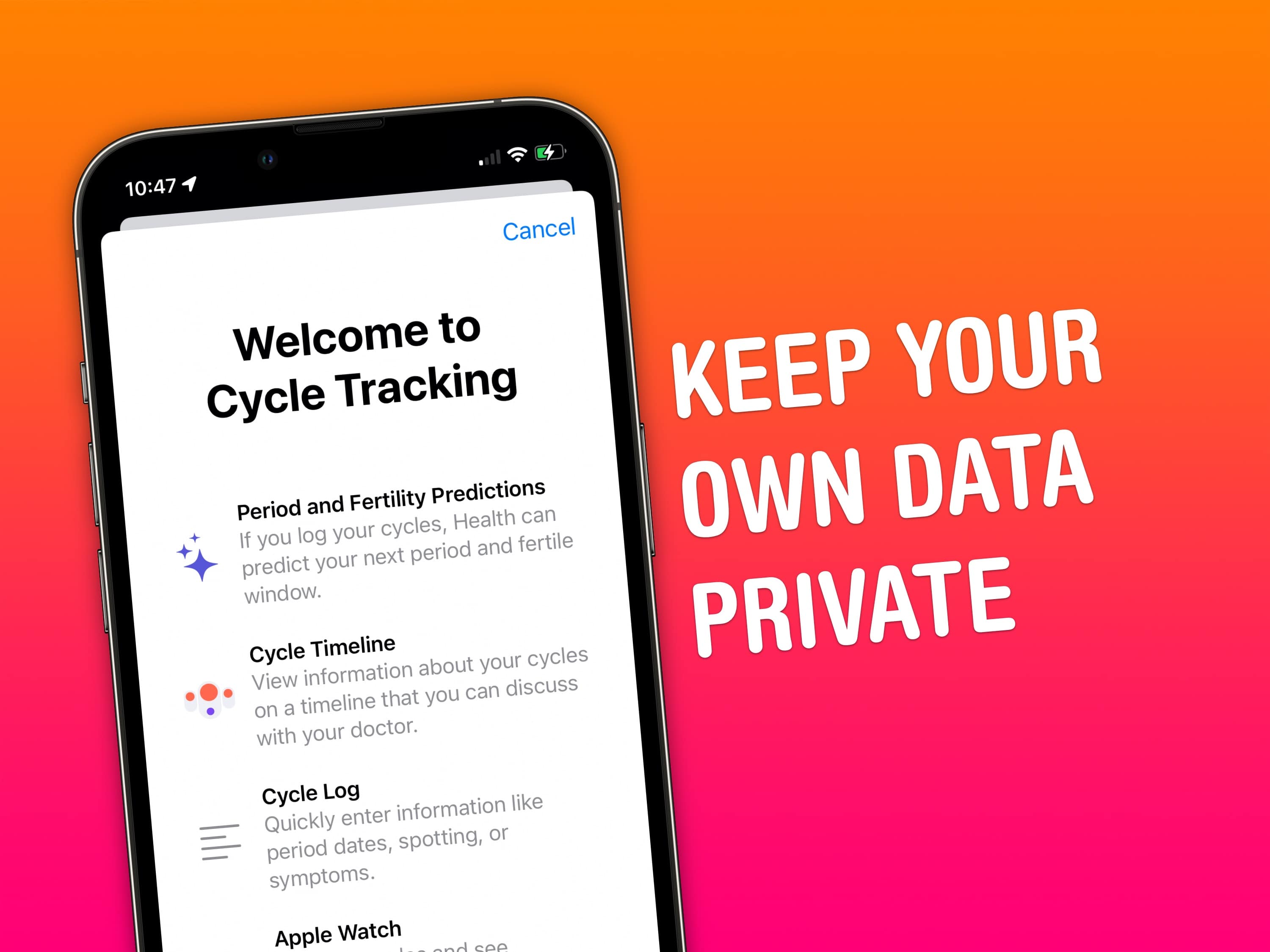
Knowing how to opt out of data brokers is basic digital hygiene. Your name, home address, and phone number could be up for sale right now.
California has just handed its residents a free shortcut, while everyone else still has some solid options. Here’s what works, what it costs, and why you’ll need to keep at it.
Rope off the data mine because it's closed for business when you grab this DPN hardware.
Photo: Cult of Mac Deals
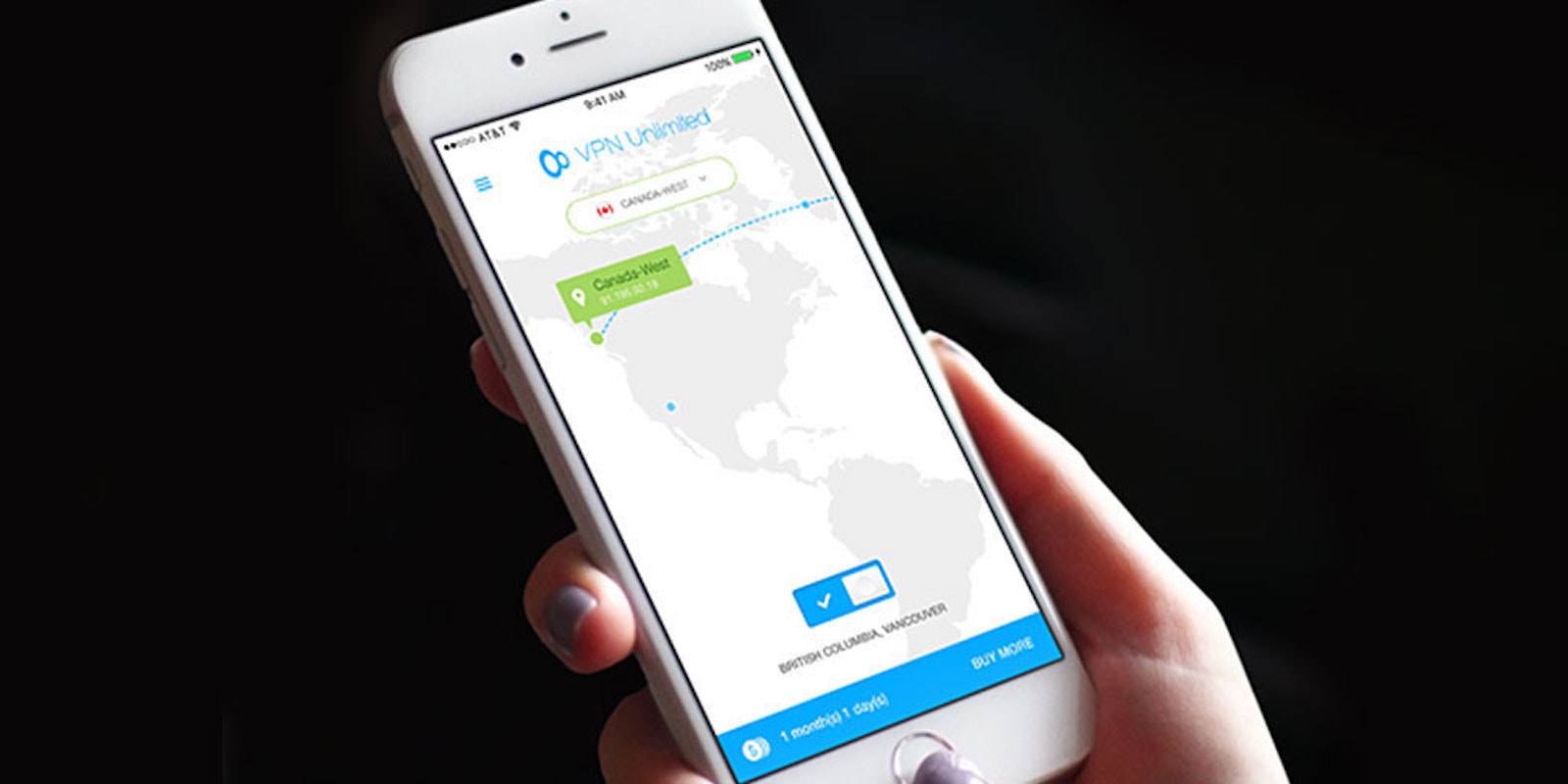
Your personal online data may not be as secure as you’d like it to be. If you’re browsing on public Wi-Fi or even at home, your data may be tracked, sold and used by advertisers, your ISP or malicious snoops.
Luckily, you can help conceal your activity online with a single piece of hardware. The Deeper Connect Pico Decentralized VPN protects your devices and data from intrusion, and it’s only $248.
Your iPhone and Apple Watch, and third-party apps you use on them, efficiently capture data that could be used against you at a later date by law enforcement. We’re talking things like location data, ovulation records, text messages and your web-browsing history.
Keeping all your data private after Roe v. Wade to avoid prosecution could prove highly important. Luckily, Apple gives you powerful controls over how and where your data is stored. You just might need to adjust certain settings for maximum privacy.
Read on to dive deep into data security recommendations for iPhone, Apple Watch, and Mac.
The world was starting to develop a healthy skepticism for tech companies and their claims of making data privacy a priority. The Facebook-Cambridge Analytica scandal seemed to get our attention and we began to understand how easy it is for groups to track our digital lives.
Then COVID-19 spread with bullet speed across the world and now surveillance of our movements to track the virus is sounding to many like a good idea.
Justice officials have their sights set on a lot of private data. Photo: Captaindan/Wikimedia CC
The Department of Justice has ordered Apple and Google to turn over names, phone numbers and IP addresses for users of a gun scope app that allows gun owners to calibrate scopes and capture video.
Data privacy activists say the government’s ask would set a “dangerous precedent,” giving officials access to data on thousands of innocent people.
Facebook and Apple have beef. Photo: Thomas Ulrich/Pixabay
The clash of tech titans Apple and Facebook continued Monday when Mark Zuckerberg’s newest executive team hire called Apple an “exclusive club” serving only “aspirant consumers with the means to buy high-value hardware and services.”
Nick Clegg, Facebook’s new head of global affairs, didn’t mention Apple by name when he spoke to a group in Berlin today. He didn’t have to.
Save 88% on comprehensive and essential VPN protection. Photo: Cult of Mac Deals
Online life is full of threats to our privacy and data, so there’s no reason to surf without a VPN. Not sure where to start with VPNs, or daunted by the cost? We’ve got a deal for you.
Setting your Google account to automatically delete old information about you will soon be possible. Photo: Google/Cult of Mac
Everyone who uses Google services, whether on iPhone or Android, will soon be able to have some of the data being collected about them automatically erased after a span of time.
It’s already possible to order Google to erase everything it stores about your search history, but this new feature will allow for on-going deletion.
Christopher Brannan gets a prison sentence for his part in the crime. Illustration: Killian Bell/Cult of Mac
A judge sentenced a former high school teacher to 34 months in prison Friday after the man pleaded guilty to his role in the “Celebgate” hack of iCloud and other accounts.
Of those convicted for the high-profile hack, Christopher Brannan, 31, received the harshest sentence for breaching accounts. The attack led to the circulation of nude photos and videos of model Kate Upton, actress Jennifer Lawrence and others.
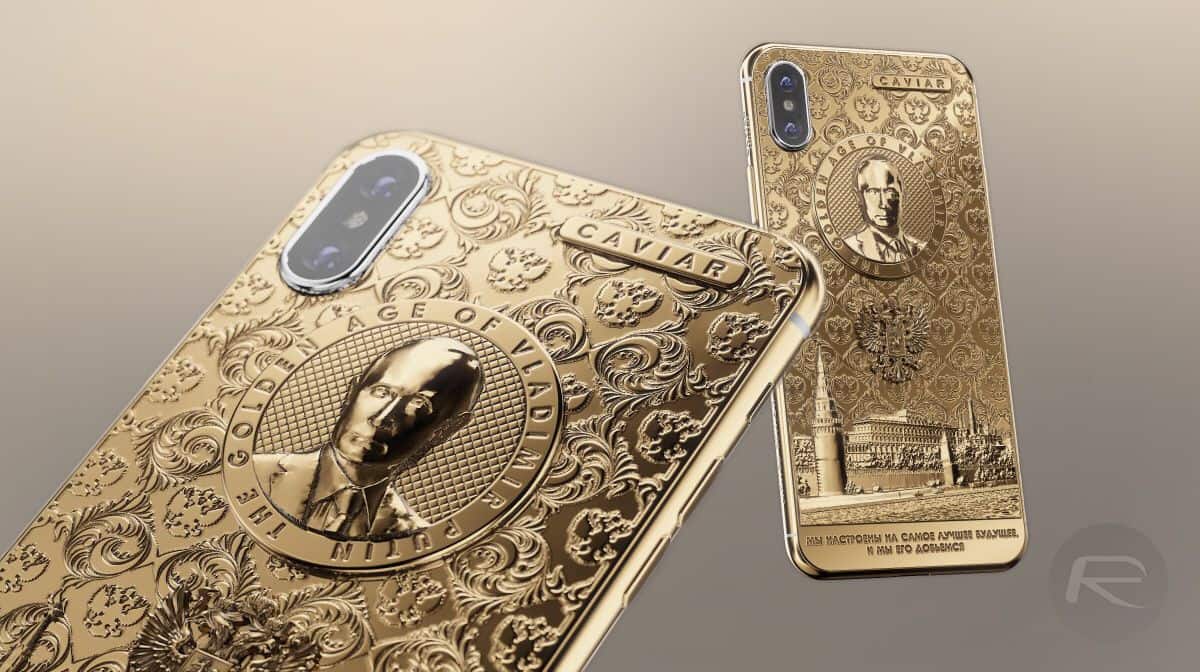
A new Russian law means President Vladimr Putin could take a peek at the iCloud data of his citizens. Photo: Caviar
Apple will comply with a Russian law that could force them to decrypt data on Russian customers at the government’s request.
The law took effect last year and requires the tech giant to store data on servers in Russia for up to six months. Apple acquiesced to a similar law last year in China, a smartphone market in which it has invested heavily.
Facebook employees went through a tense 24 hours. Photo: Facebook
Apple’s sudden shutdown of Facebook’s internal apps for iOS created enough chaos this week that some working for the social network company were openly talking about quitting, according to reports.
The Facebook employee apps show shuttle schedules, campus maps, and company calendars. Apple disabled all of them Wednesday after it learned Facebook ran a research app where iOS users could be rewarded for their data, a sideloaded app that violates Apple’s developer rules.
Happy Data Privacy Day! To celebrate, check out this pair of can't miss deals on data security tools. Photo: Cult of Mac Deals
When it comes to personal data, you can’t be too safe. So when you have the chance to easily boost your security, you should take it. That makes this VPN a great data security tool that shouldn’t be missed. It is already discounted, but Cult of Mac readers get an extra 15 percent off when they use the code DATAPRIVACY15 at checkout.
Data privacy comes with the price. Photo: Leander Kahney/Cult of Mac
The New York Times investigative reporter Nick Confessore has covered data privacy long enough to make the iPhone his smartphone of choice.
His take on data-hungry Android phones is damning enough to make anybody switch to an iPhone. He also offers other tips for keeping your data as safe as possible these days. Unfortunately, that’s not very safe at all, according to Confessore.
A statement on Apple’s stance toward privacy is baked into iOS. Photo: Ed Hardy/Cult of Mac
The Center for Democracy and Technology (CDT) published a draft privacy bill this morning that proposes making it harder for companies to track people’s location or collect biometric information about them.
Apple is a top donor to the CDT, and the company has taken a strong stance on protecting user’s privacy.
With just a couple of taps, you can erase everything Google has stored about your search history. Photo: Ed Hardy/Cult of Mac
Your iPhone does everything it can to protect your privacy, but using Google’s services punches a gaping hole in that protection. Google took a small step toward increasing user privacy by making it much easier to delete your search history.
Google doesn’t just save the terms your looked for, but also the pages you visited as part of the search. Both collections can be erased.
GrayKey can still unlock iPhones but can no longer unencrypted their contents. Photo: Ed Hardy/Cult of Mac
Apple has apparently won a victory in preserving the privacy of iPhone users. Previously, even if an iOS device was secured with a password, police could use the GrayKey unlocking tool to access the contents. But that changed with iOS 12.
This hacking tool reportedly became nearly useless with the release of Apple’s latest operating system.
You get extra points if you remembered that Google+ was still a thing. Photo: Ed Hardy/Cult of Mac
Google took a one-two punch to the chin today by having to admit its once-ballyhooed Facebook competitor is a dud. There’s so little interest in Google+ that it’s being killed off.
That would normally be bad enough, but the shutdown isn’t just because of lack of interest. A bug in Google+ exposed the personal information of users, something Google didn’t mention for a half a year.
Apple CEO Tim Cook discusses his company's data privacy philosophy on VICE News Tonight. Screenshot: VICE News Tonight/You Tube
Android users can pat themselves on the back for paying less for a smartphone. Apple fans can rest easy knowing the steeper price they paid for their iPhones came with better data privacy.
This was a point Roger McNamee, an Apple investor and co-founder of the private equity firm Elevation Partners, delivered Wednesday during a discussion on CNBC about where the big tech companies stand on privacy.
Any future privacy legislation will likely have little effect on Apple as it already bends over backward to avoid collecting user information. Photo: Ed Hardy/Cult of Mac
A high-level Apple executive will tell the the U.S. senate tomorrow that the iPhone maker is in favor of federal privacy regulations.
He’ll be testifying along with representatives of Google and other companies likely to argue against privacy laws.
Apple is watching to be sure your device is really being used by you, and has begun giving each an iPhone trust score. Photo: Ste Smith/Cult of Mac
In an attempt to prevent fraudulent purchases from the iTunes Store, Apple has begun giving each iOS device a “trust score.” Exactly how this is computed isn’t known, but one of the factors is how many phone calls and emails are sent and received by the phone or tablet.
Despite the laudable goal of preventing fraud, an iPhone trust score is something likely to raise the hackles of privacy advocates. Still, Apple promises that it’s not tracking its users.
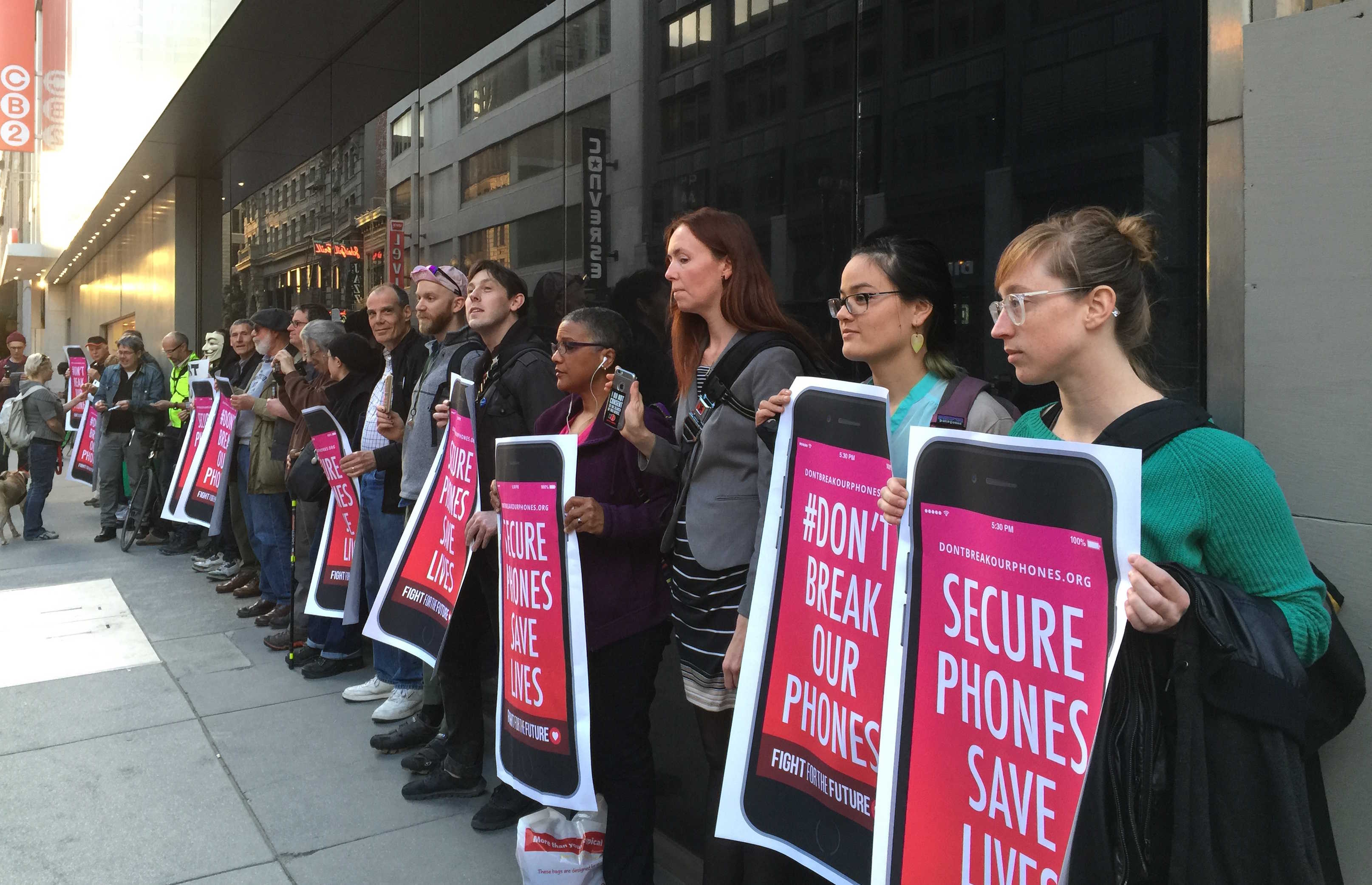
Protesters in San Francisco line up with pro-privacy signs outside the downtown Apple Store in 2016. Photo: Traci Dauphin/Cult of Mac
An American Muslim woman whose iPhone was seized and held for several months by U.S. customs officers has filed a federal lawsuit that raises new data privacy questions over what we store on our devices.
After a flight from Zurich, Switzerland landed in New Jersey in February, Rejhane Lazoja said agents seized her iPhone 6s Plus after she refused to open it during questioning because it contained photos of her without her hijab, considered a form of undress in Muslim culture.
Among other iPhone privacy topics, Apple explained to U.S. lawmakers that if your iPhone is tracking you, it's because you've given it permission to. Photo: Ste Smith/Cult of Mac
Privacy has become a hot-button issue, and a committee of the U.S. House of Representatives recently sent Apple some questions about iPhone privacy protections. These were about location tracking, audio recordings, and third-party applications.
The in-depth responses spell out Apple’s strong commitment to iPhone user’s privacy in all these areas.
The US government may soon be looking over Facebook's shoulder to better protect your privacy. Unless Facebook and Google can prevent it, of course. Photo: Facebook
The Commerce Dept. is reportedly talking to social networking companies and consumer advocates about rules to protect online privacy. Also included are possible protections for companies that have data breeches.
This is supposedly laying the groundwork for legislation that might be proposed this fall.
Wall Street hammered Facebook today. But the privacy concerns that pushed the company's share price down almost 20 percent aren't an issue for Apple. Photo: Ste Smith/Cult of Mac
Facebook lost more value today than any other company in history: $120 billion. The massive selloff came after CEO Mark Zuckerberg admitted that the growing privacy concerns of the public, and the likely response of lawmakers and regulators, will hit the company where it hurts: in the pocketbook.
On the same day Facebook lost 19 percent of its value, Apple’s share price was unaffected. This is because the two companies have diametrically opposing views on the privacy rights of the public. What hurt Facebook so much is actually one of Apple’s strengths.