Get ready for another record breaking quarter. Photo: Jim Merithew/Cult of Mac
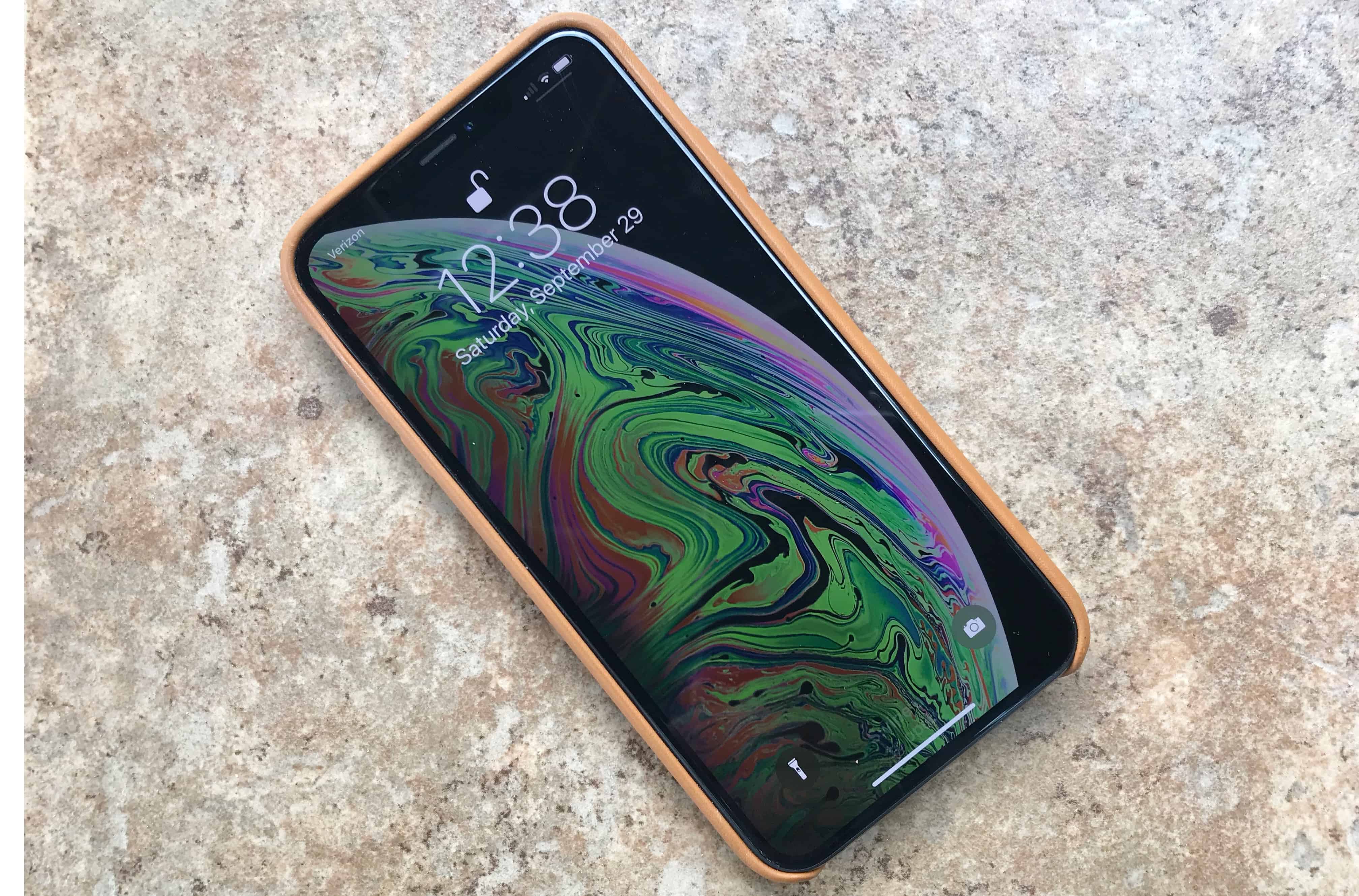
Apple is ready to unveil its last earnings report of 2019 this week, and investors are anxiously waiting to hear some good news on iPhone sales.
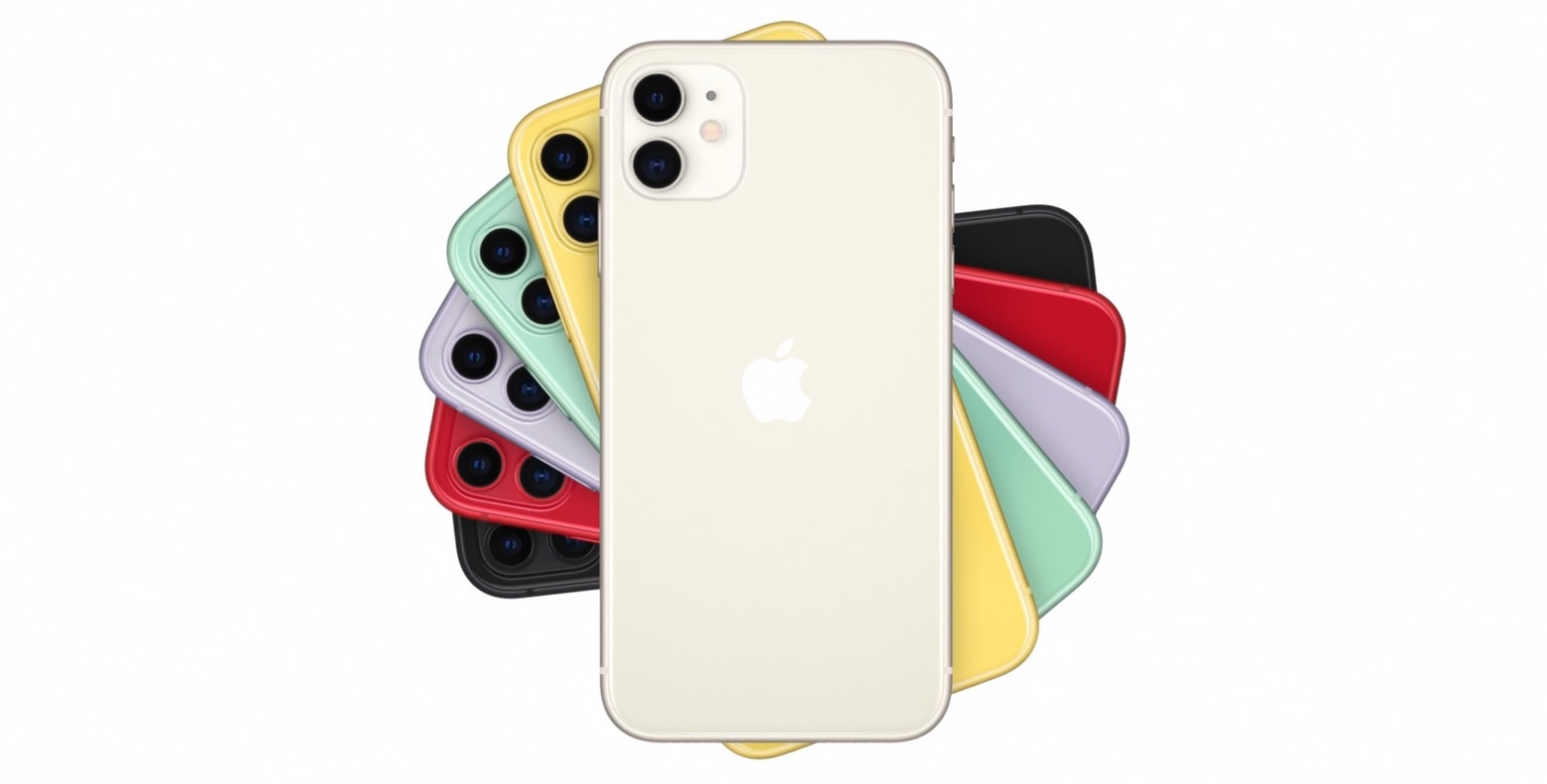
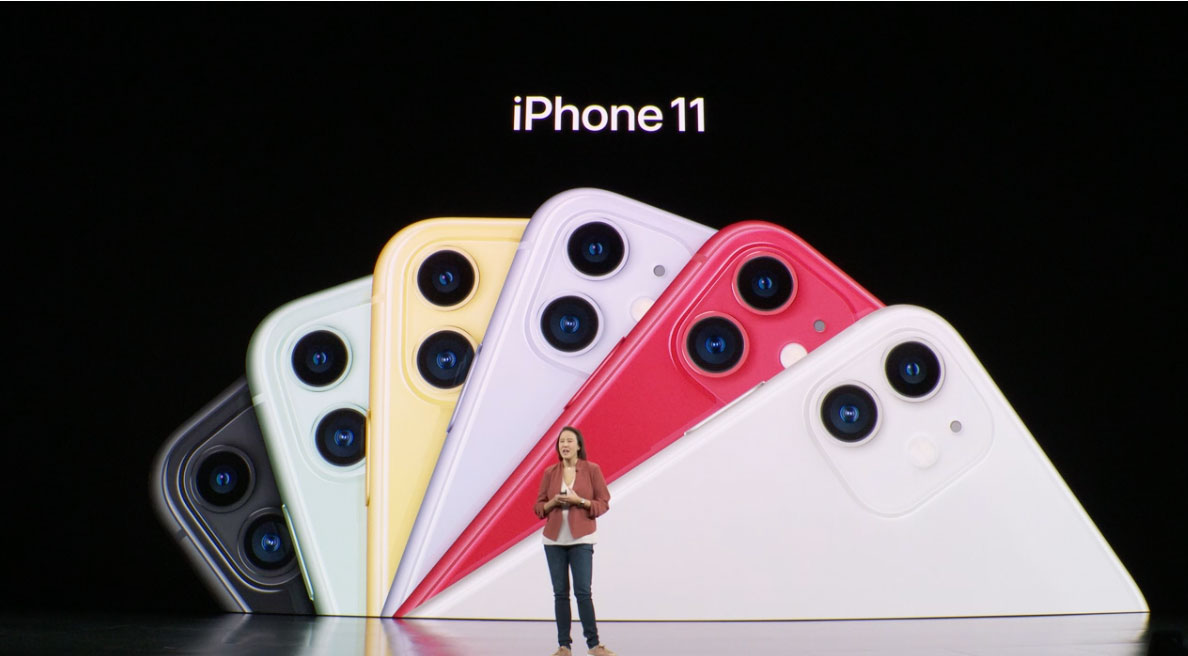
All early indications point to sales of the iPhone 11 and iPhone 11 Pro performing even better than expected. But because the new devices were only on sale for the very tail end of the quarter, they might not have given Apple the growth Wall Street is desperate to see.
Apple CEO Tim Cook and CFO Luca Maestri are set to divulge all the details for Apple’s fiscal Q4 2019 earnings on Wednesday, October 30, at 2 p.m. PDT. Per usual, Cult of Mac will be analyzing all the data right when it drops and there are a couple of areas and metrics that are key to keeping Apple’s stock price soaring.
Apple’s biggest copycat nuisance, Xiaomi, is at again.
The Chinese tech firm, known for its design knockoffs of Apple products, will roll out a new wearable device next week that, by the looks of a teaser ad, resembles the Apple Watch.
Apple has pushed its supply chain to shape-up on environmental issues. Photo: Apple
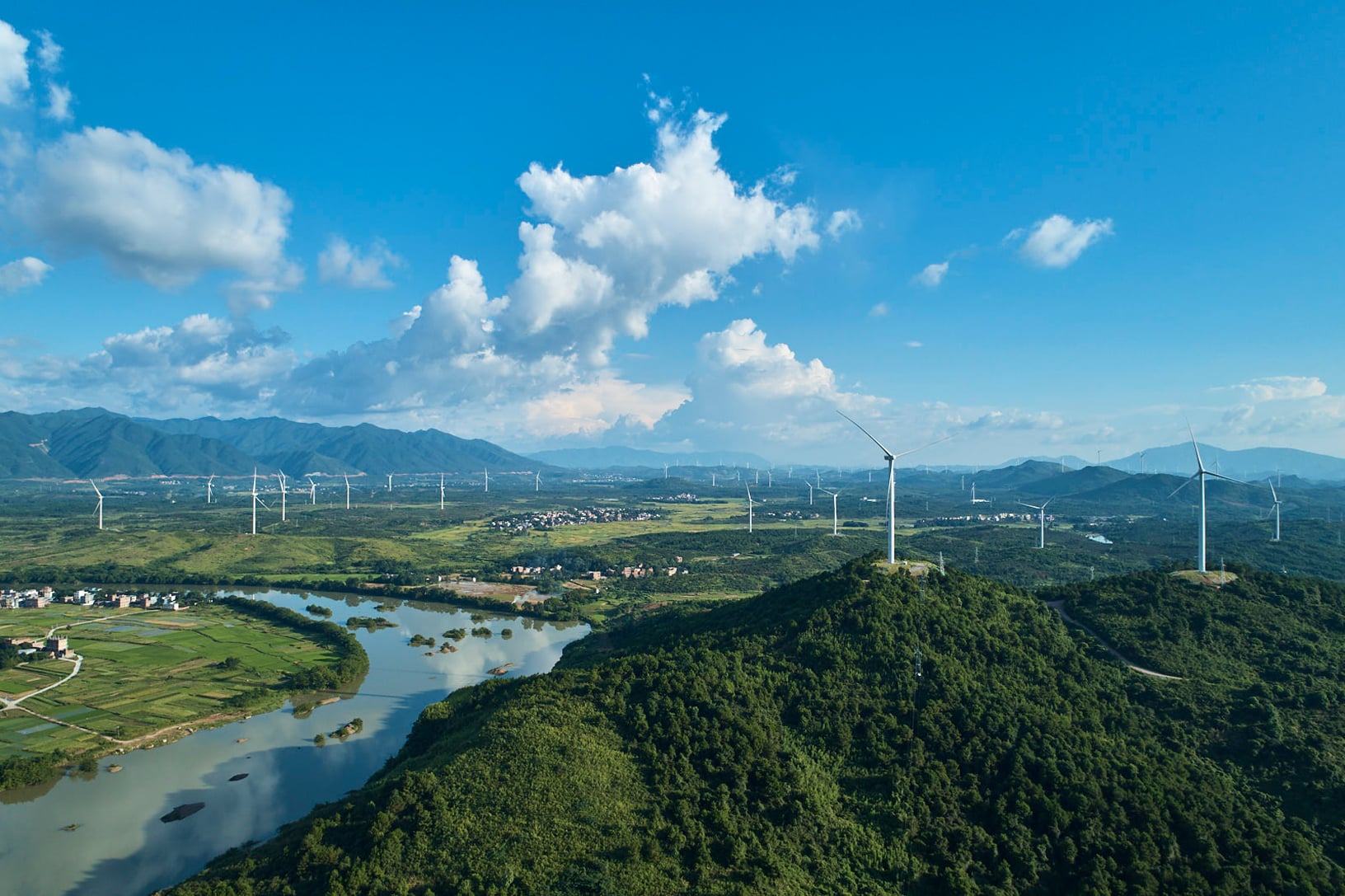
Apple has scooped up a first-of-its-kind prize for its environmental work in China.
The company was awarded the Green Supply Chain CITI Outstanding Brand title for “environmental leadership” across its entire supply chain. It’s a recognition of all the work Apple has done in the country.
Don't believe the scaremongers. Photo: Killian Bell/Cult of Mac
Strong demand for the iPhone 11 lineup has boosted Apple’s market share in several regions around the world.
Cupertino made gains in Europe, Australia, and Japan last quarter, according to new figures. But iPhone suffered a market share decline in China — and on its home turf.
Apple isn’t using the Fraudulent Website Warning to help a Chinese company spy on your web browser. Photo: Ed Hardy/Cult of Mac
Apple refutes accusations that it sends information from every iPhone’s and Mac’s Safari browser to China’s Tencent. These are apparently based on a vaguely-worded explanation in Settings which Apple just clarified.
Safari does use a list of fraudulent websites compiled by this Chinese company to protect users, but only if these users are themselves located in China.
The old iPhone 7 is helping Apple get more sales in China. Photo: Apple
iPhone sales in China are booming, according to the latest research note from UBS analyst Timothy Arcuri.
Investors worried that strained tensions between China and the US would cause some backlash against Apple’s brand in China, but that does appear to be the case based on the latest data from the government.
Apple seemingly has a new relationship with Tencent. Photo: Cult of Mac
Apple is under fire for sending Safari browser data to China.
It is known that Safari can send information to Google Safe Browsing to protect users against online phishing and scams. But it seems Apple’s browser is also sending similar data to Tencent in China.
Apple faces big challenges in China. Photo: Ed Hardy/Cult of Mac
Prominent Hong Kong legislator and IT entrepreneur Charles Mok has warned that Apple risks becoming an accomplice for “censorship and oppression” in China.
In an open letter to Tim Cook, Mok referenced Apple’s removal of a recent app which allowed protesters to track the whereabouts of Hong Kong police. Tim Cook has defended the app’s removal, which came after Chinese state media criticized Apple for allowing it in the App Store.
Apple is one of a number of multinationals who face challenges in China. Photo: Ed Hardy/Cult of Mac
Apple has reportedly removed the Quartz news app from the Chinese App Store by request of the China government. According to Quartz‘ investigations editor, this is due to their, “excellent coverage of ongoing Hong Kong protests.”
The company also banned an app that let Hong Kong protesters track Hong Kong police. This came one day after Chinese state media blasted Apple for not getting rid of it.
App helps protesters track police presence in Hong Kong. Photo: HKMap Live
China’s state media took a swipe at Apple for allowing an app that let Hong Kong protesters track the location of police back into the App Store. The app, called Hkmap Live, uses reports from a Telegram group to share information about things like arrests and the use of weapons such as tear gas.
iPhone 11 is enjoying stronger demand than analysts anticipated. Photo: Apple
Analysts have started raising iPhone 11 shipping estimates after surprisingly strong demand for Apple’s newest handsets.
Initial stock of most models quickly sold out after Apple starting accepting preorders on Friday, September 13. It seems fans are particularly interested in the brand new color options.
Apple hasn't yet revealed if it's ramping up prices. Photo: Ste Smith/Cult of Mac
New tariffs on imported Chinese products in the escalating U.S. vs. China trade war could cost the average household $1,000 per year, J.P. Morgan Chase claims.
The first round of tariffs went into effect Sunday at 12:01 a.m. They mean that various products, including some Apple devices, are taxed at 15% upon entering the U.S.
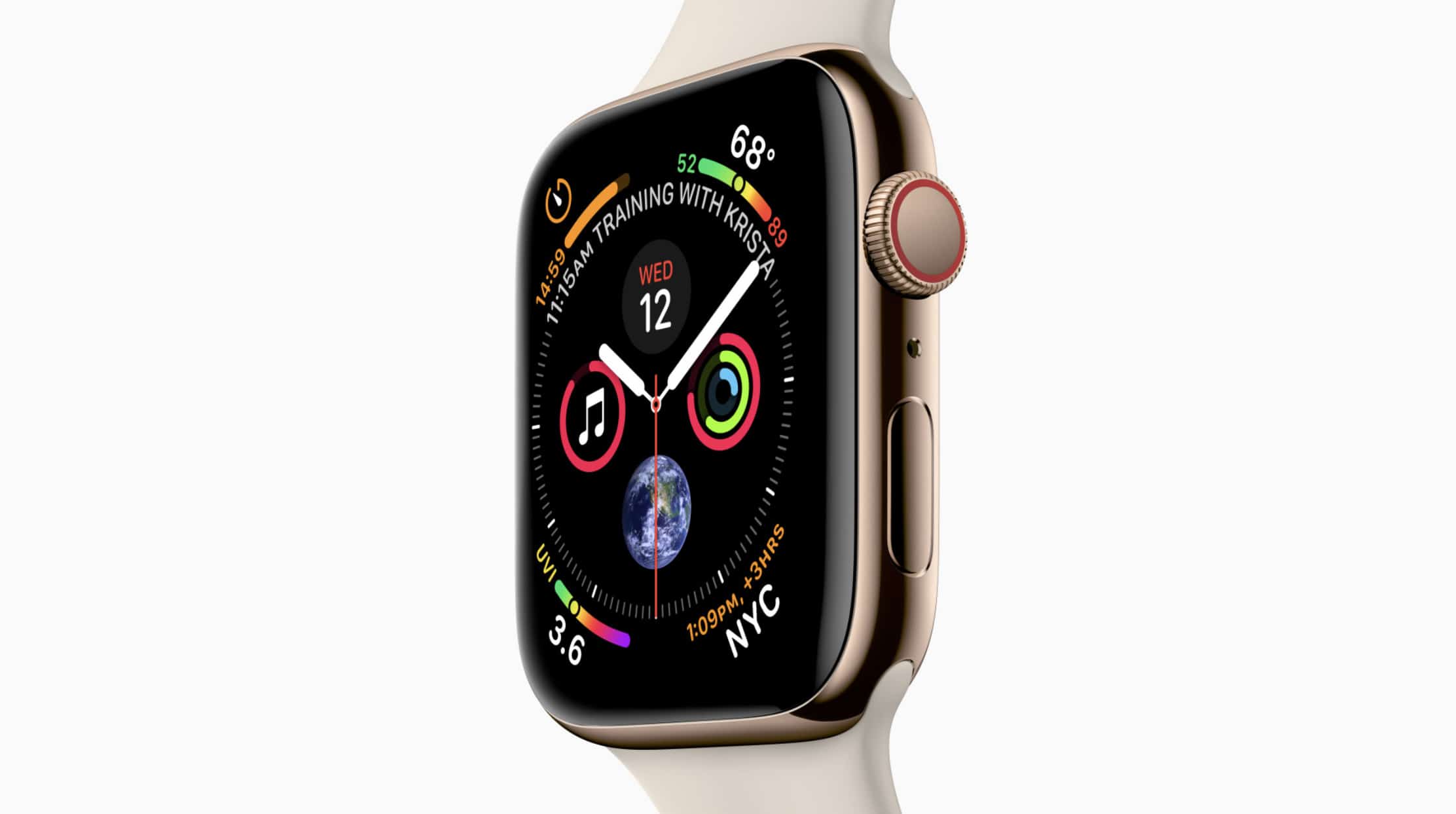
Apple Watch is one of many products that will be hit. Photo: Apple
A bunch of Apple products will be hit by new levies on Sunday after being entered into the Federal Register today.
Apple Watch, AirPods, iMac and more will be taxed 15% when entering the U.S. from China. It will be the first time Apple has been affected by the ongoing trade war.
China continues to be the epicenter of Apple's manufacturing. Photo: Ed Hardy/Cult of Mac
Apple may be trying to wean itself off manufacturing in China, but despite its use of factories in Brazil and India, it’s actually relying on China more than ever.
According to Reuters, the majority of Apple suppliers have become increasingly concentrated in China. Although Apple uses small factories outside the country, these are typically used only for small domestic runs.
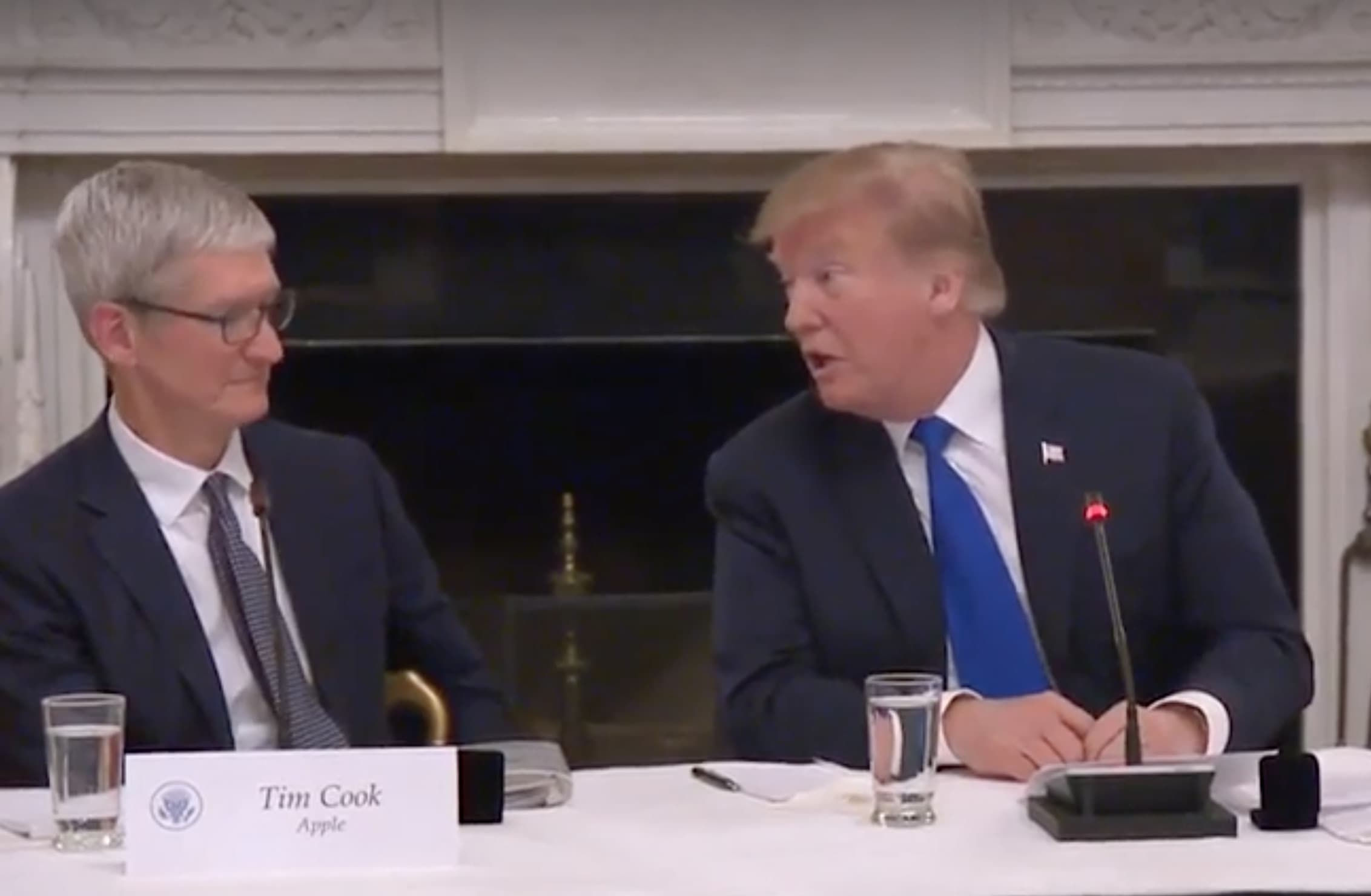
Apple CEO Tim Cook and President Donald Trump appear to have a good working relationship. Photo: White House
During a Friday-night dinner with Donald Trump, Apple CEO Tim Cook very nearly convinced the president that import taxes planned for iPhone and other products would benefit Samsung.
Apple will pay proposed tariffs on products imported from China, while Korea-based Samsung — Cupertino’s chief competitor — will not.
Apple's got a whole heap of iPhones ready to unleash on customers. Photo: Ian Fuchs/Cult of Mac
Apple is readying 75 million 80 million iPhones ahead of next month’s iPhone 11 launch, says Wedbush analyst Daniel Ives.
Despite some of his gloomier peers “yelling fire in a crowded theater” about Apple, he’s confident about Apple’s future. That’s even with the ongoing U.S. vs. China trade tensions looming menacingly in the background.
Tariffs are bad news for Apple. Photo: Ste Smith/Cult of Mac
President Donald Trump’s newly announced China tariffs put a real hurting on Apple’s stock price. But don’t worry, because investors think Apple will weather the storm — and advise that you hang onto your AAPL holdings for now.
Ming-Chi Kuo thinks Apple will absorb the cost of increased import duties. Photo: Ed Hardy/Cult of Mac
Don’t panic: the introduction of new import tariffs by President Trump isn’t going to make the next iPhone even more expensive!
That’s the message from reliable Apple analyst Ming-Chi Kuo. In his latest note to client, Kuo says that he thinks Apple will absorb the cost of any tariffs, rather than pass them on to customers.
Competition is only available in China, sadly. But don't let that stop you exercising! Photo: Apple
Apple is celebrating China’s National Fitness Day with a new Apple Watch Activity challenge. August 8 was first named National Fitness day in 2009, commemorating the anniversary of the 2008 Beijing Olympics opening.
To complete the National Fitness Day challenge, users will need to record a workout of half an hour or longer.
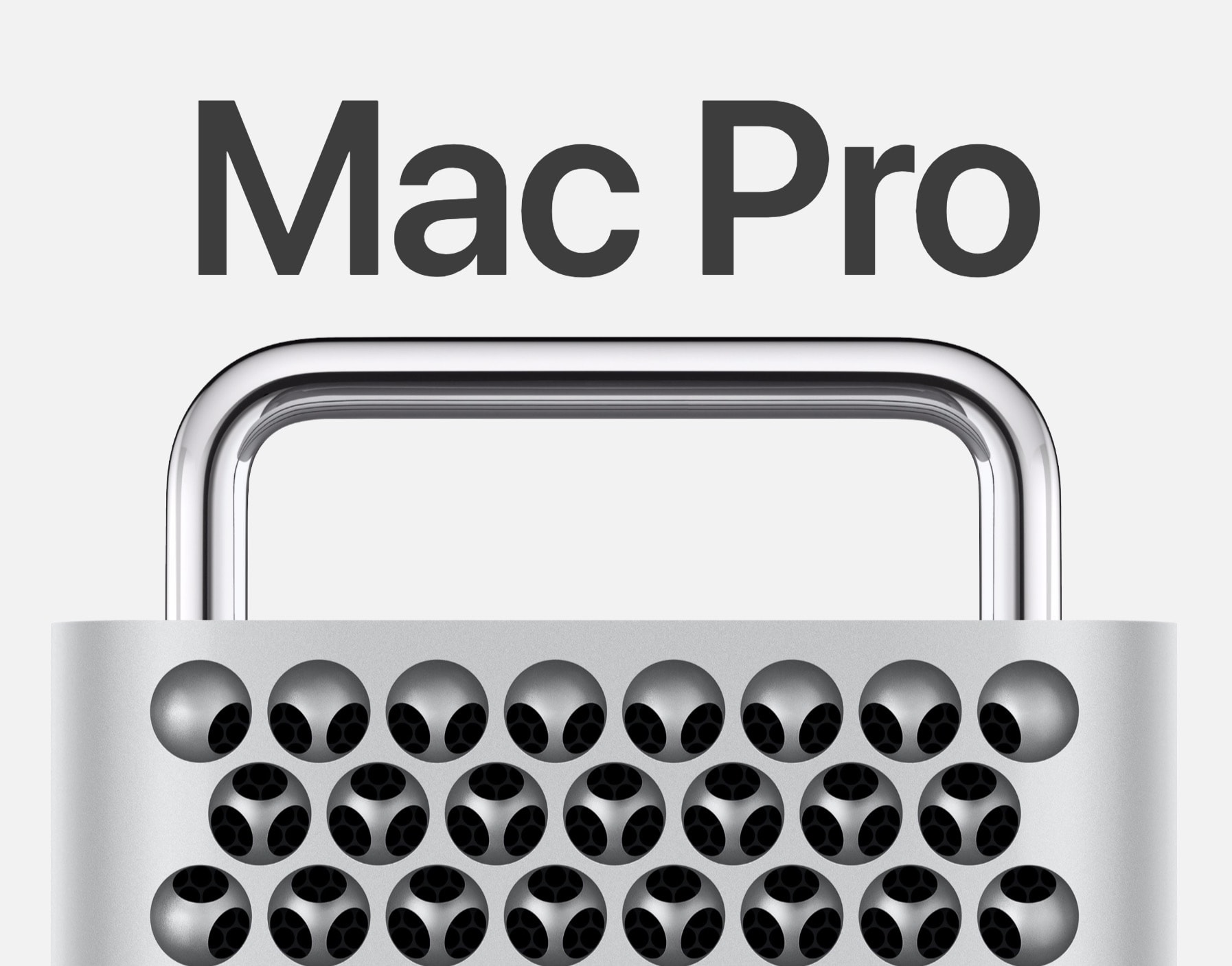
Apple would prefer to build the upcoming Mac Pro in the United States. In fact, the company is trying to make it happen, CEO Tim Cook said Tuesday.
“We’ve been making the Mac Pro in the United States and we want to continue doing that,” Cook said during Apple’s earnings call. “We’re working and investing currently in the capacity to do so. We want to continue to be there.”
iPhone shipments tumbled 14% in the region last quarter. Photo: Apple
iPhone shipments in China tumbled 14% in the last quarter, according to new figures published by Canalys.
In doing so, it left the market open for Huawei to continue its rise. Huawei, which overtook Apple in total smartphone sales last year, increased its shipments by 31% during the same period.