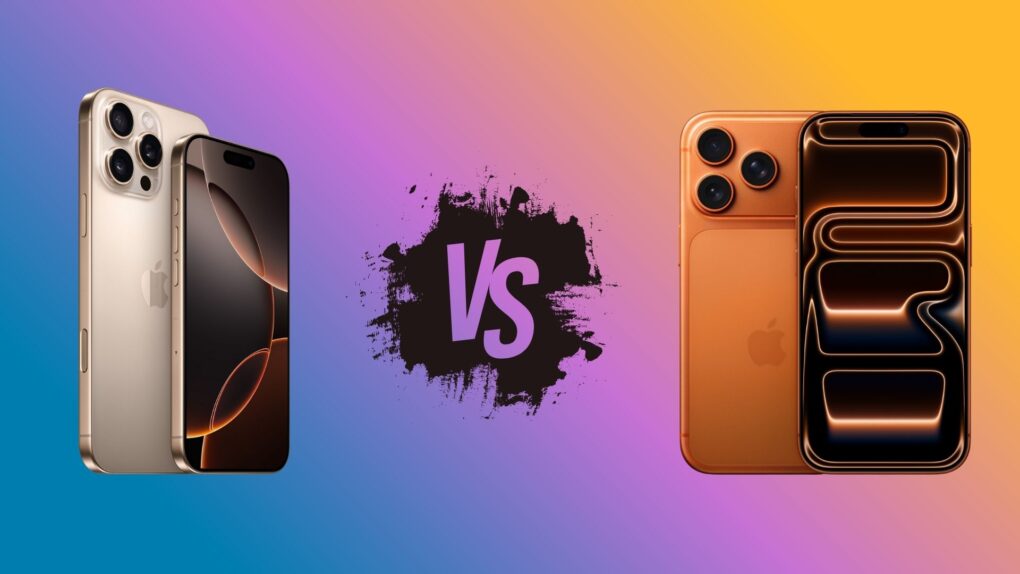
It’s time for a pro showdown, pitting the iPhone 17 Pro vs. the iPhone 16 Pro.
The iPhone 17 Pro brings the biggest leap to iPhones we’ve seen in years, shaking up a lineup that’s often felt too familiar. If you own an iPhone 16 Pro, that raises a pressing question: Is the upgrade worth it? After all, Apple finally seems to be delivering the kind of changes fans have been asking for.
There’s better battery life, an improved camera and even more Pro features. So, time to ditch the iPhone 16 Pro for the iPhone 17 Pro? Find out in our comparison.
This post contains affiliate links. Cult of Mac may earn a commission when you use our links to buy items.
iPhone 17 Pro vs. iPhone 16 Pro
There’s a lot to like about the iPhone 17 Pro: a brighter and less reflective display, better cooling, a faster chip with more RAM, and longer battery life. Together, these upgrades make for a noticeably better day-to-day experience. Still, the arrival of a new iPhone doesn’t suddenly make last year’s model any less capable. iPhone 16 Pro remains a powerful, reliable device that will continue to serve most users extremely well.
If you are thinking about upgrading from the iPhone 16 Pro to the iPhone 17 Pro, our breakdown below should help you decide.
Table of contents: iPhone 17 Pro vs. iPhone 16 Pro comparison
- Design: Back to aluminium
- Display: An antireflective leap
- Chipset: A19 Pro sets the record, again
- Camera: A bigger telephoto sensor
- Connectivity: N1 steals the show
- Battery life: Massive leap
- Price: Higher base price
- Conclusion: A tempting upgrade
Design: Back to aluminium
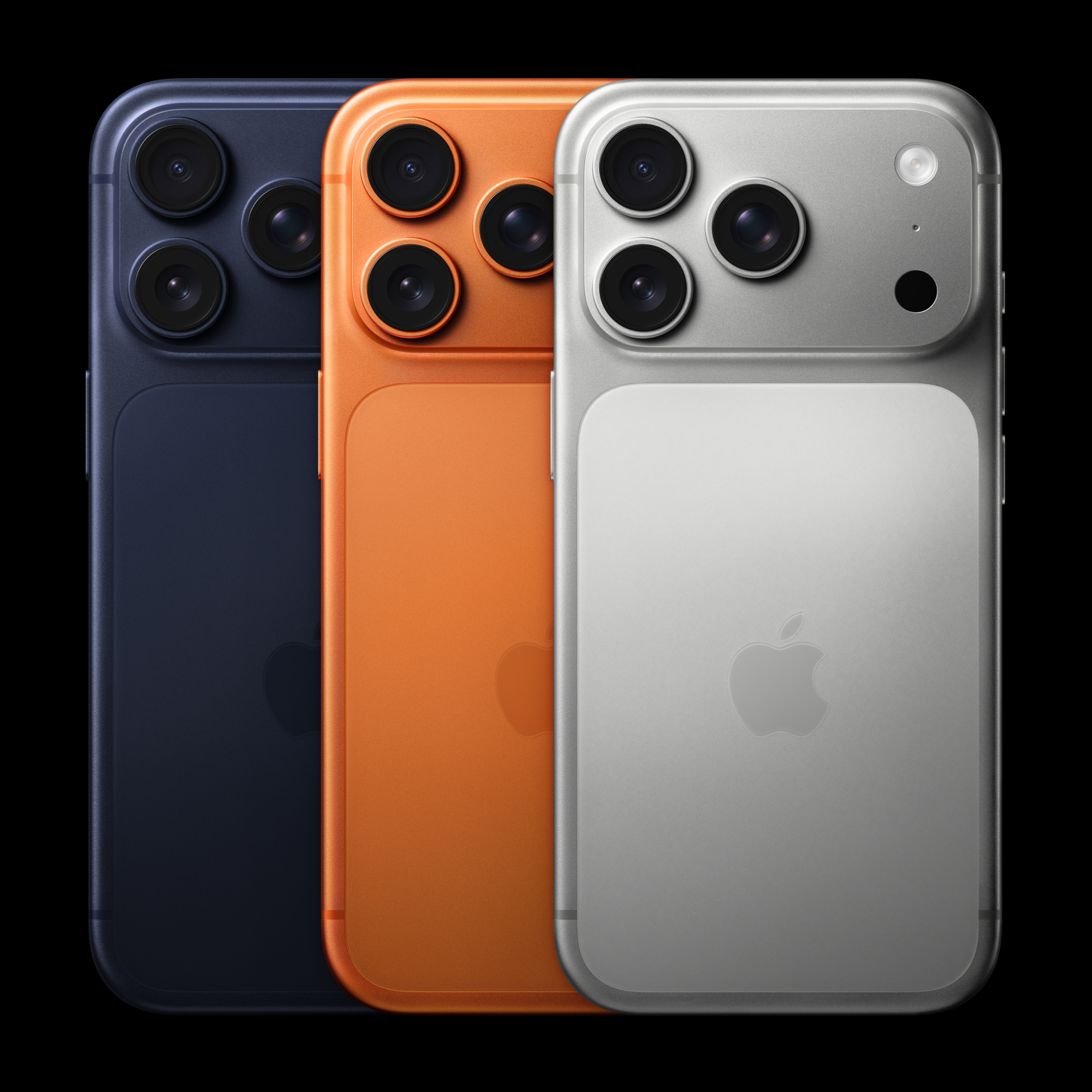
Photo: Apple
- iPhone 17 Pro: 150 mm x 71.9 mm x 8.75 mm; 206 grams; IP68, Aluminum unibody, Ceramic Shield 2 front, Ceramic Shield back, Action button, Camera Control
- iPhone 16 Pro: 149.6mm x 71.5mm x 8.25mm; 199 grams; IP68, aerospace-grade titanium with matte glass back, 2nd gen Ceramic Shield (front), Action button, Camera Control
In the same year Apple unveiled the ultra-slim iPhone Air, it went in the opposite direction with the Pro lineup. It made them thicker and heavier.
The iPhone 17 Pro is o.5mm thicker and 7 grams thicker than its predecessor. That might not seem like a big deal — and most power users won’t mind the added thickness or bulk — but the change is noticeable in everyday use, especially when paired with a case.
Another major change on the iPhone 17 Pro: a switch to an aluminum chassis. Apple gave up on the titanium Pro frame after two years, returning to aluminum for its superior thermal capabilities.
Compared to the iPhone 16 Pro, the new iPhone uses Ceramic Shield 2 for better frontal protection. Plus, for the first time, Apple is even using Ceramic Shield on the back for added protection.
However, those are just technical tweaks. The biggest difference between the two Pro iPhones lies in their design. The iPhone 17 Pro debuts a redesigned rear with a raised plateau. It accommodates the triple-camera system, LiDAR sensor and True Tone flash. It’s the biggest design change Apple has made to the iPhone’s rear design in years.
The rear also sports a two-tone look, with the glass below the plateau finished in matte. Apple pairs this with a bold new color palette, which includes silver, cosmic orange, and deep blue.
iPhone 17 Pro vs. iPhone 16 Pro displays: An antireflective leap
- iPhone 17 Pro: 6.3-inch Super Retina XDR display, 2,622 x 1,206 pixels, 120Hz ProMotion, Haptic Touch, True Tone, Always-On Display, Dynamic Island, HDR10, Dolby Vision, 1,000 nits typical brightness, 3,000 nits peak brightness, 1 nit minimum brightness, Ceramic Shield 2 cover glass
- iPhone 16 Pro: 6.3-inch Super Retina XDR display, 2,622 x 1,206 pixels, 120Hz ProMotion, Haptic Touch, True Tone, Always-On Display, Dynamic Island, HDR10, Dolby Vision, 1,000 nits, 2,000 nits peak brightness, 1 nit minimum brightness, Ceramic Shield front
On paper, the iPhone 16 Pro and iPhone 17 Pro’s displays might seem the same. And they are, but the new Pro iPhone packs two major upgrades. It can reach a higher peak brightness of 3,000 nits — 1,000 nits more than the iPhone 16 Pro. And the new Ceramic Shield 2 cover glass features an antireflective coating to reduce glare, improving the display viewing experience.
Chipset: A19 Pro sets the record, again
Image: Apple
- iPhone 17 Pro: A19 Pro, 6-core CPU with 2 performance cores and 4 efficiency cores, 6-core GPU with Neural Accelerators, 16-core Neural Engine, hardware-accelerated ray tracing, up to 1TB storage (up to 2TB on iPhone 17 Pro Max)
- iPhone 16 Pro: A18 Pro, 3nm fab, 6-core CPU, 6-core GPU, 16-core Neural Engine, up to 1TB storage
Every year, Apple raises the benchmark with its A-series chip, and the A19 Pro inside the iPhone 17 Pro is no different. Plus, this time the chip’s performance is aided by a superior vapor chamber cooling solution.
This allows the iPhone 17 Pro and iPhone 17 Pro Max to deliver “up to 40% better sustained performance than the previous generation,” according to Apple. So, you can use heavy apps or games for longer without the phone overheating.
Furthermore, the 6-core CPU inside the A19 Pro is”the fastest CPU in any smartphone” — once again raising the bar for smartphone performance. Compared to the iPhone 15 Pro, Apple says the A19 Pro’s 6-core CPU is 20% faster.
The 6-core GPU delivers an even bigger performance gain, featuring Neural Accelerators in each core. Combined with a large cache and memory, the new GPU is a big step up over the iPhone 16 Pro’s A18 Pro.
Apple even claims that the GPU can now work simultaneously with the 16-core Neural Engine for running AI models and AAA games for a smoother gameplay experience.
More importantly, the iPhone 17 Pro lineup ships with 50% more RAM — 12GB vs. 8GB on the iPhone 16 Pro. This should translate into better multitasking performance and help with running AI tasks.
None of this means the iPhone 16 Pro’s A18 Pro chip is slow or outdated. It is still among the fastest mobile SoCs around. And just because the iPhone 17 Pro has launched doesn’t mean you need to upgrade; the 16 Pro still delivers more than enough performance.
iPhone 17 Pro vs. iPhone 16 Pro cameras: A bigger telephoto sensor
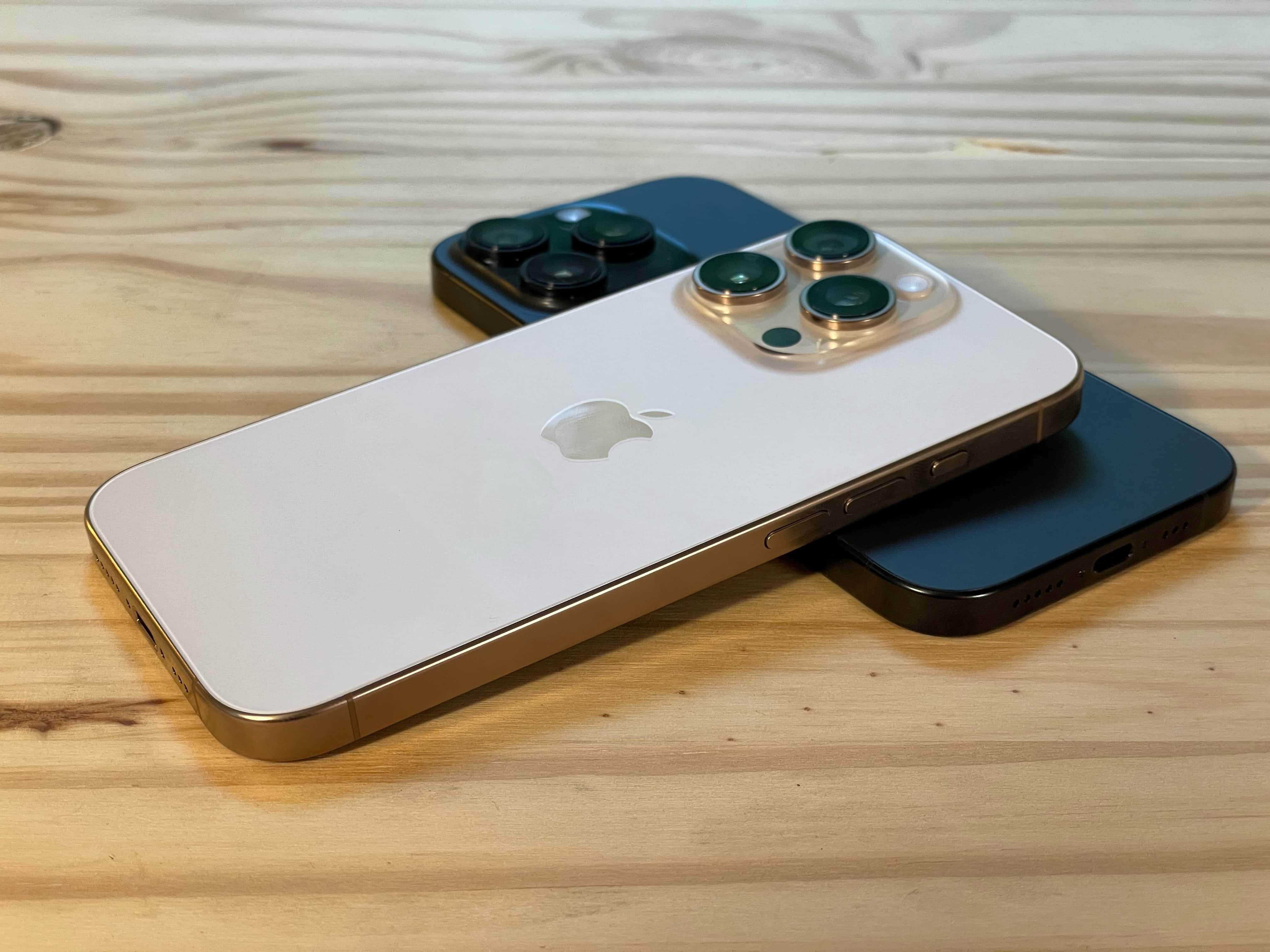
Photo: D. Griffin Jones/Cult of Mac
- iPhone 17 Pro: Rear: 48MP f/1.78 Fusion camera, second-gen sensor-shift stabilization, 48MP f/2.8 telephoto camera, 0.5x to 8x optical zoom; 48MP f/2.2 Ultra Wide, macro photography; LiDAR Scanner, Smart HDR 5, Adaptive True Tone flash, Cinematic mode (4K HDR@30fps), Action mode, ProRAW and ProRes support, 4K 120fps Dolby Vision video recording, spatial video recording, wind noise reduction, Audio Mix. Front: 18MP Center Stage camera, ultra-stabilized video, Dual Capture
- iPhone 16 Pro: Rear: 48MP f/1.78 Fusion camera with a larger sensor, second-gen sensor-shift stabilization, 12MP f/2.8 telephoto camera, 5x optical zoom; 48MP f/2.2 Ultra Wide, macro photography; LiDAR Scanner, Smart HDR 5, Adaptive True Tone flash, Cinematic mode (4K HDR@30fps), Action mode, ProRAW and ProRes support, Log video recording, spatial video recording, wind noise reduction, Audio Mix; Front: 12MP camera with f/1.9 aperture, autofocus
The primary and Ultra Wide cameras remain the same on the iPhone 16 Pro and iPhone 17 Pro. It’s the telephoto that gets a big upgrade, with Apple switching to a 56% bigger 48MP f/2.8 shooter. The camera has a 100mm focal length and can take optical quality shots at up to 8x zoom. That’s a major leap from the iPhone 16 Pro’s 12MP telephoto with a 120mm (5x zoom) focal length.
Up front, the iPhone 17 Pro also takes the lead. It features an upgraded 18MP Center Stage camera for better selfies, with ultra-stabilized video and Dual Capture. Again, a major step up from the iPhone 16 Pro’s 12MP f/1.9 front camera.
With Center Stage support, the iPhone 17 Pro’s front camera will always keep you in frame. And with Dual Capture support, you can record videos simultaneously using the front and rear cameras.
Overall, in terms of hardware, the biggest upgrades on the iPhone 17 Pro over the iPhone 16 Pro come from the telephoto and selfie cameras. The improvements aren’t groundbreaking, but they add meaningful flexibility and make the camera system more versatile.
However, this is only one part of the improvement. Apple has added several new Pro features to the iPhone 17 Pro, such as the ability to shoot videos in ProRes RAW and genlock support. Unless you know what these features do, you won’t benefit from them.
Connectivity: N1 steals the show
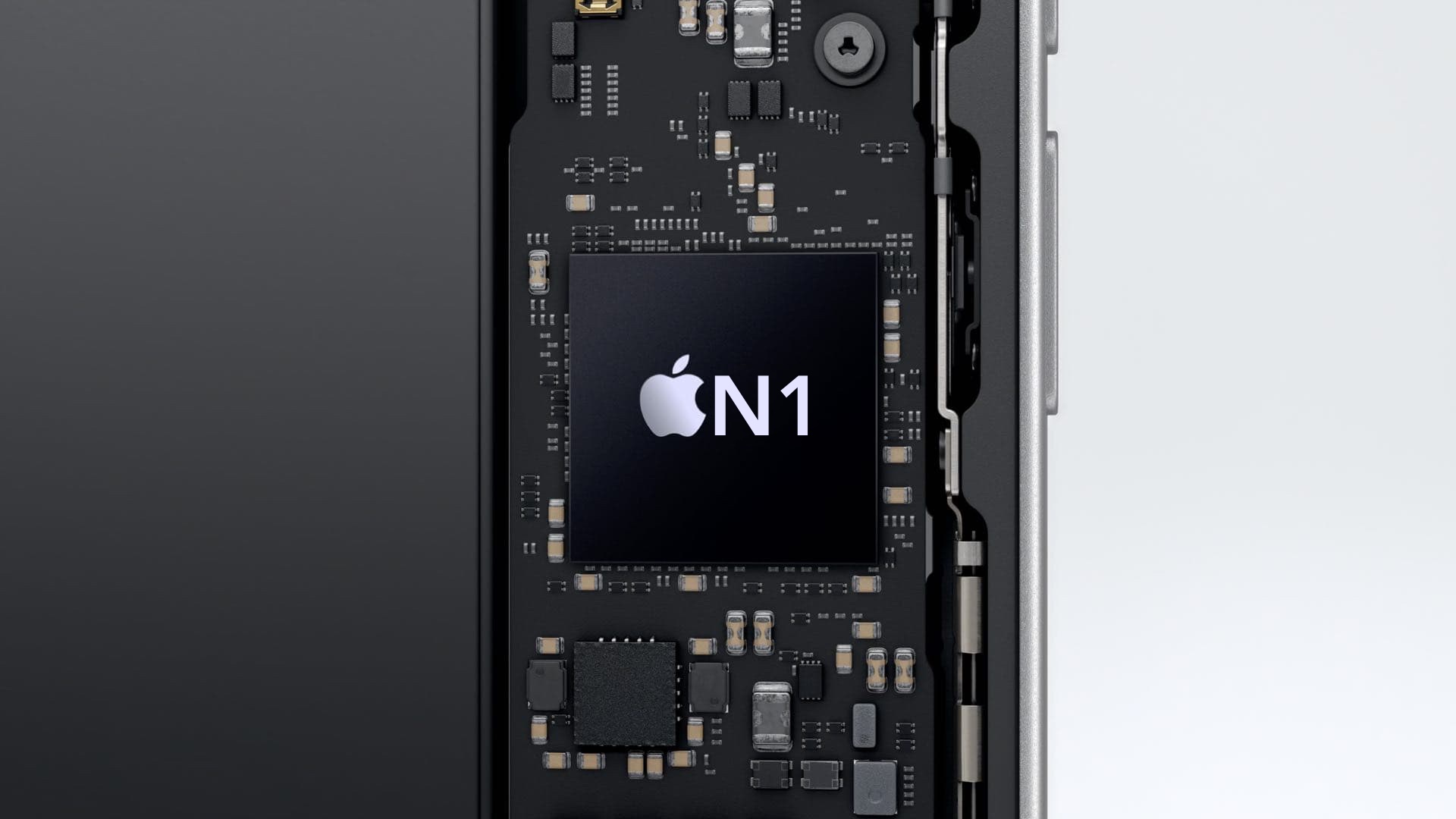
Image: Apple/Cult of Mac
- iPhone 17 Pro: 5G (sub-6GHz and mmWave), Emergency SOS via satellite, Roadside Assistance via satellite, Thread networking, high dynamic range gyro, Crash Detection, dual eSIM slots, N1 chip, Wi-Fi 7, Bluetooth 6, precision dual-frequency GPS, USB-C (up to 10Gbps), second-gen Ultra Wideband chip
- iPhone 16 Pro: 5G (sub-6GHz and mmWave), Emergency SOS via satellite, Roadside Assistance via satellite, Thread networking, high dynamic range gyro, Crash Detection, dual eSIM slots, Wi-Fi 7, Bluetooth 5.3, precision dual-frequency GPS, USB-C (up to 10Gbps)
At first glance, the iPhone 17 Pro doesn’t appear to offer major connectivity upgrades over the iPhone 16 Pro. The only notable change is support for the newer Bluetooth 6.0 standard. And that’s true. But internally, the new iPhone packs a big change. It uses Apple’s in-house N1 networking chip to handle Wi-Fi, Bluetooth and Thread connectivity.
Apple says this helps in improving “the overall performance and reliability of features like Personal Hotspot and AirDrop.”
While not mentioned, the iPhone 17 Pro will likely use Qualcomm’s newest baseband, supporting even higher mobile data speeds. And if it matters, Apple will sell the eSIM-only iPhone 17 Pro variant in more countries, including Canada, Hong Kong and Qatar. More importantly, it will come with a bigger battery for longer runtime.
iPhone 17 Pro vs. iPhone 16 Pro battery life: Massive leap
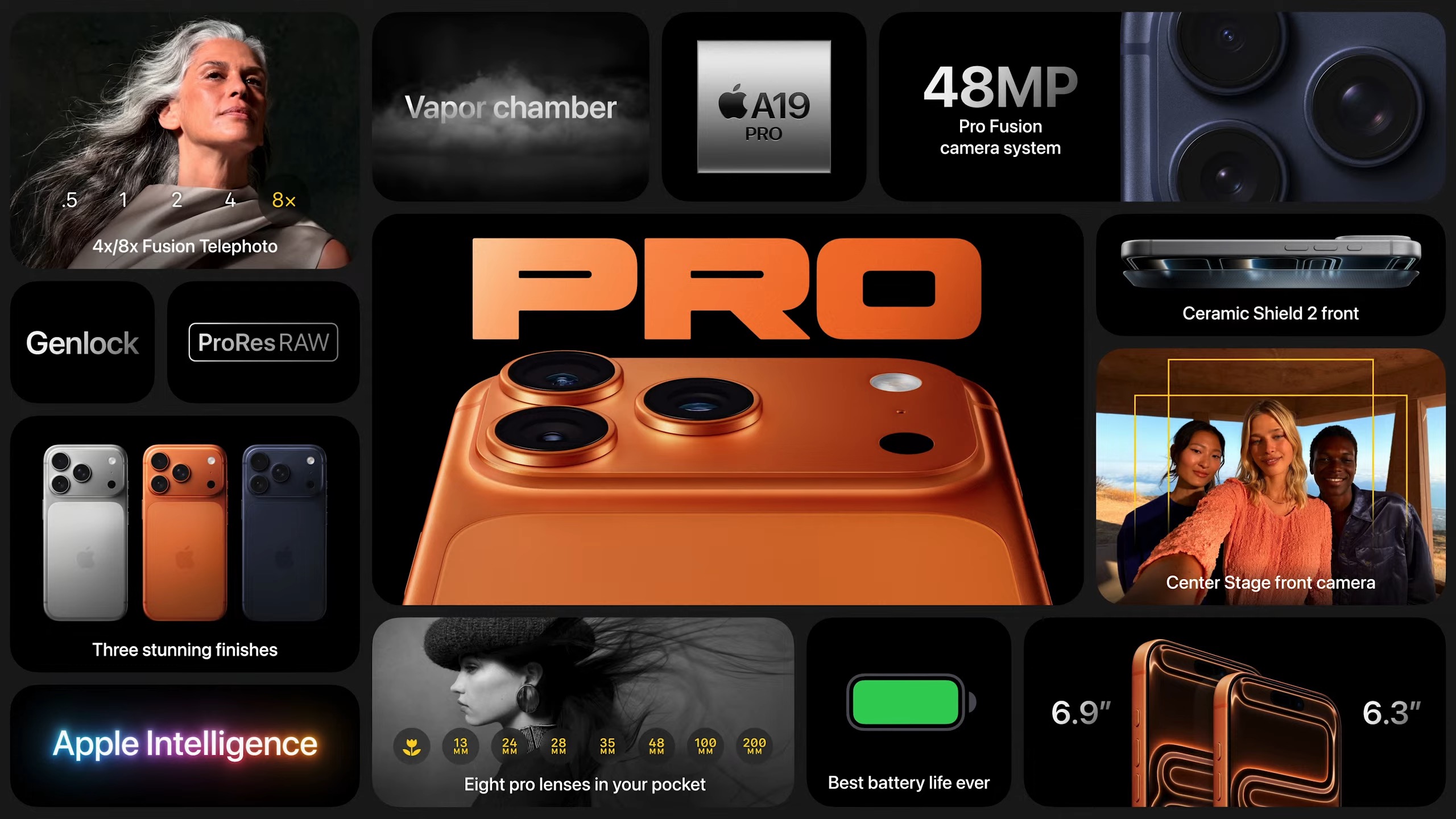
Photo: Apple
- iPhone 17 Pro: Up to 33 hours of video playback; 50% fast charge in 20 minutes with 40W adapter; 25W MagSafe and Qi2 wireless charging support
- iPhone 16 Pro: Up to 27 hours of video playback, 50% fast charging in 30 minutes with 30W adapter; 25W MagSafe and Qi2 wireless charging support
Apple heavily focused on thermal performance and battery life with the iPhone 17 Pro lineup this year, and it shows. The iPhone 17 Pro provides an additional six hours of video playback over the iPhone 16 Pro.
Admittedly, that might not be a useful metric to judge the battery life boost. But if you thought the iPhone 16 Pro’s battery life held up well, the iPhone 17 Pro should surpass your expectations.
Even better, Apple has finally improved the charging speeds of its new iPhones.
With a 40W power adapter, the iPhone 17 Pro can refill its battery from zero to 50% in 20 minutes. That’s 10 minutes faster than the iPhone 16 Pro. And while this might not seem like much, it can make a big difference in daily use.
Price: Higher base price
- iPhone 17 Pro: Starts at $1,099 for 256GB storage, with a $200 bump for the 512GB variant; Pro Max starts at $1,199
- iPhone 16 Pro: Started at $999 for 128GB storage; $1,199 for the Pro Max
The iPhone 17 Pro starts at $100 more than the iPhone 16 Pro, but Apple dropped the 128GB base model. So the new entry point is $1,099 — exactly what Apple charged for a 256GB model last year. Like before, increasing the storage to 512GB or 1TB will cost you an additional $200 and $400, respectively.
The iPhone 17 Pro Max costs the same as its predecessor, with a starting price of $1,199. It now also comes in a 2TB variant, which costs a whopping $1,999.
iPhone 17 Pro vs. iPhone 16 Pro conclusion: A tempting upgrade
Given all the upgrades, the iPhone 17 Pro is an undeniably tempting step up, even if you’re coming from last year’s iPhone 16 Pro. The longer battery life means you’ll get more screen time without scrambling for a charger.
The brighter, antireflective display makes it easier to use outdoors and in harsh lighting, while the improved telephoto camera brings sharper zoom shots with more detail. Add in the faster chip and better cooling, and the iPhone 17 Pro feels like a more refined, future-proof device that should hold up well for years.
Still, I’d recommend sticking to your iPhone 16 Pro for another year. With the first foldable iPhone due to launch in 2026, you might have a bigger reason to upgrade then.
Buy now
iPhone 17 Pro: Apple or Best Buy
Apple's most powerful iPhone gets a redesign and impressive new capabilities. The iPhone 17 Pro's aluminum unibody design looks different for sure, with a wider camera plateau. But the big changes are inside: the powerful A19 Pro chip and a vapor chamber to cool it off for maximum performance.
- Base model jumps to 256GB of storage.
- 48MP rear cameras, with 8x optical zoom.
- 18MP Center Stage front camera for better selfies.
- Supports ProRes RAW for studio-quality video.
- Only three colors: silver, deep blue and cosmic orange.

Rajesh has been writing about consumer technology for over a decade, with a strong focus on iPhones, Macs and Apple’s ecosystem. He enjoys digging into Apple software updates, hardware changes, and discovering new Mac apps that make work faster and more enjoyable.
You can reach out to him at mail[at]rajeshpandey.me.