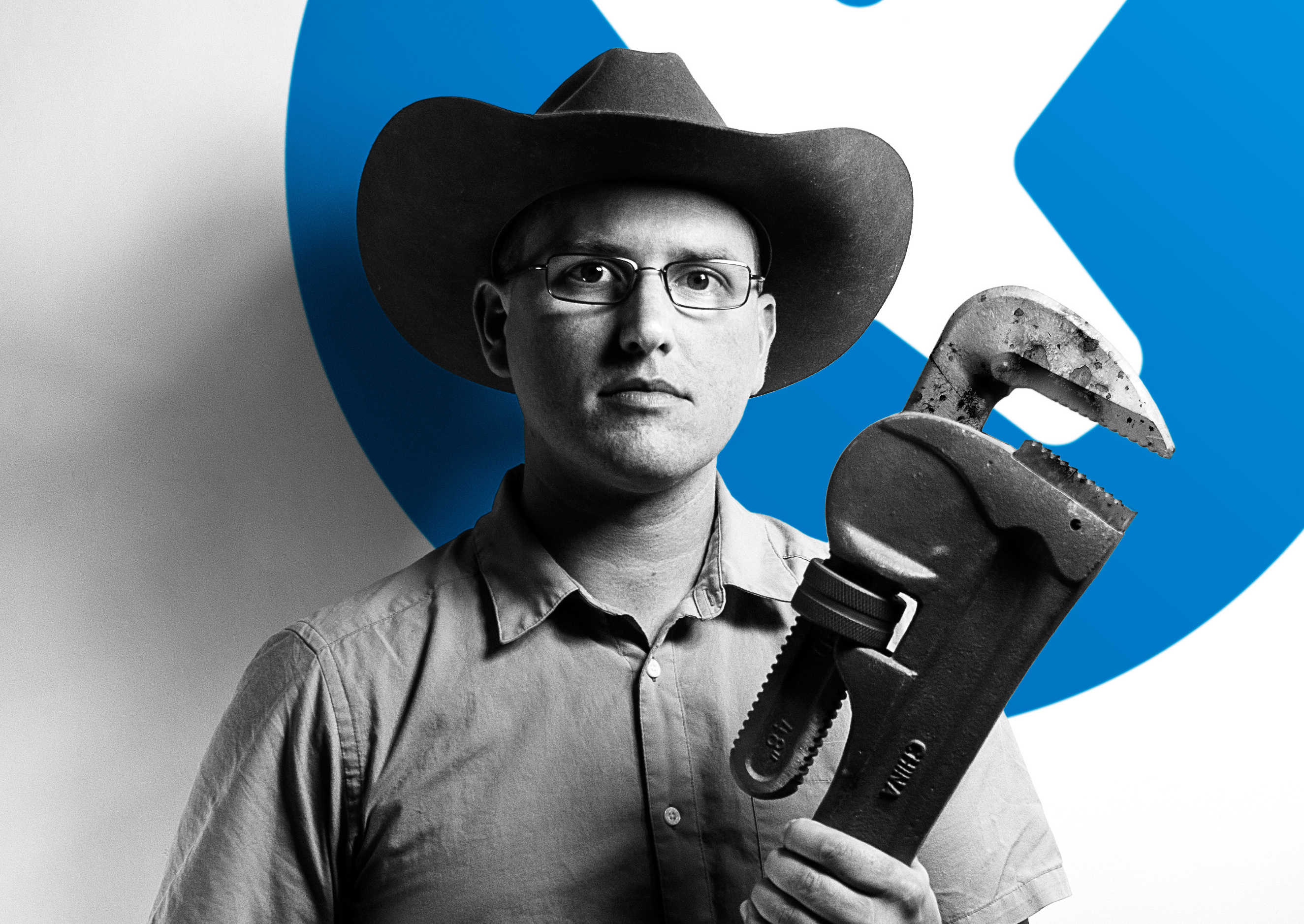
Leander has been reporting about Apple and technology for nearly 30 years.
Before founding Cult of Mac as an independent publication, Leander was news editor at Wired.com, where he was responsible for the day-to-day running of the Wired.com website. He headed up a team of six section editors, a dozen reporters and a large pool of freelancers. Together the team produced a daily digest of stories about the impact of science and technology, and won several awards, including several Webby Awards, 2X Knight-Batten Awards for Innovation in Journalism and the 2010 MIN (Magazine Industry Newsletter) award for best blog, among others.
Before being promoted to news editor, Leander was Wired.com's senior reporter, primarily covering Apple. During that time, Leander published a ton of scoops, including the first in-depth report about the development of the iPod. Leander attended almost every keynote speech and special product launch presented by Steve Jobs, including the historic launches of the iPhone and iPad. He also reported from almost every Macworld Expo in the late '90s and early '2000s, including, sadly, the last shows in Boston, San Francisco and Tokyo. His reporting for Wired.com formed the basis of the first Cult of Mac book, and subsequently this website.
Before joining Wired, Leander was a senior reporter at the legendary MacWeek, the storied and long-running weekly that documented Apple and its community in the 1980s and '90s.
Leander has written for Wired magazine (including the Issue 16.04 cover story about Steve Jobs' leadership at Apple, entitled Evil/Genius), Scientific American, The Guardian, The Observer, The San Francisco Chronicle and many other publications.
He has a diploma in journalism from the UK's National Council for the Training of Journalists.
Leander lives in San Francisco, California, and is married with four children. He's an avid biker and has ridden in many long-distance bike events, including California's legendary Death Ride.
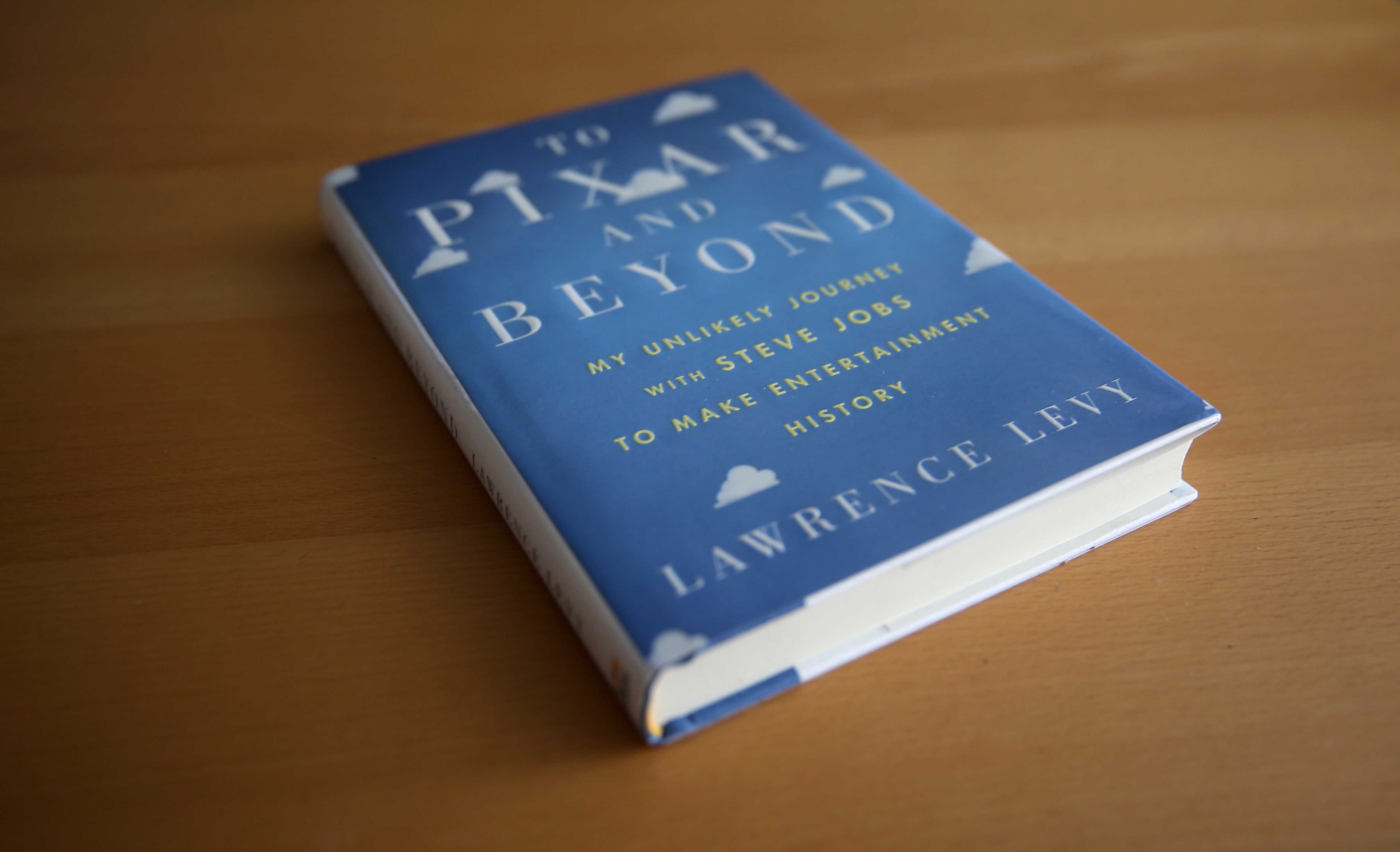
Lawrence Levy, Pixar's former CFO and author of To Pixar and Beyond. Photo: Lawrence Levy
In the early ’90s, Pixar was in the middle of creating its first movie, Toy Story, but the company was in disarray. It was bleeding cash and floundering around looking for a business model.
To help turn it around, Steve Jobs hired Lawrence Levy, a former corporate lawyer, to help figure out how to make Pixar a real business.
In this week’s episode of Kahney’s Korner, I talk to Levy about how exactly he and Jobs made Pixar into one of the most successful movie studios in history.
In To Pixar and Beyond, Lawrence Levy offers an insider look at Steve Jobs' early struggles at the animation studio. Photo: Lyle Kahney/Cult of Mac
After his death, Steve Jobs became mythic. He’s remembered as an asshole and a technology seer: a Tony Stark-like figure who could uniquely divine the sci-fi future, conjuring magical products from whole cloth almost single-handedly.
He’s also seen as infallible: a business and technology genius with powers of divination beyond those of us mere mortals.
But To Pixar and Beyond, a new book by Lawrence Levy, the former CFO of Pixar, paints a very different picture.
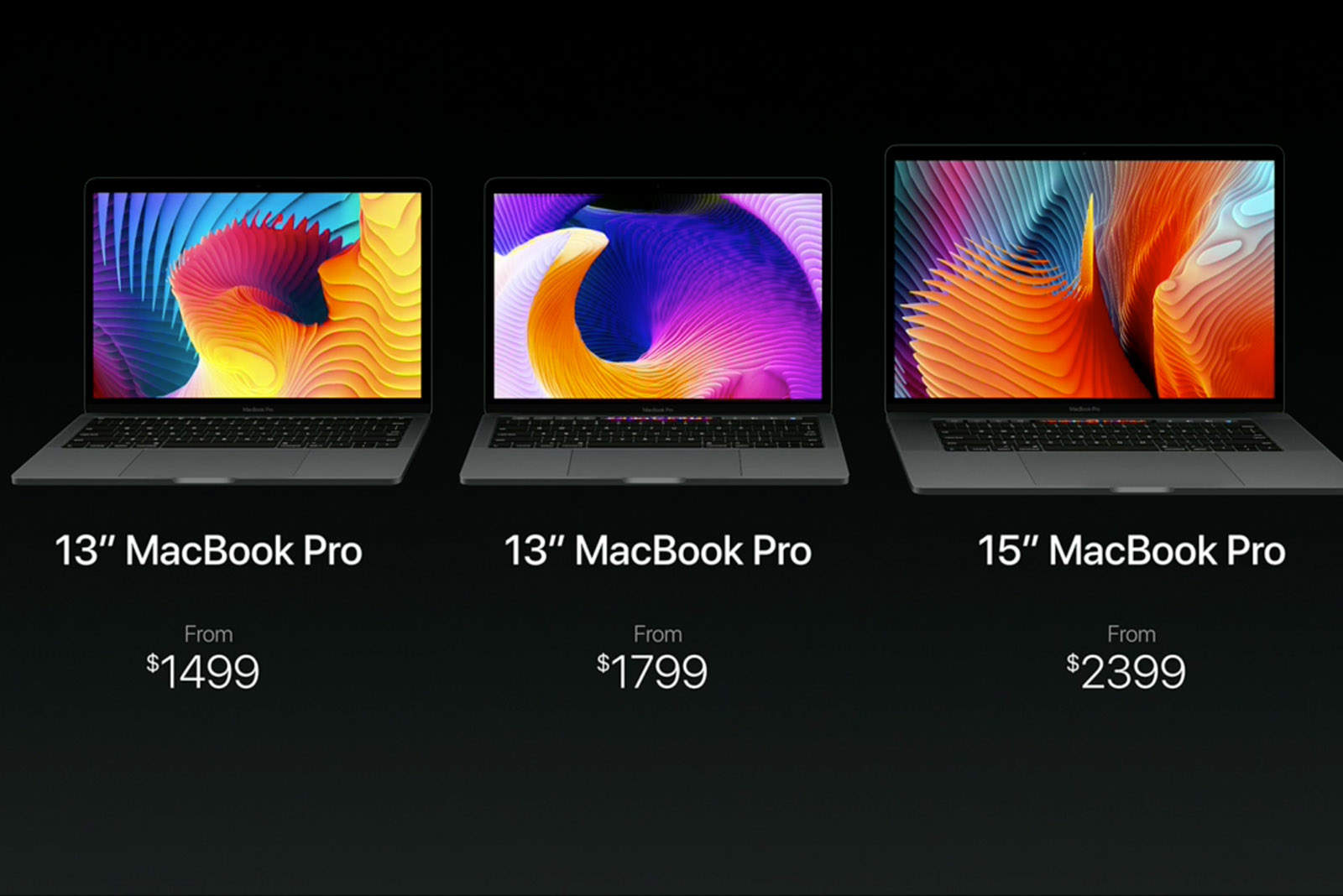
The MacBook Pro will be more affordable next year. Photo: Apple
While Apple is touting the new MacBook Pros as a major evolution of the laptop, the internet is in open revolt over the cost of the new machines.
The new MacBook Pros will set you back at least $200 more than last year’s models, and sometimes much more.
The top-of-the-line 15-inch MacBook Pro, for example, costs an eye-popping $4,299 — without tax, and with no preinstalled software.
Prices are even worse in Europe and Asia, where potential buyers are wondering if it would be cheaper to fly to the U.S. to buy a new machine than get one at home.
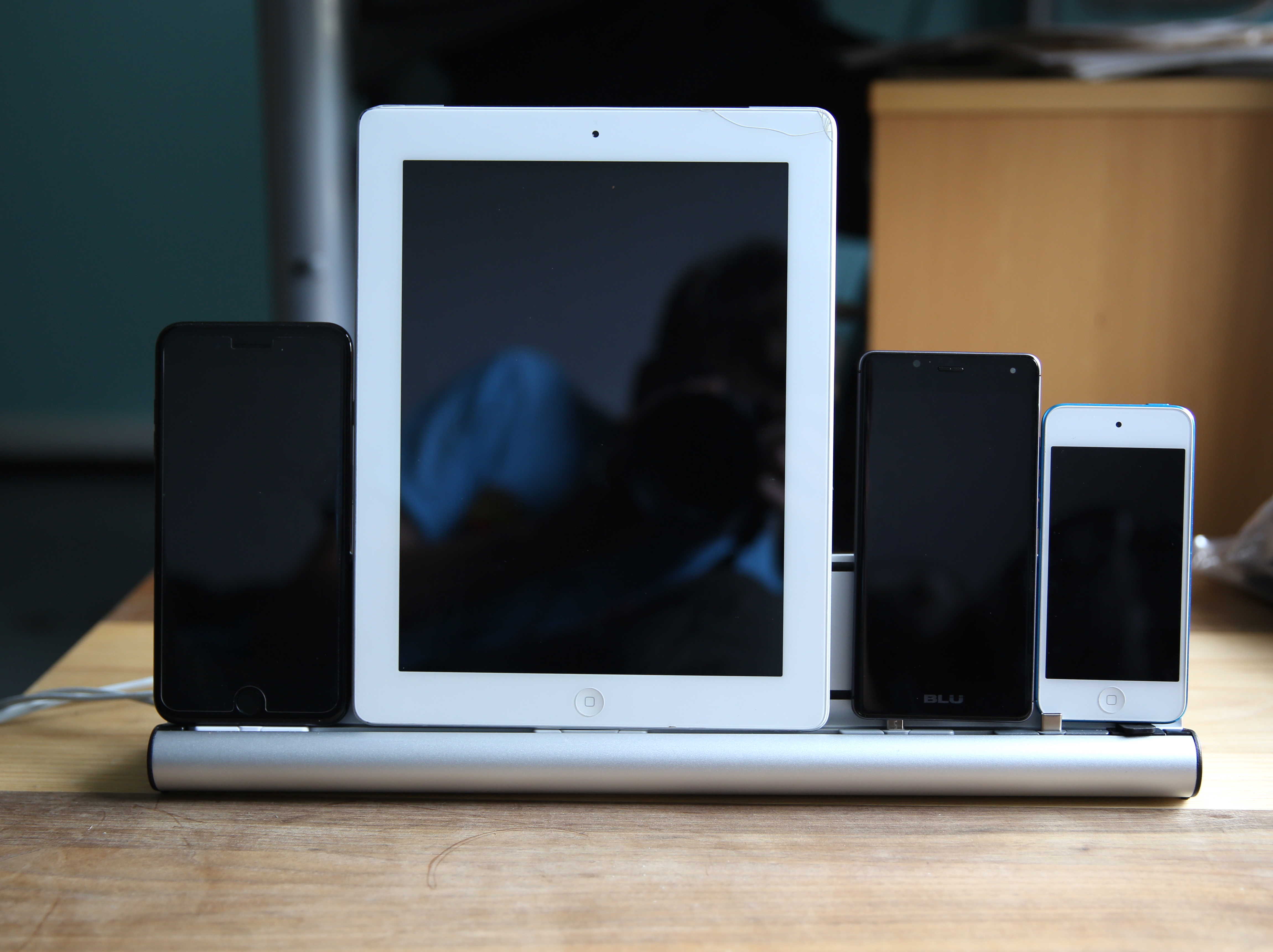
Udoq's docking station is compatible with just about any mobile device. Photo: Lyle Kahney
Best List: Udoq universal charging stand
There’s a constant war in our house for charging bricks and cables. I like to keep chargers in certain places so I know where they are — beside the bed for example. But they constantly disappear, thanks to my light-fingered kids.
It drives me bananas, which is why I like the Udoq, a universal charging stand that neatly organizes and charges between two and eight devices. It can’t be easily half-inched.
Working at Apple helped sex toy entrepreneur Suki Dunham launch a line of iPhone-connected vibrators. Photo: Suki Dunham/OhMiBod
It’s true: music can put you in the mood for love. A Spotify survey found that music is more arousing than touch. That’s why OhMiBod’s iPhone-connected sex toys make sense; they enhance the mood as well as buzzing in time to the beat.
“Our massagers offer an unrivaled sensory experience that allows singles and couples to not only hear their favorite music, but feel it as well,” says the firm’s website.
In this week’s episode of Kahney’s Korner, I talk to Suki Dunham, cofounder of OhMiBod, a female-owned and operated company that makes a line of iPhone and iPad controlled female pleasure products.
Suki used to work at Apple, where she learned a lot about product design, packaging and marketing, which she applies to her business selling high-tech vibrators.
Thanks mostly to Kyle Wiens of iFixit, iPhone teardowns have become a tech culture phenomenon. Photo: iFixit
iFixit’s iPhone 7 teardown involved 30 people in three countries, an X-ray machine and lots of sleepless nights. Thanks to iFixit’s hard work, iPhone teardowns have become a tech-culture phenomenon. Millions of fans eagerly await details of the internal components of Apple’s latest devices.
A lot of this has to do with Kyle Wiens, CEO of iFixit, the second-biggest supplier of Apple parts after Apple itself, and publisher of the huge and amazing iFixit repair wiki.
In this week’s episode of Kahney’s Korner, I talk with Wiens about all the work that goes into making the iFixit teardowns for a massive global audience, and the hardware secrets of the iPhone 7.
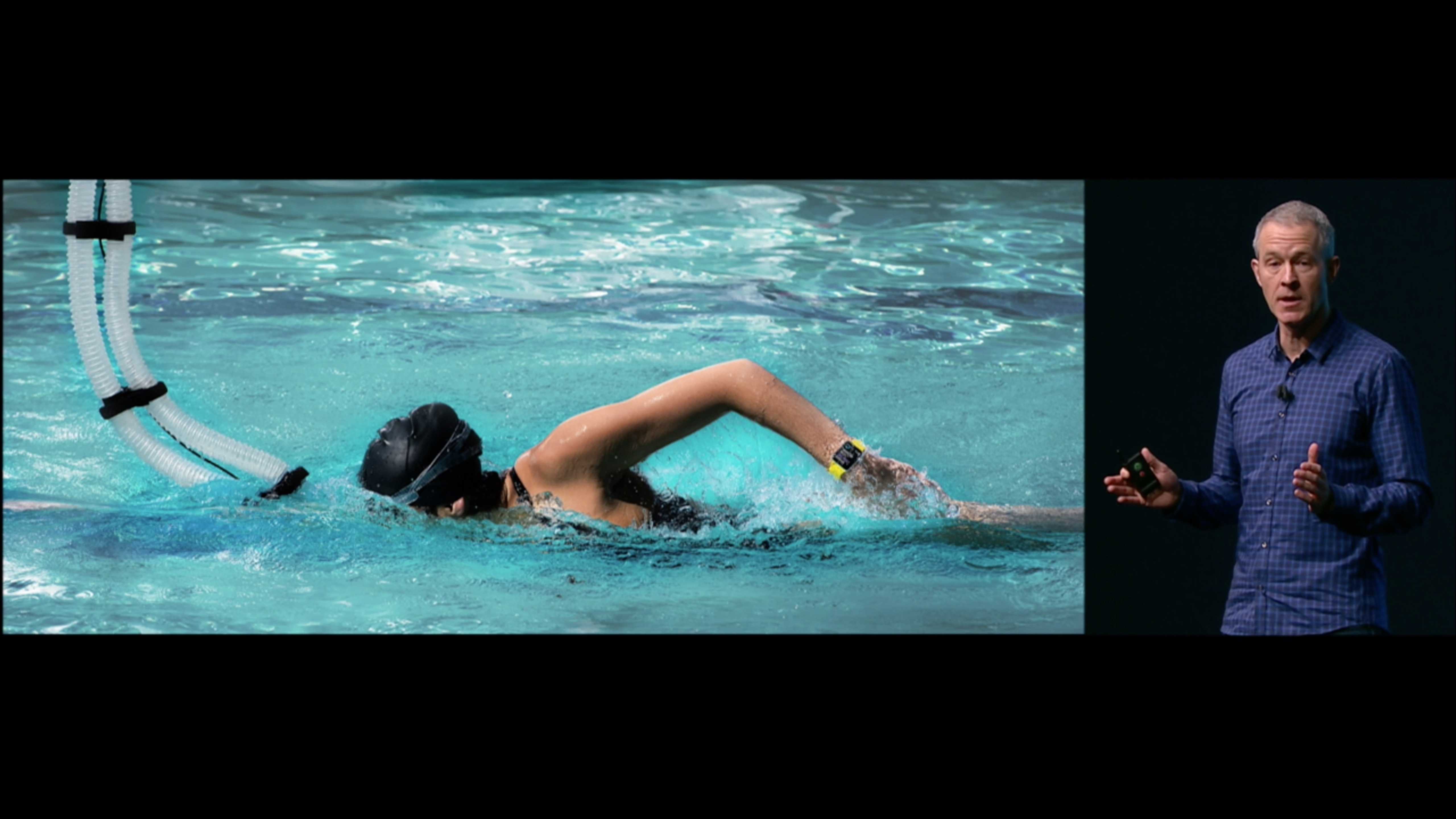
Apple analyzed the performance of 700 swimmers to develop new Workout app routines. Photo: Apple
Thirty minutes into Apple’s special event last week, one tidbit of information blew my mind.
Onstage, Apple Chief Operating Officer Jeff Williams was talking about the Workout app on the new “swim-proof” Apple Watch Series 2 and the effort the company put into advancing the software that makes the fitness device tick. The amount of research deployed, all in the pursuit of updating a segment of an app many Apple Watch wearers will never use, offers a peek into the enormous resources that Apple R&D commands.
It paints Apple, with its enduring emphasis on developing new materials, manufacturing processes and sophisticated software, as a scientific force to be reckoned with — a new NASA for the 21st century.
ArcTouch devs Adam Fingerman and Paulo Michels give us a peek into the future of Siri. Image: Ste Smith/Cult of Mac
Apple has opened up Siri to third-party developers, which means we’ll soon be able to do a bunch of things — like ordering pizza or sending money — simply by speaking to Apple’s intelligent assistant.
It’s a big change, and another step toward a friction-free future in which we will talk to our devices instead of poking at them with our fingers.
In this week’s episode of Kahney’s Korner, I talk with Adam Fingerman and Paulo Michels of ArcTouch, a mobile development company that works with big media companies like ABC, NBC and CBS. As they’ve explored the Siri API, they’ve gained insight into what we can expect when iOS 10 and macOS Sierra get released to the public this fall.
Autonomous cars are going to change the world like nothing we've seen before. A fascinating interview with robocar expert Paul Godsmark. Photo: Paul Godsmark/Stephen Smith
The old adage is that new cars depreciate the minute you buy them. However, the rumored Apple car might be the first vehicle to actually make you money after you drive it off the lot.
If Apple’s car is autonomous, it’ll earn its keep delivering people or goods when you’re not using it. So says Paul Godsmark, a robocar consultant and one of the leading experts on the upcoming autonomous vehicle revolution.
In this fascinating interview, Godsmark talks about the enormous changes that are coming up fast with self-driving vehicles, including Project Titan, the rumored Apple Car.
Buckle up! Everything is about to change dramatically — from the way we travel to the way we work.
Mysterious unmarked vans roaming the Bay Area have been linked to Apple, and are likely generating detailed 3D maps for robot cars. Photo: Business Insider/Stephen Smith
Some new data-gathering vehicles are roaming the streets of San Francisco. They’re unmarked, but are suspected to be Apple’s. They are laden with sensors, but what kind of data are they gathering, and what for?
Experts contacted by Cult of Mac say the mystery vans are next-generation mapping vehicles capable of capturing VR-style, 360-degree street photos. Plus, the vans use Lidar to create extraordinarily precise “point clouds,” a prerequisite for self-driving cars. Mesh those two databases together and you’ve laid the groundwork for an autonomous vehicle’s navigation system.
Veteran case maker Tim Hickman talks about iPhone 7 leaks out of China. Photo illustration: Ste Smith/Cult of Mac
The market for iPhone cases is worth billions of dollars. The first manufacturer with a case that fits a new device — say, the iPhone 7 — can make a killing in the days following an Apple launch.
For this week’s episode of Kahney’s Korner, I talked with industry veteran Tim Hickman, CEO of Gumdrop Cases. Over the years, he’s tried all kinds of tricks and strategies in the race to be first to market with new iPhone cases — including making thousands of cases that turned out to be wrong.
This time around, Hickman has received several CAD files from mysterious sources in China that supposedly show the exact dimensions of the upcoming iPhone 7. Will he bet his company’s fortunes on these files of dubious origin? Let’s find out.
Apple's 2016 WWDC Keynote. Sketchnote 1 of 2 Photo: Andy McNally/@andymcnally
There’s nothing more cryptic than someone else’s notes. Not so Andy McNally’s.
McNally, a senior UI design consultant from Memphis, Tenn., created several great “sketchnotes” of the talks at Apple’s WWDC.
Sketchnotes are a form of visual thinking that combine notes and sketches. They’re increasingly popular, inspiring an army of aficionados and books by noted practitioners. The Core77 design site has a whole Sketchnotes section that’s worth exploring.
McNally kindly allowed us to reprint his WWDC sketchnotes. Check them out:
There's some exciting stuff at WWDC. Photo: Lyle Kahney/Cult of Mac
Although WWDC is a developer event, Apple’s keynote today was chockablock with features for end-users. It came thick and fast, with updates for watches, TVs, phones and computers.
There’s lots to unpack. Some of it was ho-hum. Siri on the Mac? Meh. A new app called Breathe? To do what exactly — remind you to inhale?
But there was tons of great stuff. Here are the features big and small that we’re most excited about.
Siri is coming to the Mac, and will be opened to third-party developers on iOS. Photo: Apple
Big changes are coming to Siri, Apple’s intelligent voice-activated assistant. For the first time, Siri will be available on the Mac and will be opened to third-party developers on iOS.
While Siri was one of the first voice-controlled AI assistants on the market, it’s fallen behind competitors like Amazon’s Alexa and Google Now, largely because it was a closed system that worked only in Apple’s apps. Opening it to developers makes it much more functional, and presents a more serious challenge to upstarts like Viv that promise to help with a wide range of services and tasks.
Author Ken Segall worked in advertising with Steve Jobs for more than a dozen years. His new book is called Think Simple. Photo: Doug Schneider Photography
Ken Segall is a former Apple ad man who worked closely with Steve Jobs for more than a dozen years. Segall is the guy who put the “i” in iMac and worked on the famous “Think Different” campaign.
The big lesson he learned from Steve Jobs was keeping things simple. But easier said than done. How exactly do you keep things simple?
In a new podcast, Kahney’s Korner, Segall talks about some of those lessons, how Steve Jobs kept things uncomplicated and about how Apple is doing these days without him.
Apple's original flagship store in San Francisco is being quickly decommissioned. Photo: Lyle Kahney/Cult of Mac
SAN FRANCISCO — The iconic glass staircase is gone. The interior is being gutted. The Apple logos have been covered up.
Rest in peace, Apple’s original flagship store in San Francisco, which opened to great fanfare just a dozen years ago. Apple recently opened a crazily detailed store just two blocks away on Union Square, and the old one is being rapidly dismantled.
Cult of Maccub reporter Lyle Kahney rode his bike downtown to snap a few photos of the old San Francisco Apple Store before it’s completely gone.
Muhammed Ali in Apple's Think Different campaign. Photo: Apple
Godammit. I really loved Muhammad Ali. My all-time greatest hero. A great athlete, funny as shit, and a giant of a man because he gave a shit about something other than himself. He stood up for what he believed in, and he shone a light on all kinds of injustice. Rest in peace Ali.
SAN FRANCISCO — Look carefully at the cracks in the sidewalk around Apple’s new flagship store in San Francisco. They all line up with architectural elements of the store.
Some are continuous with the metal panels on the exterior walls. Some line up with the windows, and the huge glass panels that make up the 42-foot high front door. Some of the cracks are continuous with the stone floor tiles inside the store.
In turn, the joints in the floor line up with panels on the wall, which line up with the lighting panels on the ceiling.
In fact, most of the lines in the store — the edges of the glass balconies, cutouts in the middle of the tables, the edges of shelves and drawers — all line up with other elements of the store.
Some of these lines run continously from the sidewalk in front of the store all the way through to the tree-lined plaza in the back. It’s a bit crazy, when you examine it, and very, very difficult to pull off.
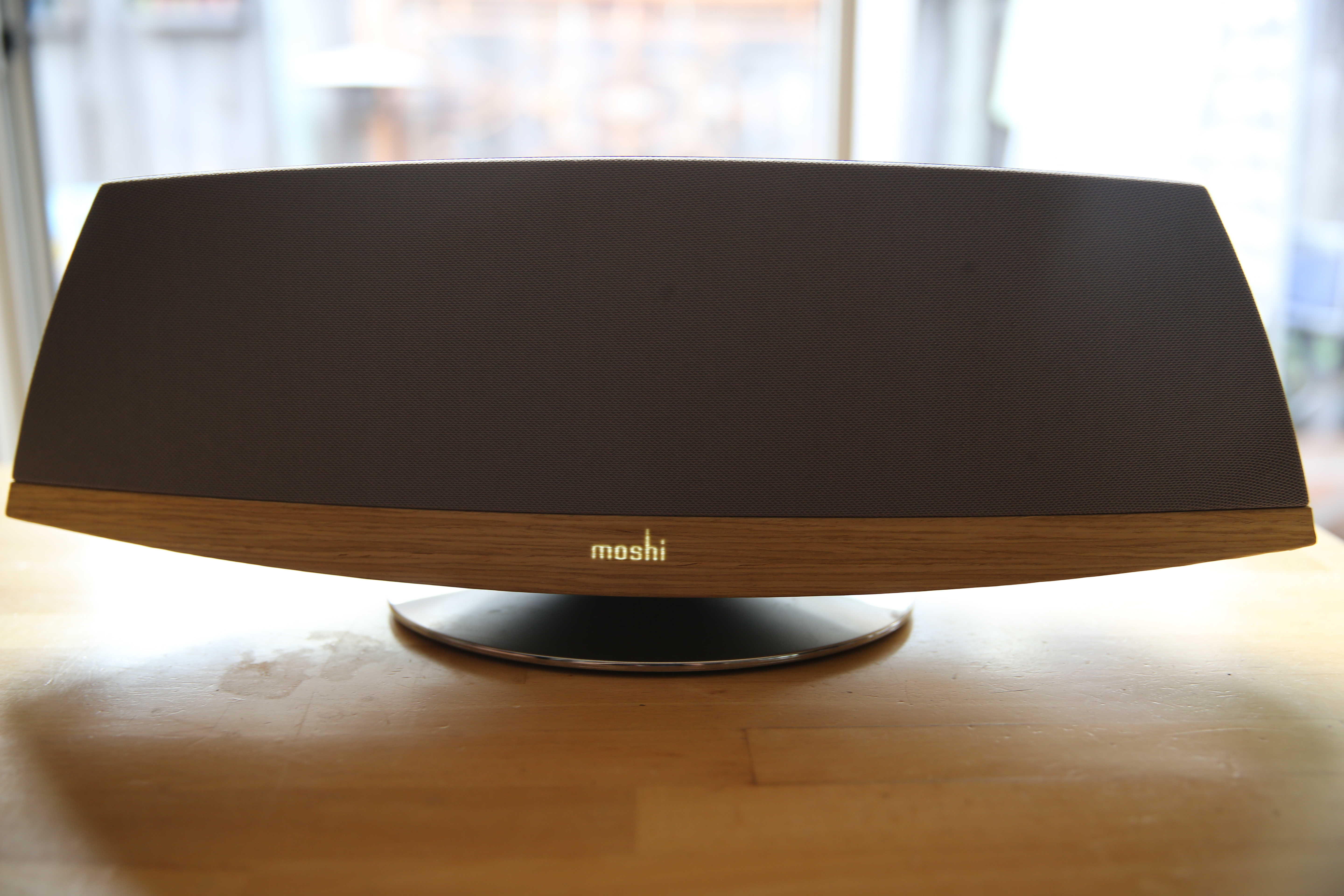
Moshi's Avanti headphones are easy to wear and easy to carry. They sound [pretty great too. Photo: Leander Kahney/Cult of Mac
Best List: Avanti On-Ear Headphones by Moshi
I like the convenience of carrying earbuds in my pocket, but I’ve never liked jamming them in my ears. I love the sound of full-size headphones, but not the bulk.
I’ve discovered a happy middle ground. Moshi’s new $200 Avanti On-Ear Headphones are lightweight, folding headphones that sit atop your ears, not in them or over them.
They’re like a pair of soft pillowy hamburger buns that sound pretty darn great.
In a recent survey, Apple's soon-to-disappear AirPort was ranked the most popular Wi-Fi router. Photo: Leander Kahney/Cult of Mac
I’ve seen the future of Wi-Fi. It’s called Eero. It comes in a pack of three, costs an arm and a leg, but boy is it worth it.
Eero is a slick system of mesh-connected routers that blanket your whole house in Wi-Fi. Eero promises to eliminate dead spots, make restarts redundant, and offer blazing speeds from the basement to the attic.
In my tests, Eero performs as advertised. After years of Wi-Fiheadaches, and an Apple Time Capsule that barely worked, we now have fast and reliable Wi-Fi all over the house.
The Amazon Echo Tap is the portable, battery-powered member of the smart speaker family. Photo: Leander Kahney/Cult of Mac
Best List: Amazon’s Echo Dot and Echo Tap
Ask Amazon’s Echo smart speaker “How much does the Earth weigh?” and she’ll rattle off the answer in pounds. It takes about a full minute and is genuinely amusing. It’s just one of many surprises up Echo’s sleeve (see this crazy list of Echo Easter Eggs on Reddit). It proves she is by far the best computer you can talk to. Sorry Siri.
And now there are two new members of Amazon’s smart speaker family, both with significant advantages. I love them both, with a couple of caveats.
The various auto designers and experts interviewed by Motor Trend speculate that Apple will try to redefine the car “experience.” They talk about stuff like acoustics, and look and feel, rather than specs like miles per gallon or engine torque.
They predict that Apple will bring a better “user experience” to the car of the future, not just a better physical product.
This reminded me of interviewing Apple’s designers for my Jony Ive book. They explained that the design group takes exactly this approach when thinking about new Apple products. Instead of starting with chip speeds or screen resolutions, they begin by asking each other how the new product should make the user feel.
And thinking about this made me realize why Jony Ive has a chauffeur. It’s not because he’s a one percenter. It’s about Project Titan, Apple’s future car.
Daniel Coster, fourth from left, is leaving Apple's vaunted industrial design team. Photo: Leander Kahney/Cult of Mac
The departure of veteran Apple industrial designer Daniel Coster is significant because, like the Mafia, no one ever leaves Jony Ive’s design studio.
Coster, a core member of Apple’s design team for more than 20 years, is perhaps only the third member of Ive’s tight-knit industrial design group to leave in almost two decades. And one of the others died.