First unveiled in iOS 6, Apple Maps has been known to distort reality before, but can it conjure a mythical prehistoric beast from the waters of Loch Ness?
Cryptozoologists are saying yes. They are claiming that Apple Maps has finally located the elusive Loch Ness Monster!
In early 2012, Apple acquired Chomp, largely to fix the broken search, recommendation and discovery features of the iOS App Store.
Two years later, app discovery on the iOS App Store remains pretty much as broken as ever. Maybe that’s why Cathy Edwards, Chomp’s co-founder who went on, post-acquisition, to become Director of Evaluation and Quality on Apple Maps, is leaving Apple come April 11.
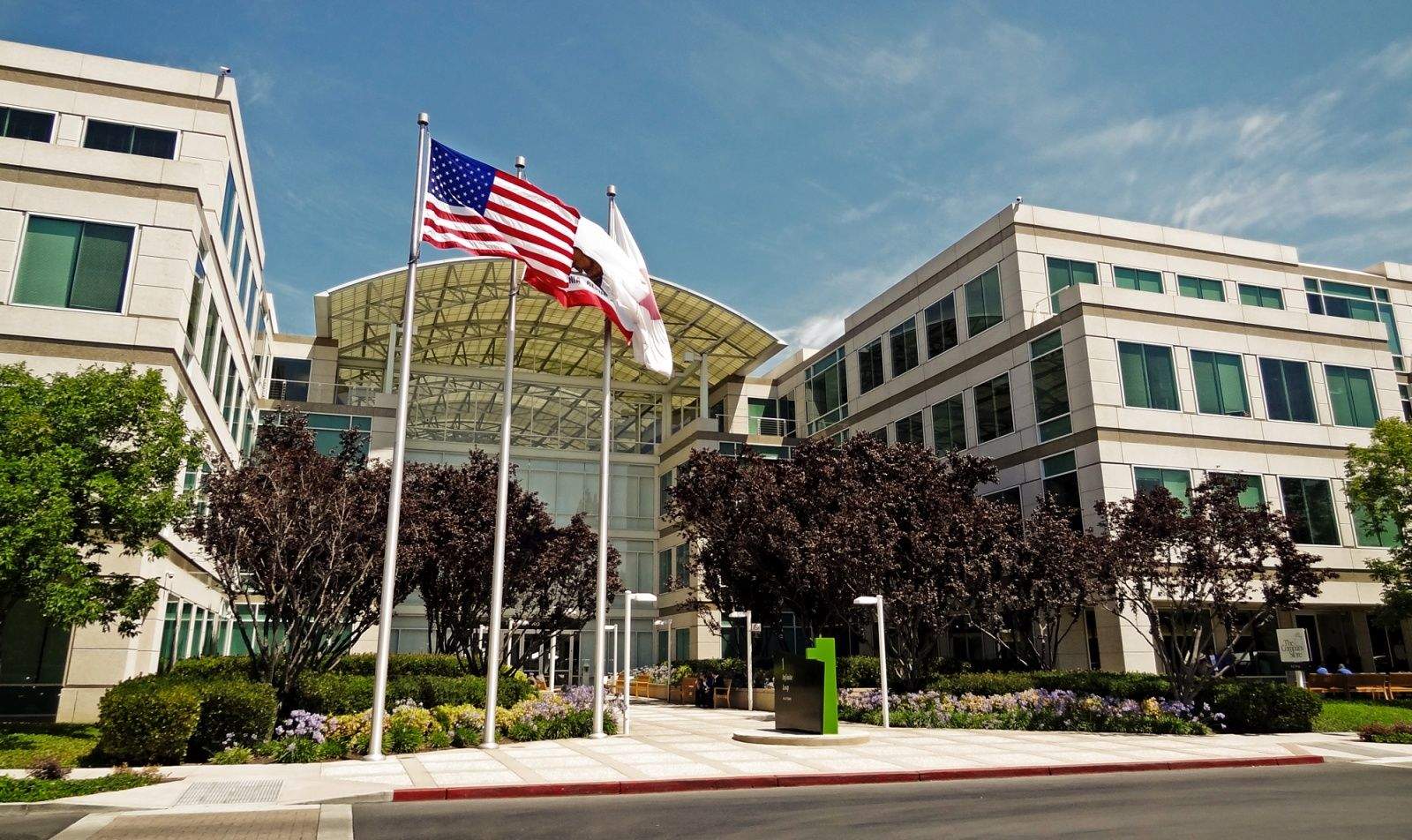
Apple may as well run Cupertino. Photo: Benjamin Feenstra
It was widely reported in January that Apple was in talks to buy Waze, an Israeli startup with a hugely popular maps app. Waze was rumored to be asking Apple for $750 million. The same outlet that broke the acquisition rumor quickly backpedaled and said no such deal was taking place. Google ended up buying Waze in June for $1 billion.
And so goes the buyout game in Silicon Valley, a power play where tech giants like Apple and Google court hot startups with the hopes of adding them to their war chests.
Apple had its biggest year ever for acquisitions in 2013, with a record 15 smaller companies joining the fold. A dozen of them have now been publicly disclosed.
For an entity as secretive as Apple, examining the companies it buys is one of the only ways to peek into its future plans. When AuthenTec, a company that specialized in fingerprint readers and identification software, was purchased in July 2012, speculation immediately followed. What did Apple want with fingerprint sensors? The answer ended up being obvious, and the technology debuted in Touch ID in September 2013.
Often the outcome of an Apple acquisition isn’t so immediately apparent.
Historically, Apple acquires far fewer companies than its competitors. But the line is starting to blur. Google publicly bought three times as many companies as Apple in 2012 and not even twice as many in 2013. Apple bought more companies than Microsoft in 2013.
So what does all of this say about Apple’s future?
It’s come a long way from its disastrous early days (although there is still the occasional tendency to direct someone the wrong way up an airport taxiway), but Apple Maps may finally be taking the lead over its competitors — if you’re inclined to believe Apple’s latest patent.
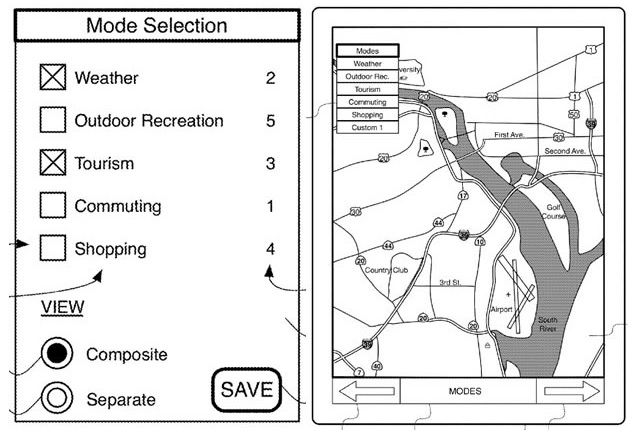
The patent — recently published by the US Patent and Trademark Office — was filed May 31 this year, and applies to an “Interactive Map” application, which would display multiple layers of information regarding local landmarks.
Remember that time Cult of Mac reported that Apple’s oft-maligned iOS Maps function steered people the wrong way across Fairbanks Airport Taxiway? If you’re anything like this writer, you probably either chuckled at the egregiousness of the error or else were momentarily aghast, and then went on with the rest of your day.
Well, in the eyes of some what you should have been thinking is: “hey, I could probably sue over that.”
Perhaps it’s better that you didn’t, however, because the class action lawsuit that has been filed against Apple for iOS Maps is a bit of a headscratcher.
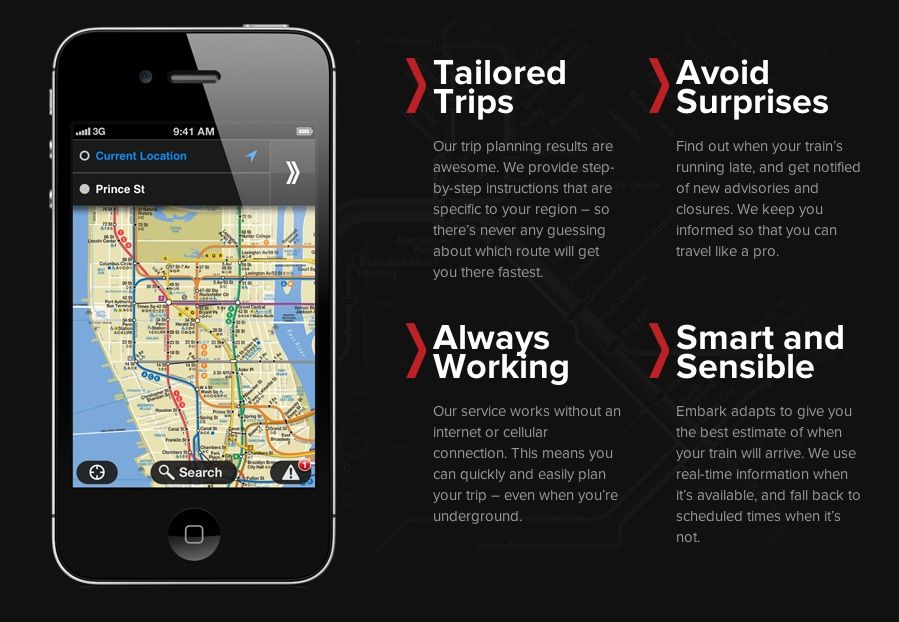
Apple has been launched a full court press on Maps ever since its disappointing launch last fall. The company has already gobbled up a few mappingcompanies but it’s not ready to stop quite yet, as it just purchased the map app Embark.
Embark, Inc. focuses on building free transit apps to help navigate public transportation. According to a report from Jessica Lessin, Apple acquired the small team very recently and plans to directly integrate Embark’s tech into Apple Maps.
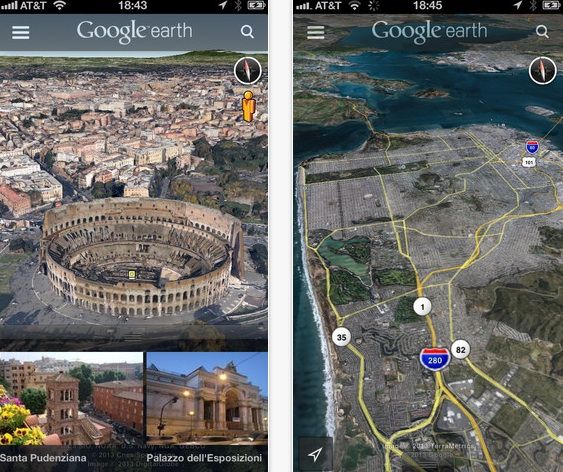
Google published a big update for it’s Google Earth app for iOS today. The new version includes an improved UI with a left hand panel that makes it easier to enable different layers of information.
Along with the refreshed UI, the Google Earth update adds Google Maps Street View to the service so you can explore the world in 3D flyover or at street level. Improved directions and search were also added to the list of new features.
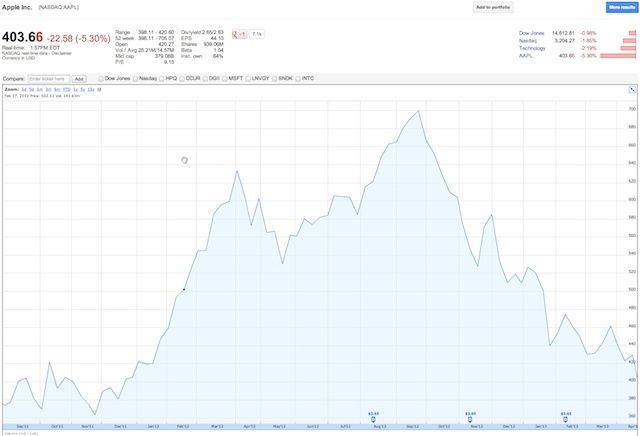
Last year it seemed like there was no end in sight for the rise of Apple’s stock price. Then things started to slip in October thanks to Apple Maps and the management shakeup, and it’s been all downhill from there.
Earlier this morning Apple shares were trading below $400 for the first time in over 16 months, as the stock has continued to slide from its high point of over $700 per share that it enjoyed just last year.
After being fired from his post at Apple for the Apple Maps fiasco last year, Richard Williamson has found a new home at one of tech’s other superstars – Facebook.
Richard Williamson played a key role in the development of the iPhone’s software under Steve Jobs. After working at Apple for more than a decade, Williamson was put in charge of the Apple Maps team that replaced Google Maps in iOS 6.
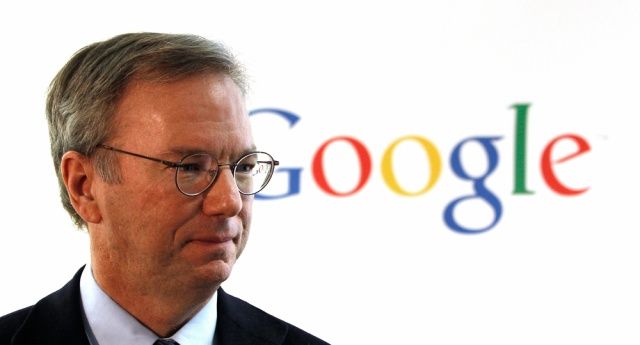
Kicking Google Maps to the curb last year in favor of its own homegrown solution caused quite a stir last year for Apple. Most of the rage over Apple Maps has died down, but Google’s former CEO, Eric Schmidt, sees no reason why things can’t be repaired.
In fact, Schmidt admitted today that Google would love to work with Apple to set Google Maps as the primary navigation tool on iOS. With tensions between the two companies still being tight, we’d say there’s not a slim chance in hell of that happening, but Schmidt thinks it could.
One of the apps commonly toted as a replacement for iOS 6’s Maps app after the latter was released (and proved to be something of a debacle for Cupertino) was Waze, a crowd-sourced traffic app.
Now, according to a new interview conducted on-stage at AllThingsD’s Dive Into Mobile Conference, even Waze CEO Noam Bardim was surprised by how many people hated Apple Maps, and said that two years previously, consumers would have thought is was amazing.
Apple kicked Google Maps to the curb with its own mapping service during the iOS 6 announcement at WWDC in June 2012.
While Apple’s Maps has certainly come a long way since its release last year, there’s still a lot of improving that needs to be done. The good news is that Apple is working to improve the accuracy of its mapping, and the company is hiring “Ground Truth” managers to help improve the “quality” of Maps in different regions around the world.
After a few days of speculation, Google’s Chairman, Eric Schmidt, finally commented on whether Google Now would be making its way to iOS. This morning, Schmidt said that Google Now has been submitted to the App Store and the only thing standing in its way is Apple. The only problem is Schmidt’s completely wrong.
Apple commented on the Google Now approval process this afternoon and said that they haven’t even received Google Now yet.
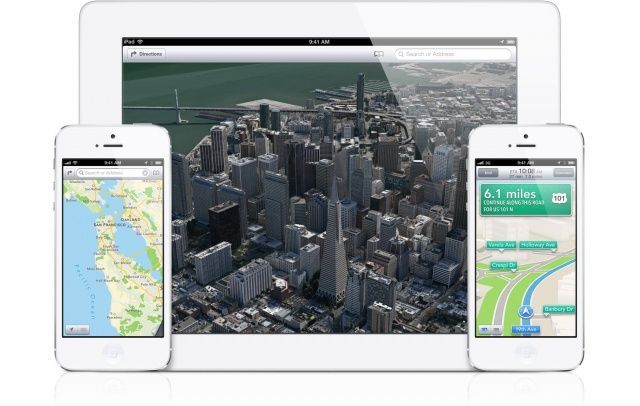
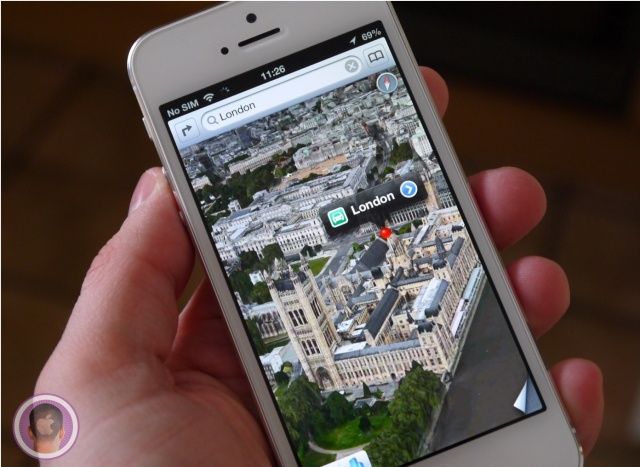
When Apple launched its new Maps app with iOS 6 last September, one of its headline features, Flyover, only supported a handful of big cities. But the Cupertino company has been hard at work in the background to extend its reach, adding support for additional locations all over the world.
In the past few months, Apple has brought Flyover to an additional 16 cities, plus extended its coverage in 14 of the cities already supported.
John C Dvorak, Leo Laporte, and a couple of other folks involved in This Week in Tech (TwiT) had a meeting together at the Apple campus at 1 Infinite Loop in Cupertino this past Monday, and they ended up having an informal battle of the navigation apps in the three cars they were each driving. TWiT CEO Lisa Kentzell and marketing guy Glenn Rubenstein were in one car, using Apple Maps, while Laporte was using Waze, Dvorak using Google Maps.
Dvorak wrote the story up over at PC Magazine, and claims that Apple Maps got the TWiT folks to the Apple campus faster than either Waze, which came in dead last, or Google Maps. We can count on this being the truth of their experience, as anyone of Dvorak’s stature might have a hard time admitting that he lost a race.
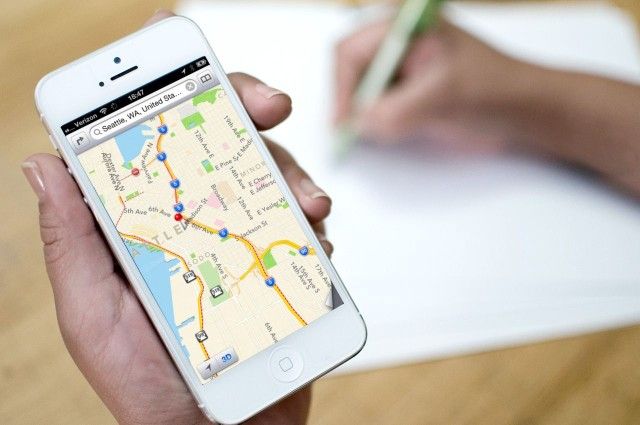
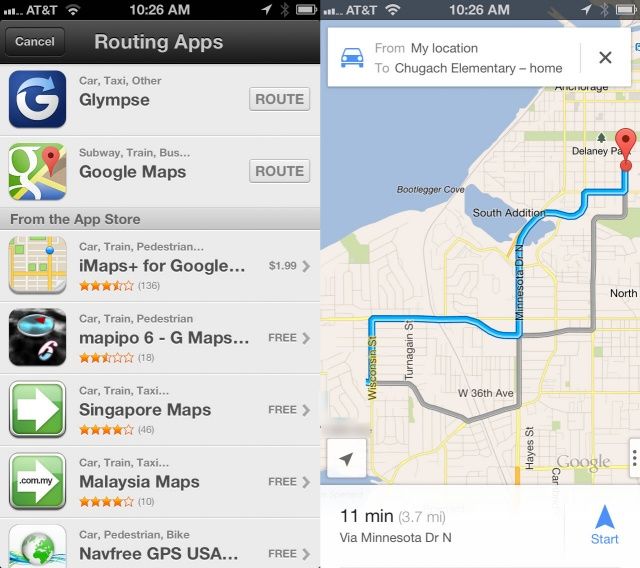
Personally, I’ve never had a problem with Apple Maps in its current iOS 6 incarnation, but many people have. Now that Google Maps is out for iOS, though, there’s an easy way to get around using Apple Maps, using the transit option.
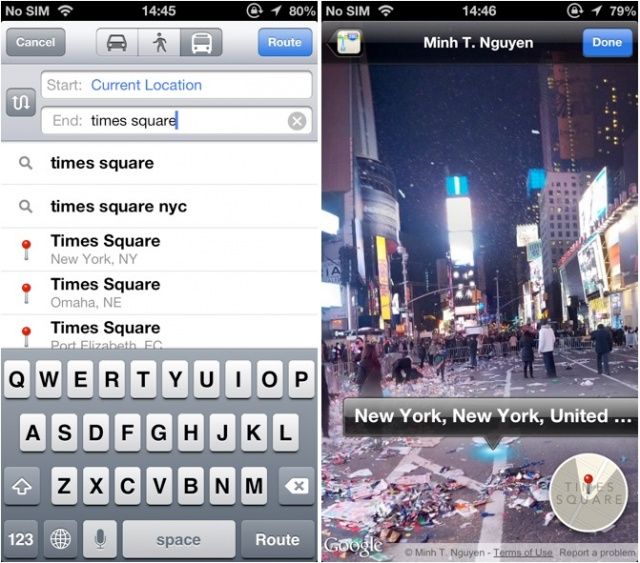
Street View is a new $0.99 iOS app from FutureTap that promises to bring Google Street View back to Apple’s Maps app on iPhone, iPad, and iPod touch. Once installed, you’ll be able to access Street View from within Apple Maps with a series of simple taps. It’s not seamless, but it works.
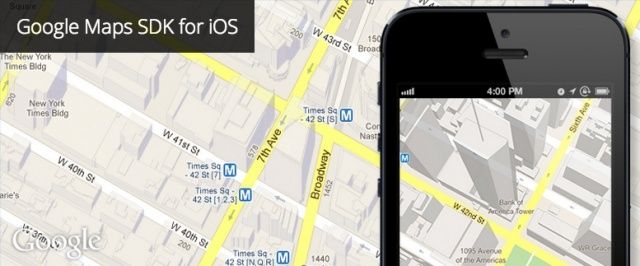
Google has updated its Google Maps SDK for iOS to version 1.1, opening up its API to all third-party developers who now have the ability to build iOS apps with Google Maps embedded. The update also adds support for ground overlays, gesture controls, and more.
Google's Technology Ambassador thinks using Apple Maps might kill you
Michael T. Jones has a helluva fun job. He’s the Chief Technology Ambassador for Google, and as such, he not only gets to work for one of the coolest companies in the world, he also gets to cruise around the world and tell people why Google is so darn awesome.
When it comes to Apple, you would think that Michael Jones would have some really mean things to say. In a recent interview with ABC News in Australia, Michael Jones actually praised Apple and said that customers can trust Apple with their private data. But then he added that using Apple Maps might kill you.
For most of us, glitches in Apple Maps are just a minor inconvenience and you can just switch over to Google Maps when you have a problem. But for one restaurant in Portland, Oregon, Apple Maps has cost them about $50,000 worth of business since it was released in September.
It’s hard to believe we’ve just finished our 50th CultCast! But we’re not stopping to celebrate just yet.
On our newest episode, we say why Apple Maps integrating with Waze maps makes too much sense not to happen; why Bill Gates just made Microsoft Surface the new Christmas coal; and as we prepare to journey to Las Vegas for CES, we review which new gadgets and tech we’re most excited about, and give you the inside scoop on what it’s really like to report live from one of the biggest tech conventions in the world.
All that and more on our all-new CultCast! Subscribe now on iTunes or easily stream new and previous episodes via Apple’s free Podcasts App.
File under: Rampant Speculation. Apple Maps is pretty bad compared to Google Maps, and they need to get it fixed in a hurry, by either chaining their engineers to their desks, or buying another company with enough talent to fix Scott Forstall’s biggest snafu.
There was a ridiculous rumor last month that Apple might acquire TomTom to fix Maps, and now the web has sprouted another crazy rumor that Apple might acquire a different mapping company to fix Maps: Waze.
Siri made its debut on the iPhone 4s almost four years ago. Photo: Cult of Mac
As Apple slowly but surely turns its back on Google, Siri, its intelligent digital assistant, is doing the same. If you’d have asked Siri a question back in June, there’s a 60% chance the data it came back with would have been from Google. Ask it a question today, however, and that chance is reduced to just 30%. Not only has Apple given YouTube and Google Maps the boot, then, it’s shunning Google’s search data, too.
Apple is looking to evolve its own Maps app in iOS 6 by potentially partnering with Foursquare to provide local listings, according to a new report from The Wall Street Journal. Talks between Apple and Foursquare are still in the early “preliminary” stages, according to the report, but Apple is definitely interested in what Foursquare has to offer.
Yelp is already integrated into iOS 6 Maps, and Apple partners with other services to offer more than 100 million business listings. A partnership with Foursquare could help enrich Apple’s location data and even help fix inaccuracies in iOS 6 Maps.