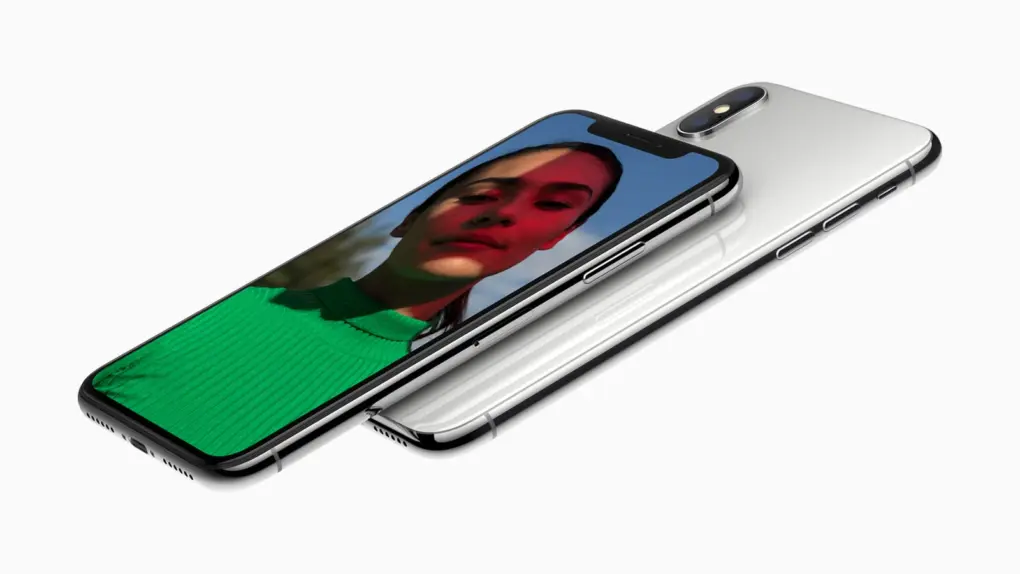
 November 3, 2017: Apple releases the iPhone X, a sleek device with a futuristic feature called Face ID. The innovative biometric security system lets a user unlock the iPhone X just by looking at it.
Powered by the iPhone X’s new TrueDepth camera system, Face ID also lets users authenticate and pay using their devices. The technology offers a great leap forward over the fingerprint scanner in previous iPhones. It makes using iPhone X feel incredibly seamless.
iPhone X’s Face ID makes facial recognition mainstream
Apple’s never-ending quest to make consumer technology user-friendly took a big step forward with Face ID. Increased security aside, unlocking an iPhone or iPad just by glancing at it makes the entire experience more natural.
“For more than a decade, our intention has been to create an iPhone that is all display. The iPhone X is the realization of that vision,” said Jony Ive, Apple’s chief design officer, in a press release announcing the device. “With the introduction of iPhone ten years ago, we revolutionized the mobile phone with Multi-Touch. iPhone X marks a new era for iPhone — one in which the device disappears into the experience.”
The iPhone X’s gorgeous design did away with the Home button — and with the Touch ID fingerprint scanner embedded in that button. While the all-screen form factor looked sleek, Face ID was a crucial element of the streamlined iPhone experience that Ive described. Plus, as iPhones stored more and more sensitive personal information, from health data to financial records, keeping the devices secure became even more critical.
Apple had introduced Touch ID just four years earlier with the iPhone 5s, but Face ID upped the ante considerably. Suddenly, it was faster and easier to unlock the device that played such a pivotal role in our daily lives.
TrueDepth camera system: The hardware that makes Face ID possible

Screencap: Apple
The TrueDepth camera system inside the iPhone X made this magical act of unlocking a device with just a glance possible. The sensor array — housed behind a large screen cutout dubbed “the notch” by iPhone fans — consisted of a dot projector, an infrared camera and a flood illuminator.
The system, still used in today’s Apple devices, accurately maps facial features, providing a higher level of security than Touch ID.
“Face ID projects more than 30,000 invisible IR dots,” Apple said in its iPhone X press release. “The IR image and dot pattern are pushed through neural networks to create a mathematical model of your face and send the data to the secure enclave to confirm a match, while adapting to physical changes in appearance over time.”
Apple stores all that facial information in the iPhone’s secure enclave, with processing done on-device to protect user privacy. The technology behind the scenes was impressive — and so was the experience.
iPhone X’s facial recognition is a game-changer

Photo: Ste Smith/Cult of Mac
After a quick scan, during which the user rotates their face so the iPhone can capture it from multiple angles, Face ID is ready to enable frictionless interaction with the device. It also adapts to changes in a user’s appearance, such as shaving a beard or donning a cap or glasses.
“It’s designed to work indoors, outdoors, and even in total darkness,” according to Apple’s Face ID support document.
At the time of Face ID’s launch, Cult of Mac’s reviewer predicted the fantastic facial recognition tech would “knock your socks off.”
“Face ID is wonderfully simple to set up and it works surprisingly well,” wrote Killian Bell. “Rumors indicated Apple’s technology is years ahead of its rivals, and it really shows. Face ID proves remarkably reliable for unlocking iPhone X in a variety of conditions. And it’s so fast that you forget you even have protection enabled.”
In the years since, Face ID has only gotten better — and more ubiquitous.
Face ID comes to the iPad, and the notch becomes the Dynamic Island
As with many Apple technologies, Face ID expanded to other devices. Apple added the facial recognition tech to the third-generation iPad Pro in 2018. Cult of Mac’s reviewer raved about how Face ID seemed “like it was made for the iPad.”
“On the iPhone, the thumb naturally falls to the Touch ID button,” wrote Charlie Sorrel. “On the iPad, Touch ID has always been awkward. Face ID is a revelation. Now, the iPad just unlocks itself whenever you need it. And thanks to the extended range of the iPad’s Face ID (it works upside-down and sideways), it manages to spot your face from further away than the iPhone, and from more extreme angles…. Used with a keyboard, Face ID is even better. Just tap a key to wake it, and it unlocks. It’s fantastic.”
Apple slimmed down the notch on subsequent iPhone models. And with the iPhone 14 Pro in 2022, Apple’s software wizards turned the notch’s lemon into lemonade by transforming the screen cutout into an interactive user interface known as the Dynamic Island. During the COVID-19 pandemic, Apple upgraded Face ID to work for people wearing masks.
The TrueDepth technology that enables Face ID isn’t all about easily unlocking devices, though. It also powers Animoji, the animated emoji feature that Cult of Mac at the time called a “gimmick that uses the most advanced camera ever seen on a consumer device to map cute animal faces over your real expressions.”
- See also: How to use Animojis on iPhone X
And Apple just keeps making Face ID better.
“The TrueDepth camera is intelligently activated; for example, by tapping to wake your screen, from an incoming notification that wakes the screen, or by raising to wake your iPhone,” Apple says in its Face ID support doc. “Each time you unlock your device, the TrueDepth camera recognizes you by capturing accurate depth data and an infrared image. On iPhone 18 Pro models or later, this data is supplemented by additional image data to maintain Face ID performance. This information is matched against the stored mathematical representation to authenticate.”
The future of Face ID
Despite the advantages of Face ID, Apple continues to use Touch ID on some devices, like the iPad Air and the iPad mini. Even the iPhone Duo, Apple’s recently released first foldable phone, uses Touch ID rather than facial recognition. Some Apple fans call it a step backward — and a strange omission for a $1,999 folding phone. Hope looms large that Apple will add Face ID in the next version in 2027.
And, in a move that mystified many Apple observers, the brand-new MacBook Pro with PROLED XDR Display brought a touchscreen and the iPhone’s Dynamic Island for the first time — but excluded Face ID.
On devices that use Face ID, it still feels like the future. So leaving it out of high-end gear seems like a missed opportunity.
Also today in Apple history: Apple preps for Mac App Store’s big debut
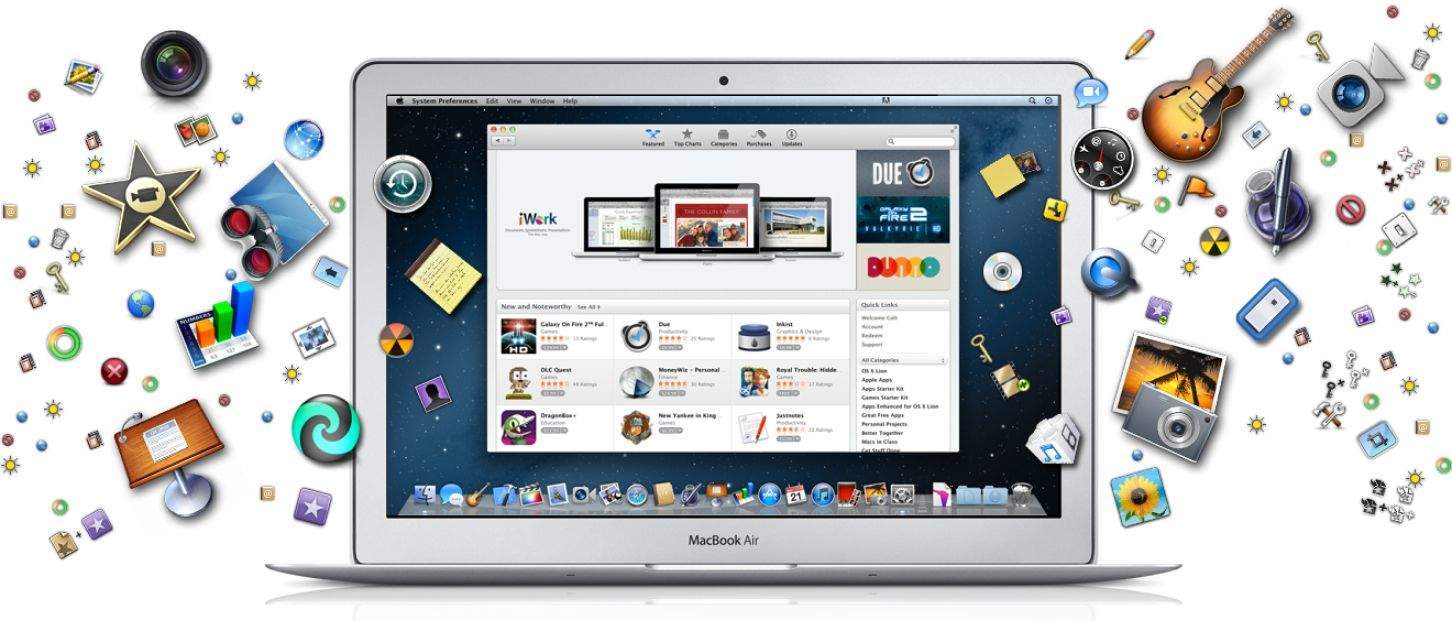
Image: Apple
November 3, 2010: Apple prepares to launch the Mac App Store, publicly accepting app submissions from registered developers — and kicking off a gold rush among coders.
After witnessing the enormous sums of money raked in by early entrants in the iOS App Store, the easy-to-use digital storefront that revolutionized software distribution on the iPhone, developers flood Apple with new Mac apps. CONTINUE READING>>

Lewis Wallace is the managing editor of Cult of Mac and author of our weekly newsletter, The Weekender. He appears weekly on the Cult of Mac podcast. You can find him on X @lewiswallace.