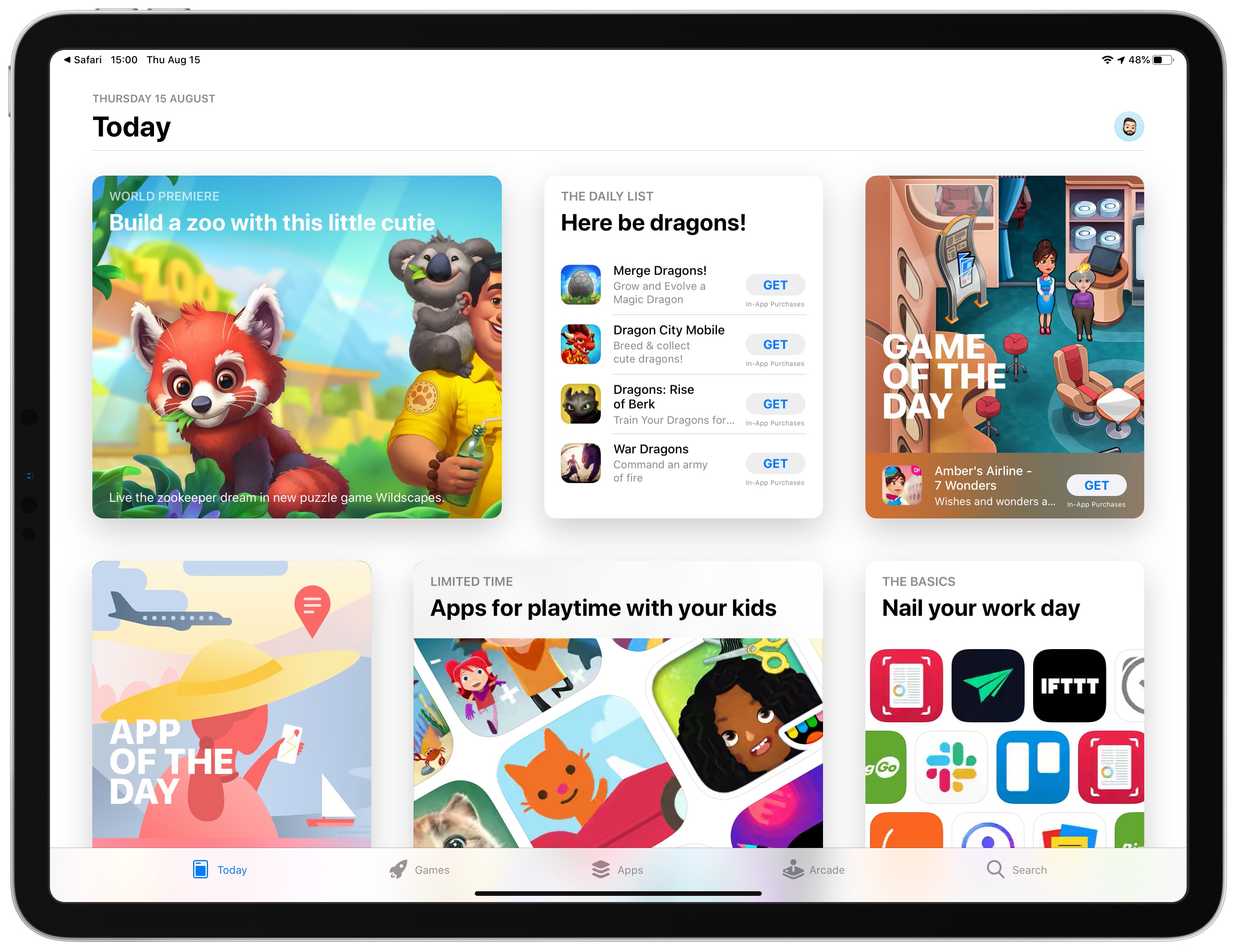
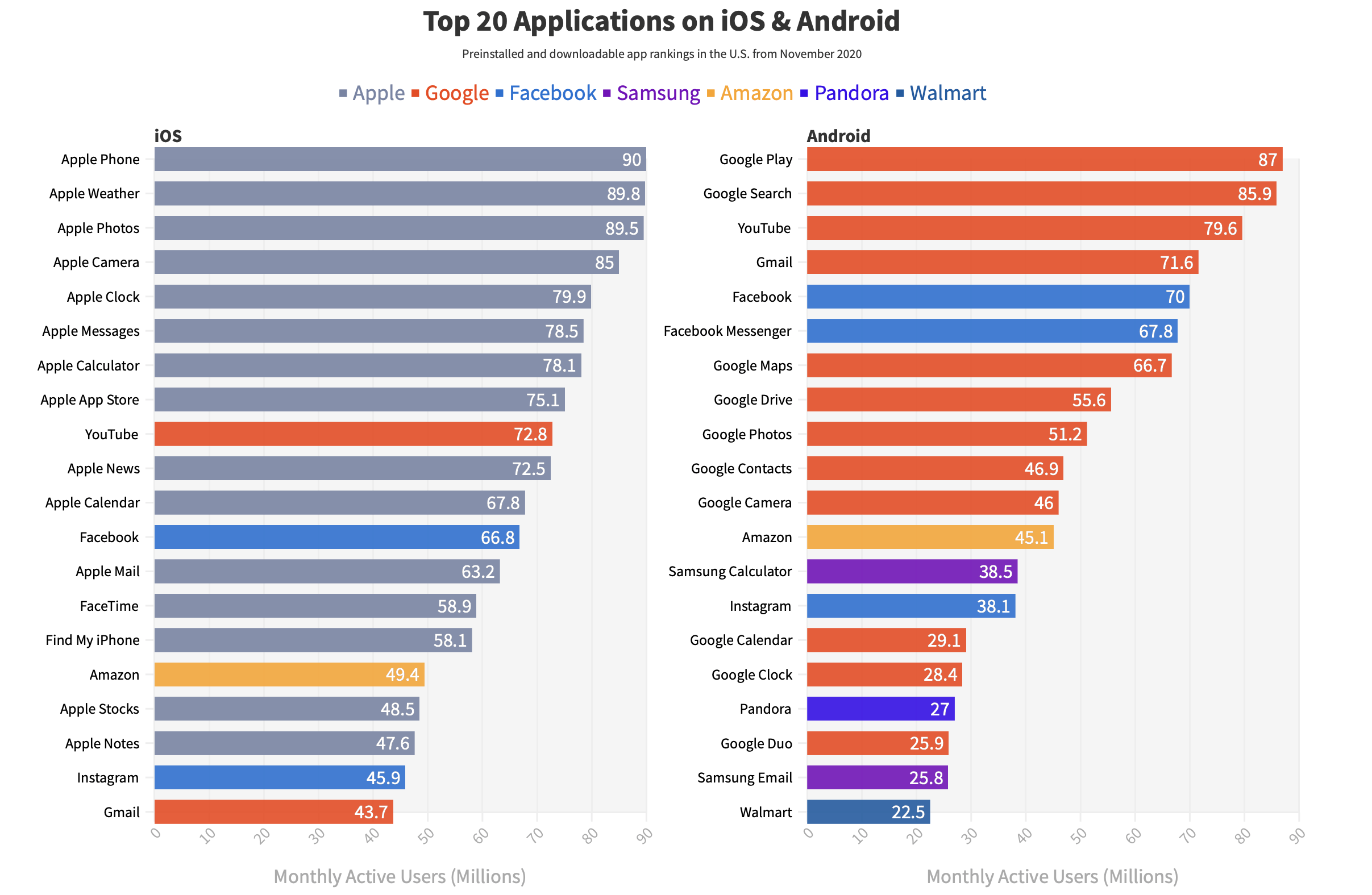
Turns out preinstalled apps are the most widely used. Whodda thunkit? Photo: Comscore/Facebook
Apple’s own preinstalled apps are the ones most commonly used on iPhones, says a Facebook-commissioned study. Weather, Photos and Camera are reportedly the three most popular non-phone call apps used on iOS. The Phone app is, no shock here, the most popular.
The study says something similar holds true for Android. On that platform, Google apps (Google Play, Google Search, YouTube and Gmail) rank as most widely used.
The world's most popular AR geolocation game turns five! Photo: Niantic
Augmented-reality game Pokémon Go earned more than $5 billion from player spending in the five years it’s been around, says a new report from app analytics platform Sensor Tower Store Intelligence. Of this, App Store revenue from iOS users accounts for $2.4 billion — or approximately 47%.
Niantic launched Pokémon Go in July 2016. That means the game generated an average of $1 billion per year, making it by far the highest-earning geolocation AR app in the world. In the first half of 2021 alone, Pokémon Go raked in a massive $641.6 million across both Android and iOS.
App Tracking Transparency stops developers tracking users without their permission. Graphic: Cult of Mac
Apple has thwarted an attempt by multiple Chinese tech companies to get around its App Tracking Transparency feature, the Financial Times reports Monday.
The group of tech companies includes Baidu, Tencent, and TikTok parent company ByteDance. They supposedly worked with a couple of Beijing companies to find a new way to get around Apple’s new privacy measures.
However, Apple blocked updates to several apps that included the workaround, called the Chinese Advertising ID (CAID). In doing so, it enforced its rules in a way that may have surprised the companies in question.
Tim Cook catches a cab with Didi Chuxing's Chuxing's Jean Liu. Photo: Tim Cook/Twitter
The app for Didi Chuxing, the popular Chinese ride-hailing service, has been removed from the App Store in China, citing privacy concerns.
This is no usual case of Apple booting an app from the App Store for failing to measure up to its standards, though. In fact, Apple CEO Tim Cook sits on Didi’s board of directors, and Apple previously invested $1 billion in the Chinese Uber rival. Instead, the ban was ordered by China’s Cyberspace Administration of China regulators — citing “serious violations [regarding] collection and usage of personal information.”
Controller for HomeKit 5.4 lets you back up your database, store codes and more. Photo: Controller for HomeKit
The third-party Controller for HomeKit app’s new version 5.4 update adds something users have wanted for a while. It’s a full backup and restore process that includes the HomeKit codes identifying the devices and accessories you include in your home automation.
Apple is currently fending off App Store complaints around the world. Photo: James Yarema/Unsplash CC
A case brought by France’s finance ministry against Apple will have its day in court September 17. The case involves allegedly abusive contractual terms imposed by Apple for developers selling software in the App Store.
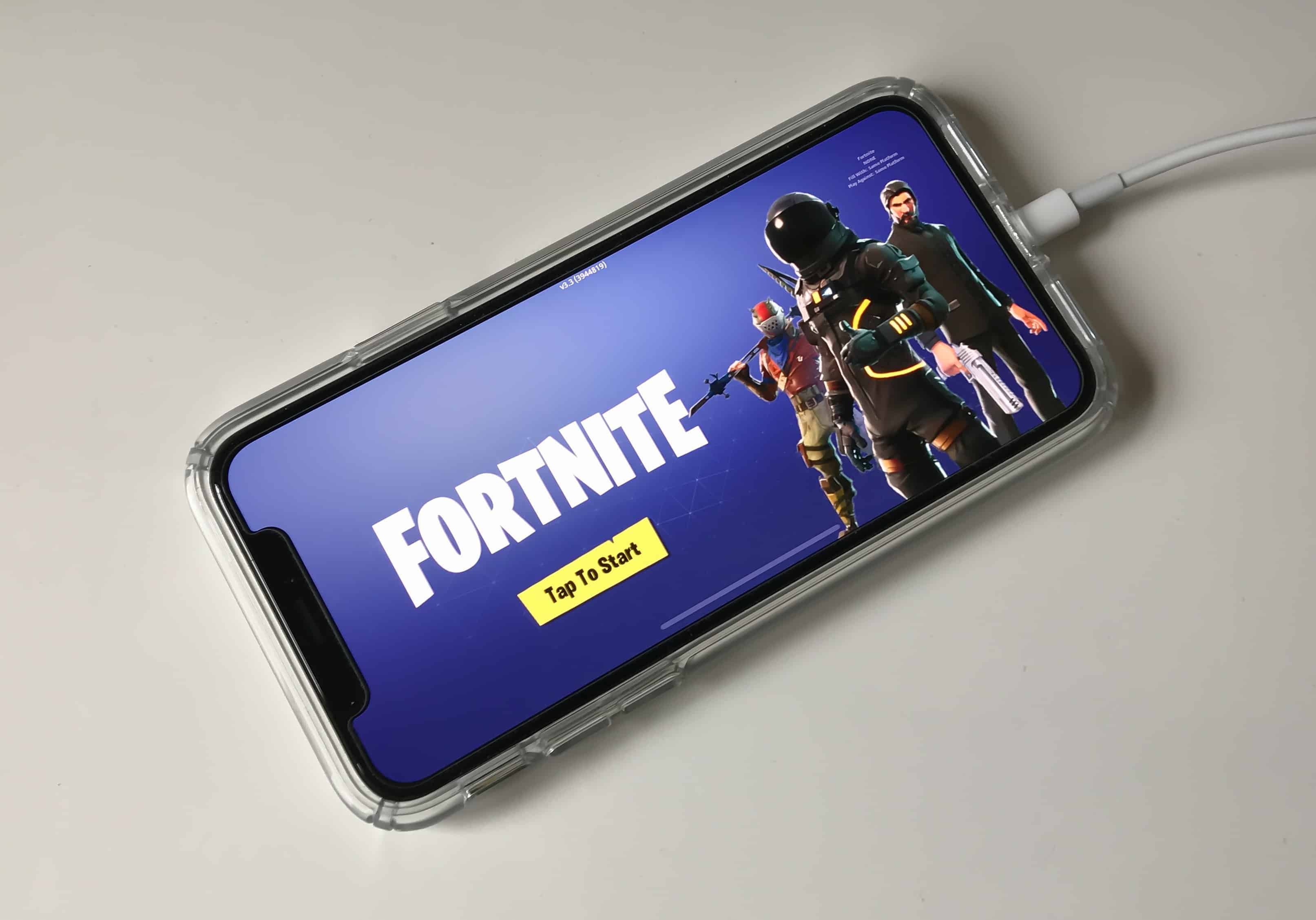
It’s a similar scenario to the complaint made by Fortnite makers Epic Games, regarding the control Apple has over developers on iOS. The lawsuit follows a three-year probe carried out by the DGCCRF consumer fraud watchdog. It’s also just the latest of many complaints made about the App Store around the world.
Stick to the App Store, Apple says. Photo: Ed Hardy/Cult of Mac
Apple’s none too keen on sideloading, the process of allowing apps to be installed on iPhones and iPads from outside of the App Store. While some critics take issue with this as an example of Cupertino’s uncompromising monopolistic tendencies, Apple — unsurprisingly — has a different take.
In an interview with Fast Company, timed to coincide with publication of a white paper on the subject, Apple’s head of user privacy, Erik Neuenschwander, explains the company’s take.
As governments around the world scrutinize Apple’s App Store policies, the U.S. Congress is pondering legislation that could stop the company from preinstalling default apps on iPhones.
Apple critics suggest that such a move would level the playing field and give smaller developers a chance to compete. But would it actually benefit consumers, the purported goal of such antitrust legislation?
I’m not sure it would. In fact, it might simply make owning an iPhone a lot less enjoyable.
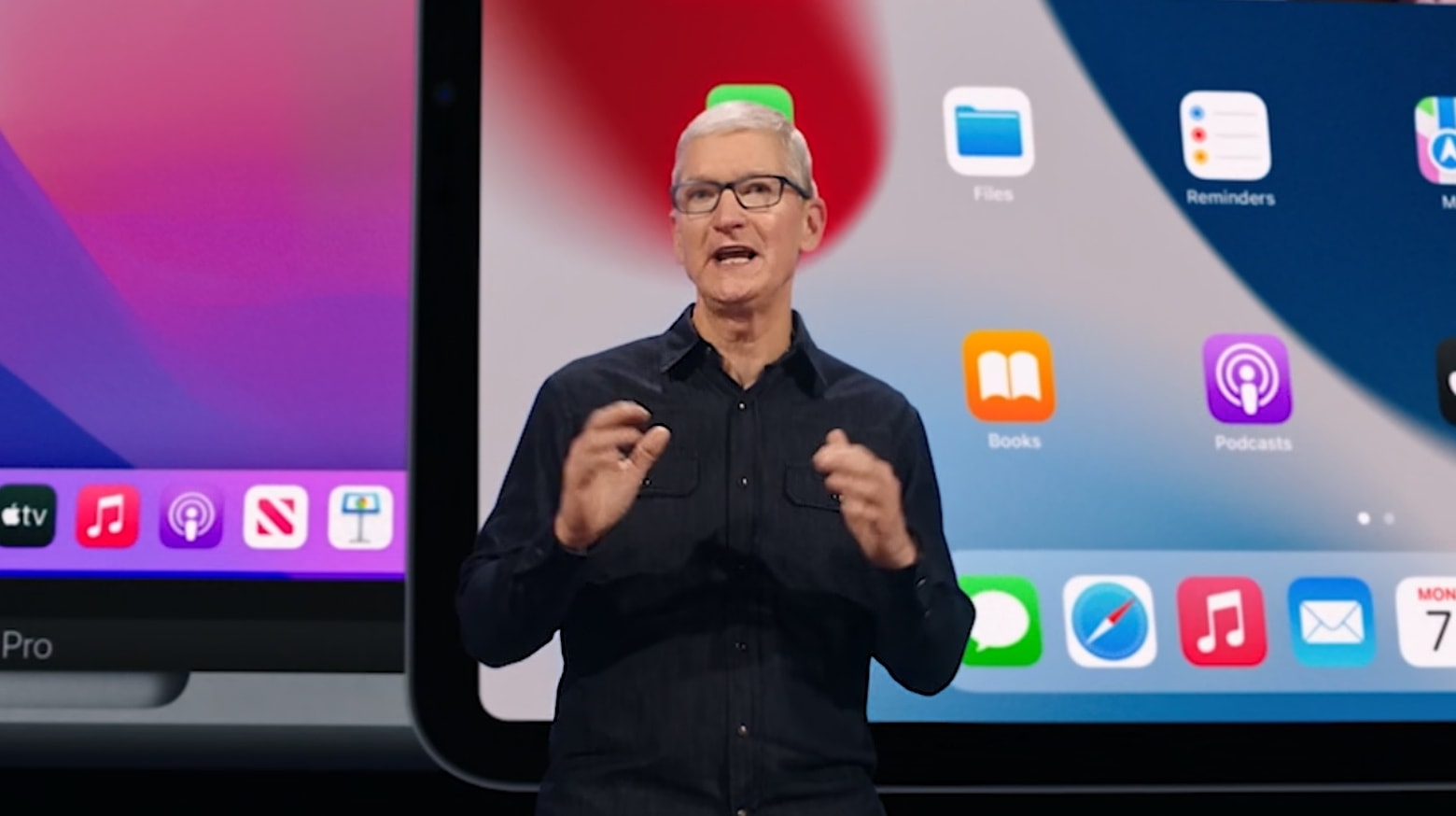
Tim Cook (shown here at WWDC 2021) is not a fan of sideloading iPhone apps. Screenshot: Apple
Apple’s CEO told the audience at France’s VivaTech conference that a critical part of the European Union’s proposed Digital Markets Act isn’t in the best interests of iPhone users. The proposal would require Apple to allow users to sideload applications, something CEO Tim Cook and the company are adamantly opposed to.
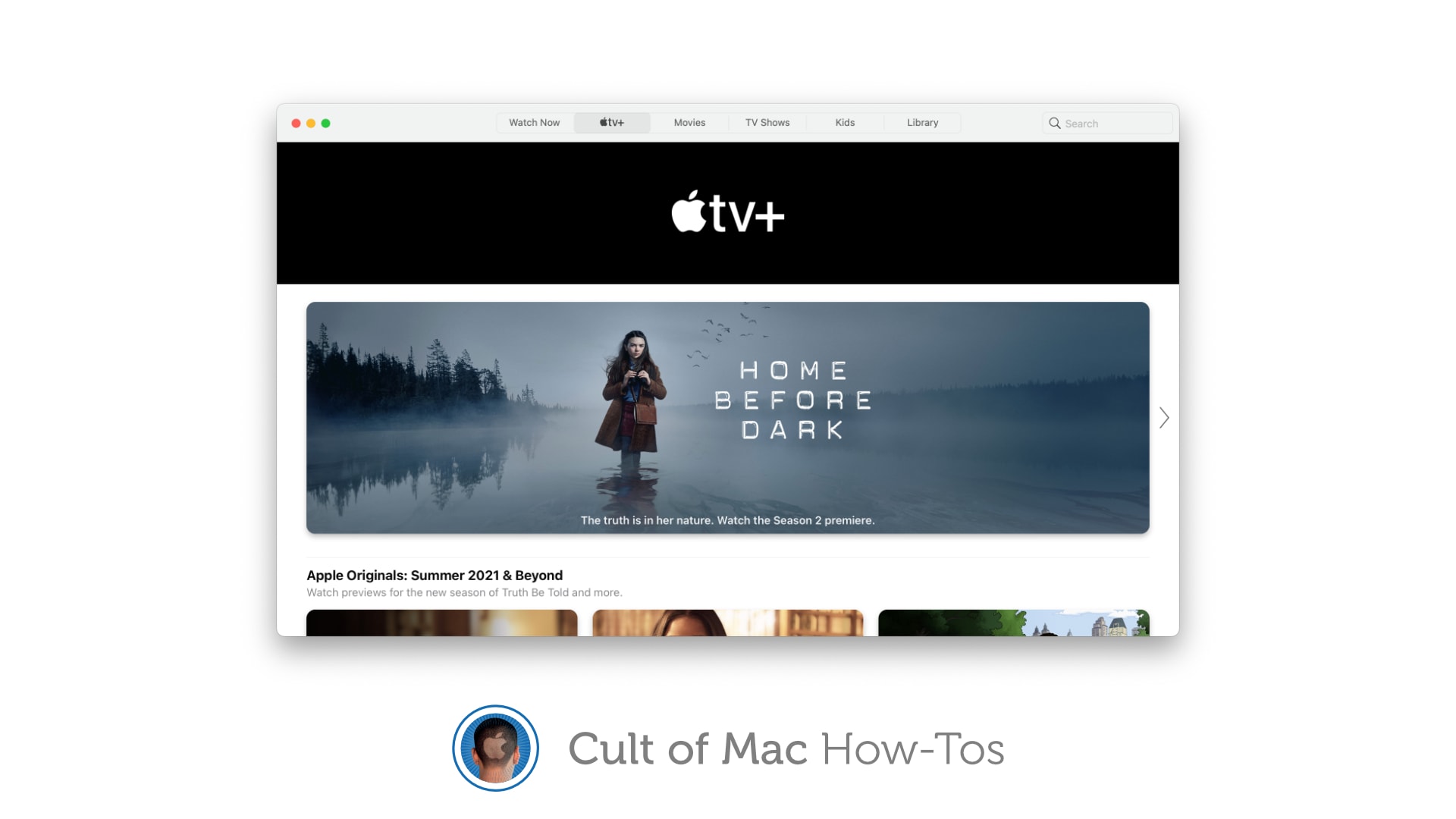
You can continue using Apple TV+ until your trial ends. Image: Killian Bell/Cult of Mac
The one-year free trial of Apple TV+ comes to an end later this month, which means you will be charged soon to keep your subscription going. If you don’t want to use Apple TV+ going forward, you need to cancel it.
The App Store might have to become a separate company from Apple. Photo: James Yarema/Unsplash CC
A bipartisan bill expected to be proposed in the U.S. congress would, if passed, have an enormous effect on Big Tech. The legislation, reportedly called the Ending Platform Monopolies Act, might force Apple to make the App Store a completely separate business not under its control.
Apple’s “walled garden” approach to the App Store improves quality control — but it doesn’t filter out all of the spammy, scammy content. According to a report by the Washington Post, scam apps represent close to 2% of the App Store’s top-grossing apps.
While that might not sound like all that much, it’s a sizable amount when you consider that the App Store hosts approximately 1.8 million apps. These scam apps reportedly have cost users in the vicinity of $48 million.
TikTok was the top, most downloaded, non-gaming app in the App Store last month. Photo: Kon Karampelas/Unsplash CC
TikTok has completed yet another victory lap as the most downloaded, non-gaming title in the App Store, this time for the month of May. According to app analytics platform Sensor Tower, TikTok enjoyed more than 80 million monthly installs across both iOS and Android that month. This time, Brazil was the no. 1 market for TikTok, followed by China, where the app is called Douyin.
On iOS, TikTok was followed by YouTube in second place, then Instagram, then video editing app CapCut, then WhatsApp, Facebook, Zoom, Messenger, Google Maps, and Gmail rounding out the rest of the top 10.
All hail Techin Park, developer of Paste Keyboard and new king of the App Store. Photo: Techin Park
A simple copy-and-paste app called Paste Keyboard shot to the top of the App Store charts this week after languishing in obscurity for years.
Made by 28-year-old South Korean developer Techin Park, the keyboard app hitched a ride on TikTok’s massive success — and then dethroned it as the most popular app in the United States.
“Everyone is curious how such [a] simple idea, copy and paste, has trumped the almighty TikTok in app rank,” Park told Cult of Mac. “Copy and paste is a feature we all use at least once daily. Not many think it’s special. But in reality, increasing efficiency [when it comes to] how we copy and paste can save a lot more of our time than we possibly think.”
And, apparently, score you crazy numbers of downloads, too.
A 15-inch MacBook Air was on the cards for Apple in 2008. It never shipped. Photo: Markus Spiske temporausch.com from Pexels
As CEOs of Apple, both Tim Cook and his predecessor Steve Jobs pride or, in Jobs’ case, prided themselves on the ability to say “no” to ideas. For obvious reasons, most of the time the world never gets to hear what those shot-down ideas actually were.
However, emails disclosed as part of the discovery for the Epic vs. Apple trial, now adjourned, shows one of the ideas that was talked about internally — but ultimately abandoned. That ideas was for a 15-inch MacBook Air, discussed as far back as 2007, the year before Apple debuted its ultra-thin notebook.
The App Store contributes far more to the global economy than just software sales. Photo: Ed Hardy/Cult of Mac
The App Store ecosystem enabled $643 billion in billings and sales during 2020. That’s up 24% over the previous year, with much of the increase related to people taking more of their lives online during the COVID-19 pandemic, according to a new study that examines how the App Store helps small businesses.
Apple touted these numbers as it waits for a federal judge to decide whether to order significant changes to the App Store.
Craig Federighi says iPhone does a better job of protecting customers than macOS. Photo: Apple
Craig Federighi, Apple’s SVP of software engineering, told a court on Wednesday that there’s more Mac malware available than Apple’s executive team is comfortable with. And he says iPhones do a much better job of protecting users.
Federighi was testifying at the Epic Games v. Apple trial explaining why he thinks the iPhone-maker’s tight control of the iOS App Store is necessary.
The judge may have dropped a hint about how she might end the court fight between Epic Games and Apple. Photo: Sora Shimazaki/Pexels CC
If the judge in the Epic Games v. Apple lawsuit decides to rule against the iPhone-maker, she may have already signaled the significant App Store change she would order to satisfy the game developer’s complaints.
The judge asked a question that shows she’s considering allowing developers to point customers to their own websites to make in-app purchases. Currently, these purchases must go through Apple’s payment system.
Apple cracks down on App Store fraud wherever it can find it. Graphic: Apple
The App Store protected customers from more than $1.5 billion in potentially fraudulent transactions in 2020, Apple said Tuesday. And the company’s App Review team rejected thousands of fraudulent applications.
The timing for this statement from the iPhone-maker isn’t accidental. In the ongoing Epic Games v. Apple lawsuit, the game developer argues that the App Store is a hinderance to innovation. Cupertino wants customers to hear its side of the story, too.
At the core of Epic Games’ lawsuit against Apple is the assertion that the iPhone-maker has a monopoly. With testimony from an expert witness, the game developer has begun laying out its arguments to convince the judge why she should agree.
Essentially, it claims that switching from iPhone to another device is so difficult that Apple can treat its users as if they had no other options.
Apple allegedly overcharged customers by $2 billion. Photo: Apple
Legal action taken against Apple in the United Kingdom could see the company have to repay close to 20 million customers for allegedly overcharging them.
A landmark class-action lawsuit argues that Apple’s 30% commission on App Store purchases bilked customers out of more than $2 billion over a number of years. The plaintiffs want Apple to repay the money it supposedly owes.
Confidence in the App Store is so critical to the success of the iPhone that Apple needs to stop handling app review with an inadequate staff. Graphic: Apple
The process for checking applications submitted to the App Store became the major focus of the Epic Games v. Apple court battle Friday. An important detail that came to light is that Apple employs 500 human experts checking submissions.
Epic Games used Friday’s trial testimony to bring to light fraudulent or inappropriate apps that slipped past Apple’s review team and onto the App Store. Fortunately, the problem is fixable: Put more people on the job. Double or triple the number.
Literally millions of iPhone and iPad applications are submitted to the App Store every year. Each has to be reviewed. Photo: PhotoAtelier/Flickr
In testimony on Thursday in the Epic Games v. Apple trial, Trystan Kosmynka, the senior director for the App Store review process, confirmed that around 5 million appications are submitted to the software store per year. And roughly 35% are rejected.
Snarky weather app gets even better. Photo: CARROT Weather
If 2001: A Space Odyssey‘s prickly AI, HAL 9000, picked up a sense of humor and then decided to make weather apps, the results would probably be a bit like Carrot Weather.
The sarcastic weather app has been a fixture on iOS for more than half a decade, and has not only gotten more hilariously abrasive during that time, but more useful as well. On Thursday, creator Brian Mueller unleashed the app’s latest update.
TikTok enjoyed another month atop the App Store in April, according to a new report from app analytics platform Sensor Tower.
It received a massive 59 million installs that month, across both iOS and Android. That’s ever so slightly up from March, when it racked up just over 58 million downloads.