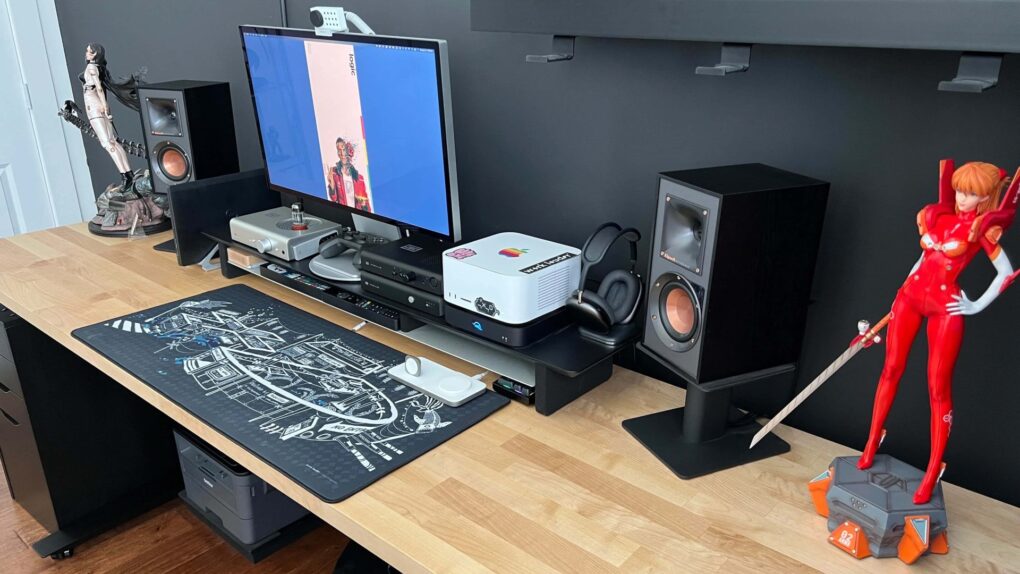
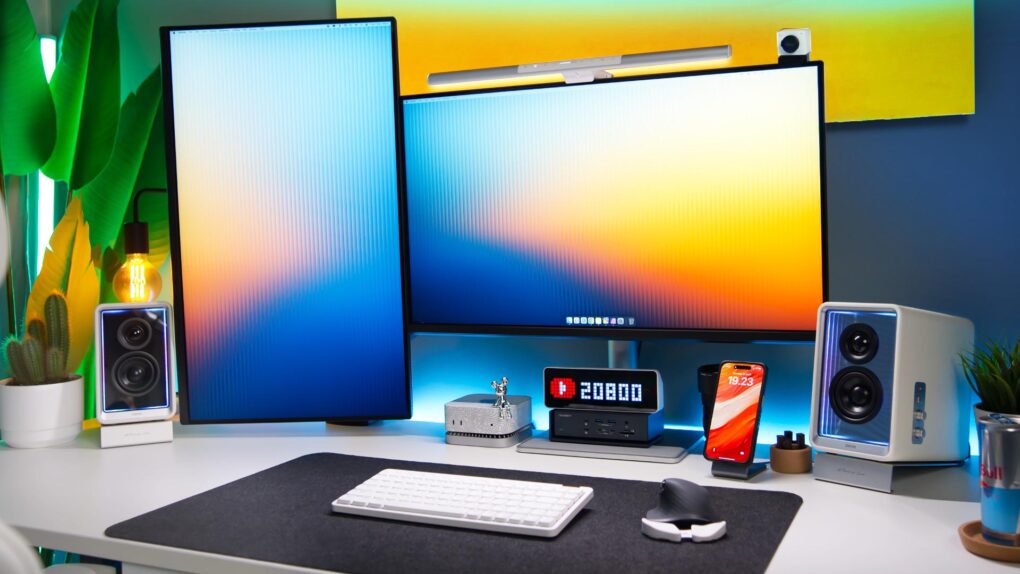
This Mac Studio and Studio Display setup is a gamer's paradise, with six gaming systems.
Photo: [email protected]
Mac gaming has a complicated history — years of sparse game libraries and hardware that PC gamers dismissed out of hand. But something shifted with Apple silicon, and the Cult of Mac Setups archive has tracked it in real time. Here are the best Mac gaming setups from the past several years.
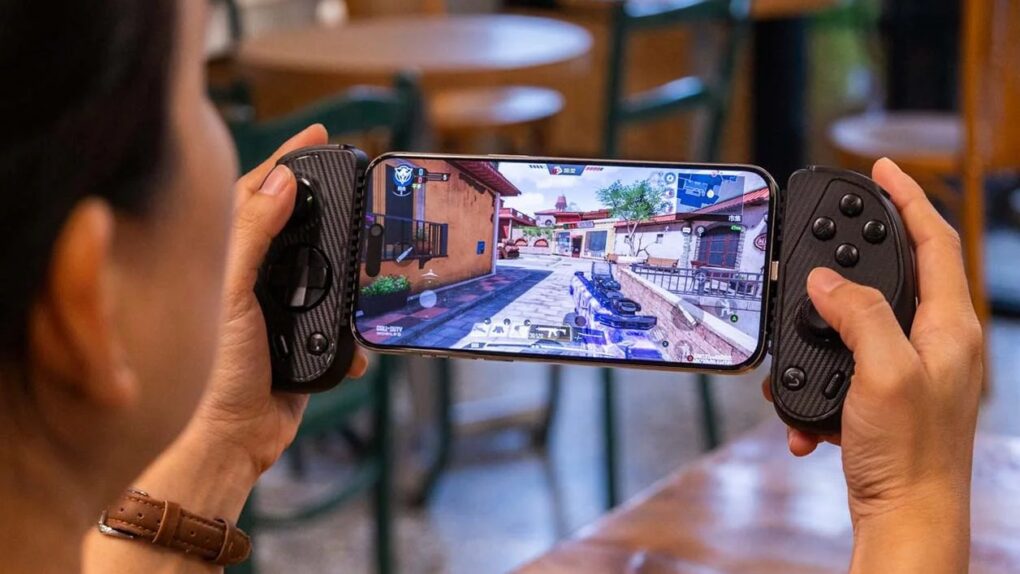
The new Serafim S3 Universal Mobile Game Controller is an Apple MFi-certified accessory that aims to bring console-level gaming to iPhone users with Hall effect magnet-based joysticks and more, the company said Monday. Priced at $89.99, S3 is available now on Amazon and the Serafim website.
★★★★★
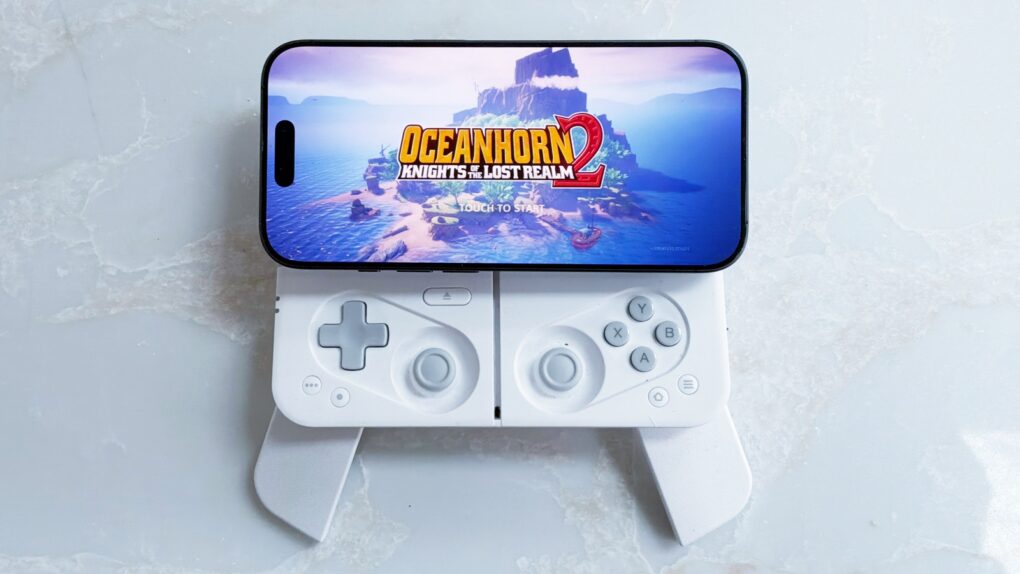
The Ohsnap Mcon uses an innovative design that makes it portable and flexible. Photo: Ed Hardy/Cult of Mac
The Ohsnap Mcon doesn’t just rethink the mobile gaming controller — it practically throws the old playbook in the trash, delivering one of the most flexible and genuinely portable ways to play on the market today.
Even better, you can easily use it with your iPhone, but also your iPad and Mac.
I spent many hours playing games with the innovative controller — here’s why I love it.
Ready to build empires? Now you can on Apple Arcade. Photo: Apple
Update: Apple Arcade subscribers can now get access to one of gaming’s most legendary franchises — Sid Meier’s Civilization VII Arcade Edition, arriving on the service Thursday. It’s a first for Apple Arcade, though it joins some other civ- and sim- game options on the App Store.
And other new titles join it at the same time on Apple Arcade: the Retrocade collection of classic arcade games, the whimsical adventure Felicity’s Door and the I Love Hue Too+ puzzle game.
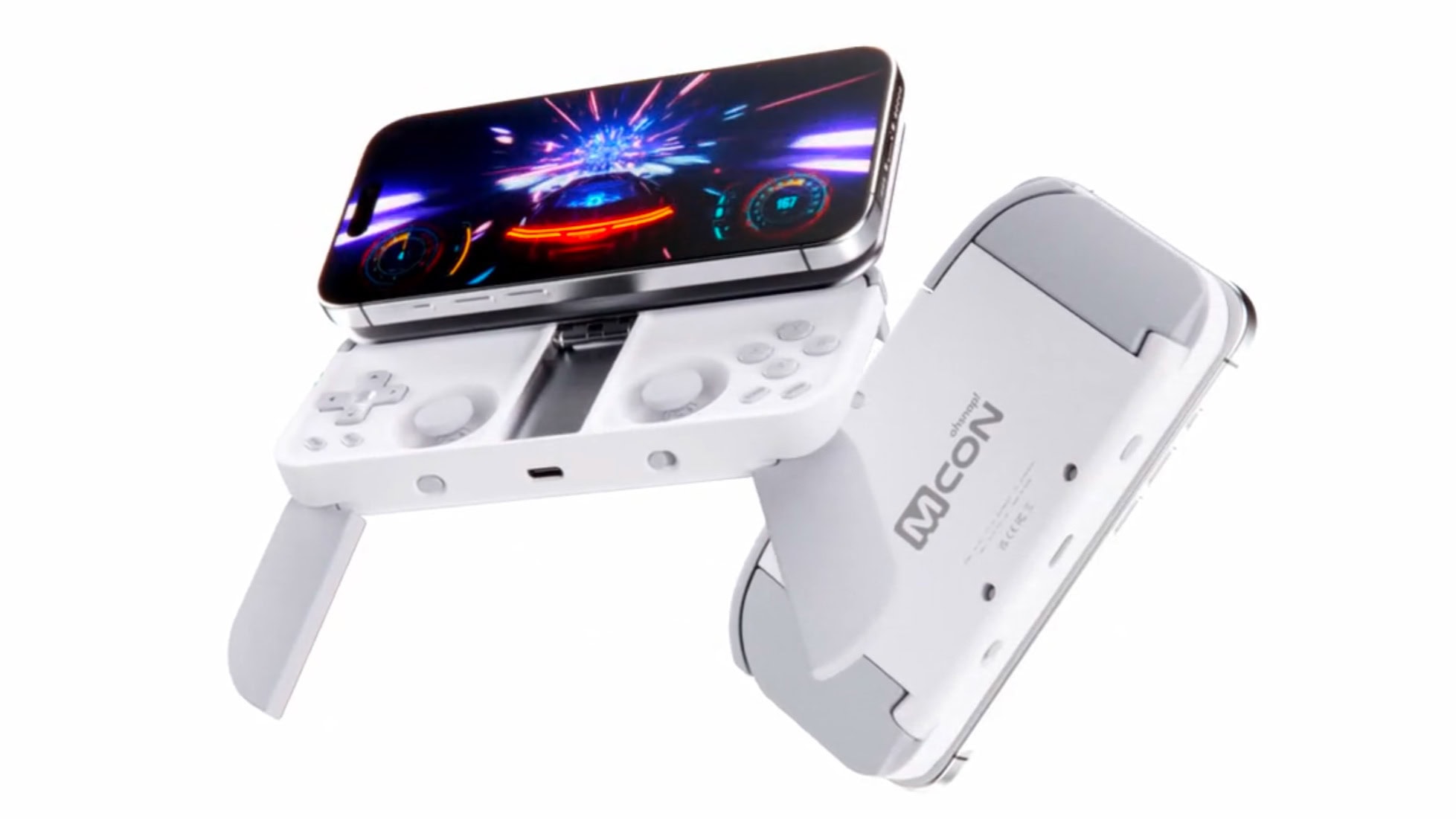
OhSnap Mcon iPhone game controller is simply packed with innovation. Screenshot: OhSnap
The OhSnap Mcon mobile gaming controller magnetically attaches to an iPhone to add joysticks, buttons, triggers and a D-pad. It’s very portable and uses an innovative design that includes flip-out grips for more comfortable play.
OhSnap unveiled the Mcon a year ago, and it finally reached customers on Tuesday.
Lucky Mac mini! BenQ calibrates these 4K displays for accurate Mac color matching. Photo: [email protected]
Looking to level up your Apple ecosystem? The Mac mini packs serious punch in a pint-sized package that’ll make you wonder how you ever lived without it. Apple users love the little desktop machine — as our roundup of best Mac mini setups below shows.
Gaming on the iPhone 17 Pro should be a treat. Photo: Apple
Early benchmark scores for the A19 Pro chip in the just-announced iPhone 17 Pro show a whopping 40% increase in graphics performance compared to last year’s model. The boost in overall performance isn’t nearly so dramatic, however.
We also have a preliminary benchmark for the A19 in the base model iPhone 17, and it’s apparently going to be just slightly faster than its most recent predecessor.
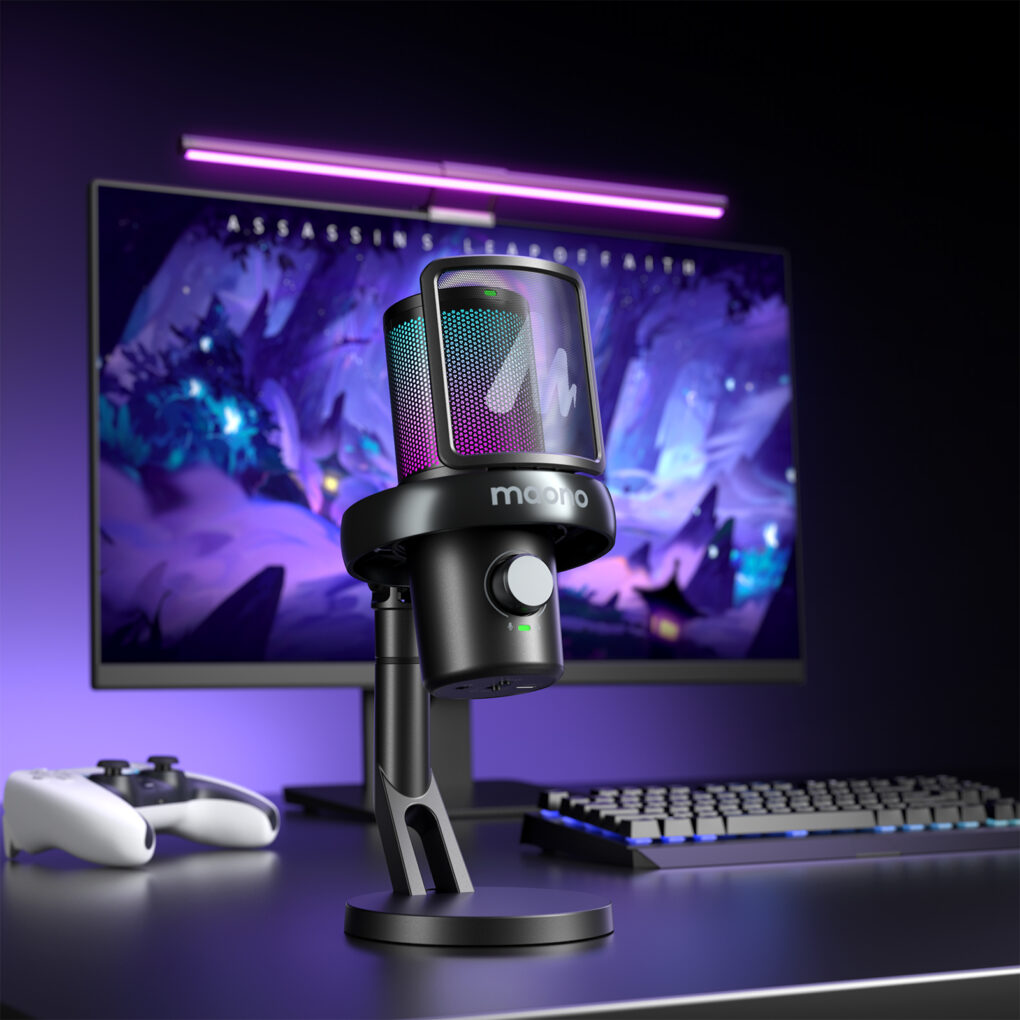
In white or black, Maono's new USB/Wireless microphone offers AI-powered voice effects and more. Photo: Maono
The new Maono DM40 Pro Wireless Gaming Microphone brings professional-grade audio quality and cool features like AI voice effects, the company said Tuesday. Also sporting Apple-esque design sensibilities, the new mic looks like a great companion for your Mac gaming and streaming setup. And you can get 10% off right now, too.
Get the Kinhank Super Consple X2 Pro on sale less than $90.
Photo: Cult of Mac Deals
The Kinhank Super Console X2 Pro is a retro-style gaming console preloaded with more than 70,000 classic games. It also lets you use your favorite streaming apps to watch videos. It’s great for any household — and a perfect gift for any gamer on your list.
This retro games and streaming console is on sale now for just $89.97 with free shipping. However, that deep discount won’t last much longer.
Sennheiser's latest open-back cans, at $300, are financially within reach for many folks. Photo: Sennheiser
Sennheiser’s latest offering are the new HD 550 open-back headphones, designed to bridge the gap between audiophile-grade sound quality and gaming performance, the company said Wednesday. For Mac users who demand great audio whether they’re working with Logic Pro, enjoying Apple Music with lossless audio or diving into the latest Apple Arcade titles, these headphones promise to deliver a compelling listening experience.
“Audiophiles looking for featherlight headphones with honest voicing and deep bass extension are in for a treat,” said Sennheiser Audiophile Product Manager Klas Hanselmann. “While the HD 550’s airy detail is obvious, customers will fall in love with its delightfully polite touch — perfect for listening for hours on end.”
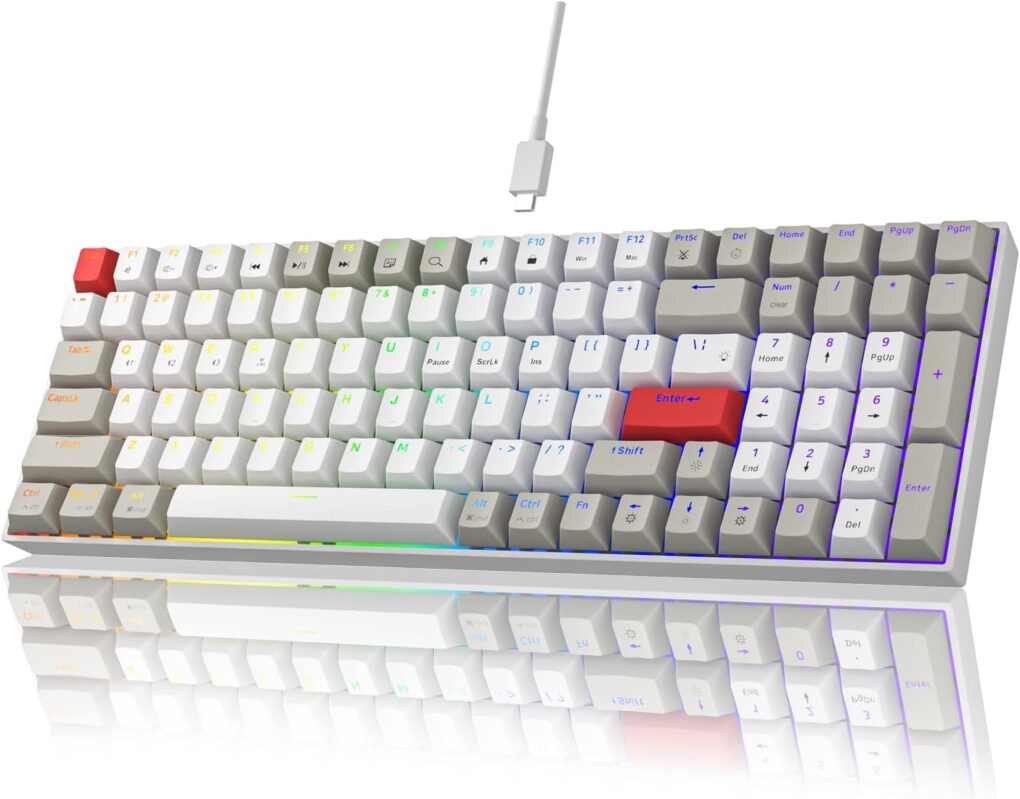
This mechanical keyboard for gaming will run you only about $40. Photo: Newmen
For people who have only used membrane keyboards in office and at home, whether Magic Keyboard or similar wares from the likes of Logitech, mechanical keyboards can be a tempting world to check out — especially for gamers (because mechanical keystrokes hit at the same time won’t cancel each other out). And mech-keeb customization can be fun. But where to start? Today’s MacBook Pro and gaming PC setup puts forward an excellent candidate for an affordable mechanical keyboard.
Play Resident Evil 2 on Mac, iPhone and iPad today! Image: Capcom
The updated version of Capcom’s classic Resident Evil 2 horror game can now be played on recent iPhone, iPad and Mac computers. And the cost has been slashed by 75% for a short time.
It’s the latest in the long-running series to hit Apple devices.
Are you ready for some seriously retro football? Photo: Apple Arcade
Apple is set to bolster Apple Arcade gaming with three exciting new titles in September. NFL Retro Bowl ’25 headlines the additions. It’s an exclusive collaboration between the National Football League and the creators of the popular App Store game Retro Bowl.
★★★★☆
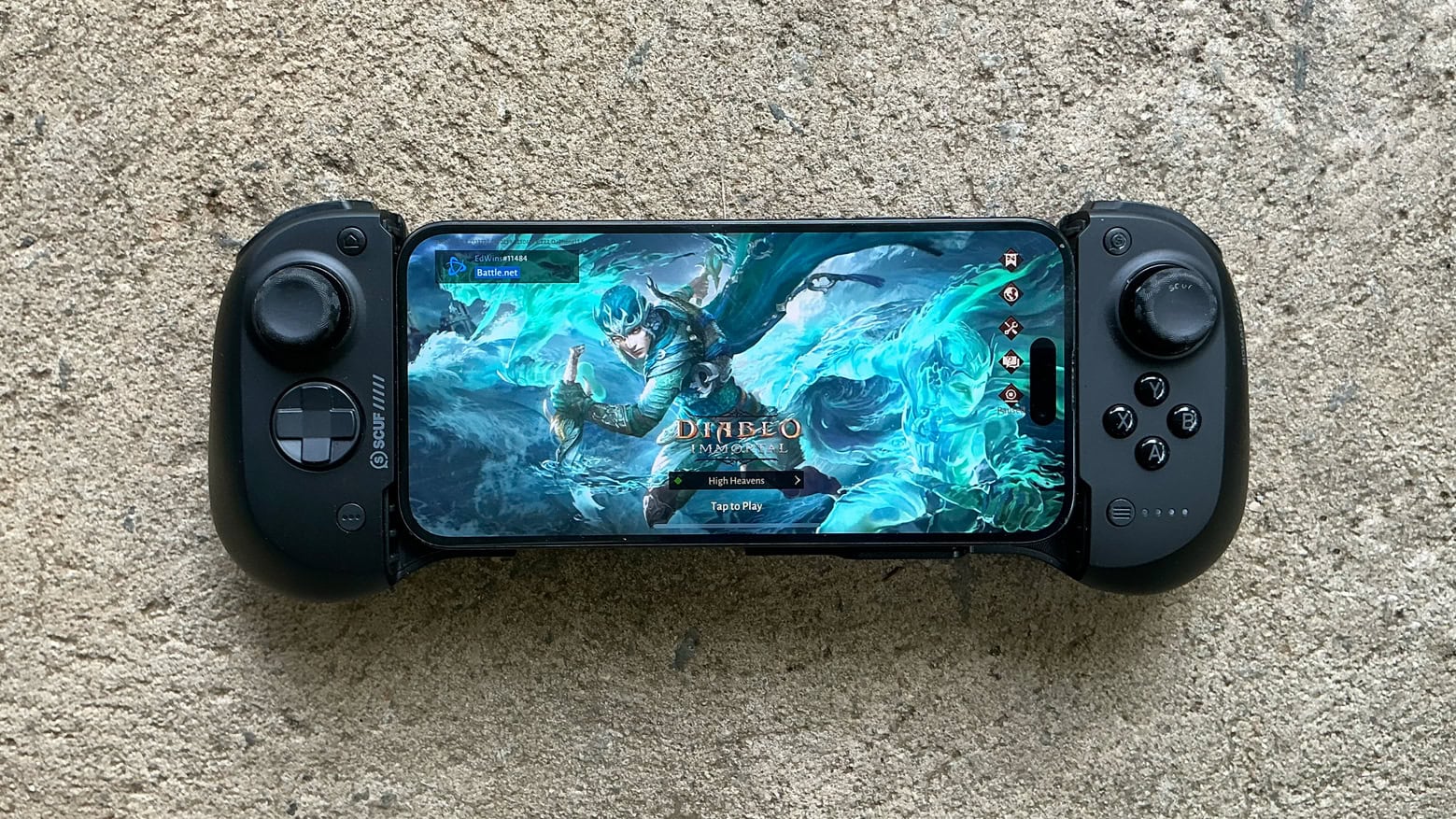
Scuf Nomad is one of the best iPhone game controllers I've tested. Photo: Ed Hardy/Cult of Mac
The new Scuf Nomad makes playing advanced games on your iPhone much more fun by adding physical buttons, triggers and sticks. It’s designed to go where you go, and works on nearly every iPhone.
The controller emphasizes customization, allowing you to change what the buttons do even if the game itself doesn’t support that. And there are rear paddles in addition to all the usual controls.
I happily played hours of games on the Nomad — here’s what it’s like to use.
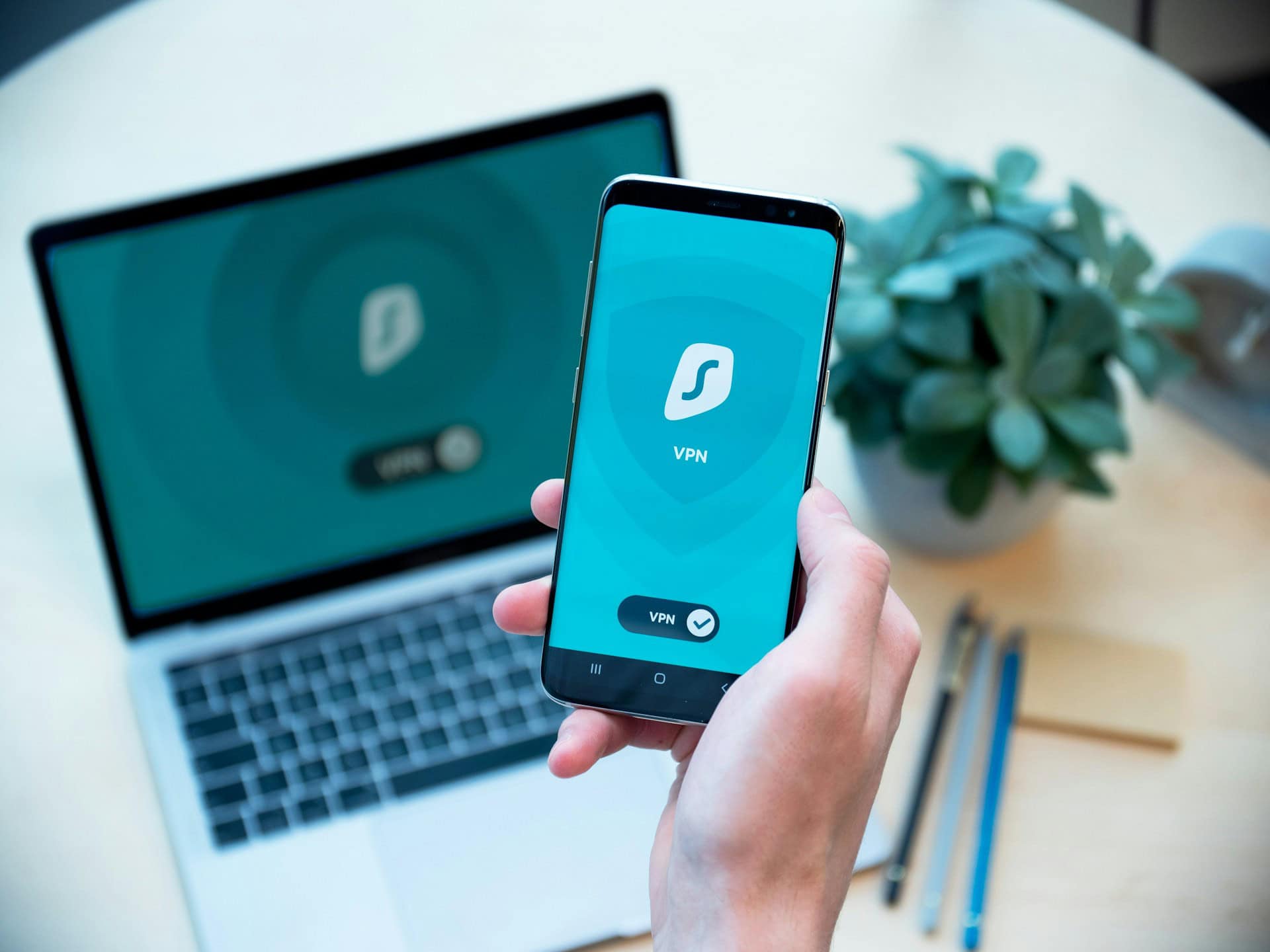
Any devices you use online can benefit from a VPN, including Macs and iPhones. Photo: Dan Nelson/Unsplash License
VPNs are beneficial for gamers and streaming viewers, but they also enhance security and ensure privacy while you’re online, making them useful for all internet users.
Below we look at whether Mac users need to use a VPN device. We also provide information for those questioning VPN safety and wanting to how to choose a service that improves online security and privacy. One big question many users have is whether a free service offers the kind of protection you’re looking for while online. According to software reviews expert Aleksander Stevanovic, free VPNs don’t necessarily enhance security but might actually compromise your system. So, should you use a paid alternative? Let’s find out.
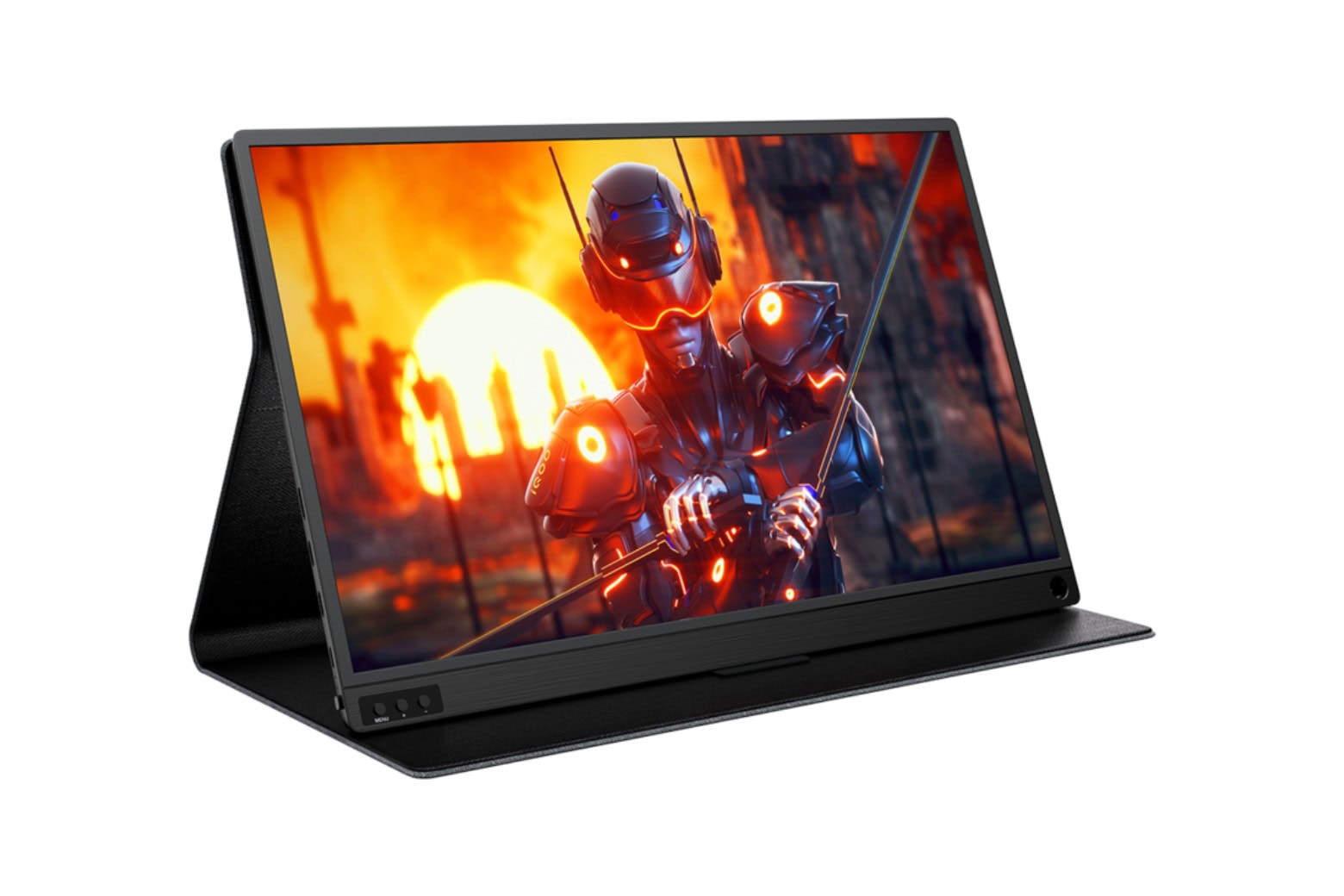
Take a monitor optimized for gaming anywhere you want to go. Photo: Cult of Mac Deals
Aiming to maximize your mobile gaming setup? You’ll need the right monitor to do that. And for a limited time, we’re offering special pricing on an impressive upgrade. Featuring a 144Hz refresh rate, this 16-inch UXbox 2K portable monitor is currently available for only $219.99 (regularly $329) with no coupon required.
That’s more than 30% off a product that is primed to provide immersive gameplay on the go via versatile connectivity.
Most of the gear here is from NZXT. So let's look into that. Photo: [email protected]
Not being huge PC gamers, we aren’t particularly familiar with NZXT, a company based in Los Angeles that makes high-performance gaming PCs and the gear that goes with them. So when we saw today’s M1 Mac mini setup looking like a giant ad for NZXT, we thought we’d give it a look. The user loves his NZXT Relay lineup of gear, including powerful speakers and a wired headset with a surprisingly functional stand.
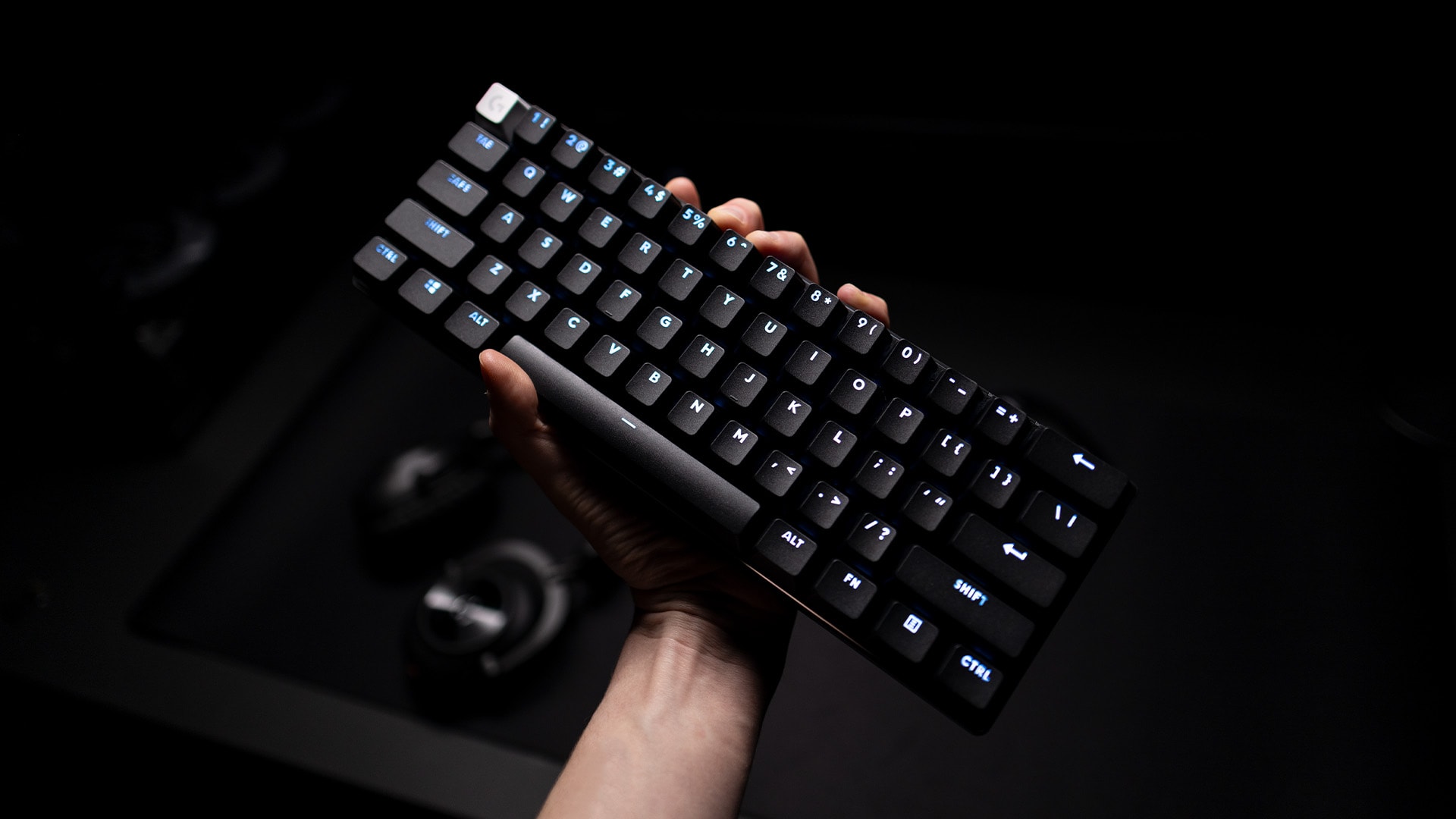
Get your game on with Logitech G's capable new mechanical keyboard. Photo: Logitech G
Serious gamers will soon have a compact and highly equipped new input device to try — the Logitech Pro X 60 Lightspeed Gaming Keyboard. The Swiss peripherals giant said this week it designed the sleek board with leading gamers.
This hot-swappable keyboard comes with a choice of many cases. Photo: Drop/Corsair
Drop, owned by gaming powerhouse Corsair, rolled out the compact new CSTM65, a 65% mechanical keyboard, the company said Wednesday. It allows a high degree of personalization much like the larger, recently released CSTM80.
You favorite video game could offer a career opportunity. Photo: JESHOOTS.com@Pexels
Believe it or not, a video game you know and love could turn into a fulfilling, lifelong career. And we’re not just talking about esports, where pro gamers compete for cash and prestige. For instance, driving simulator Gran Turismo could set you up for success on a real racetrack. Or factory simulator Satisfactory could prepare you for a role in project management.
SPONSORED
This post is brought to you by Web Oracle.
Let’s explore how your preference for a particular video game genre can highlight potential career opportunities, from esports gaming to earning an online masters degree in project management.
Apple, please do what it takes to make "Mac gamer" no longer an oxymoron. Photo: Apple
The Apple A3 series processors make the latest Macs into powerful gaming machines. And macOS Sonoma includes tools to make porting PC games to Mac much easier. As a gamer myself, these are very welcome moves.
But right now, Apple is taking a “build it and they will come” attitude. History shows there’s an important step needed to turn Mac into a serious competition for PC and gaming consoles: CEO Tim Cook and Co. need to put their money where their mouths are and financially encourage top game developers to bring their products to macOS.
That might even include buying one or more game developers.
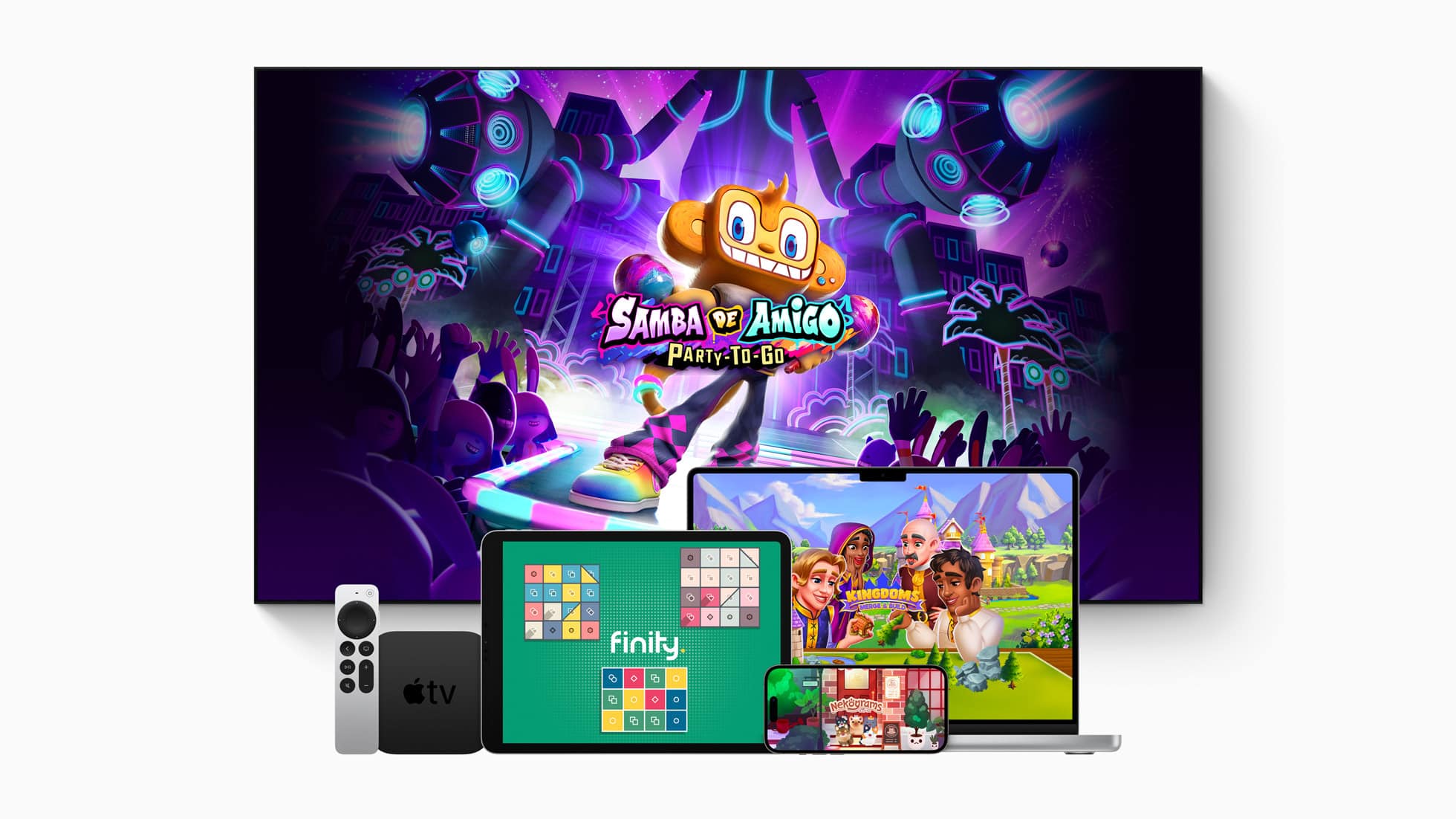
Coming to Apple Arcade in August: Samba de Amigo: Party-to-Go plus three puzzle games. Photo: Apple
Apple said Tuesday it will add four new games and more than 30 updates and events to Apple Arcade in August.
New games include a revival of Sega’s classic rhythm game Samba de Amigo: Party-To-Go, puzzle games Nekograms+ and Kingdoms: Merge & Build, and indie puzzle-remix game finity.
“Samba de Amigo: Party-To-Go is coming soon to Apple Arcade with exciting new songs and a series first Story Mode only found on the service,” said Ian Curran, president and chief operating officer of Sega of America.
Razer Moray wired in-ear monitors are designed for marathon gaming and streaming sessions. Photo: Razer
Razer, known for gaming gear, sounded off Tuesday with its first in-ear monitors (IEM) — Razer Moray.
Designed for gamers and streamers, the new wired earbuds emphasize THX-certified audio, natural noise isolation and lightweight comfort for long gaming and streaming sessions, the company said.
Porting PC games to the Mac just got “easier than ever before.” Photo: Apple
A stealth announcement at WWDC23 is that Apple has significantly lowered the barrier of entry to port PC games to the Mac. A new Game Porting Toolkit “provides an emulation environment to run your existing, unmodified Windows game,” says Aiswariya Sreenivassan — a GPU, graphics and displays software engineer at Apple.
It’s a big gap to clear, which is why the Mac has been left behind in recent years. PC games are compiled for the Intel x86 architecture that the Mac just finished moving away from. The unified Apple silicon architecture bears little resemblance to the standard gaming PC with discrete graphics cards and memory. Apple’s Metal 3 library is very different from DirectX, Unity, Unreal and Vulkan — the usual suspects across the computing pond.
Apple’s new tools could open the floodgates for Mac ports of popular PC games. According to a game engine programmer I spoke with, the Game Porting Toolkit demo is “really impressive.” If the tools work as well in practice as in Apple’s demo, they “would be incredibly useful,” said the developer, who works for a major game developer and asked to remain anonymous.
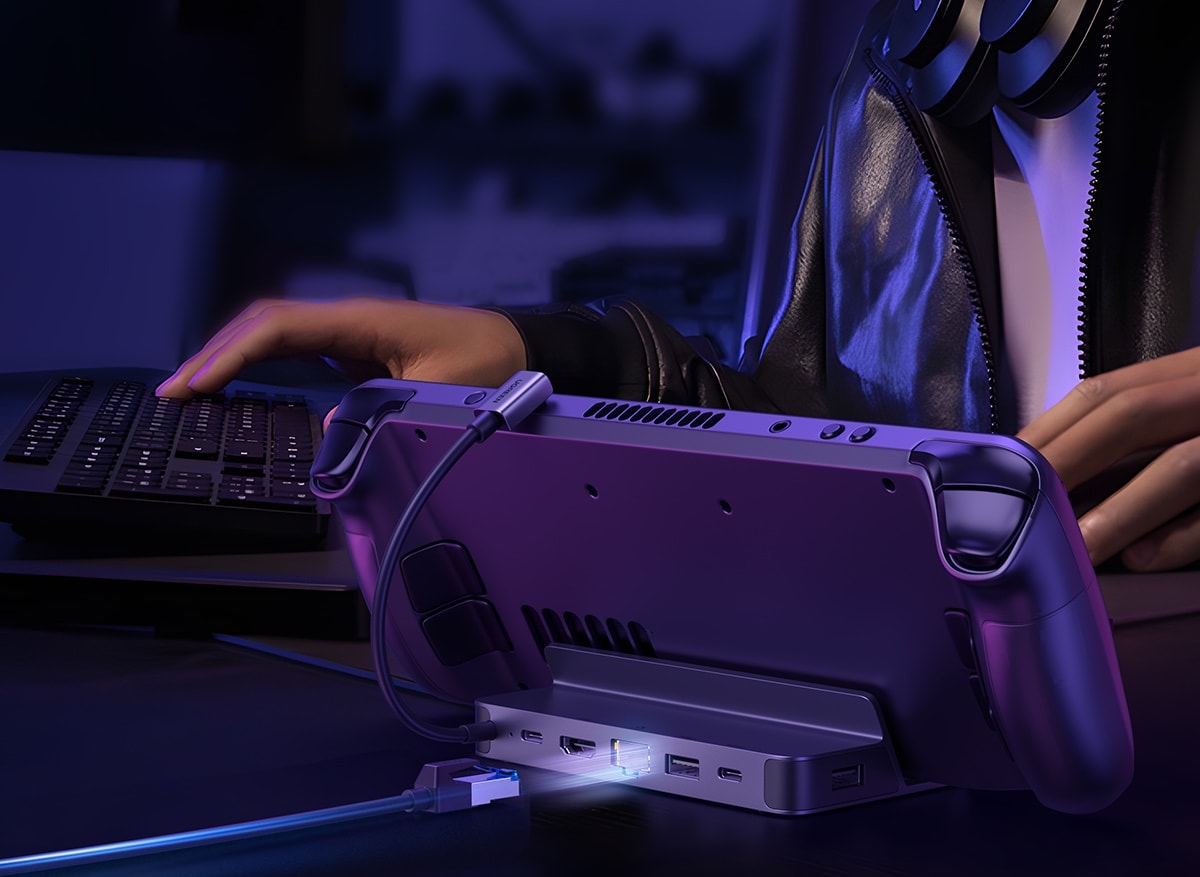
Bring your Steam Deck gaming to a big screen and use other peripherals with it, too. Photo: Ugreen
Ugreen unveiled its new 6-in-1 USB Steam Deck Dock Thursday, saying it provides gamers with a range of high-speed connectivity, 4K@60Hz output and fast charging.