 October 1, 2011: Just days before Apple plans to unveil the iPhone 4s, the device’s name leaks after the latest iTunes beta inadvertently spills the beans.
The code also reveals that Apple’s new handset will come in black and white color options.
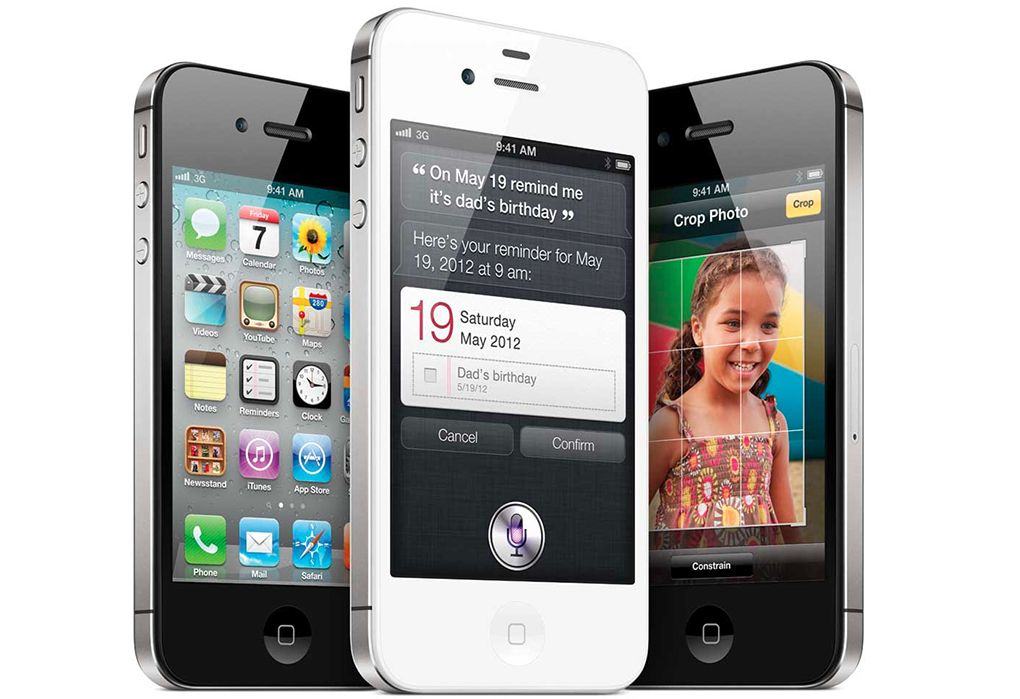
October 1, 2011: Just days before Apple plans to unveil the iPhone 4s, the device’s name leaks after the latest iTunes beta inadvertently spills the beans.
The code also reveals that Apple’s new handset will come in black and white color options.

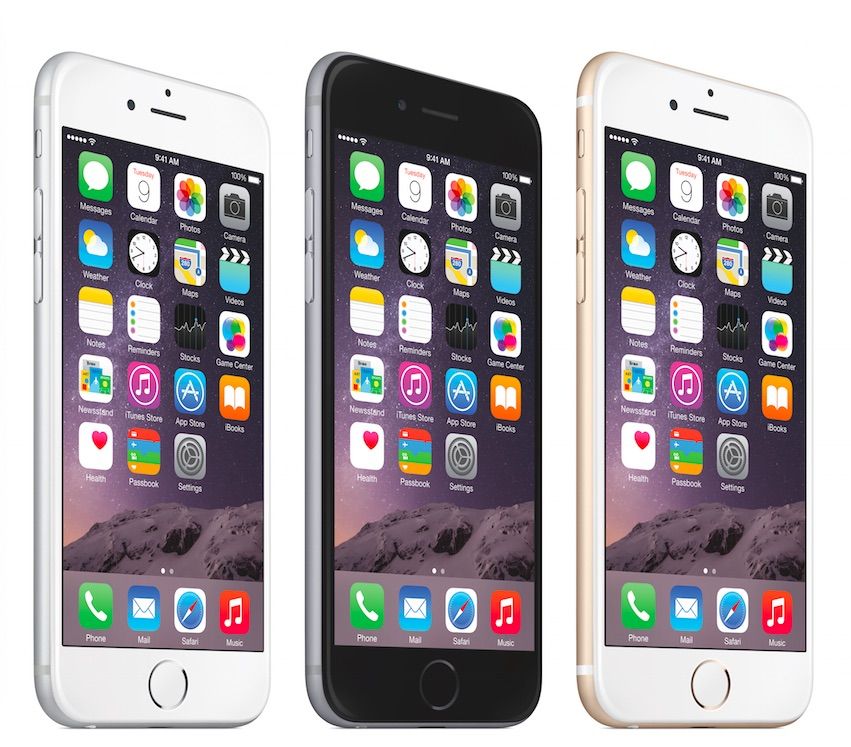
 September 22, 2014: Apple notches a new sales record with the iPhone 6 and iPhone 6 Plus launch, selling an astonishing 10 million units in the first weekend the handsets go on sale.
The eagerly anticipated smartphones bring a redesigned form factor that will persist for years. The most obvious change? Larger 4.7-inch and 5.5-inch displays built to lure phablet fans. The iPhone 6 and 6 Plus also boast an A8 chip, improved iSight and FaceTime cameras, and — significantly — Apple Pay for secure mobile payments.
“Sales for iPhone 6 and iPhone 6 Plus exceeded our expectations for the launch weekend, and we couldn’t be happier,” Apple CEO Tim Cook says in a press release. “We would like to thank all of our customers for making this our best launch ever, shattering all previous sell-through records by a large margin.”
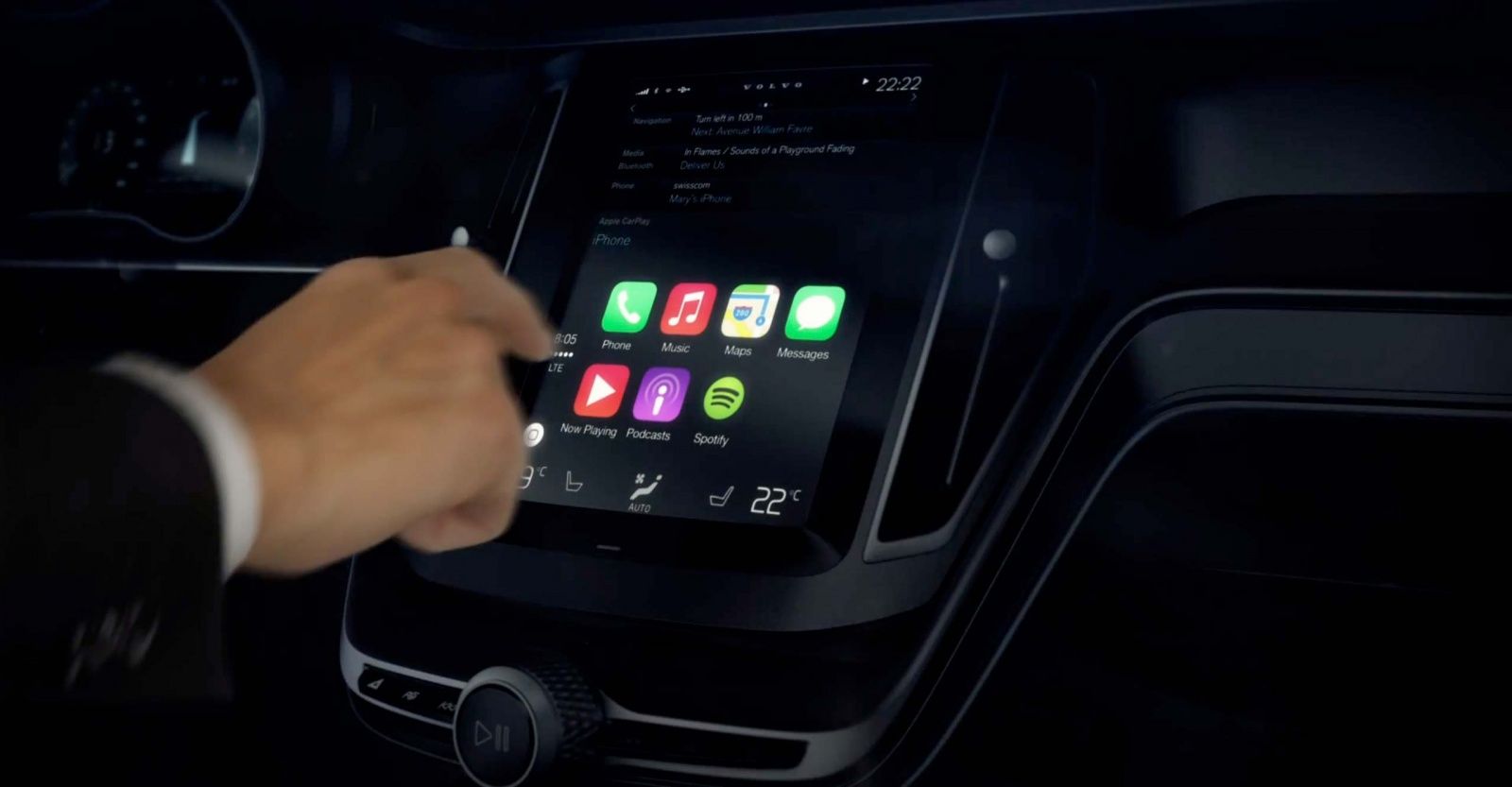
 March 3, 2014: With the CarPlay launch, Apple introduces iOS functionality for iPhone users behind the wheel via the car’s in-dash screen.
Showcasing the new car infotainment platform at the Geneva International Auto Show, Apple calls CarPlay “a smarter, safer and more fun way to use iPhone in the car.” Vehicles from Ferrari, Mercedes-Benz and Volvo are the first off the line to incorporate it.
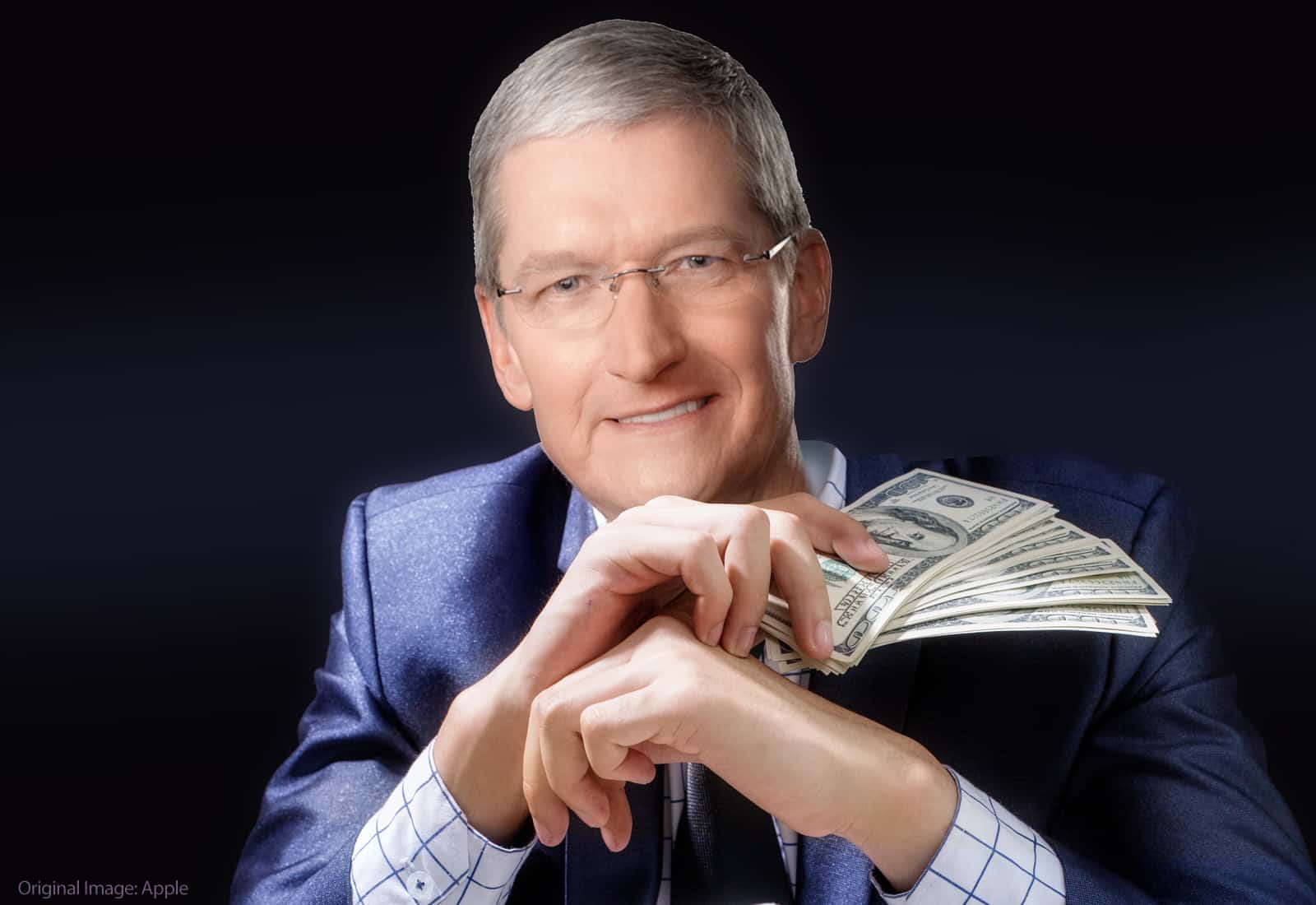
 August 20, 2012: Apple passes a financial milestone as it becomes the most valuable publicly traded stock ever.
The company it bests to attain this record? Longtime rival Microsoft, which peaked on December 30, 1999. Apple’s surge to the top spot serves as a reminder of just how radically the fortunes of both companies changed over the years.
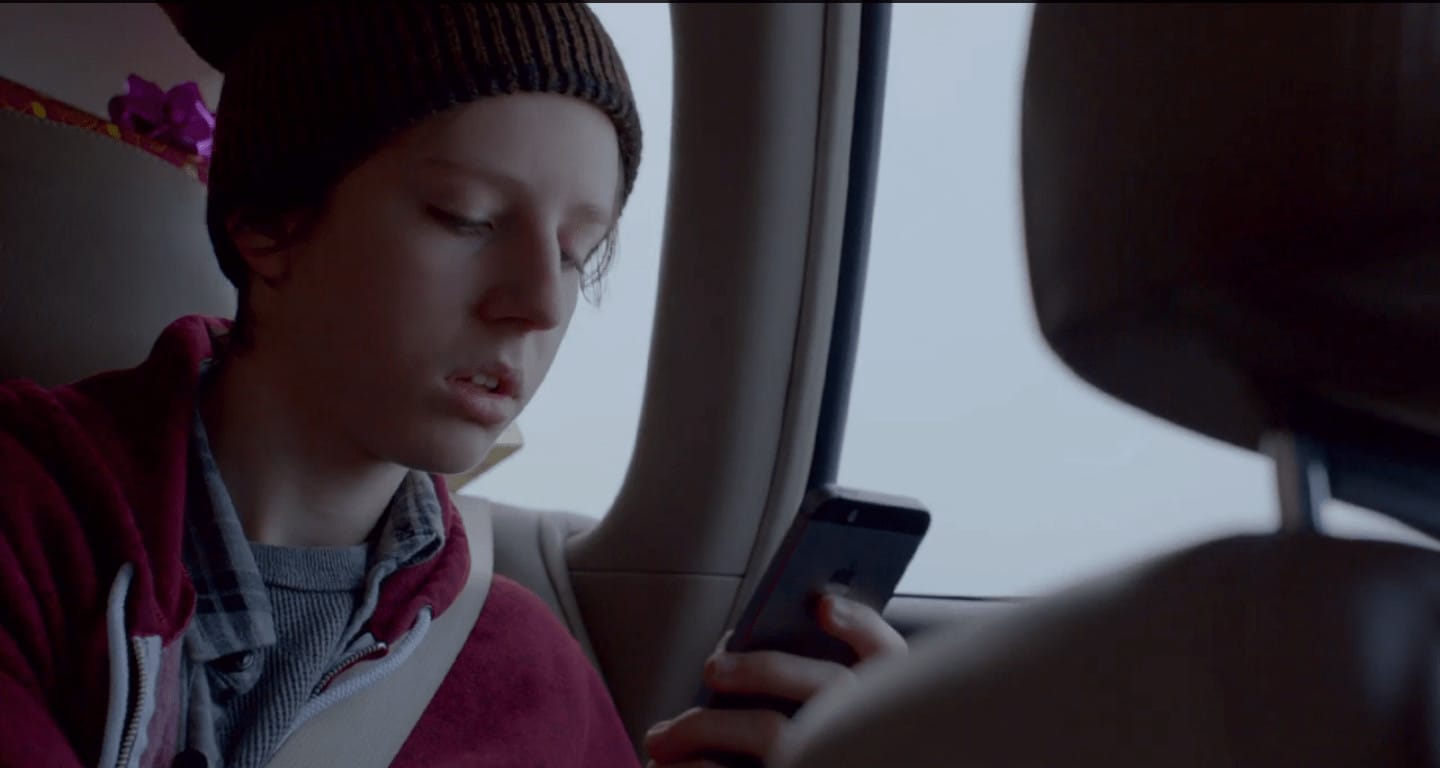
 August 18, 2014: A Christmas-themed iPhone ad lands Apple an Emmy for “Most Outstanding Commercial of the Year.”
The prize-winning spot is Apple’s “Misunderstood” iPhone 5s ad. It depicts a silent teenager who won’t spend time with his family at Christmas because he’s too busy with his iPhone. At the end of the ad, he reveals that he’s not actually being a misanthrope. He used his iPhone and iMovie to shoot and edit a heartwarming family montage!
 July 21, 2011: Apple officially passes Nokia to become the world’s top smartphone vendor.
It’s a major milestone for Apple, which launched the iPhone just four years earlier. For Nokia, the Finnish company that dominated the cellphone market during the 1990s and early 2000s, it marks the end of an era.
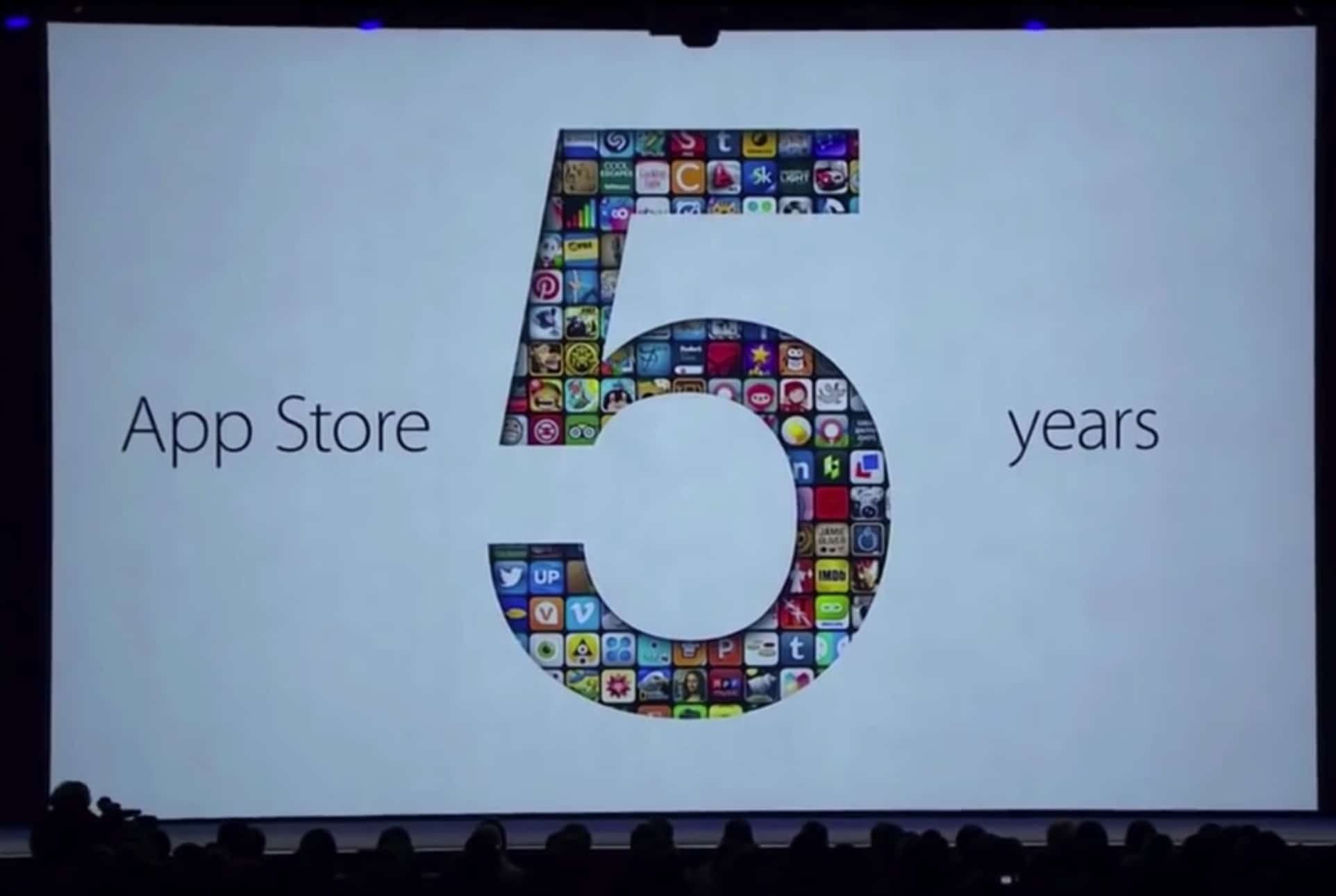
 June 10, 2013: Apple passes a major milestone in iOS history, as payments to app developers top $10 billion on the App Store’s fifth birthday.
Speaking at WWDC 2013, Apple CEO Tim Cook reveals that the company paid out half of this money in the previous year. He also notes that this outrageous total is three times more than all other app store platforms combined. With 575 million user accounts registered, Apple has more credit cards on file than any other company on the internet.
People have downloaded 50 billion apps in total out of a collection of 900,000 available, Cook says, with 93% of the apps downloaded at least once every month.
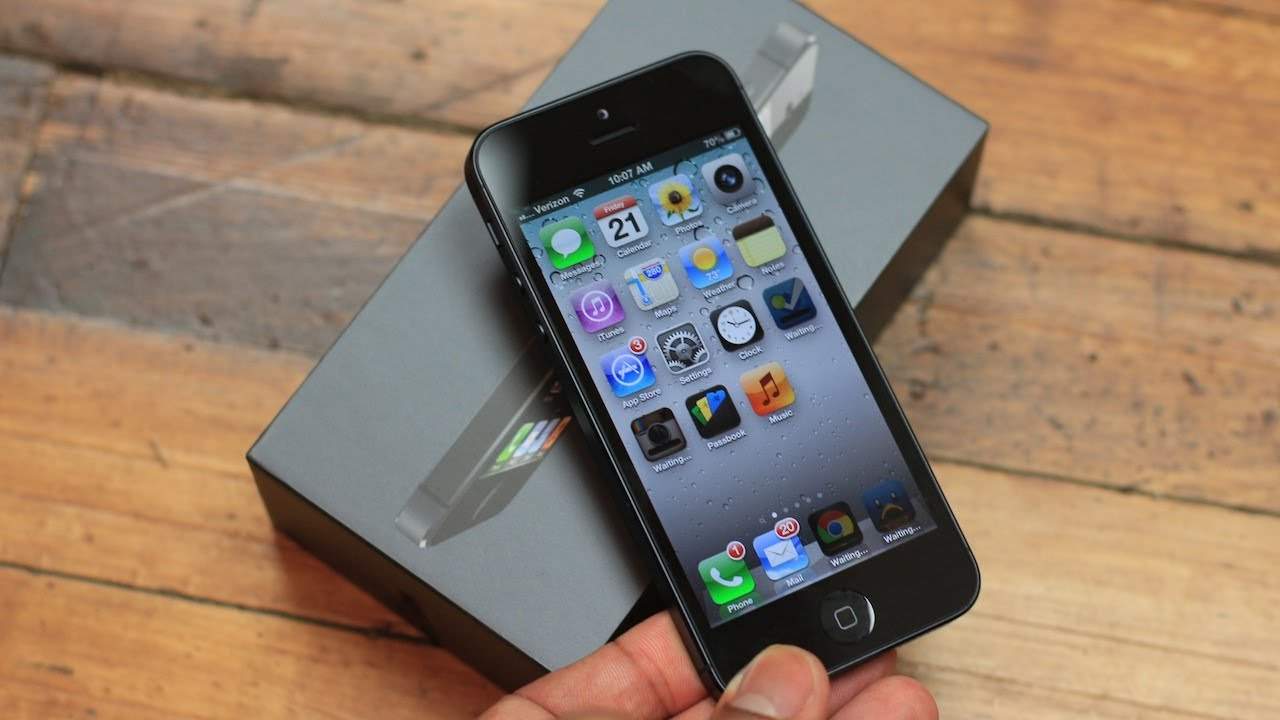
 September 12, 2012: Apple introduces the iPhone 5, with a super-slim form factor that makes it the thinnest smartphone in the world.
The new iPhone also brings impressive upgrades such as a greatly improved display and the Lightning port. Despite some controversy, it proves a massive hit.
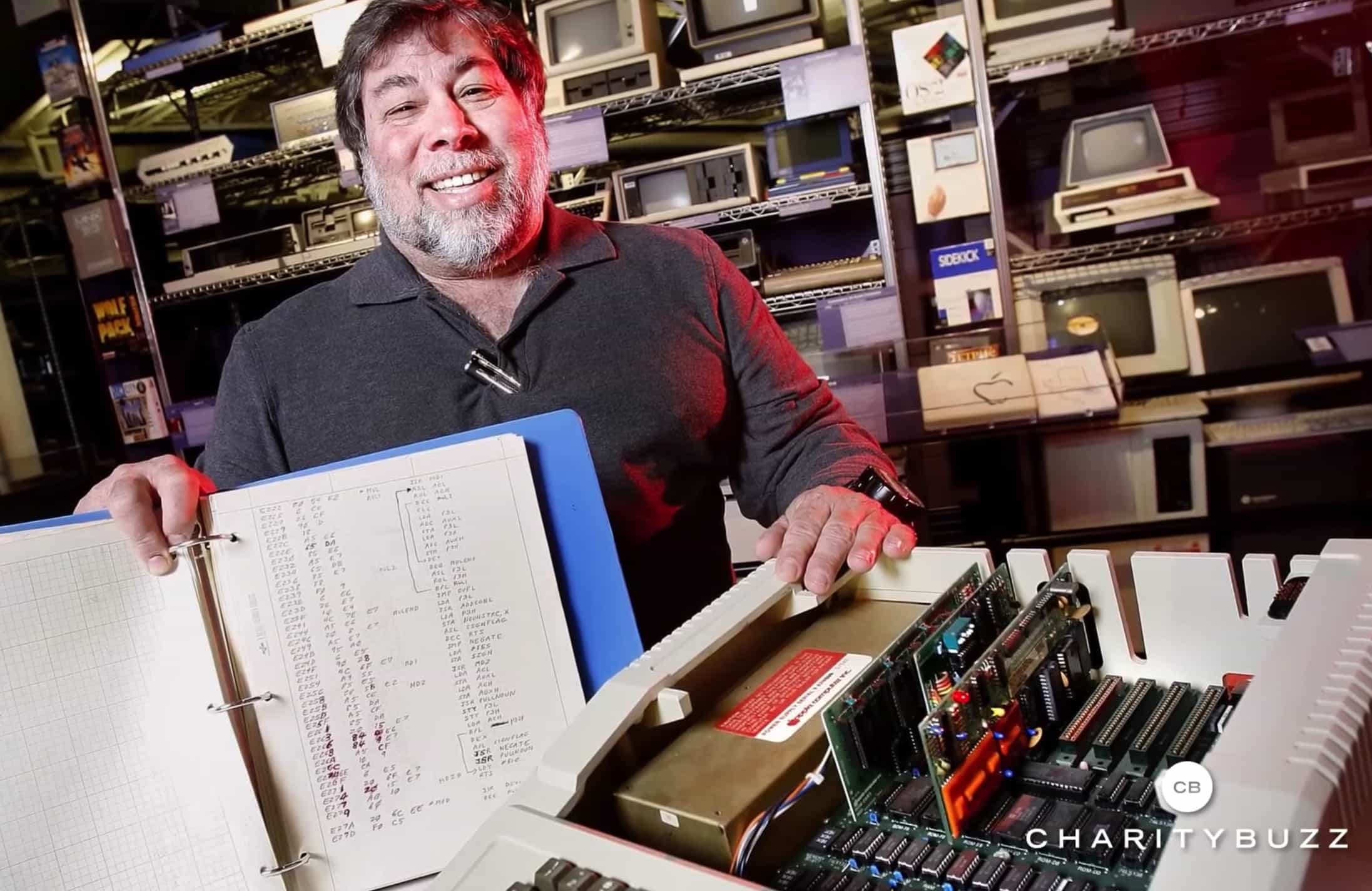
 August 25, 2016: An ultra-rare Apple-1 computer raises $815,000 in a charity auction, one of the highest prices ever paid for one of the machines. Bidding actually reaches $1.2 million in the auction’s final minutes. However, that bid gets pulled seconds before a winner is announced.
The reason for the super-high price? This “Celebration” Apple-1 boasts a feature that did not appear on any production models of the computer.
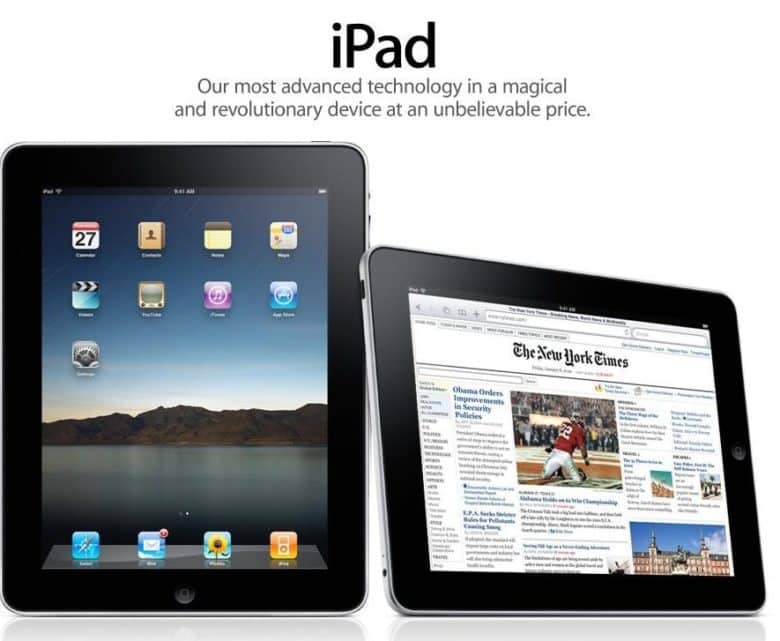
 June 30, 2011: A little more than a year after the iPad goes on sale, the number of iPad-exclusive apps in the App Store passes 100,000.
The milestone caps a brilliant first year for Apple’s long-awaited tablet. And the amazing breadth of iPad-only apps proves the device is much more than just a bigger iPhone.
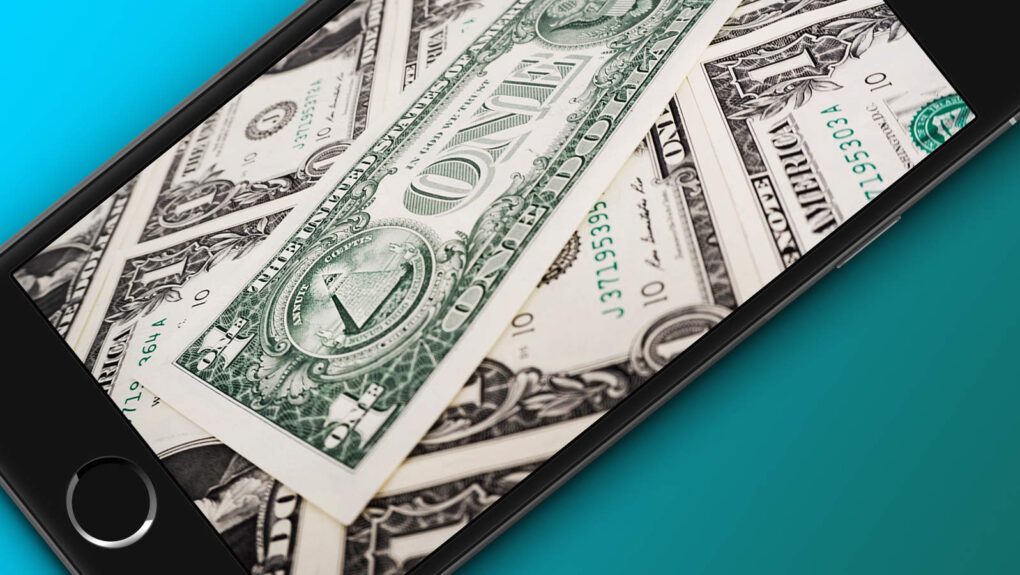
 August 20, 2012: Apple breaks records as it becomes the most valuable public company in human history.
When markets close, Apple’s market cap — the stock price multiplied by the number of outstanding shares — sits at an astonishing $623.5 billion. This beats the previous record of $618.9 billion set by Microsoft on December 30, 1999, at the height of the dot-com bubble.
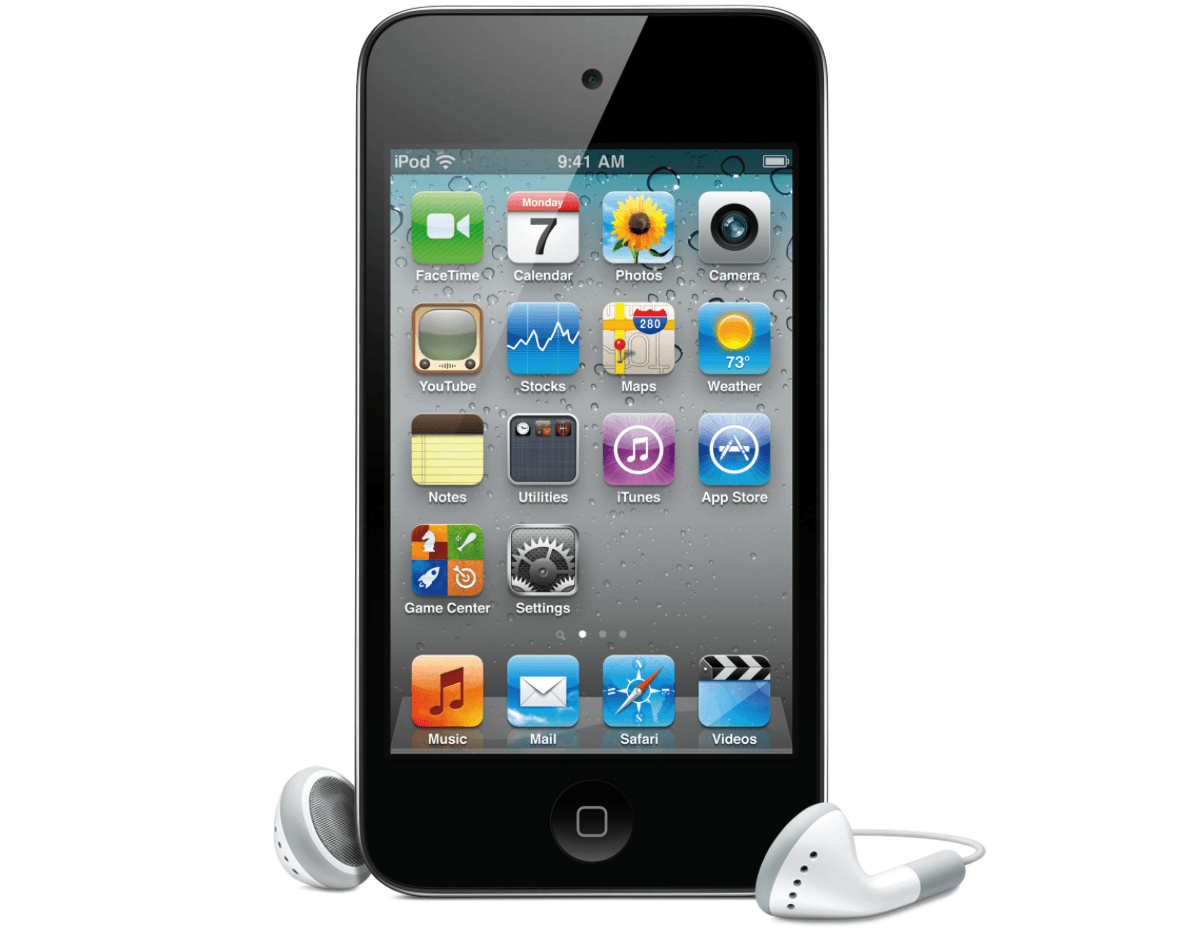
 September 1, 2010: Apple announces its fourth-generation iPod touch, a version of the portable music player which closes the gap between the iPod touch and the iPhone.
Along with being thinner than ever, the fourth-gen iPod touch’s main innovations include a redesigned form factor, Retina display, FaceTime calling via WiFi, HD video recording, and the same A4 chip found in the iPhone at the time.
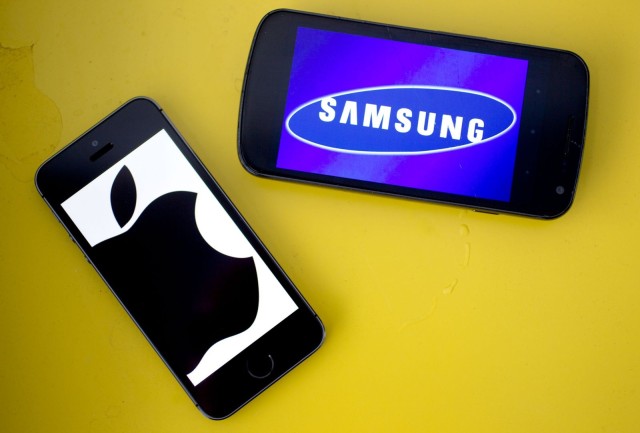
 August 4, 2010: Apple fires the first shot in its apparently never-ending war against Samsung, when a team of Apple executives visit Samsung’s HQ in Seoul, South Korea, and give a presentation with the title, “Samsung’s Use of Apple Patents in Smartphones.”
It marks the official start of a multi-billion dollar battle between the two rivals (and, weirdly, collaborators) which has continued to rage ever since.