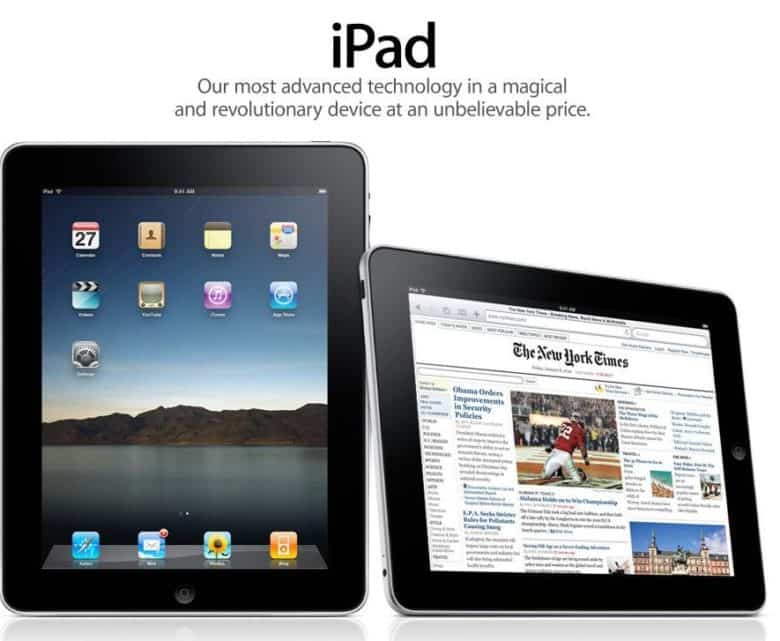
 February 8, 2010: Apple CEO Steve Jobs reportedly flips out over a tweet sent from an iPad by an editor at The Wall Street Journal.
The reason? Apple showed the iPad to top staffers at the news outlet months ahead of its official release. While Jobs already unveiled the device to the public a couple of weeks before, the suggestion that people outside Apple gained early access to the tablet apparently upset him.
The iPad tweet quickly disappears.

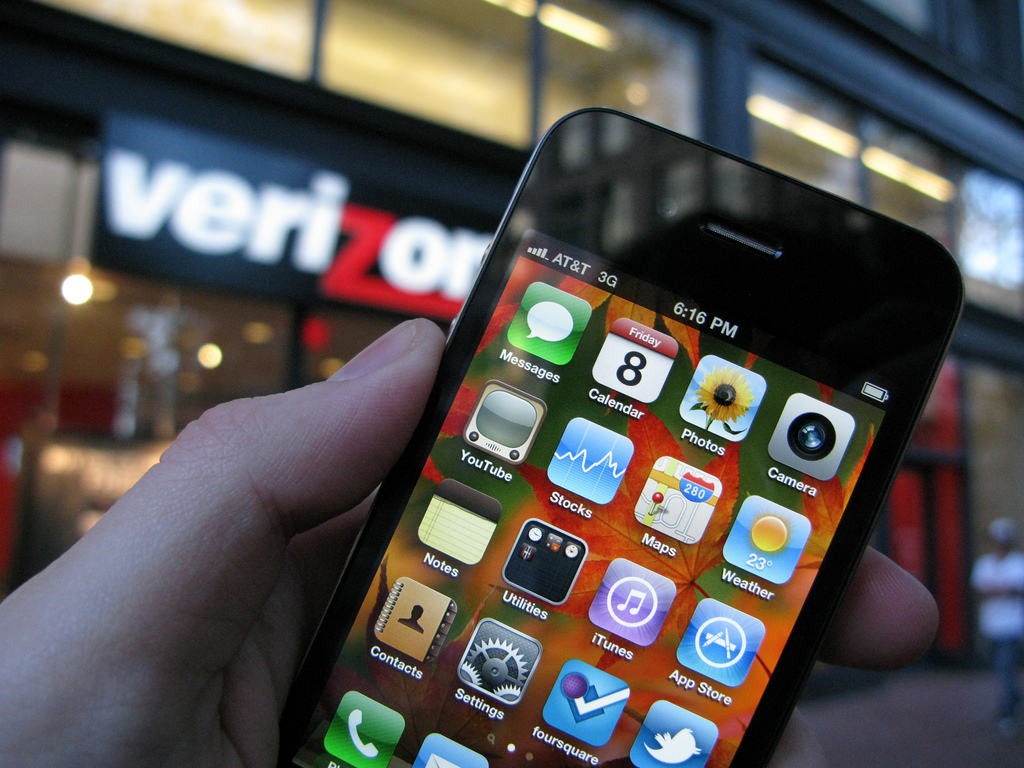
 February 3, 2011: The iPhone finally arrives on Verizon Wireless, the United States’ largest carrier, ending nearly four years of exclusivity with AT&T.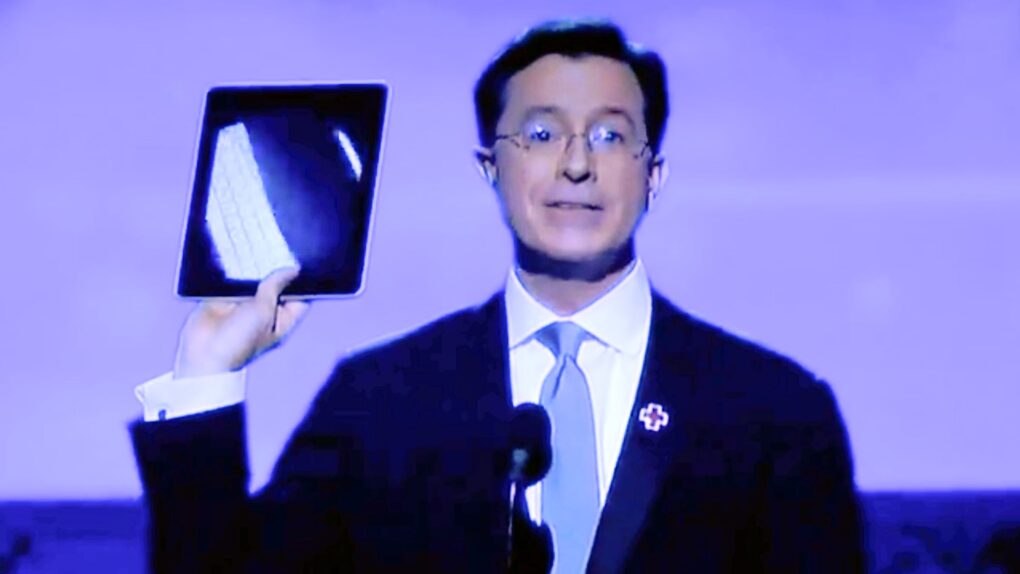
 February 1, 2010: The tech-loving world goes into meltdown at the sight of comedian Stephen Colbert using a prerelease iPad to read nominations during the televised Grammy Awards show.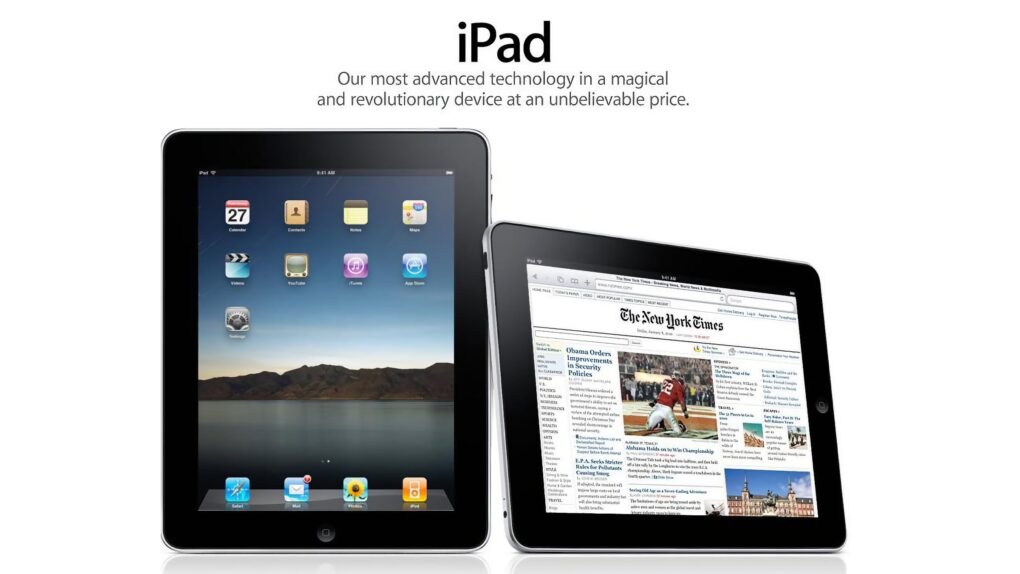
 January 27, 2010: After months of rumors and speculation, Apple CEO Steve Jobs publicly shows off the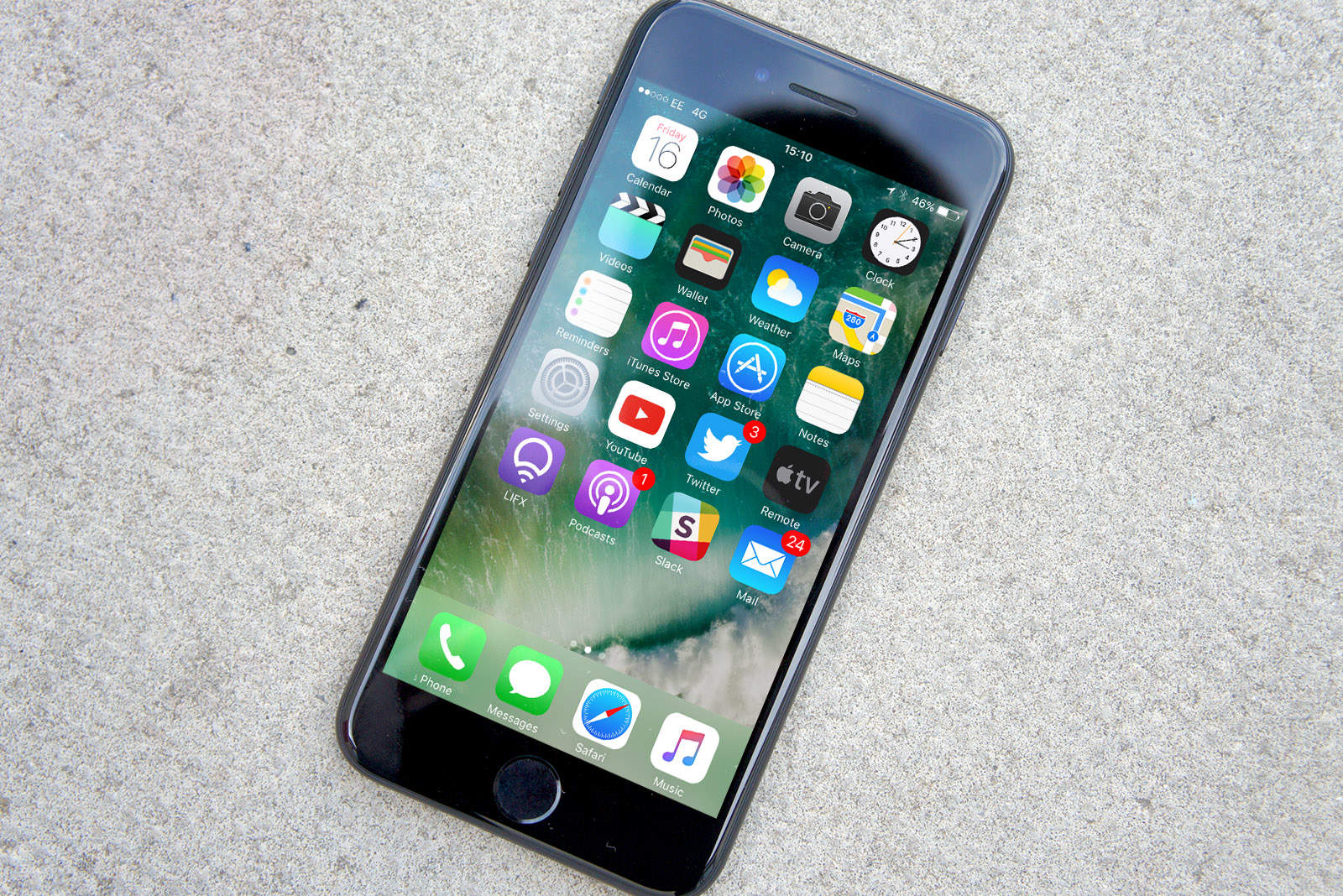
 January 26, 2016: After nine years of spectacular growth, iPhone sales flatline for the first time. Some observers say the sales plateau means that “peak iPhone” has finally arrived.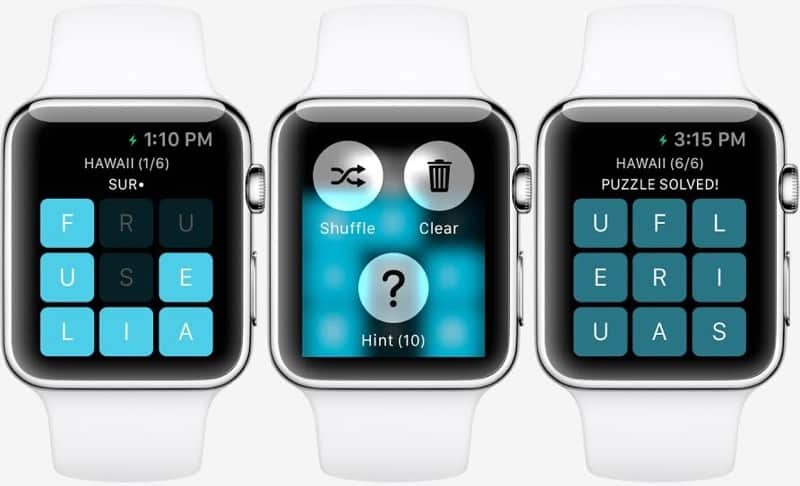
 January 21, 2015: Months before the first Apple Watch goes on sale, users get a glimpse at what playing games might look like on the smartwatch. Thanks to Apple making the WatchKit API available to third parties, game developer NimbleBit releases a mockup of Letterpad, its simple, work-in-progress word game.
 December 27, 2010: Almost four months after the second-gen Apple TV’s debut, Cupertino says it has sold 1 million of the streaming video devices.
 December 14, 2017: The much-anticipated iMac Pro finally reaches customers many months after Apple’s announced the product. With a built-in 27-inch, 5K display and an Intel Xeon processor, the high-end desktop combines the features of an iMac and a Mac Pro.
 December 11, 2013: A Chinese labor rights group calls on Apple to investigate the deaths of several workers at a Shanghai factory run by iPhone manufacturer Pegatron.
 December 9, 2011: Apple opens a store in New York’s fabled Grand Central Terminal, the company’s fifth Manhattan retail outlet.
 December 3, 2012: News Corp pulls the plug on The Daily, the world’s first iPad-only newspaper, less than two years after launching the publication.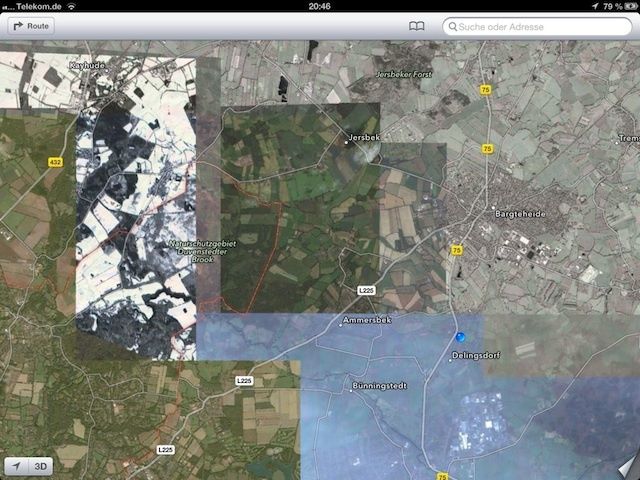
 November 27, 2012: Apple fires the manager responsible for the disastrous Apple Maps launch in iOS 6 after the glitchy software delivers embarrassingly bad data to users around the world.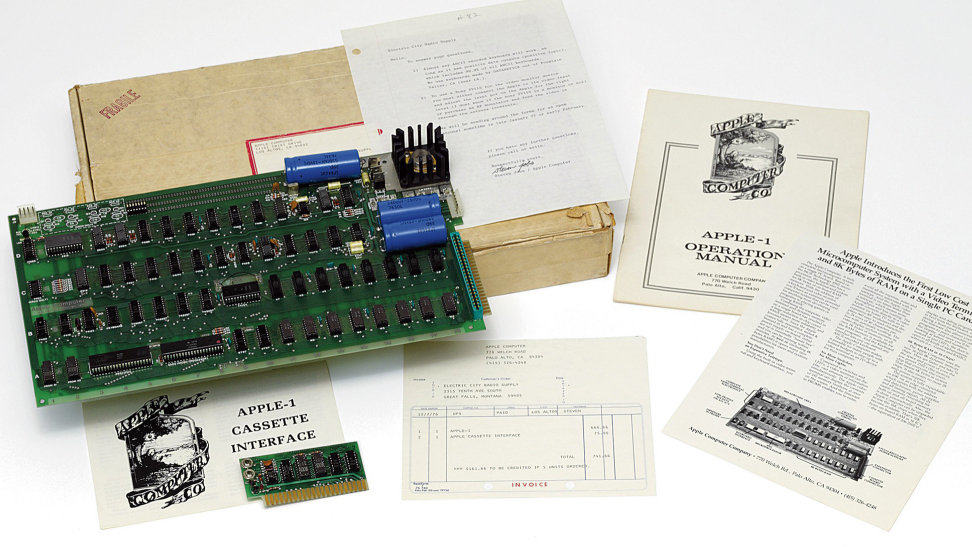
 November 23, 2010: An early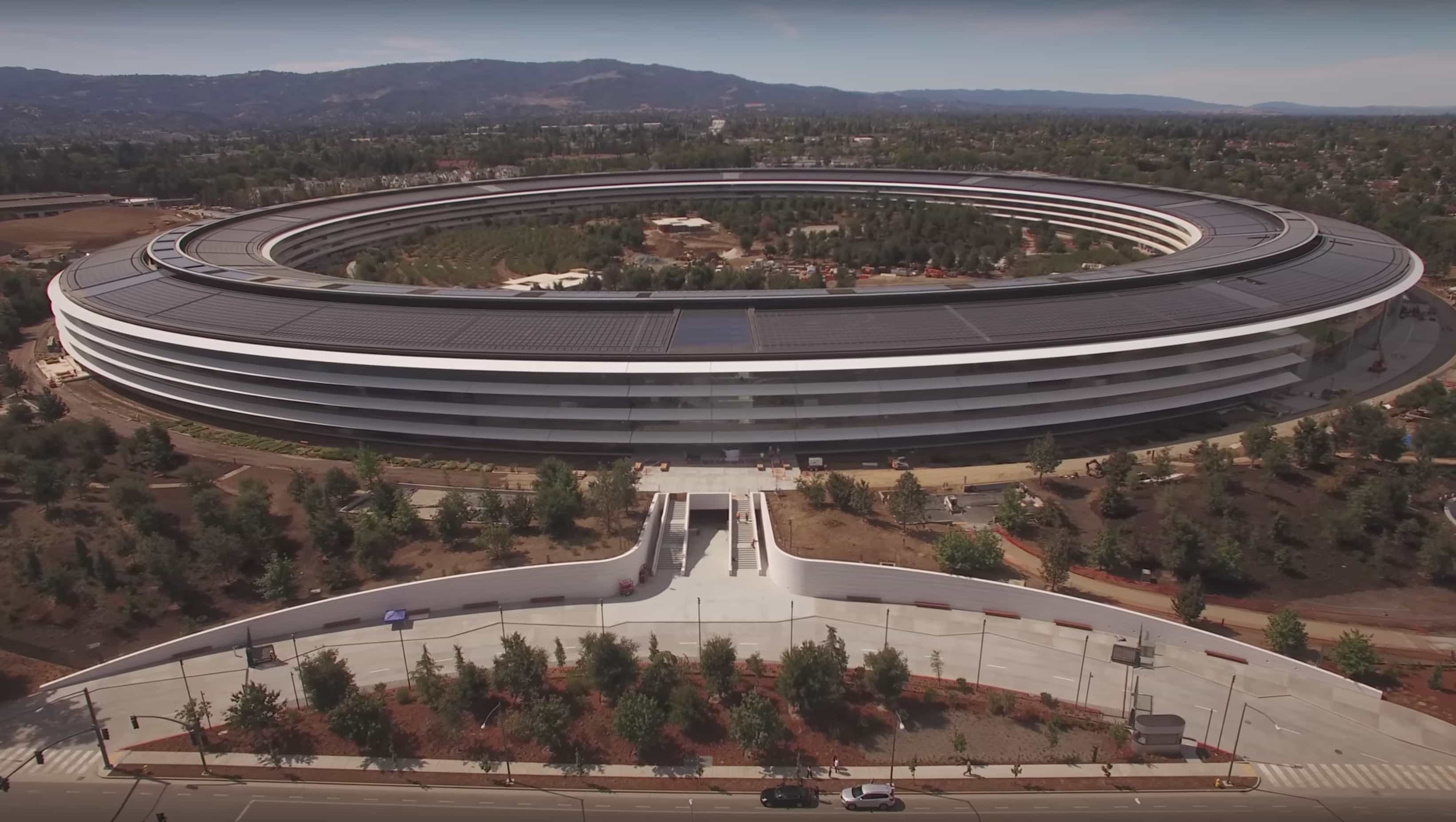
 November 19, 2013: Apple gets final approval from the Cupertino City Council to proceed with building a massive second campus to house the iPhone-maker’s growing army of workers in California. Regarding the new Apple headquarters, Cupertino Mayor Orrin Mahoney issues a simple message: “Go for it.”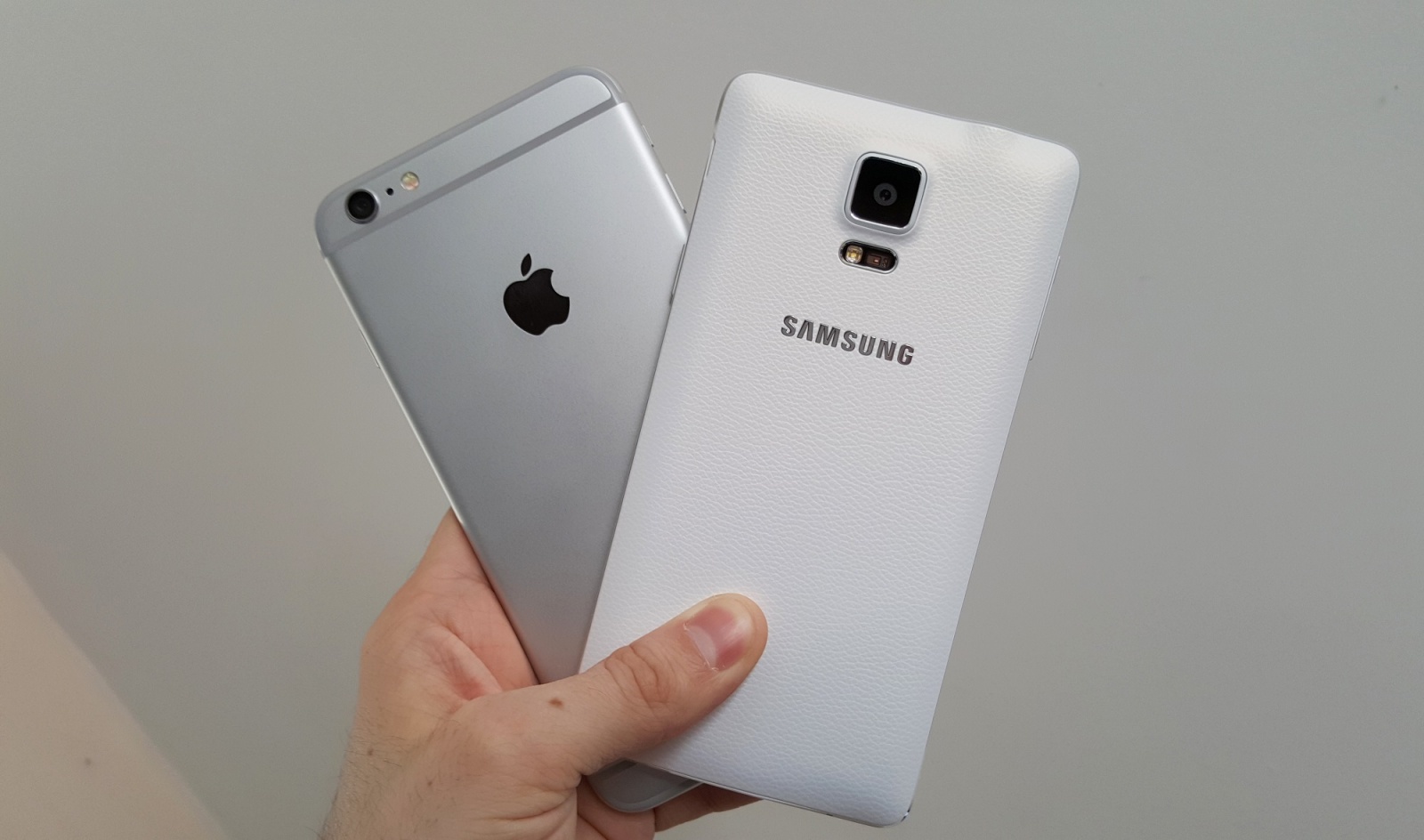
 November 13, 2013: Apple and Samsung head back to court to determine how much the Korean company must pay for having copied the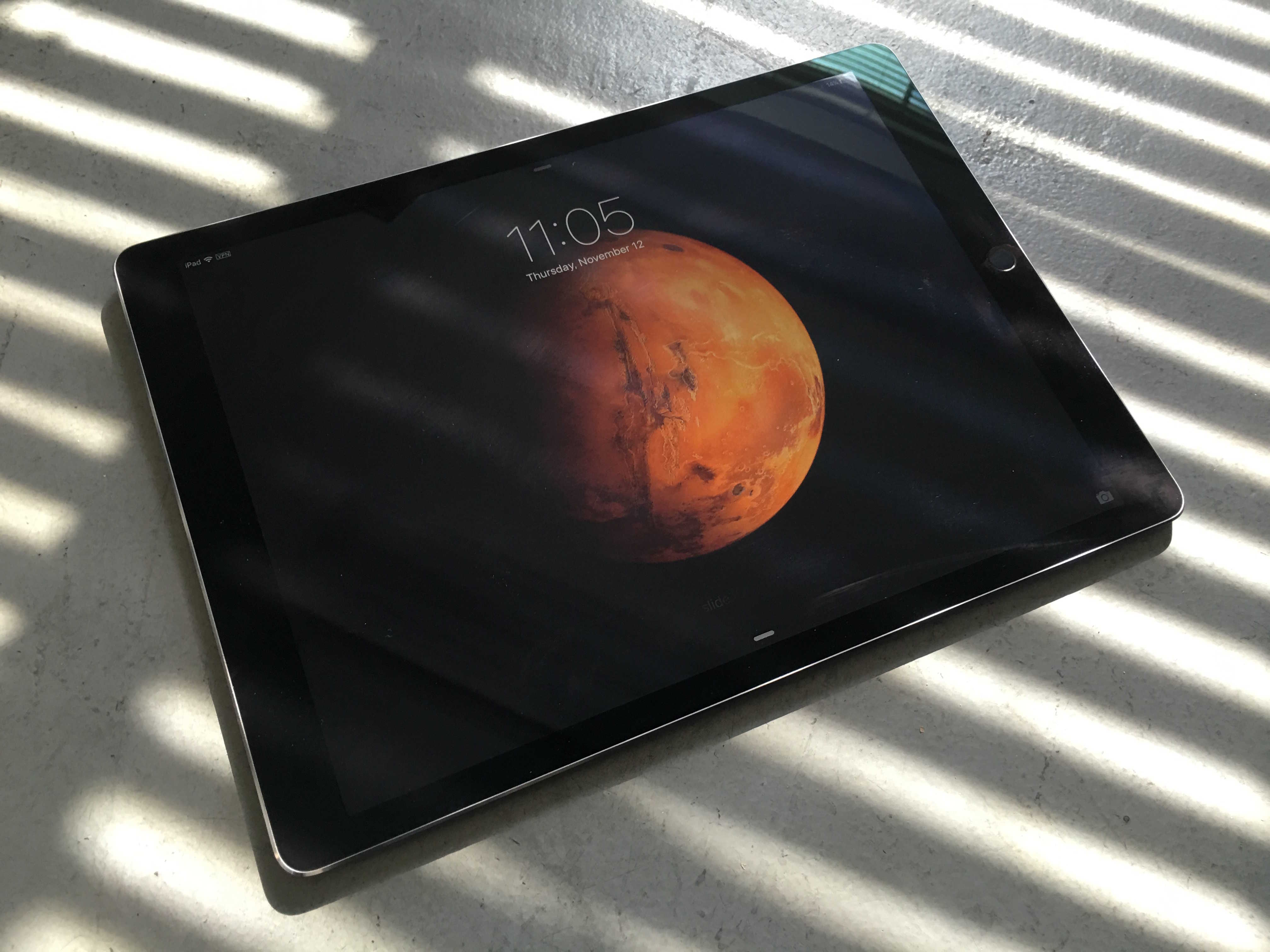
 November 11, 2015: Apple’s first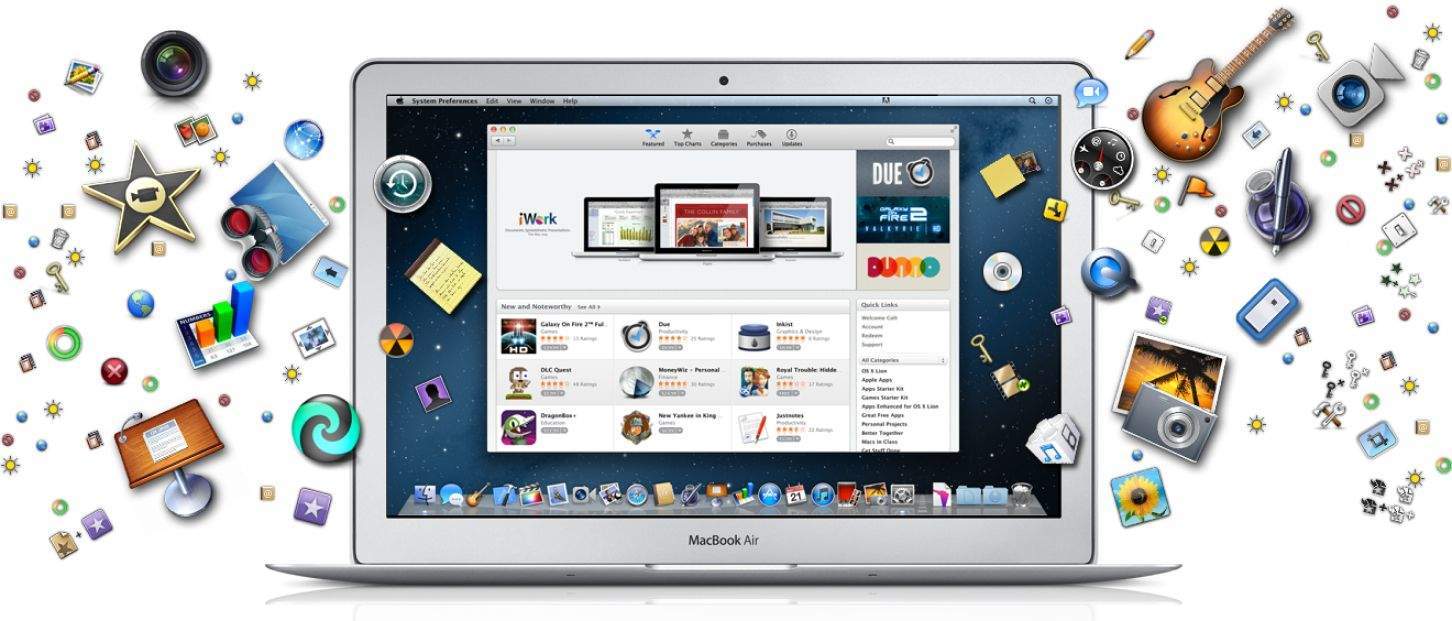
 November 3, 2010: Apple prepares to launch the Mac App Store, publicly accepting app submissions from registered developers — and kicking off a gold rush among coders.
 November 2, 2012: The first
 October 29, 2012: Scott Forstall, Apple’s senior vice president of iOS software, is fired from the company after the disastrous Apple Maps launch. After Forstall is ousted, Apple divvies up the roles he previously handled among other high-level execs.
 October 28, 2012: More than a year after Apple CEO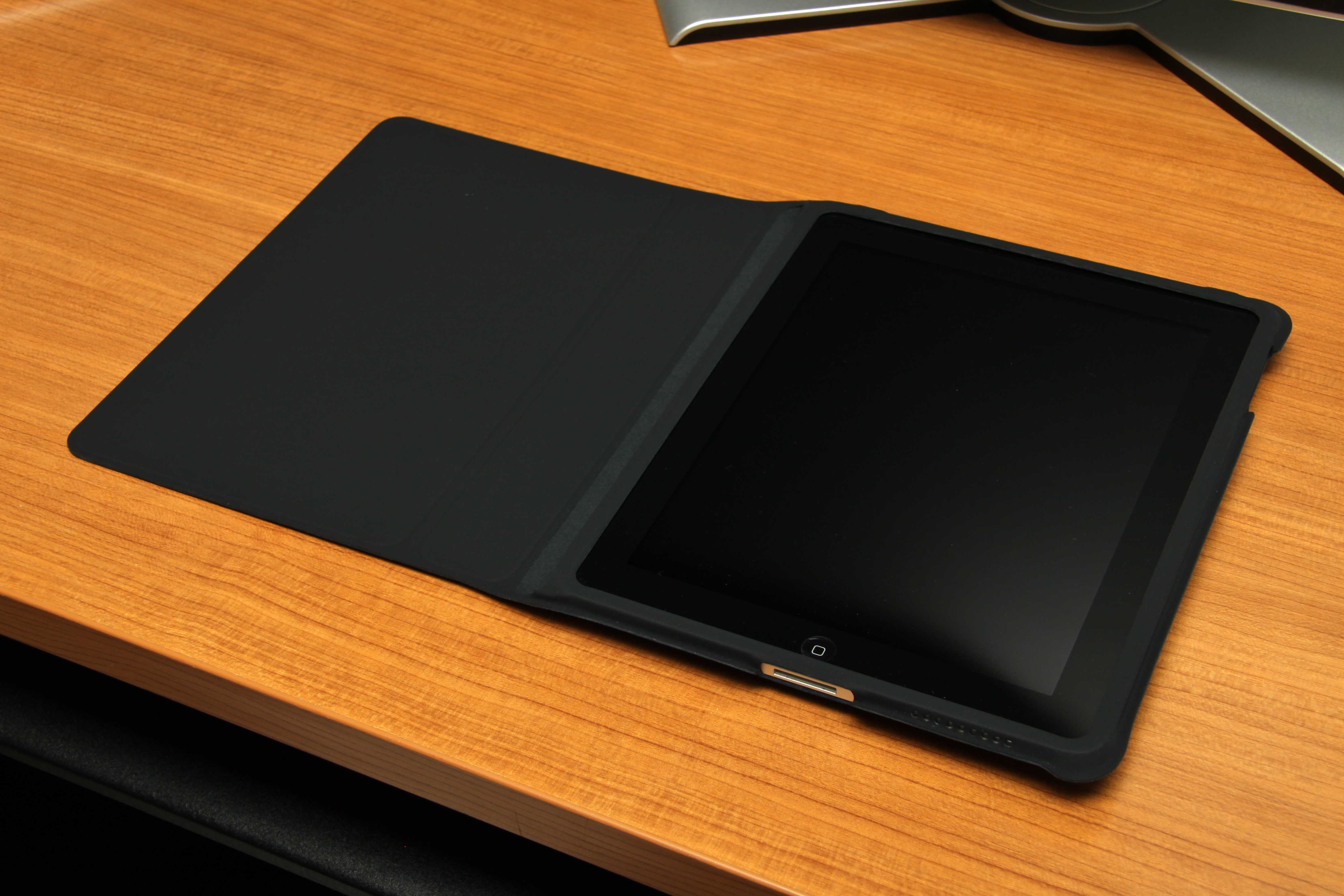
 October 18, 2010: Just six months after the original iPad debuts, Steve Jobs reveals that Apple’s tablet already outsells the mighty Macintosh computer.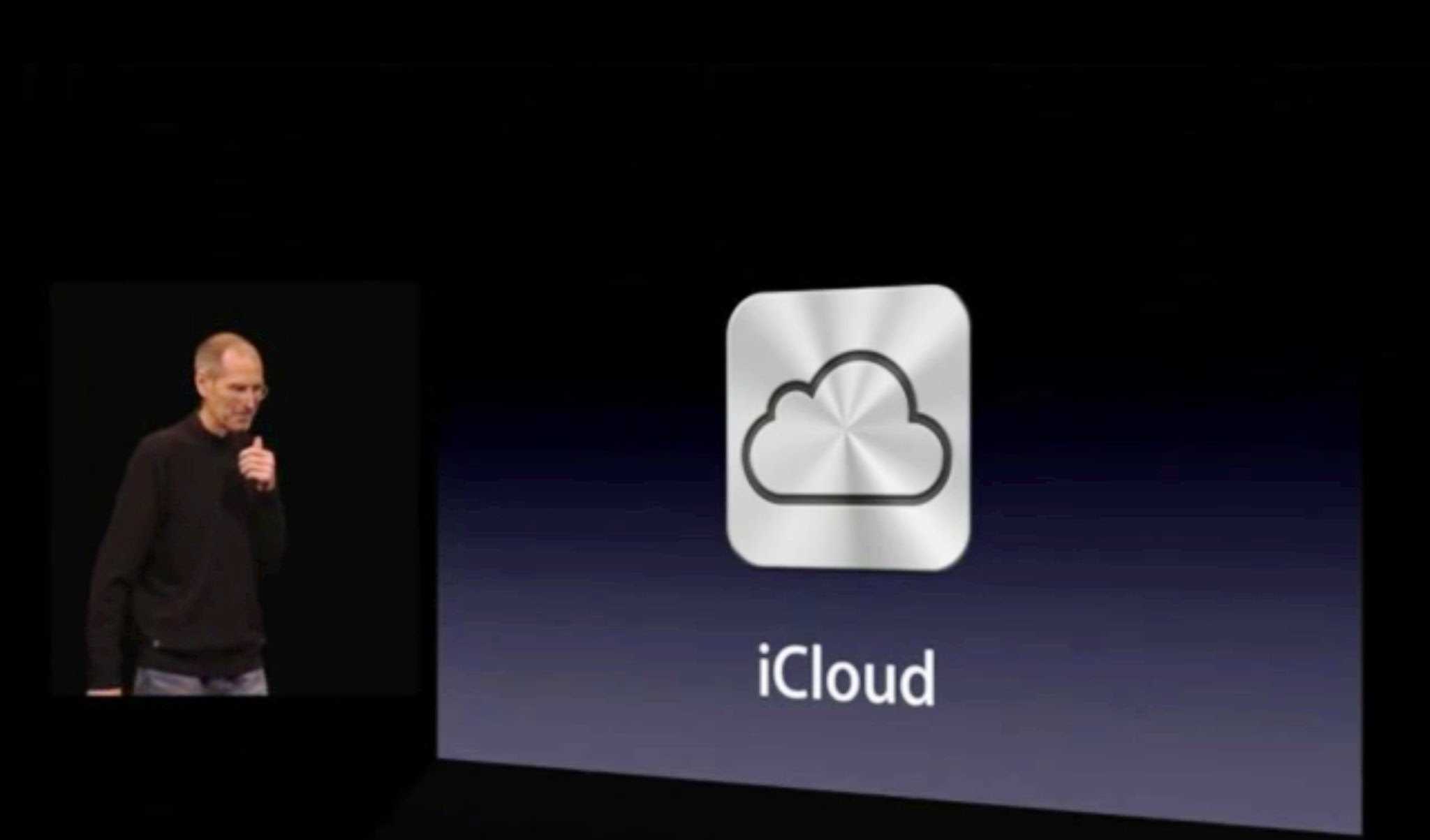
 October 12, 2011: Apple launches
 October 8, 2014: Apple says it is “surprised” after GT Advanced Technologies, the supplier previously rumored to make ultra-strong sapphire glass displays for the iPhone 6, files for bankruptcy.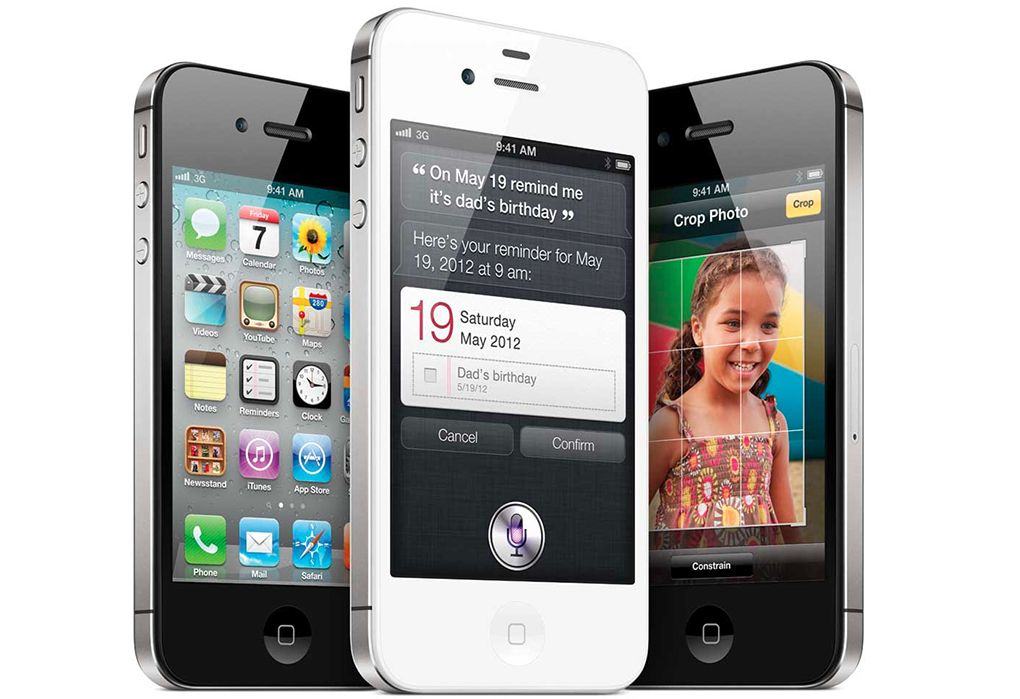
 October 7, 2011: Two days after the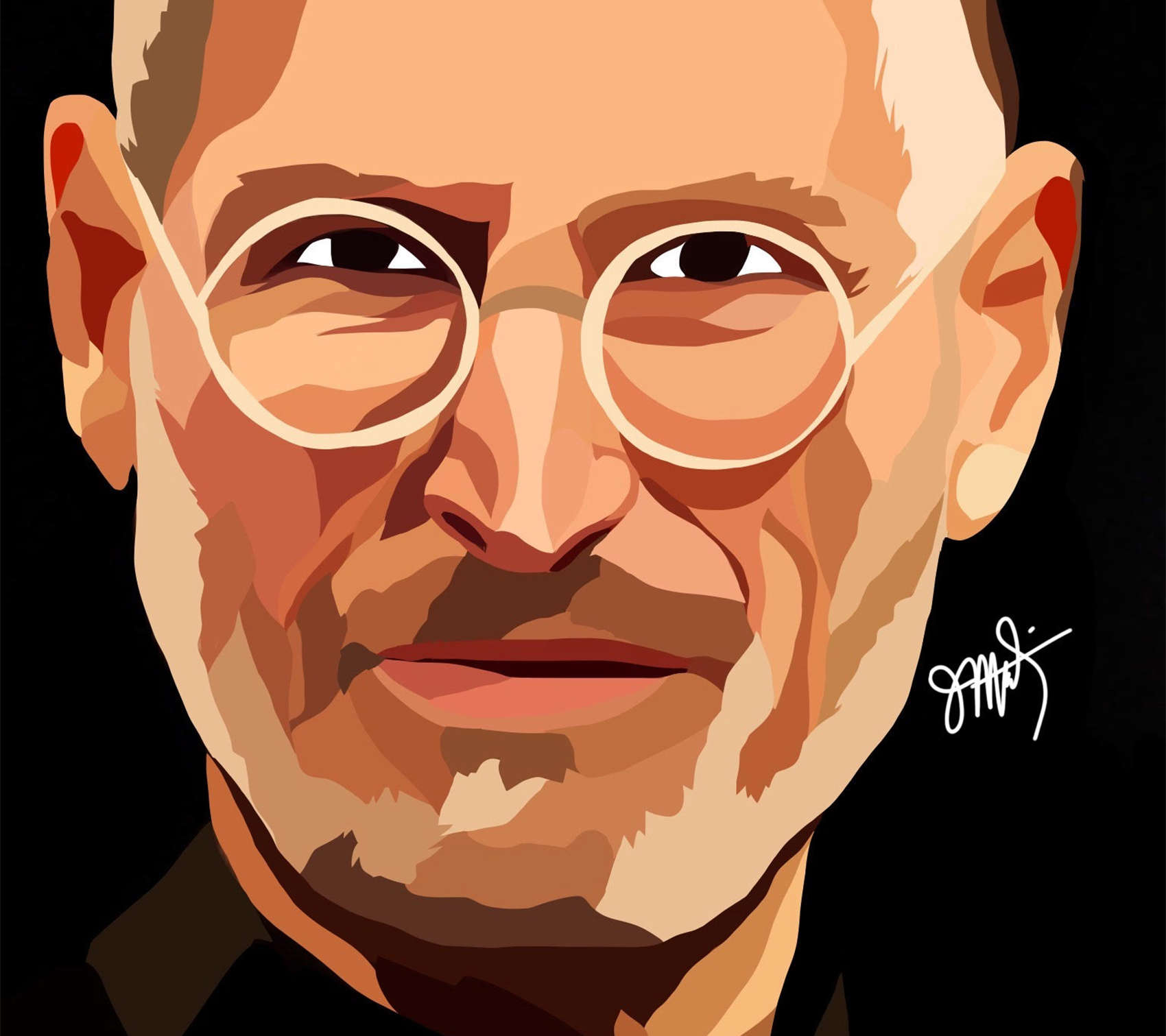
 October 5, 2011: Apple co-founder