
 February 6, 1985: Frustrated by Apple’s shifting priorities, co-founder Steve Wozniak leaves the company to pursue outside interests.
His departure — which comes the same year that Steve Jobs leaves Apple to form NeXT — represents yet another big change for the company. The move mostly stems from Woz’s dissatisfaction with how management treated the Apple II division. However, his desire to start a new company also plays a role.

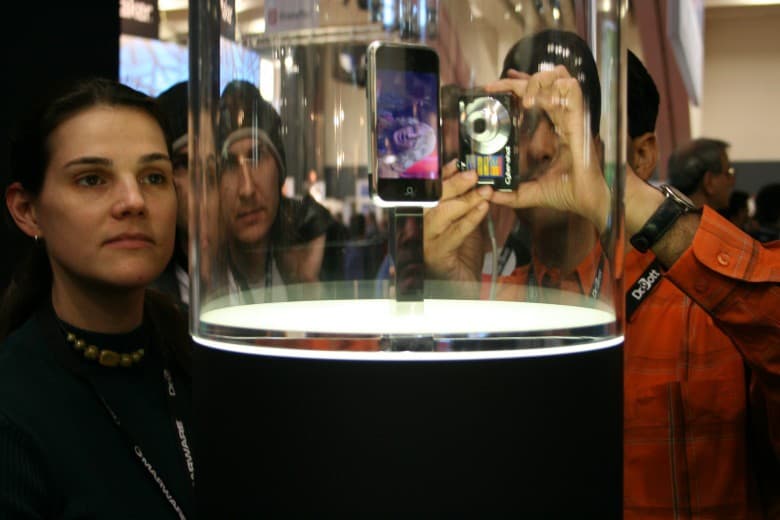
 February 5, 2008: Six months after the first-gen iPhone went on sale, Apple releases a new version with a whopping 16GB of storage.
 February 4, 2008: Apple CEO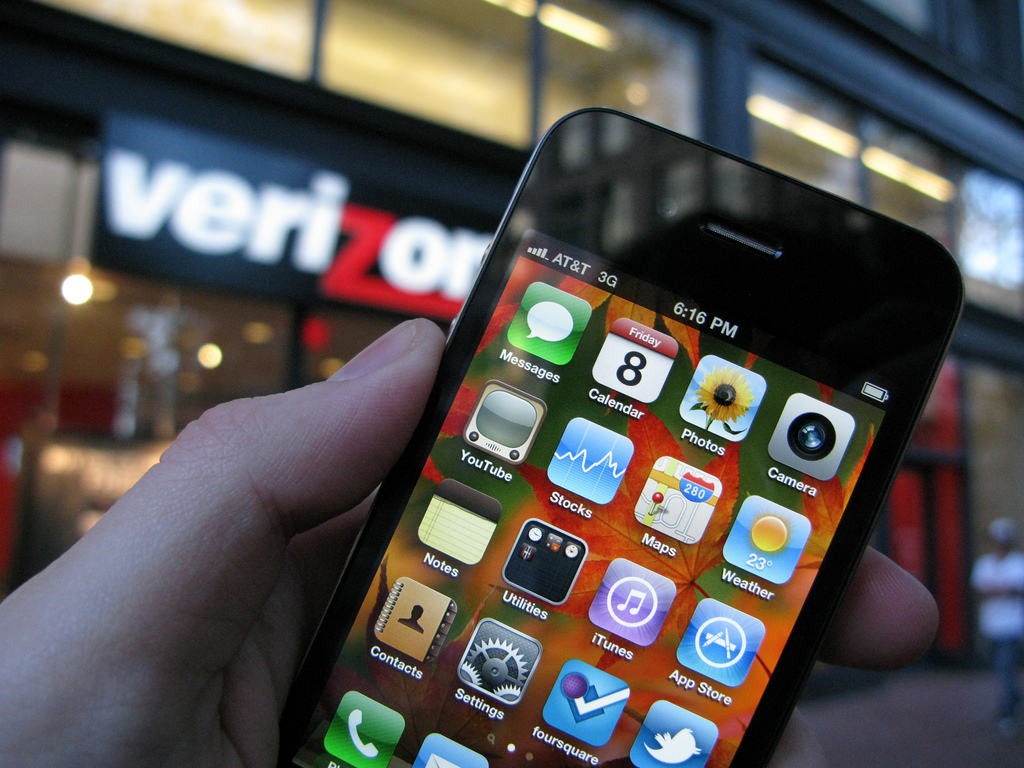
 February 3, 2011: The iPhone finally arrives on Verizon Wireless, the United States’ largest carrier, ending nearly four years of exclusivity with AT&T.
 February 2, 1996: Apple reveals that turnaround artist Gil Amelio will take over from Michael “The Diesel” Spindler as CEO of the struggling company.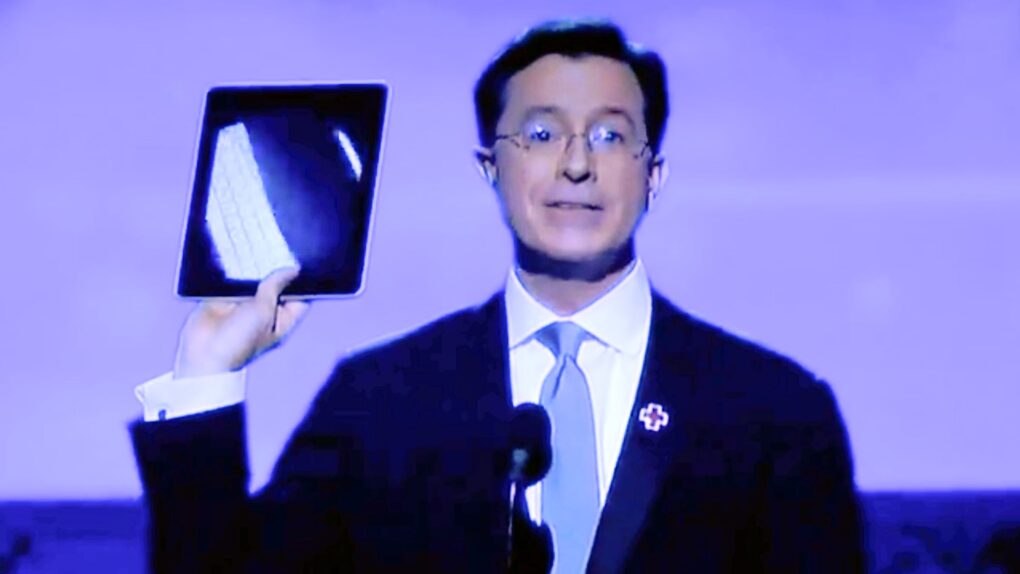
 February 1, 2010: The tech-loving world goes into meltdown at the sight of comedian Stephen Colbert using a prerelease iPad to read nominations during the televised Grammy Awards show.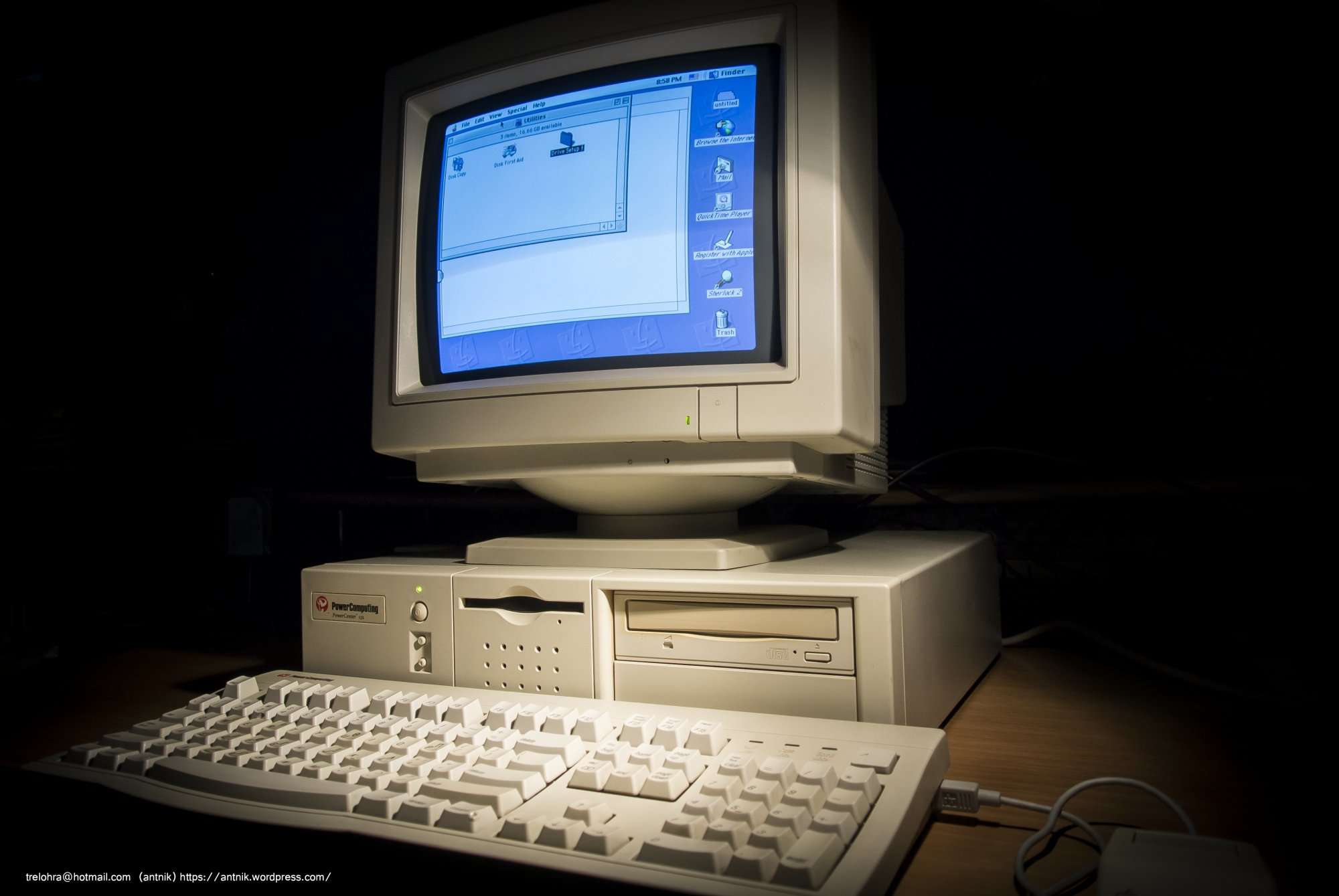
 January 31, 1998: Mac clone-maker Power Computing goes out of business, having auctioned off its office supplies and computers.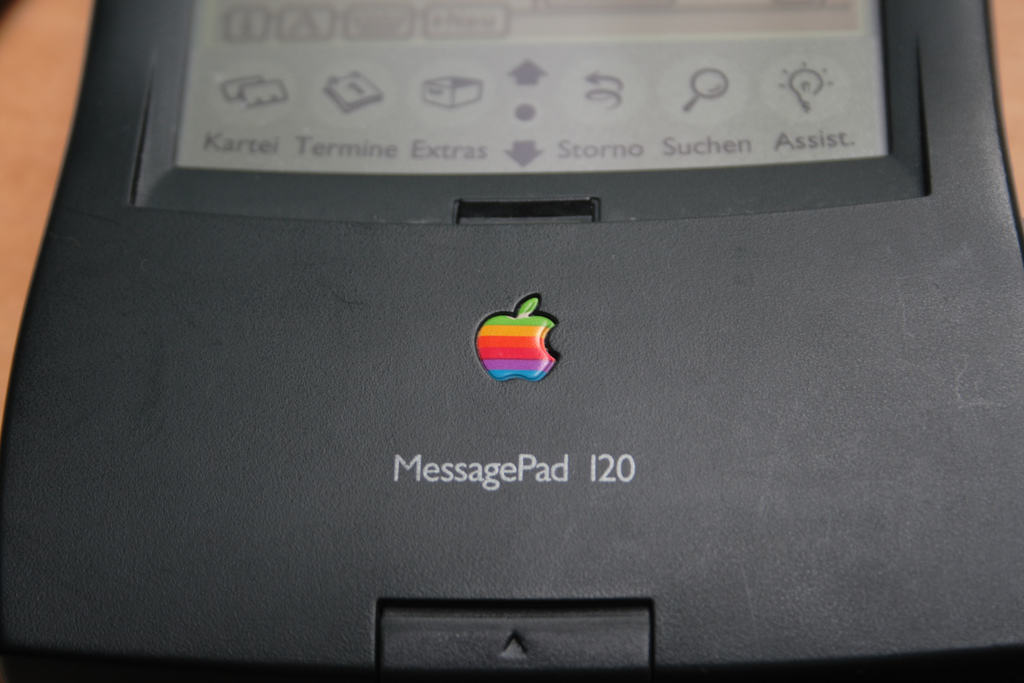
 January 30, 1995: Apple Computer launches the Newton MessagePad 120, the first truly great device in an unfairly maligned product line.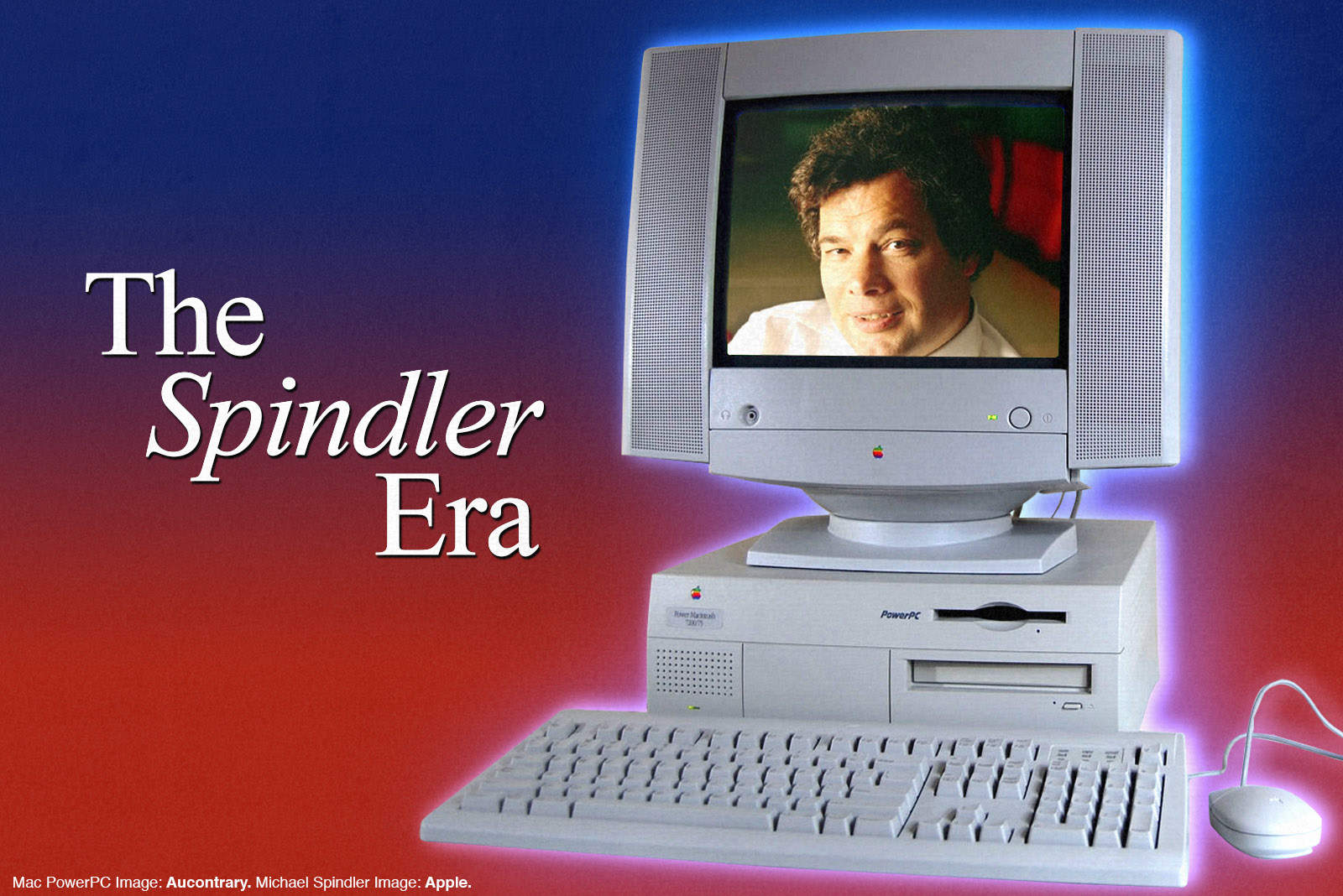
 January 29, 1990: Apple CEO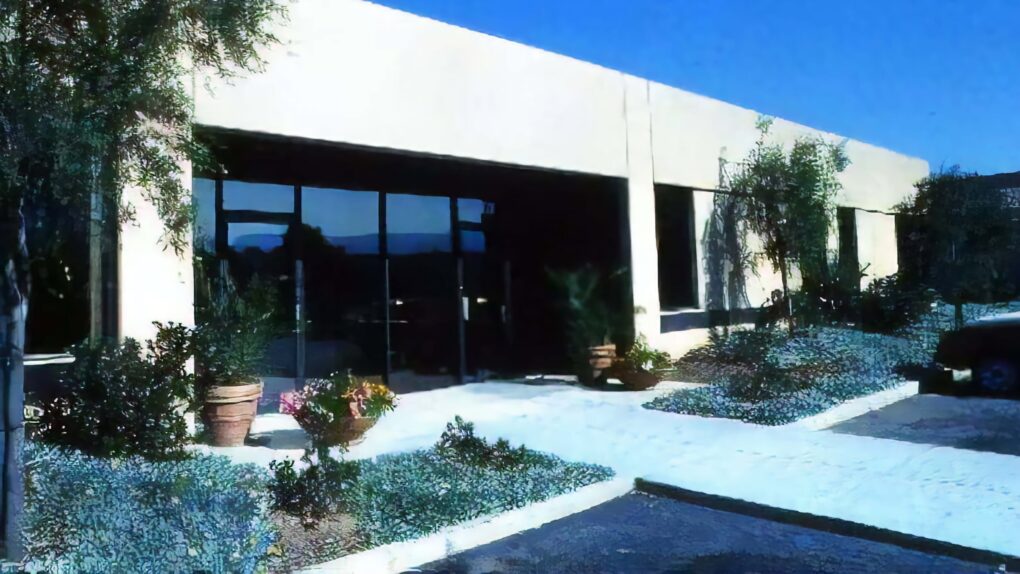
 January 28, 1978: Apple Computer occupies Bandley 1, its first custom-built office, giving the company a bespoke business center to house its growing operations in Cupertino, California.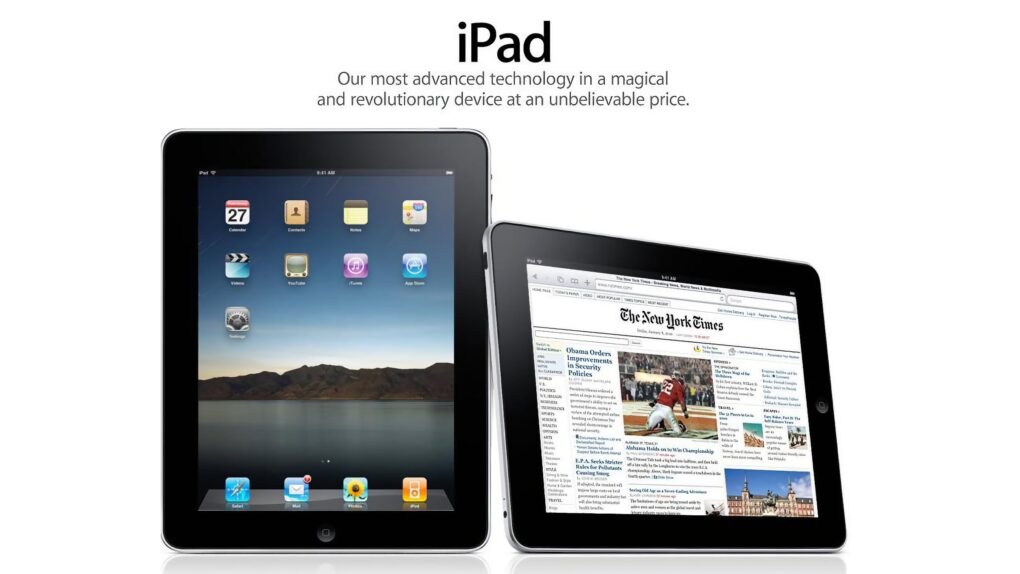
 January 27, 2010: After months of rumors and speculation, Apple CEO Steve Jobs publicly shows off the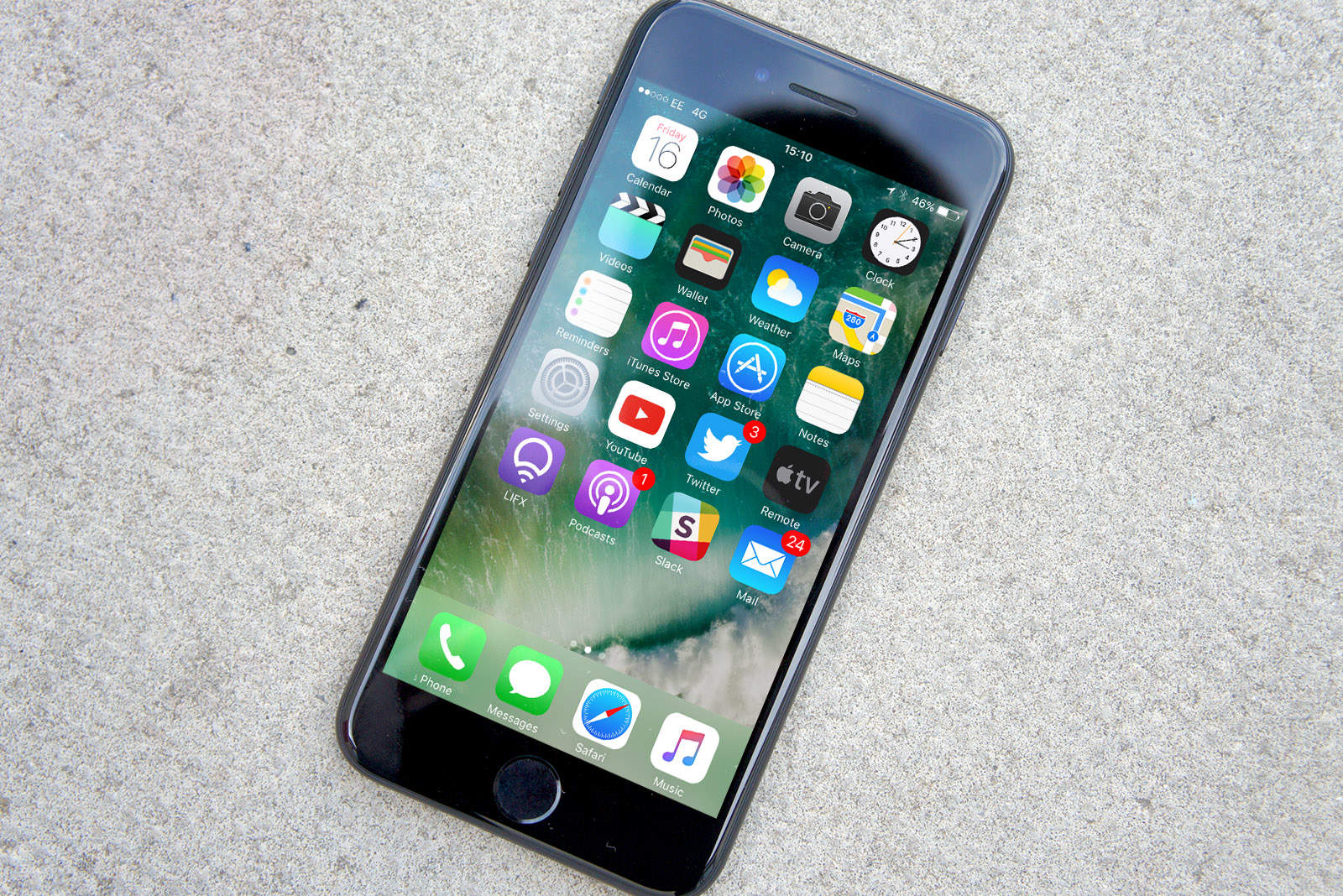
 January 26, 2016: After nine years of spectacular growth, iPhone sales flatline for the first time. Some observers say the sales plateau means that “peak iPhone” has finally arrived.
 January 25, 1996: Rumors circulate that Sun Microsystems is in talks to acquire Apple.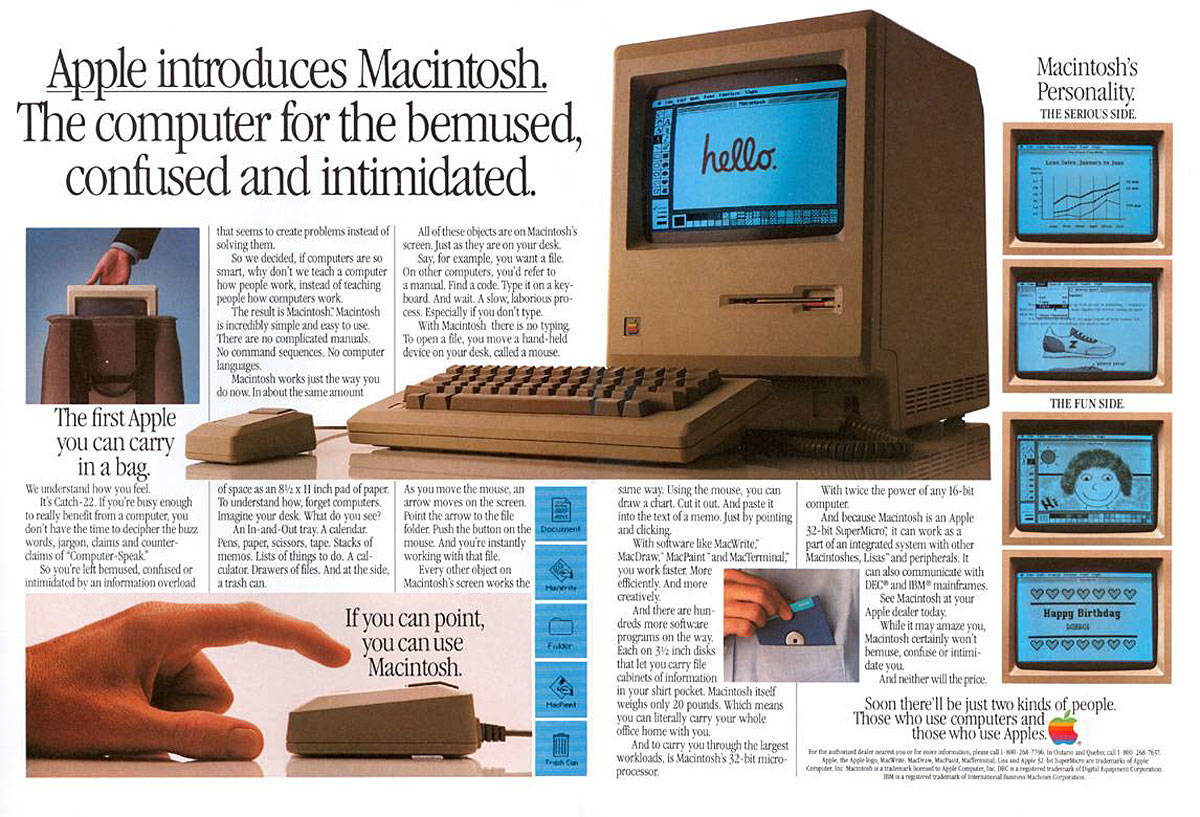
 January 24, 1984: Apple ships its first Mac, the mighty Macintosh 128K.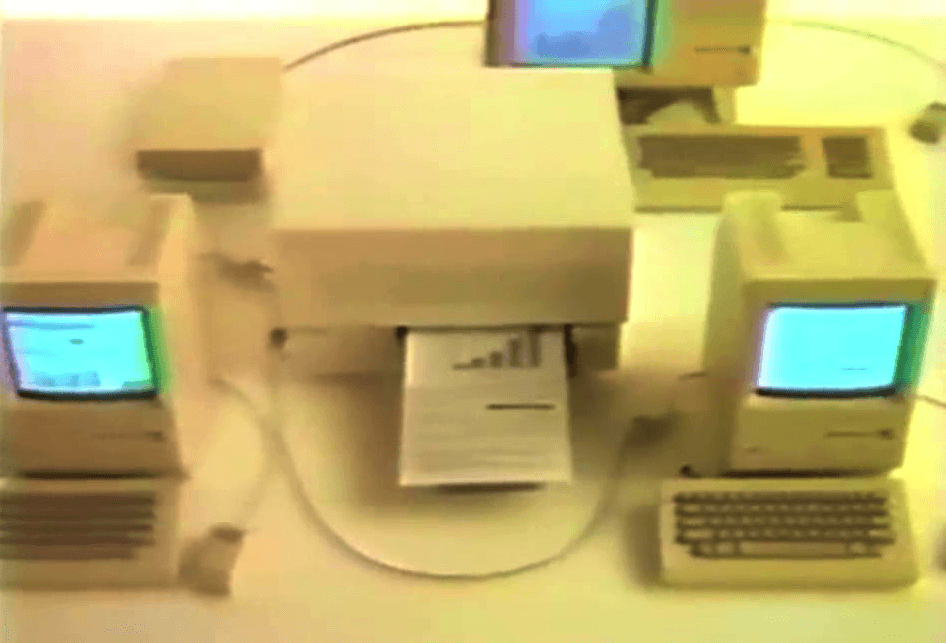
 January 23, 1985: Apple introduces The Macintosh Office, a combination of hardware and software that represents the company’s first real attempt at cracking the business market dominated by IBM.
 January 22, 1984: Apple’s stunning “1984” commercial for the original Mac airs on CBS during the third quarter of Super Bowl XVIII. Its dystopian theme and epic visuals pitch the Macintosh 128K as a revolutionary computer coming to smash the status quo.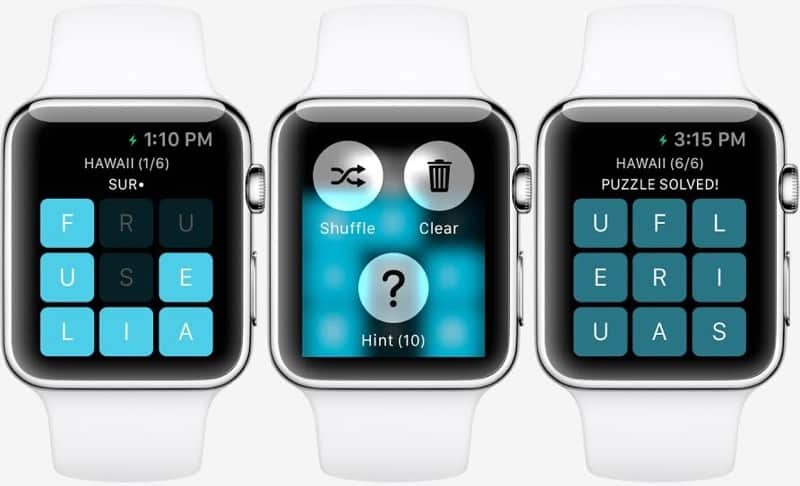
 January 21, 2015: Months before the first Apple Watch goes on sale, users get a glimpse at what playing games might look like on the smartwatch. Thanks to Apple making the WatchKit API available to third parties, game developer NimbleBit releases a mockup of Letterpad, its simple, work-in-progress word game.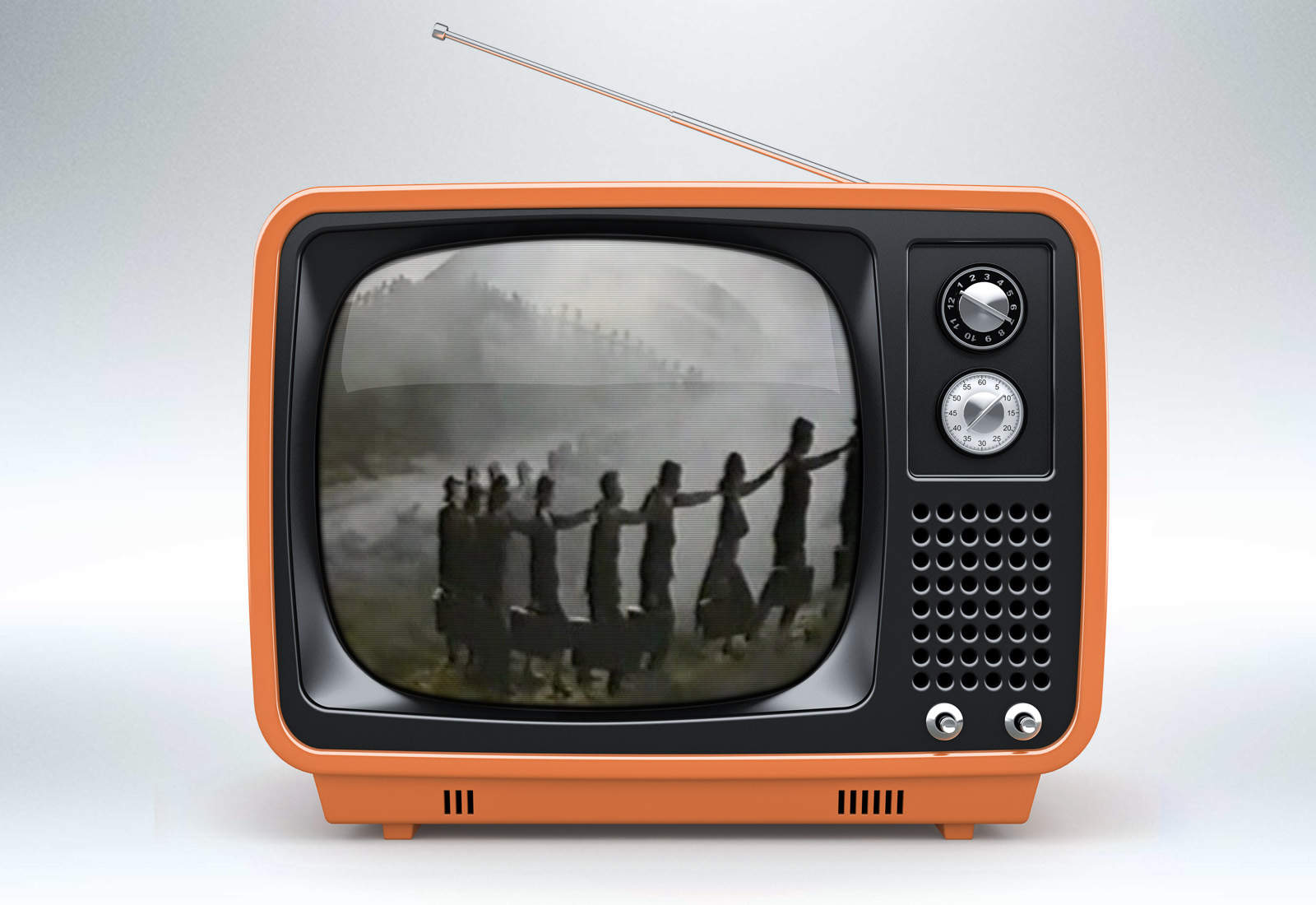
 January 20, 1985: Attempting to build on the triumph of the previous year’s “1984” Macintosh commercial, Apple deploys another dystopian Super Bowl commercial. The new Apple ad, titled “Lemmings,” promotes the company’s upcoming business platform, called The Macintosh Office.
 January 19, 1989: Apple introduces the Macintosh SE/30, arguably the greatest of the classic compact Macs with black-and-white screens.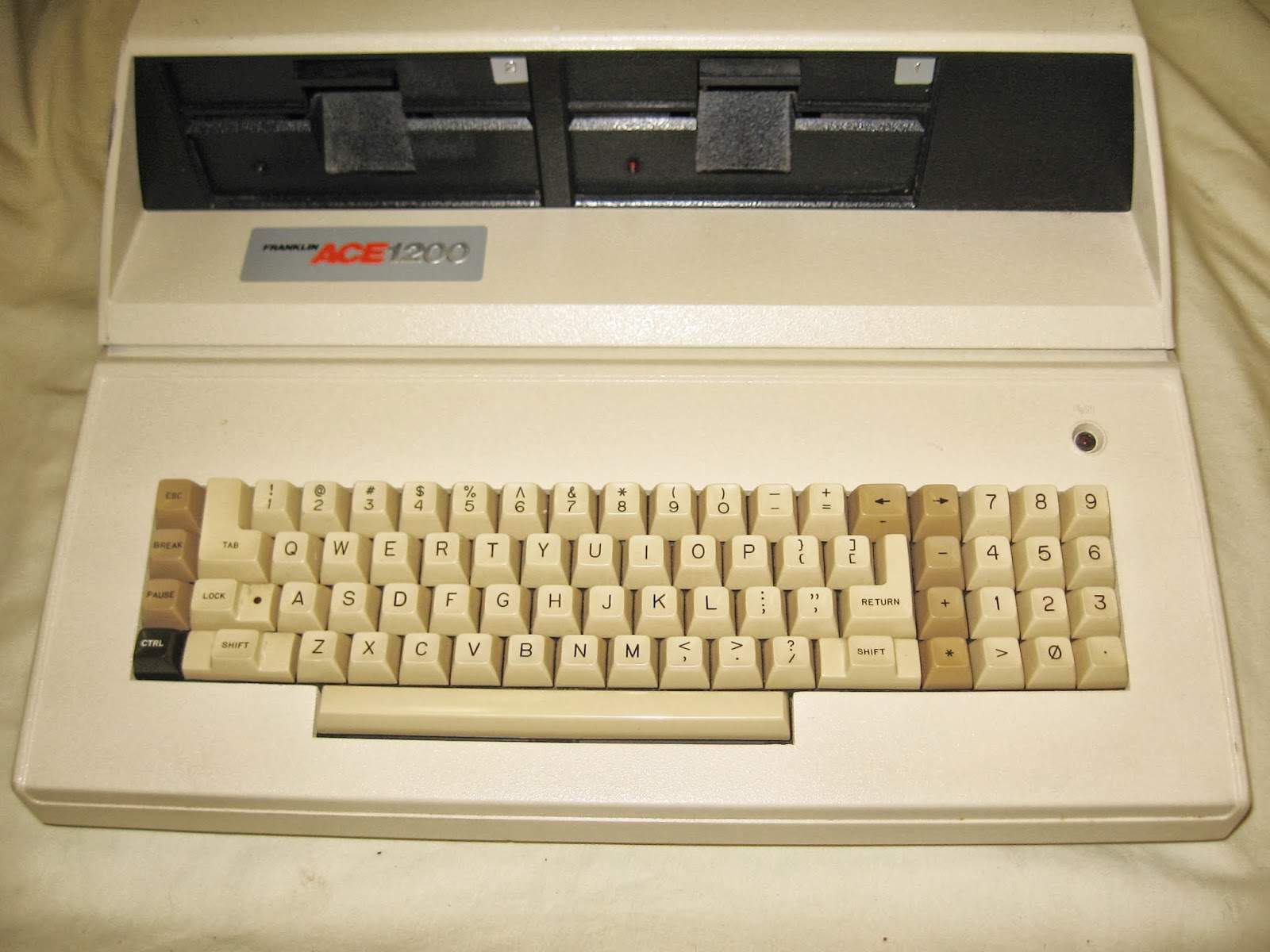
 January 18, 1983: Computer manufacturer Franklin Electronic Publishers takes the wraps off its Franklin Ace 1200 computer, an uxtnauthorized Apple II clone that triggers an important legal battle.
 January 17, 1984: A week before its famous airing during Super Bowl XVIII, Apple’s iconic “1984” commercial debuts as a trailer in movie theaters. To hype its revolutionary new Macintosh computer, Apple buys several months of promotion from theatrical ad distributor ScreenVision.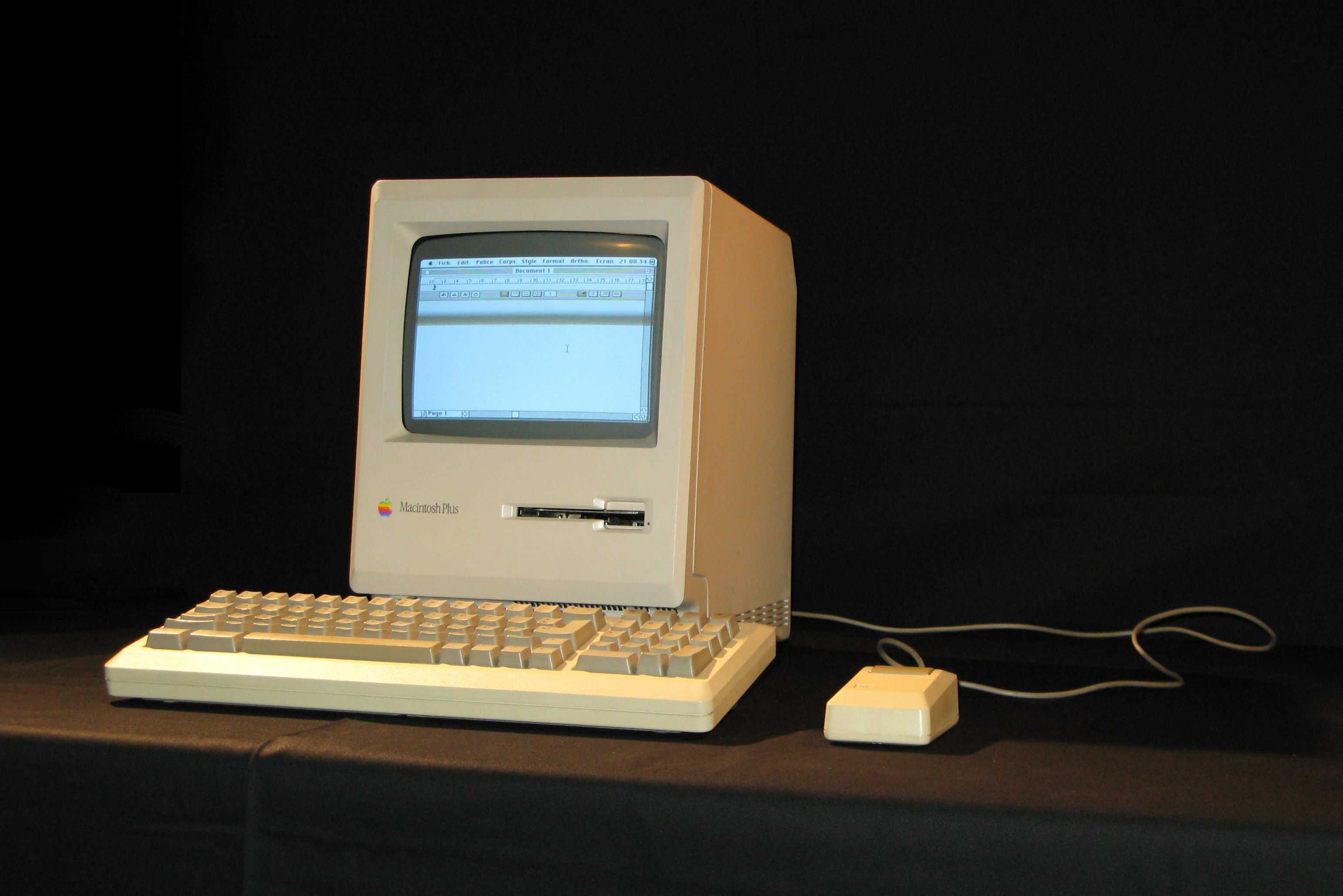
 January 16, 1986: Apple introduces the Macintosh Plus, its third Mac model and the first to be released after Steve Jobs was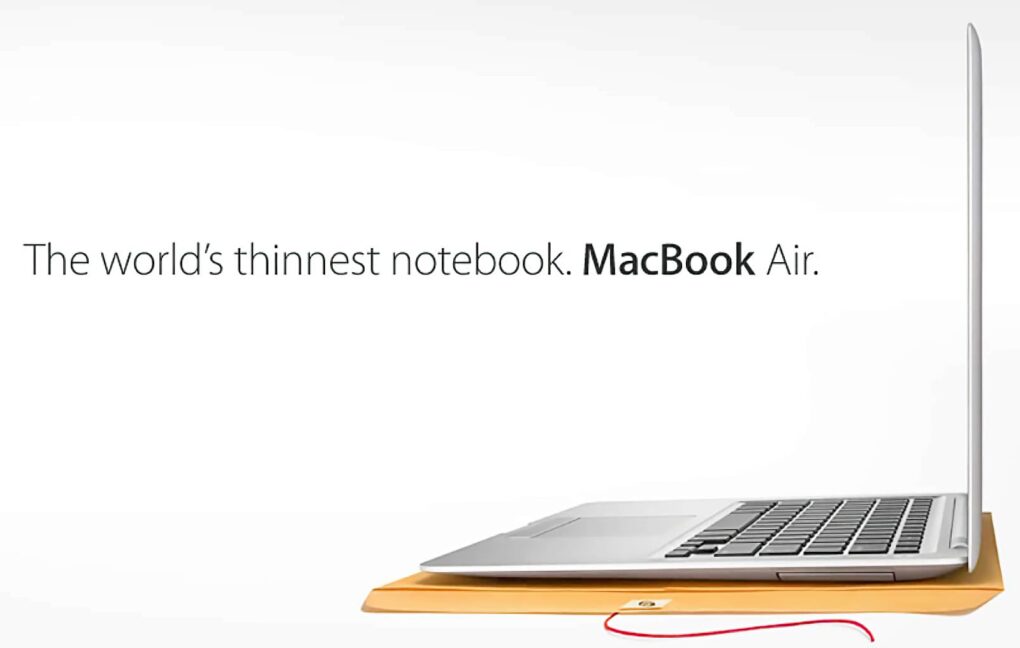
 January 15, 2008: Apple CEO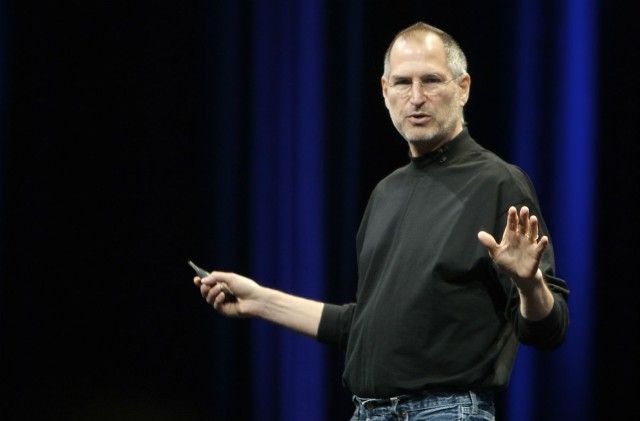
 January 14, 2009: Apple CEO Steve Jobs’ cancer worsens to the point that he takes a medical leave from leading the company.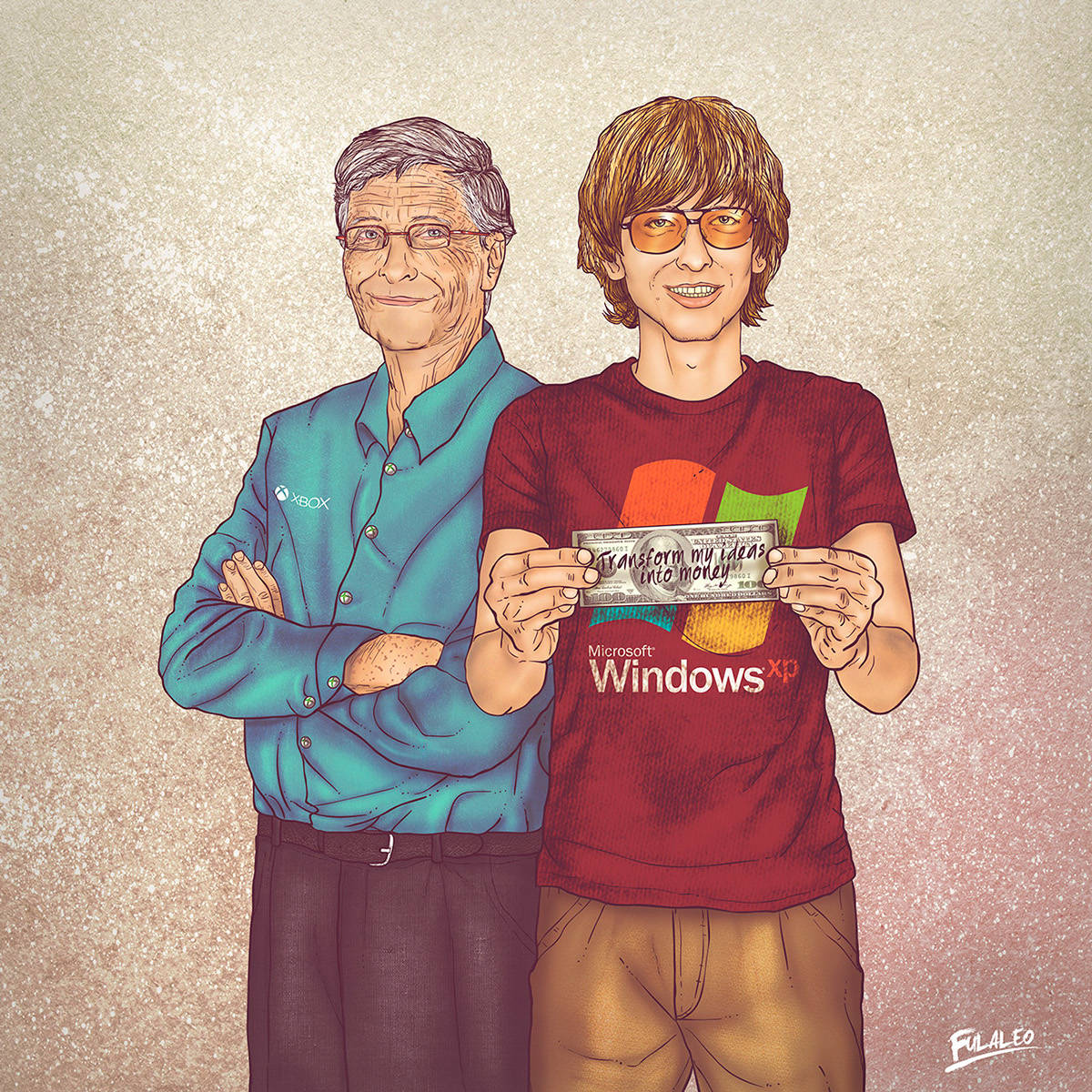
 January 13, 2000: Steve Jobs’ longtime frenemy Bill Gates quits as Microsoft CEO, stepping down just a month after his company’s stock hit its all-time high.