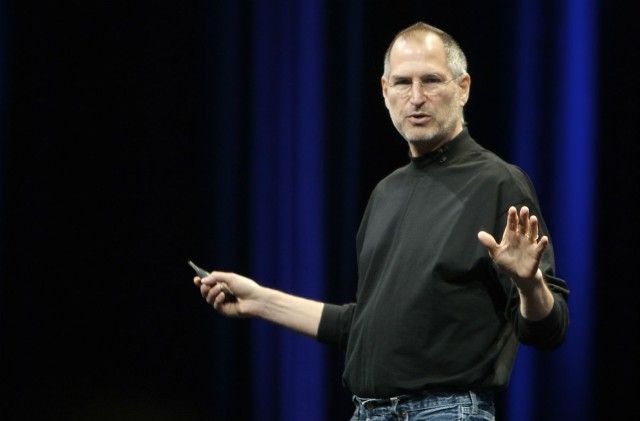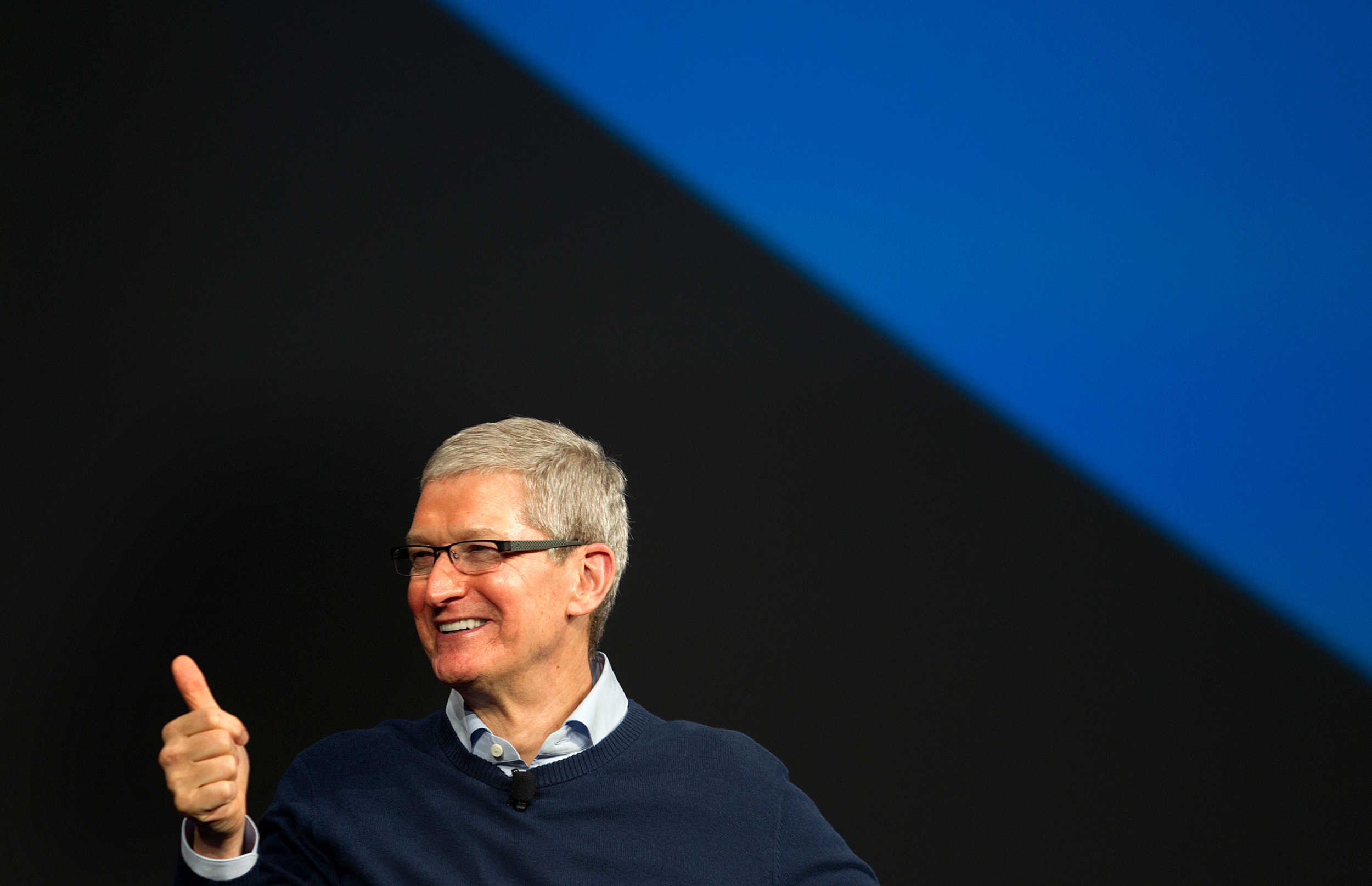
Oracle's founder says Steve Jobs didn't re-join Apple for the cash. Photo: Ben Stanfield/Flickr CC
Oracle Chairman and CTO Larry Ellison gave the commencement speech at the University of Southern California late last week, and among other things he talked about a plan with his best friend, Steve Jobs, concerning a mid-1990s bid to stage a takeover of Apple.
Art comes in many forms. Photo: Stephen Smith/Cult of Mac
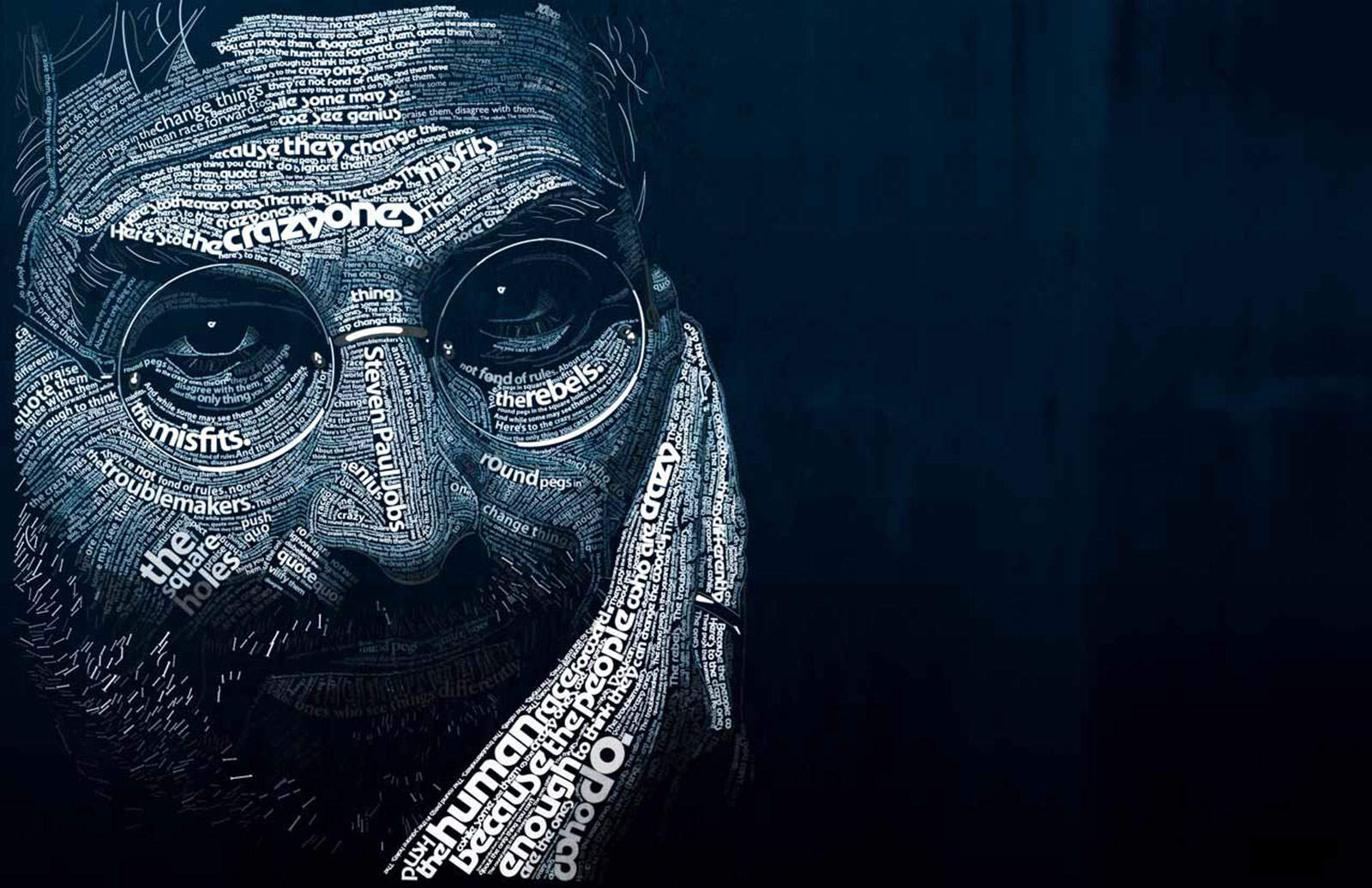
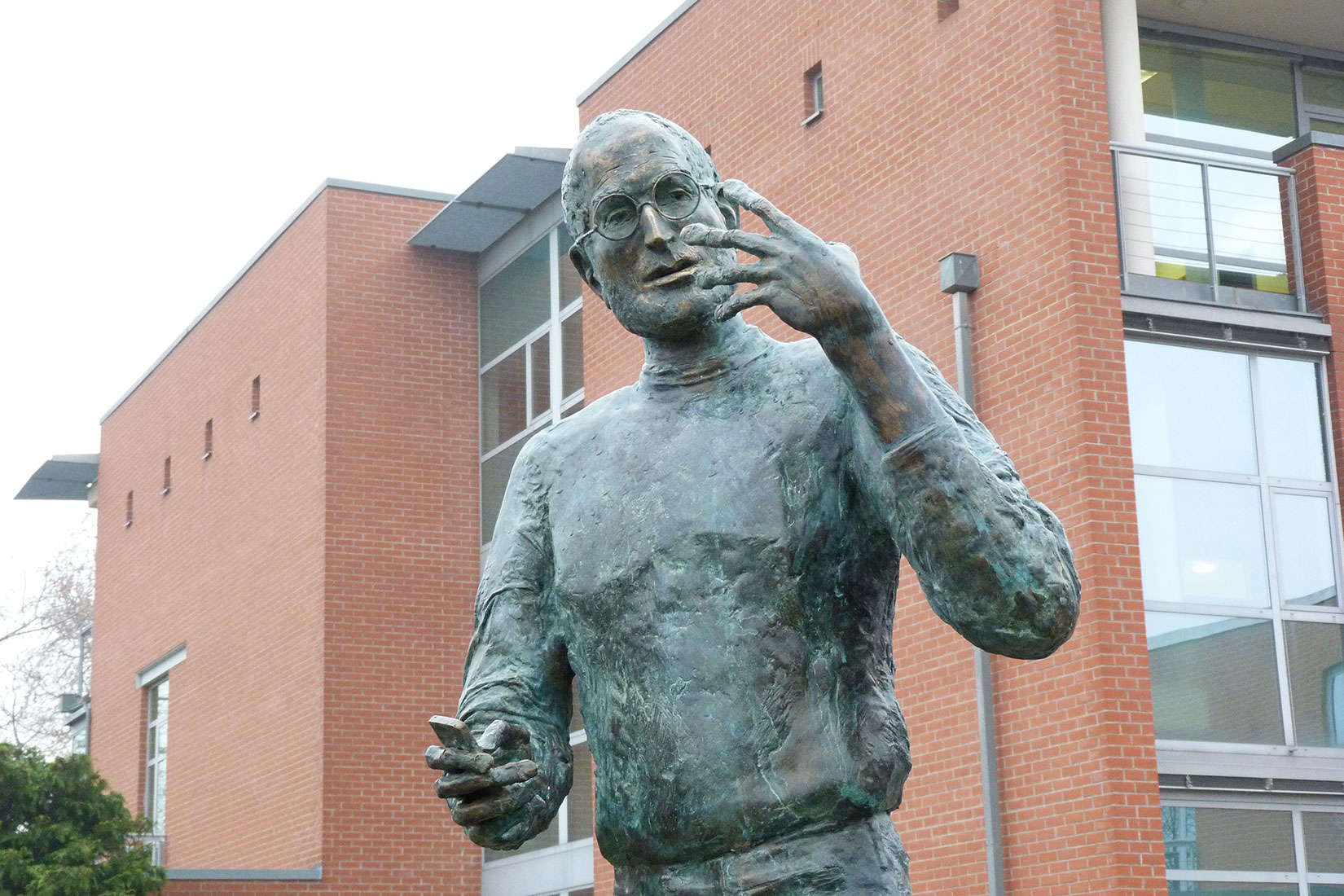
But is it art? There’s a whole new way of looking at these works, in the form Steve P Jobs himself–or at least his likeness.
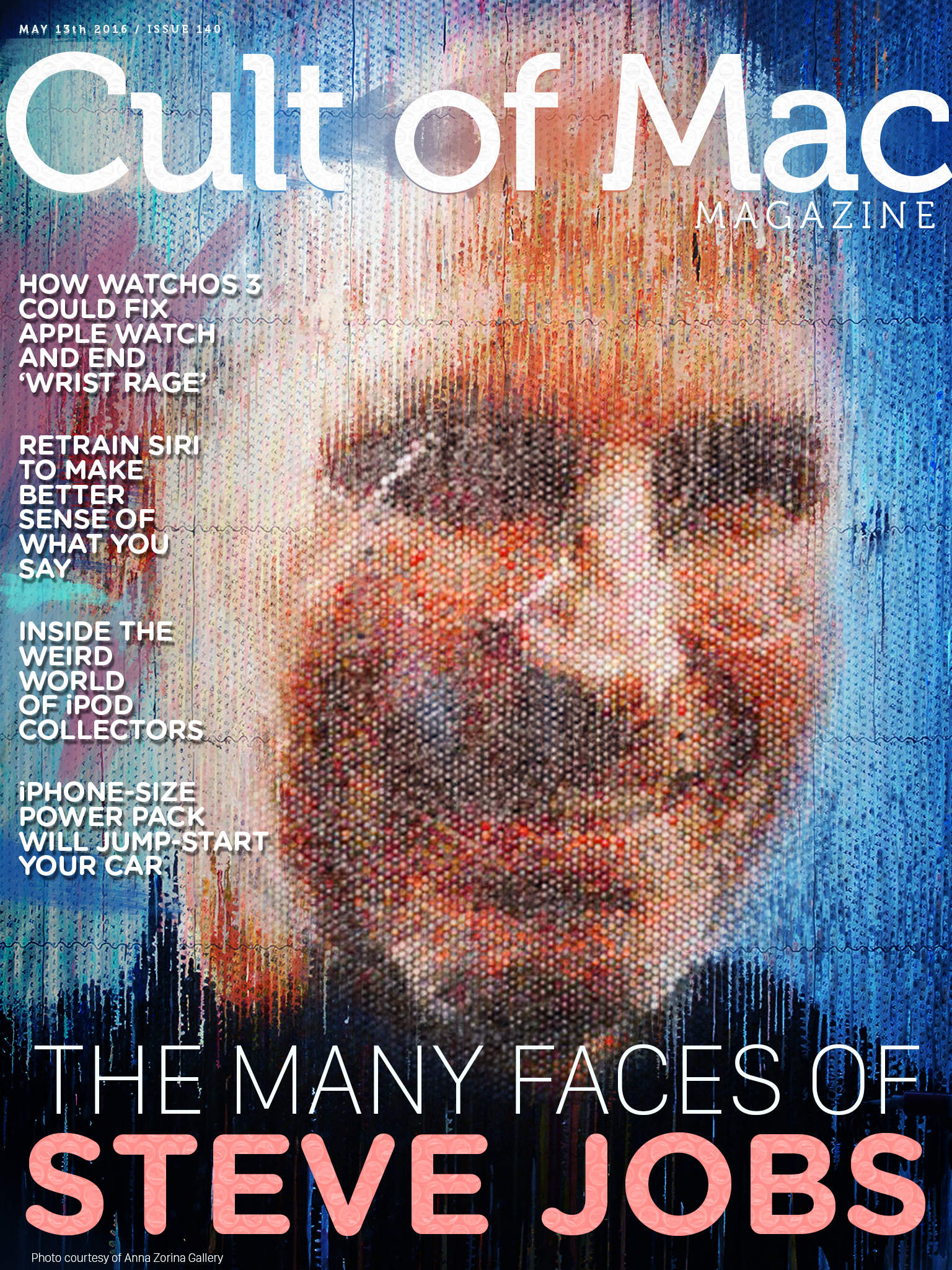
Learn all about these odd yet interesting portraits of the late Apple co-founder, including tattoos, technology-art, and the bubble wrap portrait you see above, as you browse this week’s Cult of Mac Magazine.
Inside this deliciously digital magazine-style app, you’ll find out more about possibilities for the new Apple Watch OS, how to retrain Siri to make better sense of your verbalizations, inside the weird world of iPod collectors, and all the reviews and how-tos you need to stay up to date on tech through an Apple lens.
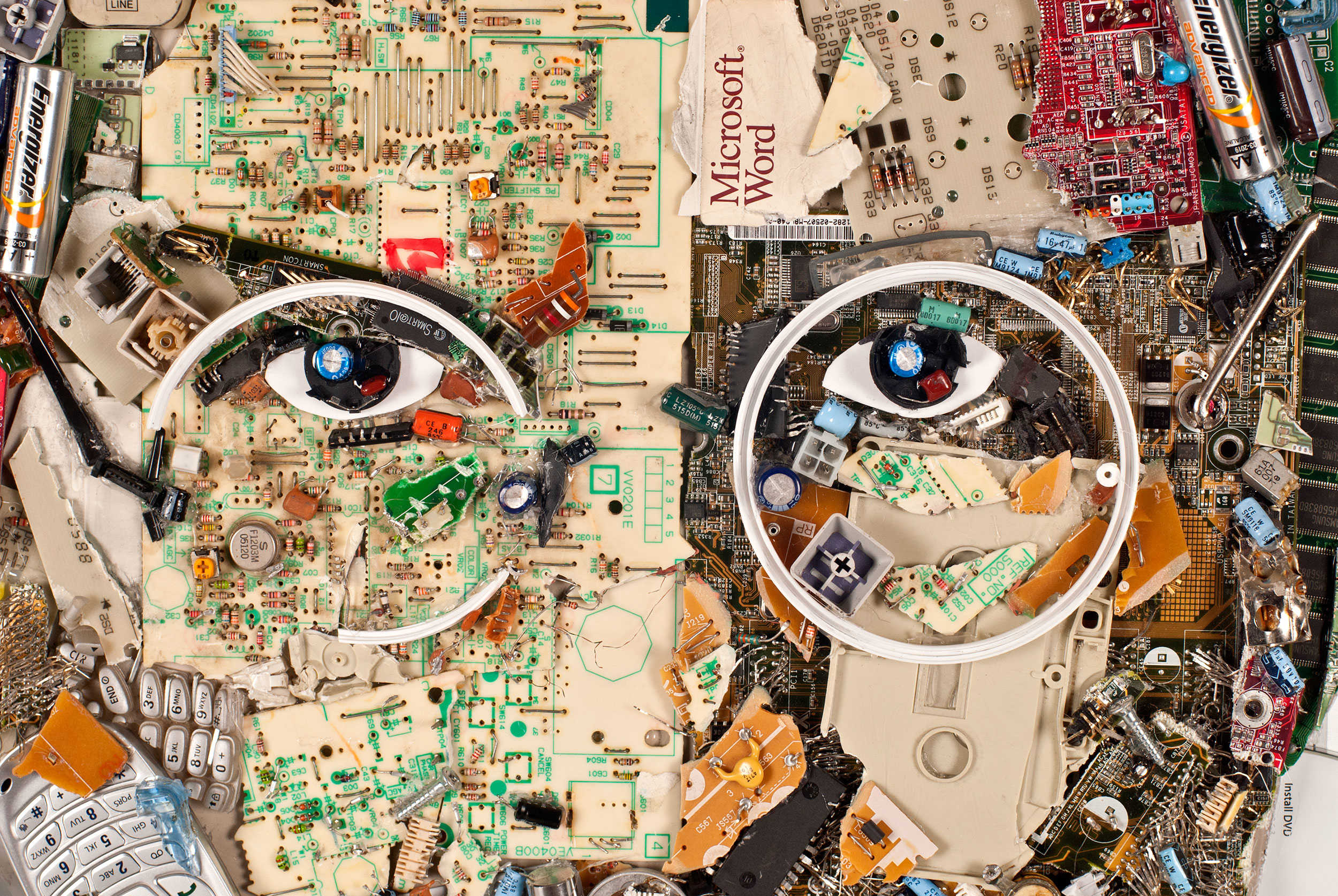
A familiar face to Apple fans made from familiar technology. Photo: Jason Mercier
Apple fans felt a deep sense of mourning in 2011 when Apple founder Steve Jobs succumbed to cancer. With the fifth anniversary of his passing approaching, Cult of Mac looks at the artistic tributes that followed.
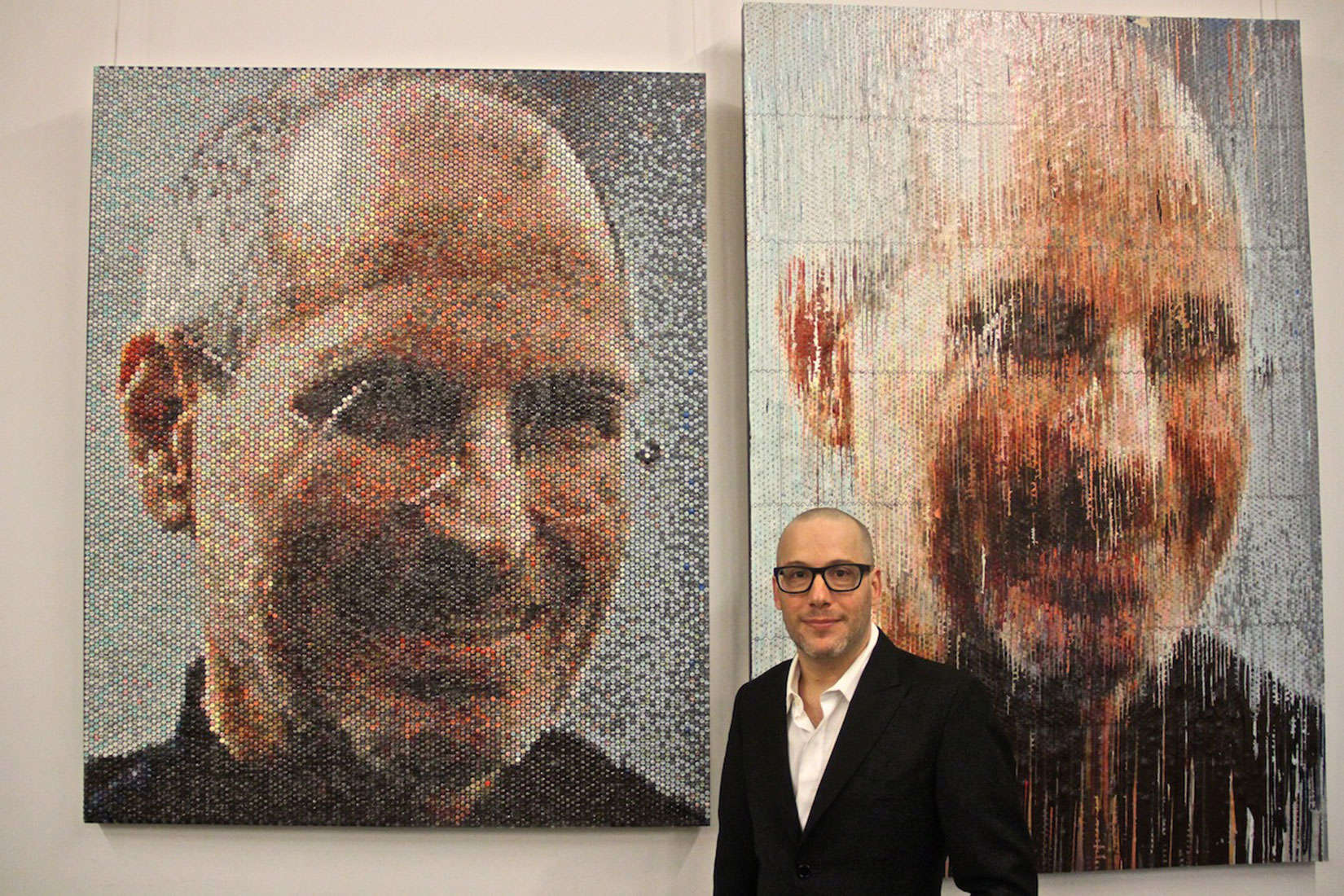
Artist Jason Mercier is yet another creative person to use Apple devices — and maybe the only one to literally break them into pieces for his work.
Mercier has made a name for himself around the San Francisco Bay Area by creating mosaics with trash befitting his celebrity subjects. So when his cousin commissioned him to do a portrait of the late Apple founder, Mercier knew he had to construct it with the very products and components Jobs had a hand in creating.
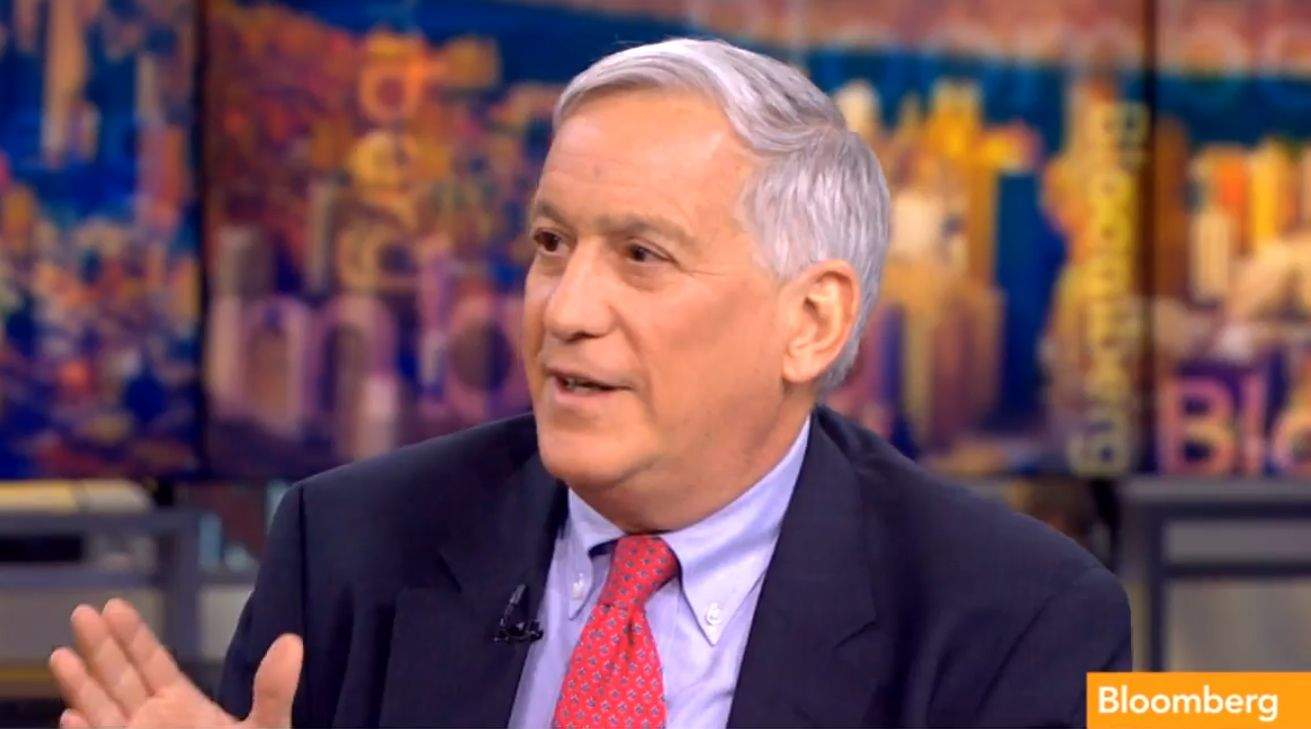
Walter Isaacson doesn't much like the Apple Watch either. Photo: Bloomberg
Walter Isaacson, a.k.a the author of the gajillion-selling 2011 Steve Jobs biography, says that Apple is “long overdue” coming out with its next great innovation; speaking at a time when Apple stock continues to fall in the wake of declining iPhone sales.
“I got the [Apple Watch], but I don’t use it that much,” Isaacson told CNBC. “I don’t think the watch is the next big thing.”
Bradley Hart injects paint into bubble wrap for photo-realistic portraits, like this one of Steve Jobs. Photo: Deukyun Hwang/Arte Fuse
Apple fans felt a deep sense of mourning in 2011 when Apple founder Steve Jobs succumbed to cancer. With the fifth anniversary of his passing approaching, Cult of Mac looks at the artistic tributes that followed.
From afar, the colorful portrait of a smiling Steve Jobs looks like a pixilated portrait made with an early digital camera. Get closer and those pixels take on a shape familiar to your thumb and forefinger — bubble wrap.
Jobs would appreciate Bradley Hart’s “Think Different” approach to bubble wrap as well as the hyper-focus attention Hart pays to inject each bubble with a different color of acrylic paint to form a famous face.
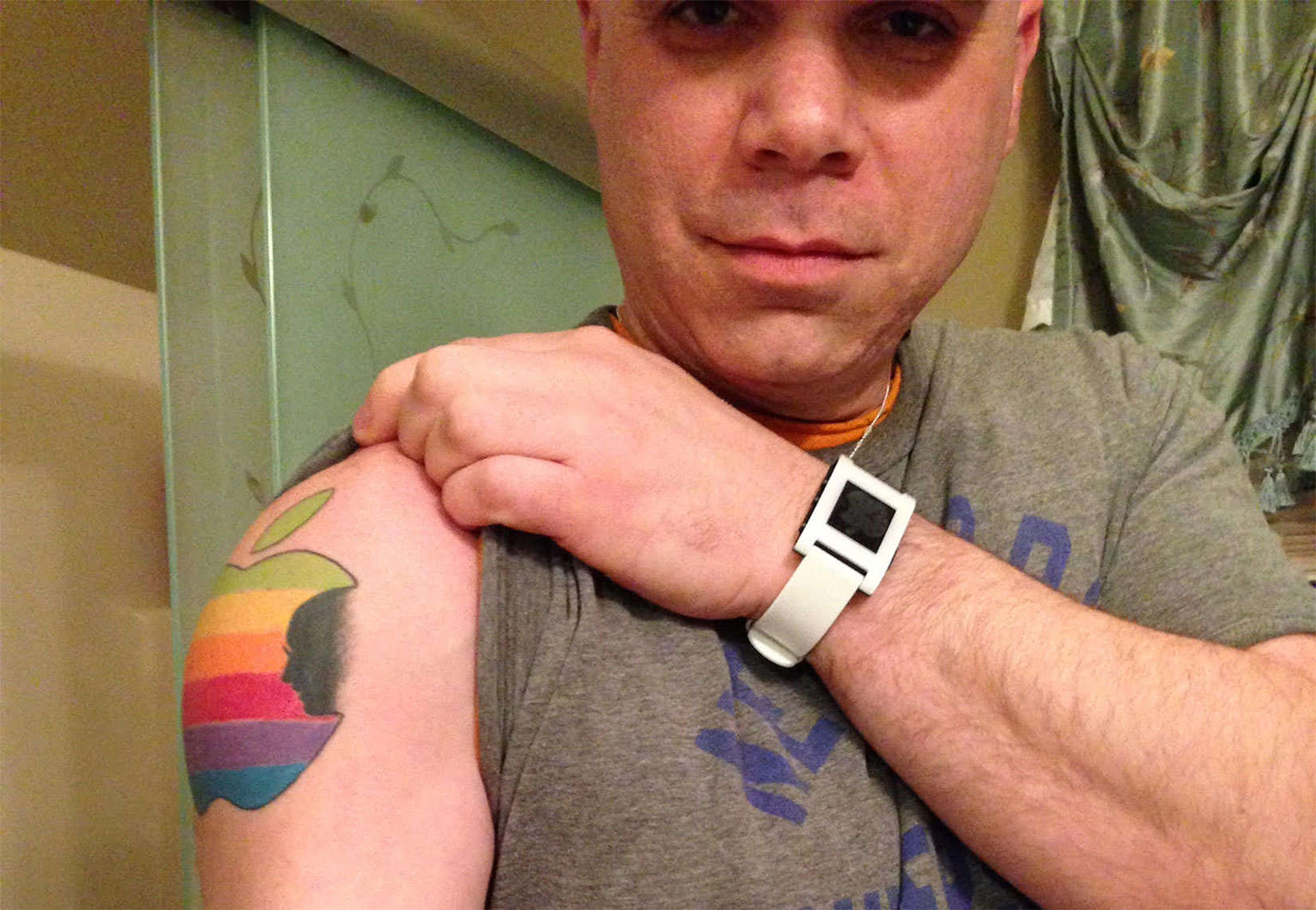
Craig Sarich with a Steve Jobs tribute design tattooed on his arm. Photo: Craig Sarich
Apple fans felt a deep sense of mourning in 2011 when Apple founder Steve Jobs succumbed to cancer. With the fifth anniversary of his passing approaching, Cult of Mac looks at the artistic tributes that followed.
Nothing grants a person supreme being status like a tattoo. After all, the ink is permanent.
So even if the late Steve Jobs had a well-established legacy as the father of personal computing, some Apple fans felt the need to wear their devotion more deeply.
What would Steve do? The Apple Watch, apparently. Photo: Ben Stanfield/Flickr CC
The Apple Watch is the first major new Apple product line to be launched under Tim Cook, but according to Apple analyst Tim Bajarin (who, unlike many Apple commentators, actually knows a lot of the people he writes about), it’s a product which owes a tremendous amount to Steve Jobs and his experiences.
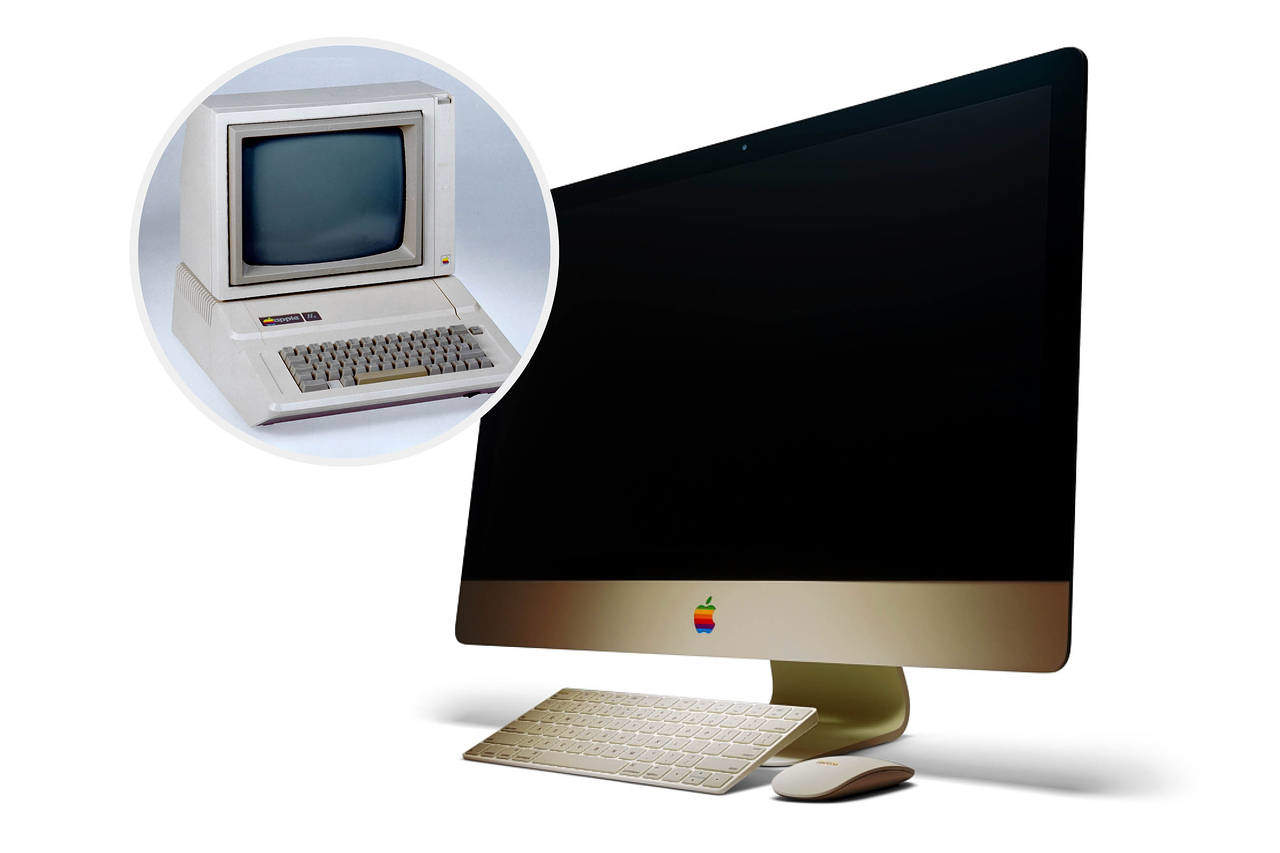
Yes, that's a brand new iMac in beige. Photo: ColorWare
The boring beige computers Apple offered all the way up until the late ’90s would never get Jony Ive’s stamp of approval today. But fortunately for those who love retro, Apple’s latest iMac is now available with a beige paint job (and a bigger price tag).
The iTunes Store was a revolution. Photo: Jim Merithew/Cult of Mac
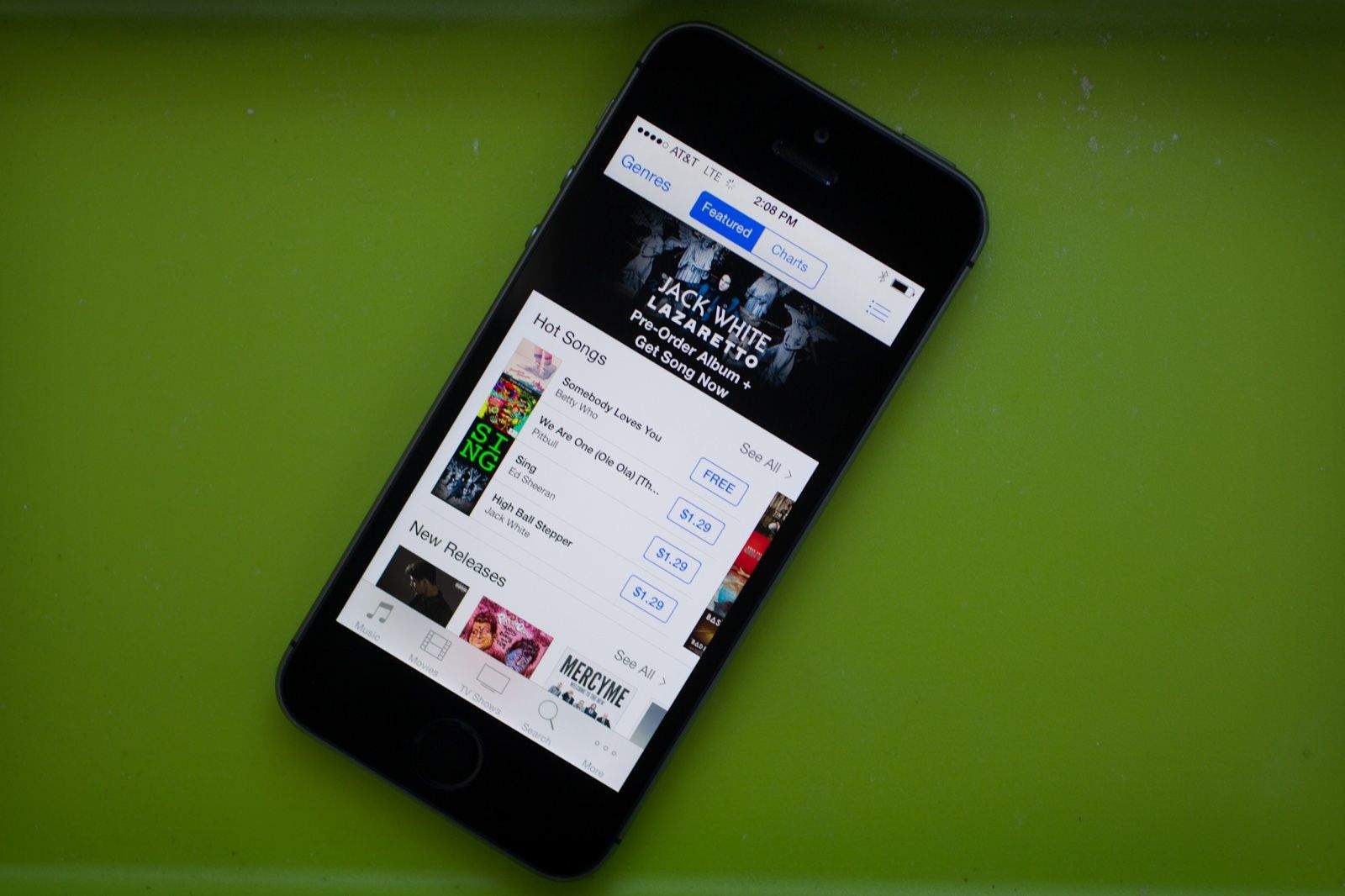
The iTunes Store turns 13 year old today, having originally opened its virtual doors on April 28, 2003 — back when 50 Cent’s “In Da Club” was riding high in the music charts, Anger Management and Bulletproof Monk were in theaters, and Saddam Hussein had just been ousted from power.
Who could’ve guessed that, years later, it would become the largest music vendor in the world, with well over 25 billion songs sold worldwide? Steve Jobs, that’s who!
Check out Jobs’ original unveiling of what was originally called the iTunes Music Store below.
Apple CEO Tim Cook will introduce the band Imagine Dragons Satuday at the LOVELOUD Festival in Utah. Photo: Jim Merithew/Cult of Mac
Apple CEO Tim Cook has been named as one of Time’s 100 most influential people list that rounds up the top leaders, artists, and public figures that have shaped the world the most the last year.
Cook has frequently appeared on the list, but perhaps is more deserving of it than ever this year after leading Apple in a public fight against the federal government of digital security and privacy. Other notable people on the list include Bernie Sanders, Kendrick Lamar, Vladimir Putin, Leonardo DiCaprio, and Felix Kjellberg (a.k.a. PewDiePie).
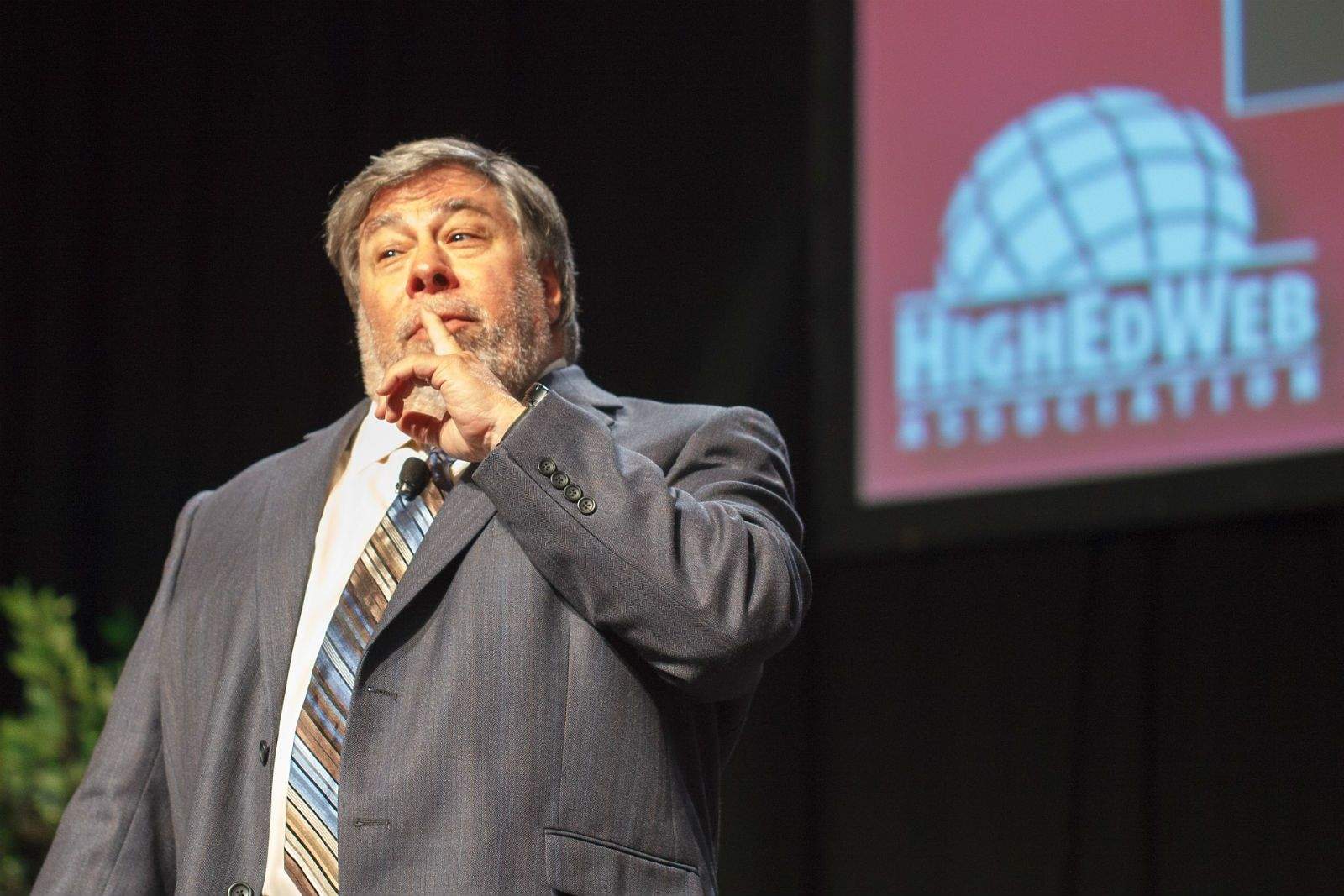
Woz would never tell his kids to stop being tech addicts. Photo: HigherEdWeb/Flickr CC
Despite being a veritable genius when it comes to selling the masses on the latest tech product, Steve Jobs once candidly admitted that he set strict guidelines for how much time his own kids were allowed to watch screens at home.
It seems Jobs’ Apple co-founder, Steve Wozniak, isn’t quite on the same page, however — as Woz argues in a new interview that kids should be able to spend as much time on the computer as they want.
This week on The CultCast: We recall how Steve Jobs and the industrial design team brought Apple back from the brink. Plus: The reason Jony Ive gave up his car for a chauffeur; one year with the Apple Watch; and we reveal the strange cultural phenomena we’ve been secretly loving in an all-new What We’re Into.
Our thanks for Freshbooks for supporting this episode. FreshBooks is the easy-to-use invoicing software designed to help small business owners get organized, save time invoicing and get paid faster. Get started now with a 30-day free trial.
Or is its best yet to come? Photo: Ste Smith/Cult of Mac
You can’t think about Apple without thinking about great design. The two go hand-in-hand, thanks to the company’s incredible ability to churn out hit products that make billions of dollars one after the other, year after year.
But Apple’s design team isn’t perfect. There have been some missteps over the years, and it seems like they’ve become more common under Tim Cook. Its design has also become predictable; even before we get a new product, we have a good idea what it will look like.
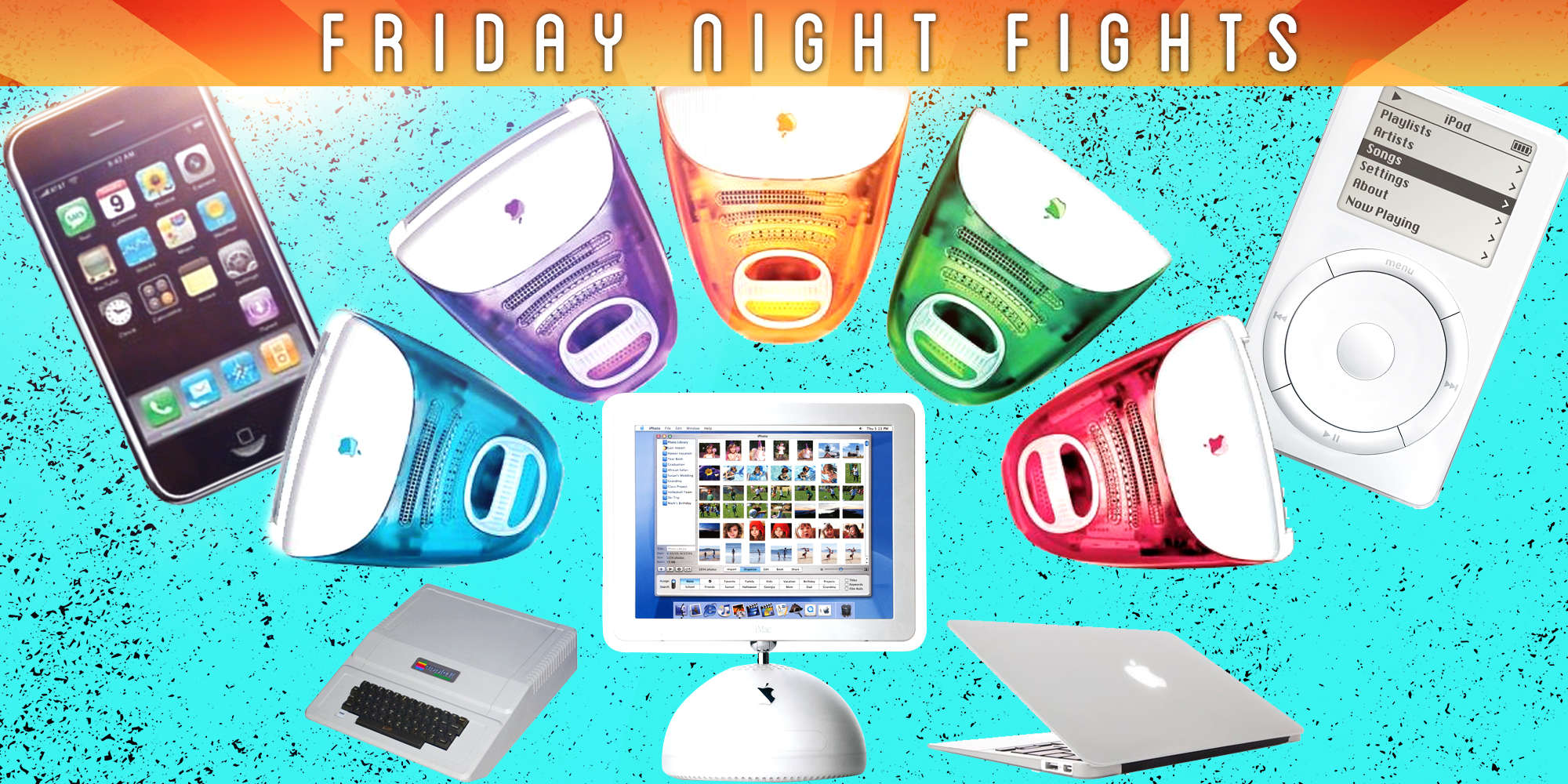
Are we worrying about nothing, or is it time Apple invited some fresh blood into Jony Ive’s lair? Join us in this week’s Friday Night Fight between Cult of Android and Cult of Mac as we fight it out over this and more!
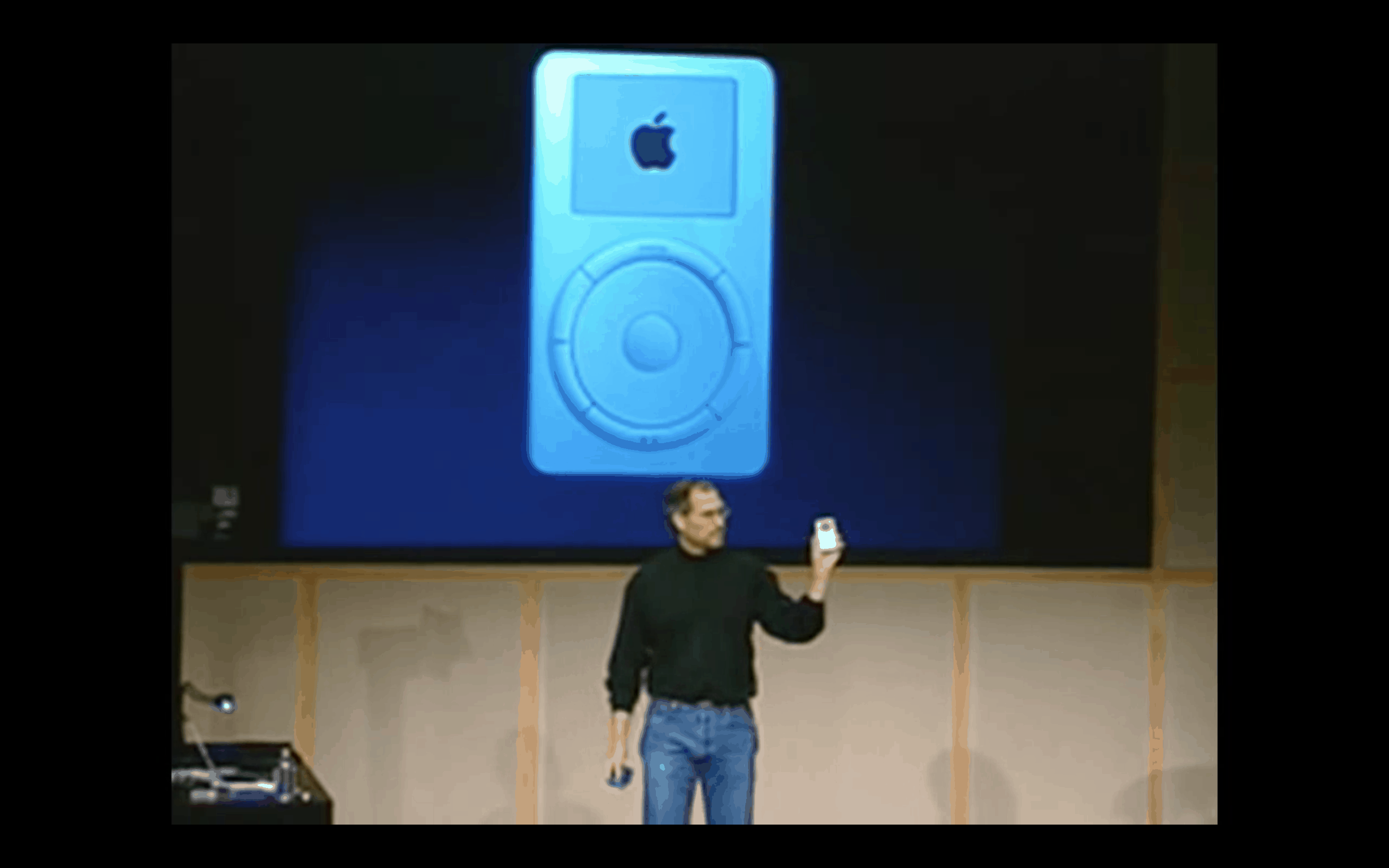
It's a "thousand songs in your pocket..." Photo: Apple
This week on The CultCast: We look into the past at some of the most pivotal moments in Apple’s 40-year history. Plus: Why the iPhone 7 Plus may be your only choice for dual cameras; what it’s like downsizing from the iPhone 6s to the SE; and we pitch our favorite new tech and vote on which is best in an all-new Faves N Raves!
Our thanks to Squarespace for supporting this episode of Cult of Mac’s weekly podcast. It’s simple to build a website that looks beautiful on any device that visits at Squarespace.com. Enter offer code CultCast at checkout to get 10 percent off.
Tim Cook was as shocked by Jobs' death as anyone else. Maybe more. Photo: Ben Stanfield/Flickr CC
Apple co-founder Steve Jobs wasn’t the most sentimental person ever, and we’ve just found more evidence to back that up.
It comes in an anecdote from a former product manager who was around 10 years ago for the company’s 30th birthday. And his dream of a huge celebration of the milestone earned him a healthy does of terse, Jobsian smackdown.
Apple is 40 years old today. In that time, the Cupertino company has delivered some incredible products and services, and revolutionized smartphones, tablets, and music players. But is it boring now?
Some say Apple’s innovation has stalled in recent years, and it has become too predictable. The surprises we used to see during its big keynotes no longer show up, and despite its secrecy, you can almost predict its product roadmap for the next year.
Are those claims harsh? Is Apple really past its best, or will it deliver groundbreaking new products again that can shake up the consumer technology industry?
Join us in this week’s Friday Night Fight between Cult of Android and Cult of Mac as we fight over Apple at 40.
Apple turns 40 today and, while a lot has changed since the company’s early days, it seems that questions about government snooping have not.
ABC News today released footage from a vintage interview in which a very young Steve Jobs debates computers on a 1981 episode of Nightline.
In addition to trotting out his “bicycle for the mind” metaphor, Jobs also talks about how best to stop the government from snooping on your computer, a topic that seems very timely in the aftermath of Apple’s battle with the FBI.
Admiring fans check out the first iPhone in its public debut. Photo: Traci Dauphin/Cult of Mac
Apple turns 40 years old today, and what a journey it’s been: from a promising homebrew startup to an underdog fighting off bankruptcy to an industry-straddling behemoth with $233.7 billion in revenue, all thanks to the vision of theco founder of apple.
It’s impossible to boil down every significant Apple event into one story, but we did our best to pick out the 40 most significant moments in the company’s past.
Check out these key moments in Apple history below.
The iPhone could've been made by GE. Photo: Jim Merithew/Cult of Mac
Apple Inc. and General Electric are two of the most iconic American companies of the last century, but back in 1996 they almost become one company as GE CEO Jack Welch considered buying the computer maker.
It would have only cost GE $2 billion and the current Apple CEO, Michael Spindler, was begging Welch to pull the trigger on the deal in order to save the struggling company.
Colorful early iMacs are among the technological wonders on display in the Apple Pop Up exhibit at the Computer Museum of America. Photo: Computer Museum of America
Phil Schiller says Apple is too busy “inventing the future” to “celebrate the past” by building a museum.
So if you are in search of history on the 40th anniversary of Apple’s founding, you might want to travel to Georgia. There, a guy named Lonnie Mimms has taken over an old CompUSA building and meticulously crafted a tangible timeline that would make Apple’s futurists — perhaps even Schiller — pause with nostalgia and pride.
Andy Cunningham played a key role in Steve Jobs' life for many years. Photo: Andy Cunningham
Apple hasn’t done enough to publicly present its side of the current privacy standoff with the FBI, concerning whether or not it should build an iPhone backdoor, claims Andrea “Andy” Cunningham, Steve Jobs’ former publicist.
“I think [Steve] would’ve spent more time framing the issue for the [public] than I think [Apple under Tim Cook has] done so far,” Cunningham says.
Rest in peace to a genuine Silicon Valley legend. Photo: Intel
In some sad news, Andy Grove, a.k.a. one of the founders and former CEOs of Intel, passed away yesterday at the age of 79.
The Budapest-born Grove was a mentor to many people in Silicon Valley, including Steve Jobs, who once noted that he was one of the only people Jobs would willingly work for. Grove famously arrived in the United States with less than $20 and rose to turn Intel from a startup into one of the world’s largest and highest valued semiconductor chip makers.
In a Twitter tribute, Tim Cook wrote that Grove, “was one of the giants of the technology world. He loved our country and epitomized America at its best.”
Steve is finally getting his dream home. Photo: Ben Stanfield/Flickr CC
Steve Jobs was such a perfectionist that, for years, he didn’t fill his house with furniture simply because he couldn’t find items that measured up to his high standards.
Which is why it is oddly fitting that only now — approaching five years after the former Apple CEO’s death — is work finally set to begin on building Steve Jobs’ dream family house on land he bought way back in 1984.
This is presumably before they break into the big tap-dancing number. Photo: AllThingsD
If you’ve long dreamed of seeing the epic tech rivalry between Steve Jobs and Bill Gates staged as a Broadway musical, written by two of the writers from Cartoon Network’s Robot Chicken (and who hasn’t?), well, I’m afraid you’ll be waiting a bit longer.
That’s because the somewhat unflatteringly-titled Nerds has seen its Broadway opening — originally scheduled for April — cancelled after one of the sources of funding pulled out of the project.