Each morning I wake up and check my sleep score on my Apple Watch. And then I wonder if it’s doing me any good. It’s certainly adding stress and hassle to my day.
That’s why I’m thinking of turning it off. Maybe you should, too.
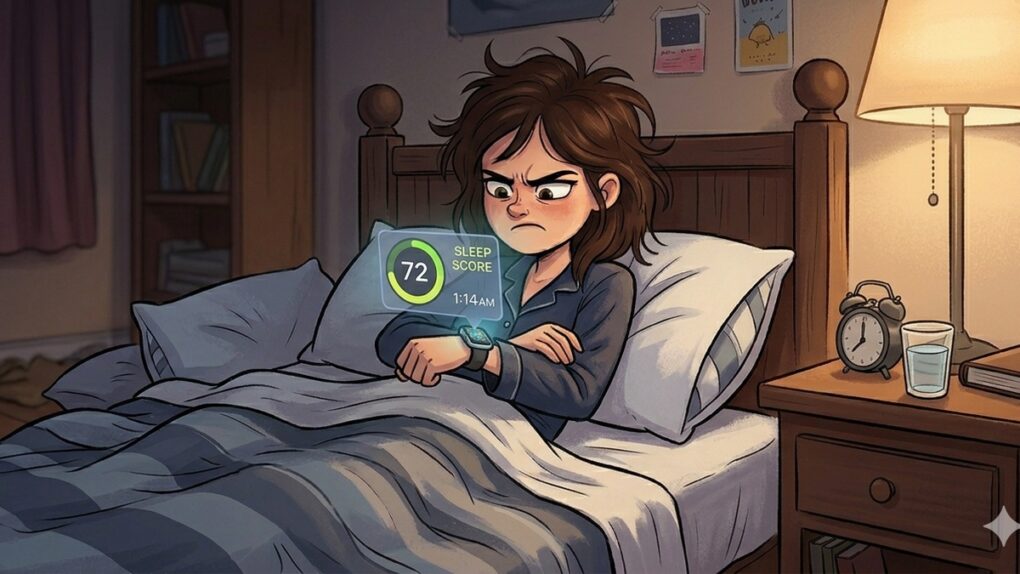
Each morning I wake up and check my sleep score on my Apple Watch. And then I wonder if it’s doing me any good. It’s certainly adding stress and hassle to my day.
That’s why I’m thinking of turning it off. Maybe you should, too.

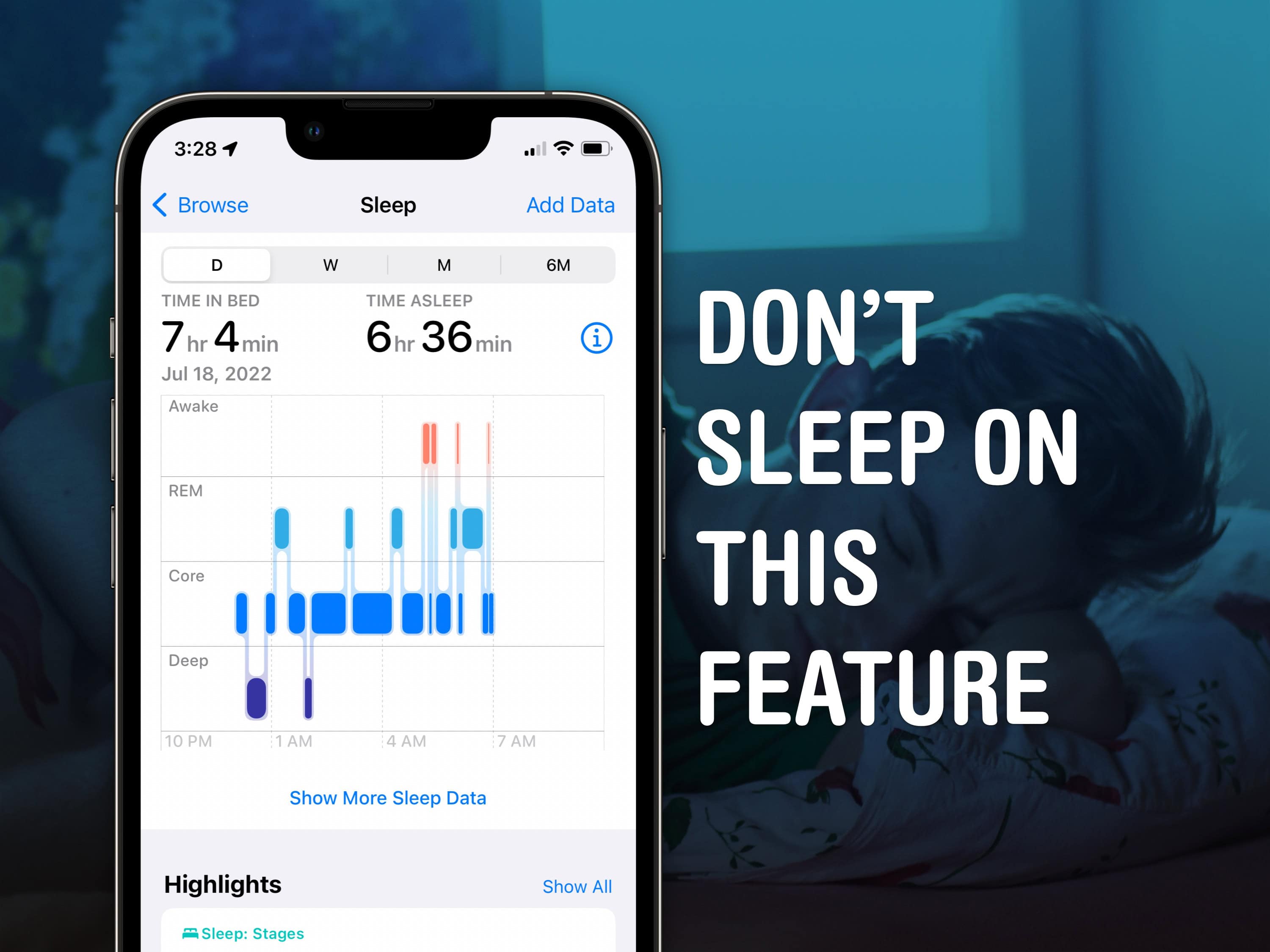
Apple Watch sleep stage tracking might help you get to the bottom of what’s going on with your sleep. Ever since watchOS 9, it can track what sleep stage you’re in. That means you can see if you’re not getting enough deep sleep or REM sleep, or if you’re waking up too often in the middle of the night. If you have insomnia or sleep apnea, this information could be very useful.
Read on to see how to use the advanced sleep stage tracking on Apple Watch.
In a recent report, Apple outlined the “rigorous scientific validation processes” used to develop the health and fitness features baked into its products.
Wearables like Apple Watch monitor our bodies around the clock, providing health insights in real time. That’s a new and unprecedented development in medical technology. The benefits are already clear, as the report illustrates, with anecdotes about how Apple Watch has saved lives.
But anecdotal evidence is not the same as scientific research. By cherry-picking the best outcomes, anecdotes risk overlooking the bigger picture. Scientists must look at all the outcomes, not just the good ones. With that in mind, I took a closer look at the scientific studies cited in Apple’s report, to find out what they tell us about the impact Apple Watch is having on our health.
UCLA launched a new study on Tuesday, sponsored by and in collaboration with Apple, designed to help revolutionize detection and treatment of depression.
It’ll follow the daily routines of Apple Watch and iPhone users, and examine the relationship between this data and symptoms of depression and anxiety.
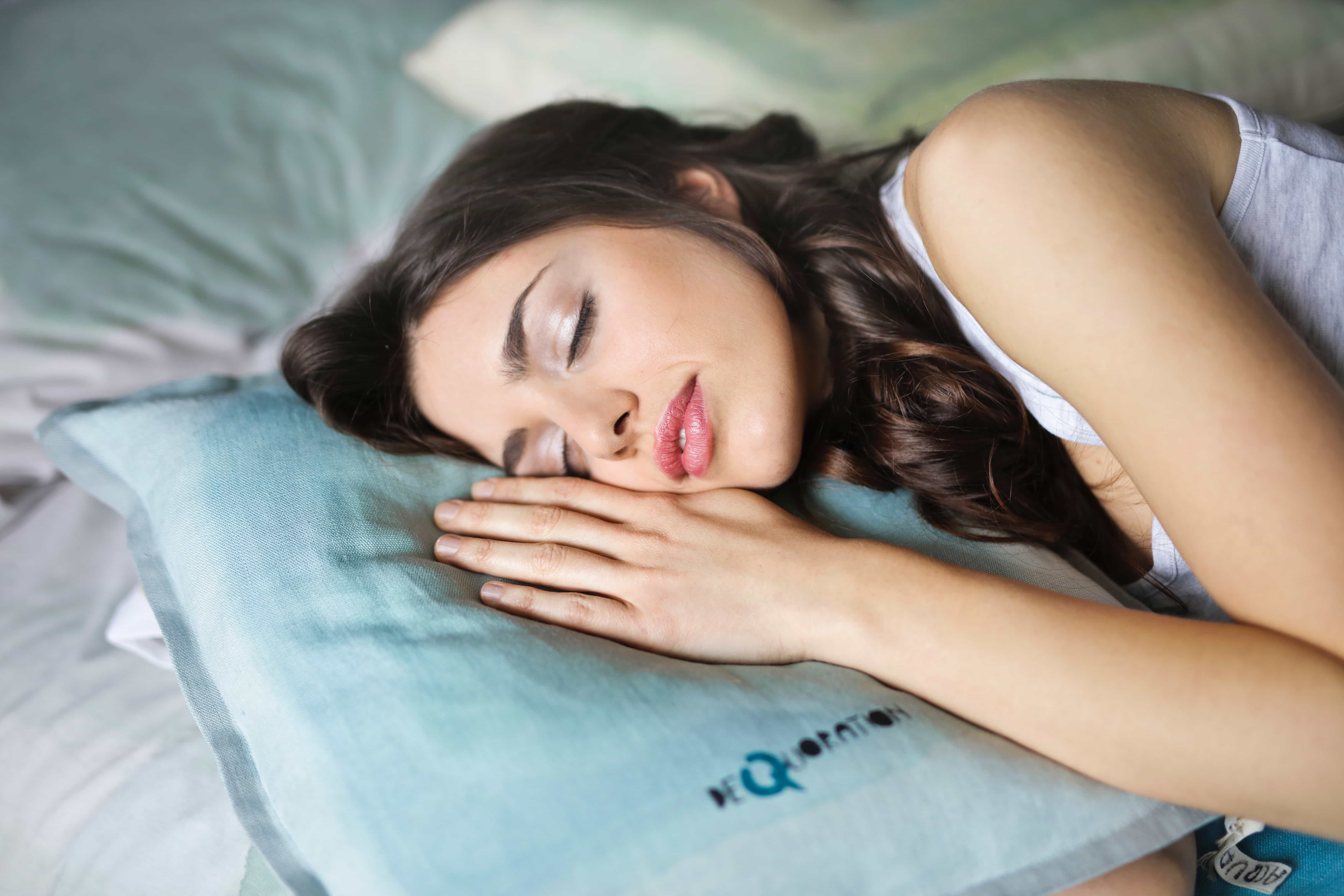
The iPhone, iPad, Apple Watch and … Apple Blanket and iMattress? That might not sound like the next logical step for Cupertino, but an Apple patent application published Thursday describes a blanket, mattress and, err, camera setup that would monitor users’ vital signs as they catch forty winks.
In addition to sleep-tracking, this could measure users’ movements during sleep, their heart rate, and their body and room temperatures during the night. It could then heat up or cool down accordingly.
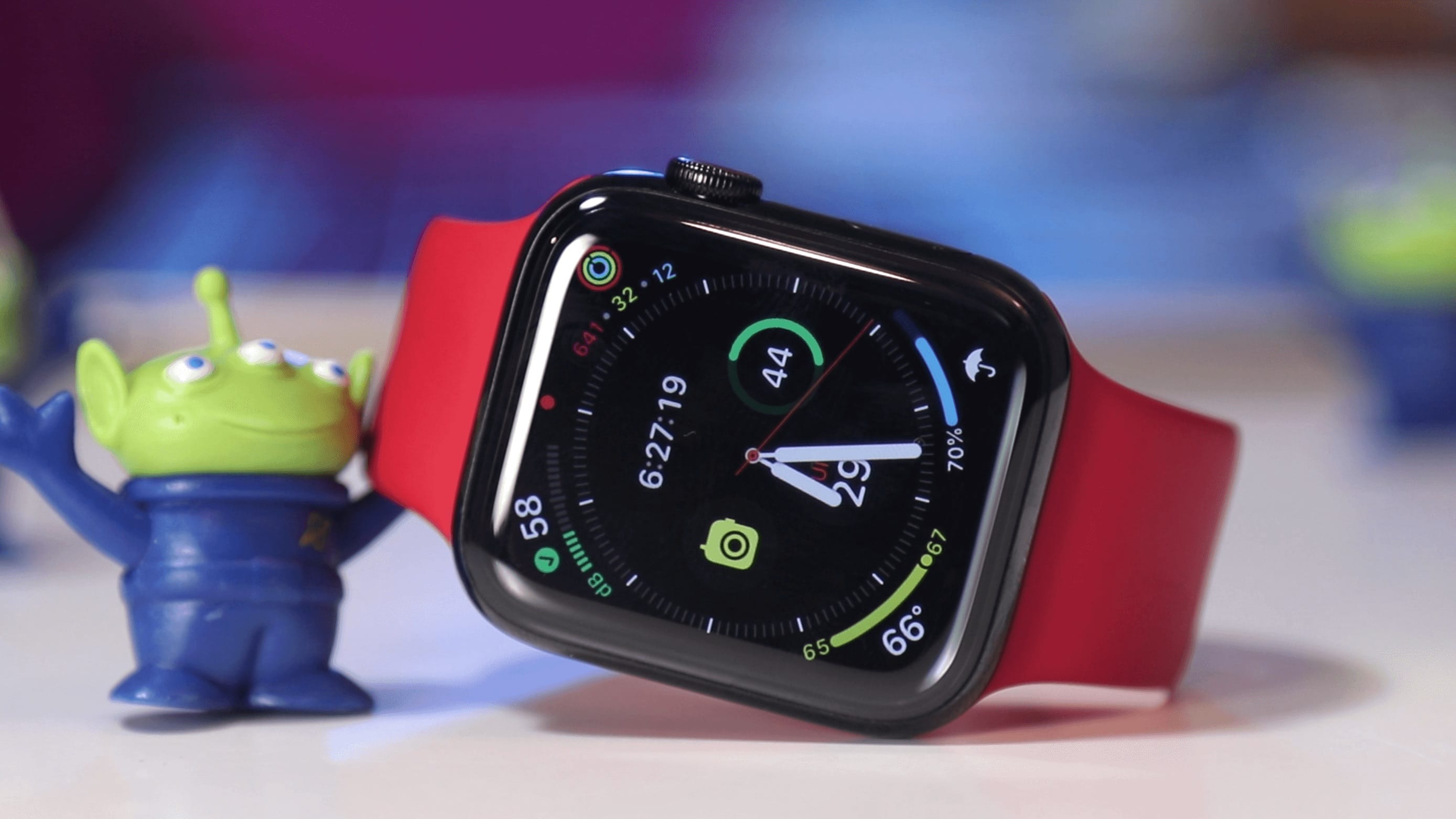
References to an unreleased Sleep app for Apple Watch have been inadvertently leaked on the App Store. It’s further evidence of Apple’s plans to bring sleep tracking to its popular wearable.
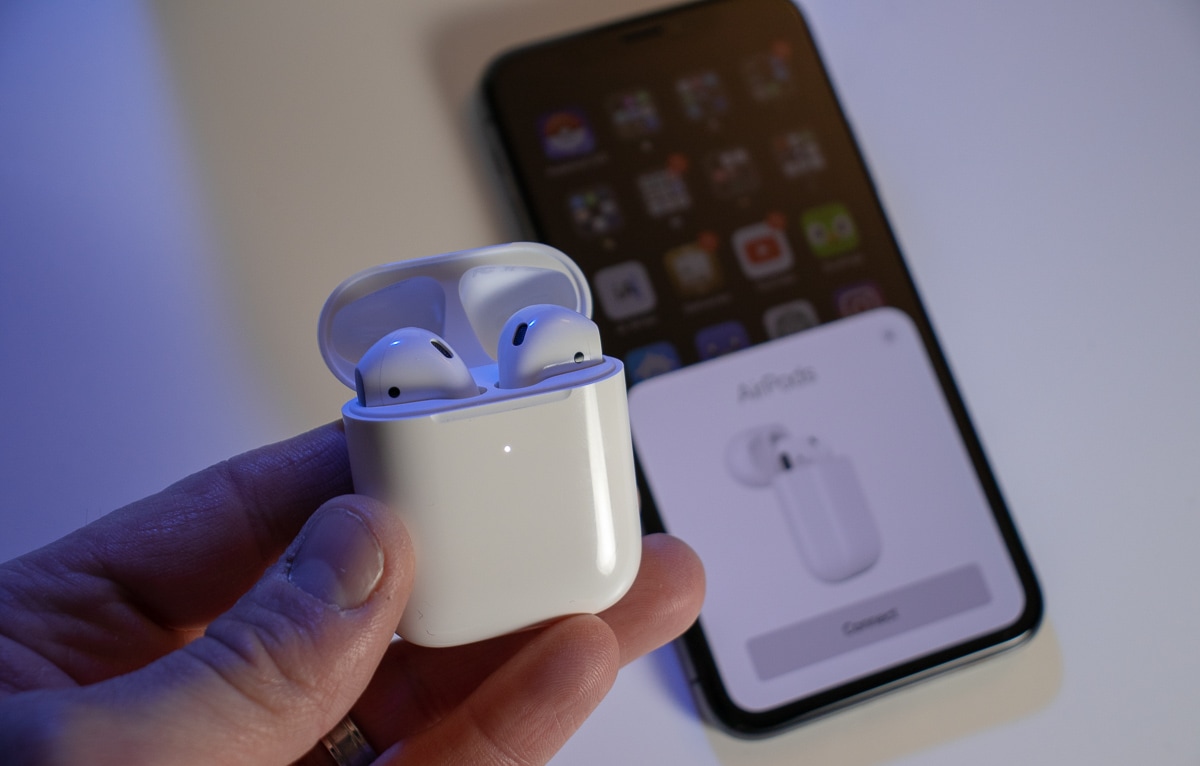
Apple’s press event today included the iPhone 11 series as well as updated iPad and Apple Watch versions. However, some rumored devices, features and accessories failed to materialize.
Most notably, the company didn’t announce a line of item-tracking tags, and the latest iPhones can’t wirelessly charge other devices. And there are other predictions that didn’t come true.
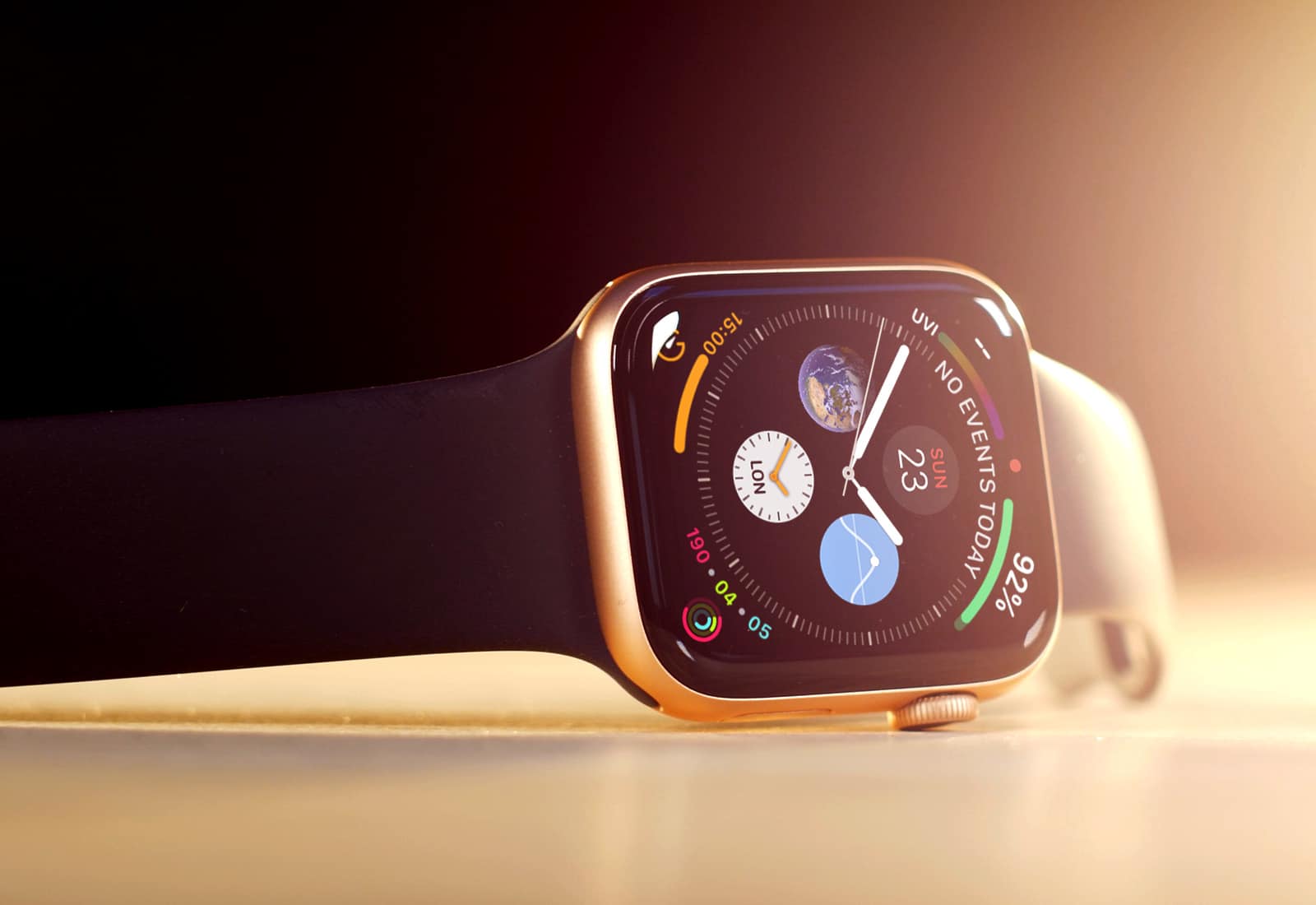
Apple will introduce sleep tracking to Apple Watch, a new report claims.
The new software-based feature reportedly will not require any additional hardware. However, it remains unclear whether Apple will limit sleep tracking to the upcoming Apple Watch Series 5.
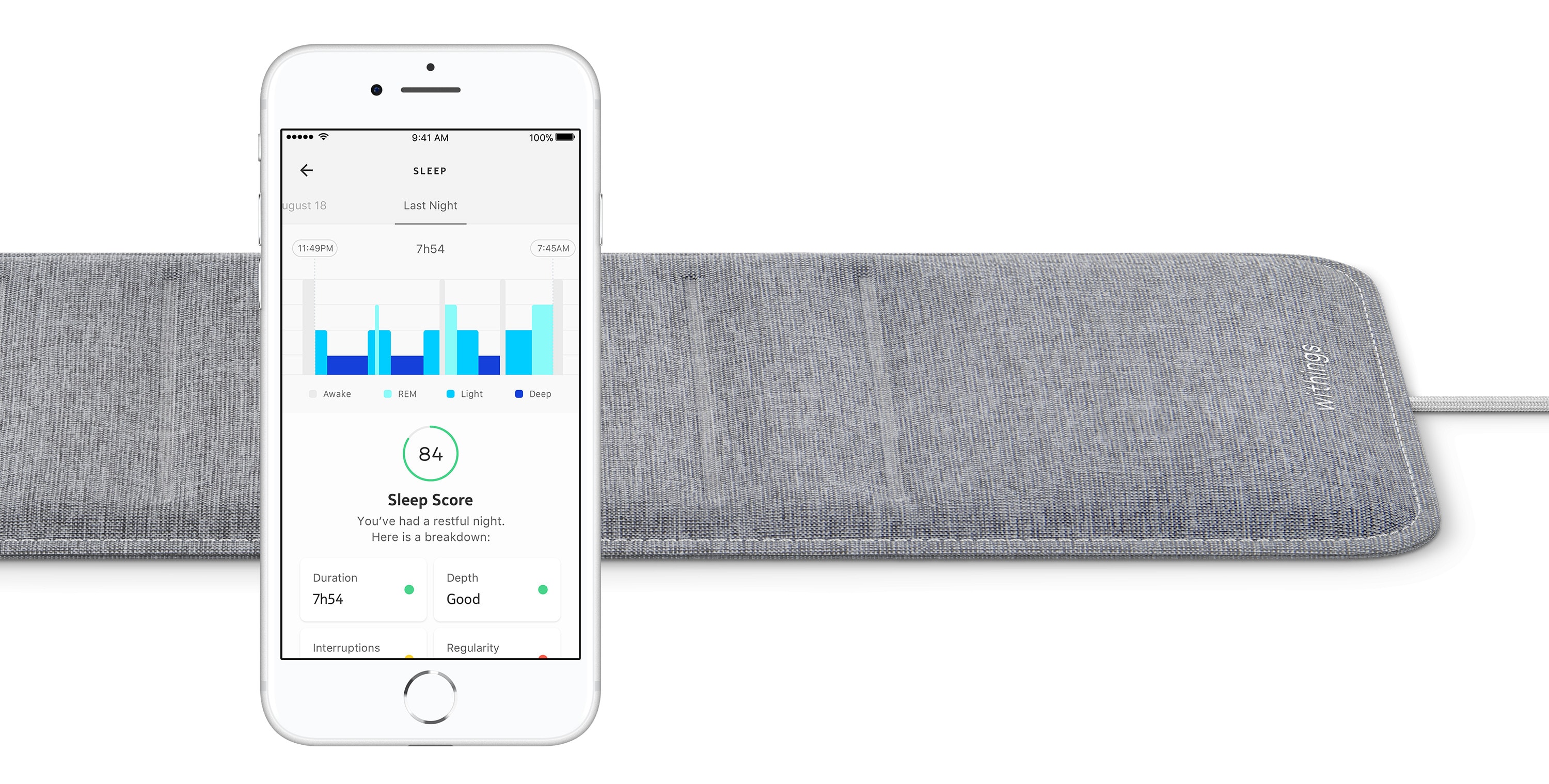
Do you feel tired every day, despite getting plenty of sleep at night? You may be suffering from sleep apnea, a disorder that affects 22 million people in the U.S. — most of whom have no idea they have it. But Withings hopes to change that.
The company’s popular sleep tracking mat now detects breathing disturbances, a symptom of sleep apnea. It also offers educational content to help you recognize the signs of the condition.
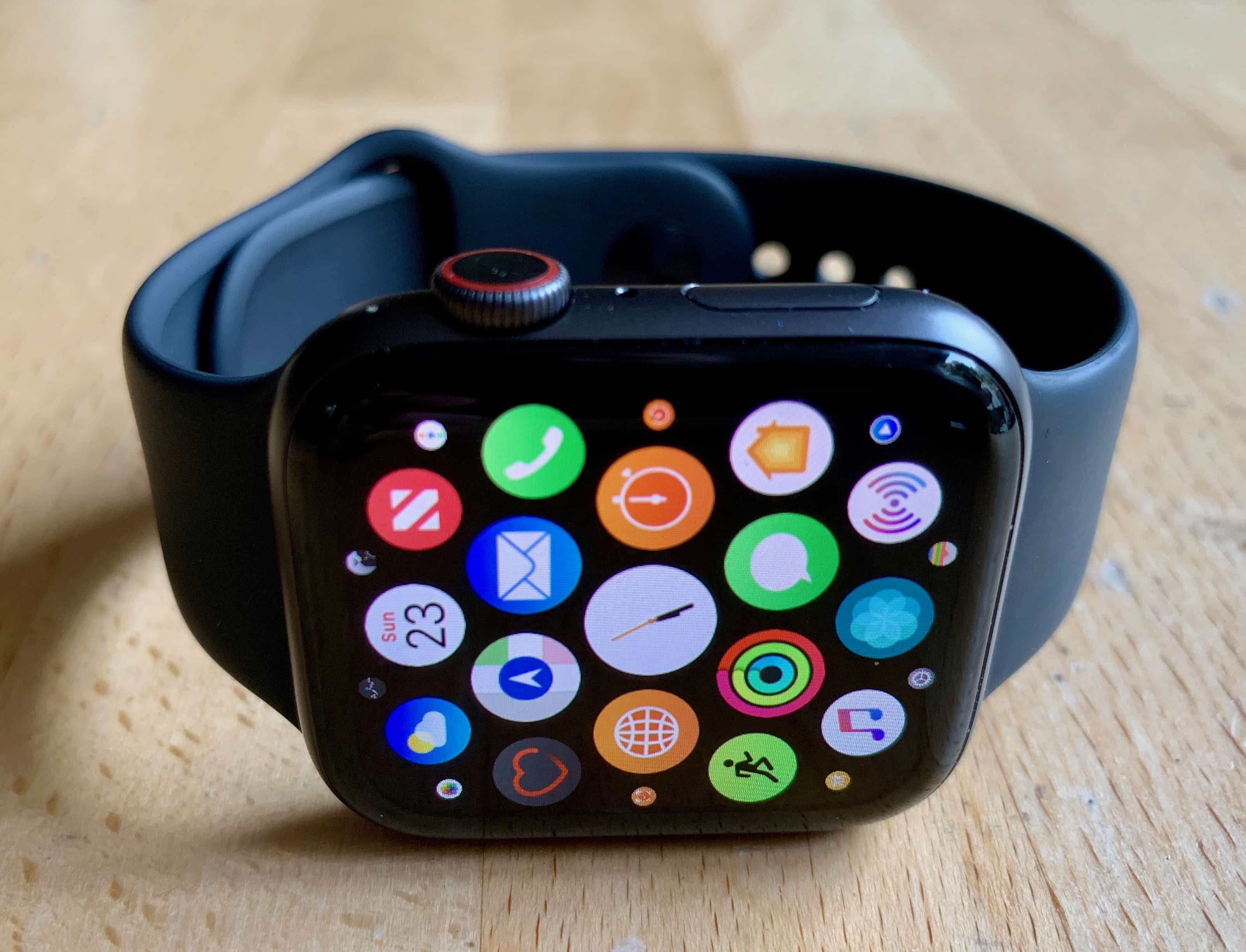
Apple Watch could soon add sleep-tracking tech that makes it an even more capable health monitor.
Apple has been testing the new sleep-tracking technology at secret sites around Cupertino, a new report claims. And if it lives up to its promise, it could ship as part of the Apple Watch by 2020.
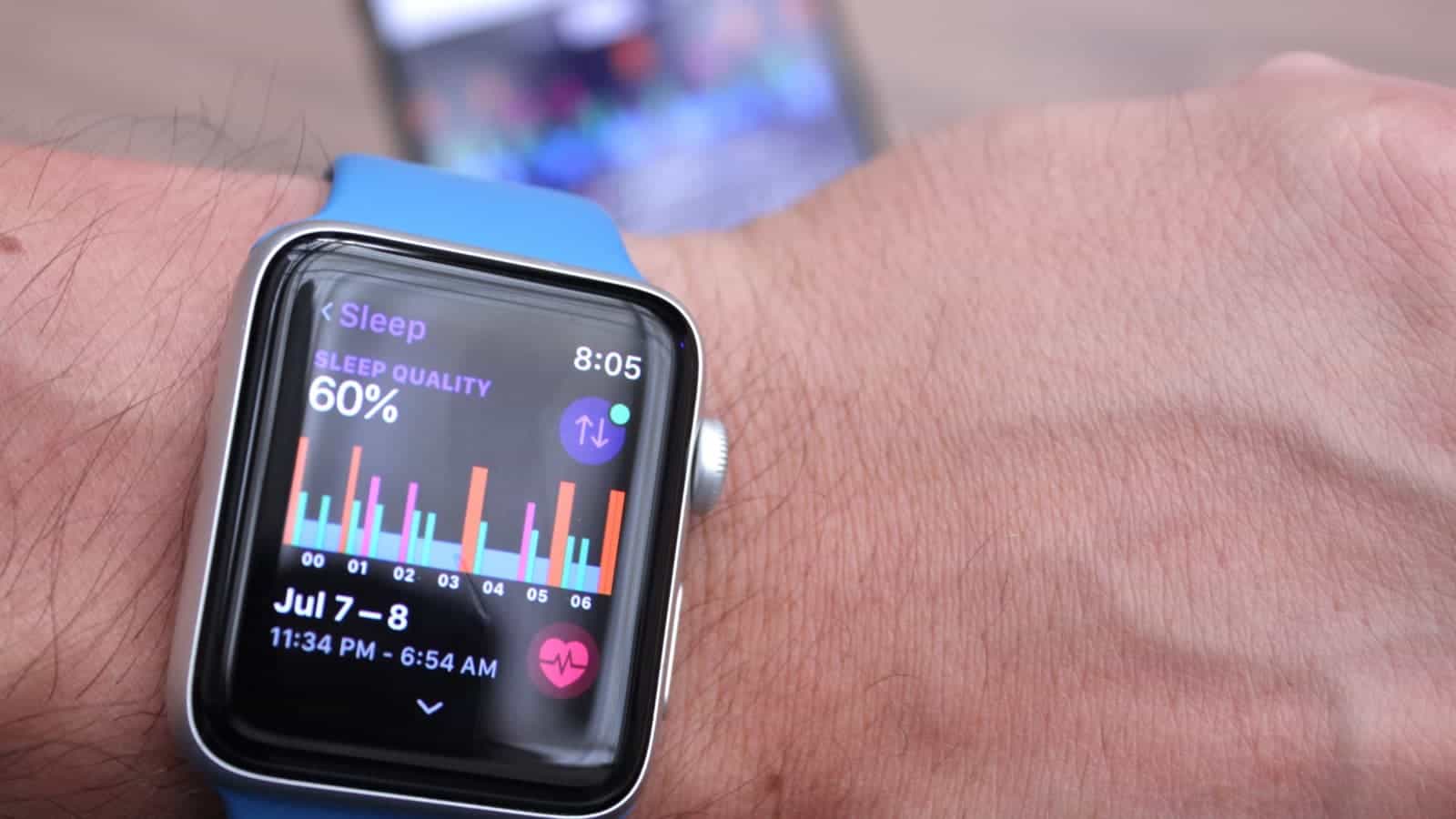
 Do you ever wake up feeling exhausted, even though you are sure you slept well the night before? Or do you find yourself getting that 2:30 feeling a few hours early without any clear explanation? With the Pillow sleep app for iPhone and Apple Watch, you can get detailed analysis of your nightly slumber. Even better, you can gain insight into your body’s ideal sleep and wake times.
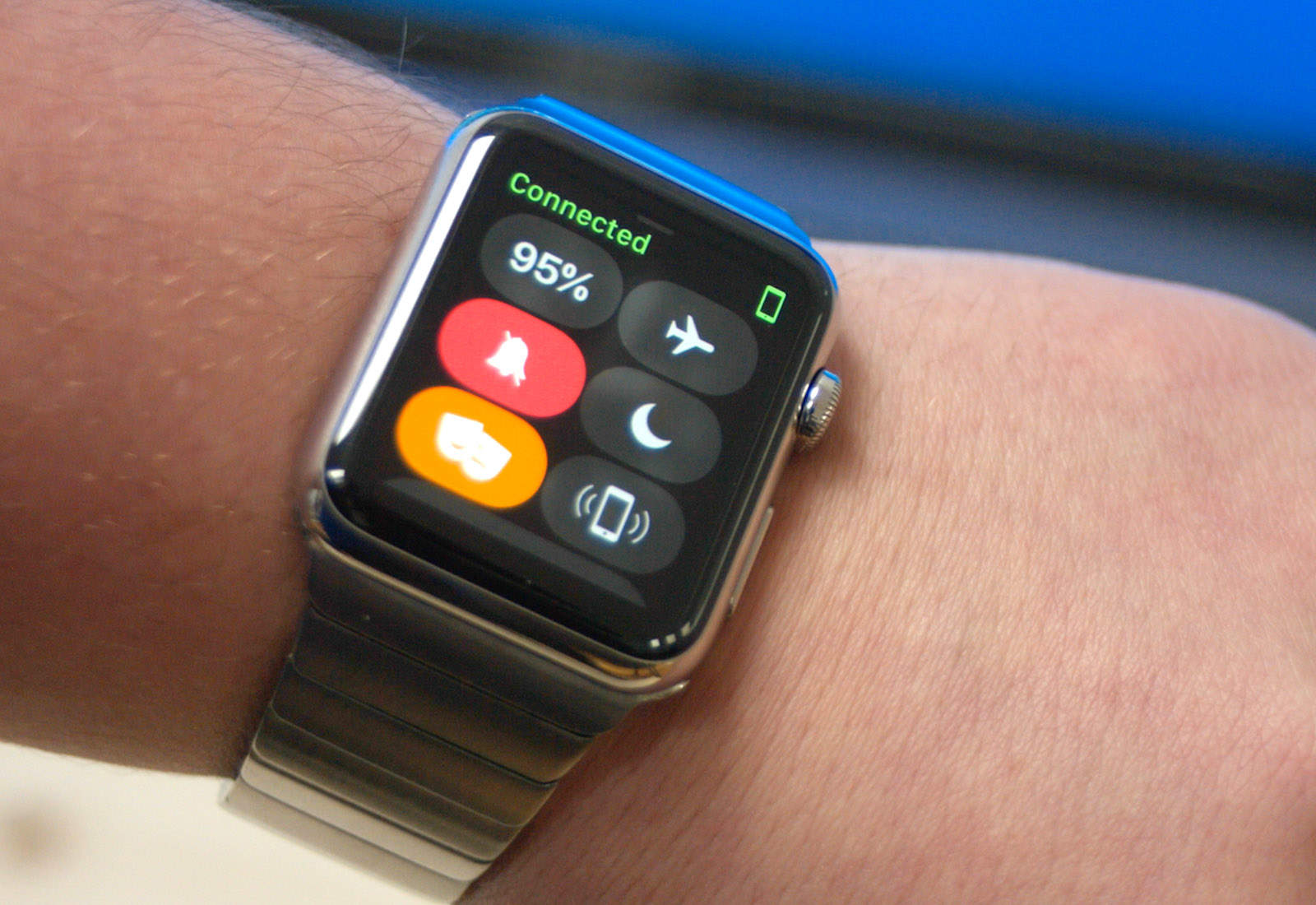
The new Theater Mode in watchOS 3.2 can do more than keep you from annoying others when you’re at the movies. If you track your sleep with your Apple Watch, Theater Mode can help you get some extra shut-eye.
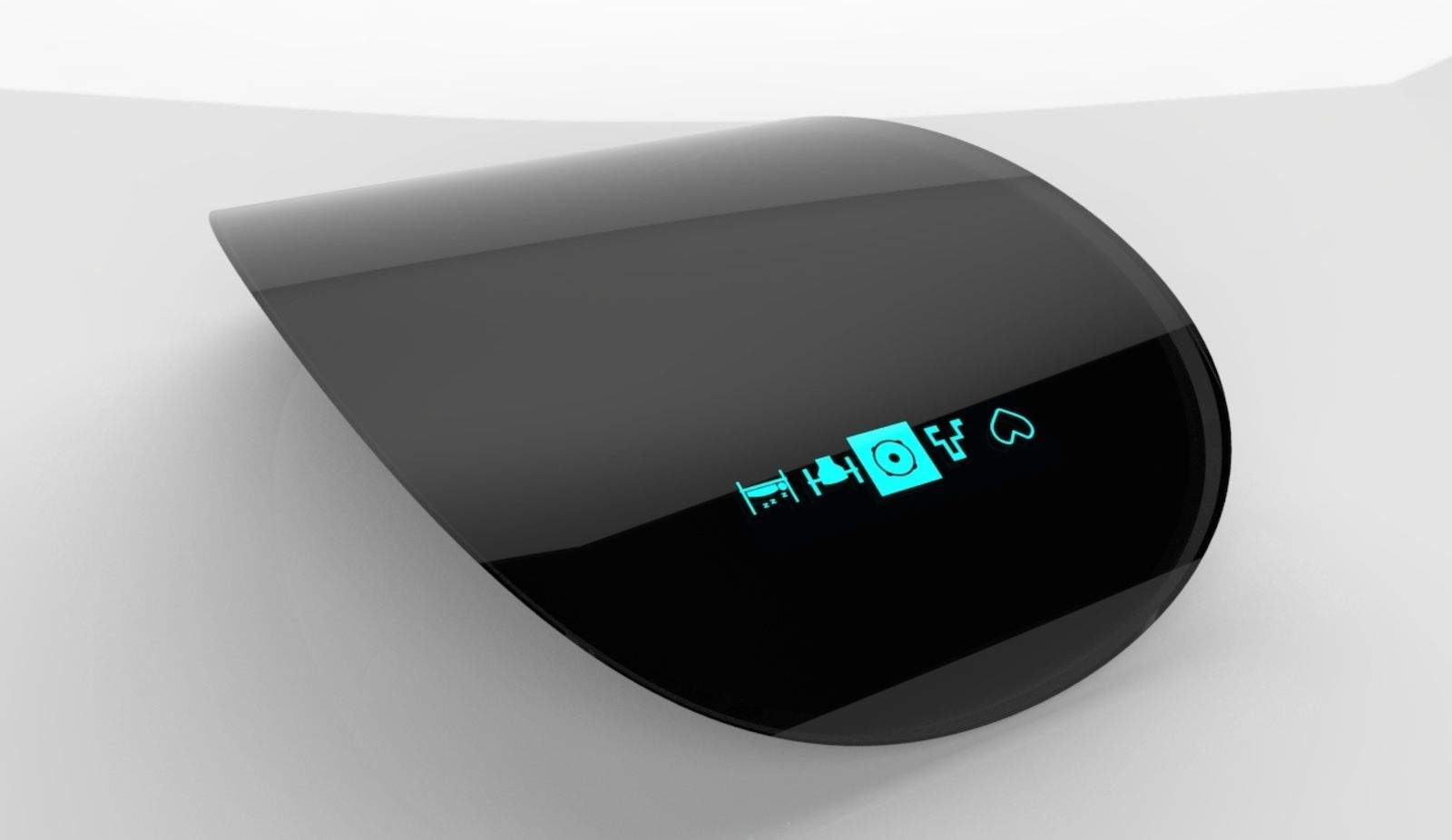
The Tao WellShell is probably unlike any iOS-connected fitness device you’ve ever encountered. It doesn’t simply track steps, or heart rate, or weight, or any of the other standard metrics tracked in dozens of other connected fitness devices. Instead, this little guy actually acts as the fitness device itself, rather than simply a tracker (though it does indeed also track heart rate, steps and sleep patterns).
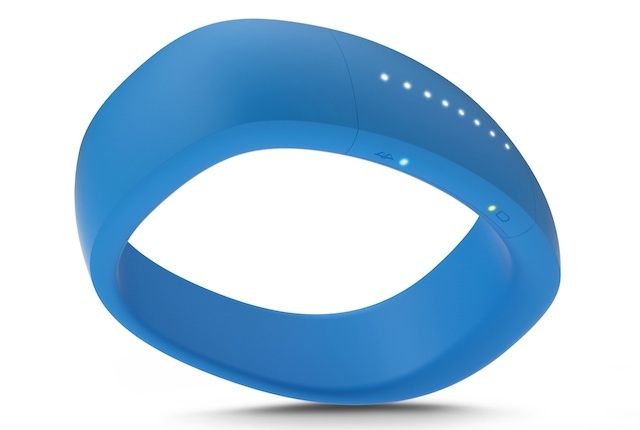
The Larklife fitness gadget doesn’t just lifelessly track all the mundane details of your life, like calories burned, miles trudged and hours snoozed away. No, this little thing actually learns your habits and tells you, in realtime, exactly what you should do to make yourself healthier.