June 5, 1977: The first Apple II, the personal computer that will put Cupertino on the map, goes on sale.
Previously shown off to a few thousand rabid fans at the West Coast Computer Faire, the Apple II’s arrival means the masses can finally get their hands on the breakthrough machine. A base unit costs $1,298 — the equivalent of nearly $6,900 today.
The Disk II floppy drive was anything but a flop for Apple. Photo: Wikipedia CC
June 1, 1978: Apple launches the Disk II floppy drive, one of the company’s most important peripherals ever.
The best floppy drive available at the time, Disk II solves the Apple II computer’s most glaring weakness — a lack of storage. It also helps establish Apple’s flair for handsome profit margins.
John Sculley served as Apple's third president and CEO. Photo: Web Summit/Flickr CC
May 17, 1983: John Sculley takes the helm as Apple’s third president and CEO. The former Pepsi-Cola boss is short on tech experience but long on marketing, which will become increasingly important as the personal computer revolution ramps up.
Steve Jobs personally lured Sculley to Apple using one of the most famous lines in the history of business. “Do you want to spend the rest of your life selling sugared water,” Jobs asked Sculley, “or do you want a chance to change the world?”
In this setup, the user Velcros a Magic Keyboard to the side of the desk on the right -- just so they can reach the Touch ID button. Photo: [email protected]
It’s easy to get addicted to using Touch ID whenever you need to gain password-restricted access to anything. But not everyone is a big fan of Magic Keyboard with Touch ID (not the function, the keeb itself). Today’s MacBook Pro setup user found an odd but practical solution. They use a Keychron Q1 mechanical keyboard as a daily driver and Velcro a Magic Keyboard with Touch ID to the edge of the desk so they can reach the Touch ID button.
April 17, 1977: The Apple II launch at the West Coast Computer Faire positions Apple at the forefront of the looming personal computer revolution.
The company’s first mass-market computer, the Apple II boasts an attractively machined case designed by Jerry Manock (who will later design the first Macintosh). It also packs a keyboard, BASIC compatibility and, most importantly, color graphics.
Fueled by some marketing savvy from Apple co-founder Steve Jobs, the Apple II launch makes quite a splash at the San Francisco Bay Area’s first personal computer convention.
The problems encountered by the Apple III sound strangely familiar. Photo: Alker33/YouTube
April 15, 1981: Apple CEO Mike Markkula defends the struggling Apple III computer with a surprisingly straightforward admission. The comment comes even as the company pushes an unorthodox “fix” for the Apple III motherboard, which tends to overheat due to a questionable design.
“It would be dishonest for me to sit here and say that it’s perfect,” Markkula tells The Wall Street Journal, after critics blast the new computer for its overheating motherboard. Apple’s official solution to the problem? Ask users to drop their Apple III from a height of 6 inches to reseat the chips.
Ron Wayne today and when he co-founded Apple in 1976. Photo: Ron Wayne
April 12, 1976: Apple’s third co-founder, a former Atari colleague of Steve Wozniak’s named Ron Wayne, cashes in his Apple shares for just $800.
Wayne, who owns a 10% stake in the company, throws in the towel after worrying that he doesn’t have the time or energy to properly invest in Apple. He later receives an extra $1,500 check to seal the deal. When he cashes it, he loses out on an investment that could have been worth billions.
“I was 40 and these kids were in their 20s,” Wayne told Cult of Mac decades later, referring to Wozniak and Steve Jobs. “They were whirlwinds — it was like having a tiger by the tail. If I had stayed with Apple I probably would have wound up the richest man in the cemetery.”
The Apple-1 in all its glory! Photo: Auction Team Breker
April 11, 1976: Apple releases its first computer, the Apple-1.
Designed and hand-built by Steve Wozniak, the computers are sold wholesale by “Steven” Jobs. To finance their manufacturing, Wozniak sells his HP-65 calculator for $500, while Jobs sells his Volkswagen van.
Apple and Microsoft had a long and storied history together. Photo: Fulvio Obregon
April 4, 1975: Microsoft is founded by childhood friends Bill Gates and Paul Allen. The software company destined to become a tech behemoth — and a major Apple frenemy.
A few years later, Microsoft will break through to the mainstream with Excel and Word, becoming a key developer of Macintosh software. Then comes the Windows operating system, looking suspiciously Apple-like. After Windows arrives, Microsoft and Apple will embark upon a long-running feud.
The Beatles' clash with Apple ran for almost 30 years. Photo: Apple Corps
March 30, 2006: A court case begins that once again pits Apple Computer against Apple Corps, aka The Beatles’ record label and holding company.
The lawsuit caps a long-running legal battle between the two wealthy companies. It’s the final fight in an epic legal battle over music, technology and money.
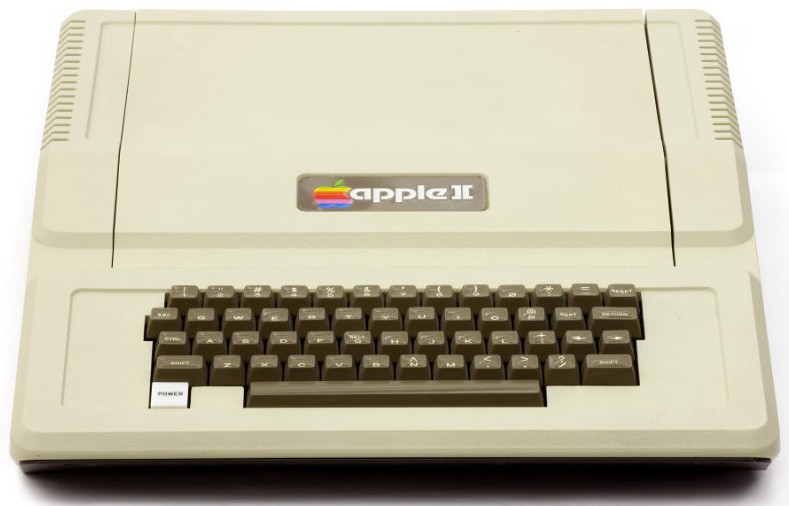
 June 5, 1977: The first Apple II, the personal computer that will put Cupertino on the map, goes on sale.

 June 1, 1978: Apple launches the Disk II floppy drive, one of the company’s most important peripherals ever.
 May 17, 1983: John Sculley takes the helm as Apple’s third president and CEO. The former Pepsi-Cola boss is short on tech experience but long on marketing, which will become increasingly important as the personal computer revolution ramps up.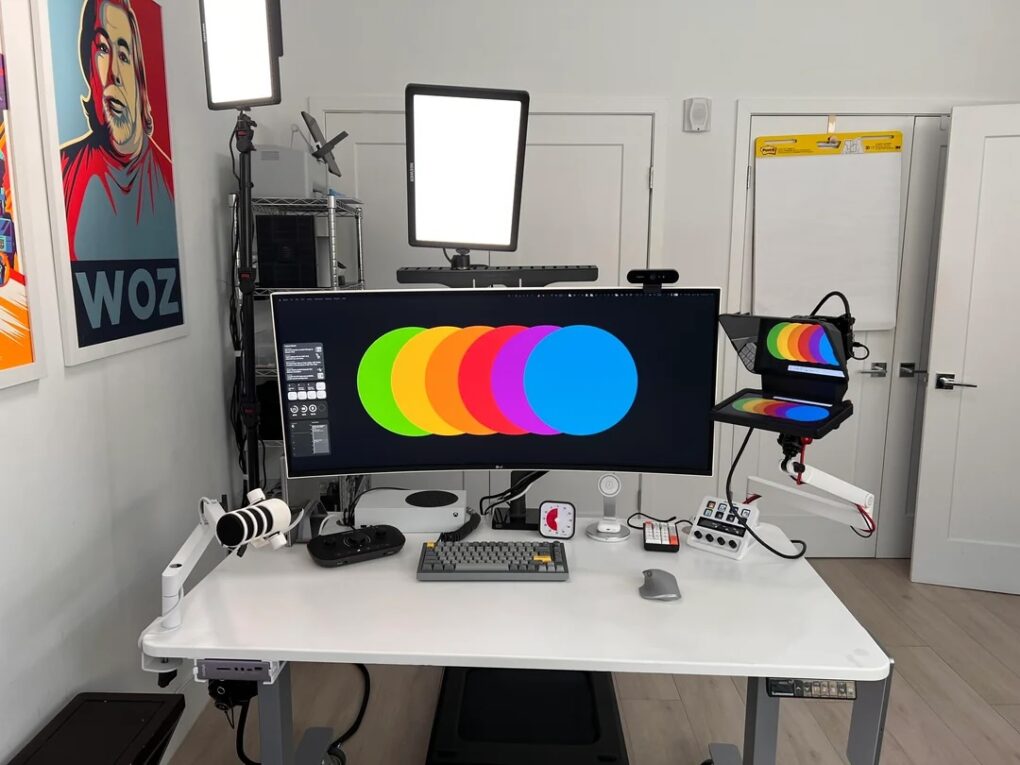
 April 17, 1977: The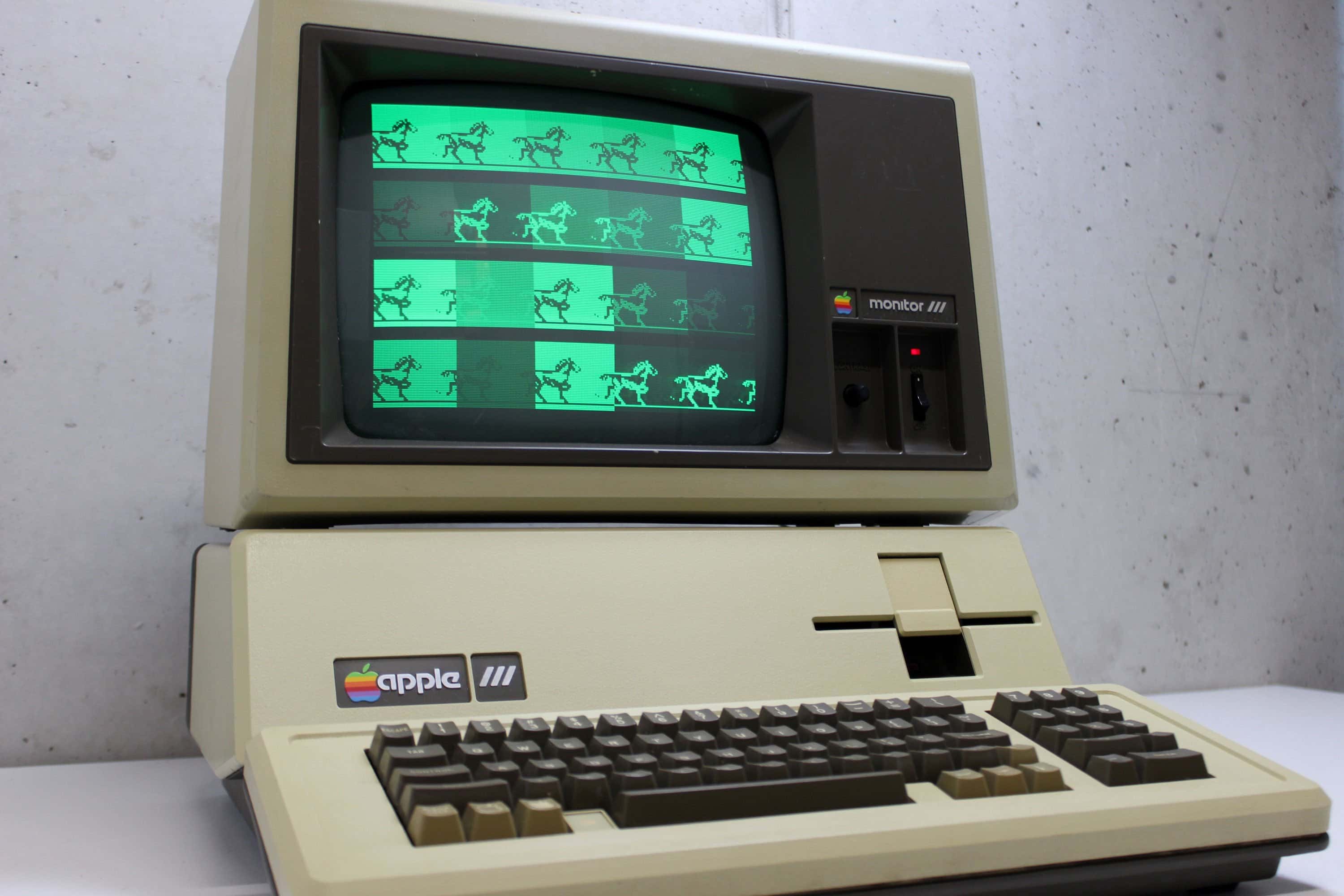
 April 15, 1981: Apple CEO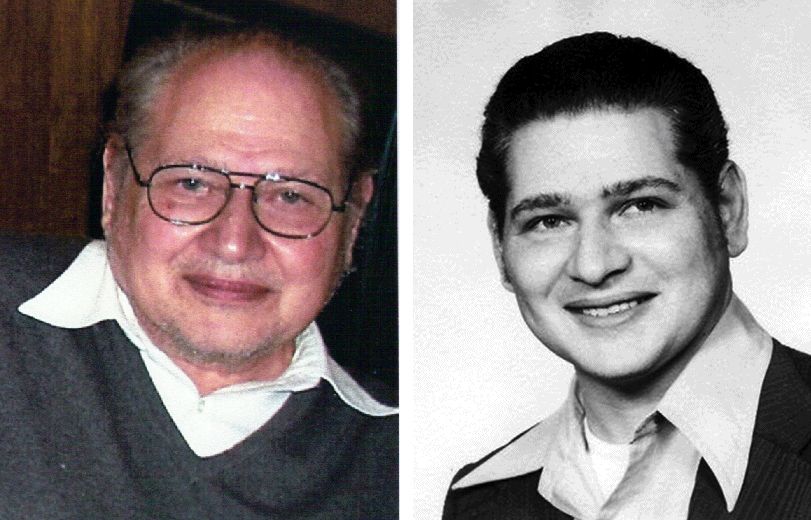
 April 12, 1976: Apple’s third co-founder, a former Atari colleague of Steve Wozniak’s named Ron Wayne, cashes in his Apple shares for just $800.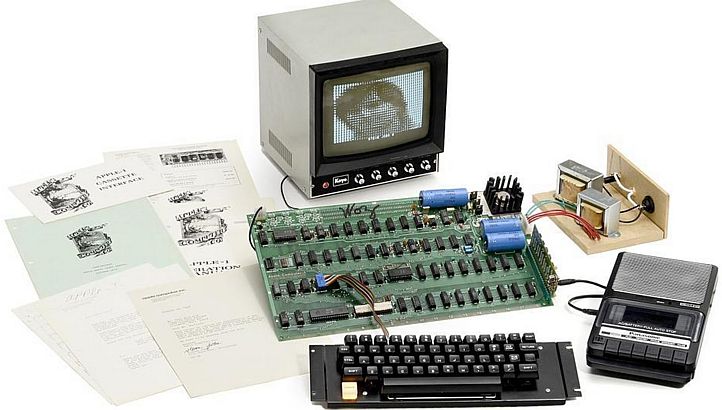
 April 11, 1976: Apple releases its first computer, the Apple-1.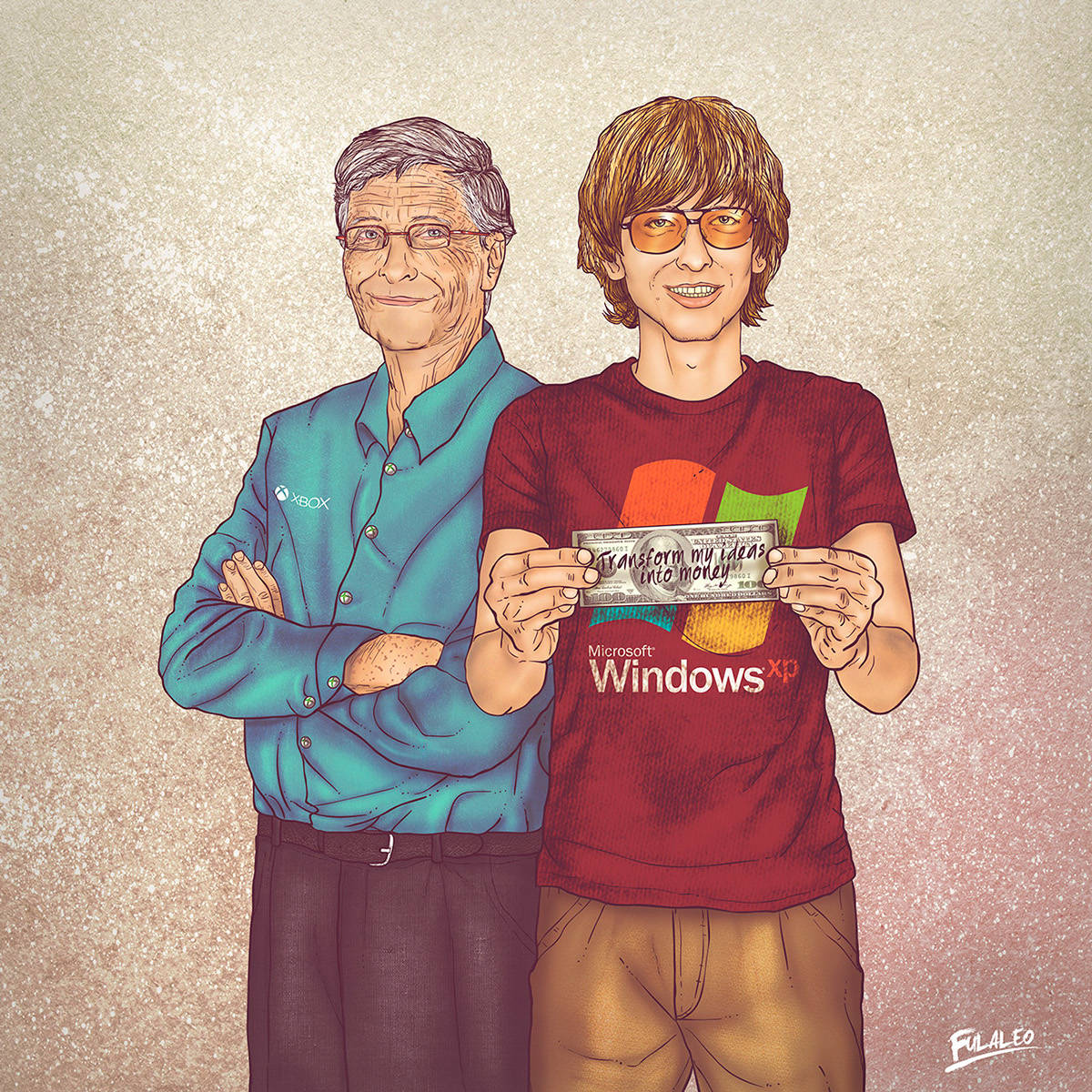
 April 4, 1975: Microsoft is founded by childhood friends Bill Gates and Paul Allen. The software company destined to become a tech behemoth — and a major Apple frenemy.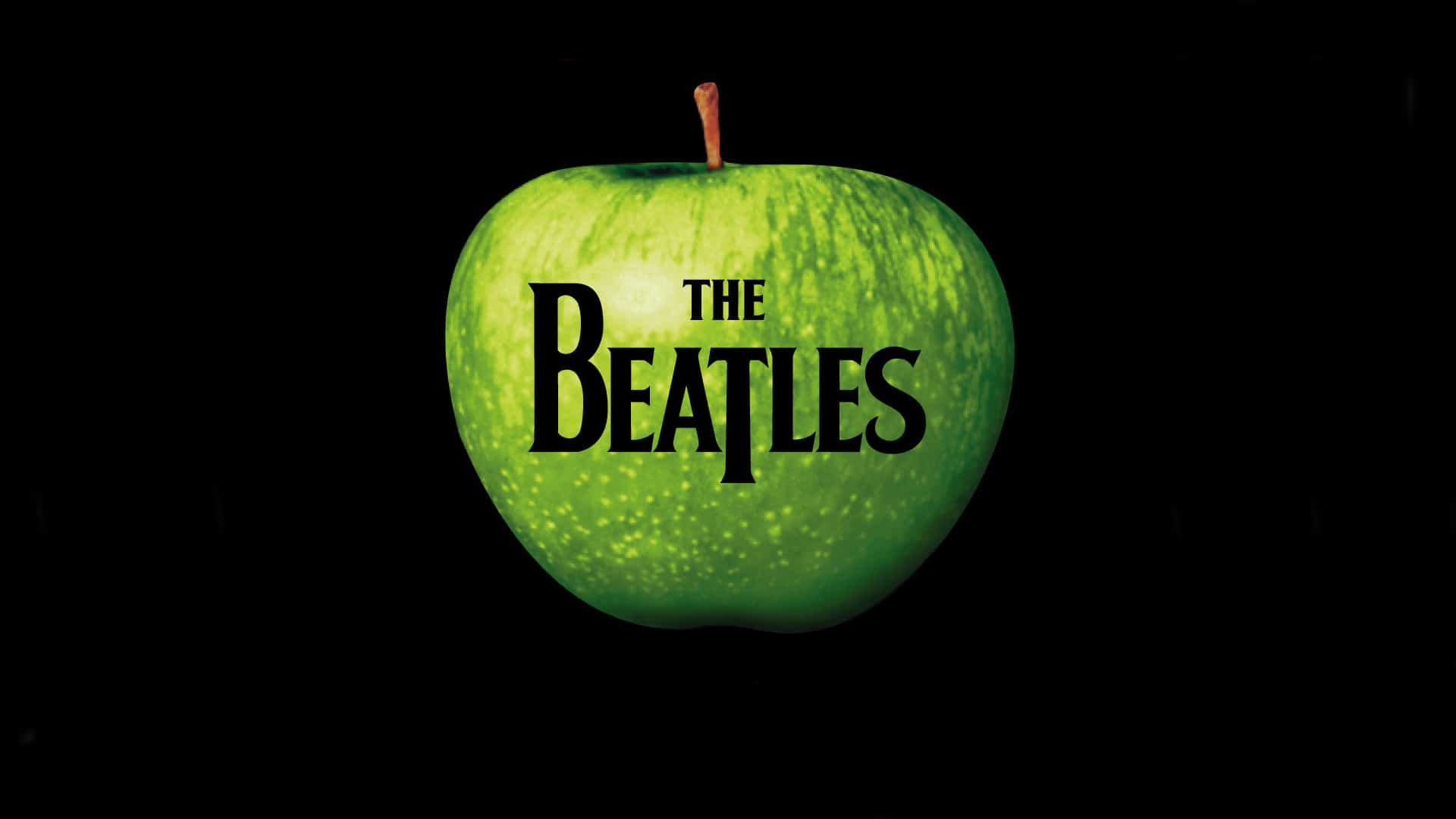
 March 30, 2006: A court case begins that once again pits Apple Computer against Apple Corps, aka The Beatles’ record label and holding company.