The Apple Watch just launched seven weeks ago, but people are already speculating what the next generation of wearables is going to look like.
And some early reports say that Apple’s sticking with LG to make displays for the Apple Watch 2.
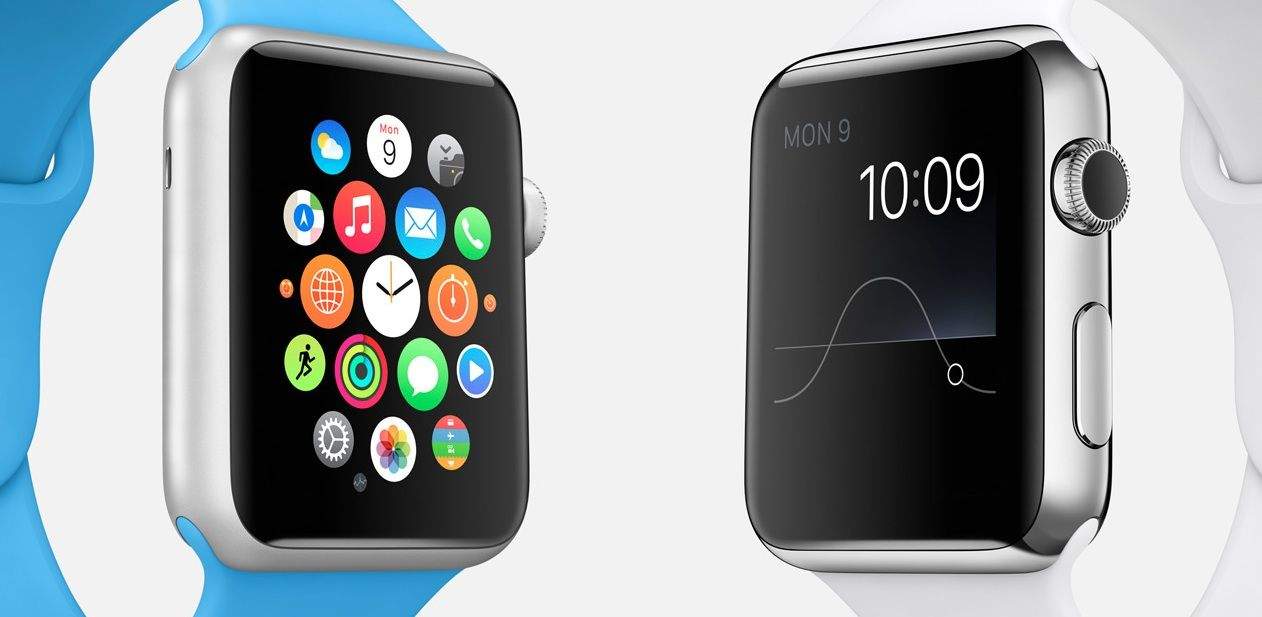
The Apple Watch just launched seven weeks ago, but people are already speculating what the next generation of wearables is going to look like.
And some early reports say that Apple’s sticking with LG to make displays for the Apple Watch 2.

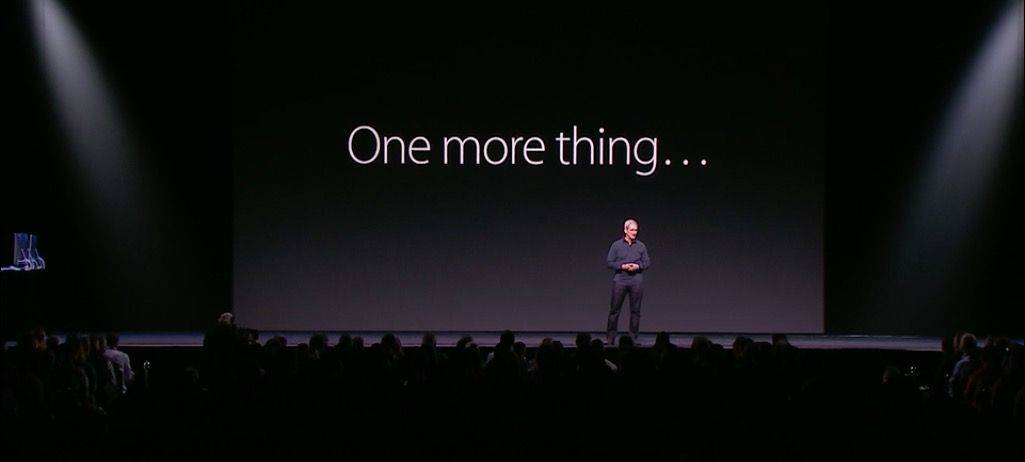
Apple’s two-hours-plus keynote at its Worldwide Developers Conference (WWDC) this week was packed with new and exciting information about the future of software for its current major hardware. But we couldn’t help but notice some things that were missing.
Here are some of the ways Apple’s presentation left us hanging this year.
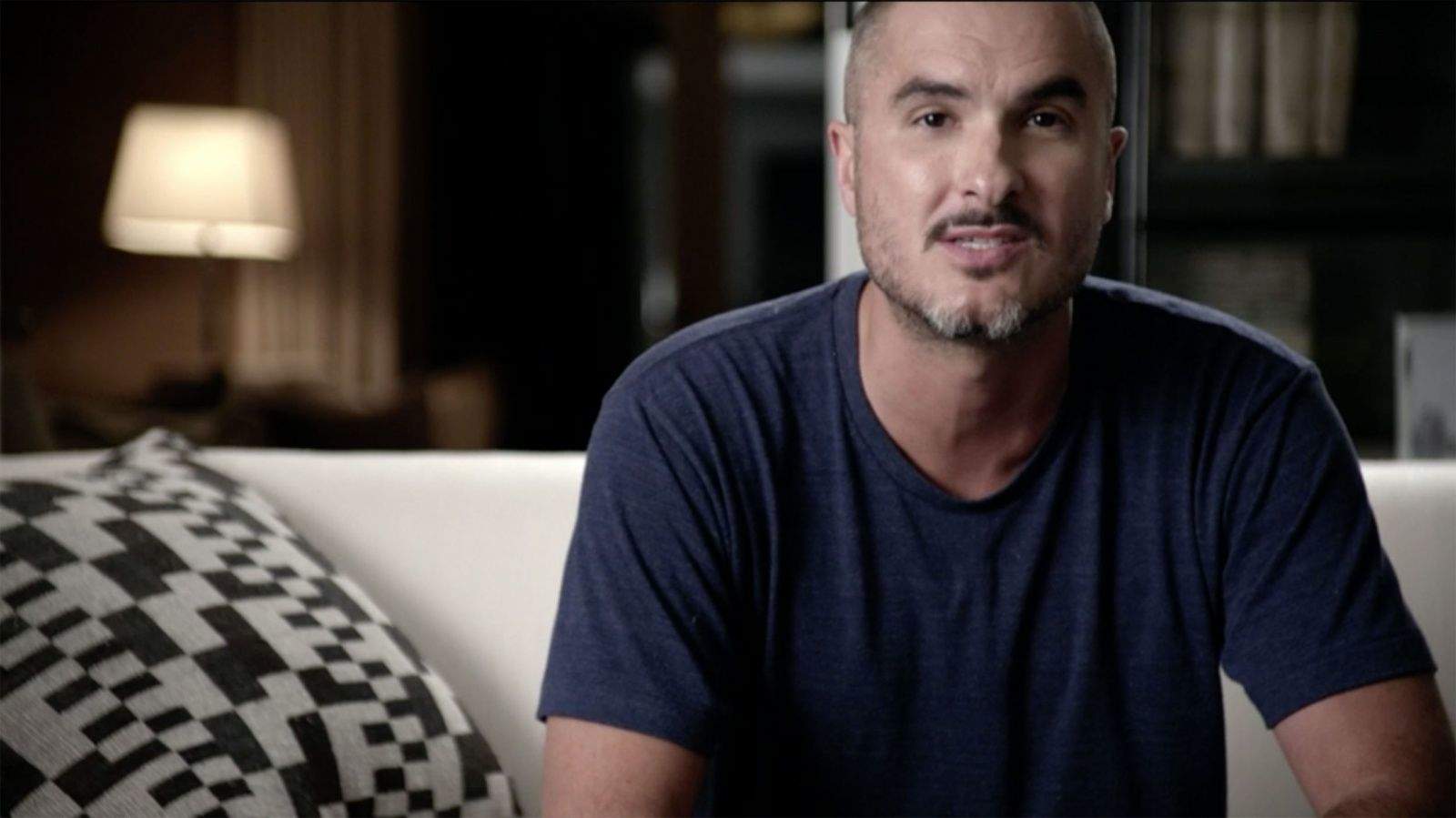
Please, please, please let Apple’s Beats 1 radio station be good.
Of all the announcements at Monday’s WWDC keynote, that’s the one I personally am most excited about. When it launches June 30, Beats 1 will be a 24-hour global radio station run by three DJs from three different cities around the world.
I’m a music junkie. I listen to music radio all the time, especially Radio 1, the BBC’s flagship radio station in London. To be honest, a lot of it sucks, but a lot of it doesn’t. It allows me — an expat Limey living in California — to keep tabs on Britain’s awesome musical culture.
And that’s what I’m hoping for — that Apple’s billions will privately fund a radio station that’s like the BBC’s publicly funded Radio 1 — on a global scale.
Apple hinted at such ambitions in the launch video played during Monday’s keynote. Done right, it could be the great music discovery mechanism the entire music industry’s been looking for.
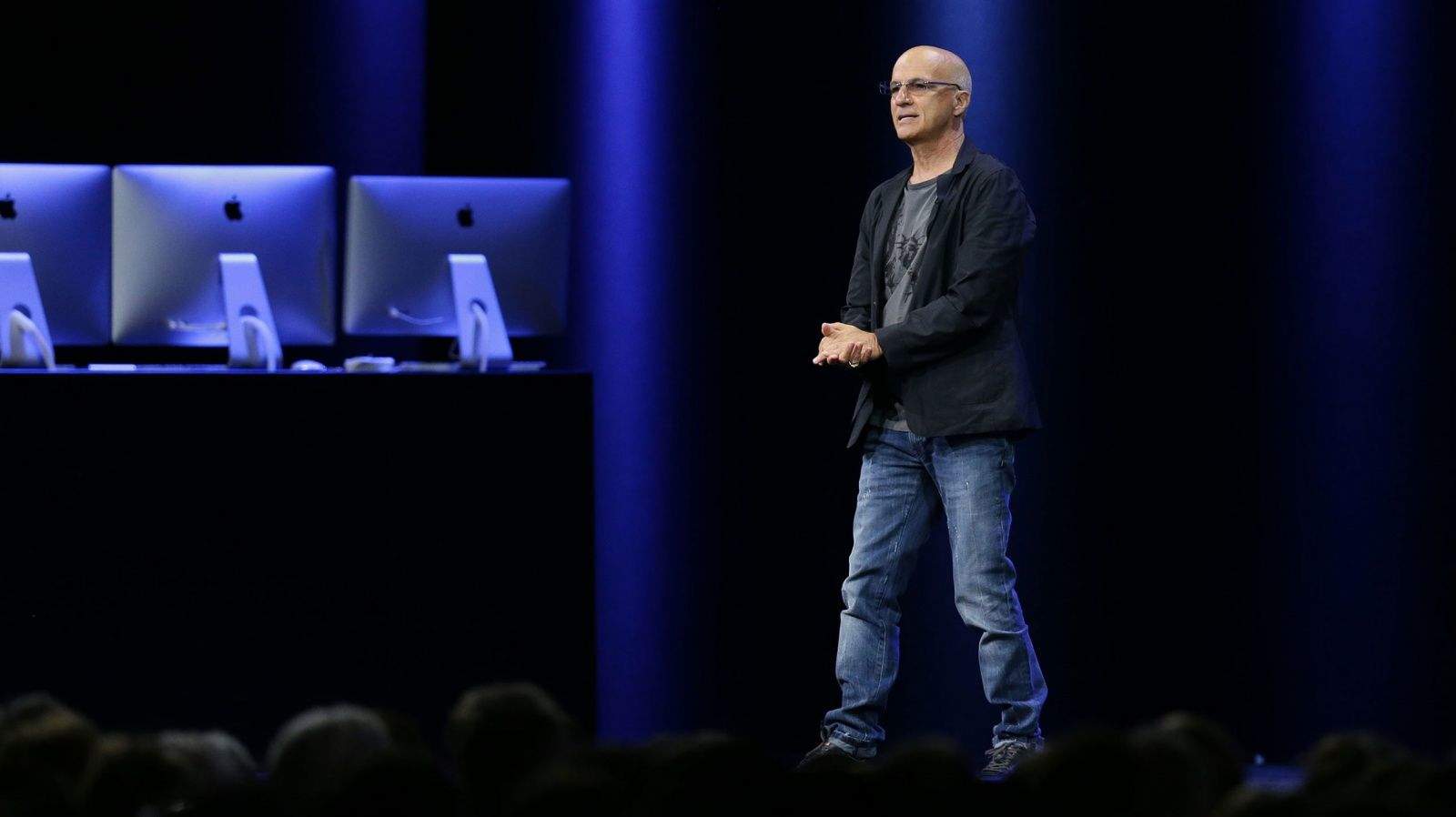
Apple’s big idea for transforming the way we experience music is bringing a personal touch — and a simple, unified platform — to the tangled technological mess that music’s become in 2015. Apple Music is classic Apple: putting a human face on technology that threatens to overwhelm us.
Tim Cook brought out high-profile artists, and Apple’s team of industry insiders, to show off what he called “the next chapter in music” today at the Worldwide Developers Conference in San Francisco.
“I know your are going to love it,” Cook said, introducing Apple Music. “It will change the way that you experience music forever.”
Here’s what Apple Music will bring to your ears.
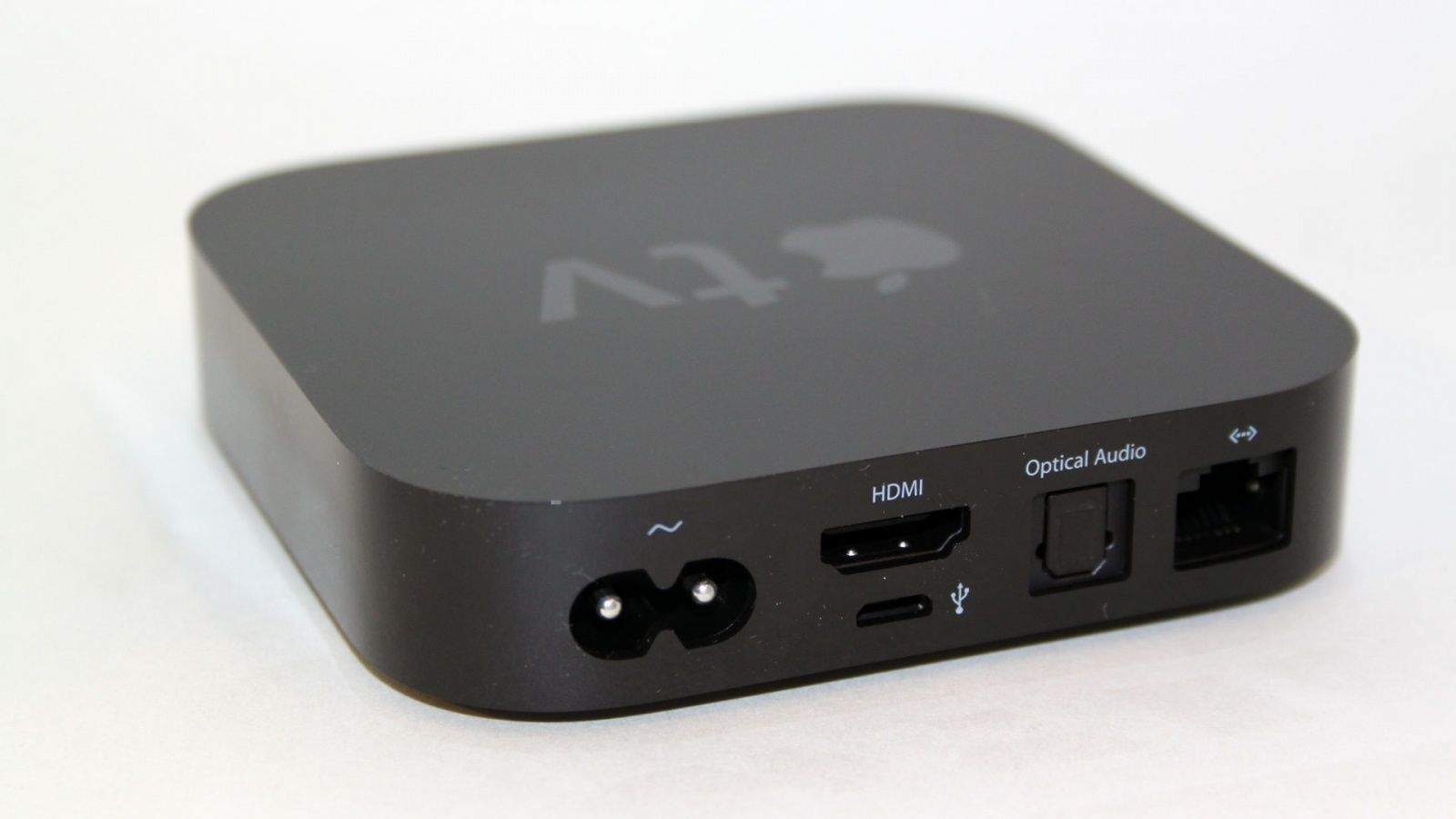
Apple is souping up its internal network and data centers ahead of its new streaming music service and upgraded Apple TV, according to a new report.
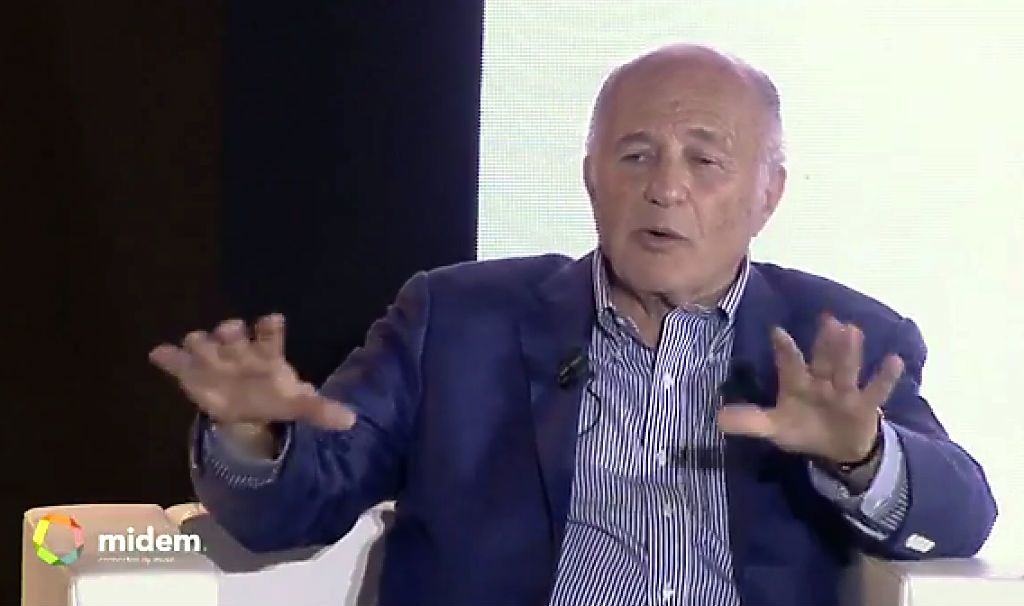
When Apple unveils its revamped music service Monday, it will mark a “tipping point” for mass acceptance of streaming over downloads, predicts Sony Music CEO Doug Morris.
The new streaming service, which Morris says will be unveiled tomorrow at Apple’s annual Worldwide Developers Conference, will challenge on-demand streaming services like Spotify and Rdio thanks to a very particular set of skills Cupertino has acquired over the years.
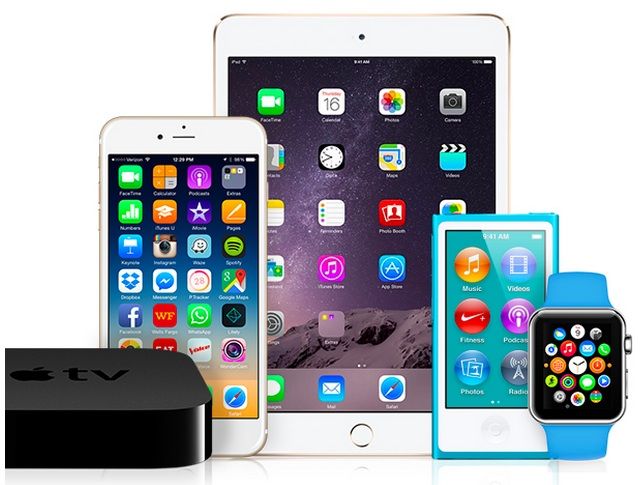
Apple and Google boasted that they paid over $17 billion to app developers over the last year. What they left out is that they also made a tidy $7.3 billion off those sales, thanks to the 30/70 split pioneered by Steve Jobs with the launch of iTunes in 2003.
That split could coming to an end soon, though, according to a new report claiming Apple plans to make a departure from its old pricing formula in an effort to make Cupertino’s devices more appealing to media companies.
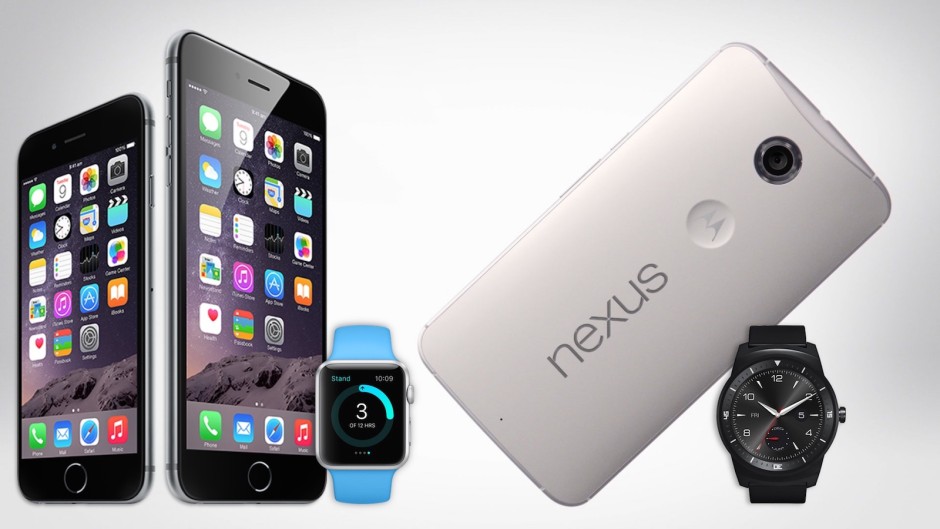
At its I/O conference last week, Google laid out the roadmaps for its most important platforms. It has already made its way into your pocket, but over the next few years, the search giant hopes to find a place on your wrist and in your home as well.
Things aren’t so straightforward as that, though.
Apple is fighting Google for territory in a variety of areas, with iOS competing with Android, Apple Watch battling Android Wear, and HomeKit trying to beat out Brillo.
But which one has the edge that will help it reign supreme? Here’s how they stack up against each other.
A new report published today by Adobe demonstrates that, when it comes to both pay TV and the devices people choose for consuming digital media, Apple trounces the competition.
Having once dismissed its own Apple TV offering as just a “hobby,” the powers-that-be in Cupertino are likely to want to rethink that statement following the news that its set-top boxes doubled their share of premium video viewing quarter-over-quarter during the last year — overtaking Roku in the process.
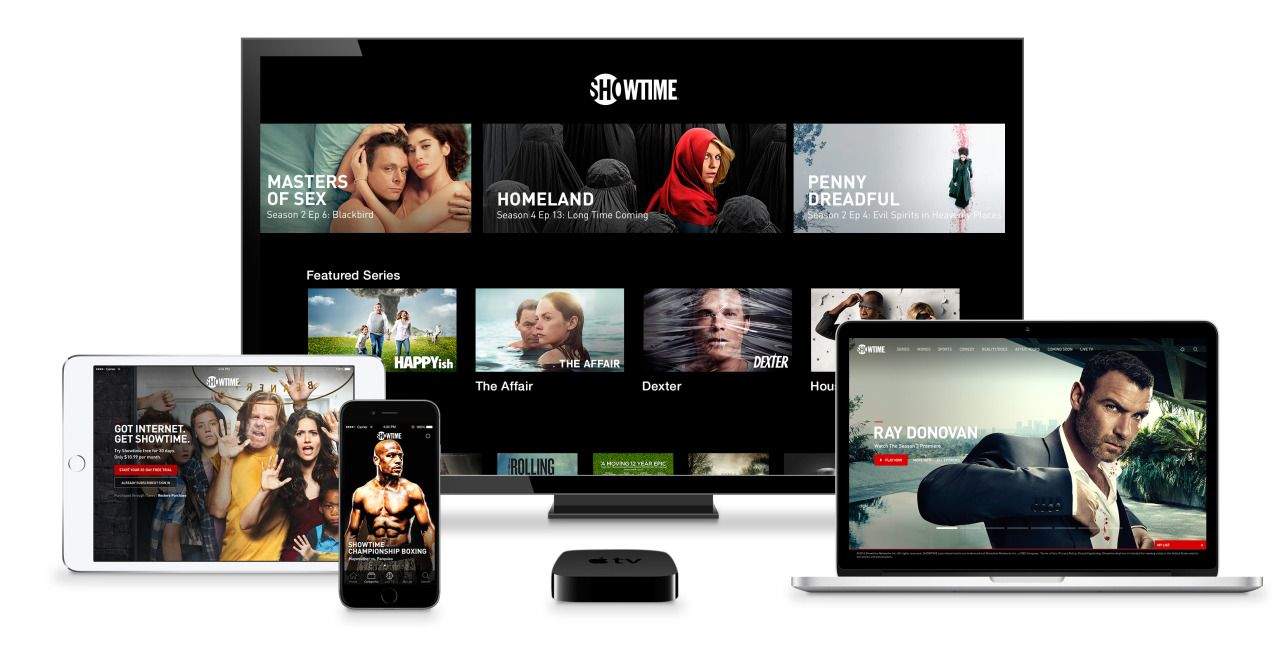
HBO made a splash with its streaming service HBO Now, and now its cheaper rival Showtime is ready to get in on the action too with its own streaming service that’s also launching exclusively with Apple.
Starting in July, iPhone, iPad, and Apple TV users will be able to purchase a stand-alone subscription to Showtime through the Showtime app to stream all of the company’s original programming. It’s just like HBO Now, only a little bit cheaper.