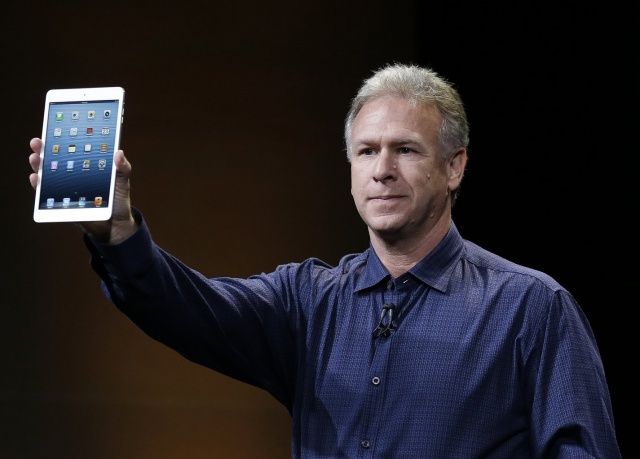
Phil Schiller, Apple’s senior vice president of worldwide marketing, reportedly shot down suggestions that the Cupertino company will launch a low-cost iPhone later this year during an interview with a Chinese newspaper earlier this week. According to the report, Schiller said that the budget devices will “never be the future of Apple products.”
Reuters was one of the first media outlets to cover the report, but in an interesting move, it has this morning pulled its piece after “substantial changes” were made to the original article. Could this mean Schiller didn’t really say those things?
Instead of the usual high=profile launch event, Apple treated journalists to their very own personal keynotes
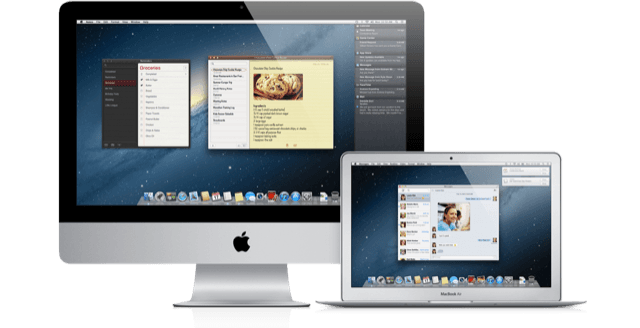
Imagine yourself at an Apple keynote event. A special, one-off launch for the newest version of Mac OS X. You see the familiar format: Phil Schiller and a couple of other Apple execs run through the successful sales numbers. Then they announce the new product, and then they work their way through a deck of pitch-perfect keynote slides.
It seems familiar, right? Only now imagine that you are alone. This presentation is for one person: you. This bizarro scenario is just what happened to Daring Fireball’s John Gruber last week when Apple briefed him on Mountain Lion.
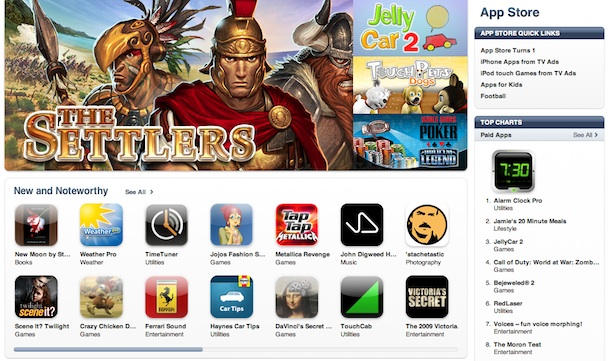
App Store approvals issues continue to grate, despite Schiller's assurances.
BusinessWeek ran late yesterday an interesting article interviewing Phil Schiller about the App Store. While it’s good to see Schiller again talking publicly about the approvals process, it’s sad to see Apple still ignoring key issues.
Philip Schiller, Apple senior vice president and recently the company’s public face at product launch events and conference keynotes, is on a roll. In fact, some might conclude he’s replaced a significant portion of Apple’s PR department, given the press he’s received lately for personally addressing issues with the much-maligned iTunes App Store.
First, of course, came his extensively re-printed email reply to Daring Fireball’s John Gruber, setting the blogger straight on the chain of events surrounding the iPhone dictionary app Ninjawords’ path to App Store approval.
And while Schiller did not — so far as we know — personally respond to Tech Crunch writer Michael Arrington’s very public abandonment of the iPhone, he did reach out personally to Steven Frank, the highly regarded developer and co-founder of Panic, who had previously made his own frustrations with Apple and the App Store publicly known.
Back when he was The Man at Apple, Steve Jobs was known to send people personal email from time to time, with such mail inevitably making its way to public attention and, more often than not, garnering Jobs and Apple invaluable attention and promotional good will. It was one method by which the company grew into its current status as one of technology’s two or three biggest powerhouse brands while maintaining a sense of being smaller than it really was, of being personal and approachable even when, in fact, it was neither.
Schiller’s carrying on of the strategy should be seen, in any case, as a good sign, an indication that, as he put it in his email to Frank, “we’re listening to your feedback”. And while, as Frank wrote about his exchange with Schiller, “technically, nothing specific has actually visibly changed,” the goodwill Apple cultivates is invaluable when a senior vice president reaches out personally to people who publicly complain about the company.
The last, best words in the matter may also be Frank’s: “communication will solve this problem — not silence.”
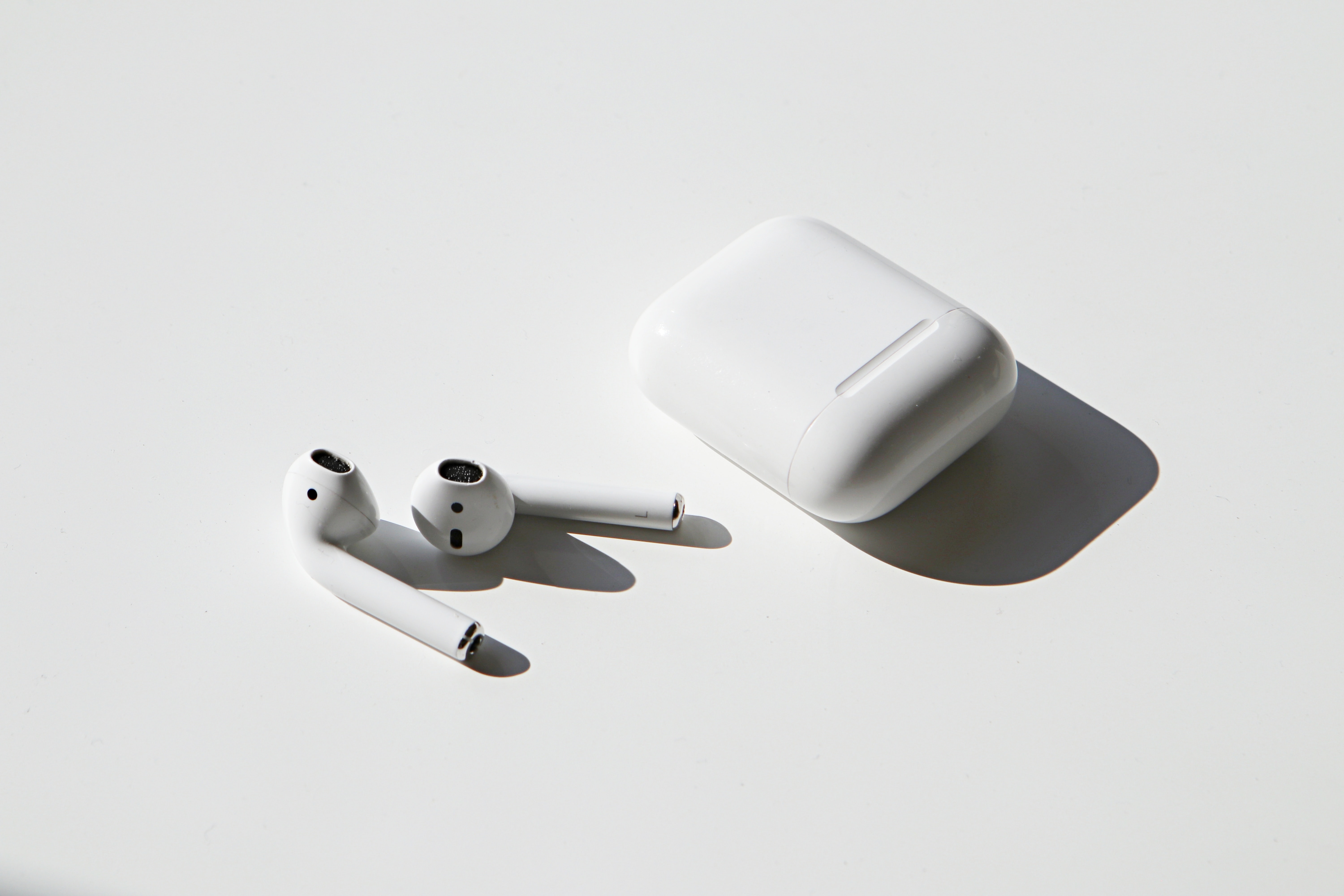
They looked weird at first, but now it's impossible to remember a world without AirPods. Photo: Dagny Reese/Unsplash License
December 13, 2016: After months of anticipation and delay, Apple finally launches the first-generation AirPods. The tiny wireless earbuds arrive in Apple’s online store just in time for holiday shoppers looking for stocking stuffers.
Like so many Apple products, they aren’t the first wireless earbuds to arrive on the scene. However, AirPods’ rapid success will fuel a wireless listening revolution.
QuickTime 5 was being downloaded 1 million times every three days. Photo: Apple
November 28, 2001: People download QuickTime 5 for Mac and PC a million times every three days, Apple says, putting the multimedia software on track to exceed 100 million downloads in its first year of distribution. The announcement comes as websites adopt the MPEG-4 format, and online video begins to take off in a big way.
In particular, Apple’s movie trailer website proves a massive success. Millions of people download previews of upcoming blockbusters like Spider-Man and Star Wars Episode II: Attack of the Clones. Online trailer releases for films like The Lord of the Ringsbecome buzz-worthy events.
In a pre-YouTube world, Apple has everything to gain!
iTunes coming to Windows proved a smart move for Apple. Photo: Apple
November 6, 2003: After porting iTunes to Windows, Apple sets a new record for digital music sales: a massive 1.5 million downloads in one week.
Bringing the iTunes Music Store to PC users opens up a new, lucrative market for Apple. The record-breaking sales clock in at five times more than the 300,000 downloads that peer-to-peer file-sharing service Napster achieved in its debut week (remember it?). And 1.5 million is more than double the 600,000 iTunes downloads per week Apple reported selling to Mac users prior to the Windows release.
The iPad mini made a big splash for such a tiny device. Photo: Apple
November 2, 2012: The first iPad mini goes on sale, shrinking both the size and the price tag of Apple’s groundbreaking tablet computer.
With a reduced screen size of 7.9 inches – instead of the then-standard 9.7 inches – the original iPad mini is the fifth iPad to be released by Apple. Critics hail Apple’s most affordable iPad ever, although some people complain about the tablet’s lack of a Retina display.
Introduced on this day in 2001, the iPod quickly became a cultural phenomenon. Photo: Newsweek
October 23, 2001: Apple CEO Steve Jobs introduces the first iPod, a device capable of storing an entire music library in a highly portable package.
The first-generation device boasts a 5GB hard drive capable of putting “1,000 songs in your pocket.” That may not sound too dazzling in a world in which people can stream the massive Apple Music library from their iPhones, but it was a game-changer at the time!
On this day in 2003, Steve Jobs revealed his plan to bring iTunes to Windows. Photo: Apple
October 16, 2003: Six months after opening the iTunes Music Store for Mac owners, Apple expands the service to Windows computers. This gives PC owners a new, legitimate way to download — and pay for — songs at a time when digital piracy threatens the music industry.
Apple CEO Steve Jobs later quips that making iTunes available to Windows owners is akin to “giving a glass of ice water to somebody in hell.”


 December 13, 2016: After months of anticipation and delay, Apple finally launches the first-generation AirPods. The tiny wireless earbuds arrive in Apple’s online store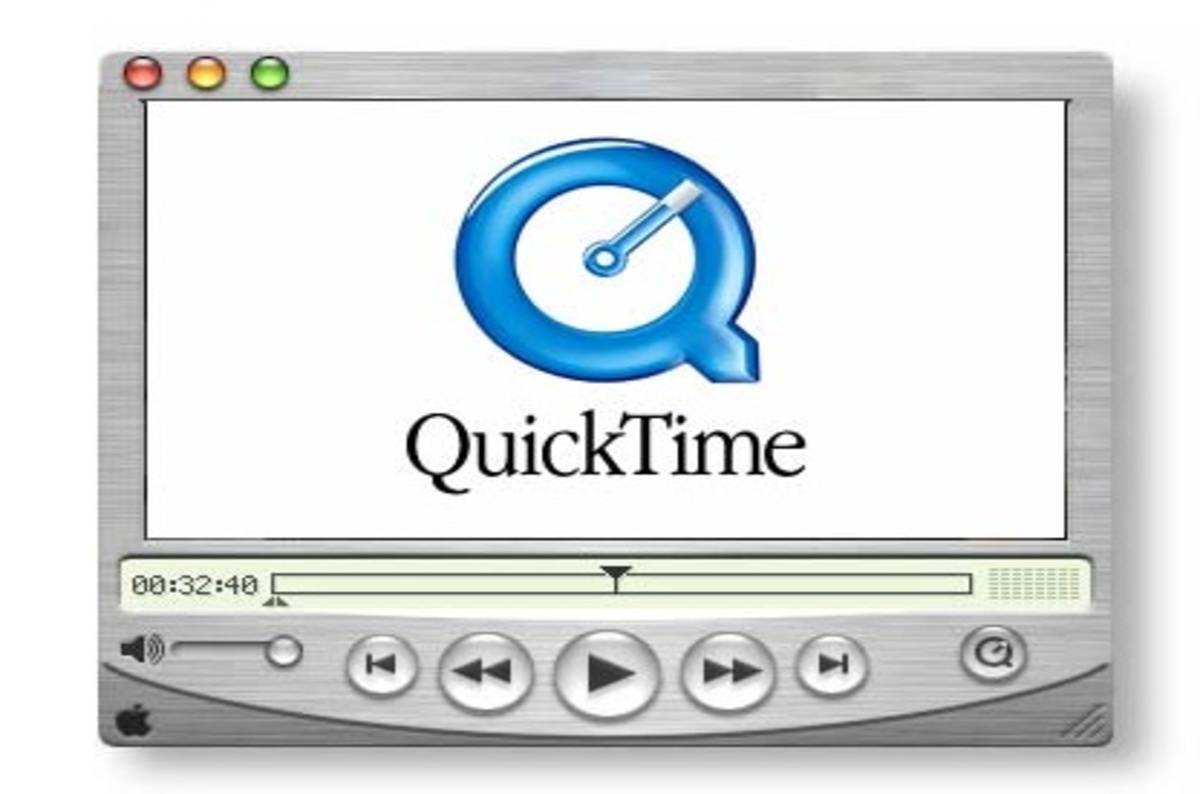
 November 28, 2001: People download QuickTime 5 for Mac and PC a million times every three days, Apple says, putting the multimedia software on track to exceed 100 million downloads in its first year of distribution. The announcement comes as websites adopt the MPEG-4 format, and online video begins to take off in a big way.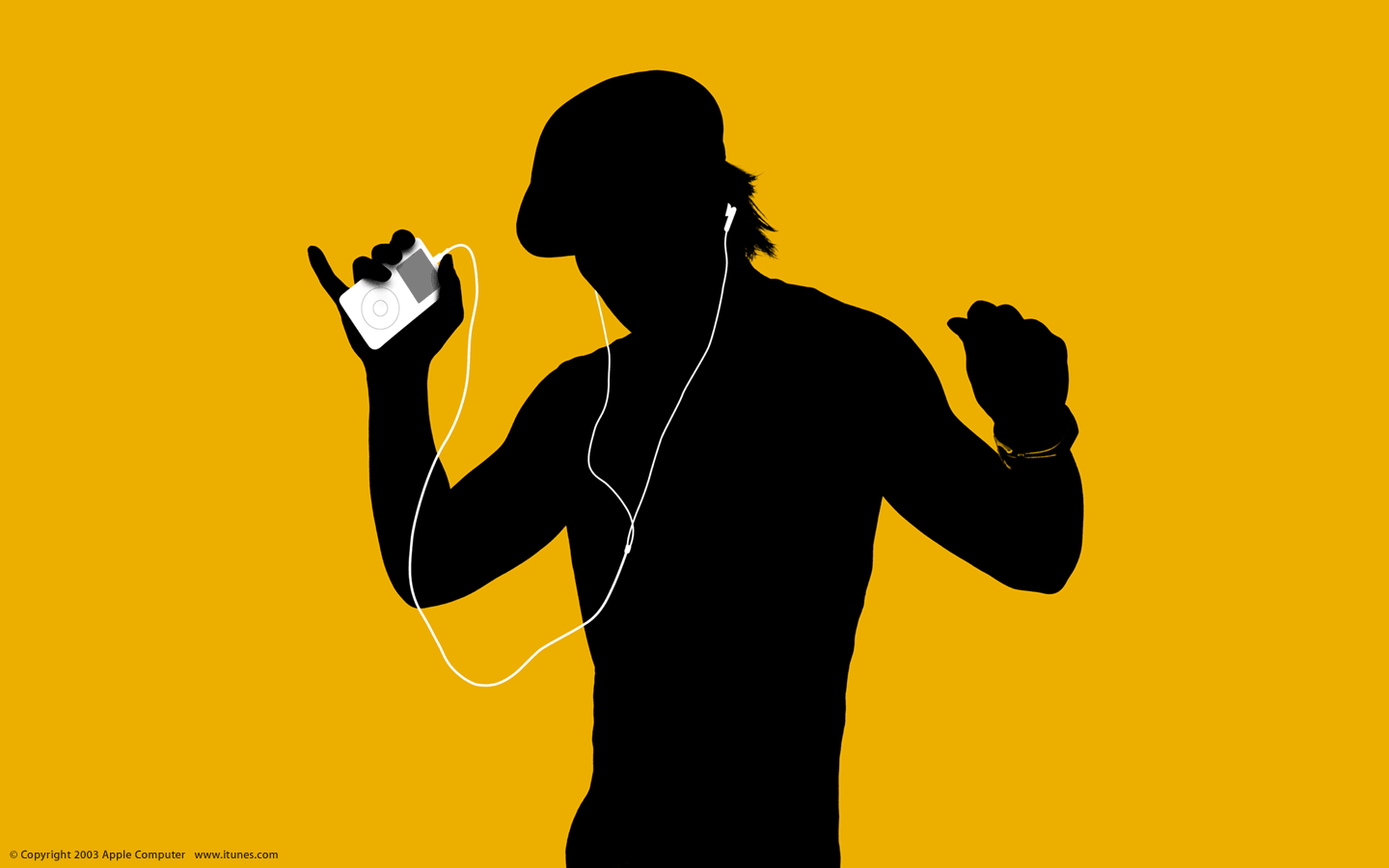
 November 6, 2003: After porting iTunes to Windows, Apple sets a new record for digital music sales: a massive 1.5 million downloads in one week.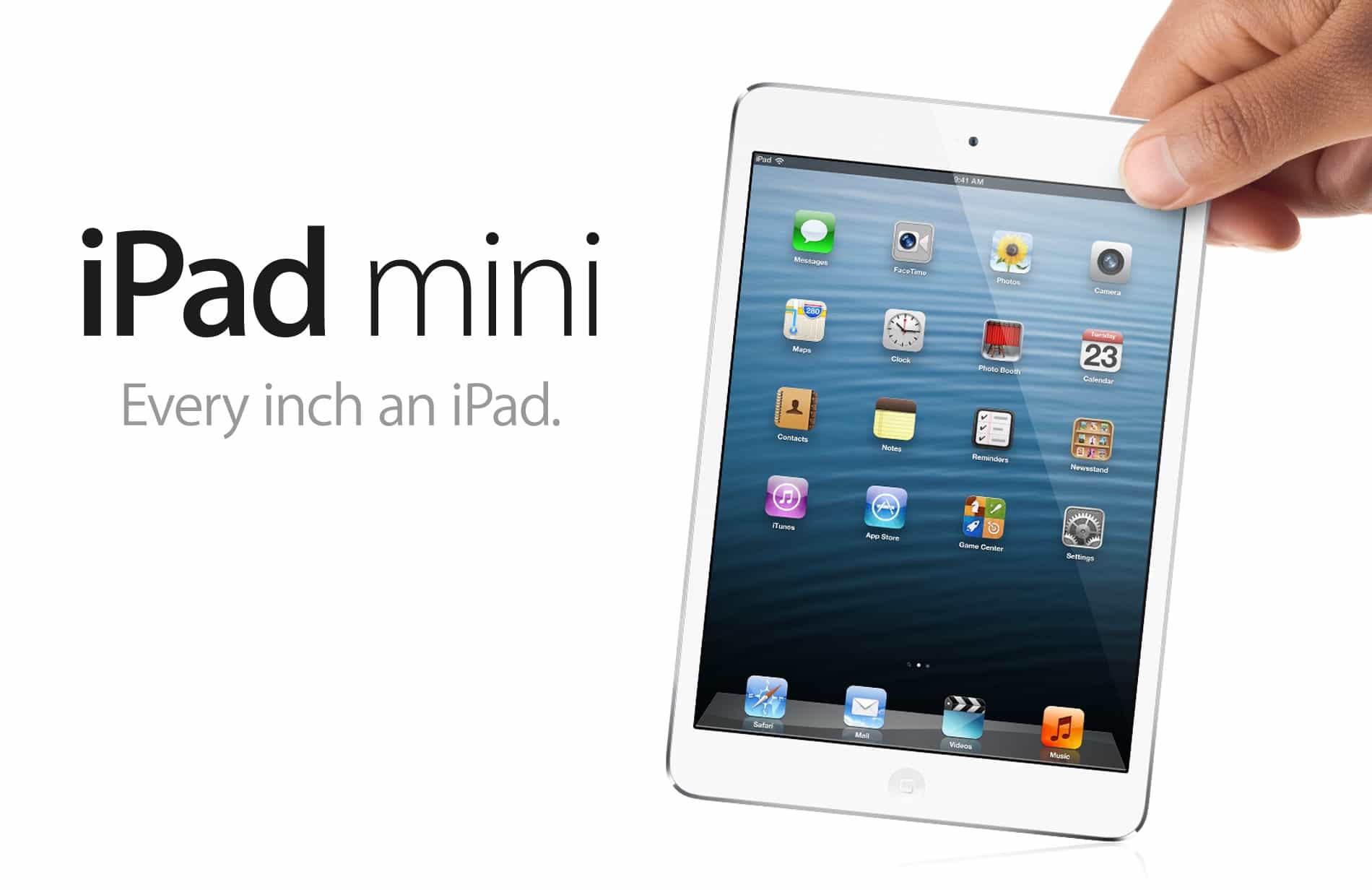
 November 2, 2012: The first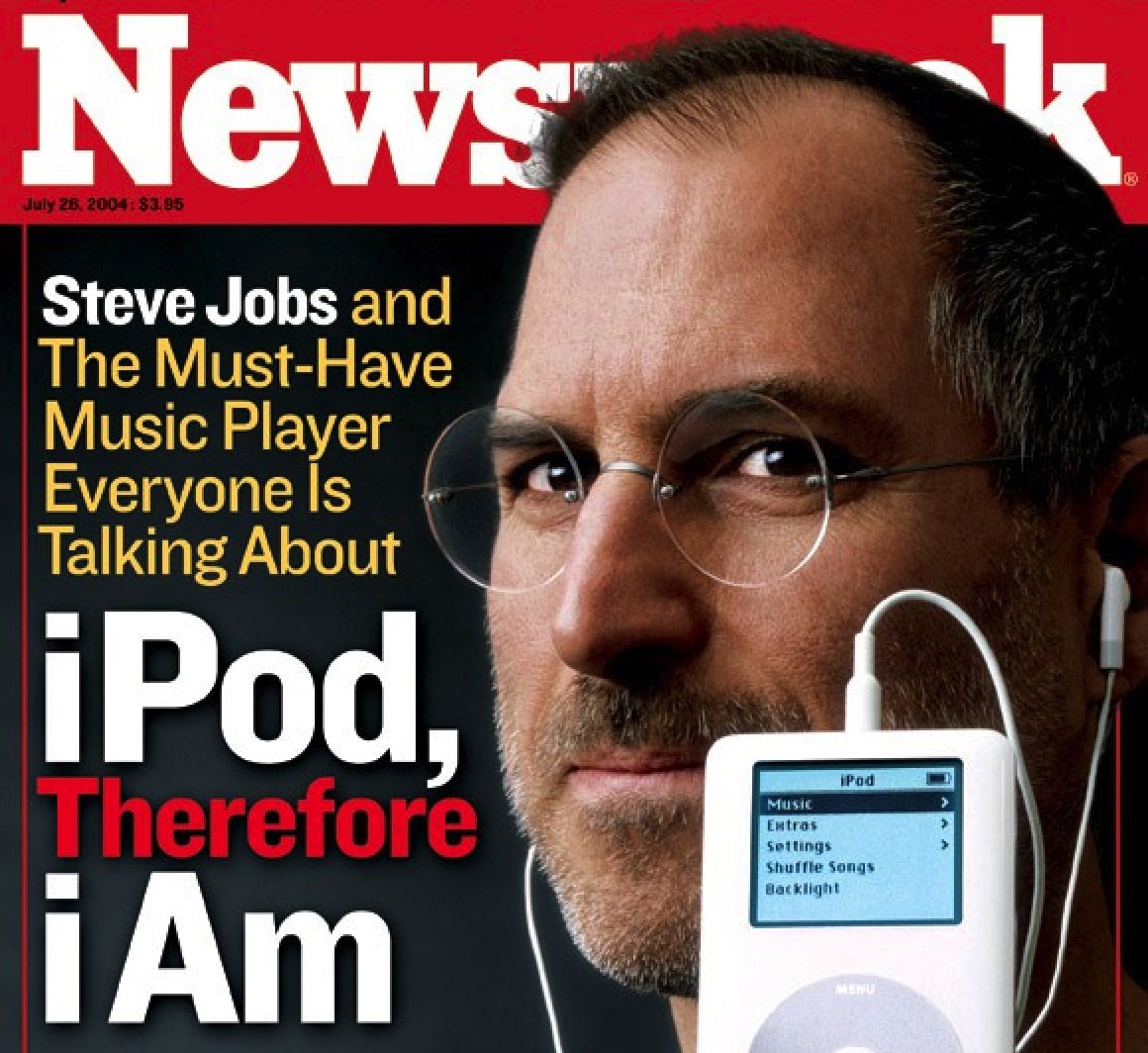
 October 23, 2001: Apple CEO Steve Jobs introduces the first
 October 16, 2003: Six months after opening the