Regulators didn't like the idea of Nvidia and Arm merging together. Image: Arm/Nvidia/Cult of Mac
Nvidia on Monday backed out of a deal to acquire mobile chip designer Arm for $66 billion, according to reports. It would have been the largest ever sale in the semiconductor industry, but regulators including the FTC weren’t keen on it.
SoftBank, the Japanese company that currently owns Arm, still expects to sell it by the end of the year through an initial public offering.
The move would "distort Arm's incentives," the FTC said. Image: Arm/Nvidia/Cult of Mac
The U.S. Federal Trade Commission has filed a lawsuit to block Nvidia from acquiring Arm. It believes the move would “distort Arm’s incentives in chip markets” and allow the combined firm to “unfairly undermine Nvidia’s rivals.”
Nvidia is already one of the largest chip companies in the world, while Arm’s technology is licensed to some of the biggest and most powerful brands, including Apple, Samsung, and Qualcomm.
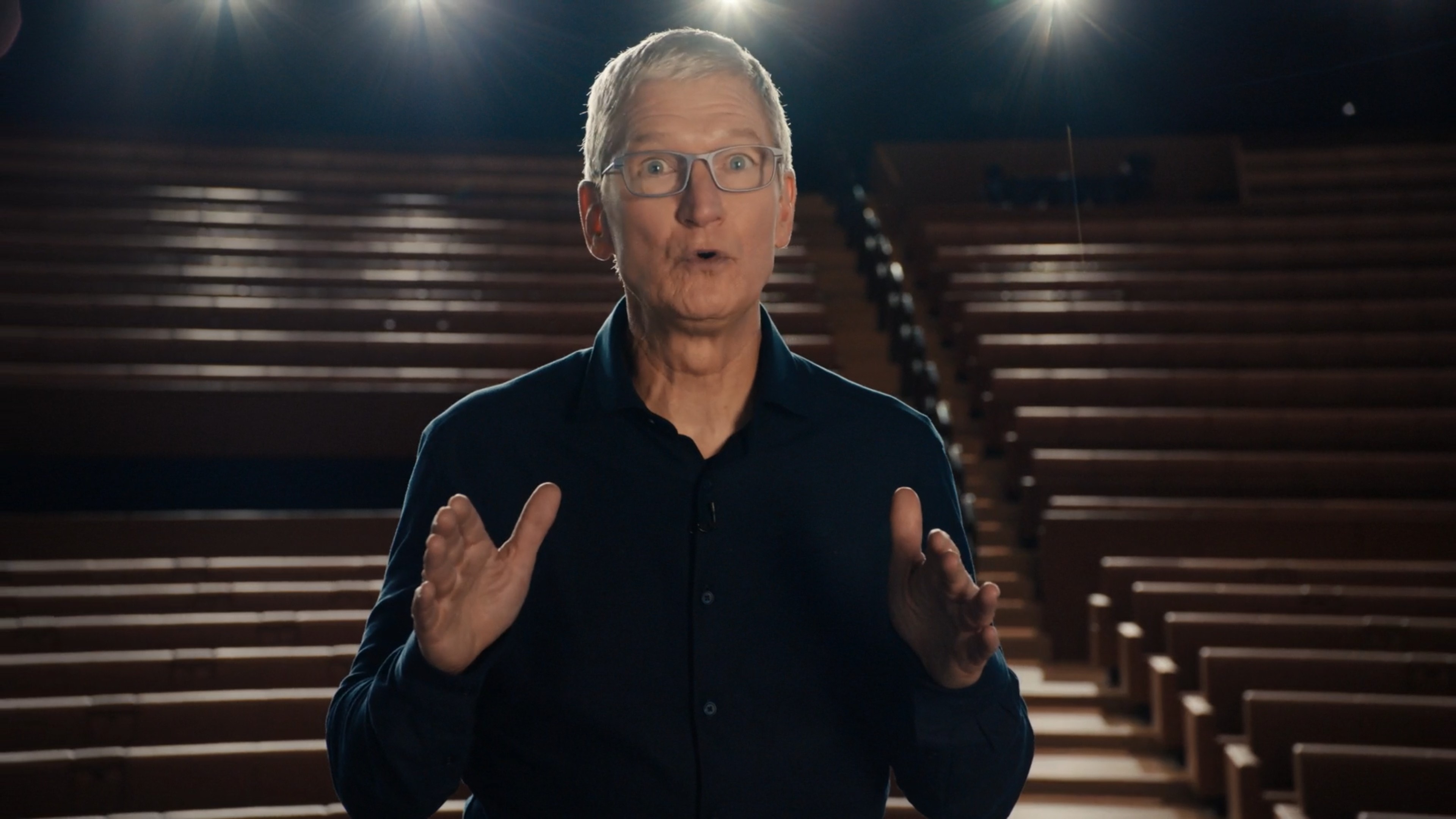
Far from gatekeepers, Tim Cook will argue that Apple is opening doors. Photo: Apple
Apple CEO Tim Cook will argue that his company does not dominate any market in which it does business when he appears before the House Judiciary antitrust subcommittee Wednesday, according to his opening statement released ahead of time (.pdf).
While Cook will say that “scrutiny is reasonable and appropriate,” he will assert that Apple refuses to make “concession on the facts” by agreeing that it is a monopoly. If anything, Cook will argue that Apple is no gatekeeper, but, through the App Store, has actually opened the gate to developers.
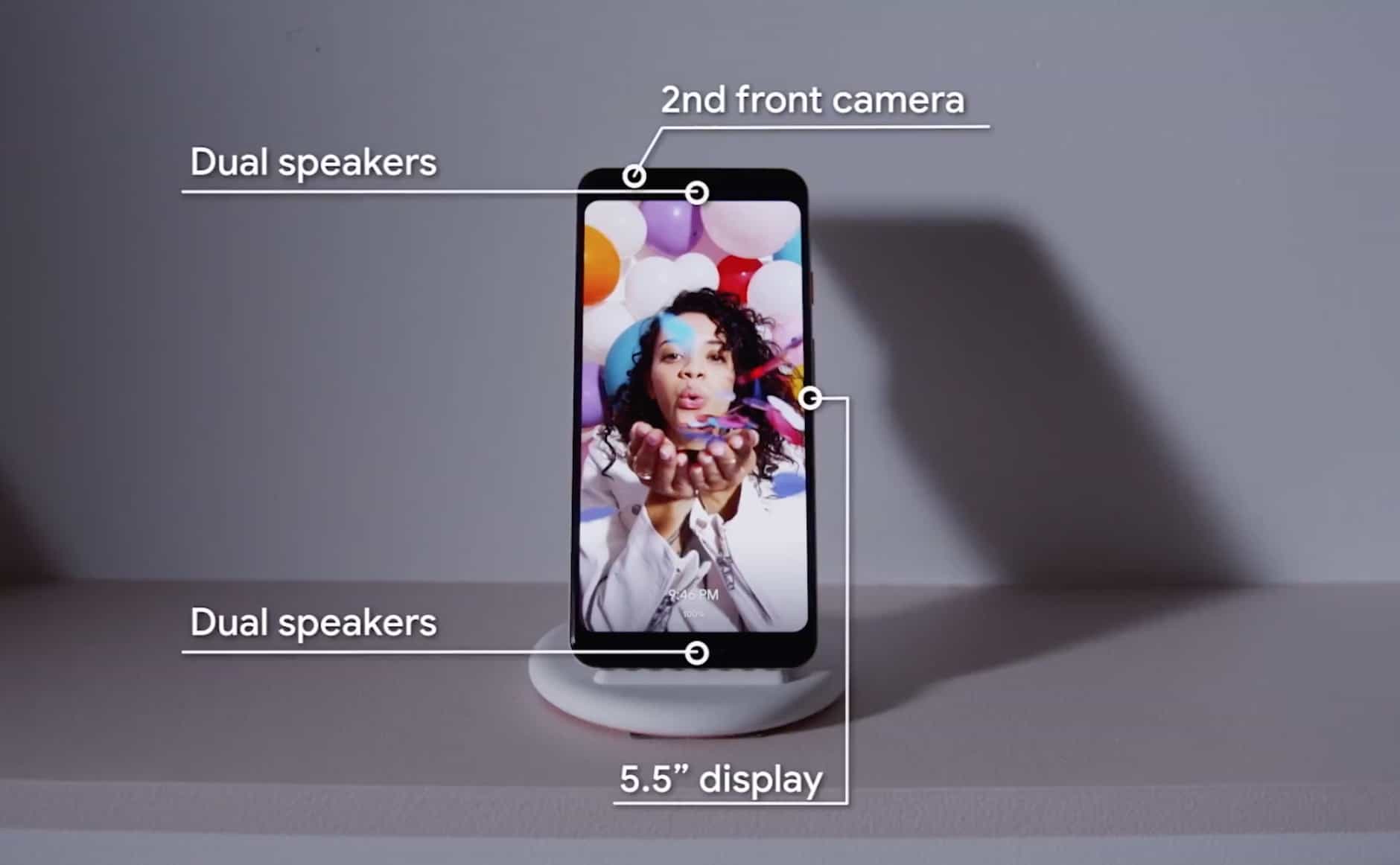
Transcription is one area Google's Pixel is ahead of the iPhone. Photo: Google
Apple continues to lag behind when it comes to machine learning — and voice-to-text transcription on the iPhone is just one more example of this.
In a new video posted online by journalist James Chan, the iPhone’s speech transcription skills are put up against Alphabet’s Pixel smartphone. Not only is Apple’s version significantly slower, but it’s a whole lot less accurate, to boot.
Zoom calls are already encrypted, and the company committed today to step up to end-to-end encryption. Photo: Zoom
Zoom on Thursday acquired Keybase for its experience with encryption and security.
The COVID-19 pandemic brought millions of new users to Zoom, but also criticism for weak security. Its stated goal in purchasing the smaller company, which developed its own messaging and file-sharing service, is to bring end-to-end encryption to Zoom meetings.
Privacy groups want to make sure contact tracing technology keeps your data safe. Photo: MIT Lincoln Lab
The American Civil Liberties Union said Friday it is cautiously encouraged by a commitment to privacy by Apple and Google as they develop Bluetooth-based contact-tracing technology to track the spread of COVID-19.
But the civil liberties group says the two tech giants must resolve “certain important privacy-related questions” key to winning trust from a public growing wary about who sees their data.
What ever happened to Nike+? Photo: Graham Bower/Cult of Mac
Remember when every sports apparel brand needed an app to be cool? Ten years ago, the Nike+Apple partnership was in its ascendency, while Under Armour and Adidas were splurging millions acquiring fitness apps like MyFitnessPal and Runtastic.
Back then, brand owners hoped that by mining our workout data from these apps, they could target us with personalized offers. The big idea was that if you knew how often someone went running, you could tell when they needed new running shoes.
Today, things look very different. Nike removed workout tracking from its website. And Under Armour still can’t figure out how to unlock the potential of its apps. So what went wrong? What happened to the digital fitness revolution?
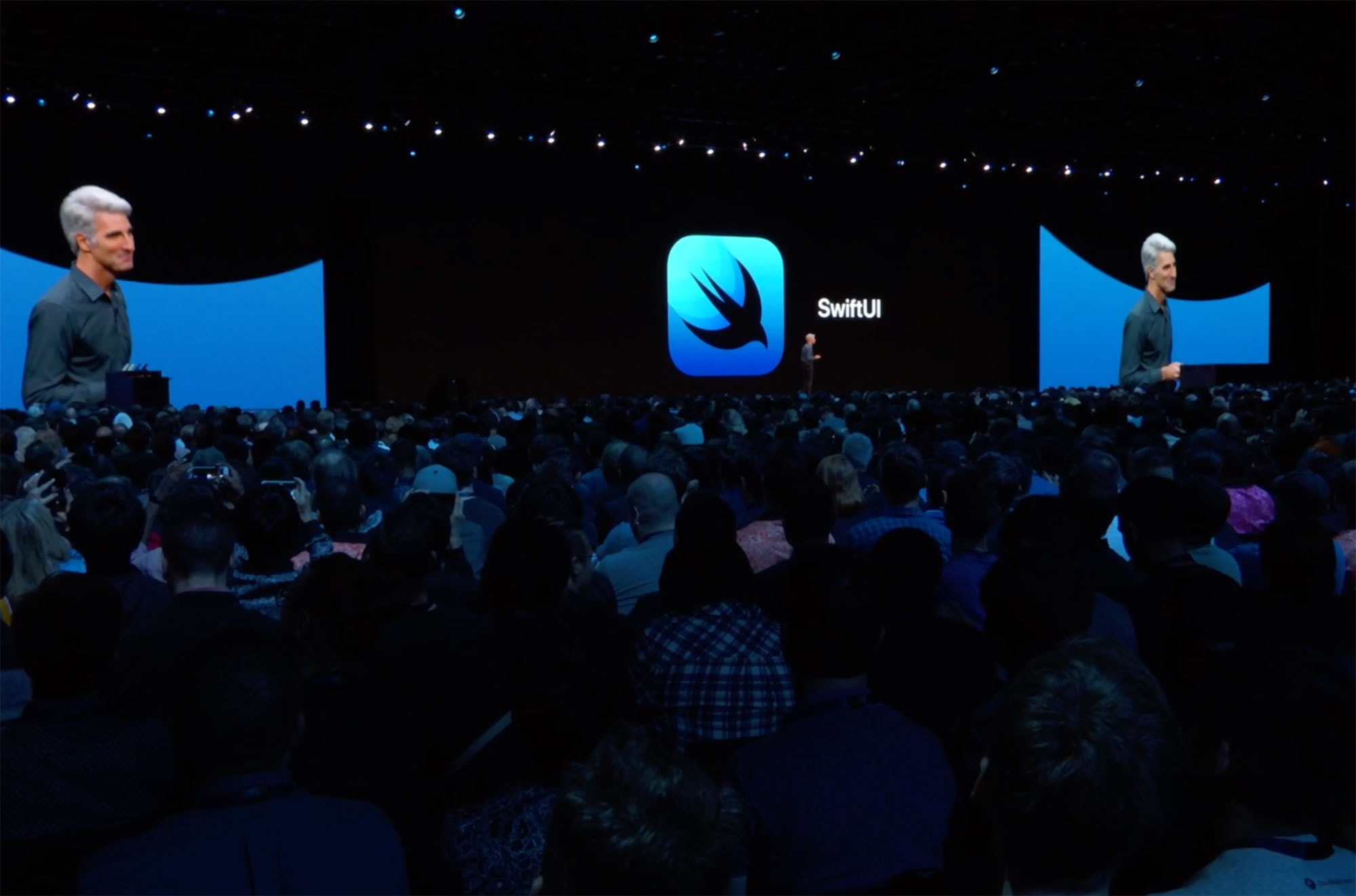
SwiftUI is actually a pretty big deal. Photo: Apple
Apple lavished attention on all its platforms at WWDC this year. We even got a first look at the all-new Mac Pro. But another announcement, which didn’t grab so many headlines, may prove to be the most important thing to come out of this year’s developer conference: SwiftUI.
SwiftUI promises to fundamentally change the way developers create apps for Apple products. And you don’t need to be a techie to appreciate why it’s such a big deal.
Foxconn-owned manufacturer is looking to get in on building high quality displays for Apple. Photo: Ste Smith/Cult of Mac
Japanese electronics firm Sharp, owned by Apple supplier Foxconn, is supposedly working to enter the supply chain for future iPhones boasting OLED displays.
The news comes shortly after a report claiming that Apple plans to include all OLED displays in its 2020 iPhone lineup. Currently it includes a mix of LCD and OLED models. As a result of the increased focus on OLED displays, a number of companies are supposedly gearing up their OLED panel production capability.