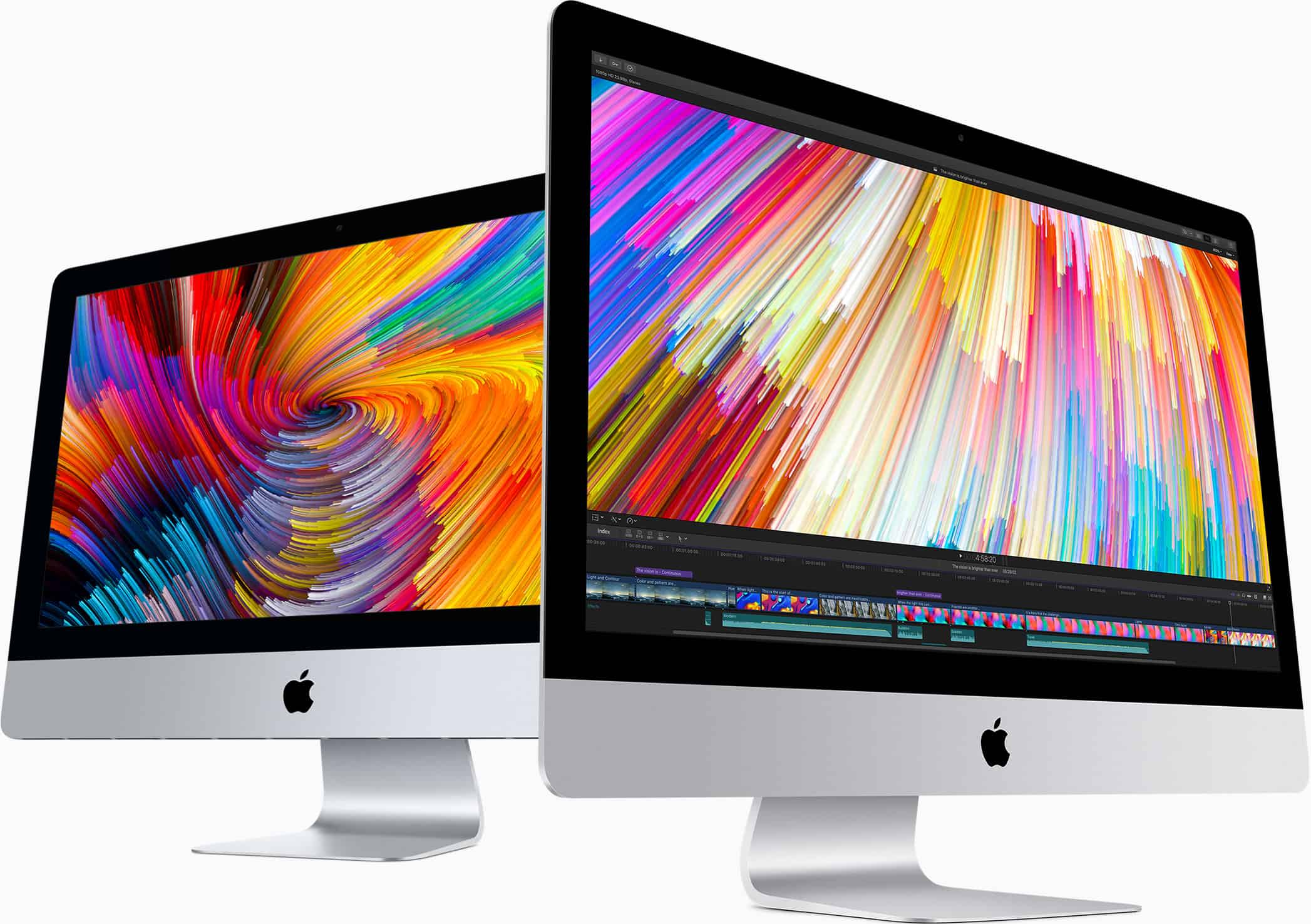
Maxing-out your new Mac is now a lot more affordable. Photo: Apple
Down the road, as you gaze into the monitor of a new iMac, the screen could gaze back.
Apple was awarded a patent Thursday by the United States Patent & Trademark Office for adjustable reflective display technology that can track your gestures, including eye and head movements.
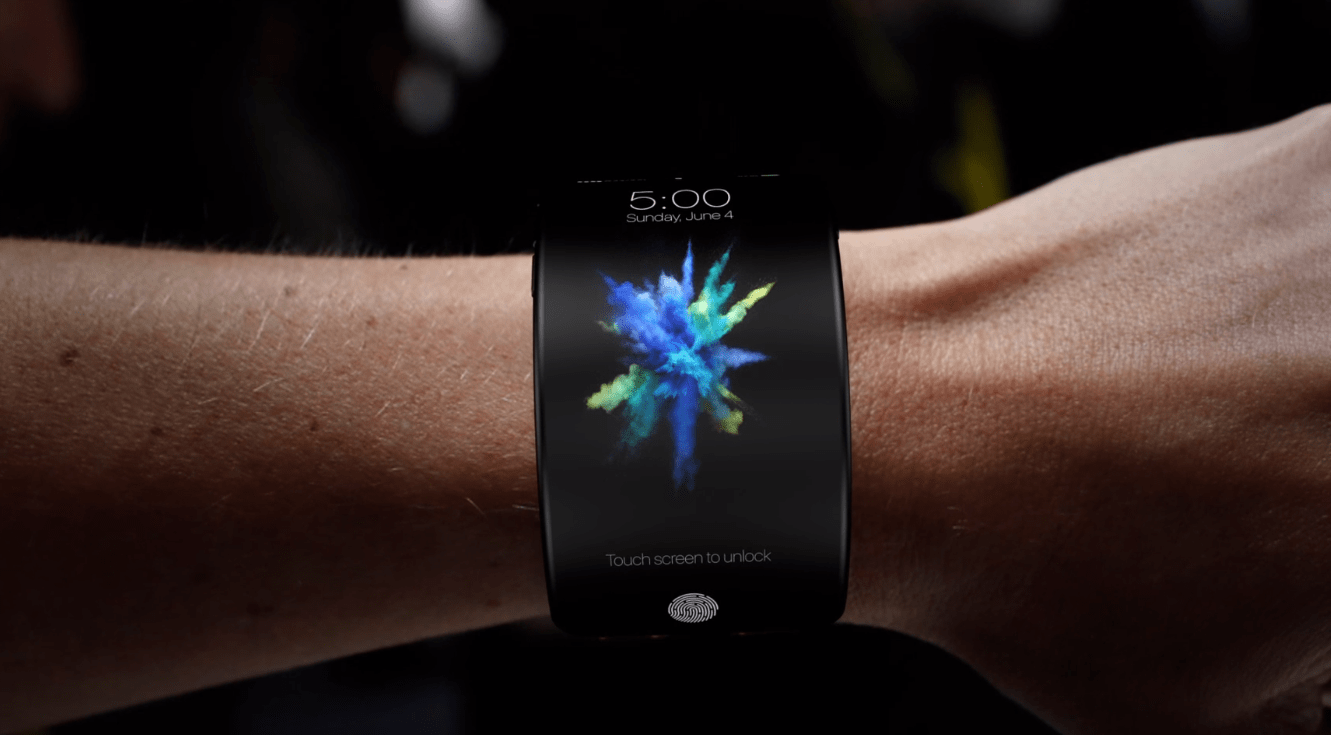
Will a future iPhone replace your Apple Watch? Photo: ConceptsiPhone
The iPhone’s success has been nothing short of spectacular. With more than 1 billion units sold as of June 2016, rival consumer electronics companies can only dream of building a product that popular.
It’s not easy to foresee how the iPhone will evolve in the future. Some things are obvious — like faster processors, more advanced cameras, and even better displays — but we must look beyond these to get a sense of Apple’s biggest ambitions. Here’s some of the many ways the iPhone might get better, stronger and faster in the next 10 years.
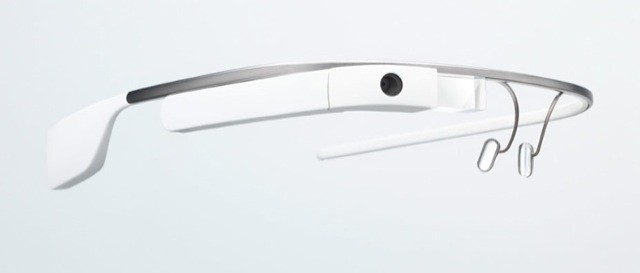
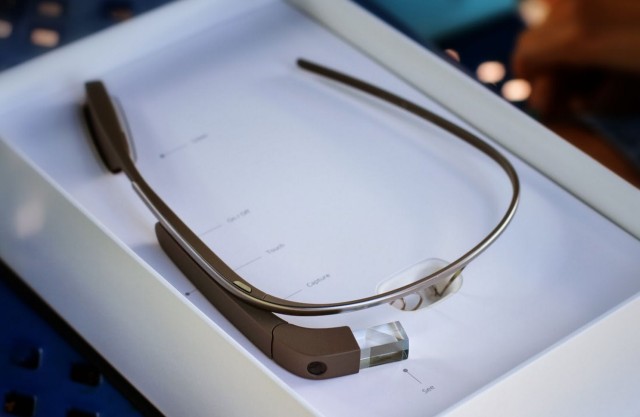
Google Glass never found its audience. Can Apple be different? Photo: Google
Google failed to turn Google Glass into a viable mainstream product, but Apple thinks it knows something the search giant doesn’t — based on a new report claiming that Apple is exploring a similar foray into “digital glasses.”
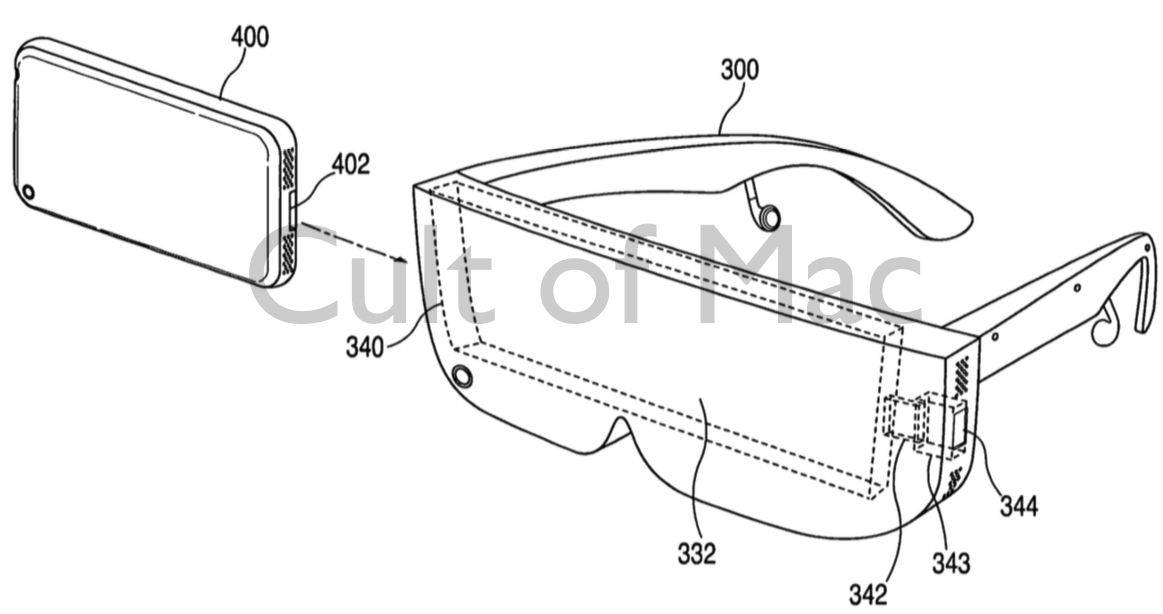
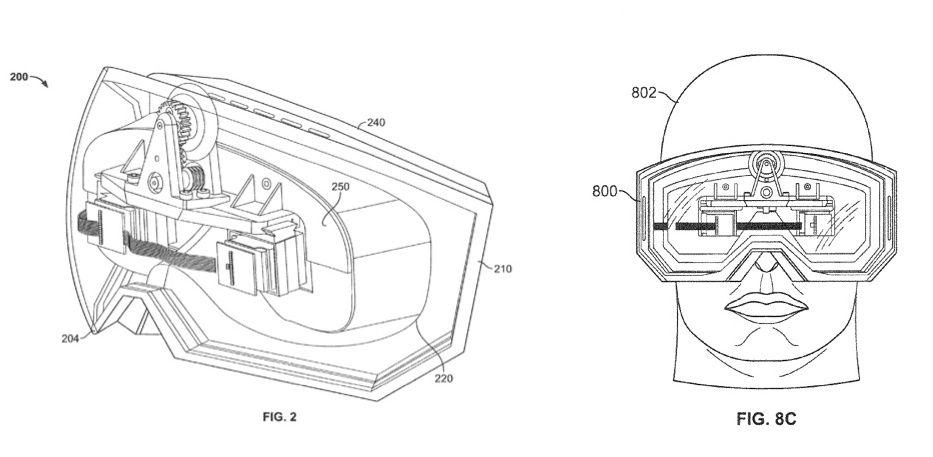
Virtual reality was one of the first iPhone accessories Apple considered. Photo: USPTO/Apple
The recent New Yorker profile of Jony Ive revealed how he was the driving force behind the Apple Watch, and how he felt the “the obvious and right place” for wearable tech was the wrist — and not the face, as Google tried with its Google Glass project.
In the same story, Tim Cook offered his dim appraisal of Glass, saying that, “We always thought that glasses were not a smart move, from a point of view that people would not really want to wear them. They were intrusive, instead of pushing technology to the background, as we’ve always believed.”
While the two disses may read like potshots at an Apple rival, a patent published today reveals that — yes — Apple has indeed tried virtual reality goggles, roughly three years before settling on the Apple Watch form factor. Here’s what it came up with.
Could Apple have done any better? We think so. Photo: Google Photo: Google
Now that Google has pulled Glass off the market, for the time being at least, we’re left with a handful of questions that can’t be easily answered — even by a face-mounted computer.
Questions like, “What went wrong?” And, “What didn’t go wrong?” And, perhaps most enlightening of all, “How would Apple have gotten Glass right?”
While Phil Schiller, Apple’s senior VP of worldwide marketing, was not a fan of Glass, we’re certain Cupertino could have found success with a head-mounted wearable. Here’s how.
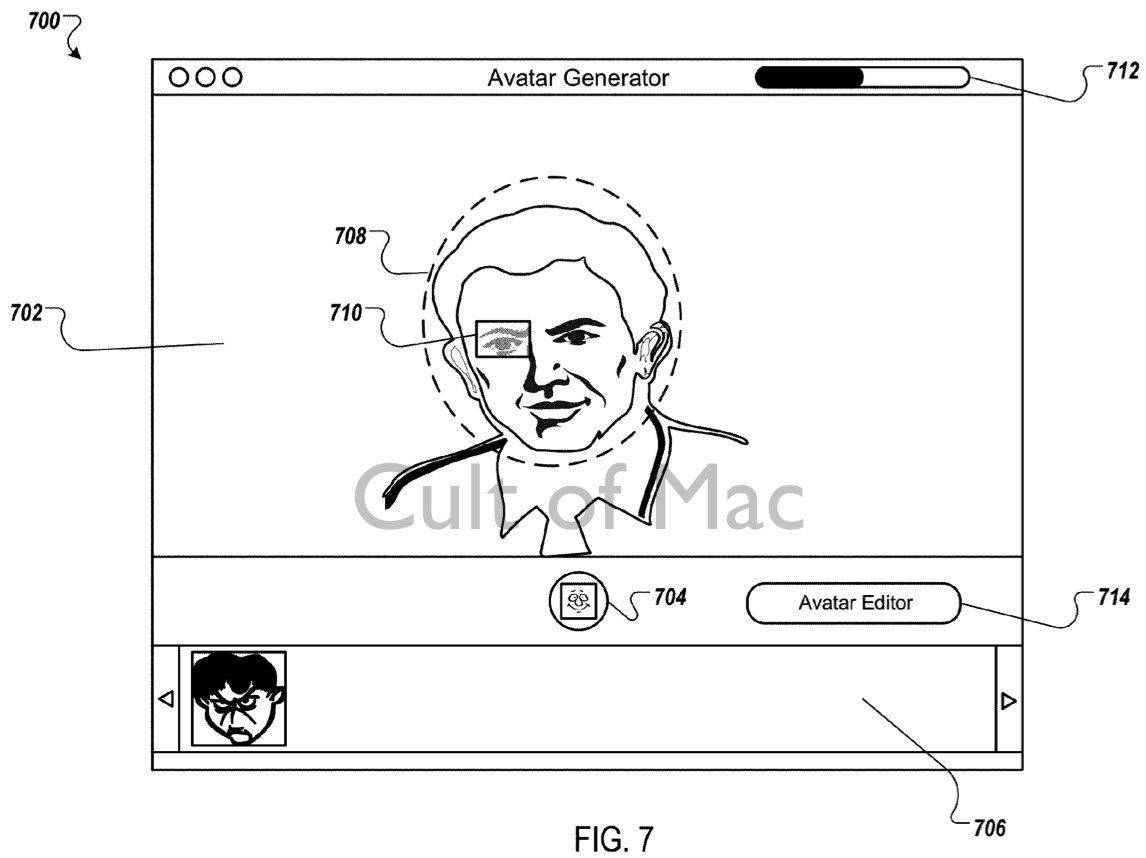
A patent, published Tuesday, may solve some of those problems by promising Automatic Avatar Creation for Apple users — literally putting a virtual “you” inside your Apple device.
The patent explains how devices could create three-dimensional avatars that resembles users by first photographing them, and then comparing this image to a database of pre-created facial components which can be fitted together in different combinations. The resulting creation could be used in gaming, social media, and video conferencing.
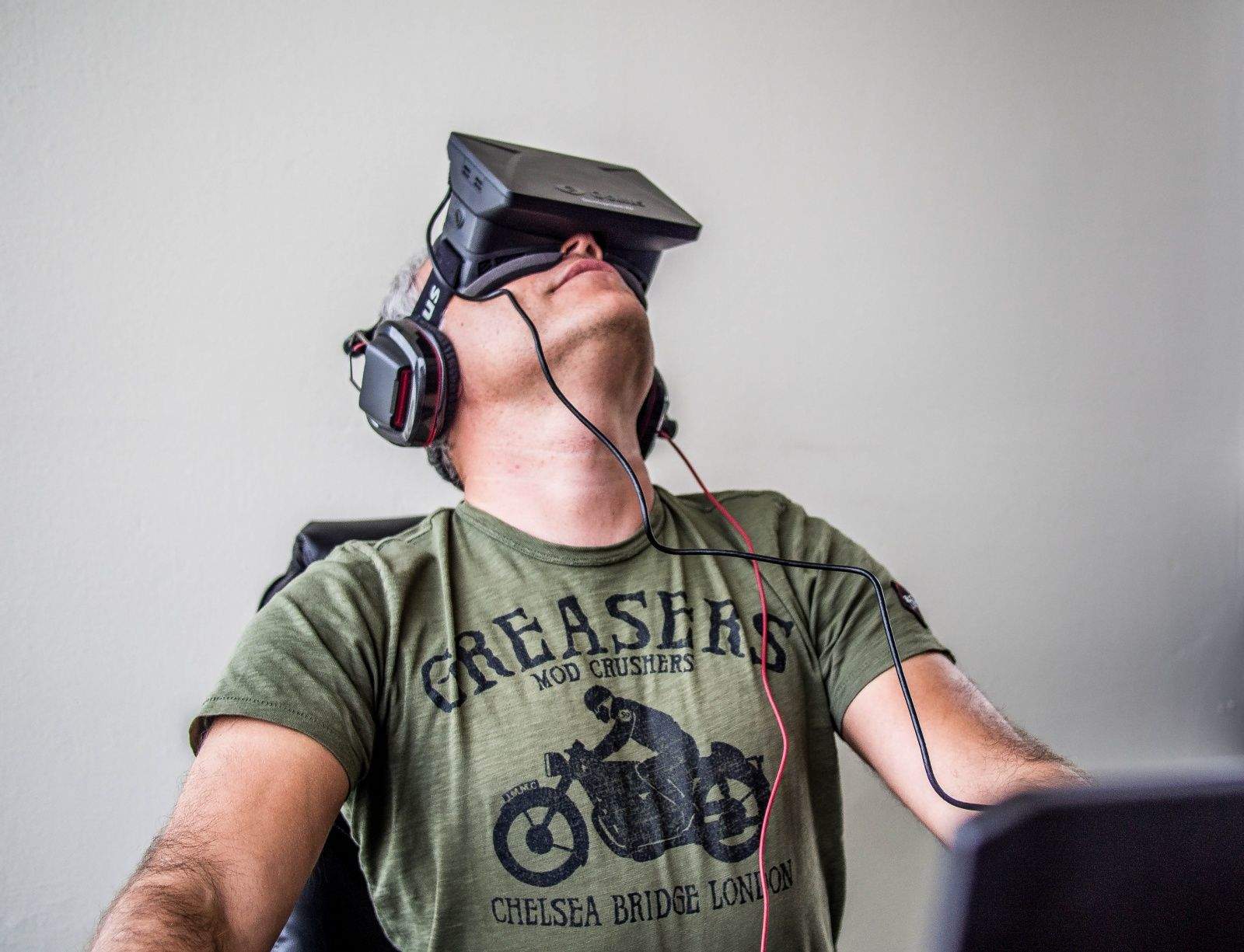
When Facebook acquired Oculus VR for $2 billion, Mark Zuckerberg said virtual reality was the natural follow-up to mobile as a platform. And while Apple might have missed the boat on Oculus, has Cupertino really missed out on virtual reality?
There’s plenty of evidence to suggest that Apple has been investigating this area for the better part of a decade — well before the Oculus Rift gaming headset appeared on Kickstarter.
The Oculus Rift has quickly grabbed the hearts of gamers with it’s amazing 3D tech, but it looks like Apple has been thinking along similar lines as the company has dreamed up a variant of a wearable 3D display that would be perfect for gaming.
Apple was awarded a knockout patent today by the U.S. Patent and Trademark Office for a head mounted display that would allow users to view media and play games on a bigger screen than their mobile device’s built-in display. The Apple goggles are much more sophisticated than just a display strapped to your face, as each screen can be lined up with your eye and adjusted for corrected vision if you wear glasses.
I love Google Glass, and wear mine almost every day. But Glass could never succeed as a consumer product as is. It’s funky and clunky, fragile and — worst of all — socially unacceptable.
Here are my suggestions the Google Glass team for how to fix all these problems and make Google Glass the killer consumer product of the decade.
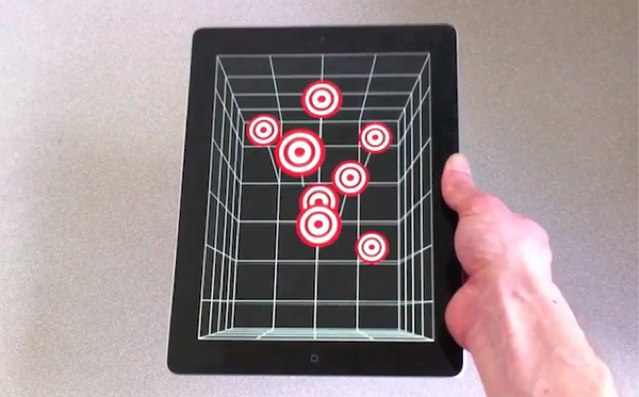
Future iOS devices could offer glasses-free 3D technology that's better than anything else you've already seen.
Apple has filed for all sorts of patents related to 3D technologies over the years, sparking speculation that the company will one day bring us 3D-capable Macs and iOS devices. But evidence that it’s about to get serious about 3D technology for iOS devices comes from a recent job listing on its website for a “Computer Vision specialist to strengthen its multi-view stereo research group.”