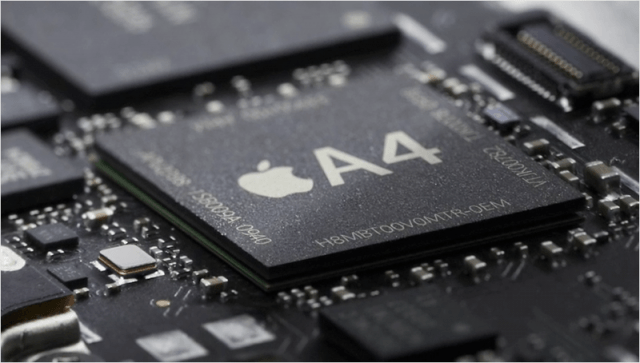
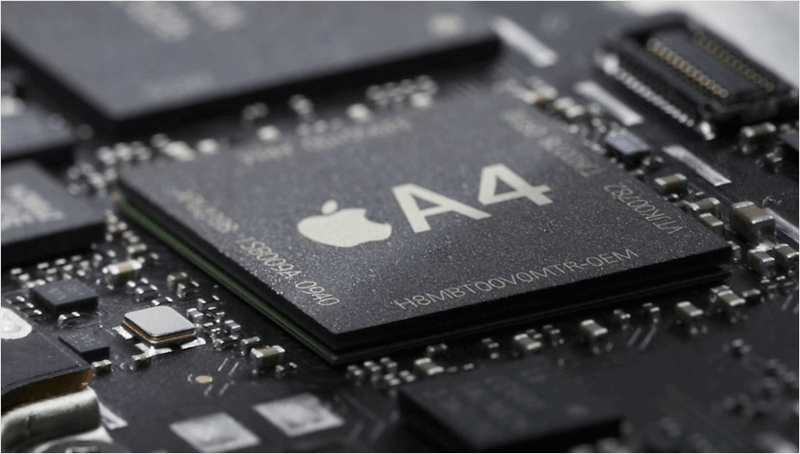
We’ve heard before that Apple intends to update their A4 chip for the next-generation of iOS devices to a so-called A5 dual-core SoC , which would not only allow the iPhone 5 and iPad 2 to run more intensive apps even faster than they currently do, but would quadruple the A4’s graphics and video capability.
Now Digitimes is jumping aboard that rumor, claiming that “the chance is high” that Apple’s next-gen SoC will adopt a dual-core processor in time for the iPhone 5.
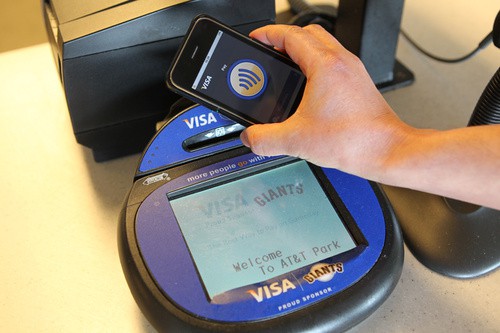
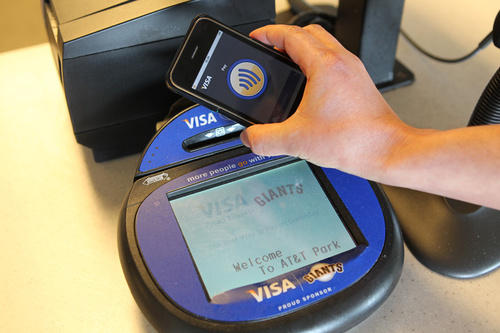
The evidence continues to mount that the iPhone 5 will contain a Near-Field Communication chip, with Bloomberg now agreeing that the next iPhone will be NFC capable.
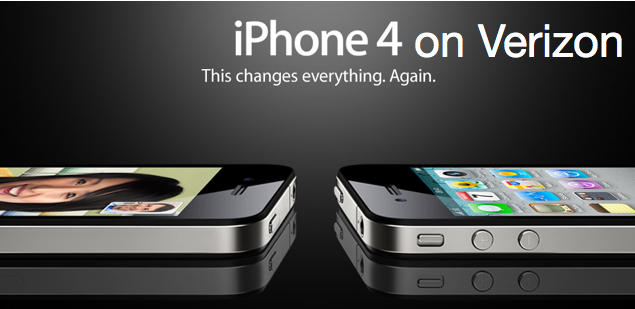
Now that Verizon finally has the iPhone, it makes sense that eventually Apple will try to consolidate both the Verizon and AT&T specific handsets into a single model. But how? One network is CDMA, the other is GSM. They aren’t compatible.
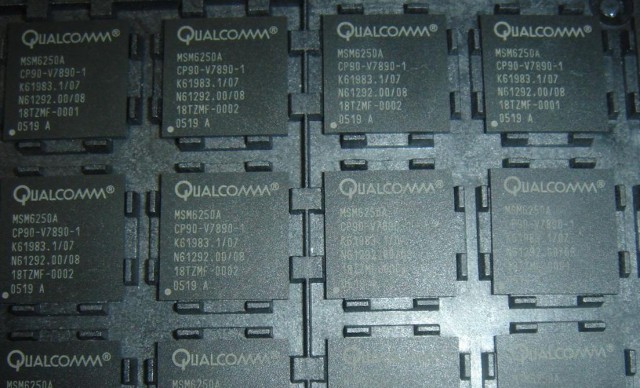
Long before the Verizon iPhone was confirmed, we’d been hearing whispers about a dual CDMA/GSM radio chip manufactured by Qualcomm that would allow future iPhones to connect to both Verizon and AT&T networks. It now looks extremely likely that Apple will be using this Qualcomm-sourced radio component for future iPhones and iPads, instead of the Infineon hardware currently being used.
Apple Insider has a juicy scoop from the same source who revealed the negotiations between Apple, Imagination Technologies and Samsung back in 2008 that ultimately led to the creation of the A4 CPU: Apple is reportedly building a new version of their A4 chip that will bring faster dual graphic cores to the iPhone 5 and iPad 2.
With Motorola’s upcoming Android Honeycomb tablet and Research in Motion’s imminent PlayBook both set to use new dual-core ARM processors, the iPad 2 will have make a similar jump if it is going to stay competitive according to a recent analyst note.
Equipped with a Near Field Communications (NFC) chip, the iPhone 5 may allow user to load their Home folders on guest Macs when they travel, or log in at school or work. All the user would have to do is tap their iPhone 5 on a NFC-equipped Mac, and the machine would load their Home folder files, settings and preferences.
But if Apple equipped all of its products with NFC chips, which are used for short-range authentication, the technology could be used for super-easy set-up of a new Apple gear, or for easily transferring files and media between different Apple devices.
For example, users could easily connect a new iPad to their home Wi-Fi network, say, just by bringing the tablet within four inches of a NFC-equipped AirPort base station.
“Imagine you touch an AirPort with a new iPad and the Wi-Fi is connected — with full security — in less than a second,” said Gerald Madlmayr, a NFC expert based in Vienna. “No configuration is necessary any more. This makes this technology pretty useful.”
We’ve received a tip about an unexpected application for the NFC chip Apple is expected to build into the iPhone 5.
Near Field Communication (NFC) is a short-range wireless connection technology that would turn the iPhone into an electronic wallet or security passkey.
If the iPhone 5 does have NFC, applications like an eWallet are a no-brainer. But we’ve been told that Apple is also researching NFC for remote computing.
Plans have emerged today from people briefed by Apple that the company is to begin mass producing a new iPhone by the end of 2010 that will allow Verizon Wireless to sell its popular smartphone early next year.
The new iPhone will be no different externally to the iPhone 4 in shops today, however, internally it will feature an alternative wireless technology called CDMA used by Verizon. According to the same people, the key chip will be provided by Qualcomm, and the device is expected to be released in the first quarter of next year.
A CDMA iPhone would spell the end of Apple’s exclusive arrangement with AT&T in the U.S., a deal that has been in place since the iPhone made its debut in 2007.
The same people have also spilled some beans on the fifth-generation iPhone, which they claim is currently being developed by the Cupertino computer giant. One person familiar with the plan claims that the next model will feature a different form factor from the iPhones currently available, however, it was unclear how soon this version will be available to Verizon.
Spokeswomen for both Apple and Qualcomm have unsurprisingly declined to comment on the matter, and so has a spokesman for Verizon Wireless.
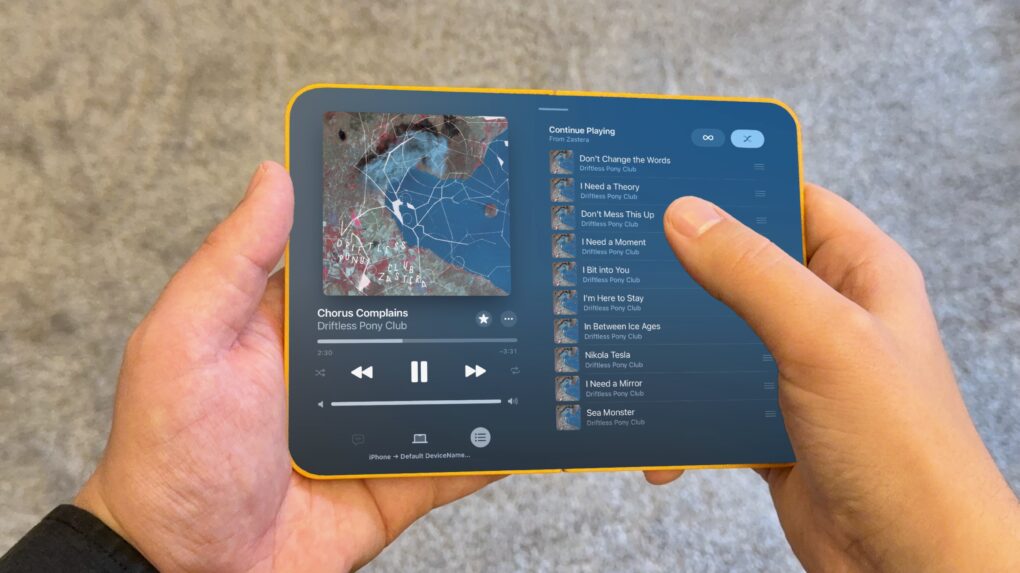
The unfolded folding iPhone will be kinda like an iPad mini. Image: D. Griffin Jones/Cult of Mac
iPhone Mirroring in macOS Golden Gate gives us a clue about what the first folding iPhone will be like. For the first time, you can resize the window to any arbitrary size. That means you can stretch the screen to the rumored dimensions of Apple’s upcoming foldable and see how your favorite apps will look and work.
After all, it’s going to be an unusual iPhone. The unfolded inner screen will be roughly iPad mini-size, with an outer screen that’s much shorter and wider than any iPhone made in the last 15 years.
I took some screenshots of various Apple apps to demonstrate what the folding iPhone’s user interface will look like.