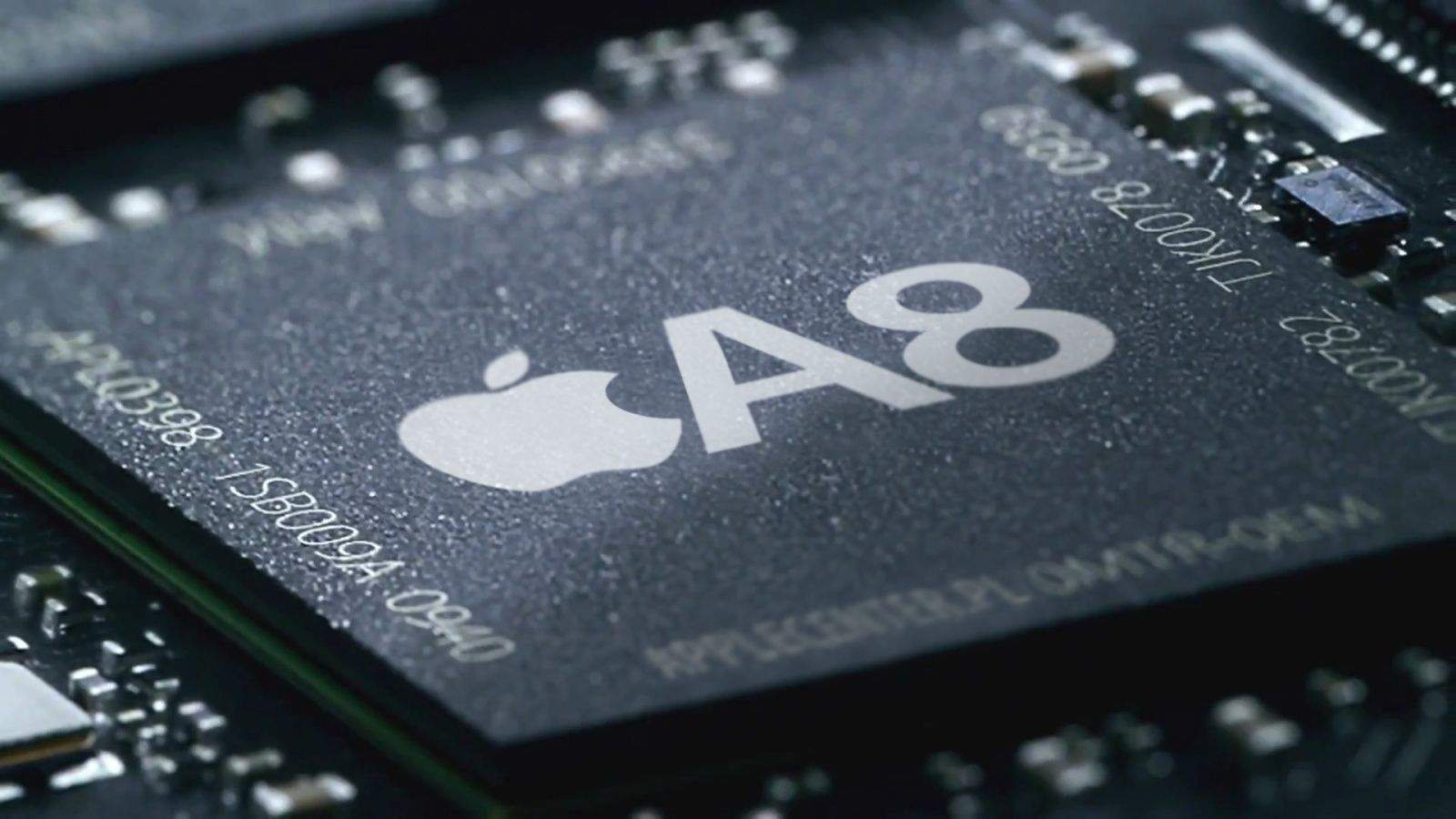
As per the report, Samsung began fabrication on the new system-on-chip yesterday at its chipmaking facility in Austin, Texas, using a 14 nanometer process.
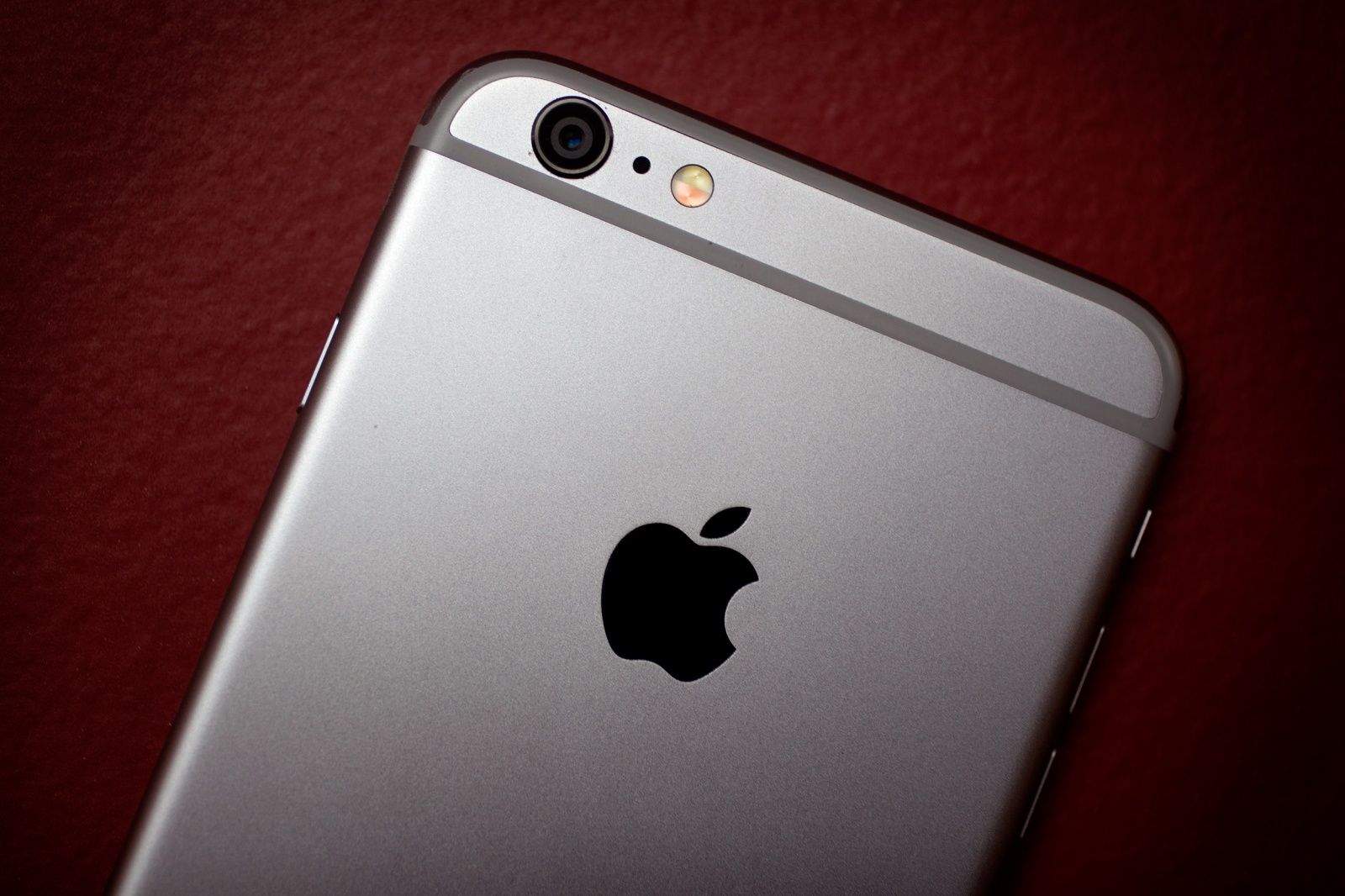
Even Microsoft admits the iPhone 6 is king of 2014. Photo: Jim Merithew/Cult of Mac
Microsoft released its list of the top Bing searches of 2014 this week, and among tech companies, Apple appears to be this year’s big winner, again.
The iPhone 6 and iPad both ranked among the top 5 tech search words of 2014, according to BingTrends. Other top searches included Fitbit and the Xbox One, but the iPhone 6’s biggest competitor – the Samsung Galaxy S5 – didn’t even place in the top 10.
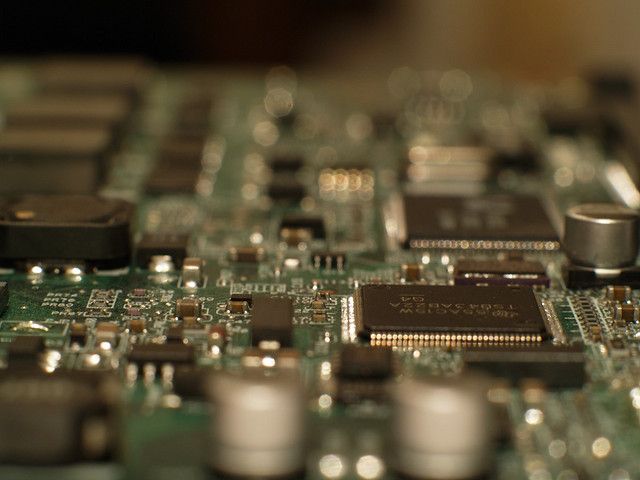
Is it too early to start thinking about the iPhone 7? Not for Apple's suppliers it's not. Fabrizio Sciami/Flickr CC Photo: Fabrizio Sciami/Flickr CC
Samsung will snap up the majority of the next generation iPhone A9 chip orders, while Taiwan Semiconductor Manufacturing Company (TSMC) will manufacture the chips for the next iPad devices, according to a new report coming out of China.
This differs from the current iPhone 6 devices, where TSMC is reportedly responsible for producing the A8 chips thanks to a deal inked in 2013.
Although it was previously reported that the two companies were locked in a tussle to pick up the Apple orders, Samsung apparently beat out TSMC by quoting Apple lower prices for the 14nm FinFET process production. Samsung has upped its game to secure Apple orders following its posted dismal Q3 earnings, which were down a whopping 60 percent in operating profit from the same period in 2013.
Apple has apparently put its faith in Samsung to build the A-series application processors for its next generation iPhones and iPads, according to a new report coming out of Korea.
As of recently, Samsung was competing with Taiwan Semiconductor Manufacturing Company (TSMC) to build the chips, which carry a contract said to be worth “billions of dollars.”
Unlike conventional memory chips, application processors reportedly count as logic chips and are said to carry much higher margins. From 2016, Samsung will supply 80% of the APs used in Apple devices, while TSMC will provide the remaining 20%.
Things get weird when Samsung stops copying Apple and tries to do its own thing, and as if to remind us of that salient fact, the company tapped famed Korean rapper Mad Clown, to blast out rap on its new corporate sustainability animated rap video.
The Samsung rap video highlights the company’s positive stats on diversity on work-life, but fails to mention some of the grimmer facts that were discovered in its sustainability report that was published earlier this year.
Samsung posted its bizarre rap video this morning, boasting sick statistic-laced rhymes like “Samsung, we 280,000 humans, 40 percent 112,000 women. You don’t have to worry after giving birth.” If that sick line doesn’t make you want to sign up to build the next Galaxy S6, just listen to the rest of the catchy raps in the video above.
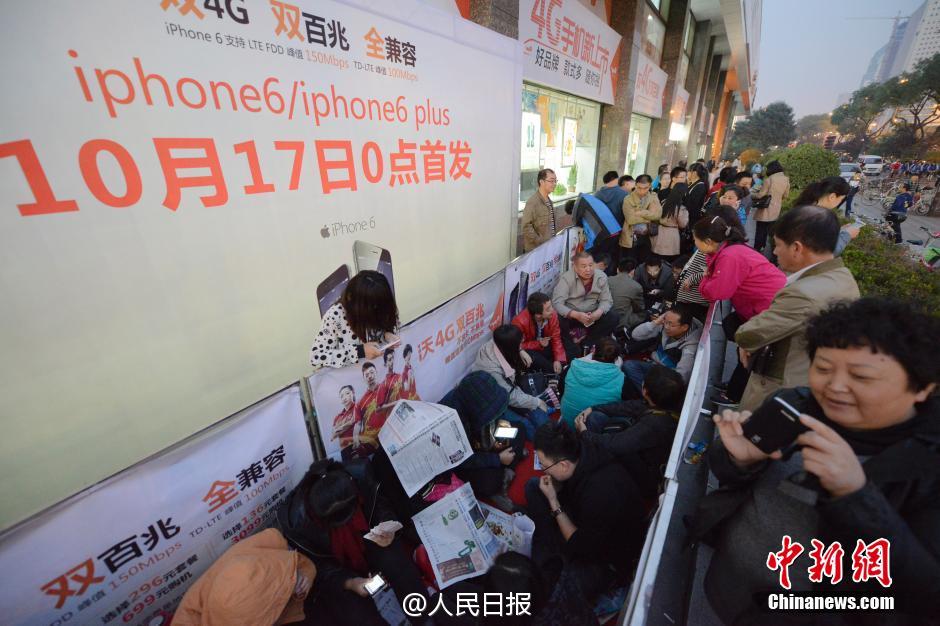
People queue for the iPhone 6 and 6 Plus all across China. Photo: People's Daily/Weibo
It’s been a great year for Apple in China, and to top it off the China Brand Research Center just released its China Brand Power Index for the year — placing Apple in the no 1 position over long-time rival Samsung.
While Samsung Electronics took home brand value prizes in both the TV and monitor categories, Apple roundly beat it in the all-important mobile category, which Samsung has occupied for the previous two years.
Competition is heating up between Samsung and Taiwan Semiconductor Manufacturing Company (TSMC) to build Apple’s next generation A9 chips, according to a new report citing industry sources.
TSMC is currently manufacturing the majority of the A8 chips used in Apple’s latest iPhones, thanks to a deal inked in 2013. Samsung, however, is keen to reestablish its previous position as the sole provider of Apple’s A-series chips — and is willing to lower its quotes to do so.
Samsung is also pushing the fact that it can provide other services to Apple, including the manufacture of flash memory and backend services in-house.
Samsung may ship more devices, but there’s no doubt that Apple is winning the war.
That’s the takeaway from Samsung’s latest earnings report, which stated that the Korean smartphone maker’s Q3 operating profits were just $3.8 billion, a 60 percent drop over last year.
And things are even worse in the mobile division, which dropped 73.9 percent year-over-year.
Android has yet again increased its lead in U.S. market share as its rivals give up precious points, according to the latest data from Kantar WorldPanel. Google’s popular platform now commands an impressive 61.8 percent share of the smartphone market, which is close to double the 32.6 percent now held by iOS.
Samsung could be understood for questioning the brand loyalty of its South Korean fans: iPhone 6 and 6 Plus have reportedly racked up a massive 100,000 preorders since going on sale in the country Friday. That’s more than three times the number of South Korean preorders for Samsung’s Galaxy Note 4.
Although we’ve yet to see a truly mass-market wearable device sweep the world, most people working in high tech believe that devices like smartwatches represent the next big frontier.
With that in mind, Samsung has debuted a potentially transformative creation at the ongoing InterBattery 2014 exhibition being held in Seoul, Korea: a rollable, flexible battery.
Although not too many details are known yet about the exact materials and structural design advances used to create it, it is reported that the battery can function even when bent in half, or rolled up into the shape of a paper cup.
Samsung is all too willing to leap down Apple’s throat at any perceived error on Cupertino’s part, but apparently that same degree of quality control is not turned inwardly on Samsung’s own industrial design department.
Having brought forward its release date to try and beat the iPhone 6 and 6 Plus into South Korea and China, the Samsung Galaxy Note 4 has been met with negative customer reviews since its September 26 launch — on the basis that there is a sizeable gap between the smartphone’s display and its casing.
The Pulsar might have been the reality of digital watches around the time that Apple started, but what was predicted by the age’s futurists? The 1979 Usborne book Future Cities: Homes & Living Into the 21st Century describes the arrival of "wrist-phones" or “ristos.” These devices, the authors predicted, would work with cellphones and GPS equipment.
"City dwellers of tomorrow could have a small gadget of enormous benefit — a wristwatch radio-telephone,” the book notes. "With a wristwatch radio, you could talk to anyone, wherever you happened to be.... If you were late for an appointment, it would be easy to let the other people know.... It ought to be impossible to get lost in tomorrow's world, in a city or out of it.... The wrist-phone can provide guidance back to the nearest town.” Pretty accurate, no?
Trying to boost its falling mobile sales, Samsung announced on Wednesday that its new Galaxy Note 4 smartphone will go on sale in China and South Korea as early as this Friday, with the handset available on all mobile carriers in both countries by the end of the month.
For those keeping track, that’s before much of the rest of the world, including the U.S.
Why are China and South Korea getting Samsung’s flagship handset before nearly everyone else? Because the iPhone 6 isn’t available in these markets yet, which has caused a mad dash for the South Korean company to try and get in there first — particularly since the massive iPhone 6 and 6 Plus has now neutralized Samsung’s big-screen differentiator.
Apple's new aluminum will kill Bendgate. Photo: Unbox Therapy
Bend-Gate is slowly taking over the Internet this morning as Apple fans discover the startling fact that when pressure is applied to an iPhone 6 or 6 Plus frame, it bends – just like every other smartphone ever made of metal.
The bending problem has been reported by a number of iPhone 6 owners who pocketed their big iPhone 6 only to retrieve it later with a significant curve in the frame. Some sites are deeming the new iPhones “more fragile than expected,” but the truth is we’ve seen this problem almost every year.
In fact, last year ran we an article titled “iPhone 5s Bending in People’s Pockets.” Any phone made of metal is still subject to the laws of physics, but to reiterate that this isn’t exactly a problem exclusive to the iPhone 6, here’s a look at other Android and Apple phones that have bending problems.
Photo: Jim Merithew/Cult of Mac Photo: Jim Merithew/Cult of Mac
Apple’s fabulous iPhone used to be the number one reason crime was on the rise in New York City, but now that Apple’s added Activation Lock to iOS 7, thieves have given up their iLust and are targeting Samsung phones like never before.
Just look at the sudden change in thefts in the chart below:
Are Apple and Intel ready to break up? Photo: Apple
When it comes to mobile communication chips, Qualcomm has cemented itself as Apple’s go-to supplier.
The San Diego-based semi-conductor company dominates the mobile chips business like Apple dominates tablets, but Intel is ready to steal a large chunk of it, and according to the president of Intel Korea, Lee Hee-sung, it’s only a matter of time before Apple converts.
Hey, at least give Samsung credit for being quick off the mark.
Apple’s Tuesday keynote is only days old and already professional Apple spoofer Samsung has released a new series of ads skewering Cupertino’s latest developments — from its Apple Watch to its problematic live feed.
There are six ads in total, all designed to advertize the Galaxy Note 4, although barely any time is given to talking up Samsung’s own products, since the company clearly feels it’s better off trying to tear down its leading competitor.
Samsung and LG are hoping Apple can light the way when it comes to wearables.
Apple could be less than one week away from unveiling its long-awaited iWatch, and surprisingly for an industry as competitive as tech, pretty much everyone is rooting on it to succeed.
The reason? Because once Apple cracks open a market and shows how it can be done, everyone else can dive in and make more money.
With every waking moment before Apple’s big Sept. 9 reveal, competing tech companies are trying to to steal the spotlight. Samsung, one of Apple’s biggest rivals, revealed its latest creations Wednesday in Berlin. Will two new smartphones, a smartwatch and a virtual reality system be enough to overshadow Apple’s upcoming news?
In today’s video we take a look at Samsung’s latest products and see exactly what the company is cooking up to challenge the iPhone 6 and the iWatch. Check out Samsung’s new Android phone with a curved display (the Galaxy Note Edge), a redesigned phablet (the Galaxy Note 4), a wild virtual-reality phone accessory called the Gear VR and more in this quick roundup.
Apple has been praised by Greenpeace for its proactive role in leading the sustainability drive. Samsung? Not so much.
Considering that just a few short years ago Apple was scoring dead last on Greenpeace’s report on green-friendly data centres, the company has made amazing strides in order to turn around its reputation.
In a new September report from Greenpeace, entitled “Green Gadgets: Designing the Future,” the global environmental organization says that Apple is doing more than any other manufacturer to reduce the damage it does to the environment. The report notes that Apple has kept its promise to eliminate use of hazardous materials including Polyvinylchloride (PVC) and Brominated flame retardants (BFRs) in its products.
The man tipped to take over Samsung as chairman was the only Samsung executive invited to attend Jobs’ 2011 memorial service.
46-year-old Lee Jae Yong is the son of current Samsung chairman Lee Kun-hee, who suffered a major heart attack in May this year.
While relatively little is known about Lee Jae Yong he is considered to be the executive responsible for helping build the relationship with Apple that sees Samsung supply components for Apple devices, dating back to the iPod.
Samsung is after more of Apple's iPhone business. Photo: Jim Merithew/Cult of Mac
Judge Lucy Koh has denied Apple’s second attempt at banning certain Samsung phones. After Apple won its second major patent infringement case against Samsung earlier this year, it requested that a permanent injunction be placed on nine Samsung devices in the U.S.
Just like when Apple was denied a sales ban after its 2011 landmark victory against Samsung, Koh has not granted the second request. This time around, the ruling signals that Apple and Samsung’s court disputes are indeed settling down.
TSMC is one of Apple's biggest partners. Photo: Apple/TSMC
Apple is still reliant on Samsung for many of the iPhone’s internal components, including the fabrication of its almighty A-series processors, but in an effort to secure more processor orders from Apple, Taiwan Semiconductor Manufacturing Company (TSMC) is already ahead of schedule with production of the next-generation A9 processor.