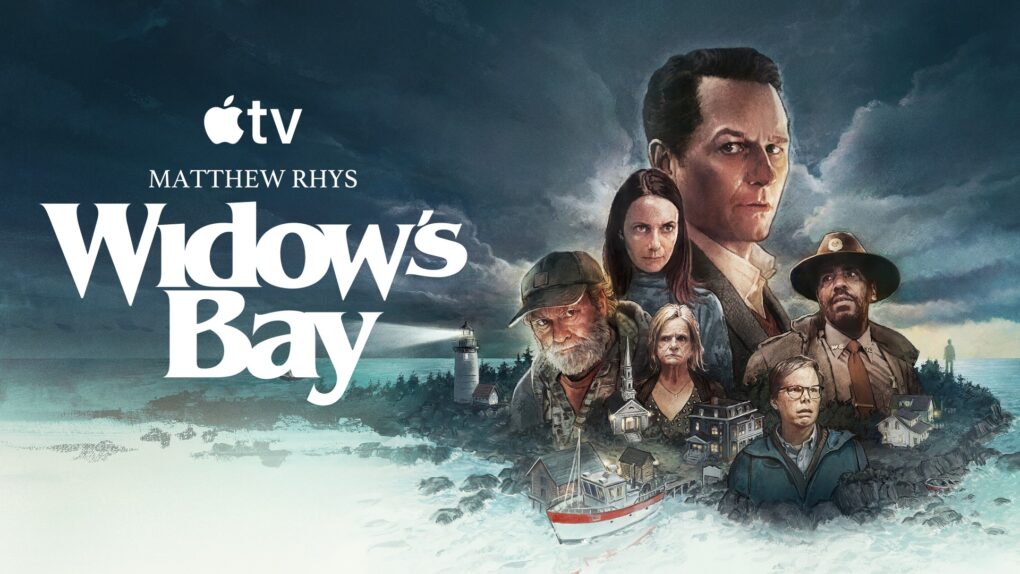
There’s a moment in the second episode of Widow’s Bay on Apple TV when Mayor Tom Loftis, played by Emmy winner Matthew Rhys, sits in the lobby of a deeply haunted New England island inn and shares drinks and a board game with a stranger. They chat about his upbringing, his dreams for the town, his failures as a father. It sounds cozy. But it isn’t.
Something is very, very wrong with his companion — and with the room itself — and the horror creeps in so gradually and so quietly that by the time it fully lands, you realize you’ve been holding your breath. That scene, in miniature, is what Widow’s Bay is: a show that disarms you with warmth and wit before the floor drops out.
As a born-and-bred New Englander who inexplicably returned to this accursed place after 30 years away, I found the show got me pretty good.
3 reasons to watch Widow’s Bay on Apple TV
Created by Katie Dippold (veteran Parks and Recreation writer and co-writer of Ghostbusters: Answer the Call) and directed by Hiro Murai (Atlanta), the 10-episode series premiered on Apple TV in late April and became a standout in the 2026 lineup. And it has quietly gained ground in streaming since, like an insidious, unholy force. Here are three reasons you should watch.
1. It’s the funniest Stephen King story never written
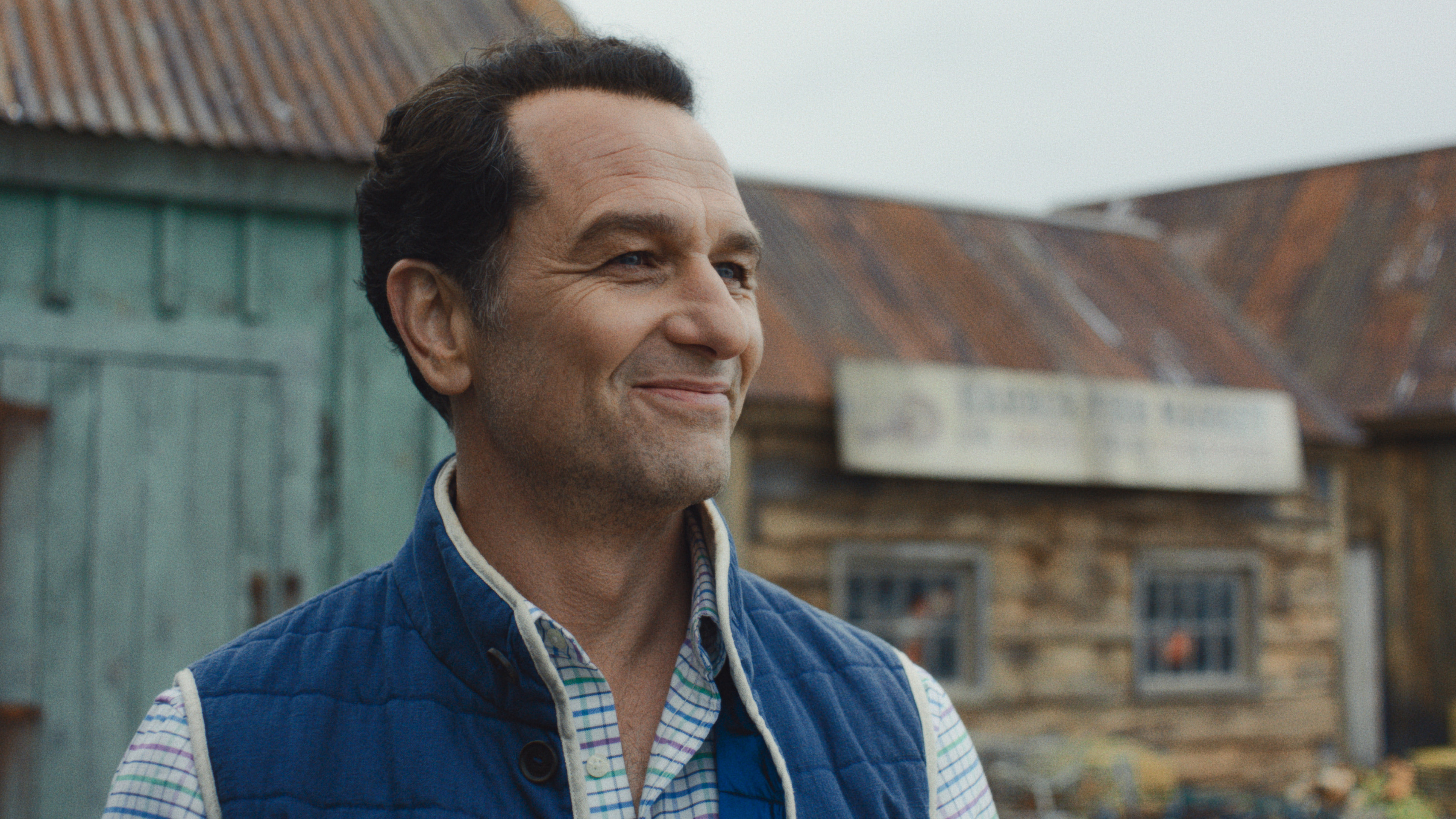
Photo: Apple
From the moment the show’s title card appears — rendered in that unmistakably weathered, retro typeface, like those worn by Stephen King paperbacks in the 1970s and ’80s — Widow’s Bay wears its influences on its sleeve. The premise itself feels ripped from a dusty rack at a Maine gas station: a quaint island town, 40 miles off the New England coast. A skeptical mayor who wants to turn the place into the next Martha’s Vineyard. Superstitious locals who insist, with increasing urgency, that the island is cursed — and a history that bears them out.
Whether you see it as outright theft of classic tales or more as homage, it certainly entertains.
Critics have been quick to draw the King connection, and it’s easy to see why. The show unspools almost like an anthology of his short stories. Episode 1 delivers a deadly, suffocating fog straight out of The Mist. The second episode features a killer clown in a haunted hotel that will make It fans feel deeply, viscerally at home. Episode 3 introduces a terrifying Sea Hag from the island’s coastal folklore. Each new threat arrives on schedule, like chapters in a paperback you can’t put down.
The horror doesn’t get to play it straight
But the stroke of genius here is that Dippold — who cut her teeth writing comedies — refuses to let the horror play it straight. Widow’s Bay has been compared by multiple critics to the unholy love child of Midnight Mass and Parks and Recreation, and that’s not far off.
The mayor’s office is staffed with the kind of lovably dysfunctional ensemble that would feel at home in Pawnee, Indiana, most notably Kate O’Flynn‘s wonderfully aggrieved mayor’s deputy Patricia. Her deadpan zingers land even as the supernatural chaos escalates around her. The comedy doesn’t undercut the scares — it makes them stranger and somehow more unsettling. R.L. Stine’s exaggerated grotesquerie meets King’s psychological dread, and the result is a tonal tightrope act that holds, almost miraculously.
That’s not to say it always hits its horror and comedy marks perfectly. There are moments that come off a bit silly or unbelievable.
2. The horror actually scares us, mostly
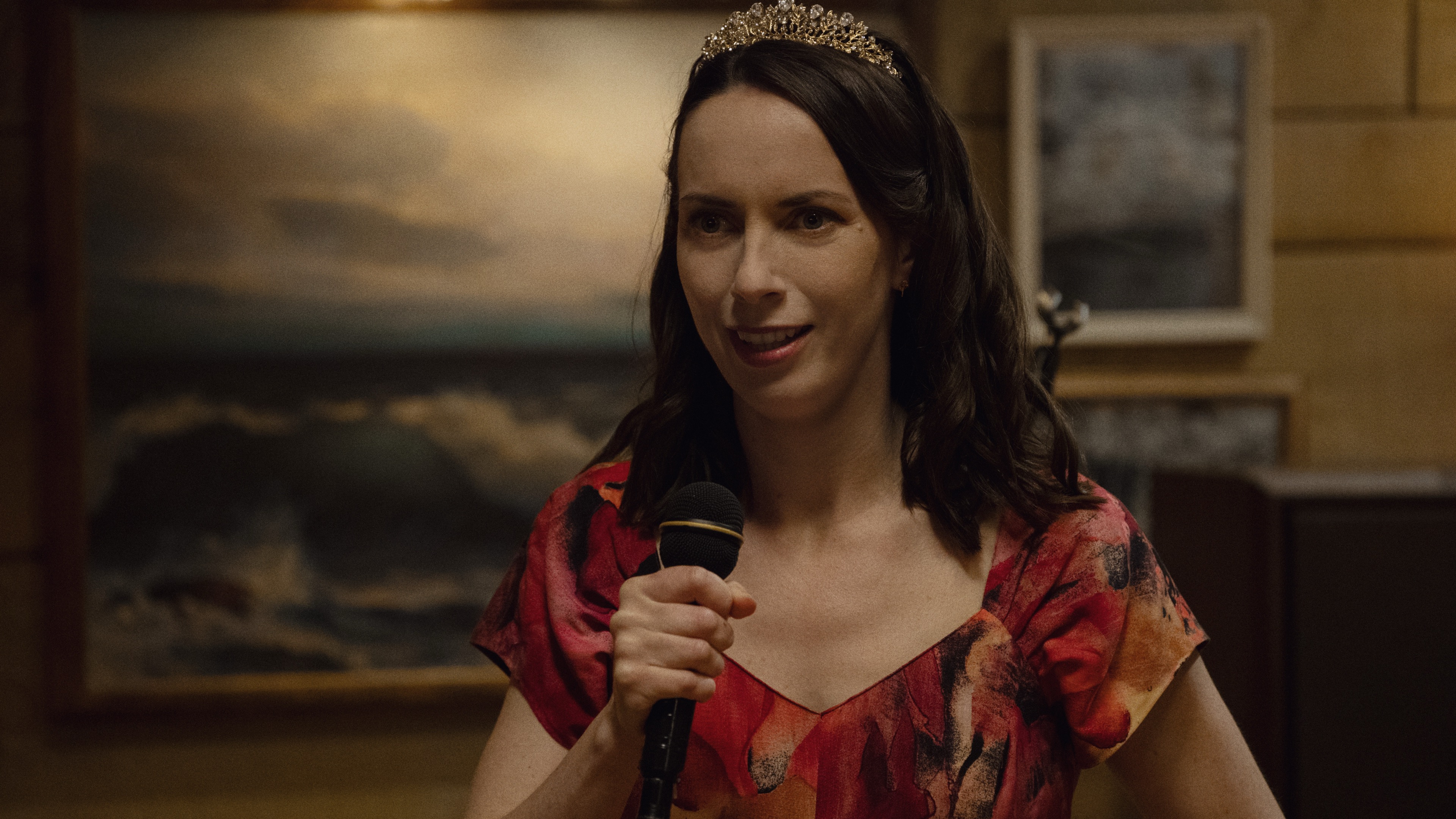
Photo: Apple
It needs to be said plainly, because horror-comedies often use the comedy label as a soft landing for scares that don’t quite hit: Widow’s Bay is genuinely creepy and frightening much of the time.
Credit goes in large part to a directing roster that reads like a horror fan’s dream lineup. Murai helms five episodes himself, bringing the same unnerving precision he brought to “Teddy Perkins,” an episode of Atlanta that remains one of the most disturbing hours of television ever produced while somehow also being darkly funny. Joining him are Ti West (House of the Devil, X), Andrew DeYoung (Friendship), and Sam Donovan (Severance, Utopia) — directors who understand that great horror is about dread, patience and the specific angle of a camera in a room. The show is full of meticulously composed shots that make familiar settings feel just slightly wrong.
Retro aesthetic serves the stories
The show’s aesthetic leans deliberately retro. Shot on location in Massachusetts (primarily in Devens), the series revels in the texture of decayed coastal New England: peeling clapboard, fog rolling over gray water, rooms that smell of mildew and old wood — and maybe something worse. This is the visual grammar of the horror stories your parents grew up on, and the show wields it with care. The rundown locales feel lived-in and cursed simultaneously, and the production never wastes an establishing shot.
And then there’s the clown.
Without giving too much away, you will see a killer clown in Widow’s Bay. Or rather, the so-called “clown killer of ’51.” The locals are deliciously vague on the details (did he kill clowns, or dress as one?). At any rate, he arrives in episode 2 as the island’s most immediately terrifying supernatural resident. The sequence functions as a direct, knowing homage to Pennywise while managing to feel original. And it crystallizes the show’s central achievement. It can reference pop culture horror iconography without being consumed by it.
3. The rich New England folklore strikes a chord, perhaps most with locals
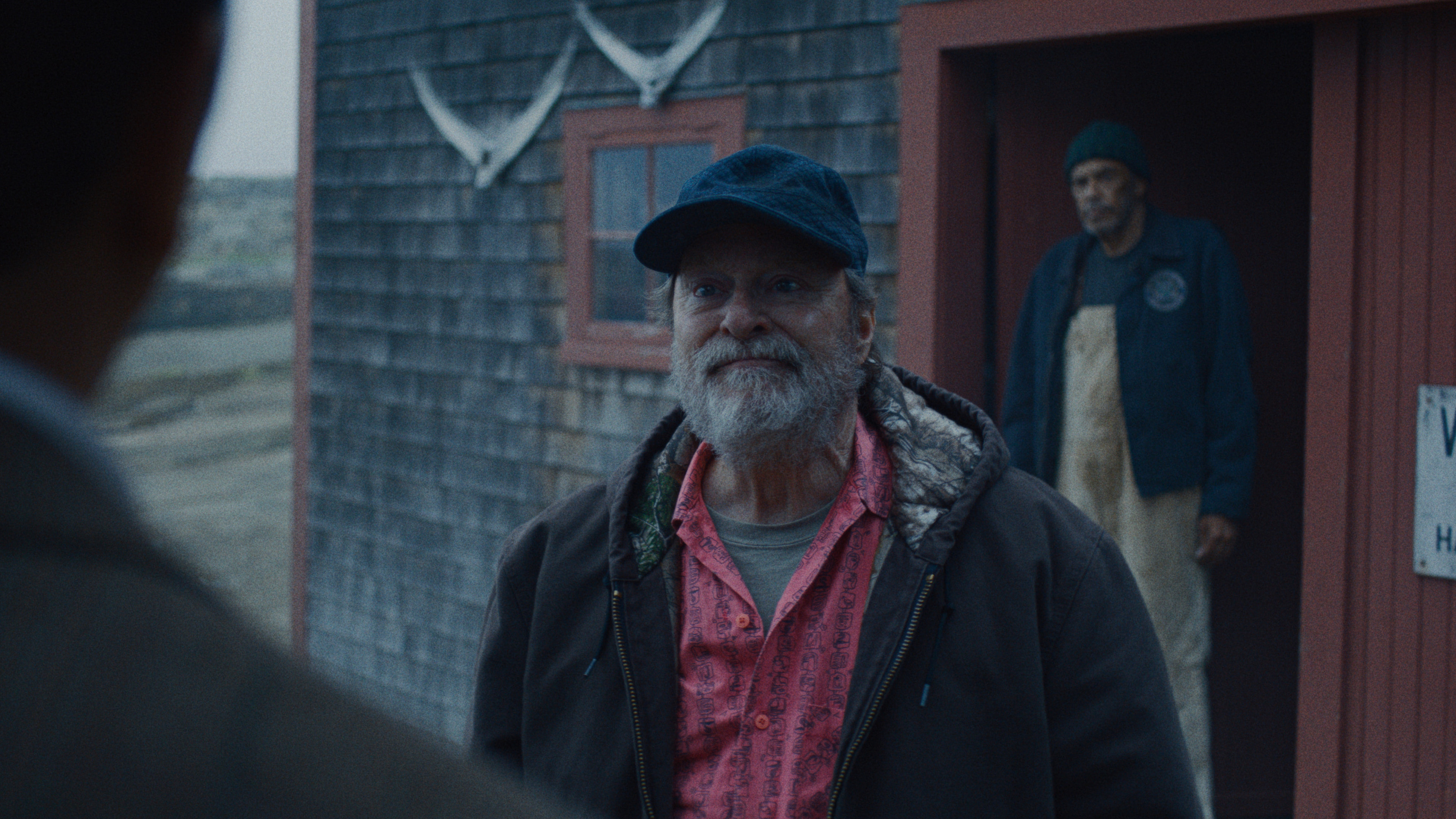
Photo: Apple
Widow’s Bay plays on a very specific kind of American dread: the dread baked into the continent’s oldest settlements. New England horror stews in its own flavor — coastal, Puritan-haunted, maritime, cold — and the show draws deeply from that cauldron. The island’s history, parceled out in fragments across the episodes, includes Salem-era witch burnings, a centuries-long catalog of plagues and ruinous hurricanes, serial killers and generations of islanders who learned to simply not ask too many questions.
For viewers in Massachusetts, Rhode Island, Connecticut and Maine (and perhaps to a lesser extent in land-locked New Hampshire and Vermont), there will be a specific thrill of recognition in all of this. The show knows its territory. The coastal geography, the particular isolation of island life. It’s in the way old communities carry their tragedies in silence. And it’s all rendered with an atmospheric specificity that rewards those who grew up hearing that the old house at the end of the road has a history that gets creepier with each telling of the story.
True to its setting, where shame keeps us silent
The folklore is woven in naturally, delivered not as exposition but as the kind of half-whispered, half-embarrassed local knowledge that gets passed down at kitchen tables. Patricia’s character is particularly useful here — as the mayor’s deputy and the town’s informal keeper of institutional memory, she functions as the audience’s guide to centuries of accumulated strangeness. And of course more than a few people think she’s certifiably crazy.
The show isn’t without its limitations on this front. It remains deliberately vague about exactly which part of the New England coast it inhabits. That costs it some of the hyper-local specificity of, say, a King novel rooted firmly in a specific Maine town. But what it loses in geographic precision it gains in universal New England atmosphere — the sense that in this corner of the country, history is never quite finished with you.
The Verdict
Widow’s Bay is the kind of show Apple TV was made for: ambitious, original, executed with genuine craft — and utterly unclassifiable as one thing. It’s not quite like anything else on television. It’s scarier than it has any right to be, funnier than horror usually allows, and steeped in a regional folklore that feels both ancient and urgently alive. The cast, led by Rhys’s wonderfully cowardly, quietly heartbreaking mayor, is uniformly excellent.
Episodes drop Wednesdays through June 17. If you’ve been looking for a reason to open Apple TV this week, you’ve found three. But, ayuh — don’t say we didn’t warn yeh.

David Snow, an expert on Apple hardware and software, writes on a variety of technological and cultural topics for Cult of Mac. They include Apple news, technology buying guides, and features about computer setups and Apple TV shows and movies.
With 30 years of experience covering technology and other subjects, he has written and edited for numerous print and online publications, including CMP Media, TechTV.com, CNET, Wired News, Red Herring magazine, Law.com, The National Law Journal and Law Technology News magazine. Among other roles, he served as executive editor of the Law.com network of websites and editorial director, technology, for ALM Media.
Snow graduated with a B.A. from Syracuse University with majors in magazine journalism and psychology. While there, he worked as a reporter for The Daily Orange newspaper and associate editor of Equal Time magazine.
Founder of the blog At the Waterline, he can be reached on X (formerly Twitter) via @atthewaterline and on Mastodon via @dsnow.

