Qualcomm’s top executives received massive bonuses after settling the company’s raging legal battle with Apple.
The bonuses were revealed in an SEC filing. They included a stock bonuses worth $3.5 million for Qualcomm CEO Steve Mollenkopf.
Qualcomm’s top executives received massive bonuses after settling the company’s raging legal battle with Apple.
The bonuses were revealed in an SEC filing. They included a stock bonuses worth $3.5 million for Qualcomm CEO Steve Mollenkopf.

Apple will pay Qualcomm a lump sum of $4.5 billion to $4.7 billion as part of as legal settlement the two companies recently reached.
This is almost as much as Qualcomm’s entire revenue for its current quarter, showing Apple’s importance to the chipmaker.
The Apple vice president in charge of sourcing 4G and 5G iPhone modems has left. The departure of Rubén Caballero comes as this part of Apple’s business is in transition, with Qualcomm once again available to provide these vital components.
It seems developing a 5G iPhone is going to continue to be more difficult than one might expect.
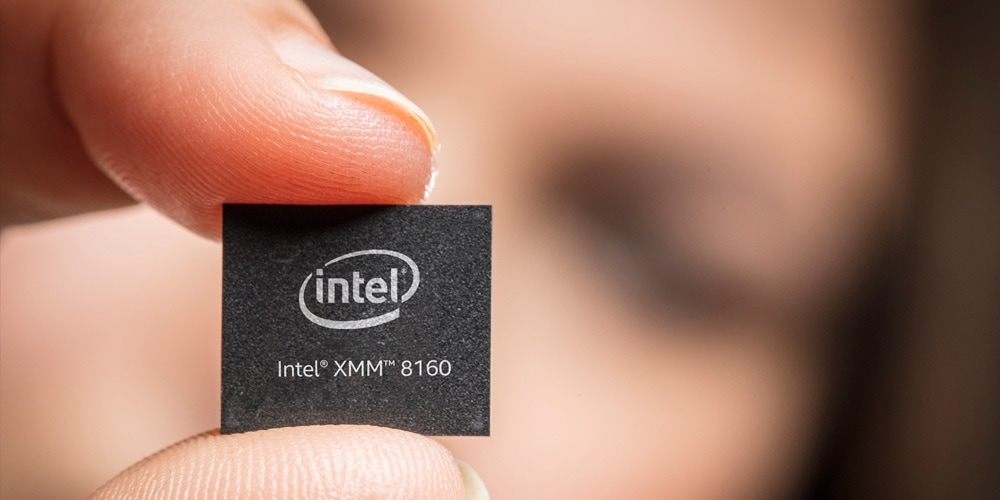
Apple poached the lead developer of Intel’s 5G smartphone tech, a new report claims.
This was just prior to Apple agreeing to team up with Qualcomm for 5G modems. Apple’s deal with Qualcomm prompted Intel to drop out of making 5G chips, citing lack of business opportunities.
Details about the 2019 iPhone models are starting to trickle out. Intel CEO seems to have said today that his company will be supplying 4G modems for this device.
Bob Swan’s comment is deliberately oblique, but at least one expert has taken it as an indication that Apple isn’t ready to fully switch to Qualcomm modems in its iPhones.
Samsung is investing billions in its chip business to better compete with Intel, Qualcomm and TSMC. The Korean company wants to make CPUs for a broad array of computers. This raises the odds that Samsung could begin making iPhone and iPad processors again.
And maybe even future Mac desktops and MacBooks could be powered by Samsung chips.

Having concluded its battle with Qualcomm, Apple will use the company’s modems for its eagerly anticipated 5G iPhone.
However, it seemingly has a strong backup option in the form of Huawei’s own 5G chip. The Chinese smartphone maker has previously said that it would happily do business with Apple. Now an independent analysis of its 5G tech shows that they are on par with other top-tier options.
The end of a protracted legal battle between Apple and Qualcomm paves the way for the chipmaker to supply Apple with 5G modems for the 2020 line of iPhones.
Highly-respected analyst Ming-Chi Kuo made the prediction in a research note.
Qualcomm probably didn’t get the full $7 billion payment it was hoping to score from Apple as a result of the two companies’ wide-ranging legal battle.
Full details of the settlement between Apple and Qualcomm weren’t revealed when the two sides announced their truce earlier this week. However, an UBS analyst used Qualcomm’s recent guidance to estimate how much Apple agreed to pay and it looks like both sides made some small compromises.

Apple has settled it’s long-running legal dispute with Qualcomm. It almost certainly means that Qualcomm will again supply modem chips for the iPhone. But we won’t see a 5G iPhone any sooner.
A new report warns that Apple will still struggle to catch up with rivals like Samsung, which have already launched 5G handsets, and that the first iPhone with 5G still won’t arrive before 2020.

Apple and Qualcomm may have made up again, but the two parties aren’t going to spill the beans regarding exactly how much their financial settlement involved.
Speaking on CNBC today, Qualcomm CEO Steve Mollenkopf said that he wouldn’t discuss the payment Apple agreed to in the settlement. However, he did note that the two companies are excited about working together once again.
Intel is getting out of the 5G smartphone modem business, meaning that we won’t get 5G Intel iPhones after all.
The news was announced by Intel hours after Apple and 5G pioneer Qualcomm revealed that they have resolved their multi-year legal battle.
Most people probably shrugged their shoulders at the news Apple and Qualcomm ended their long, bitter legal war. But this is actually going to benefit every iPhone user.
It means that Apple is almost guaranteed to introduce a handset with super-fast 5G next year. Before now, there was some question about whether that was possible.

The legal war between Apple and Qualcomm is finally over.
In a surprise announcement, the two companies revealed that they have agreed to drop all litigation against each other, bringing an end to a dispute over royalities and patent infringements that spanned multiple countries.
Huawei says it has had no contact with Apple regarding the supply of 5G chips for a future iPhone lineup.
The Chinese smartphone-maker has previously stated it would be willing to work with its rival on a 5G iPhone. However, Apple has not been in touch — despite its struggle to obtain chips elsewhere.
Apple’s battle with Qualcomm is a meeting of two tech titans — and the monetary amounts involved reflect that.
According to a new report from the Financial Times, the amount of money at sake dwarfs any previous IP or antitrust case. Apple and four companies in its supply chain are seeking $30 billion in damages from Qualcomm. Since Qualcomm generated “just” $5.7 billion in 2016, the fallout could be absolutely enormous.
Apple apparently has another option for 5G modems. Huawei reportedly is willing to provide future iPhones with these chips.
If true, this significantly improves the chances that a 5G iPhone will launch in 2020. Still, there are reasons to question the wisdom of any such deal.
Qualcomm is still prepared to supply Apple with 5G modems for a future iPhone — despite an ongoing legal battle between the two companies.
Reports have indicated Apple may be struggling to secure 5G modems from Intel and other vendors for a 2020 refresh. But Qualcomm president Cristiano Amon says, “if they call, we’ll support them.”
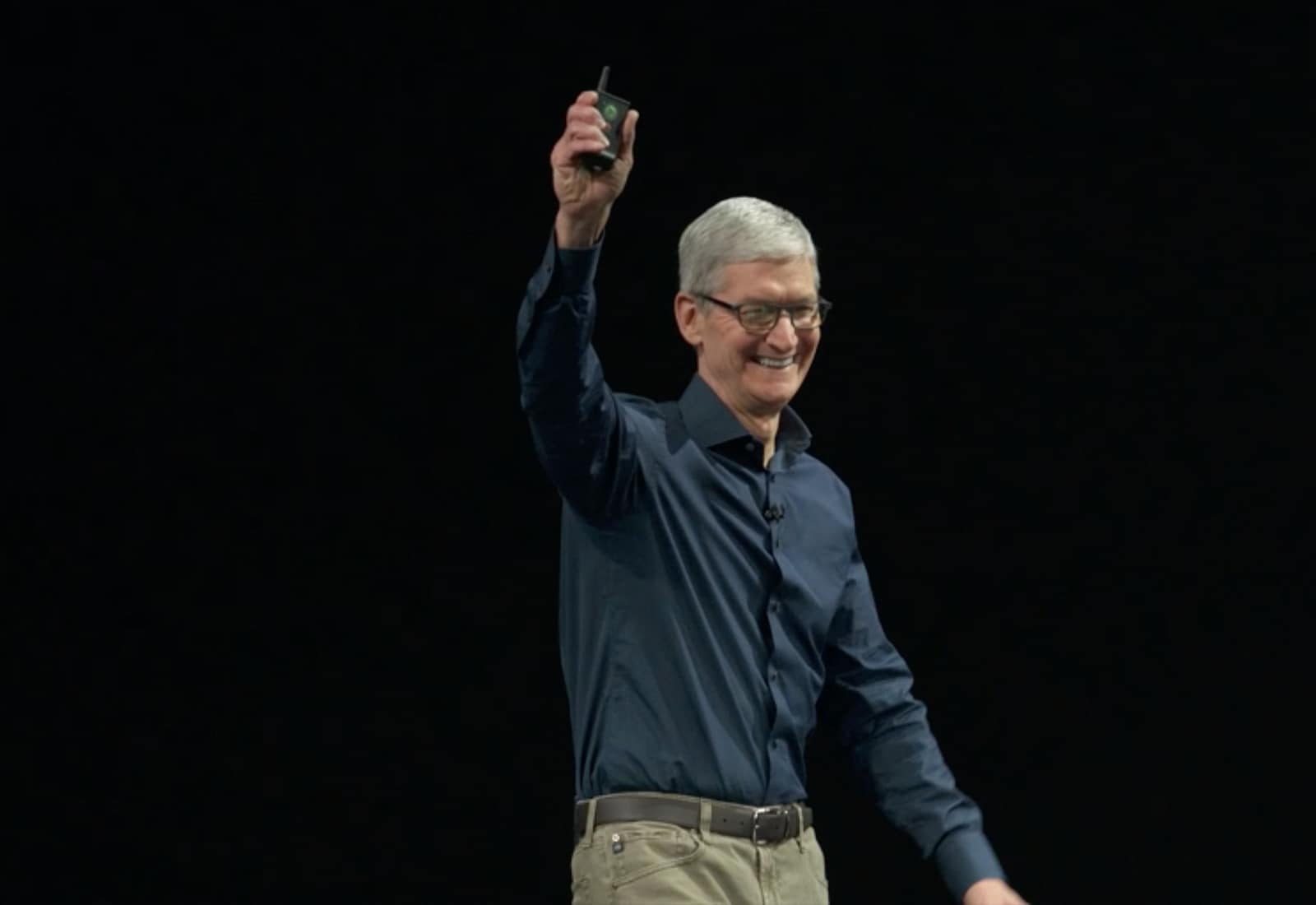
Tim Cook will offer testimony as part of Apple’s legal battle with Qualcomm. Cook will discuss Apple’s business practices, strategy, agreements with cellular network carriers, and more.
He’s not the only senior Apple executive ready to talk, either. Former hardware boss Bob Mansfield, current COO Jeff Williams, SVP of Worldwide Marketing Phil Schiller and others will chime in as part of the case.

Just hours after an International Trade Commission judge ruled in favor of Qualcomm in a patent infringement lawsuit with Apple, the Commission as a whole made the iPhone maker the winner in a separate dispute between the pair of companies.
This is a demonstration of how much acrimony there is between these two, who were once close allies.
Some iPhone models could soon be blocked from coming into the U.S. after a judge recently ruled that Apple infringed on Qualcomm’s patents.
ITC Judge MaryJoan McNamara found that iPhone infringes on one of three patents in Qualcomm’s case against Apple. She subsequently said she will recommend an import ban on iPhones, but a panel of judges could still save Apple.
Apple has won the latest battle in the Apple vs. Qualcomm war. A judge has ruled that Qualcomm owes Apple close to $1 billion in patent royalty rebate payments.
Judge Gonzalo Curiel of the U.S. District Court for the Southern District of California made the ruling on Thursday. The payments were due as part of a business cooperation agreement made between the two companies during happier times in their relationship. It’s not going to necessarily mean Qualcomm handing over a $1bn check, though.
Apple claims that Qualcomm’s motivation for taking Apple to court is because it was upset that Apple had switched to using Intel chips in iPhones. Prior to 2016, Qualcomm had enjoyed five years of being Apple’s exclusive chip maker.
The suggestion was made by Apple’s counsel in closing remarks Wednesday during the patent infringement trial in San Diego.
This week’s legal fight between Apple and Qualcomm reached a point generally only seen on TV courtroom dramas: the iPhone maker accused its rival of witness tampering.
The complaint comes after Apple’s star witness decided at the last minute not to testify.

Apple is beefing up its plans for expansion into San Diego and revealed today that it plans to hire 1,200 people for its tech hub in the SoCal city.
After revealing late last year that it planned to open a site in San Diego, Apple gave new details on what it says will be a principle engineering hub. The move will put Apple directly in rival Qualcomm’s backyard, but Tim Cook isn’t worried about attracting talent to Apple’s offices.