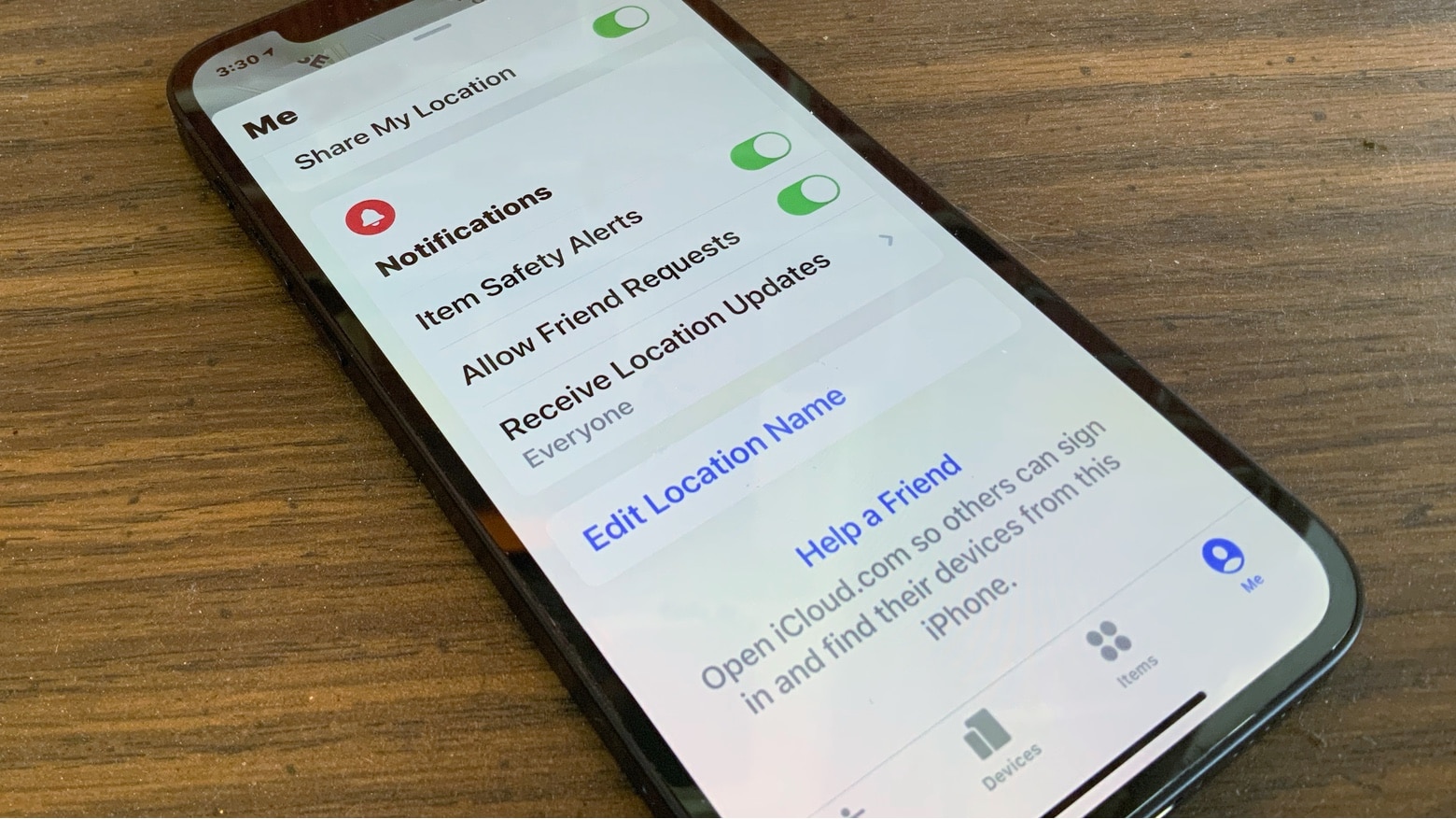
Item Safety Alerts in the Find My app warn you if unknown AirTags are found. Photo: Ed Hardy/Cult of Mac
It won’t be possible for someone to hide an AirTag on you and track your location without permission. iPhones will notify their users if one of Apple’s item tracker tags is moving along with them.
The purpose of the App Store privacy labels is to help users understand what data is collected and how it is used. Photo: Apple
Developers have updated instructions for filling out the privacy “nutrition labels” shown in the App Store. There are additions and clarifications.
Apple asks developers to submit the information for these privacy labels shown to users. There’ve been questions about how accurate the devs’ responses are — including some from a Congressional committee — and the new instructions might be part of Apple’s response.
Congress wants to know if Apple can confirm the accuracy of App Privacy labels like this one. Photo: Cult of Mac
A U.S. House of Representatives committee sent Apple CEO Tim Cook a letter with questions about the App Privacy labels displayed in the App Store. The letter was prompted by a published report that many of these privacy “nutrition labels” contain incorrect information.
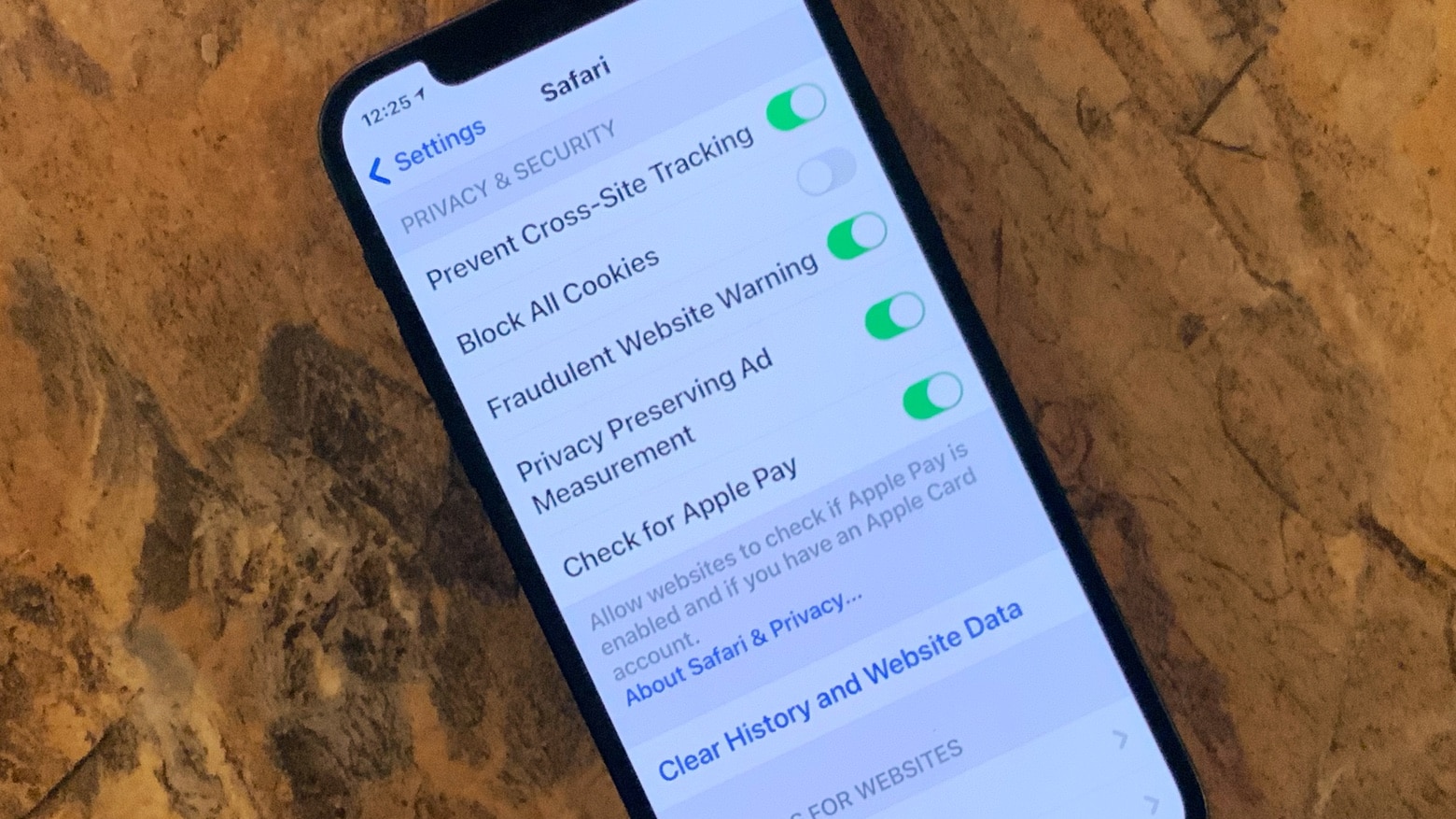
Safari’s anti-phishing tool is about to get even more secure. Photo: Ed Hardy/Cult of Mac
The Fraudulent Website Warning system built into Safari in the upcoming iOS 14.5 reportedly takes an additional step to protect your identity. Apple licenses the scam-prevention service from Google, and going forward will block that company from knowing users’ IP addresses through the use of a proxy server.
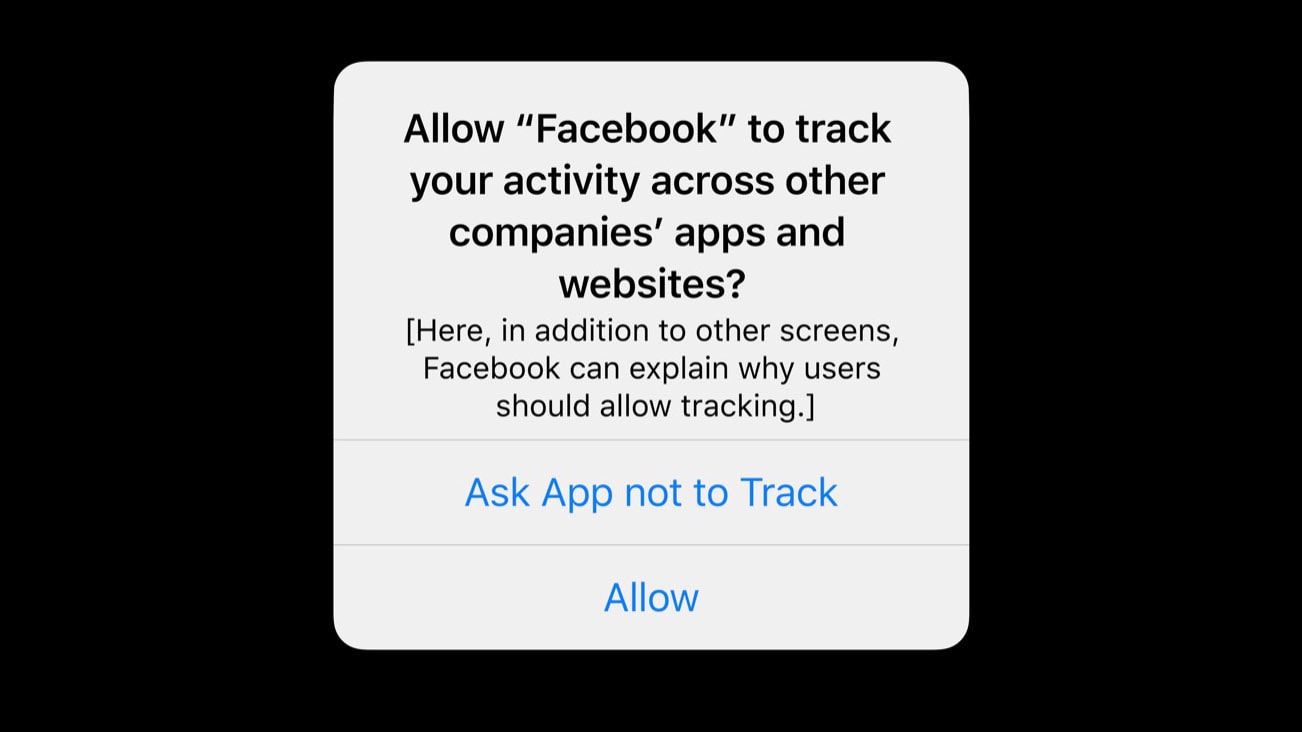
Facebook will try to talk users into hitting the “allow” button when asked if they can be tracked. Apple will add this pop-up to help users protect their privacy. Graphic: Apple
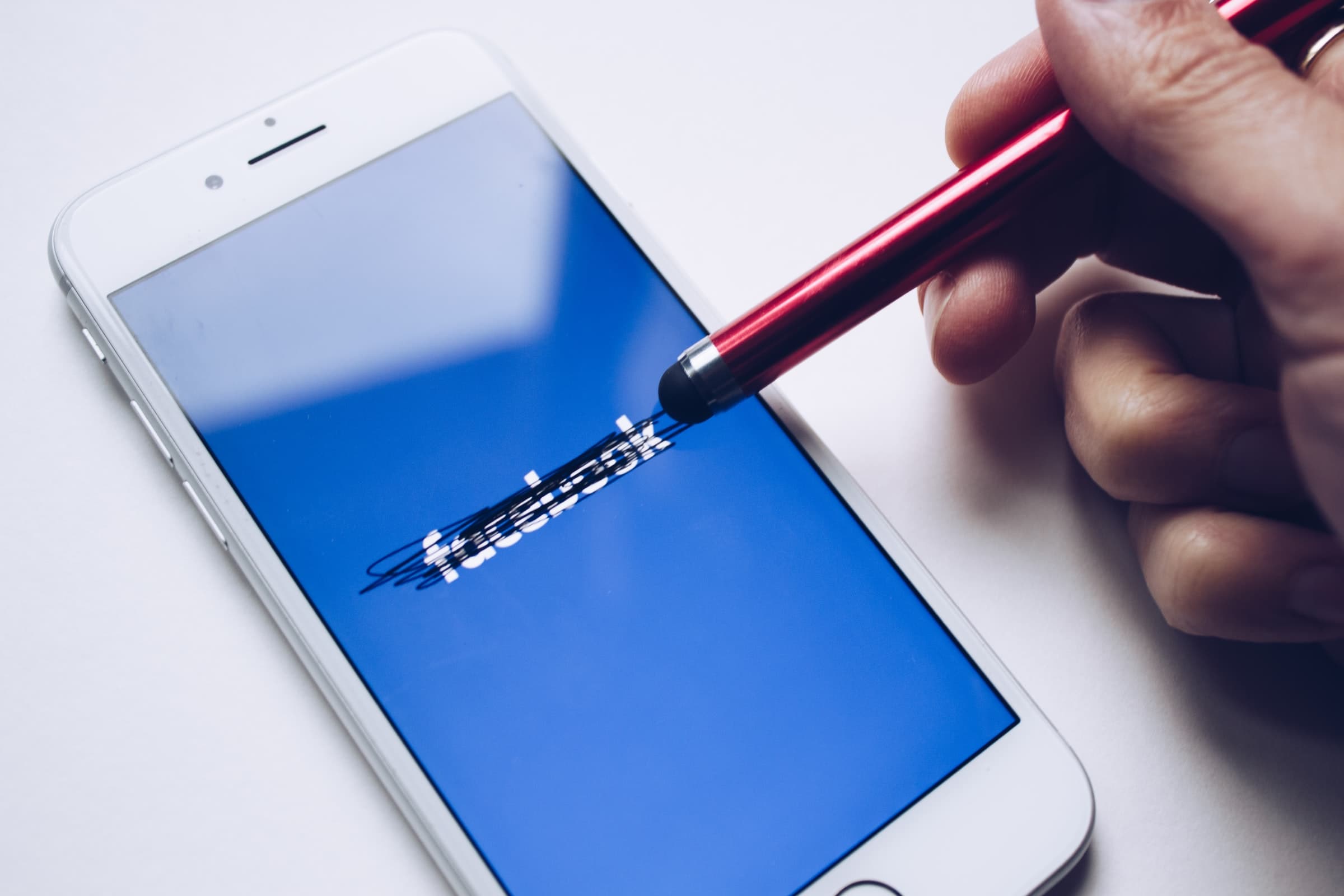
Facebook is going to take a shot at persuading users to skip the “do not track” button that Apple will soon require iPhone application to display. The pop-up is designed to protect user privacy, but the Facebook app will offer its own pop-up screen explaining the benefits of targeted advertising before users are given the option to opt out of being tracked.
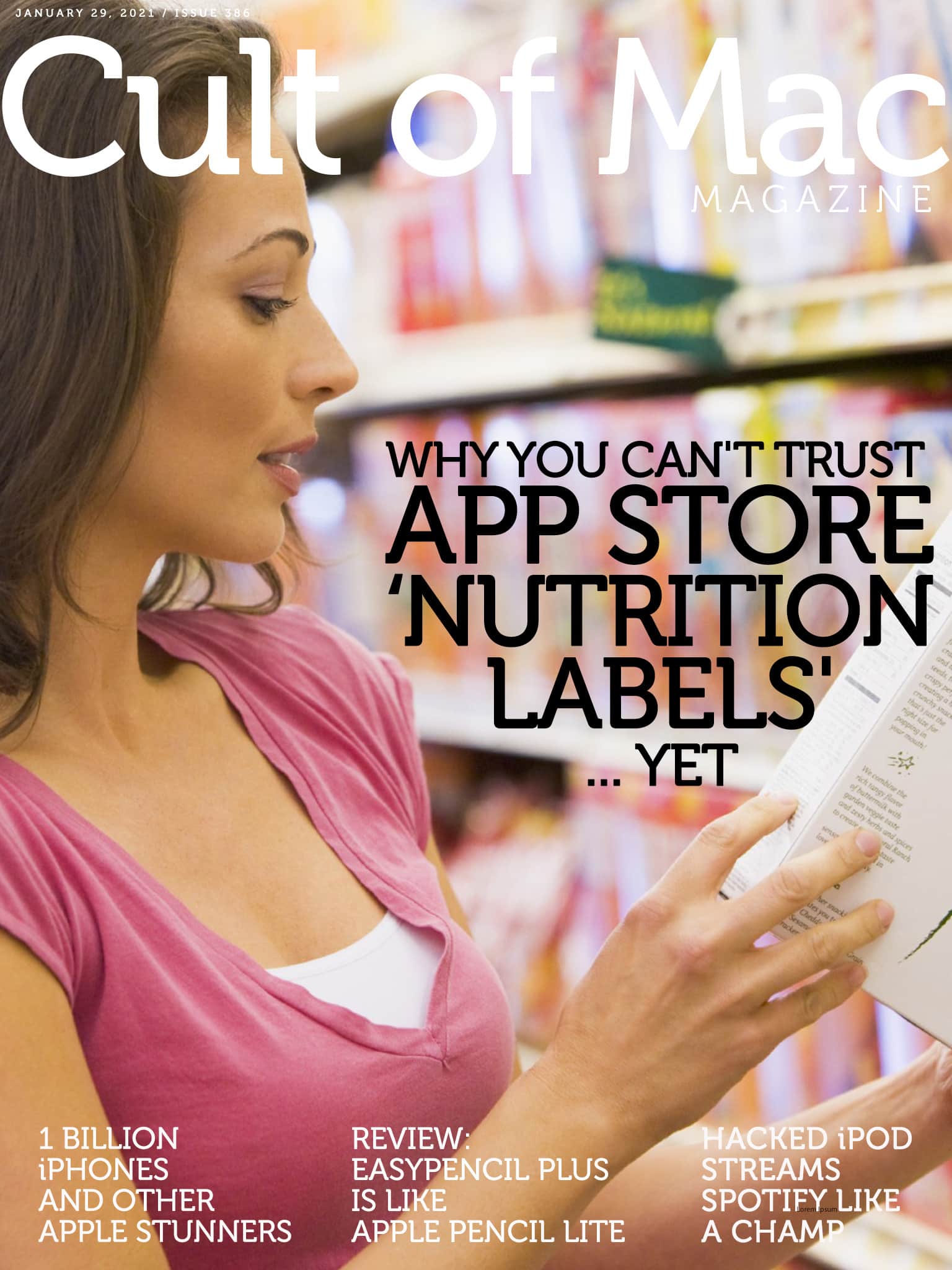
Turns out you can't trust everything you read. Cover: Leander Kahney/Cult of Mac Magazine
So-called App Store nutrition labels that detail exactly how an app handles your data sounded like such a fantastically simple idea when Apple described them last year.
Now that the feature is live, the devil is apparently in the details. As it happens, you can’t just trust all app developers to tell you exactly how much data their software hoovers up — or how they share it with potentially nefarious third parties. Apple says it’s working to police the problem, but it’s a black eye for the privacy-conscious company.
Apple talks a lot about user privacy, but its App Store privacy “nutrition labels” need some work. Photo: Apple
Apple’s new privacy “nutrition labels” in the App Store might not be as useful as hoped. Spot checks by a Washington Post writer turned up applications with incorrect information.
The basic problem? Apple asked developers to describe their own privacy practices. And some of them were less than honest.
Facebook continues to attack Apple, with the social-networking giant accusing Apple of unfair business practices. Photo: PxHere
The war of words between Facebook and Apple heated up further on Wednesday, with the Facebook CEO Mark Zuckerberg stating, “we increasingly see Apple as one of our biggest competitors.” And the rivalry between the might be headed to court, with the social-networking giant accusing Apple of using the App Store to disadvantage rivals.
The App Tracking Transparency feature in iOS 14, which will clue users in on when and how apps are snooping on them, will go live in “early spring,” Apple said Thursday.
Apple revealed the tidbit in a document titled “A Day in the Life of Your Data” (.pdf), released to mark Data Privacy Day.
Millions in Britain wants $1000 each because they claim Google invaded their privacy Photo: Ed Hardy/Cult of Mac
Google’s iOS applications will comply with Apple’s App Tracking Transparency policy, according to a blog post from the company on Wednesday. That means these applications won‘t have to specifically ask users to permit the app to track them online.
Apple’s ATT policy hasn’t gone into effect yet, but it’ll give iPhone and iPad users more privacy. And it’s expected to cost advertisers billions.
Tim Cook will talk privacy matters this week. Photo illustration: Cult of Mac
Apple CEO Tim Cook will give a pro-privacy speech during the Computers, Privacy and Data Protection conference in Brussels this Thursday.
Cook will deliver his speech virtually from Cupertino. The talk will cover “enforcing rights in a changing world,” and will deal with boosting user confidence in online advertising, among other topics.
With iOS 14.4 and iPadOS 14.4, applications will have to ask if they can track you. Graphic: Apple
Apple seeded to developers the release candidates for iOS 14.4 and the iPad equivalent on Thursday. It’s probably the last step before a public release. Among other changes, these new versions will apparently give iPhone and iPad users the option to block third-party applications from tracking them.
Devs can also install watchOS 7.3 RC and tvOS 14.4 RC, which became available Thursday too. But macOS Big Sur 11.2 is still on Beta 2.
Apple keeps all your Face ID data private. Photo: Apple
Apple has launched a couple of eye-catching ads to coincide with the first day of the virtual CES. Both ads focus on Apple’s privacy oriented stance to technologies like Face ID and Apple Pay. This includes carrying out processing on the device and not sharing information with Apple.
The short ads feature some neat Saul Bass-style typographic animation in an effort to make the topic of user privacy and not sharing data compelling and digestible. Check them out below.
A new iOS feature could hurt Facebook and the companies that use the social network for advertising. Photo: Thought Catalog/Unsplash CC
Facebook sent out a message to businesses recently pointing out how Apple’s new privacy features could hurt them by clamping down on targeted advertising.
It also claims that personalized ads that utilize user data to target individuals can coexist with user privacy online.
One of the big new features of iOS 14 is a privacy focused one that lets users know which apps are tracking them. But while it’s starting to roll out to beta users, developers are trying to find ways to continue tracking users without them necessarily being clued in.
According to a Wednesday report for the Financial Times, some devs are so concerned about the possible financial impact of Apple’s new feature that they will try and find ways around restrictions — even though being caught could result in them being booted off the App Store.
The big story for Apple in 2020, was, of course, the COVID-19 pandemic. Photo: Elena Mozhvilo/Unsplash
In spite of a devastating pandemic, a moribund economy, widespread unemployment, factory and store closures, and a workforce toiling from home, Apple in 2020 had one of its best years ever.
The company released a raft of new products, saw its stock soar, enjoyed a record valuation, made record amounts of money, experimented with virtual product launches and events, released great advertising, and mostly skated through government antitrust hearings.
The company even killed off a hated product feature, to widespread plaudits from fans.
This is the latest implementation of Apple's privacy ambitions. Photo: Apple
The iOS 14 privacy feature that lets users know which apps are tracking them — and how — has started rolling out for beta users on certain apps.
Apple first showed off the new privacy labels at this year’s virtual Worldwide Developers Conference. Apple asked that, starting early this month, developers submit information to Apple concerning the type of data their apps collect on users.
This data is then used to create nutrition label-type categories that let users easily understand how they are being monitored. It means that, the first time users open an app, they will be alerted regarding this information. This can be used to help decide whether to use a certain app or how to decide sharing settings.
Facebook argues that it is standing up for small businesses by challenging Apple on its pro-privacy measures. However, it appears that not all Facebook employees are buying the company line.
According to internal message board comments and audio obtained by BuzzFeed News, some Facebook employees think their employer is being a tad disingenuous with its public statements about working on behalf of mom-and-pop businesses.
During the WWDC 2020 keynote, Apple doubled down on its commitment to privacy. Photo: Apple
Digital rights group the Electronic Frontier Foundation called Facebook’s anti-Apple attack ads “a laughable [attempt] … to distract [users] from its poor track record of anticompetitive behavior and privacy issues” in an article published Friday.
Facebook lashed out at Apple last week with two full-page newspaper ads. The campaign targeted Apple’s new App Tracking Transparency feature, which fills users in on which apps are tracking them. Facebook claims the change will hurt small businesses by making it tougher for them to use targeted ads.
By running anti-Apple ads in major newspapers, Facebook's taking its battle with Cupertino to the next level. Photo: Thought Catalog/Unsplash CC
Facebook ran full-page ads in The New York Times, The Washington Post and The Wall Street Journal Wednesday, taking aim at Apple privacy features coming soon to iOS 14.
Facebook’s ads claim that the new privacy measures, intended to fill users in on how they are tracked online, will hurt small businesses. That’s because the new iOS feature will affect Facebook’s advertising model, which lets businesses target users with ads based on their personal data.
Apple’s own applications will carry privacy labels revealing how they collect and use personal information about users. Photo: Apple
Apple isn’t exempting itself from a new privacy rule requiring App Store software to reveal how users’ information is used. Even the applications that come pre-installed on iPhone and iPad will display their privacy info in the App Store.
Look at all those Release Candidates. iPhone users can grab iOS 14.3 in less than a week. And iPadOS 14.3, watchOS 7.2 and tvOS 14.3 are nearly here too. Photo: Ed Hardy/Cult of Mac
Apple gave developers early access to iOS 14.3 on Tuesday, which will bring ProRAW support to the iPhone 12 Pro models. Plus, it and the iPad equivalent will give everyone more information about the privacy practices of the apps they use.
Apple also seeded to devs the release candidates for watchOS 7.2 and tvOS 14.3 on Tuesday.
Soon, iOS apps must reveal exactly what they're doing with your data. Photo: Penn State/Flickr CC
What do you do when you pick up some food in the store, and want to quickly check how good or bad it is for you? You glance at the nutrition label, of course.
Throughout the last century, mandated labels on food forced manufacturers to reveal more and more information about the contents of their products — and their effects on people who consume them. Now Apple is bringing that same level of insight to apps in the App Store.
It’s about time!
As apps become ever more central to our lives — with increasing access to our most sensitive personal data — transparency about exactly how developers use that information is becoming more necessary than ever.