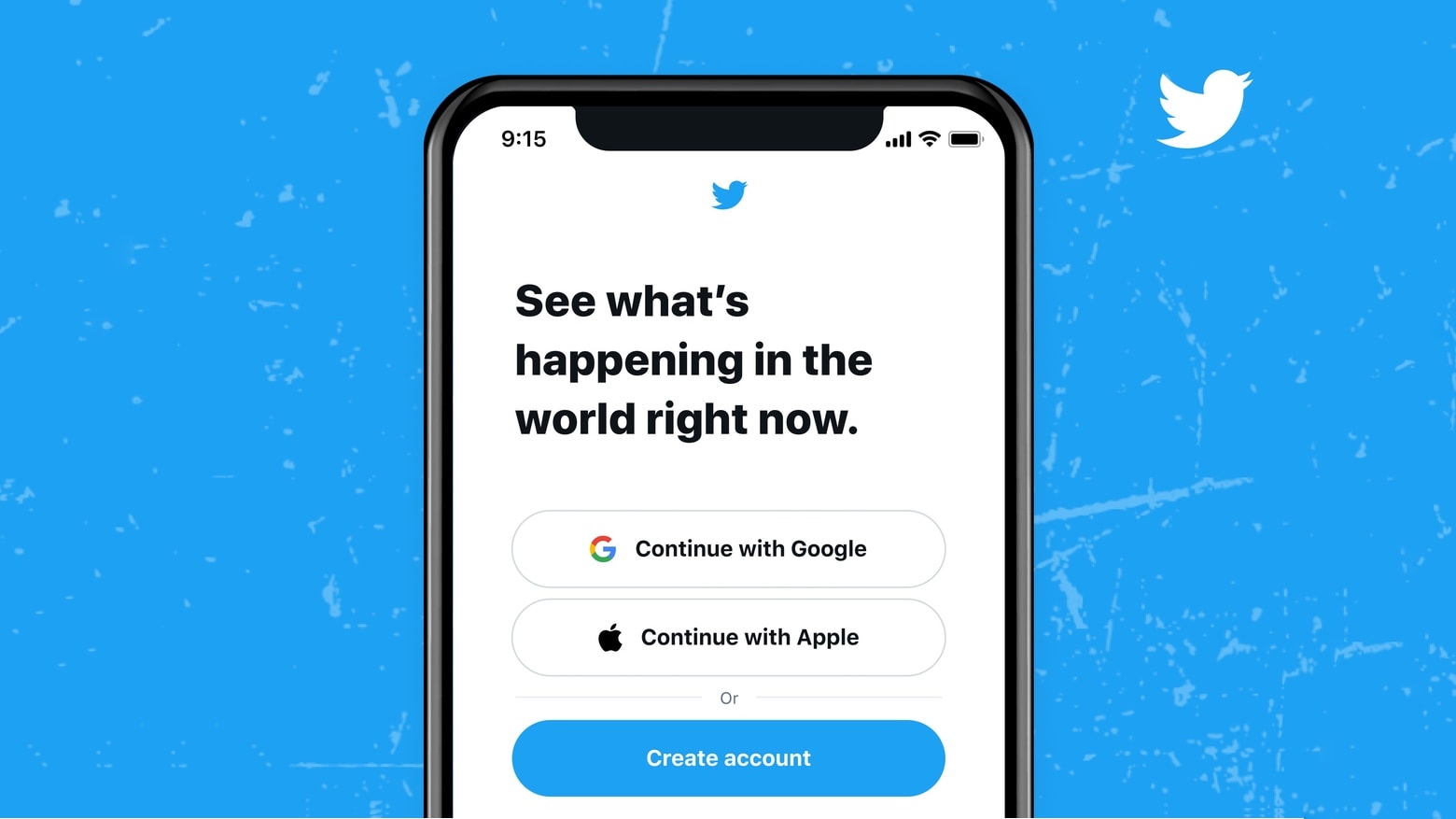
You can now sign up for a Twitter account a little more privately. Graphic: Twitter
Twitter added the option to ‘Sign in with Apple’ on Monday. This is a privacy feature that lets users hide their email address from the online service. And avoid hassle when signing in.
The social-networking service also implemented support for logging in with Google.
It's in beta testing now! Photo: WhatsApp/Cult of Mac
The ability to send or receive a WhatsApp photo or video message that automatically disappears after one viewing is rolling out to iOS beta users of the messaging app, just as it did in late June to Android beta users.
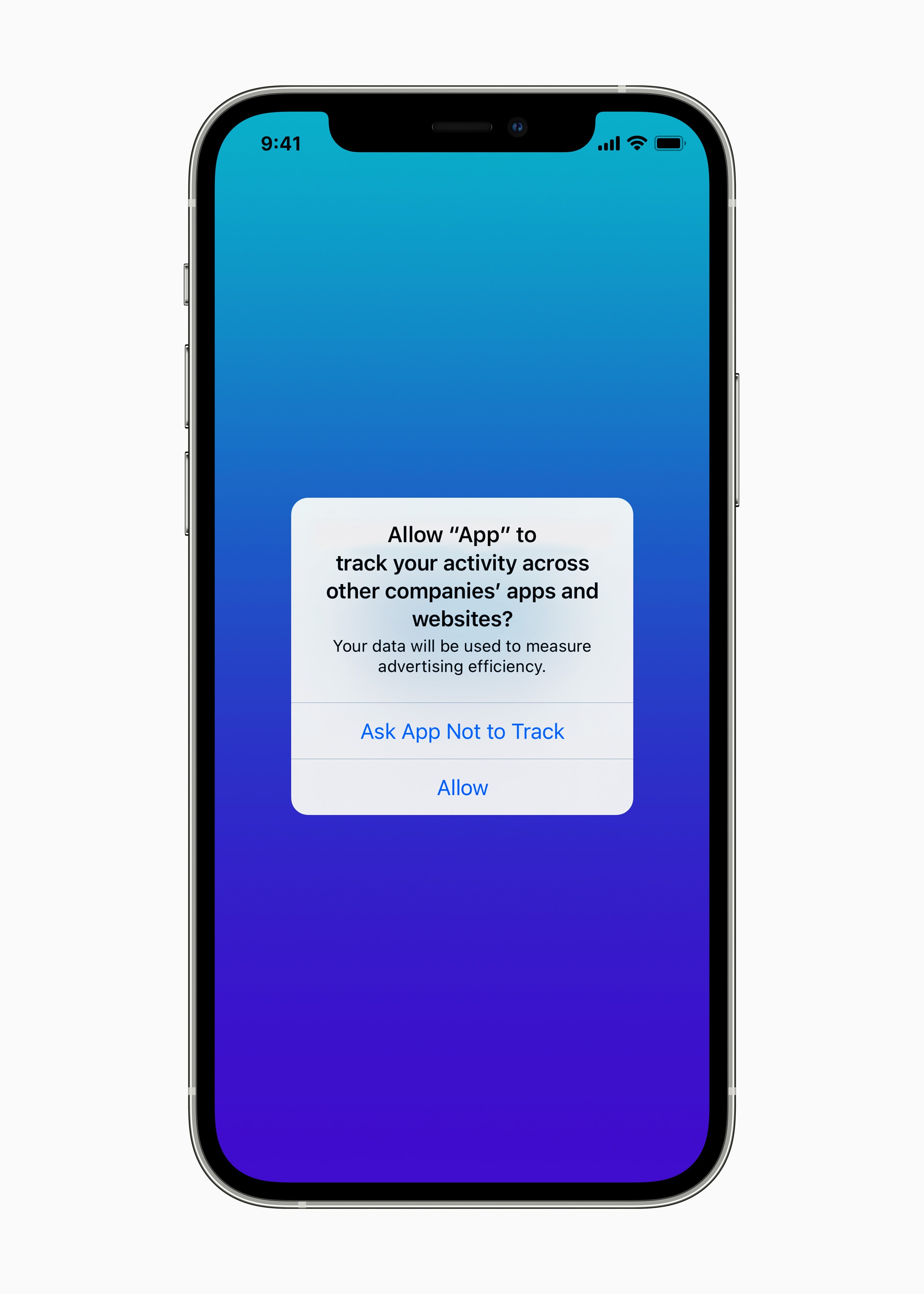
App Tracking Transparency stops developers tracking users without their permission. Graphic: Cult of Mac
Apple has thwarted an attempt by multiple Chinese tech companies to get around its App Tracking Transparency feature, the Financial Times reports Monday.
The group of tech companies includes Baidu, Tencent, and TikTok parent company ByteDance. They supposedly worked with a couple of Beijing companies to find a new way to get around Apple’s new privacy measures.
However, Apple blocked updates to several apps that included the workaround, called the Chinese Advertising ID (CAID). In doing so, it enforced its rules in a way that may have surprised the companies in question.
Apple says proposed antitrust regulation would endanger consumer privacy. Photo: Apple
Apple thinks five pieces of antitrust reform legislation could undermine innovation and competition in tech, as well as creating a “race to the bottom” for security and privacy. Apple laid out its concerns in a letter sent ahead of Wednesday’s meeting of the House Judiciary Committee to discuss the proposed laws.
The letter — sent to chairmen Jerrold Nadler and David Cicilline, and ranking members Jim Jordan and Ken Buck — lays out Apple’s arguments for why the government needs to reconsider the five bills.
Tim Cook (shown here at WWDC 2021) is not a fan of sideloading iPhone apps. Screenshot: Apple
Apple’s CEO told the audience at France’s VivaTech conference that a critical part of the European Union’s proposed Digital Markets Act isn’t in the best interests of iPhone users. The proposal would require Apple to allow users to sideload applications, something CEO Tim Cook and the company are adamantly opposed to.
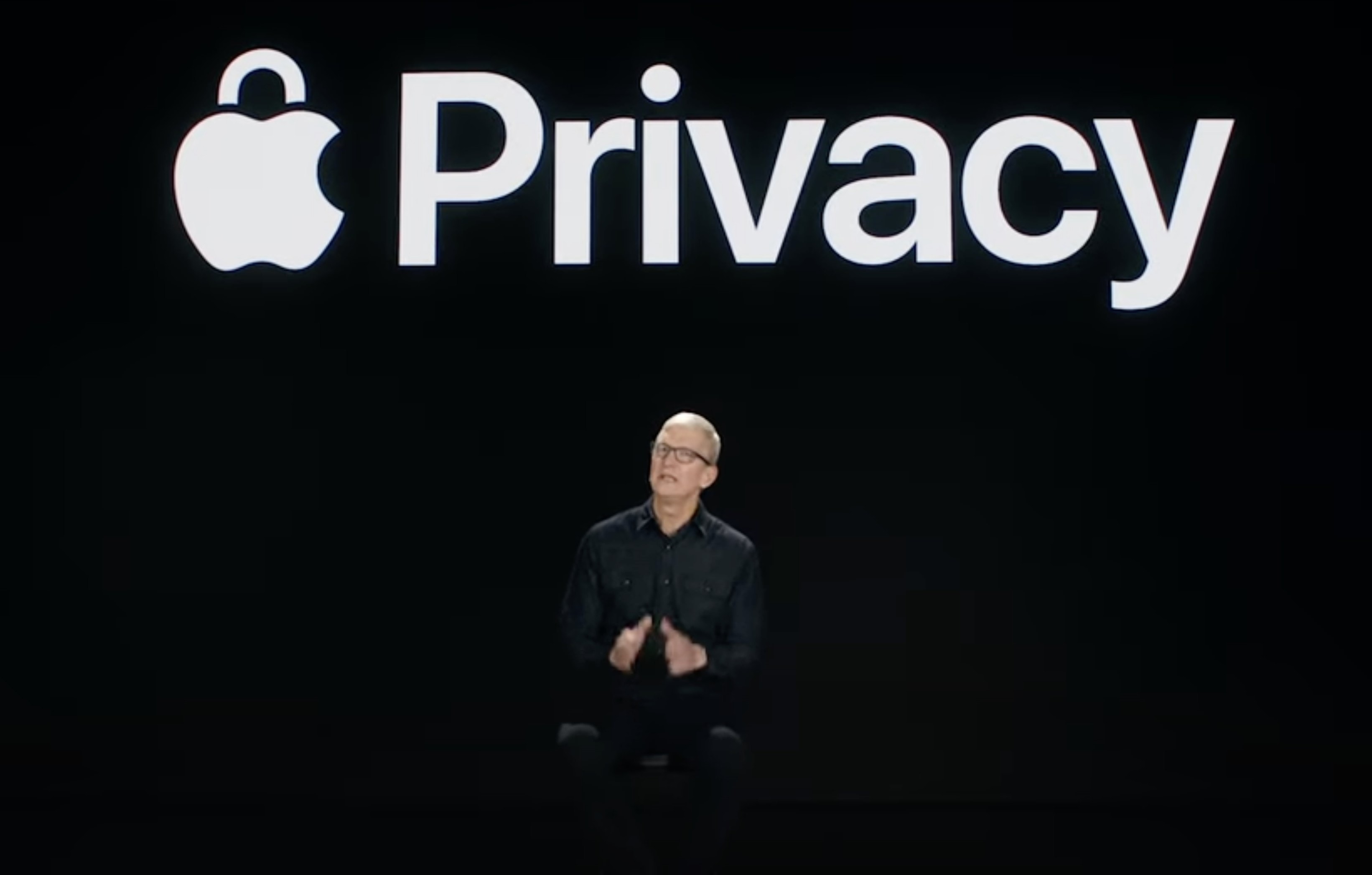
Privacy is baked into everything Apple does. Photo: Privacy
In a new video aimed at the European market, Apple CEO Tim Cook talks about how “privacy is a fundamental human right” that his company works hard to embed into every new product it makes. The six-minute video comprises various clips from Apple’s recent Worldwide Developers Conference related to the topic of privacy. Cook also recorded new bookends in which he shares some of his own thoughts.
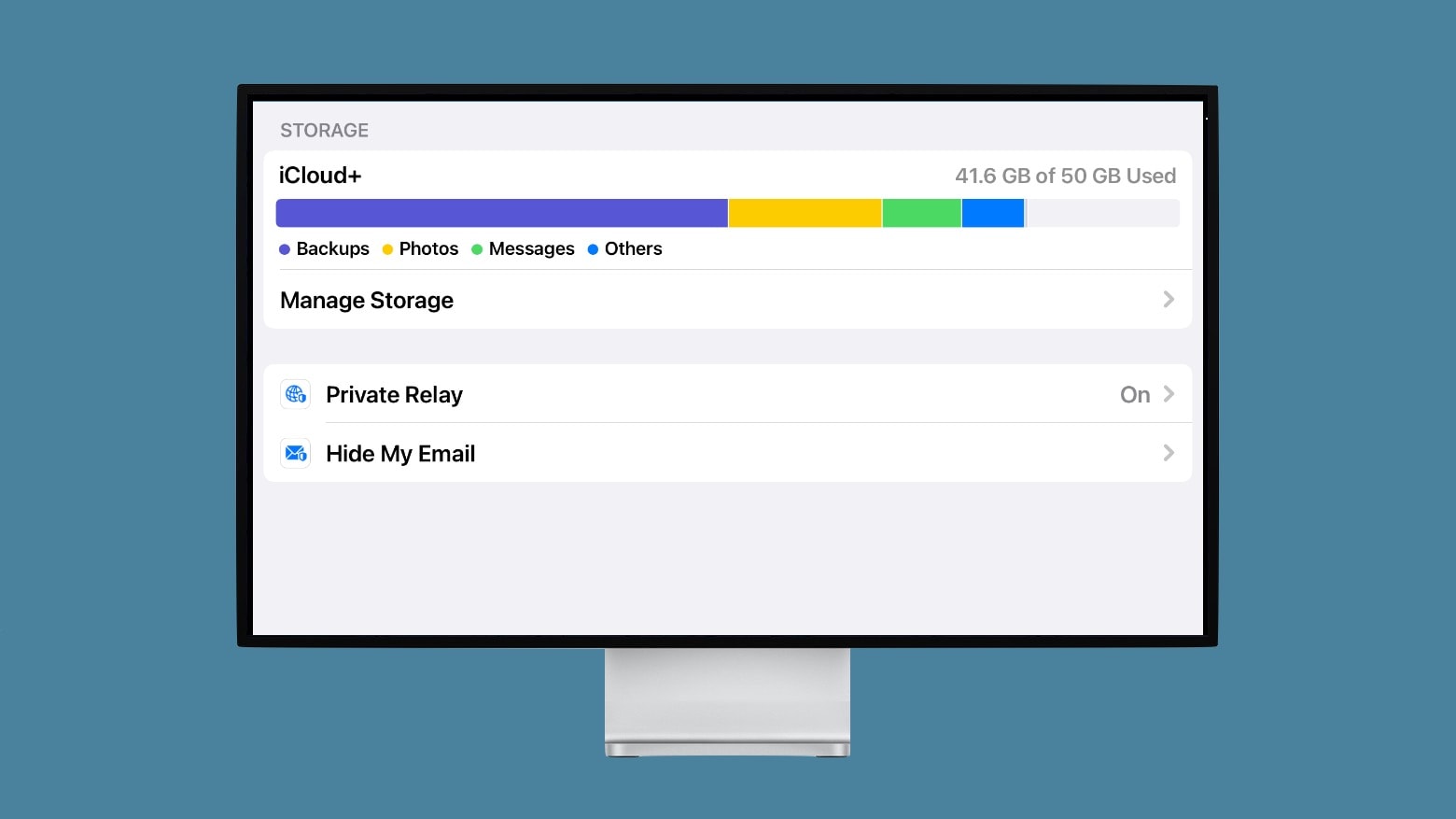
Private Relay protects your online privacy. It’s the best part of Apple’s new iCloud+. Photo: Ed Hardy/Cult of Mac
Private Relay is the latest way Apple devices can protect your privacy. The service, a part of iCloud+, makes it much harder for the websites you visit to track you.
Unlike many of Apple’s privacy services, it’s not free. But the new iCloud+ service costs very little and comes bundled with iCloud storage at no additional cost. And it comes with some other privacy benefits, too.
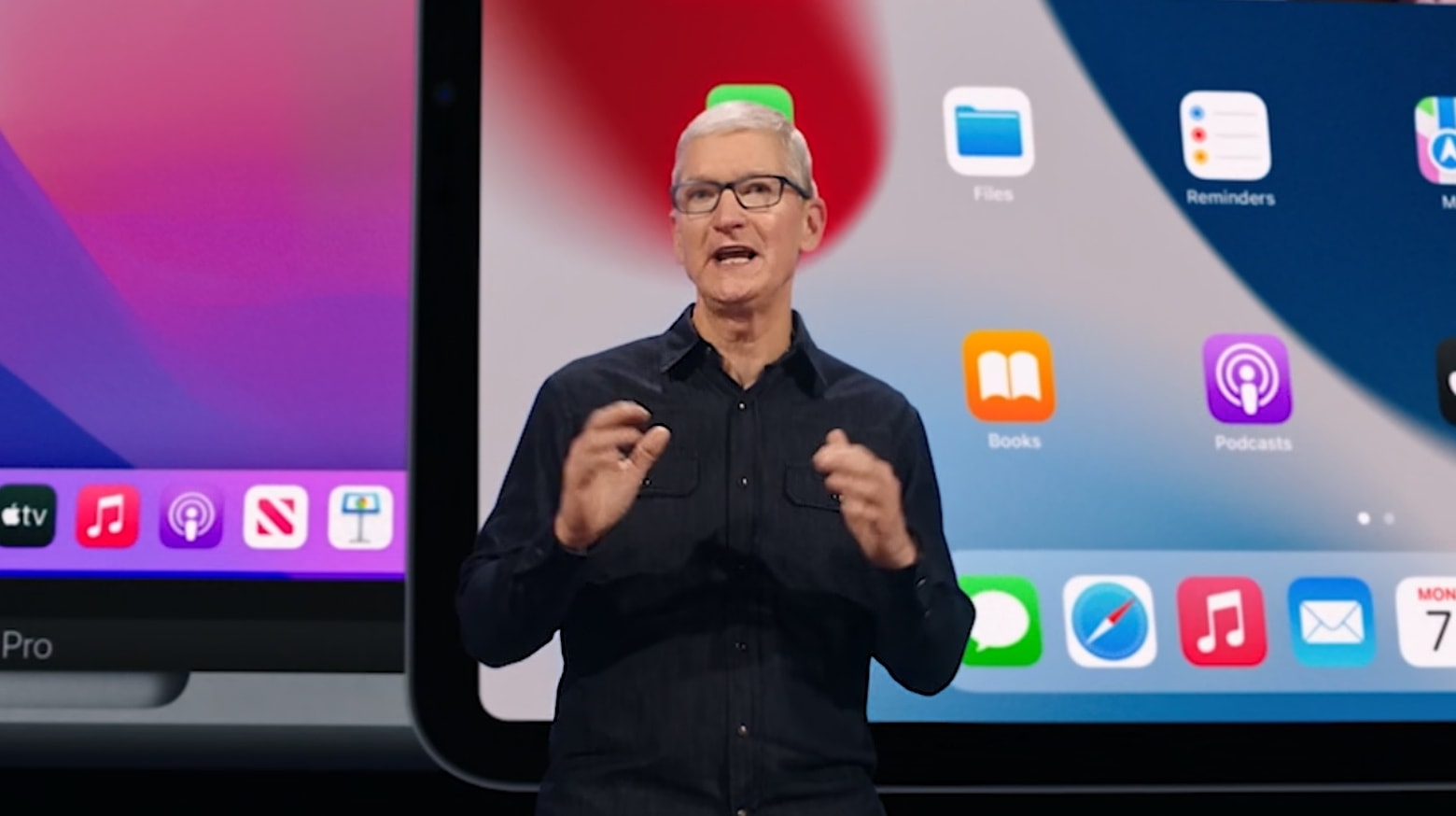
Apple CEO Tim Cook wraps the WWDC21 keynote on June 7, 2021. Photo: Apple
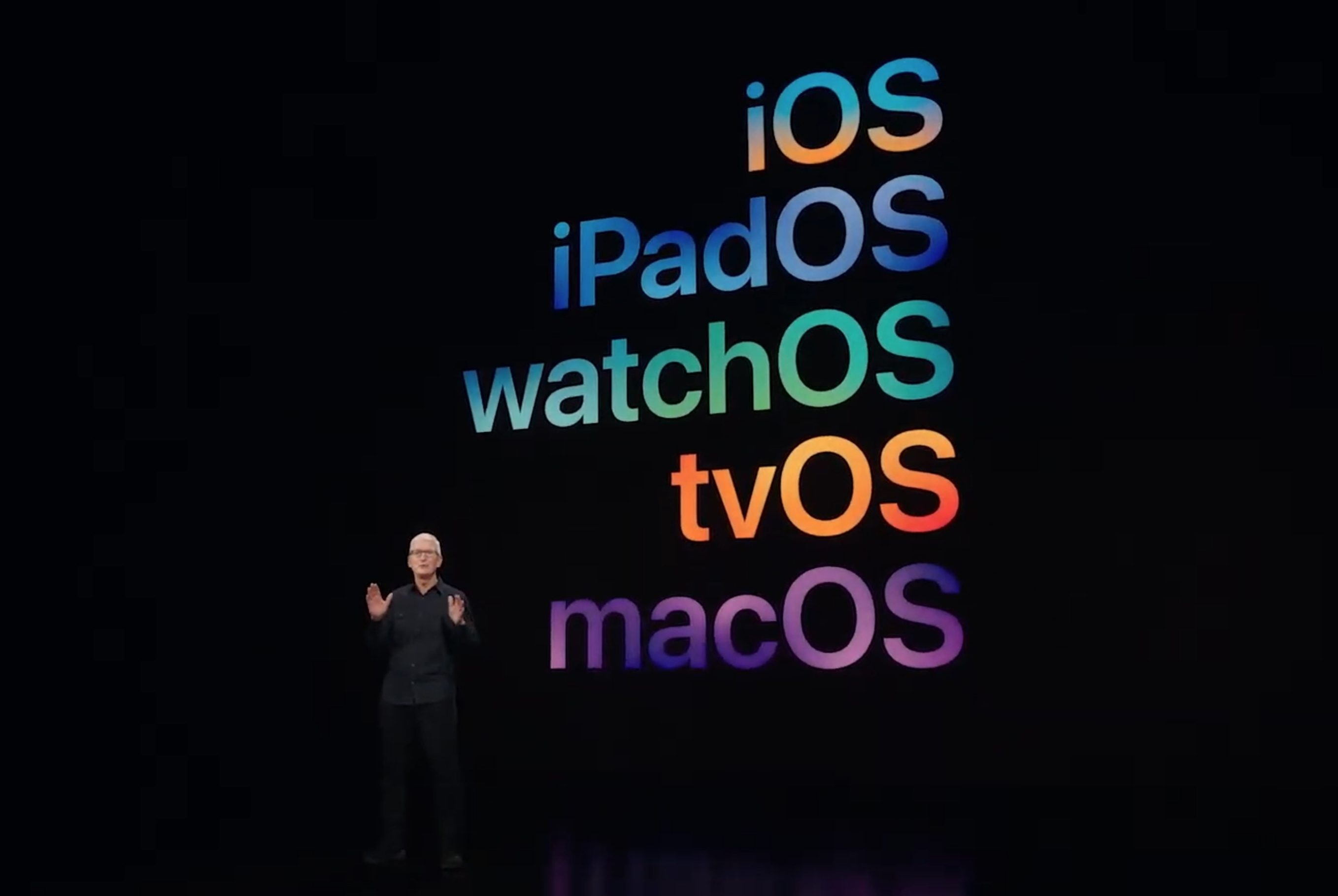
Some new features really stood out when Apple revealed the next versions of all its operating systems during Monday’s Worldwide Developers Conference keynote. Users of iPhone, Mac and iPad, and Apple Watch, too, can look forward to welcome improvements this fall.
We picked out the best of these to make sure they don’t get overlooked.
Apple is taking even more shots at advertisers in the WWDC 2021 Privacy updates Screenshot: Apple
Apple is bringing big privacy-focused changes to its Mail app and other parts of its ecosystem, the company said Monday.
“At Apple, we believe privacy is a fundamental human right,” said Craig Federighi, Apple’s senior VP of software engineering. “We don’t think you should have to make a tradeoff between great features and privacy. We believe you deserve both.”
Not interested in likes? Get rid of them. Image: Killian Bell/Cult of Mac
Facebook and Instagram have added the ability to hide likes and view counts — a feature that’s been in the works for a while. You can block counts on your own posts and well as on those from others.
We’ll show you how to enable the setting inside Facebook and Instagram for iPhone and iPad.
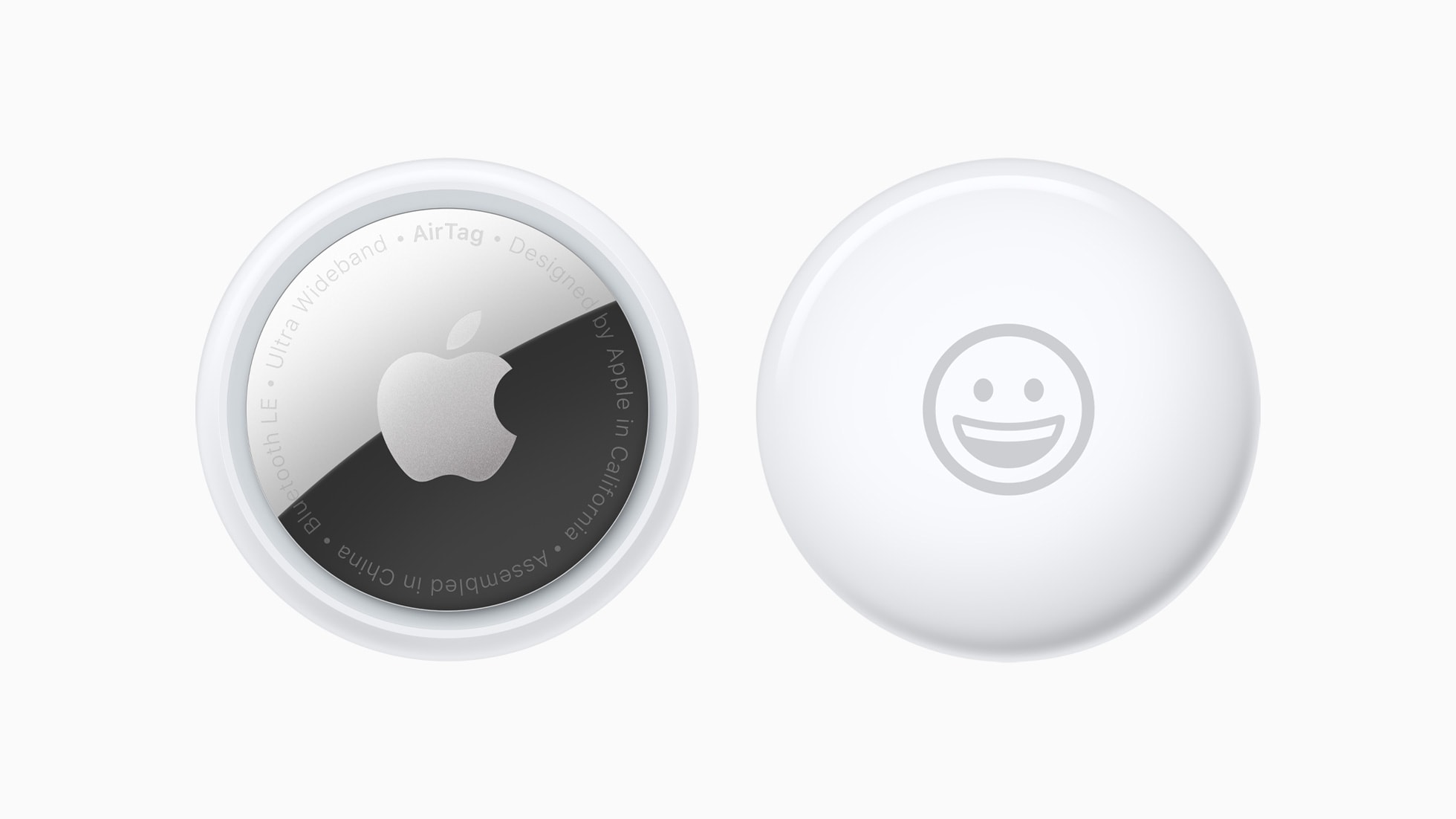
It’s getting easier to find a hidden AirTag being used to stalk someone. Photo: Apple
Apple moved to address many of the privacy concerns raised after the release of AirTags. The item trackers launched with anti-stalking features, but a new firmware update is tightening them up further.
AirTags will start more quickly warning people if they’re being used to follow someone. And an Android app that can detect these trackers is in development.
Is Apple weaponizing privacy to increase its advantage? Screenshot: Apple
Facebook isn’t backing down in its battle against Apple’s App Tracking Transparency feature. And it’s seemingly got a couple of heavy hitter researchers in its corner.
In a Facebook-funded paper published Wednesday, Feng Zhu, an associate professor of business administration at Harvard Business School, and D. Daniel Sokol, a professor of law at the University of Florida Levin College of Law, take issue with Apple’s new privacy features — referring to them as “an anticompetitive strategy disguised as a privacy-protecting measure.”
Apple shows what the world would look like if brick-and-mortar businesses were just as nosy as apps.
Apple has a new video for all the people who took a TL;DR approach to the iPhone’s new App Tracking Transparency. Rather than read an explanation of the feature that debuted in April, there’s a short video showing what the world would look like if brick-and-mortar businesses were able to follow people the way apps can.
App Tracking Transparency is here -- and users seem to be responding. Graphic: Cult of Mac
Apple’s new App Tracking Transparency feature looks surprisingly popular with users — and potentially devastating to advertising. According to analysis by Flurry, just 4% of U.S. users allow apps to track them when given a choice.
The new privacy feature, rolled out in iOS 14.5 in late April, requires developers to ask for permission to use Apple’s Identifier for Advertisers tag to track users’ movements across websites and third-party apps. Flurry’s stats indicate a massive 96 out of 100 users in the United States denied that permission.
It’s not just U.S. tech giants that fear iOS 14.5’s new App Tracking Transparency feature. Chinese e-commerce giant Alibaba Group, with a market cap of $646.84 billion, is supposedly very worried, just like Facebook.
A report from The Information says Alibaba invited half a dozen marketing execs to its Hangzhou headquarters to discuss how to react to the new feature, which stops apps from tracking users across websites and third-party apps.
Developers get to say when the feature goes live. But there's a catch. Graphic: Cult of Mac
Apple debuted iOS 14.5, with its App Tracking Transparency feature, on Monday. But if you updated your iPhone or iPad, and haven’t seen a flurry of alerts about apps wanting to track you, don’t be concerned. The controversial privacy feature is working as advertised.
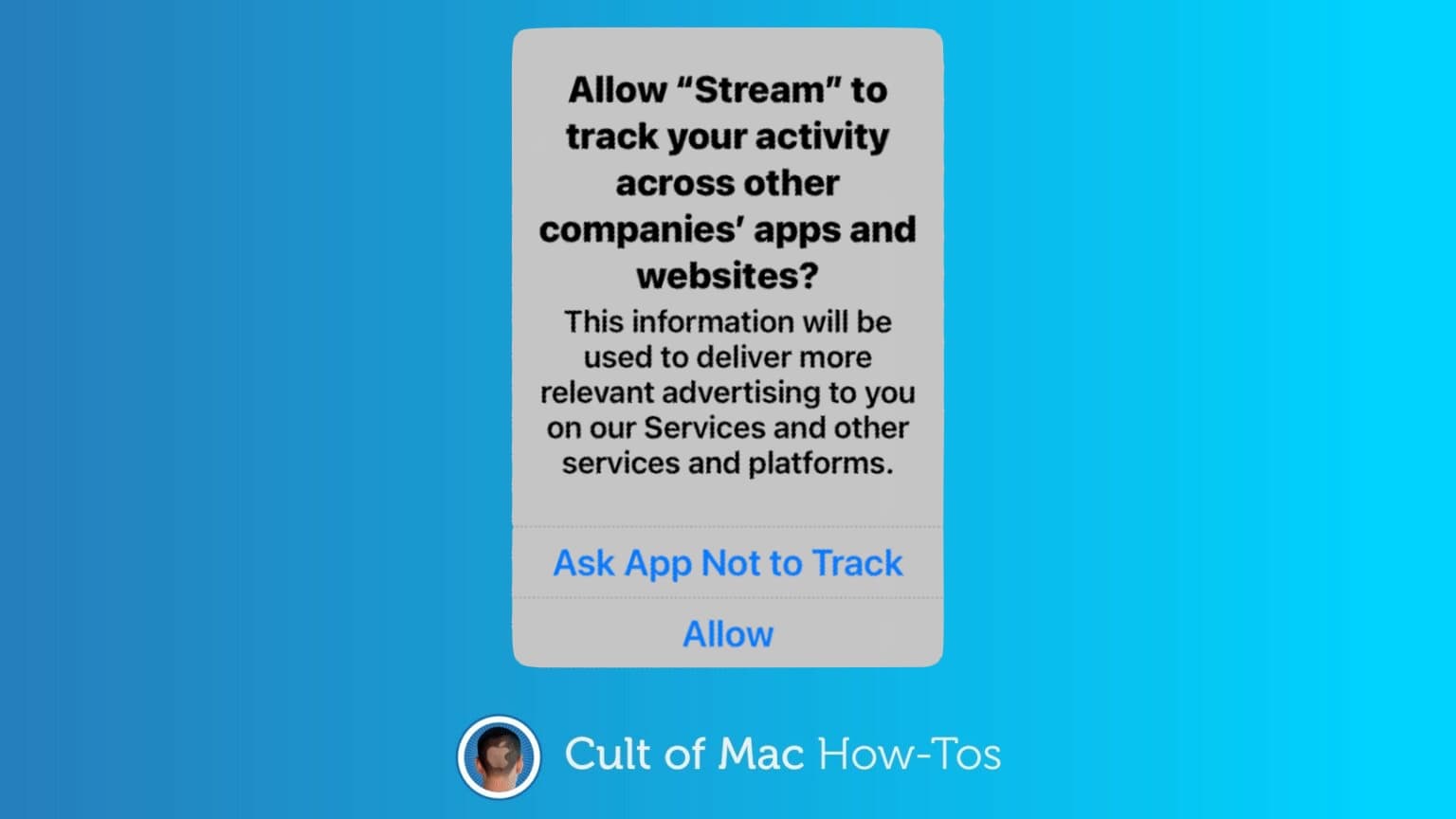
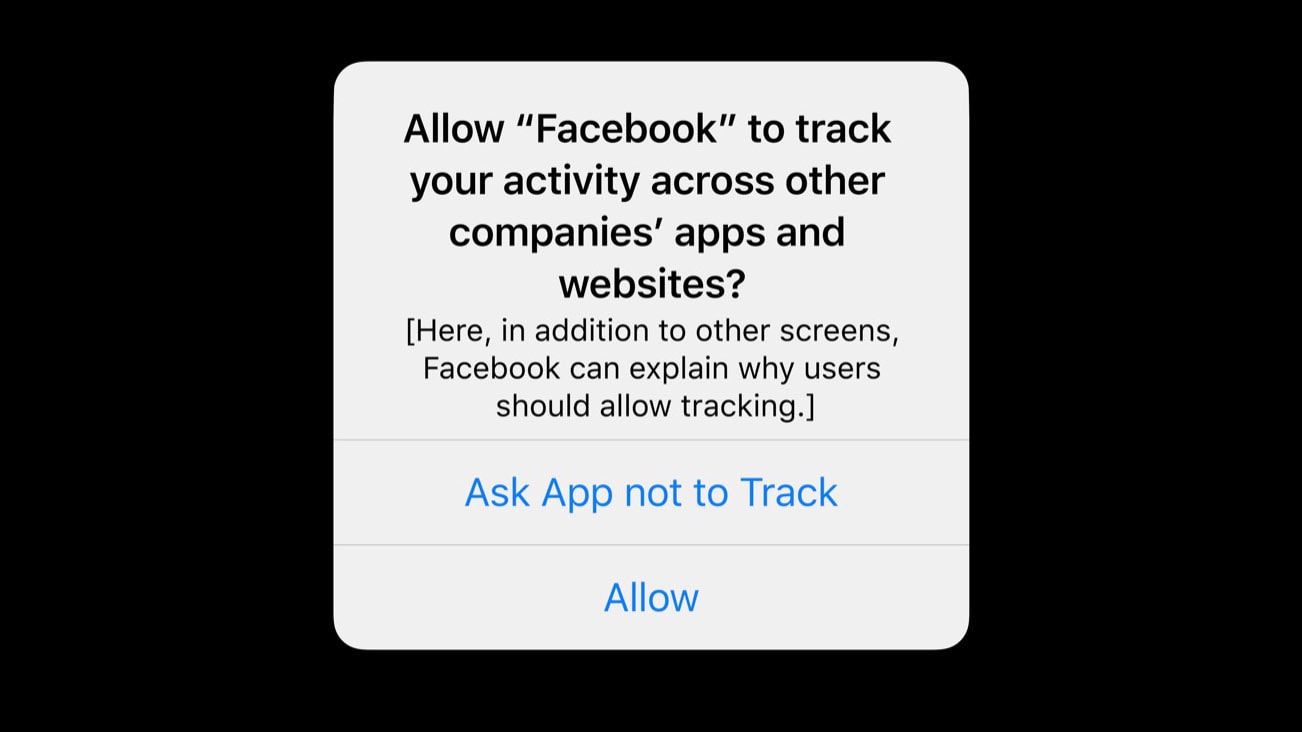
That’s because the new privacy tracking prompt, which asks users if they want to allow an app to track them on other companies’ apps and websites, will only show up when a developer agrees for the feature to go live on their specific app. Until they push it live, they’re blocked from tracking users via Apple’s Identifier for Advertisers (aka IDFA).
Apple stands to increase ad revenue from recent changes. Photo: Josh Davidson/Cult of Mac
Apple is being accused of engaging in sneaky behavior when it comes to its advertising strategy. According to a Wall Street Journal report, advertisers who are targeting iPhone users say they will “get more data about ad performance if they buy Apple’s ad space than if they buy through third parties.”
The release of iOS 14.5 gives iPhone and iPad users access to some fun new emoji. Photo: Emojipedia/Cult of Mac
The fresh emoji appearing in iOS 14.5 will set your heart afire. Or at least let you show that in texts. The new collection of pictographs also includes some new faces, and plenty of additional variations to show how we couple up in the 21st century.
iPad users get the same emoji thanks to iPadOS 14.5 and macOS 11.3, which also launched on Monday.
Thanks to App Tracking Transparency in iOS 14.5, it’s up to your to decide whether third-party applications track you. Graphic: Cult of Mac
iPhone and iPad just got a significant new privacy protection, preventing third-party apps from tracking you without permission. App Tracking Transparency debuted in iOS 14.5 and iPadOS 14.5.
Here’s how to use it. And what to do about all the popups asking, “Allow [THIS APP] to track your activity?”
Developers need to get their software ready for App Tracking Transparency. iPhone and iPad will soon prevent apps from tracking users without permission. Graphic: Cult of Mac
Apple reminded developers on Monday that new iOS, iPadOS and tvOS versions coming soon will block applications from tracking users without specific permission. It’ll no longer be possible for networks of apps to surreptitiously track what people use their devices for.
The same note includes a warning that its also is also forbidden to try to find a workaround for this block by “fingerprinting” devices.
In a wide-ranging interview with the NYT, Apple CEO Tim Cook talked about privacy, AR, the Apple Car and Apple TV+. Photo: Apple
It’s never easy to get Apple’s CEO to talk about the future. But Kara Swisher from The New York Times managed to get Tim Cook to drop a few hints about some of the company’s future plans.
Cook says Apple is committed to Apple TV+. And to user privacy. But he’s not promising that the Apple Car will ever be real.
Apple is making it tougher for apps to track users. Graphic: Apple
China’s state-backed China Advertising Association is already looking for ways to get around Apple’s upcoming App Tracking Transparency feature, the Financial Times reported Tuesday.
The organization’s approach reportedly involves something called a “CAID.” This can supposedly act as an alternative means of tracking users to the iPhone’s ad identifier, or IDFA. TikTok parent company ByteDance issued a guide for app developers that describes how marketers “can use CAID as a substitute if the user’s IDFA is unavailable.”
A French lobbyist group is accusing Apple of hypocrisy over new privacy measures in iOS 14, which make it harder for other companies to track users. Why? Because Apple also operates a feature called Personalized Advertising, which capitalizes on user data to display targeted ads within apps.
Want to stop Apple from targeting you with personalized ads? Here’s how you do it. (And everything else you need to know about the new complaint.)