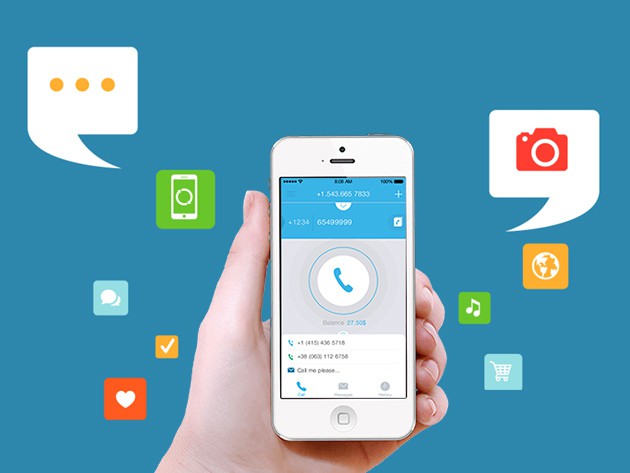
Protect your phone conversations with military grade encryption. Photo: Cult of Mac Deals
So you use a two-factor authentication, a VPN, you cover your webcam. You’re doing everything you should to stay safe and private online. But what do you do about your phone calls?
In this age of constant data leaks, using a VPN to protect your online identity is a must. Photo: Cult of Mac Deals
If you think the buzz around using a VPN service these days is exaggerated hype and paranoia, think again. Never before have so many day-to-day human interactions and transactions occurred online.
Whether we’re emailing our bosses, checking in with our kids, chatting with our friends or using a plethora of apps to schedule and manage our lives, it all takes place online.
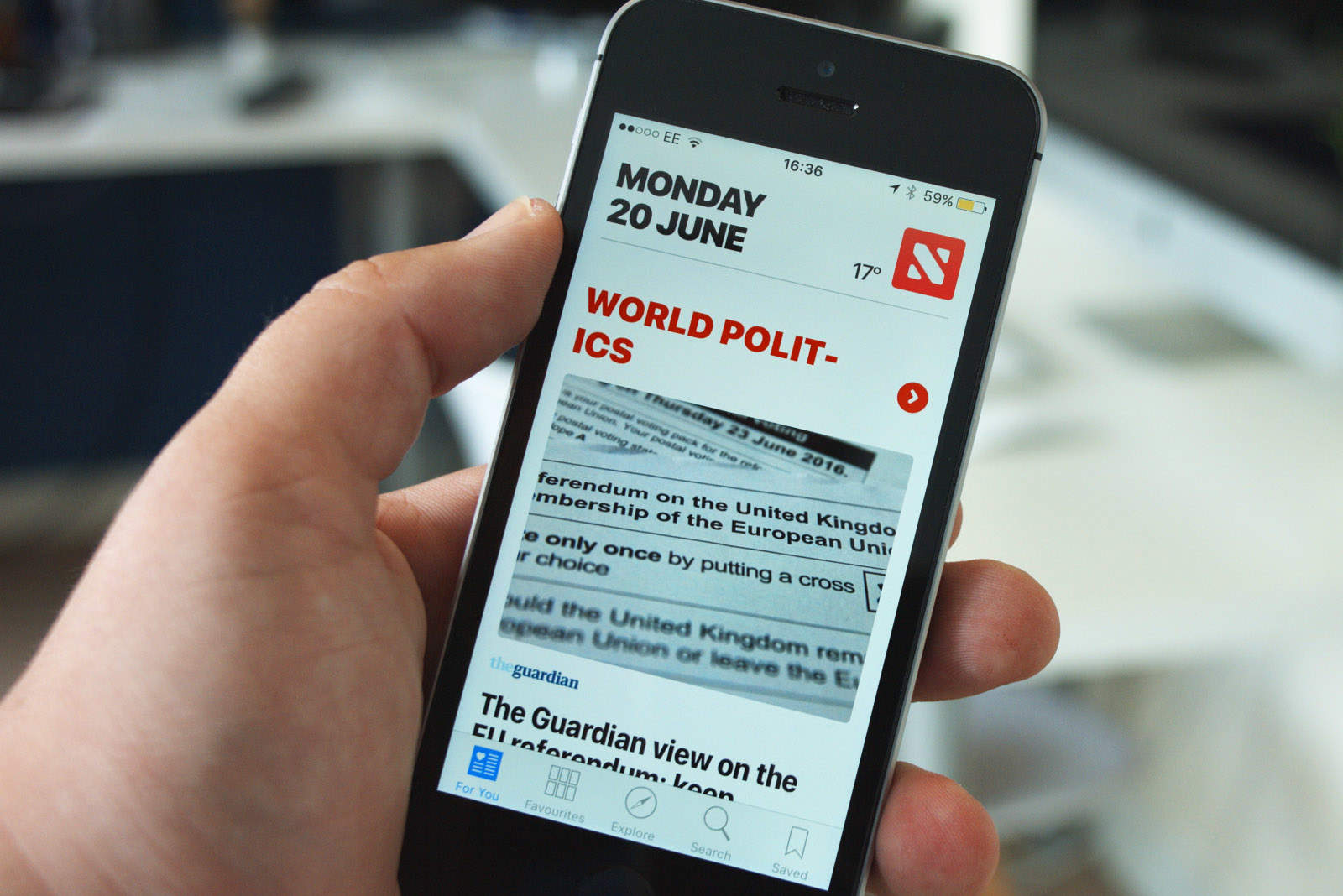
Apple News is about to get magazines too. Photo: Ste Smith/Cult of Mac
Apple is allowing select publishers to test Google DoubleClick ads on its News platform, according to a new report.
It’s said to be part of a plan to make the News app more lucrative for publishing partners, with many disappointed with its existing monetization opportunities.
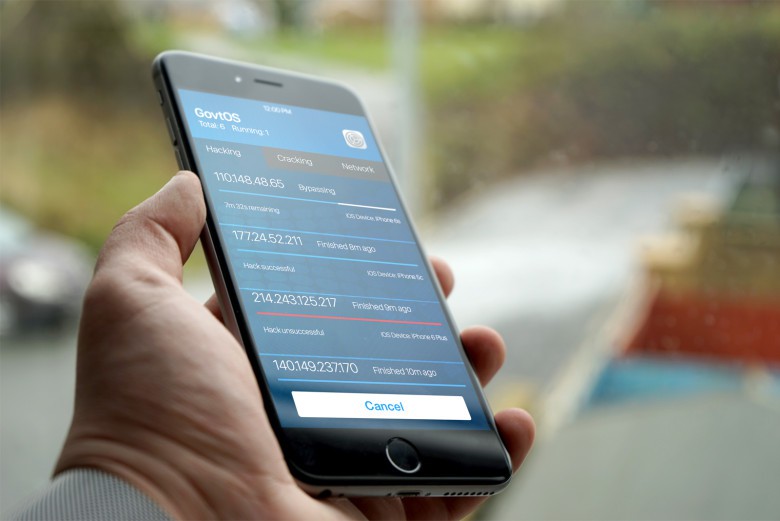
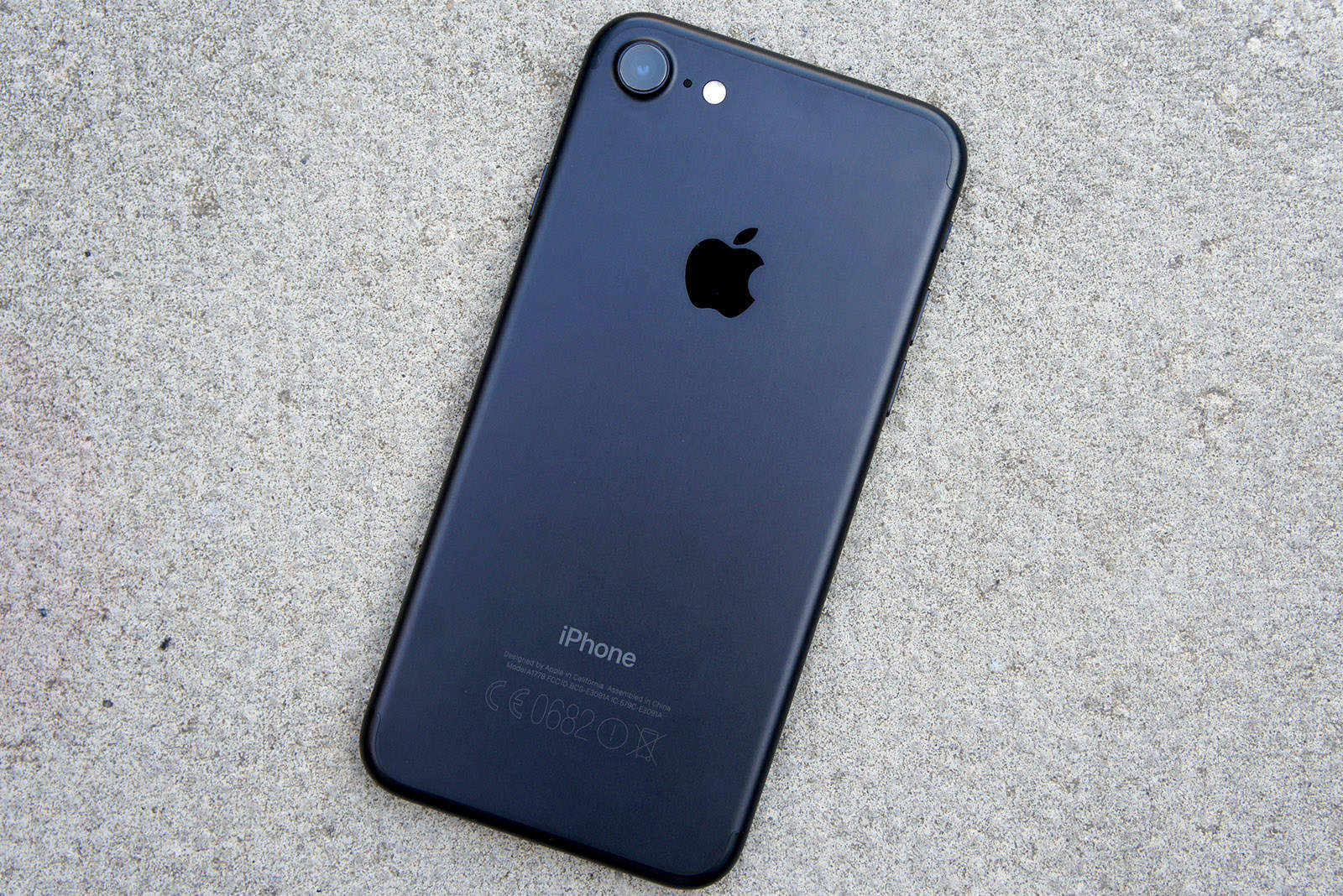
Hacking the iPhone caused a standoff between Apple and FBI last year. Photo: Ste Smith/Cult of Mac
A U.S. court ruled over the weekend that the FBI won’t have to reveal to Apple exactly how it was able to hack a terrorist’s iPhone, since this could present security issues.
Federal judge Tanya Chutkan said that naming the vendor which aided the FBI, as well as the amount of money that was paid to it, could invite cyberattacks against the company. In addition, it might lead to the hacking tool which was used being stolen.
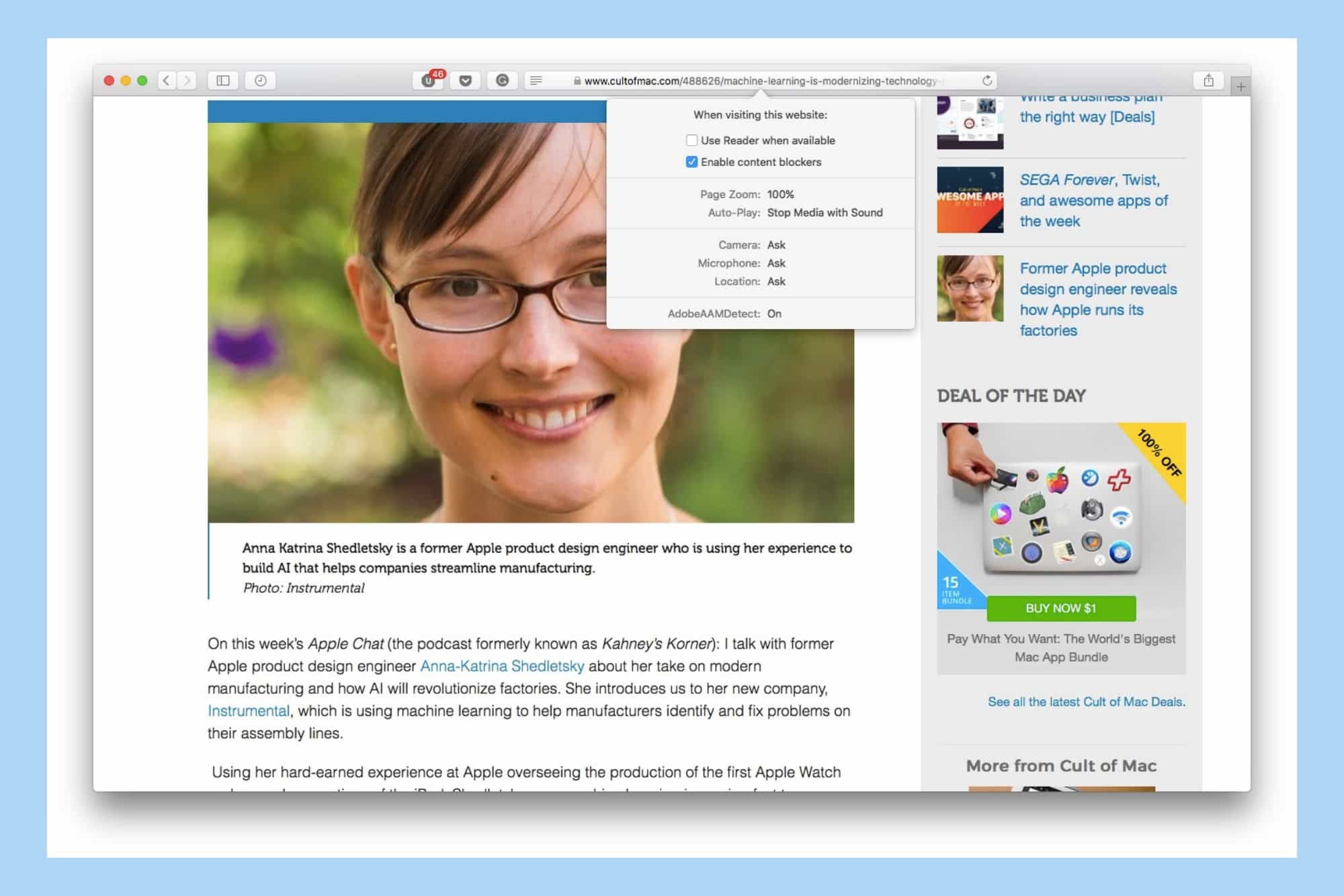
Enable settings on a per-site basis. Photo: Cult of Mac
Apple is out to “sabotage the economic model of the internet” as it protects users from shady tracking while browsing the internet, according to several organizations representing digital advertisers.
Six different digital ad and marketing trade associations recently signed and sent an open letter to Apple opposing a pending Safari update aimed at protecting how your browsing data is used.
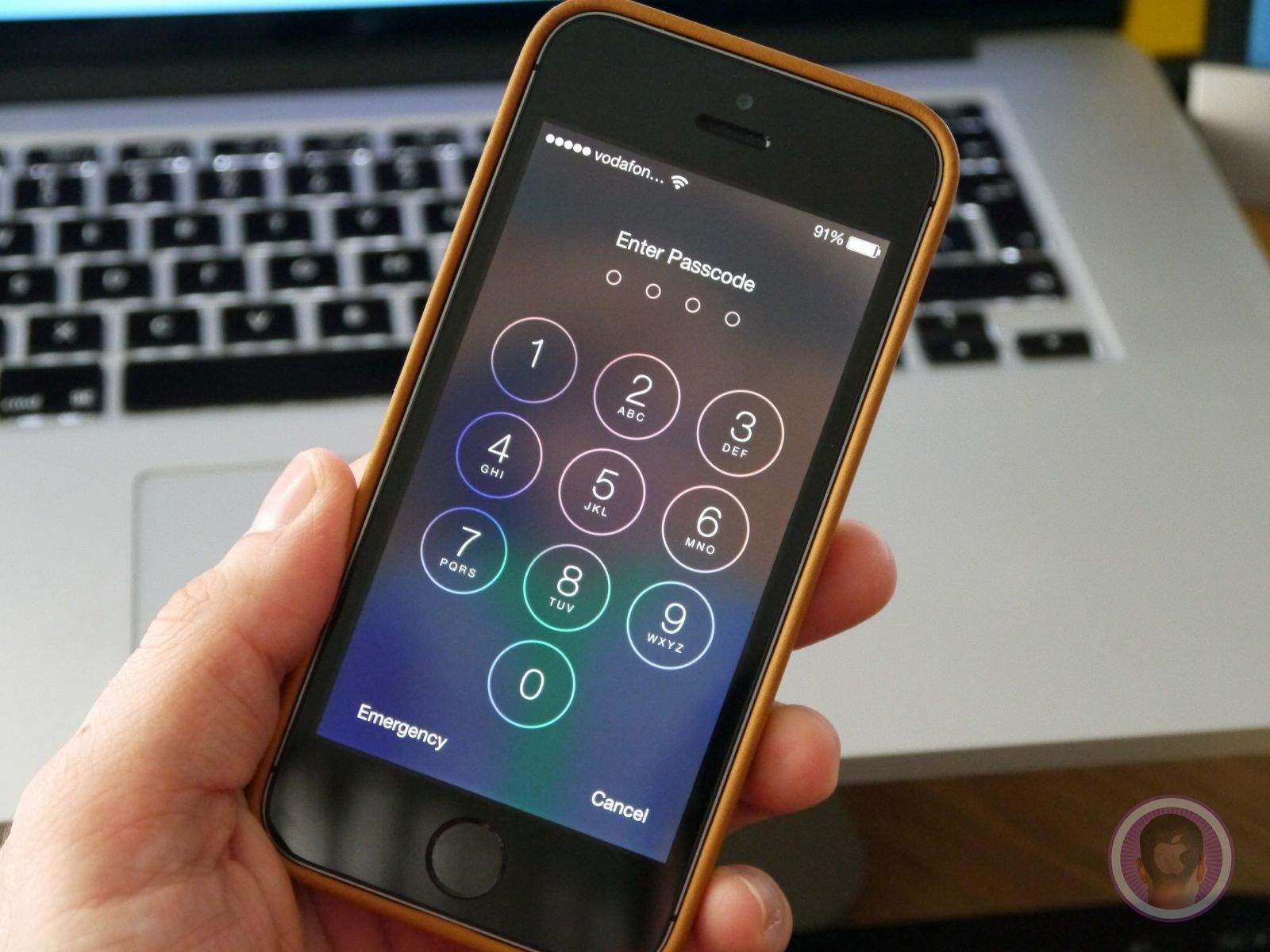
Apple has made a couple of changes in iOS 11 that make it more difficult for cops to get into your iPhone. We discovered one of those last month, and now another has been uncovered by security software developer ElcomSoft.
It makes it even more difficult for law enforcement to obtain the data on your iPhone, even if they have your fingerprint.
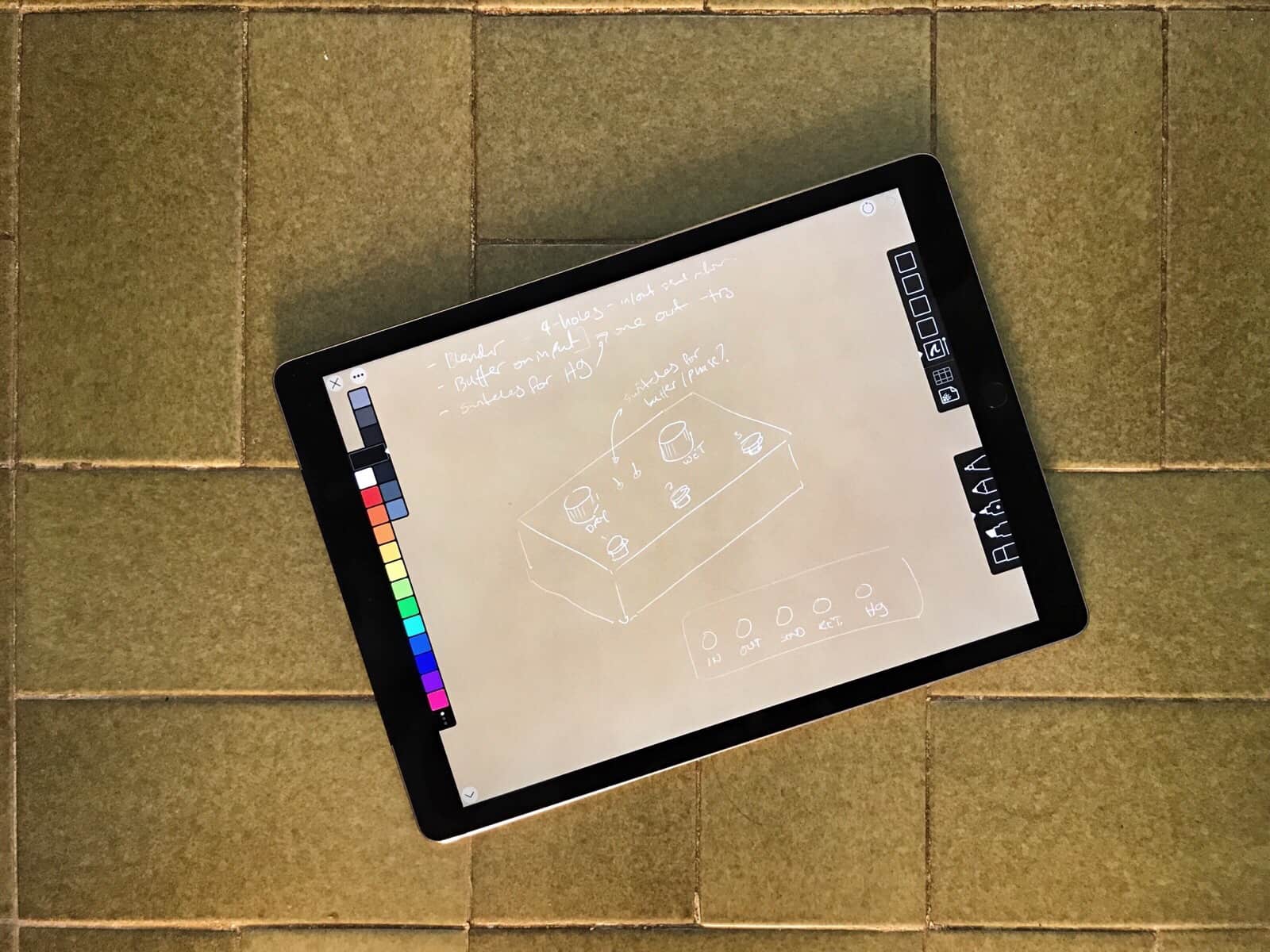
App’s like Linea don’t need to read your whole photo library just to save a sketch. Photo: Charlie Sorrel/Cult of Mac
In iOS 11, developers have a new way to access your Photos library: write-only access. Instead of granting permission for an app to read and write to your Photos library, just so it can save the odd image, an app can now only be allowed to write — or save — images, without getting to poke around inside your library to see what else is there. It’s much more private,
When you share a photo via email, iMessage or most other apps, you also send the location of that image. No big deal, right? You’re only sending pictures to people you know anyway. But what about when you sell something on a site like Craigslist or eBay? If you don’t manually remove location data from your pictures, anyone can see where you took your photo, which is probably your home.
Right away, anyone can see where you live, and what you have at home. You still might not care, but if you do, here’s how to remove all that information before you send a photograph. (You’ll also learn about an interesting quirk in iMessage.)
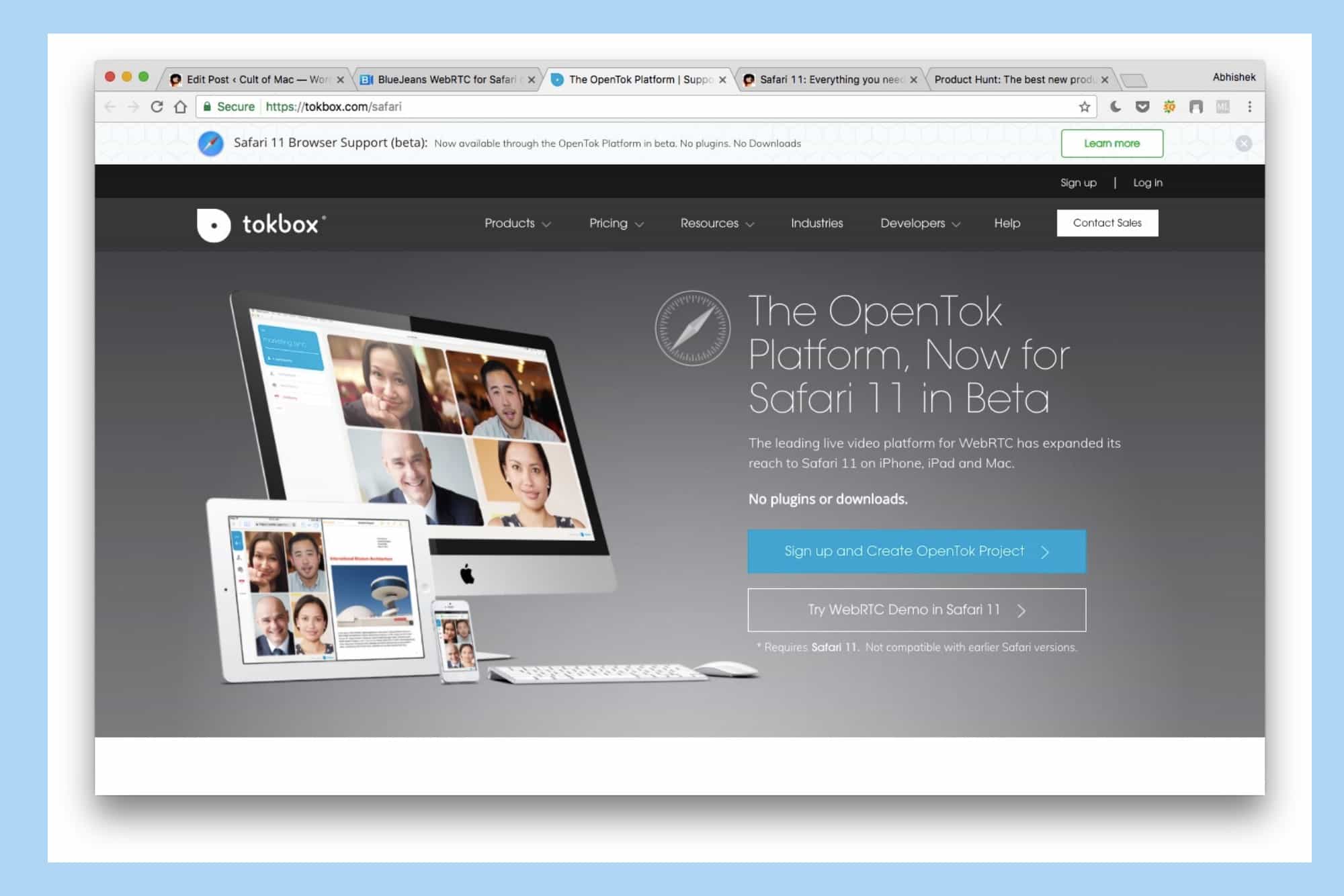
Apple has partnered with TokBox to enable video streams via WebRTC. Photo: Cult of Mac
Safari 11 brings some big upgrades to enhance your browsing experience on macOS High Sierra and iOS 11. With the latest iteration of its web browser, Apple aims to shoot down aggressive web practices that hamper user experience, while also adding tons of under-the-hood features. The new Safari also promises to bring increased stability, speed and power efficiency.
Here’s everything you need to know about Safari 11.
iOS 11 can prevent apps like Uber and Waze from using your location at all times.
Apple has added a new location option in the update that will rollout to everyone this fall, which only allows certain apps to access location data while they are open and active.
Apple has shared the number of user data requests it received last year. Photo: Jim Merithew/Cult of Mac
National security requests for user data from Apple doubled in the second half of 2016, compared to the first six months, Apple’s newly-published biannual transparency report reveals.
Apple received somewhere between 5,750 and 5,999 orders during the July-December period of last year, compared to the 2,750 and 2,999 requests it was handed in the January-June period. This represents the highest total count in the 3.5 years since Apple first began releasing this information in a six-monthly report.
If you can't beat 'em, hire 'em. Photo: Ste Smith/Cult of Mac
One of the world’s top iPhone security experts and jailbreakers has decided to help Apple in its battle to keep iOS secure.
Jonathan Zdziarski, who was active in the iPhone jailbreaking community for years, revealed today that he has accepted an offer to join Apple’s Security Engineering and Architecture team.
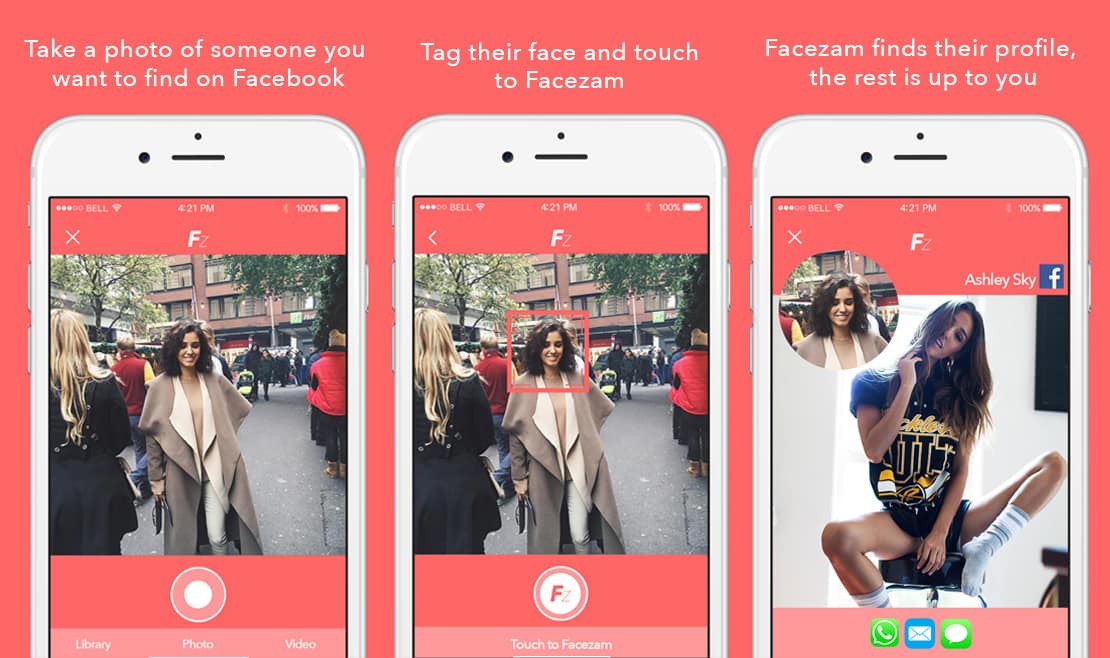
This app takes Facebook stalking to an all-new level. Photo: Facezam
Stalking complete strangers on Facebook is about to become as easy as snapping a pic thanks to a new facial recognition app.
Launching later this month, Facezam promises to be able to identify people by matching a photo to a person’s Facebook profile. If it works as well as advertised, it might be time to kiss your anonymity goodbye.
"There is no such thing as absolute privacy in America," says FBI director James Comey. Photo: CNN
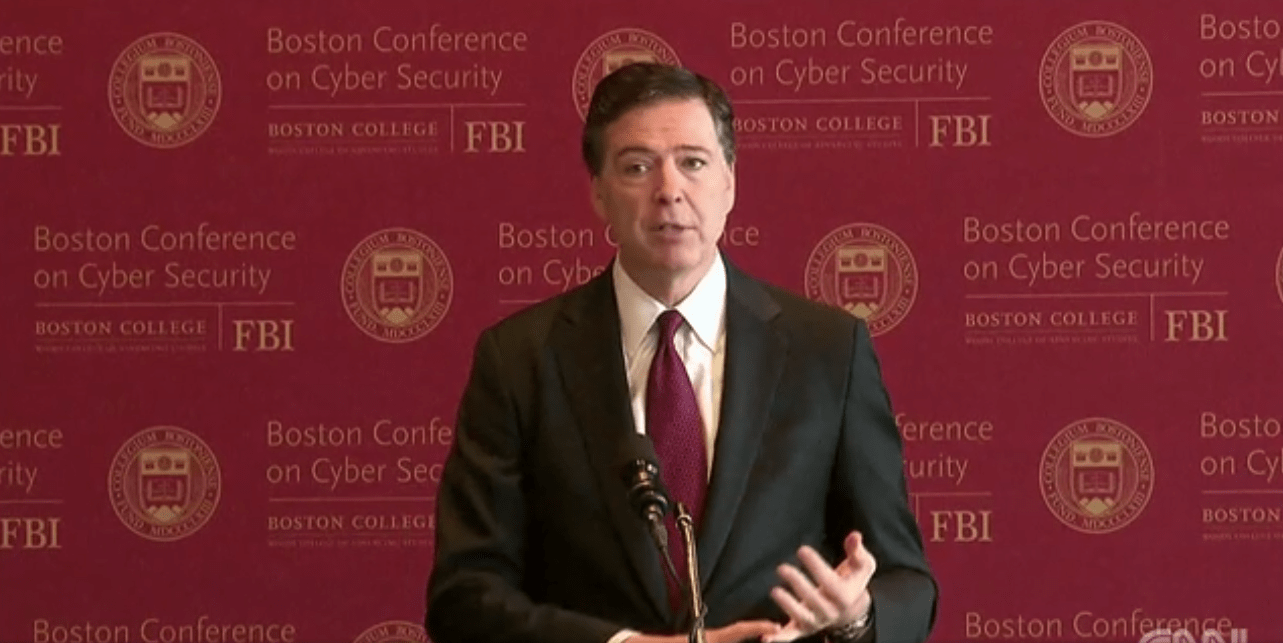
FBI director James Comey has warned that we should not expect “absolute privacy” in America. His comments come just days after a WikiLeaks dump revealed the CIA’s incredible arsenal of malware and viruses used to spy on iPhones and other smart devices.
Speaking at a Boston College conference on cybersecurity this week, Comey said that while the government cannot invade our privacy without good reason, “there is no place outside of judicial reach.”
Law enforcement officials still want Apple to hack the iPhone. Photo: Ste Smith/Cult of Mac
New York County District Attorney Cyrus Vance wants the Trump administration to help create federal legislation requiring Apple and Google to remove default encryption from their smartphones.
The recommendation comes from the DA office’s second report on Smartphone Encryption and Public Safety, presented by Vance at the opening of the Manhattan DA’s new cyberlab. New York County is currently sitting on 423 iPhones it can’t break into, even with a warrant, so the DA’s office is pushing for change.
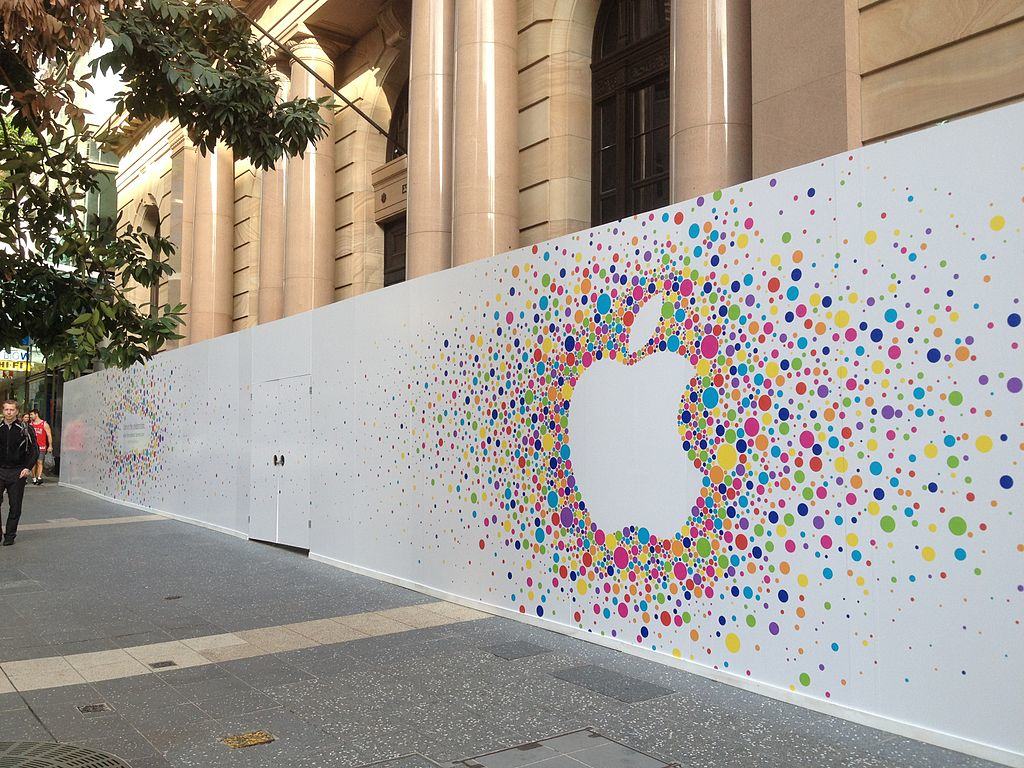
Brisbane's Apple Store is center of controversy. Photo: Wikipedia/KGBO CC
Apple is denying claims that customers were victims of a “photo-sharing” ring in which its retail store employees in Brisbane took and circulated photos of female customers and staff.
The employees were fired for the inappropriate behavior, which included ranking the victims out of 10.
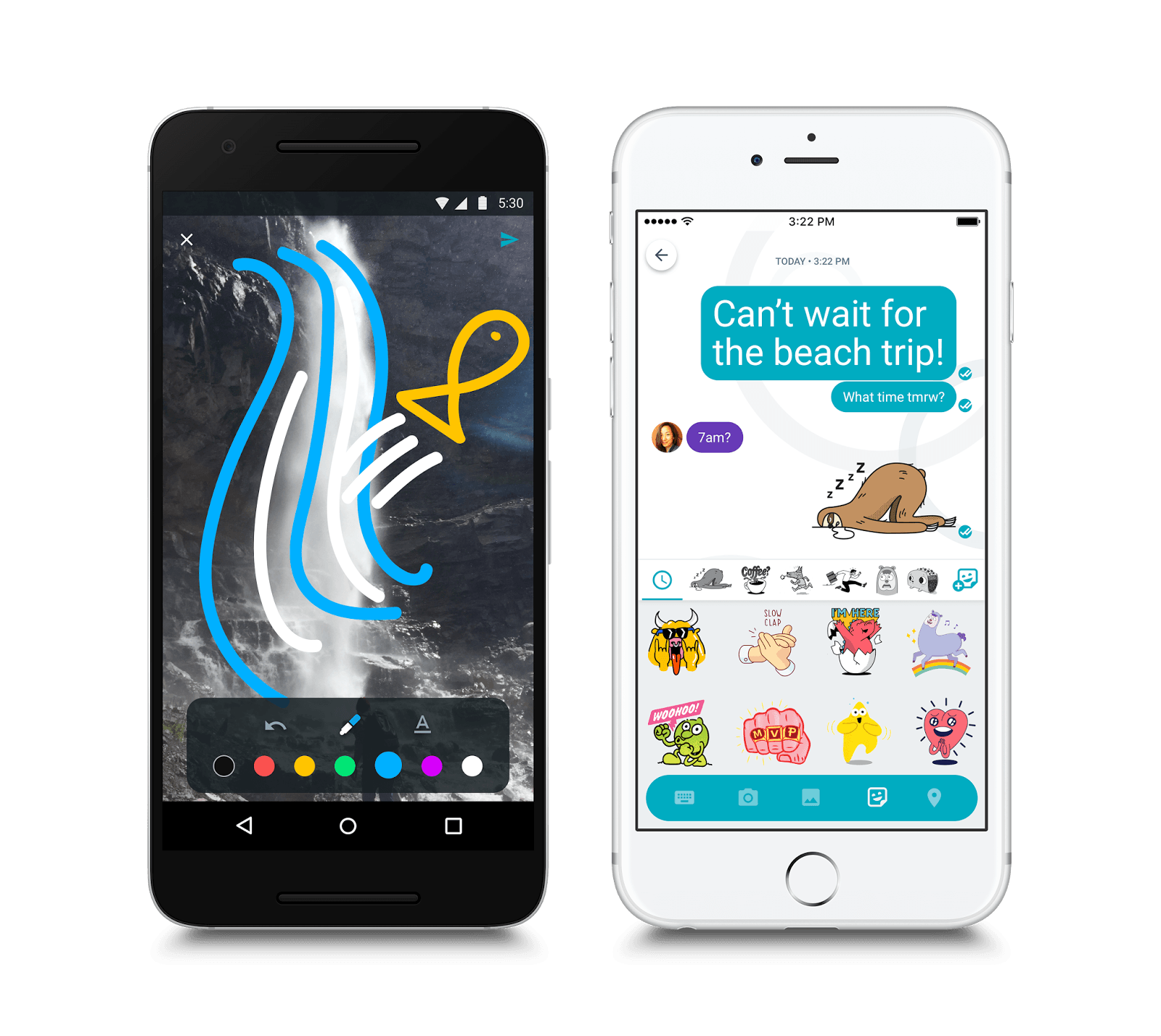
Allo, the exciting new messaging platform from Google, landed on Android and iOS today — but you might want to think twice before you rush to download it. Every conversation you have with Allo will be logged by Google (unless you remember to go incognito).
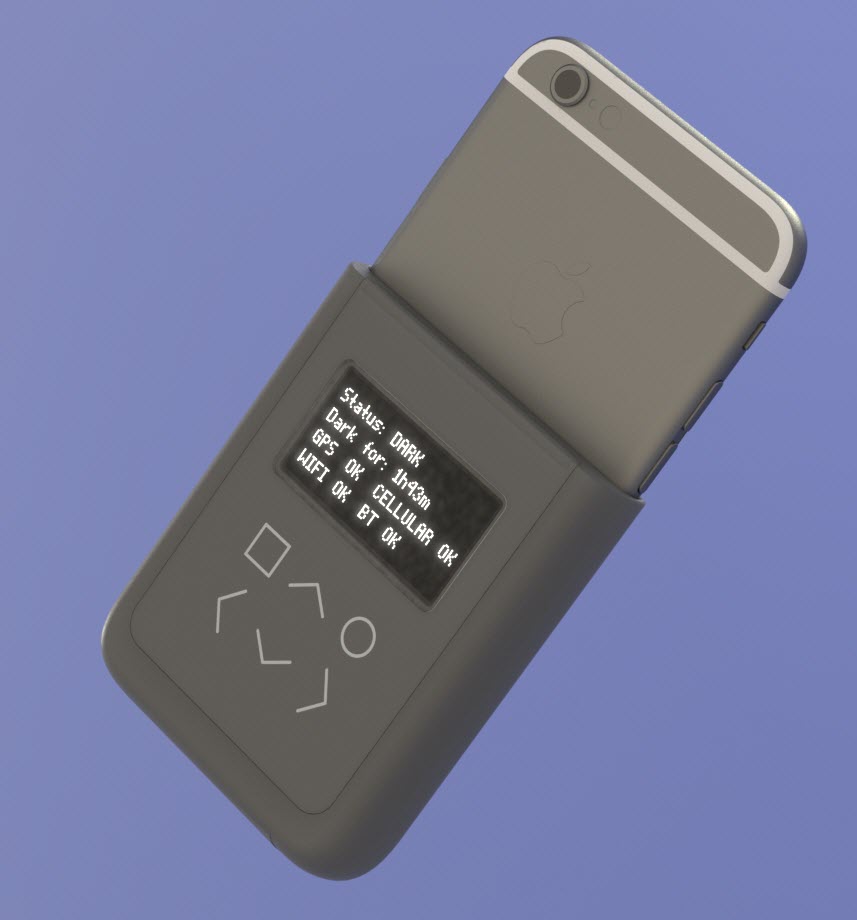
Edward Snowden is building his own iPhone case. Photo: PubPub
When you think of Edward Snowden the first phrase your mind goes to probably isn’t “quality iPhone case manufacturer.” Nonetheless, the famed NSA whistleblower today announced that he has presented just such a smartphone accessory at an event at MIT’s Media Lab.
Anyone want to venture a guess as to the case’s unique selling point?
KeepSolid offers 3 fully encrypted phone lines or "burner numbers", no contract required Photo: Cult of Mac Deals
When you think about it, a phone number can be a liability — you can be reached by anyone who punches the right digits into their phone. It’s an identifying number, a source of spam, a potential avenue for identity theft or even harassment. That’s why separate “burner” numbers are gaining popularity. You probably have a junk email address, why not something similar for your phone number? Here are 4 reasons you might consider getting a burner number, followed by a couple ways you can actually get one.
Apple turns 40 today and, while a lot has changed since the company’s early days, it seems that questions about government snooping have not.
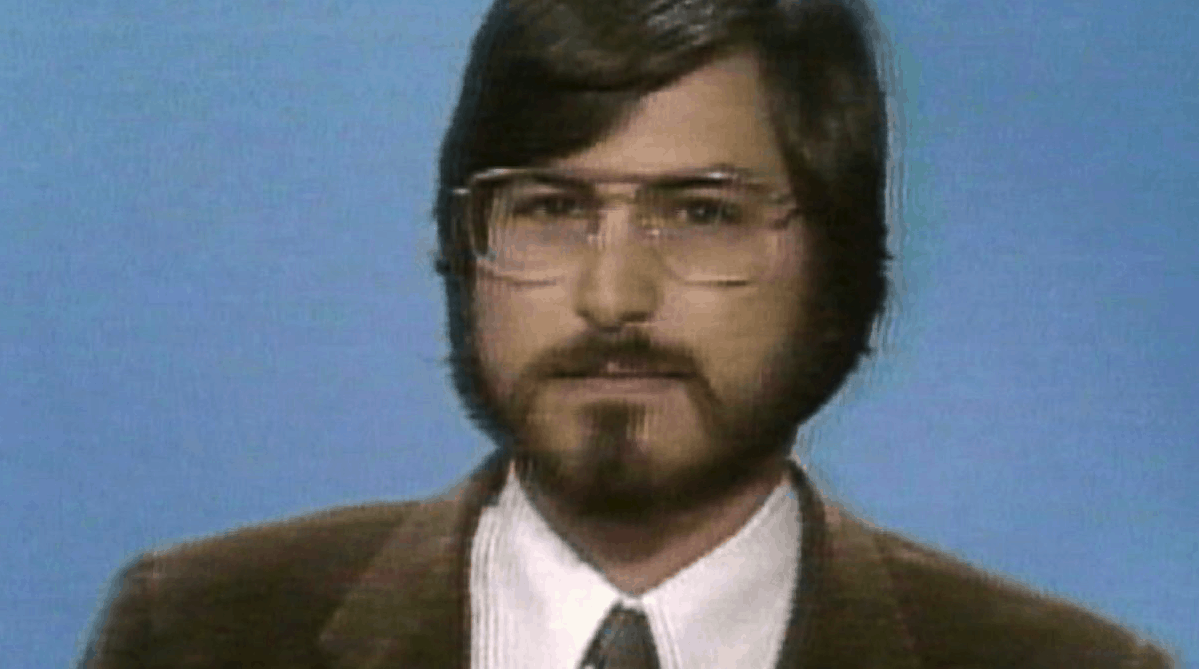
ABC News today released footage from a vintage interview in which a very young Steve Jobs debates computers on a 1981 episode of Nightline.
In addition to trotting out his “bicycle for the mind” metaphor, Jobs also talks about how best to stop the government from snooping on your computer, a topic that seems very timely in the aftermath of Apple’s battle with the FBI.
Apple takes privacy pretty darn seriously. Photo: Ste Smith/Cult of Mac
Are you a third-party dev, advertiser, or Apple employee hoping to use targeted ads or personalized recommenders based on Apple customer data? There’s an app for that. Good luck with that!
That’s according to a new report, which states that Apple has an internal committee consisting of three expert “privacy czars,” who have have to sign off on any and all collection of Apple user data.
And if you thought the App Store review process could drag on, you’ve got another thing coming: debates over individual uses of data at Apple can, in some cases, continue for upwards of one year.
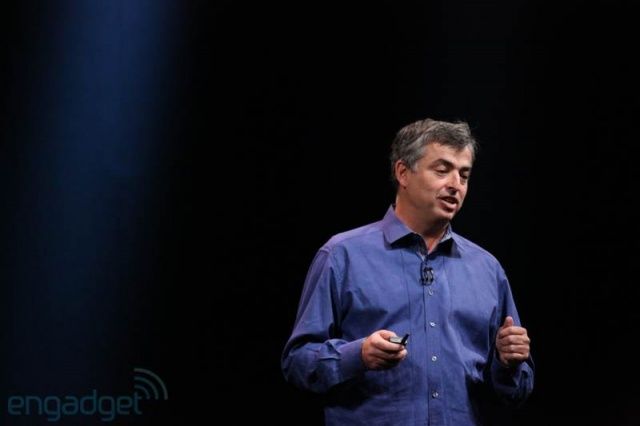
Eddy Cue explains why encryption is so important. Photo: Apple
Apple is ready to take its fight to protect user privacy all the way to the Supreme Court, says Eddie Cue, Apple’s senior vice president of Internet Software and Services, in a newly-published interview with Spanish-lanugage television channel Univision News.
“We’re willing to take it wherever we have to — and such an important event needs to be settled by the Supreme Court,” Cue said.
Security isn't a feature, it's a right. Photo: Ste Smith/Cult of Mac
The United Nations is standing behind Apple in the company’s fight against the FBI over whether the federal government can compel the iPhone-maker to create a backdoor into iOS.
In a letter written in support of Apple’s case, U.N. Special Rapporteur David Kaye says that if the feds are successful, it would infringe on citizens’ right to freedom of expression.
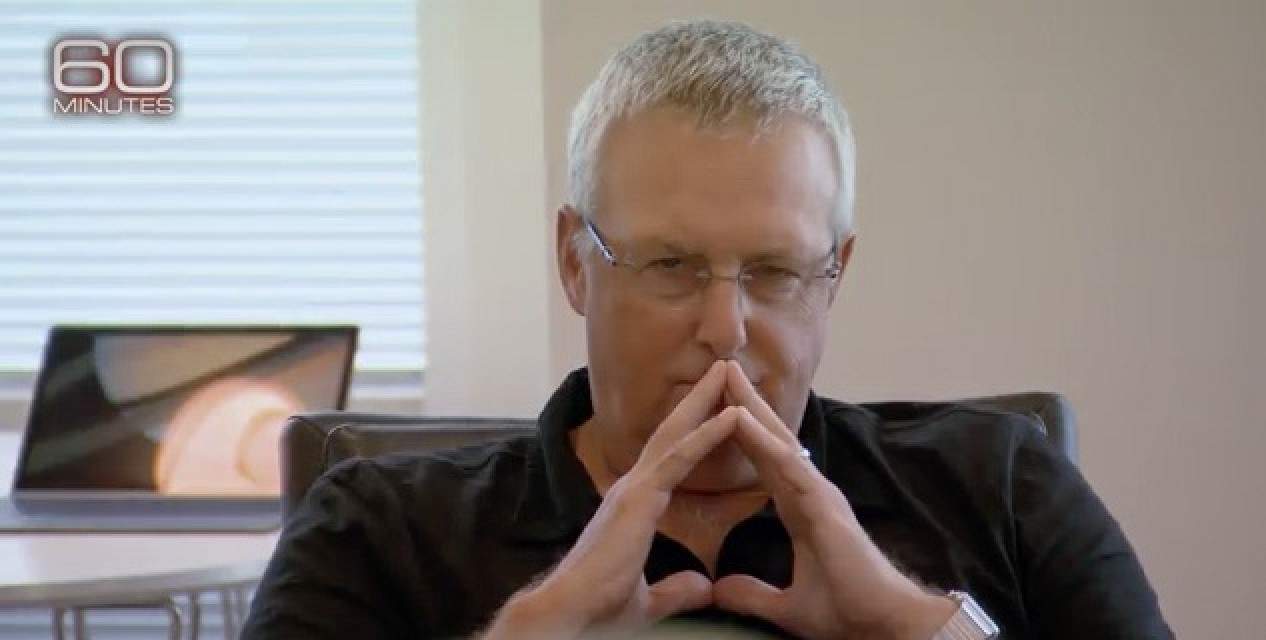
Apple's General Counsel, Bruce Sewell. Photo: 60 Minutes
Apple’s top lawyer is set to appear before the House Judiciary Committee today to discuss balancing Americans’ security and privacy, in light of the company’s ongoing battle with the FBI, which has demanded the company unlock the San Bernardino terrorist’s iPhone.
Apple gave us a glimpse of general counsel Bruce Sewell’s opening remarks yesterday. Apple’s lawyer will ask congressional representatives some tough questions on privacy, but we won’t know what the committee thinks until the hearing gets underway later this morning. A livestream of the event will be available on YouTube when the hearing starts at 10 a.m. Pacific.