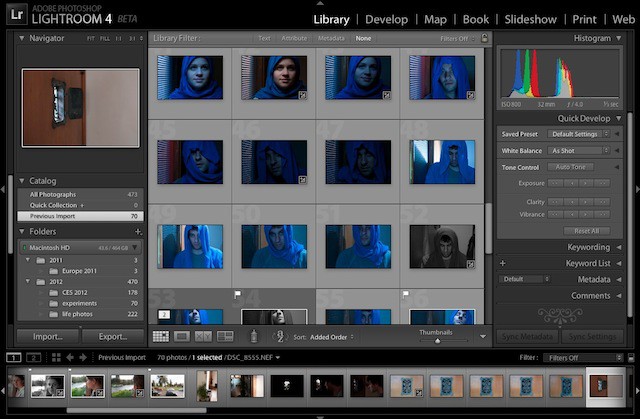
Were you awakened this morning by the sounds of enthusiastic golf claps? It was photographers everywhere applauding Adobe’s release of Lightroom 4 for only $149 — half the price of Lightroom 3. Upgrading will run you less at $79, but price is only part of what’s new and noteworthy.
As I’ve argued before, there’s a good chance the third-gen iPad will be called the “iPad HD.” The rumored tablet is expected to feature a pixel-packed Retina display as its flagship feature, and the “HD” suffix could help differentiate it as a newer, higher-quality device.
Two separate reports have been published today stating that Apple will indeed call Wednesday’s tablet the iPad HD.
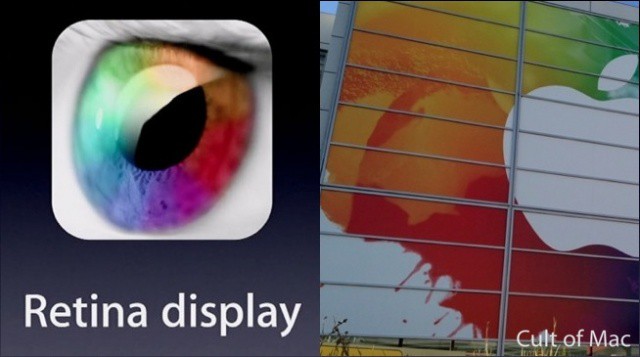
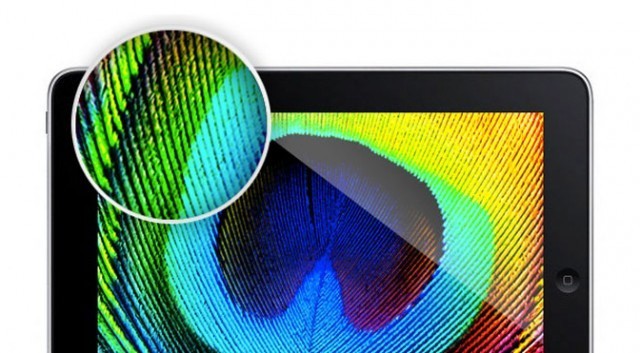
The iPad 3 is going to have an amazingly sharp screen. Like the iPhone 4S, users won’t be able to see the individual pixels of the iPad 3’s retina display because all 3,145,728 pixels will be densely packed together at 264 pixels-per-inch.
Ok, that’s cool, but what does that actually mean? Well, it if you wanted to get the same amount of pixels into the iPad 2 using its current technology you’d have to use a 19inch screen. The iPad 3 packs more pixels total than a 42inch LCD TV.
I bet you thought you were pretty cool showing off your X-ray app and farting cat. Well, it’s time to get schooled by some professionals who are going to show you just how amazing your phone could be. Watch as car-hacker/engineer Dr. James Brighton recreates the popular mobile racing game Reckless Racing 2 using two MGF sports cars and an Xperia Play and Xperia S. This was all done in conjunction with Xperia Studio, a project created by Sony which invites people across the globe to test the limits of mobile technology. It never ceases to amaze me what some individuals can accomplish and it’s projects like these that get me excited about the future.
Apple has just issued a supplemental update for OS X 10.7.3 that resolves an issue with Time Machine backups malfunctioning. For some users, restoring from a backup could result in errors, so this update is recommended for all machines on Lion that use Time Machine. You can grab the update in Software Update on your Mac or through this direct link. The file weighs in at 24.55 MB.
Running Cult of Mac, one of the most addictive aspects of managing the site on a daily basis is watching our real-time analysis metrics spit out numbers at us. It’s a fun, gamey way to measure how we’re doing over the course of the day — the site owner’s equivalent of watching XP bubble out of his level 13 warrior’s head as he wades into a crowd of orcs in World of Warcraft.
If I were an app developer, it seems like it would be pretty great to have the equivalent of real-time analytics for my app: a way to see at any given moment how many people were playing with my app, and what they were doing with it. And now TestFlibght, the popular beta distro service for iPhone and iPad apps, is here with a new service that does just that.
Apple is putting a squeeze on the air freight industry with a massive order of iPad 3 shipments, according to multiple reports today. As Wednesday’s announcement draws near, Apple has singlehandedly bought the majority of air cargo space coming out of China at premium rates. Other companies are reportedly scrambling to buy what little space Apple hasn’t already claimed.
We’ve seen Find My iPhone lead to someprettyfunnyarrests over the past few years, but one thing we haven’t seen Apple’s device tracking software do is lead the police to a haven of narcotics. Until now that is. San Jose Police were tracking down a single stolen iPad when they accidentally came across one of the biggest piles of crystal meth the county has ever seen.
iMore, the same site that correctly predicted the date of Apple’s iPad event on March 7th, has now said that the iPad 3 will “definitely” have LTE 4G. The Wall Street Journal previously predicted this feature with no indication of whether the speed improvements will make their way to the iPhone 5.
There’s also been no indication of whether 4G speeds on the iPad will be available outside of the United States.
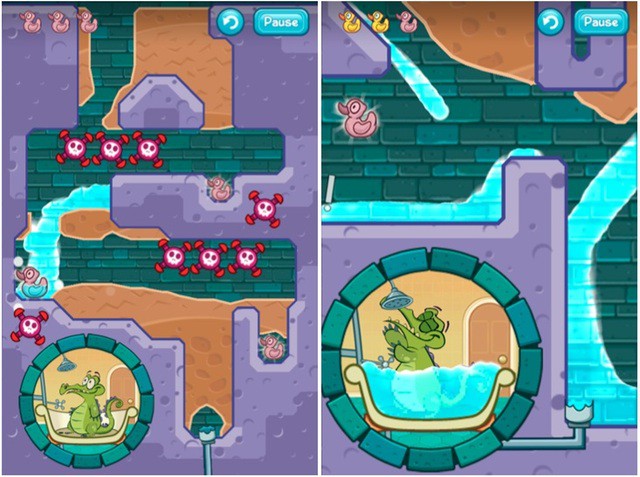
So the 25 billionth download from the iOS App Store was none other than Where’s My Water? Free. It brought its owner a shiny $10,000 iTunes gift card and worldwide fame for 15 minutes. But will it bring you anything? The short answer is probably: no.
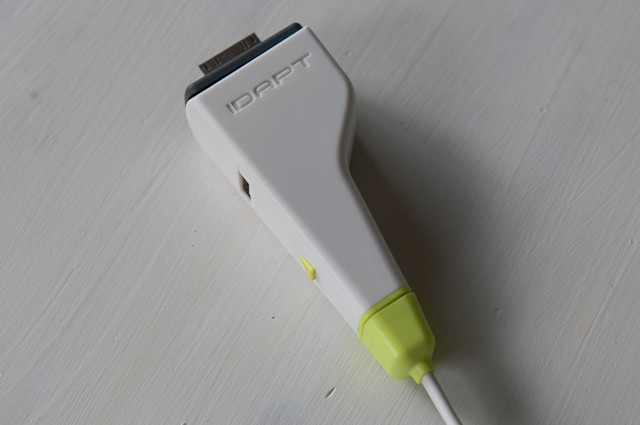
The IDAPT i1 Eco Universal Charger ($25) aims to be your charge-every-device portable charger. But this is one instance where bigger is indeed not better.
The consumerization of IT is about more than just a handful of users bringing their own devices into the office. That’s the big take away from the first morning here the CITE Conference in San Francisco. The real story is that movement may have started out with people taking their iPads to work and and checking Twitter throughout the workday, but it has become something much much greater.
At heart, this movement isn’t so much about devices, social networks, or cloud services – it’s about how these technologies have changed the relationship that people have with technology. Apple and other companies have made most people comfortable with technology and shown them an experience of solutions that just work.
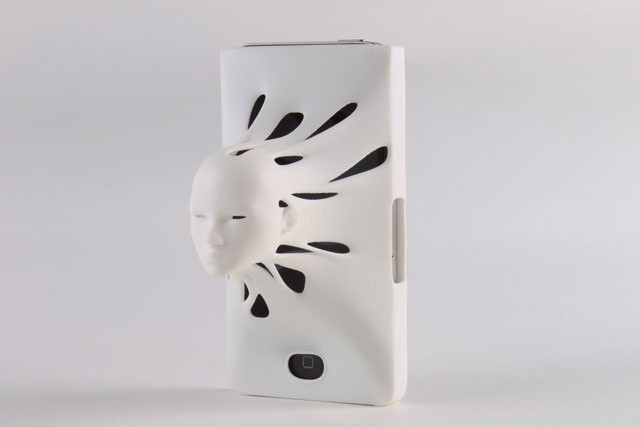
As one of the most beloved features in the iPhone 4S, Siri gets plenty of attention from the media on a daily basis. The digital assistant is spunky, clever and sometimes surprising. Have you ever wondered what Siri would look like as a 3D face protruding from the front of your iPhone?
We haven’t either. But the designers at SaGa Design apparently have, as they’ve come up with some iRobot-esque renderings of Siri as a 3D head emerging from an iPhone case.
We’ve got another great Cult of Mac Deals lined up for our readers this time around, offering 7 inspiring Mac apps for only $50 that will help you take your ideas from concept to reality with elegance and ease.
Among the apps you’ll get as part of The Mac Designer Bundle is acclaimed calendar app Fantastical, the stellar website creation tool RapidWeaver 5 and the time-saving keyboard shortcut tool, KeyCue. And that’s just the tip of the iceberg!
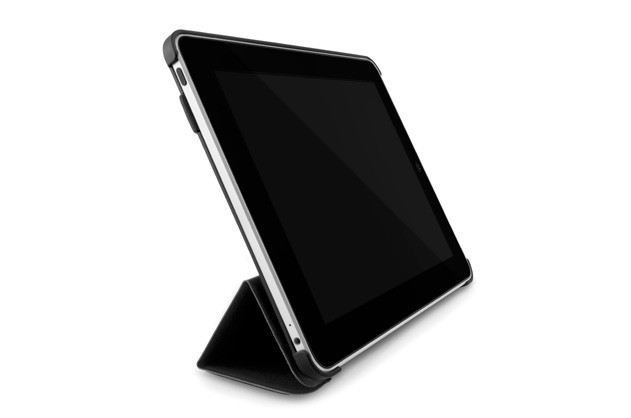
Alleged iPad 3 part leaks have revealed that the magnetized Smart Cover will work on the upcoming tablet, but Apple is still set to introduce an enhanced cover for the iPad 3, according to a new report. Citing a “repeatedly reliable source,” iLounge says that a new Smart Cover with a fiberglass back is coming.
On top of that, the report contradicts previous rumors saying the sixth-gen iPhone will feature an aluminum casing. Instead, Apple is said to be implementing Gorilla Glass 2 material for the next iPhone’s exterior design.
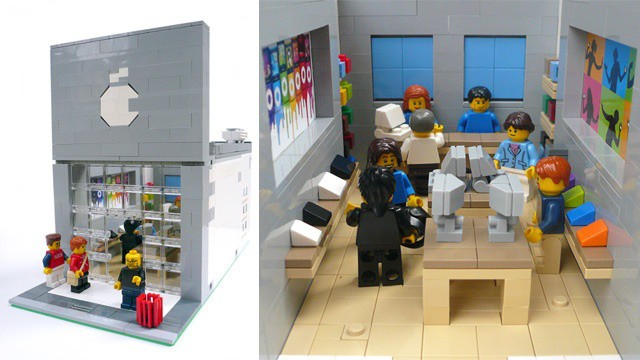
If you love Apple and LEGOs then here’s a project you’ll want to get behind – The Lego Modular Apple Store. With roughly 800 pieces, the Lego Modular Apple Store seeks to replicate your shopping experience by helping Lego fans build an Apple Store replete with iPhones, iPads, iPods, MacBooks, iMacs, and even a little Steve Jobs Lego man.
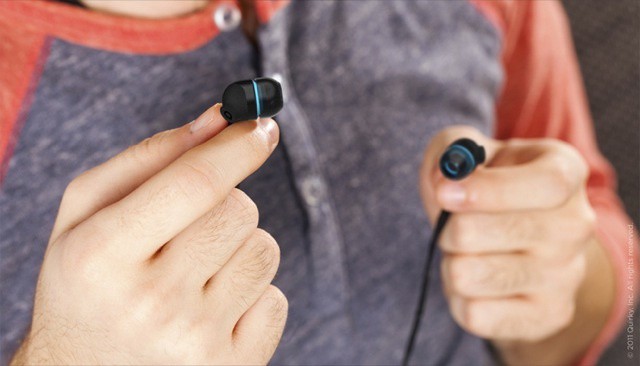
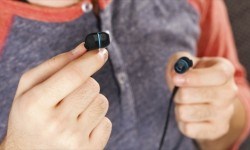
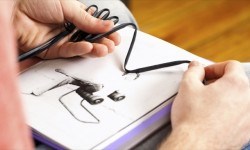
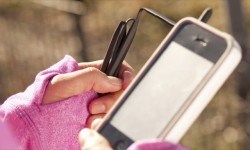
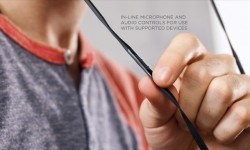
It’s a first-world problem to be sure, but that doesn’t make tangled headphone cords any less annoying. Wrapping them around your iDevice helps, but you’ll probably do it too tight and end up breaking the cables. And those reel-em-in hand-cranked spindles so beloved of Sony in the 1990s have disappeared, probably because they’re too much hassle, or just kept getting lost.
Bluetooth promised to be the answer, but still sounds awful and requires recharging one more gadget. So Quirky’s new Wired tangle-free earbuds have got a lot to prove. Can they do it?
The App Store reached the 25 billionth download milestone over the weekend, and Apple recently announced the lucky winner of the $10,000 contest, Chunli Fu of Qingdao, China. It’s only fitting that the winner comes from China when you consider the exponential growth Apple has been seeing in that part of the world.
As it did when the App Store reached 10 billion downloads last year, Apple has revealed the all-time top paid and free apps for the iPhone and iPad.
Matthew Emmi is a twelve year old boy that probably won’t get to enjoy some of the milestone events in life that you and I might take for granted. His autism has severely limited his ability to read, write and speak sentences. But even though his family and friends never know exactly what he’s thinking, they do know that he likes going to synagogue, and with the help of an iPad, Matthew’s parents and educators were able to give Matthew a full bar mitzvah.
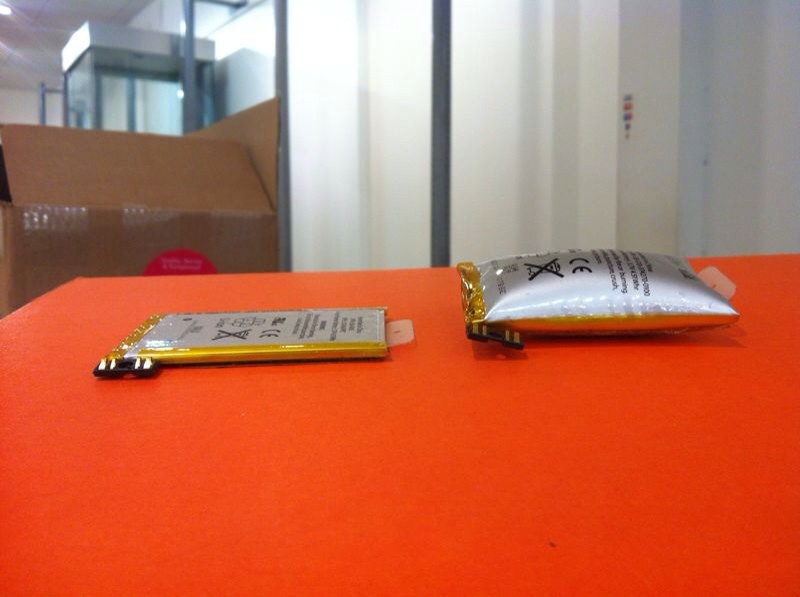
See those two batteries in the image above? They were both taken from Apple’s iPhone 3GS. The one on the right ballooned within the device, causing it to literally burst at the seams, breaking the device’s plastic shell, pulling apart its metal bezel, and even popping its screws. Could this happen to your iPhone, too?
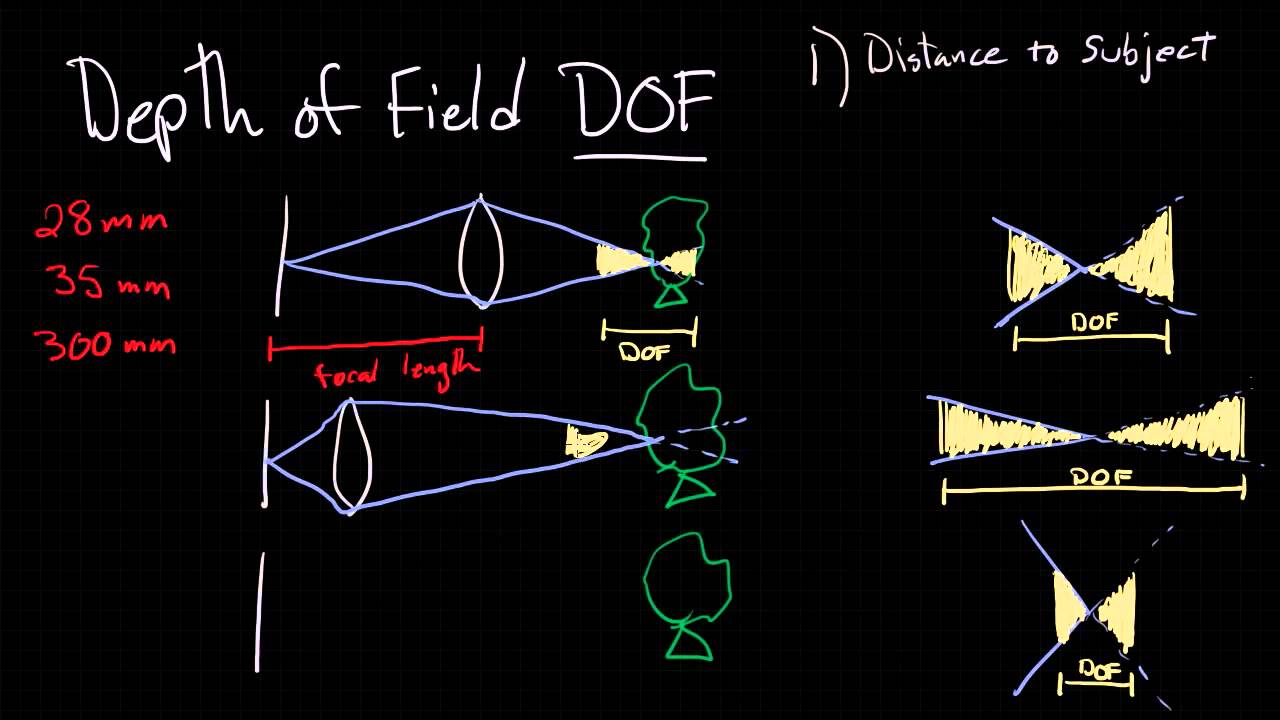
If you enjoyed Dylan Bennett’s great video on how and why noise affects your digital photos — which we brought you a couple weeks ago — then you’re going to love this one about depth-of-field. Depth-of-field often proves confusing, but simply put, it is the amount of your scene that is in focus.
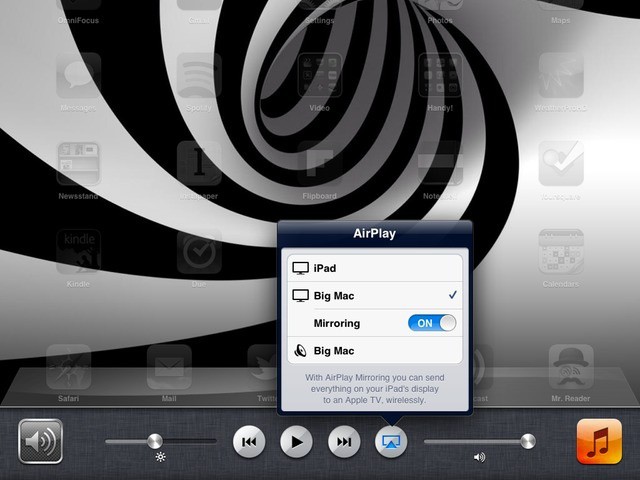
Stream any screen or app by double-tapping the home button and swiping right
With an update to v4.0, the Mac AirPlay server AirServer has gotten the ability to mirror the display of your iPad on your big-screen Mac. This is pretty big, as you can now not only send video and music to your Mac as you could before, but you can make presentations and even play games, wirelessly.
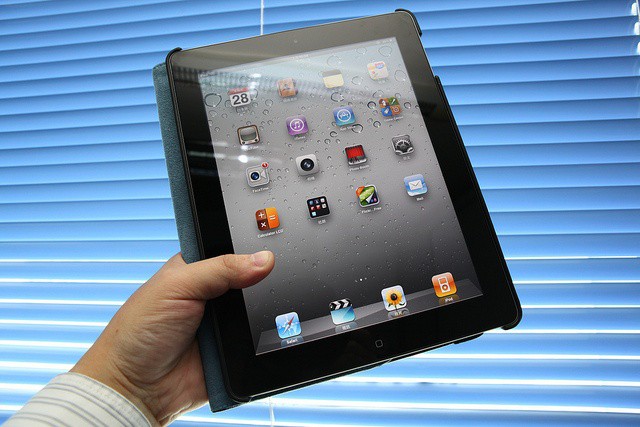
Best Buy is reportedly sitting on thousands of Targus Versavu 360 cases for iPad 3 ahead of Apple's Wednesday announcement.
Could iPad 3 cases already be shipping to Best Buy? Sure, and probably are. Does that mean third-party case manufacturers know what to expect? Don’t count on it, but if so, the iPad 3 case above — a variation on the existing Targus Versavu 360 case for iPad 2 — is the first one you’ll be able to buy.