Because it’s connected to a wireless carrier, your iPhone can be used to locate you. Until this week, police could access this data on little more than a hunch — no Supreme Court location data ruling stood in their way. That changed on Monday.
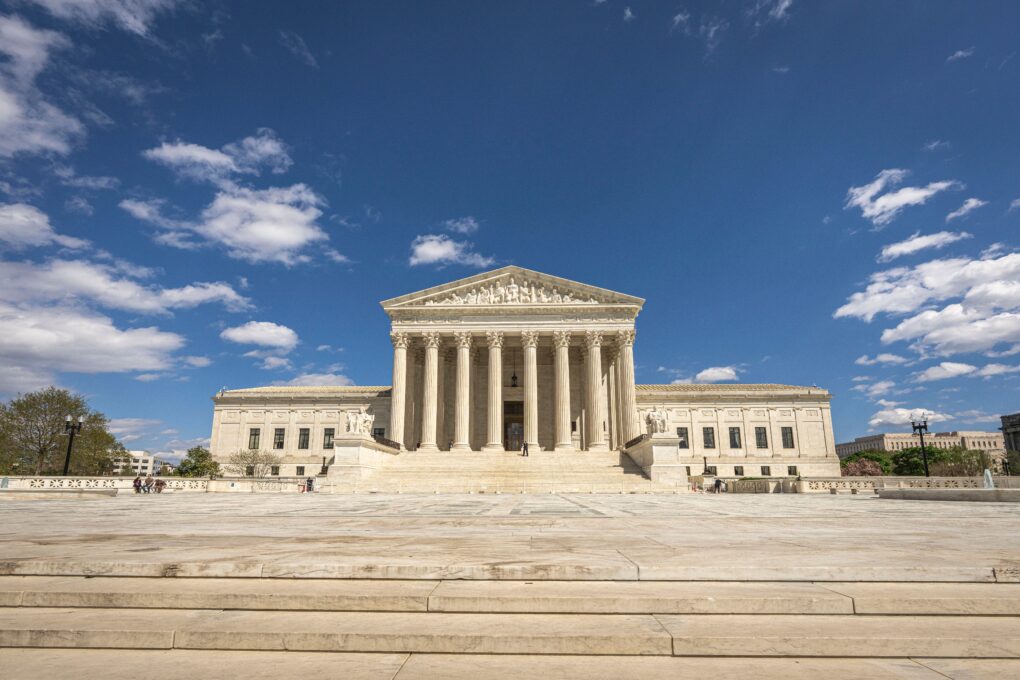
The Supreme Court ruled that pulling your phone’s location history now counts as a Fourth Amendment search — no matter how short the window or whose server it sits on. Cops now need a real, individualized warrant before being able to dig through where your iPhone has been.
The Supreme Court location data ruling, explained
A warrant is supposed to only be used when there’s probable cause, meaning police have a reasonable basis to believe that evidence of illegal activity will be found. But Geofence warrants work like a digital dragnet. Instead of naming suspects, police ask tech companies for every phone that was present in a given area during a specific time window, knowing that the vast majority of people included are innocent.
The Chatrie v. United States case, which reached the Supreme Court, is the clearest test of whether that’s constitutional.
It all started in 2019 with a bank robbery outside Richmond, Virginia, which left police with almost $200,000 missing and zero suspects. They reached for a geofence warrant, asking Google for every account within a 150-meter radius of the credit union during the hour of the robbery.
Investigators then widened the window to two hours and narrowed the list of suspects down to three account holders. One of them was Okello Chatrie, whose phone led police straight to a stash of cash, a gun and robbery notes.
While Chatrie pleaded guilty, he kept on fighting against the warrant itself. He argued the police went through his data — and everyone else’s in the radius — without probable cause tied to any actual suspects.
In 2022, a federal court called the warrant unconstitutionally broad because it also covered homes, businesses and a church. The court did allow the evidence to stand under a “good faith” exception, with a divided Fourth Circuit upholding it in 2025 — which is how the case reached the Supreme Court.
This matters even if you have never touched an Android
Google was named in the case because its old Location History tool made it possible to pull user location data at scale. Since then, the company has redesigned its way out, with mass geofence requests not possible since mid-2025.
But the real question wasn’t about Google; it was whether your phone’s location data deserves to be protected by the Fourth Amendment no matter who stored it.
To this, the justices said yes 6-3, with three liberals and three conservatives forming the majority — something you rarely see at the Court these days. Justice Elena Kagan wrote for the majority that it doesn’t matter “if the time period scrutinized was only two hours.”
Apple has spent more than a decade building its privacy pitch exactly around keeping this kind of data out of reach. It encrypts Significant Locations, for example. Monday’s ruling essentially makes this architecture unnecessary, as the underlying principle is now the law of the land, regardless of which company has your data.
What the ruling doesn’t do
That said, this isn’t a blanket ban on geofence warrants. The police can still get one if it’s tied to a real probable cause, like tracking known associates of already identified suspects. And a subpoena for someone’s location data backed by evidence remains entirely legal.
What’s off the table is the dragnet version, which involves asking a company for everyone’s location data in an area and seeing who’s guilty afterward.
The Court did not decide if Chatrie’s case survives under the “good faith” exception, which means the question heads back to the Fourth Circuit.
The ruling also did not address the data broker industry, which buys and sells location data collected from apps without requiring a warrant. Nor does it address the “cell tower dump” requests, which pull everyone’s data from a tower.
Location privacy isn’t airtight yet, but this Supreme Court location data ruling is the biggest since 2018’s Carpenter v. United States. It’s a lot harder now for police to treat your iPhone like evidence before they’ve even named you a suspect.

Anurag Chawake is a tech-focused writer specializing in smartphones, apps and consumer technology. His interest in computers began during the Windows 98 era, eventually leading him to explore everything from operating systems to mobile devices and PC hardware. Anurag previously contributed to The Indian Express, covering Apple, Android, gaming and the broader technology landscape.