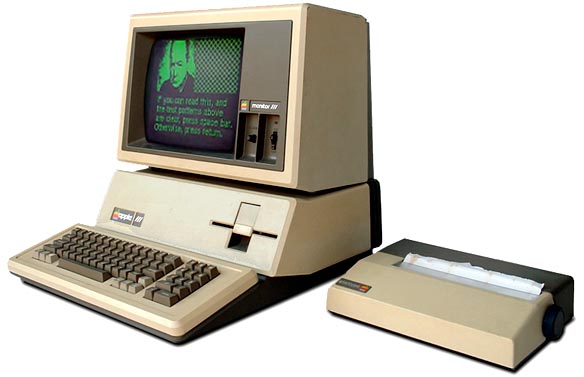
Apple co-founder and burly all-around cuddle bear Steve Wozniak was in India last week to talk to up-and-coming entrepreneurs a thing or two about becoming a technology legend, and while he was there, he gave a great interview in which he said that competing smartphones were “failures,” just like the Apple III and the Lisa.
On Friday U.S. Judge Lucy Koh denied Apple’s motion for a preliminary injunction against Samsung, which, if it had been granted, would have halted the sale of the Infuse 4G, Droid Charge, and Galaxy S 4G phones and Galaxy Tab 10.1 tablet in the United States pending the conclusion of the lawsuit. Because the case isn’t scheduled to go to trial until July 30, 2012 this would have been both a strategic and symbolic victory for Apple in its ongoing legal battles relating to alleged infringers of Apple’s intellectual property rights or, as Apple has called them, “copyists.” For now, we will have to wait and see what else Apple’s legal army will come up with in this dispute with Samsung. Barring further developments, Samsung can keep selling its Infuse 4G, Droid Charge, and Galaxy S 4G phones and Galaxy Tab 10.1 tablet in the United States at least until the case is tried next summer.
For those of you who haven’t been following this lawsuit, Apple doesn’t like the fact that some of Samsung’s products happen to look a lot like its own products and is suing to stop Samsung from allegedly ripping off its intellectual property (product design and packaging, design patents, and trademarks) and to collect damages for any harm Apple has already suffered. This ruling marks the most recent development in this saga and the redacted 65-page opinion offers some interesting insight into the case.
Apple is expected to join Facebook's data center (above) in Prineville, Oregon. [Photo by Tom Raftery - http://flic.kr/p/9wzMH2)
Apple appears to be in the final stages of deciding to create a second data center. The tech giant is reportedly eyeing 160 acres in Prineville, Oregon for a 31-megawatt facility. The location would make Apple neighbors with Google, Amazon and Facebook, companies also locating data hubs in the Northwest state known for enticing tech firms with lucrative tax breaks.
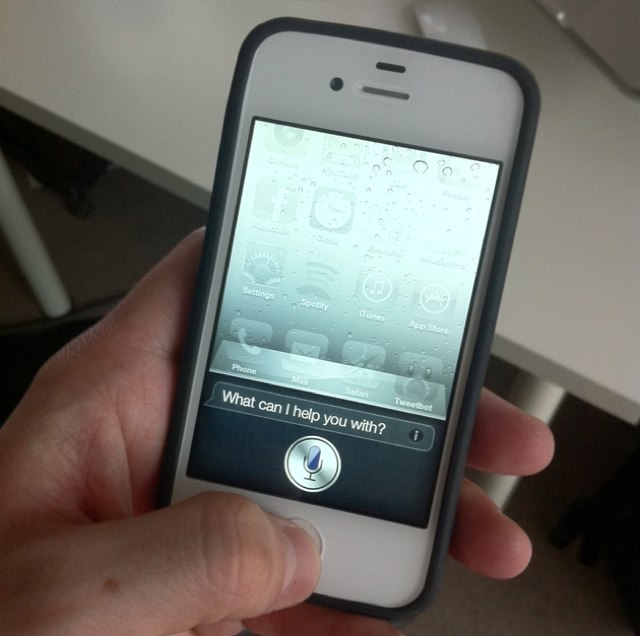
Following its debut on the iPhone 4S back in October, it seems every iOS user wants to get their hands on Siri. A number of developers have attempted to port the feature to older devices, but because it needs to talk to Apple’s servers to function properly, they’ve had little success. Until now!
A fully functional (and possibly illegal) version of Siri has made its way to the jailbroken iPhone 4 via Cydia.
Everyone knows that OS X has code names, and how they work: each version of OS X comes branded as a carnivorous big cat, ranked from smallest to largest. Likewise, Android’s got code names up their wazoo, twee little monikers taken from the realm of desserts like Gingerbread, Honeycomb and Ice Cream Sandwich.
But did you know that iOS has code names too? They aren’t publicized, but internally, Apple refers to the latest version of iOS by a number of cool monikers.
Apple’s new store in Grand Central Terminal is set to open its doors this Friday, December 9, and the company has added a new page to the retail section of its website that provides some information on the new store. In addition to its official address, the page also reveals that the store will open at 7 AM Monday to Friday to accommodate early commuters.
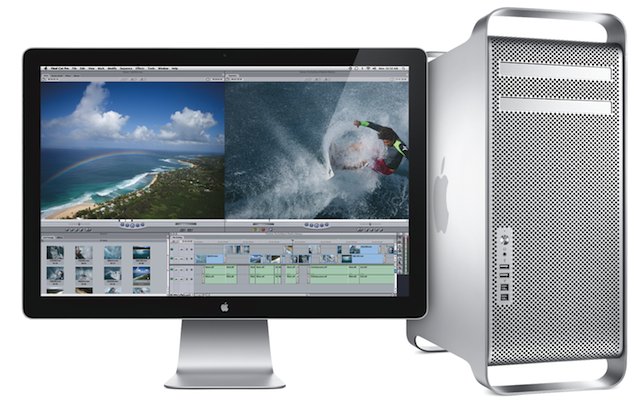
Apple has neglected to update its Mac Pro for just under 18 months now, and recent speculation has suggested that the company may be set to discontinue the high-end desktop. However, according to drivers found in the latest Mac OS X 10.7.3 beta, a new Mac Pro is on its way, packing AMD’s upcoming “Tahiti” graphics cards.
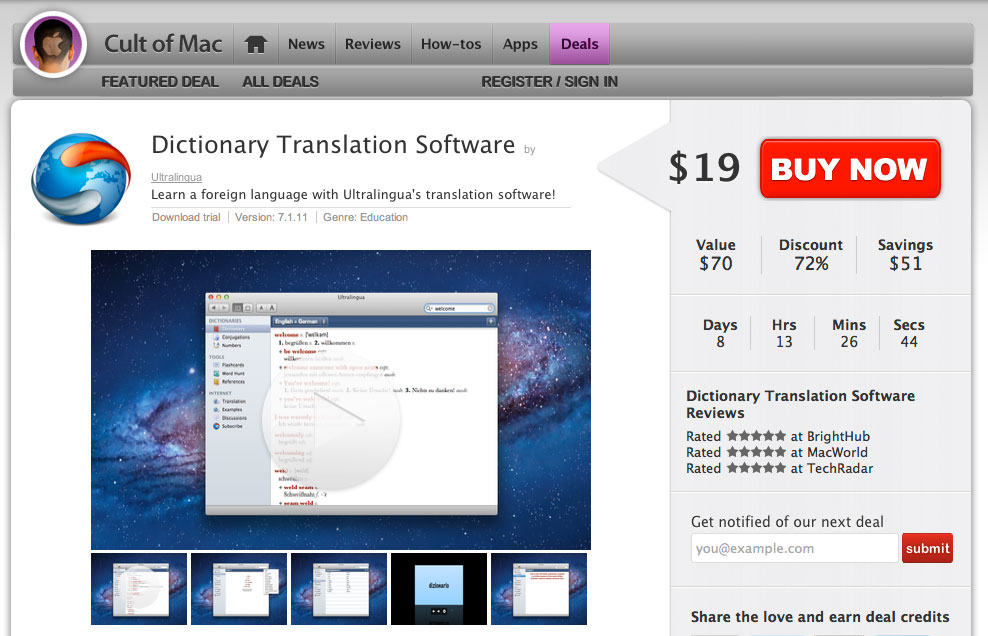
Just a quick note for all our loyal weekend-readers, we’ve just negotiated another $16 off the price of the Ultralingua Mac App Dictionary deal taking it from 50% off to 72% off. Woot!
Now, for only $19, you’ll get two Mac App Dictionaries of your choice.
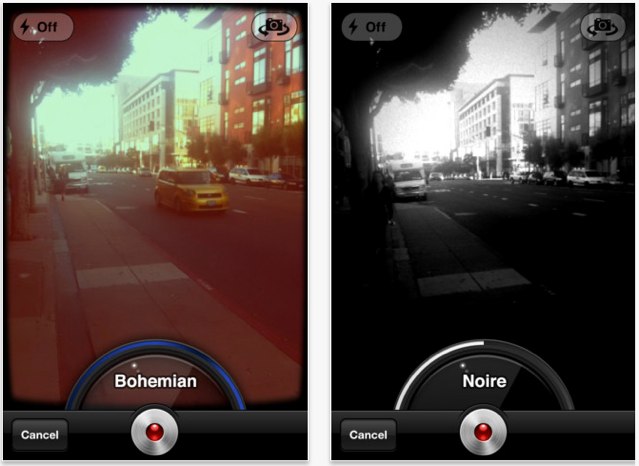
The name is well chosen. Socialcam is a cam for being social. It’s not just a cam. You need to know that before you download it, otherwise you might be put off by just how social it is.
9to5Mac has gotten its hands on Apple’s internal policies concerning employee behavior on the internet, rumors, leaks, and the company’s code of conduct.
Apple is pretty strict when it comes to monitoring its employees’ online activity, and the company operates by a HRCCC (honesty, respect, confidentially, community, compliance) strategy. Employees are not allowed to say anything directly about Apple in any online, public forum.
Apple has seeded a new build of the Lion 10.7.3 beta to developers. Build 11D24 of the 10.7.3 beta is now available in the Dev Center. The first build of 10.7.3 was seeded to developers on November 15th.
This update doesn’t bring anything new to the table, but instead asks developers to focus on debugging other areas of the OS, such as Safari and Spotlight.
We still don’t know when 10.7.3 will drop, but Apple is obviously working on cleaning it up for a stable release. There are no know issues in this latest beta build. The last public version of Lion, 10.7.2, was released to the public in October.
Update: Well that’s weird. 9to5Mac is reporting that today’s update has been yanked from the Dev Center.
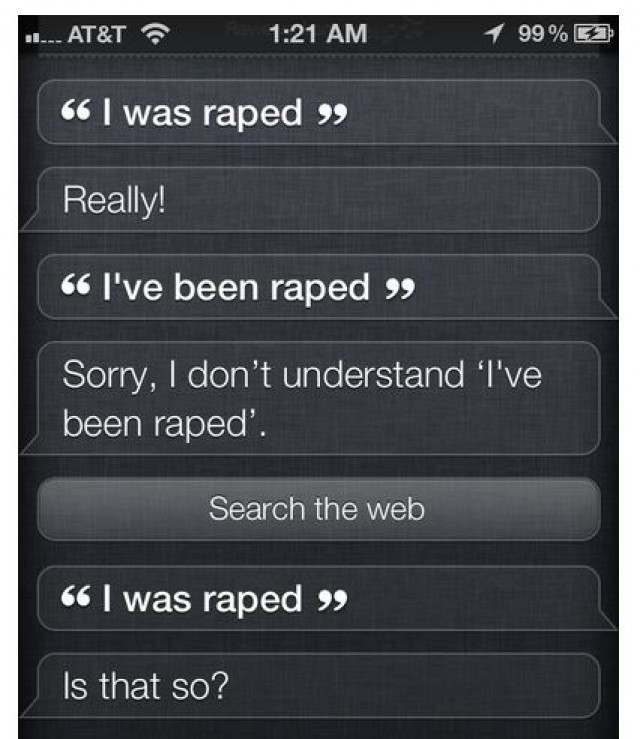
This week, a lot was made in the news about Siri’s supposed pro-life leanings. Essentially, a bunch of people got upset because Siri couldn’t find a local abortion clinic, even though abortion clinics don’t actually call themselves that. Apple denied that Siri had any pro-life leanings whatsoever, saying instead the service was in “beta.”
So what really happened? Well, Apple just learned its first lesson about search: you’re held responsible when the information people are expecting to see doesn’t show up in a search query, even if that information is only tangentially related to the actual words in the query. It’s a headache Google’s been dealing with for almost a decade.
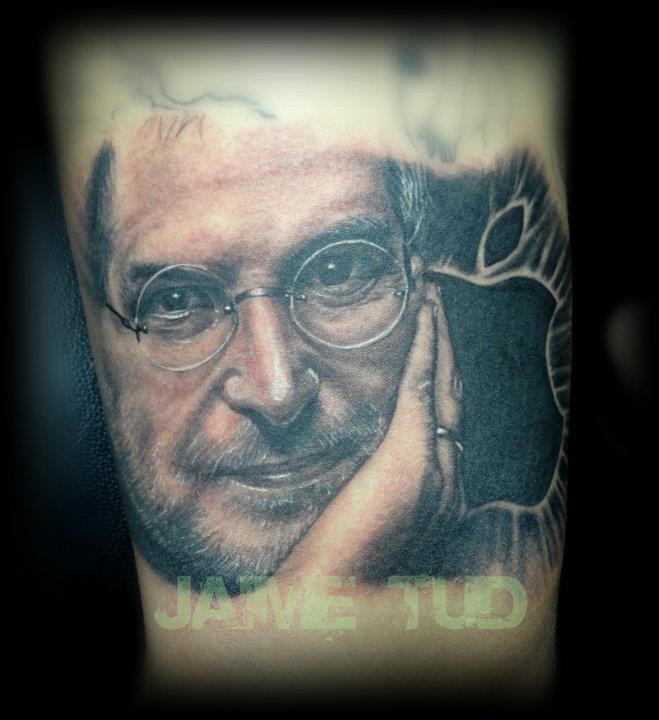
Forever, the face of Apple. Photo: Jaime De Leon Tud
It’s a slow Friday afternoon, and in browsing through our emails for tips, we stumbled across this incredibly detailed tattoo of Steve Jobs designed by Jaime De Leon Tud of Wildside Tattoo in the Phillippines.
It got us thinking: why not blow off work early and get some Apple-inspired ink? We hit the internet looking for inspiration, and after seeing dozens of images (oftentimes of tattoos still in the process of oozily healing), we remembered that getting ink involves needles and blood, and wimped out.
The whole exercise wasn’t fruitless, though, because in our travels, we came across a number of totally cool, or weird, or sexy, or bizarre, or clever, or just plain hardcore Apple tattoos from members of the Cult of Mac spread around the world. Here’s some of the best of the bunch.
Microsoft appears more intent on gunning for Apple when the software giant unveils its Windows 8 ARM-based tablets sometime in early 2012. Reports today suggest Microsoft is throwing out its desktop app and will go finger-to-finger with the iPad’s touchscreen only interface.
Apple’s a master of the supply chain, keeping just a couple days’ worth of inventory at stock any time under the mantra that any product in a warehouse is just costing the company money. The benefit of all of this is Apple is able to manage its supply chain with laser precision, deliver new products quickly and on-time without worrying about selling out existing inventory and save millions while doing so. But when something unexpected happens, Apple can find it doesn’t have enough inventory in stock to fulfill demand.
Apple’s just been hit by the rare downside to the way it handles its supply chain. The hard drive shortages caused by massive flooding in Thailand over the past few months have finally caught up with Apple, delaying built-to-order iMacs with two terabyte hard drives.
It’s not just Robin Williams making fun of Siri on national TV these days. Wry faux-conservative Stephen Colbert picked up his iPhone 4S the other day to address the recent controversy over Siri’s inability to find a single abortion clinic in New York, which Colbert describes as such an impossibility (“There’s one at the top of the Empire State Building”) that he summarily declares Siri to be a pro-life, racist arch-conservative, “like Laura Ingraham, except less robotic.” But who can blame her? As Colbert points out, it’s “only a matter of time before she loses her job to the Mexican yoPhoñe.”
Earlier this week, we reported on a controversy surrounding Apple’s Grand Central Store, set to open Saturday. Critics are blaming New York City’s mass transit agency for inking a ‘sweetheart’ deal giving the tech giant a huge break on the lease cost. The MTA is now fighting back, telling those wanting an investigation into the Apple store to “bring it on.”
PlayBook versus iPad (Photo by The GameWay - http://flic.kr/p/9p5XMz)
Trying to compete against Apple’s iPad can be costly – especially if you are RIM and your PlayBook tablet went from design to discount bin in record time. Today the Waterloo, Ontario company announced it will take a $485 million charge for a growing number of PlayBooks it just can’t sell.
It is hard to imagine that I’ve written and contributed to more than 450 posts during the nearly two-year tour of duty with all the rest of the Cultists at Cult of Mac.
I’ve served up news, break fixes, tips, opinions, etc. to more users than I ever could have imagined, and I’m grateful that I had the opportunity to do so. I have always been greatly humbled by your reader responses and surprised by a few too. I have had an amazing time meeting some really great people along the way.
I’ve accepted a job offer with a new start-up, which will take me in new directions and adventures in blogging. However, I’ll never be far from where my heart is. I’ll still be deep into all things Apple. I’ll always be a part of the Cult of Mac just like all of you.
If you would like to stay in touch, please follow me on Twitter or visit my personal website for updates on my next project or big adventure.
Ray Bradbury is a living legend of futurism, and short of Tolkein and Asimov, probably the most important writer of fantasy and science-fiction in the 20th Century. He’s also a feisty old technophobic grampaw who would rather smash an iPad into pieces with his walking stick than read a book on one. That’s just one reason why Bradbury’s most famous book, Fahrenheit 451, has never been available in e-book form up until now.
The other reason? The novel famously describes a future dystopia in which books are burned on sight by a totalitarian government, and Bradbury has long contented that the power of the premise goes away when you’re reading it on a medium besides paper.
Bradbury’s had to suck up his objections to iPhones and iPads, though. The 91-year-old author has finally lived to see Fahrenheit 451 comes to iBooks and Kindles.
Syrian are no longer allowed to use Apple’s iPhone after authorities banned the popular device this week in a bid to stop activists from documenting government violence. Following the move, Steve Jobs’s biological father, John Jandali, announced his support for the Syrian people on YouTube.
Netbooks were the dodo birds of technology: ill-equipped to compete and eventually done in by a consumer form of natural selection — the iPad. After just about a week on the shelf, the Kindle Fire is being labeled the “netbook of the tablet market.” Analysts looking beyond the $199 price believe the Amazon tablet just can’t compete with the market-leading Apple device. Are Kindle Fire purchasers headed for a serious case of buyers remorse?
“These might be my favorite instructional videos ever.” – Ashton Kutcher
If your company doesn’t have a demo video, it’s missing out on the most effective way to convert those visitors into lifetime-long customers – by up to 400%.
To create a professionally made, high-quality video like this would typically run you at least $5,000…but you don’t need $5,000 to compete with the big boys.
Instead of spending several thousand dollars to get a demo made for your startup or small business, all it will cost you is $79 to learn the secrets of how to do it yourself.