Macs and iPads just got a lot more expensive overnight, with prices jumping 15% to 20%. Apple says a global memory chip shortage forced its hand, but a top executive at one of its own memory chip suppliers hinted Apple may have helped create that shortage in the first place.
What makes this interesting is the timing: a Micron executive’s pushback on memory prices lands right as Apple blames the memory shortage for its price hikes. So who is really to blame? Here’s what’s going on.
Mac and iPad price increases: What’s going up and by how much?
Thursday’s unprecedented price hikes affect nearly the entire Mac and iPad lineup. The base 13-inch MacBook Air now starts at $1,299, $200 more than before, while the entry MacBook Pro is $300 more expensive and costs $1,999.
MacBook Neo, Apple’s most affordable laptop, also rose $100 and is now selling for $699. As for the iPads, the iPad Air increased by $150 to $749, and the iPad Pro jumped by $200 to $1,119. But the M3 Ultra Mac Studio is the one most affected by the price hike, climbing $1,300 to a whopping $5,299. At the time of writing, iPhone, Apple Watch, and AirPods remain unaffected.
Why Apple raised prices now, and why iPhone could be next
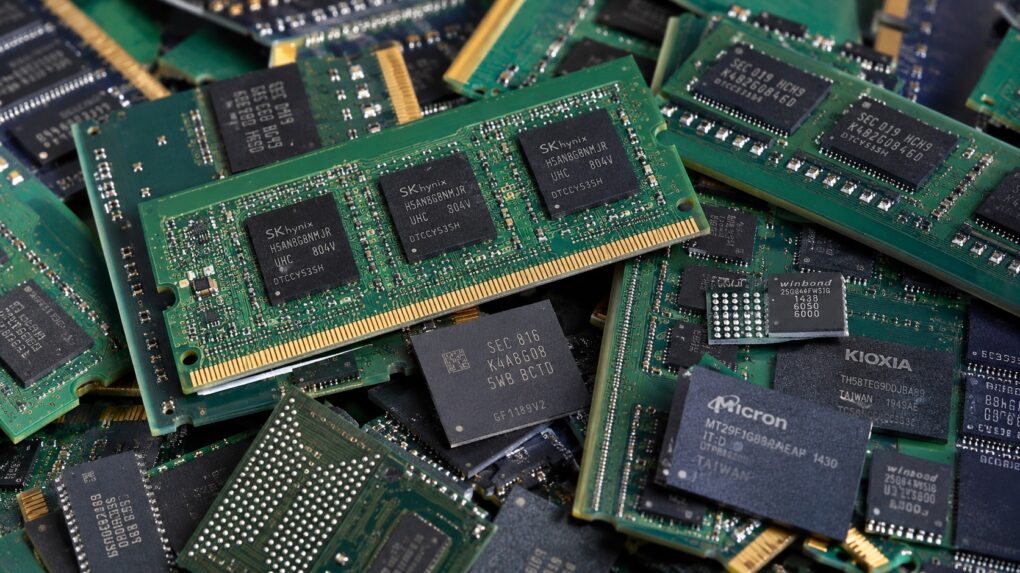
Apple says it’s all because of memory chips. DRAM and NAND storage prices have skyrocketed and almost quadrupled in the last year. Research firm TechInsights says the chip shortage, driven mostly by AI data centers buying supplies, shows no signs of easing.
In a recent interview with The Wall Street Journal, Apple CEO Tim Cook said the price hike is “unavoidable” as chipmakers are also raising their prices. In a separate statement, Apple put it bluntly: “We have never seen a component price increase this much, this quickly.”
Micron exec hints Apple helped create the chip shortage
The price hike came a day after Micron, one of Apple’s memory suppliers, posted earnings with gross margins going above 80% and shares jumping 16%. During the earnings call, Micron executives said that the supply constraints will now continue even after 2027.
Just three months ago, the company said the situation might get better by the end of the year. Speaking to The Wall Street Journal, Micron Chief Business Officer Sumit Sadana said the company was unable to invest in new production plants back in 2023 because some of its customers exploited rock-bottom pricing.
While Sadana didn’t directly name Apple, analysts and former memory-industry executives have long pointed out that Apple’s purchasing scale may have forced suppliers to squeeze on price.
Sadana added that the previous era was “not constructive,” and it was what scared off Micron from making investments the industry now needs.
Corporate finger pointing
Computer makers like Apple, Samsung, HP and more blame their price hikes on rising memory prices, while makers of memory chips blame computer makers for the increases in costs. No one wants to take the blame themselves.
The root cause of the chip shortage isn’t actually anyone’s fault. Breakthroughs in AI brought a sudden need for a tremendous buildout in data centers stocked with powerful servers. No one in 2023 could have anticipated that AI data centers would consume 70% of the world’s high-end DRAM output this year.
Apple’s hard-ball negotiation tactics may have played a part, but saying it’s the cause of the memory chip shortage is a stretch.
Don’t wait for a discount
With Micron now hinting at tight supplies beyond 2027, and Apple itself hinting at further hikes, don’t expect things to settle down anytime soon. If you need a Mac or an iPad, buy it now, as waiting for a discount could be a bad bet.
See also:
- Apple price hikes on Mac and iPad make Amazon Prime Day deals even better
- Apple’s refurbished M5 Pro MacBook Pros soften the blow of price hikes

Anurag Chawake is a tech-focused writer specializing in smartphones, apps and consumer technology. His interest in computers began during the Windows 98 era, eventually leading him to explore everything from operating systems to mobile devices and PC hardware. Anurag previously contributed to The Indian Express, covering Apple, Android, gaming and the broader technology landscape.