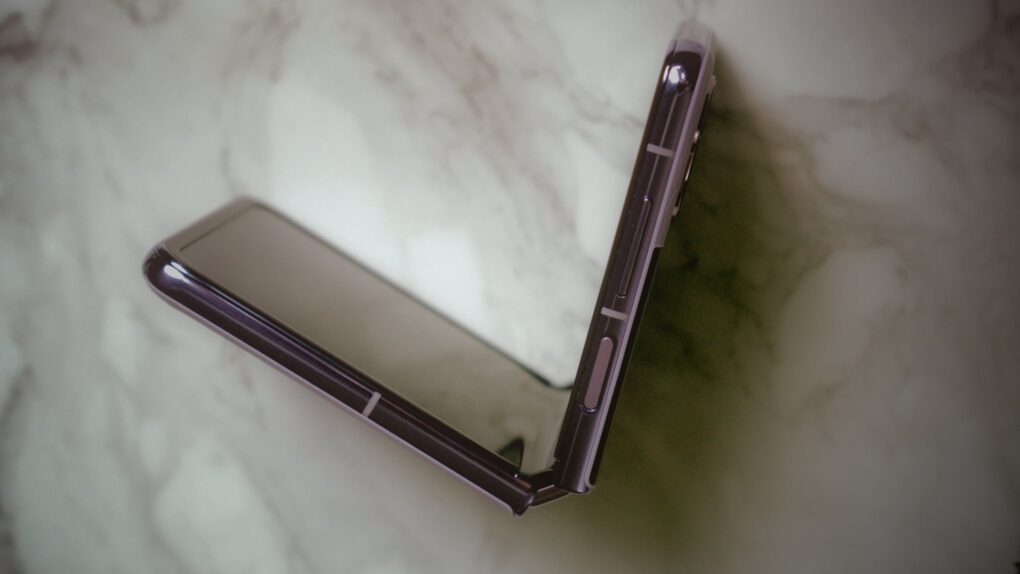
Apple is building its long-anticipated folding iPhone around a liquid metal hinge, and the device has now actually reached mobile carriers around the world for compatibility testing, a prominent Apple supply chain leaker said Tuesday.
Foldable iPhone may use liquid metal hinge
The Weibo-based account Fixed Focus Digital made the claims about the liquid metal hinge and its testing in a post. They added that development and manufacturing work on the device is now “progressing rapidly.” The disclosure comes a day after Fixed Focus Digital described a vapor chamber cooling system inside the foldable.
And yet another leak claims to show a new foldable iPhone being opened and closed with plastic wrap still on it, perhaps at a factory or testing facility:
苹果第一台折叠屏 iPhone
工厂实拍流出,目前最清晰的一段 pic.twitter.com/ofkK0kiL8V
— 老白(每日干货分享✊) (@laobaishare) June 2, 2026
What is liquid metal?
Liquid metal — often described as an amorphous metal alloy — is notable for lacking the crystalline grain structure of ordinary metals. That structural difference gives it an unusually high strength-to-weight ratio. It features strong corrosion resistance and the ability to spring back from repeated bending without fatiguing, unlike conventional alloys.
Those elastic recovery properties make it well-suited for hinges and other moving parts, especially in foldable devices where fatigue resistance is essential to long-term durability. A foldable phone’s hinge will likely open and close a huge number of times across its working life.
Apple’s history with the material
Apple’s work with liquid metal goes back more than 15 years. In 2010, the company signed an exclusive deal with Liquidmetal Technologies, securing a perpetual worldwide license to use the material in consumer electronics.
Despite holding that license for quite a while, Apple has deployed liquid metal only in a handful of minor components. The only well-documented hardware use has been the SIM card ejector tool that shipped with early iPhones. That’s a small and unglamorous application of what was supposed to be a transformative material.
In the years since, Apple repeatedly extended aspects of its arrangement with Liquidmetal Technologies. But the material remained difficult to manufacture at scale for high-volume structural components and never saw significant product use. Liquid metal has nonetheless continued to appear in Apple patent applications for items like hinges and clasps.
A bumpy road to confirmation
The choice of hinge material (as opposed to other approaches), and lingering questions about production delays, number among contested aspects of folding iPhone speculation in recent months. Supply chain reports have differed on various details.
Tuesday’s post appears to go all in on liquid metal, however. The leaker described the hinge in confident terms rather than as an open question, signaling that the choice of material has been resolved in liquid metal’s favor.
Where the first folding iPhone stands now
If true, the news that prototype folding iPhones have been dispatched to carriers globally marks a meaningful milestone. It indicates the hardware is mature enough to undergo the network compatibility and certification process that typically precedes a consumer launch.
Previous reports indicated mass production would begin in July, and Bloomberg‘s Mark Gurman said the device remains on course for a September debut alongside the iPhone 18 Pro and iPhone 18 Pro Max.
The foldable is expected to carry a 7.8-inch inner display, a 5.5-inch cover screen, Apple’s A20 chip, Touch ID rather than Face ID, and a starting price in the region of $2,000.

David Snow, an expert on Apple hardware and software, writes on a variety of technological and cultural topics for Cult of Mac. They include Apple news, technology buying guides, and features about computer setups and Apple TV shows and movies.
With 30 years of experience covering technology and other subjects, he has written and edited for numerous print and online publications, including CMP Media, TechTV.com, CNET, Wired News, Red Herring magazine, Law.com, The National Law Journal and Law Technology News magazine. Among other roles, he served as executive editor of the Law.com network of websites and editorial director, technology, for ALM Media.
Snow graduated with a B.A. from Syracuse University with majors in magazine journalism and psychology. While there, he worked as a reporter for The Daily Orange newspaper and associate editor of Equal Time magazine.
Founder of the blog At the Waterline, he can be reached on X (formerly Twitter) via @atthewaterline and on Mastodon via @dsnow.


One response to “Leaker: Foldable iPhone with liquid metal hinge undergoing carrier testing”
Terrible, so similar to what Microsoft tried before. Other than what Apple does with its software, the hardware already looks dated.