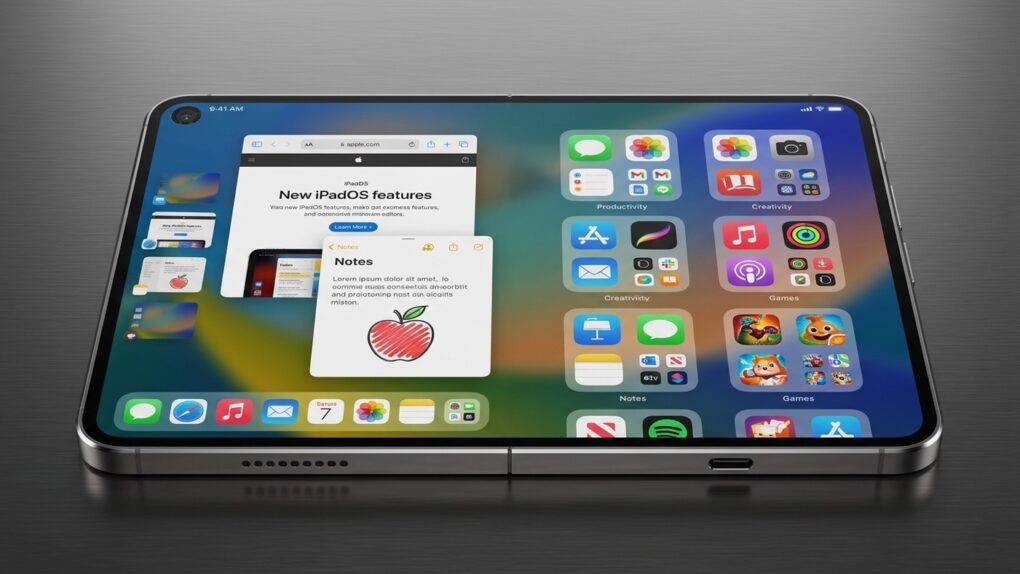
Apple has already approved development of its second-generation foldable iPhone — before the first one even hits store shelves — while the future of the ultra-thin iPhone Air line stays up in the air, a prominent leaker said Thursday. So while Apple plans iPhone Ultra 2, sales worries may delay or even kill off iPhone Air 3.
Apple plans iPhone Ultra 2
Apple signed off on the iPhone Ultra 2 project, according to a Weibo post from leaker Digital Chat Station. They added that the second-generation foldable will probably carry over the same display technology as the original, a book-style device that most current reporting places at a September 2026 launch alongside the iPhone 18 Pro and iPhone 18 Pro Max. But a third-generation iPhone Air? Well, the ultra-thin handset might need to show strong sales in upcoming round two first.
The Ultra’s iPhone display will use a foldable 7.8-inch Samsung OLED panel with a redesigned layer stack, according to rumors. Rather than a traditional separate color-filtering layer, the color filter integrates directly into the display, making it thinner, lighter and more efficient. If the iPhone Ultra 2 indeed reuses that panel, owners of the first generation won’t see a major screen upgrade — though other improvements could still emerge as development progresses.
Bloomberg‘s Mark Gurman recently placed the iPhone Ultra 2 on a fall 2027 timeline. So it could launch alongside 20th-anniversary iPhone 20 Pro and iPhone 20 Pro Max.
iPhone Air 3 still waiting in the wings
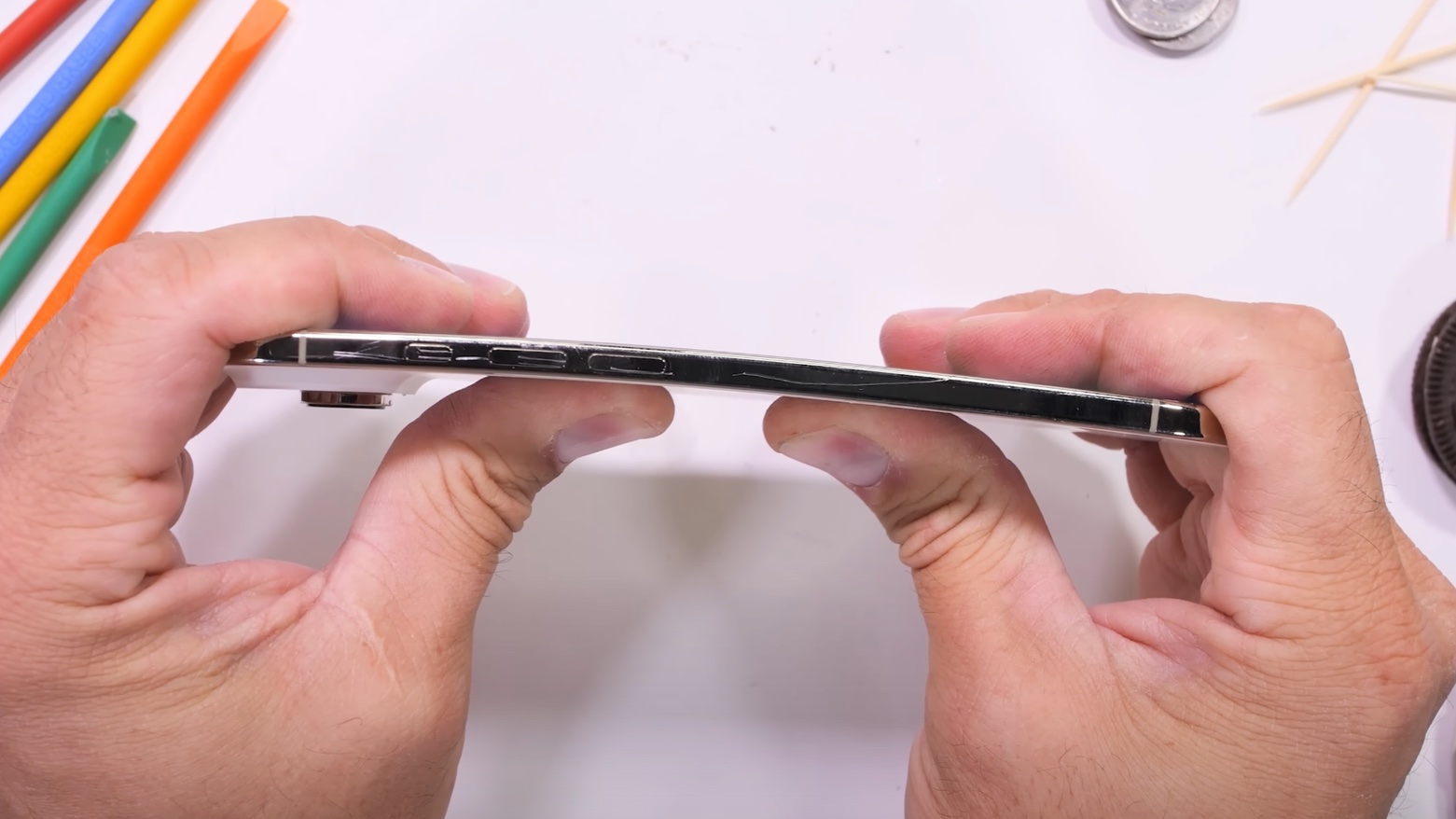
Photo: JerryRigEverything
The picture looks less certain on the iPhone Air side of things. Digital Chat Station reports that Apple has not yet entered the tooling stage for the iPhone Air 3, and no decision to move forward has come down yet. Instead, Apple appears to want a clear read on how the iPhone Air 2 performs commercially before it commits to a third generation.
The iPhone Air 2 itself targets a spring 2027 release and carries some notable upgrades over the current model: a second ultrawide camera and likely better battery life. Apple apparently sees that model’s sales numbers as a key signal — strong demand could accelerate the iPhone Air 3, while weak sales could push the project aside entirely or delay it significantly.
What this actually means
Apple product development timelines regularly stretch years into the future. So the mere fact that engineers may have a bead on iPhone Ultra 2 doesn’t guarantee the device ever ships. A poor launch for the iPhone Ultra could prompt Apple to cancel or reshape the sequel regardless of where development stands.
Still, the contrast between the two products tells a story. Apple appears more bullish on its foldable form factor, a product category it spent years quietly developing. But it shows somewhat less confidence about the slim, lightweight iPhone Air line sustaining enough customer interest to justify multiple generations. The original iPhone Air debuted as a striking exercise in thinness. But whether or not buyers keep coming back for more may ultimately determine its long-term place in the lineup.
Neither claim is confirmed by Apple. And no other major leakers or analysts have corroborated these details as of publication. Digital Chat Station, who first predicted the “iPhone Ultra” branding for Apple’s foldable, has a credible record but, like all supply-chain sources, doesn’t bat a thousand.

David Snow, an expert on Apple hardware and software, writes on a variety of technological and cultural topics for Cult of Mac. They include Apple news, technology buying guides, and features about computer setups and Apple TV shows and movies.
With 30 years of experience covering technology and other subjects, he has written and edited for numerous print and online publications, including CMP Media, TechTV.com, CNET, Wired News, Red Herring magazine, Law.com, The National Law Journal and Law Technology News magazine. Among other roles, he served as executive editor of the Law.com network of websites and editorial director, technology, for ALM Media.
Snow graduated with a B.A. from Syracuse University with majors in magazine journalism and psychology. While there, he worked as a reporter for The Daily Orange newspaper and associate editor of Equal Time magazine.
Founder of the blog At the Waterline, he can be reached on X (formerly Twitter) via @atthewaterline and on Mastodon via @dsnow.

