A consortium that included Apple won an auction for a collection of Nortel patents earlier this month with a bid of $4.5 billion. According to the company’s 10-Q quarterly report filed with the U.S. Securities and Exchange Commission, Apple’s contribution was a hefty $2.6 billion.
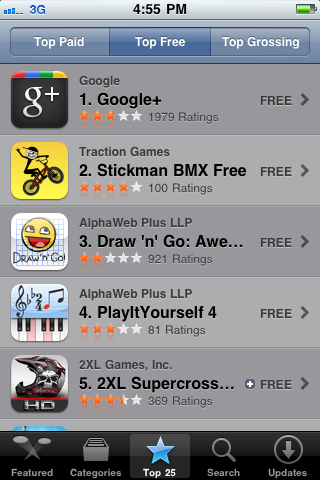
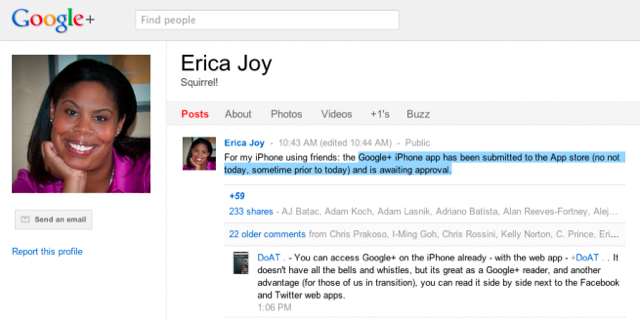
Google finally launched its highly-anticipated Google+ app for the iPhone yesterday, and the app has already climbed to the number one position in the App Store’s Top Free chart!
That’s an impressive amount of downloads for an app that’s still in an invite-only beta…
The wait is over! After two weeks stuck in the approval process, Apple has finally given the official stamp of approval on the native Google+ client for iPhone.
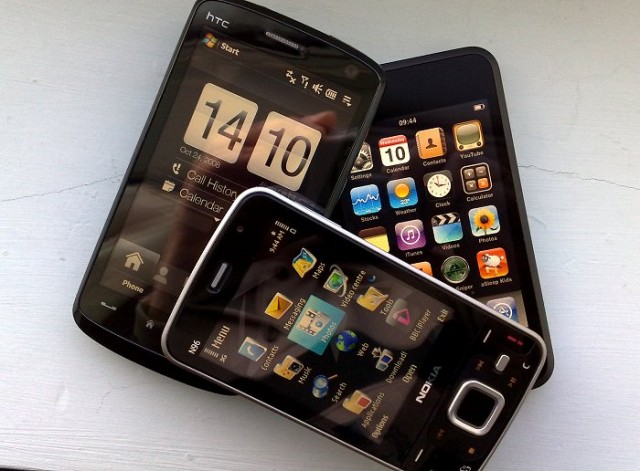
Since most companies’ mobile technology patent portfolios are woefully untested, now is a time of the survival of the fittest in the smartphone biosphere. Smartphone companies are suing each other to test the sharpness of their fangs and claws.
So imagine panther-like Apple with agate eyes stalking through the foliage, hunting the biomechanical wildebeest of Android OS. Now imagine, right before the panther sinks its fangs into the wildebeest’s flanks, the wildebeest suddenly rearing about and bleating: “You’re just jealous!”
Well, in real life, the wildebeest has bleated just that, and it came off as stupid as it sounds. According to Google chairman Eric Schmitd, Apple is suing HTC and other Android makers out of jealousy. Oh, right! And a lack of innovation.
On Friday, the U.S. International Trade Commission agreed with Apple and found that HTC’s smartphones infringed upon at least two patents.
The wound Apple has dealt HTC is not just a minor scratch, though. It’s a big victory, and it goes beyond just HTC. Apple may have just plunged its patent dagger right into Android’s achilles heel.
To accompany its upcoming photo sharing service, Google has just launched an official Photovine app for iOS which it dubs “a fun way to learn more about your friends, meet new people, and share your world like never before.”
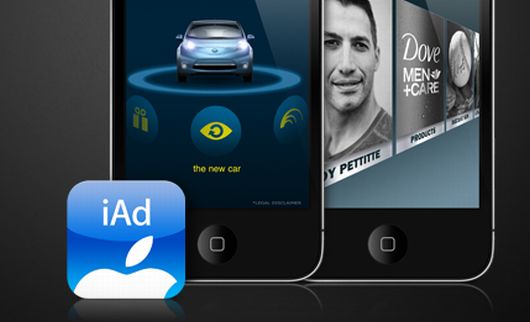
Has Apple priced itself out of a potential $2.5 billion mobile ad market? As top-name advertisers flee iAd, the Cupertino, Calif. company cutting prices up to 70 percent. Is iAd in free fall?
Despite being accessible only to a select few for the time being, the official Google+ app for the iPhone will hit the App Store anytime soon — possibly before the service even goes public.
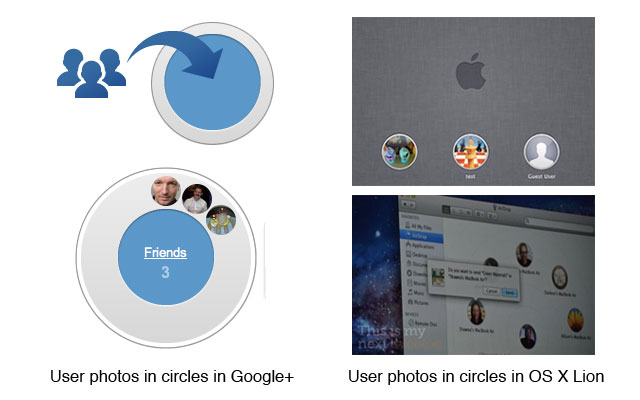
Have you noticed how Apple and Google have been going round in circles recently? Both OS X Lion and Google’s new Facebook challenger, Google+, sport circular frames around their user photos.
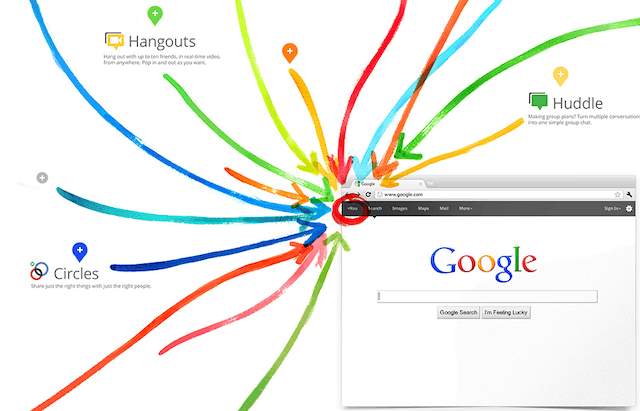
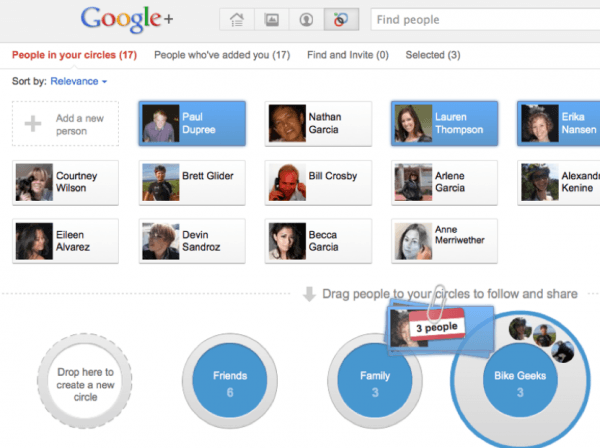
Google launched its latest attempt at social networking yesterday dubbed Google+, a service which is said to focus on sharing content with groups of people that you place into “circles.” At the moment the service is available by invitation only, but by the time it goes public, there may be an official iPhone app for you to run it on.
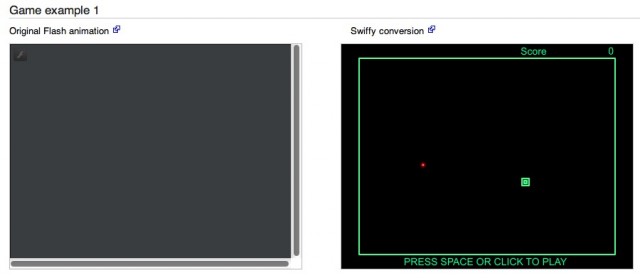
We'd show you the original Flash game on the left, but we've found life very livable without Flash installed on our machines.
Google’s just helped put another nail in Adobe Flash’s coffin. Their new tool is called Swiffy, and it allows you to easily convert simple SWF Flash animations and games into HTML5 compliant code, viewable and interactable on any iPhone or iPad.
Google’s just launched their biggest attack against Facebook yet with Google+, a new social networking service that emphasizes the sharing of content and updates to groups of people instead of Facebook’s universal wall spooge approach. But is Google+ destined to be just another wanna-be failure like Buzz and Orkut, or could it instead finally lead to Apple and Facebook to put their differences aside and strike a deal for iOS 6?
In an attempt to comply with pro-consumer laws, Apple is going to allow customers who mistakenly purchase an iOS app or get burned by a shoddy one the ability to get a refund within seven days of purchase. Don’t get too excited, though: you’ll have to live in Taiwan to take advantage of the revised return policy.
Remember back in April, when Steve Jobs replied to the overblown iPhone LocationGate mini-scandal by saying that it was Google who was tracking users, not Apple? As he often is, looks like Steve is right.
Speculation that Apple may build its own maps application into iOS 5 and ditch its partnership with Google has now been put to bed, after Google’s Executive Chairman confirmed the two companies are still buddies.
Apple’s iCloud music locker will not require users to laboriously upload all the music in their iTunes libraries, but will instead rely on “scan and match.”
Google’s new Chromebook? We called it the MacBook Welfare, but Forrester CEO George Colony has another term for it: “corporate idiocy.” Why? Because with iOS, Apple saw the future of computing, and that future’s not the web… it’s the app.
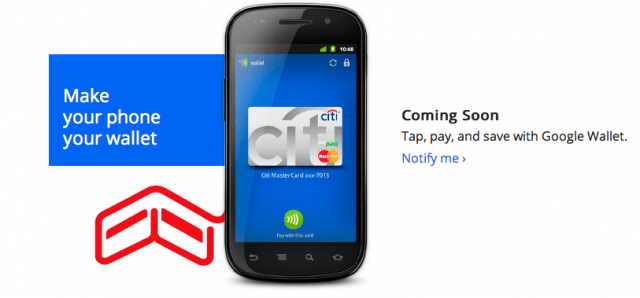
As rumored, Google just announced their new service, Google Wallet… and unless Apple has some surprises up its sleeves when it comes to NFC, it looks likely that the search giant will have a year’s head start on Cupertino when it comes to the lucrative and burgeoning market of mobile payments.
The iPhone isn’t likely to get NFC-capabilities allowing it to function as a credit card until 2012, according to most reports, but Apple’s biggest competitor in the smartphone arena has no intention of waiting so long: Google is preparing to unveil their own mobile payment system on May 26th.
It ain’t over until it’s over, Yogi Berra once said. The sports legend could have been talking about Apple’s attempt to lure the music industry onto the cloud. Just as an agreement to make your music accessible everywhere seemed at hand, publishers want more cash.
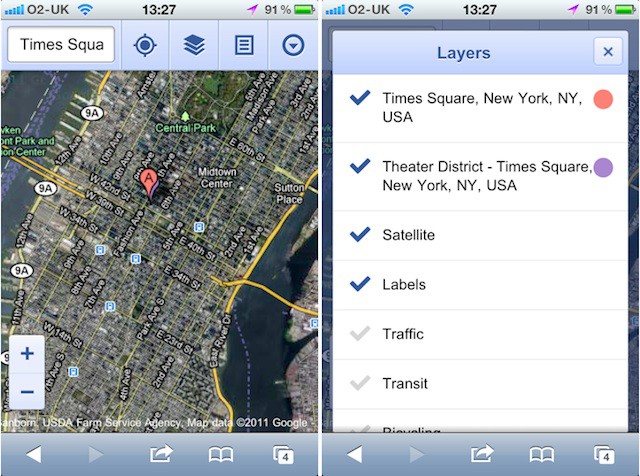
A native Google Maps application comes built-in to our iOS devices, and while it’s great for accessing maps and getting directions while we’re on the go, it is lacking a few important features. Thankfully, however, Google has just launched an updated Google Maps web app which offers a little extra.
Apple’s plans to bring music streaming to the upcoming iCloud service are coming together swiftly this week as the company signs up a third major record label.
As this year’s Worldwide Developers Conference approaches, it seems Apple’s plan to bring us a magical cloud filled with a never-ending collection of music called ‘iCloud’ is getting its final touches. Sources say a licensing deal with music label EMI is now in place, but what about the other labels?