Secretary of State Mike Pompeo has reservations about TikTok. Photo: TikTok
The United States is considering banning TikTok and other Chinese social media apps, according to Secretary of State Mike Pompeo.
Speaking with Fox News, Pompeo said “we are certainly looking” at such a ban. When asked if people should download the app, Pompeo said, “Only if you want your private information in the hands of the Chinese Communist Party.”
This isn't the first time Apple has been dragged into the ongoing Hong Kong protests. Photo: Fredrik Rubensson/Flickr CC
Apple is “assessing” a new Hong Kong security law that could make protest a crime, claims Bloomberg.
The newly passed National Security Law criminalizes acts of secession (breaking away from China), undermining power and authority of the government, the use of violence or intimidation, and collusion with foreign or external forces.
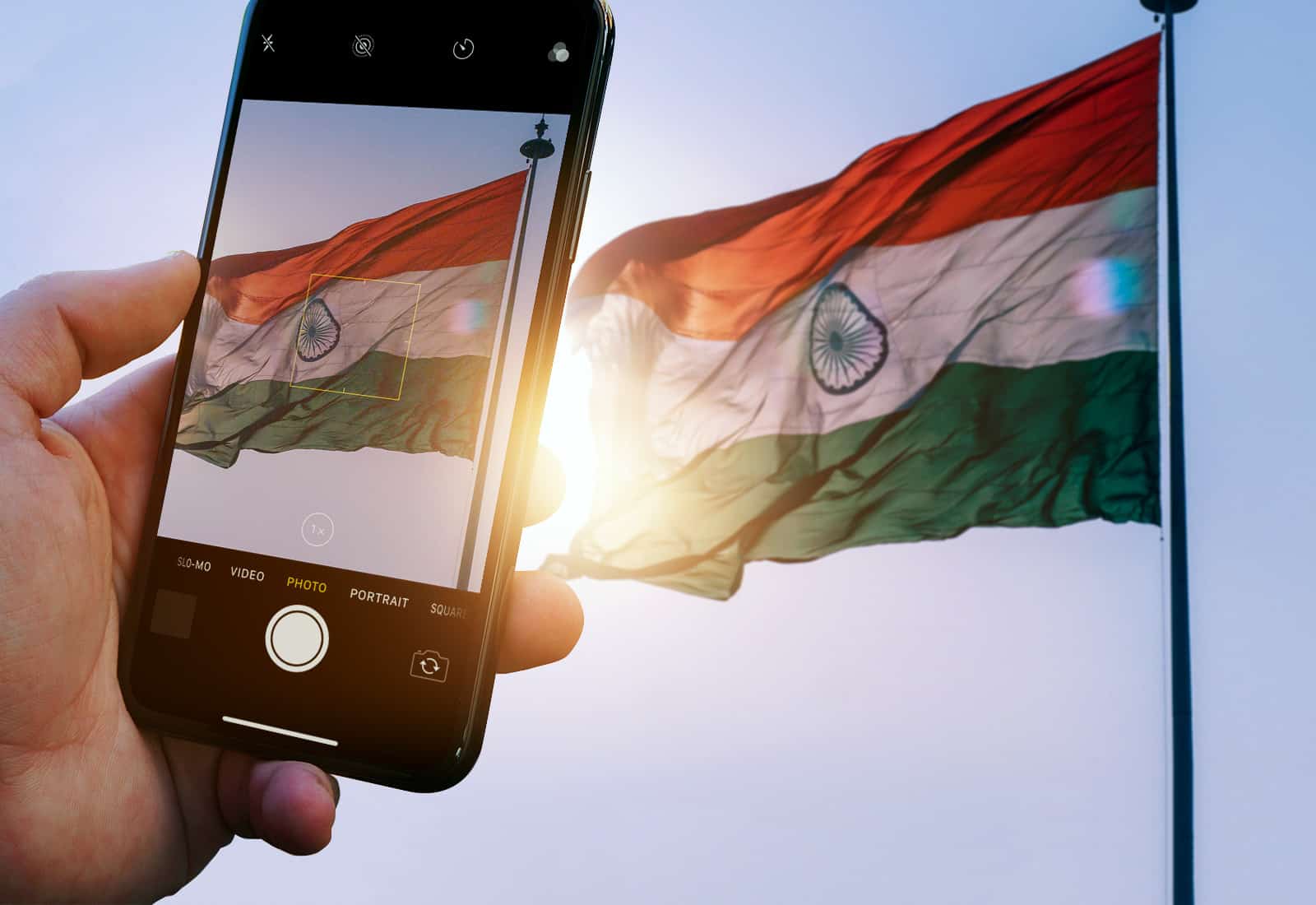
Tensions between China and India have been ramping up. Photo: Ste Smith/Cult of Mac
Apple contract manufacturer Foxconn has successfully resolved an issue that was stopping its component shipments from China being imported to India, amid tensions between the two nations.
Customs officials were holding shipments from China following violent incidents at the Himalayan border, which is shared by China and India. This was reportedly causing problems for Foxconn, which carries out iPhone manufacturing (among other things) in both countries.
iPhone sales fluctuate wildly in China in 2020. Photo: Tim Cook/Weibo
The iPhone’s seesaw year in China continued in May as sales declined 7.7% from the previous month, CNBC reports. It suggests that the period of pent-up demand for the iPhone following lockdown may have worn off already. In total, Apple reportedly sold 3.6 million iPhones in China, down from 3.9 million one month earlier.
By comparison, Apple sales rose by a massive 160% month-on-month in April, after lockdown conditions in China eased up and Apple Stores were reopened. In February, iPhone sales in China declined by 60% as COVID-19 swept the country and hurt both supply and demand for Apple’s handsets.
Thousands of apps could get the boot in China next month. Photo: Apple
Apple is set to begin a deep clean of the App Store in China, removing “thousands” of games that don’t have the proper government approvals, a report by Bloomberg claims.
Developers and publishers have reportedly been told that they will need to secure licenses to continue selling their games starting next month. While regulators have been promising such a crackdown since 2016, they have been slow to push through rules. As a result, unlicensed games were still being published in the interim.
On Apple’s official online store on the Alibaba-owned online retailer Tmall, the iPhone 11, iPhone 11 Pro Max, and 2020 iPhone SE all have big price reductions. Official Apple resellers like JD.com are also getting aggressive with their own price cuts — with steeper discounts than even Tmall in some cases.
Chinese state media recently suggested that U.S. firms including Apple could have their success in China hampered by “rounds of endless investigations” after the White House imposed sanctions on Chinese smartphone maker Huawei. But expert voices suggest China’s bark may be worse than its bite in this case.
Apple could be caught in the middle of the trade war between the U.S. and China. Illustration: Cult of Mac
The Trump administration on Friday announced a new rule aimed at blocking Huawei from getting the processors it needs to make phones, networking equipment and more. The Chinese government reportedly threatened to retaliate against Apple and other American companies.
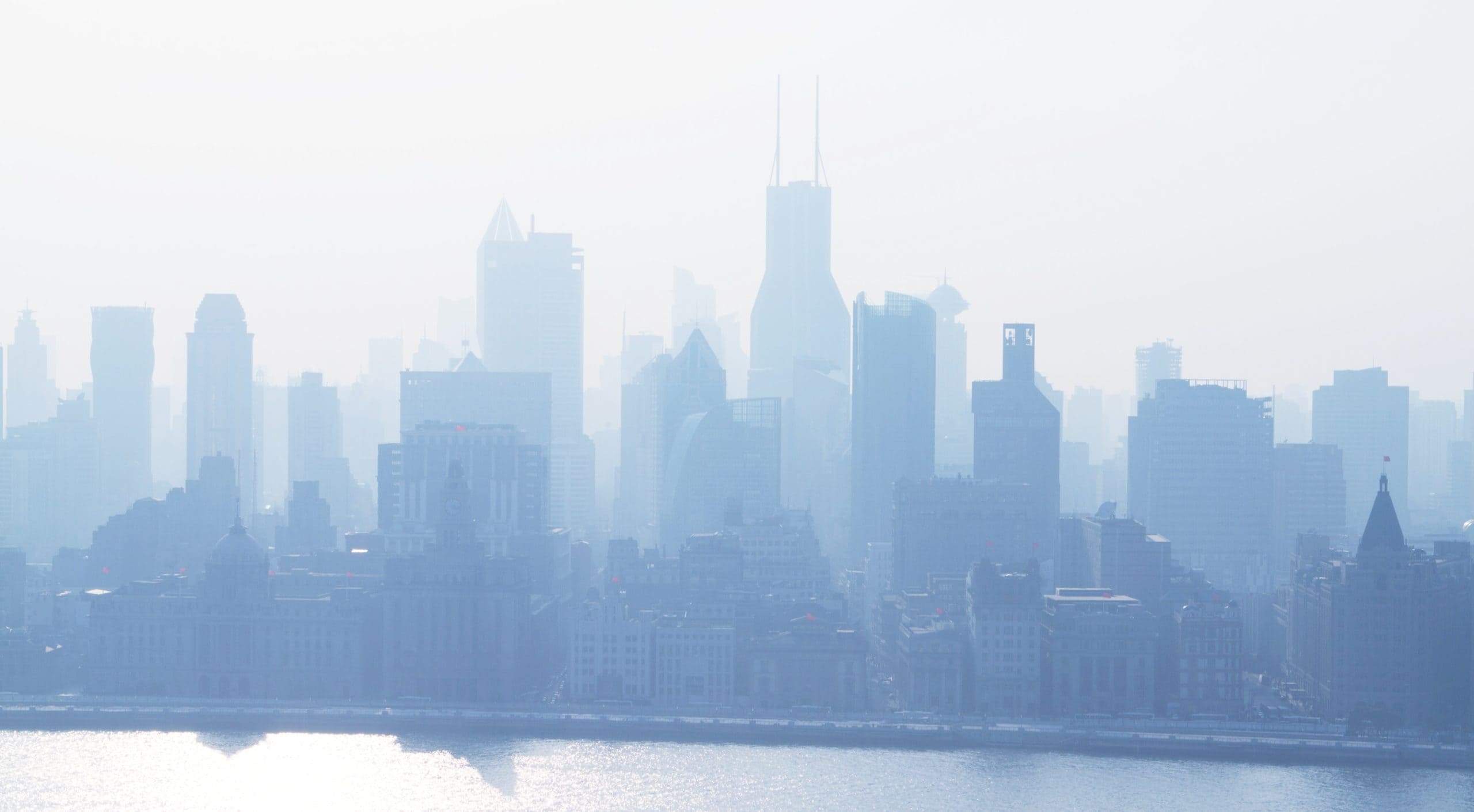
Why are massive smog clouds over China good news for Apple? Morgan Stanley analysts explain in their latest note to clients: Because pollution it suggests that Chinese manufacturing is ramping up again.
Probably correct? Sure. Slightly off-brand messaging for Earth Day? You bet!
Apple looks to have sold 2.5 million iPhones in China in March alone. Photo: Tim Cook/Weibo
iPhone sales may be rebounding in China after a new China Information and Communications Research Institute report suggests that Apple sold 2.5 million iPhones there during the month of March.
Due to the coronavirus-related dip in sales in February, during which Apple sold just 500,000 handsets, that’s a massive 416% increase month-on-month.
Express Transit makes it easy to pay for transport. Photo: Apple
China commuters can now use Apple Pay’s Express Transit feature to ride public transportation in 275 cities nationwide. That is as a result of Apple partnering with China T-Union, a contactless transit card that lets holder ride subways and buses, while receiving assorted discounts.
Green means go. Yellow or red sends you back to quarantine. Photo: Alipay
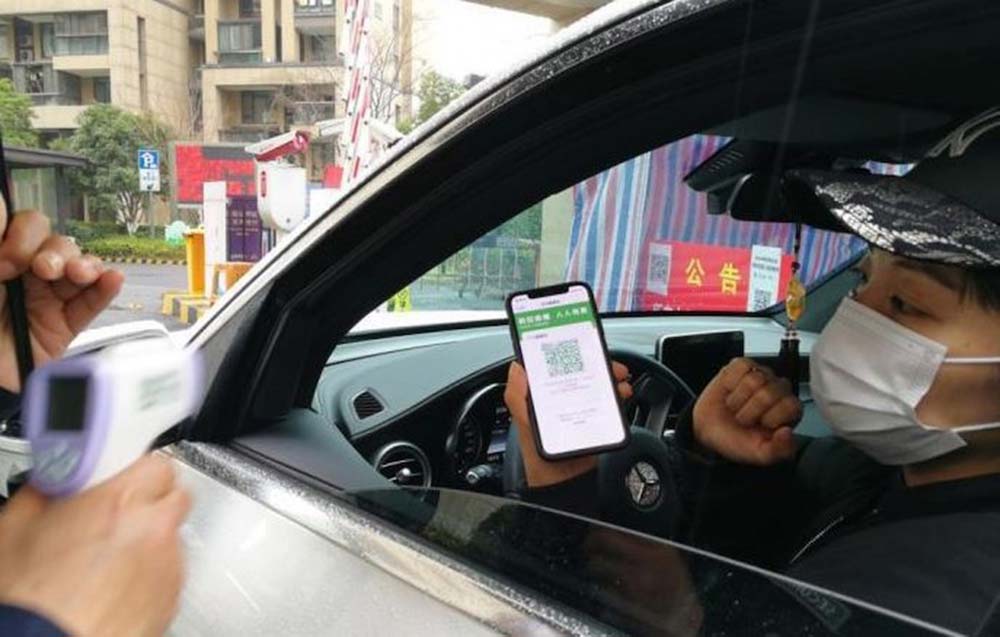
Residents of Wuhan, the Chinese city where the COVID-19 pandemic began, were free to move about Wednesday after a government-ordered lockdown was lifted, but only if they have the “green light” on their iPhone.
Freedom comes with a QR code residents are required to carry on mobile devices like their iPhones – and can be restricted at any moment should the scanned code flash the wrong color.
Shoppers can save as much as $212 on iPhone 11 Pro Max. Screenshot: Cult of Mac
iPhone resellers in China are offering big discounts on Apple’s latest handsets in an effort to reverse falling sales amid the COVID-19 pandemic.
Suning, one of Apple’s largest retail partners in China, is offering discounts of up to 1,500 yuan (approximately $212) on the iPhone 11 series. The move is expected to trigger further price adjustments on other 4G smartphones.
The total now exceeds 50 billion yuan ($7 million). Photo: Apple
Tim Cook on Wednesday confirmed that Apple has more than doubled its donation to China’s COVID-19 relief efforts. The iPhone-maker has now handed over more than 50 billion yuan ($7 million).
COVID-19 may hurt the rollout of 5G devices. Photo: Ed Hardy/Cult of Mac
Global smartphone production could fall as much as 30% during the first half of 2020, according to analysts at ABI Research.
The advisory firm’s latest report claims that while analysts previously hoped the arrival of 5G smartphones would bring a big sales boost at the end of the year, that’s unlikely to happen now that the coronavirus outbreak has paused device production and plunged the global economy into a recession.
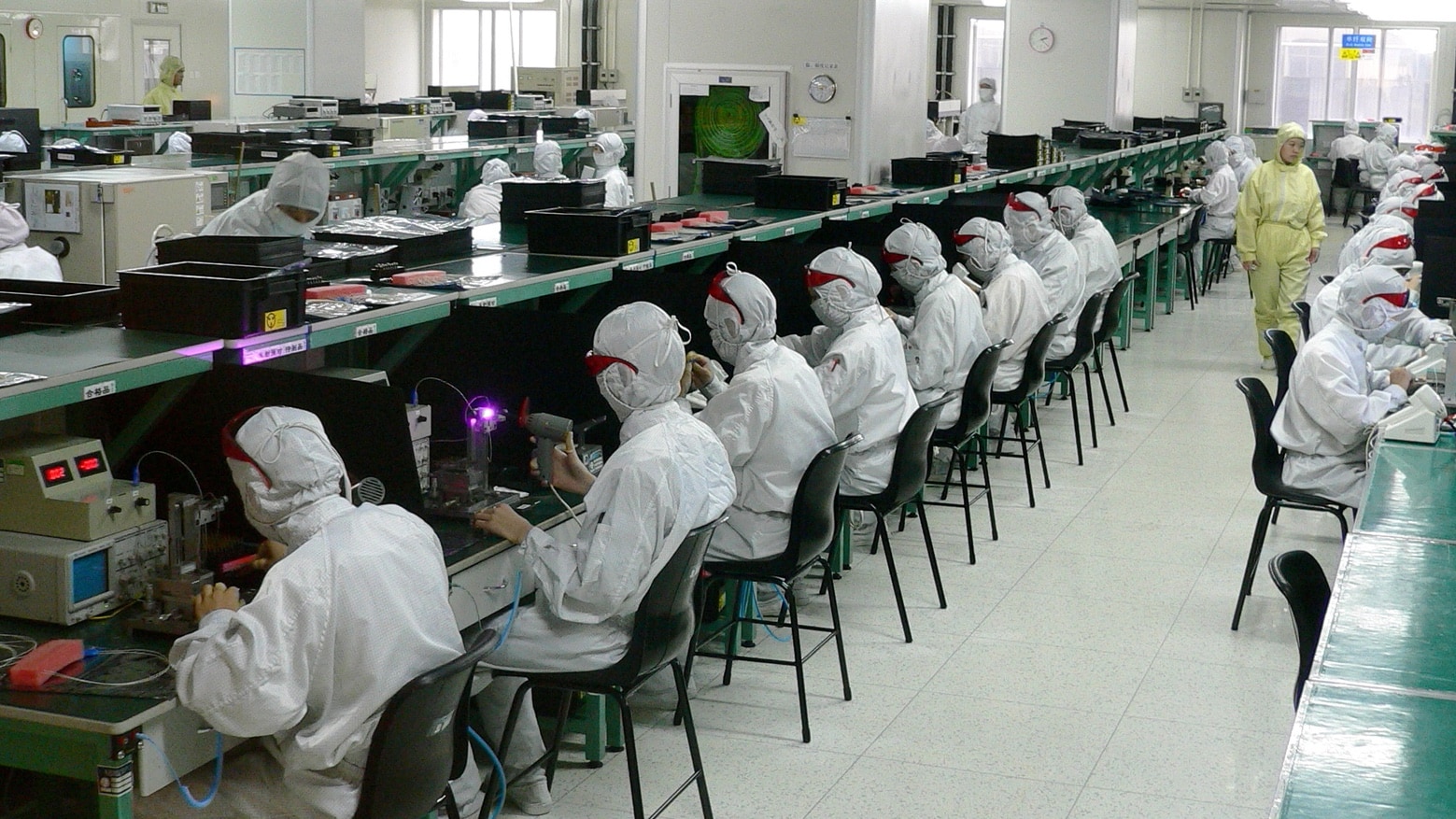
Chinese factories are just starting to recover from the impact of COVID-19. Photo: Steve Jurvetson/Flickr CC
China’s production pipelines are finally getting back into full swing just in time to start building the 2020 iPhone.
Foxconn, Apple’s top iPhone assembler, says it has hired enough workers at all major Chinese plants to meet seasonal demand for iPhone production, in what could be a strong signal that the labor shortages in China caused by COVID-19 are starting to get back to normal.
Apple stores are starting to look sparse. Photo: Apple
Apple is continuing to take preventative measures against the coronavirus outbreak in the U.S. by canceling all ‘Today at Apple’ sessions at Apple stores in the U.S. and Canada.
Earlier this week, ‘Today at Apple’ sessions in Seattle and San Francisco stores were canceled until March 29. Cult of Mac confirmed Friday that the company has canceled all further sessions at all retail locations in the U.S. and Canada for the foreseeable future.
With Apple reopening its 42 retail stores in China, indications are conditions related to the coronavirus are improving. Photo: Apple
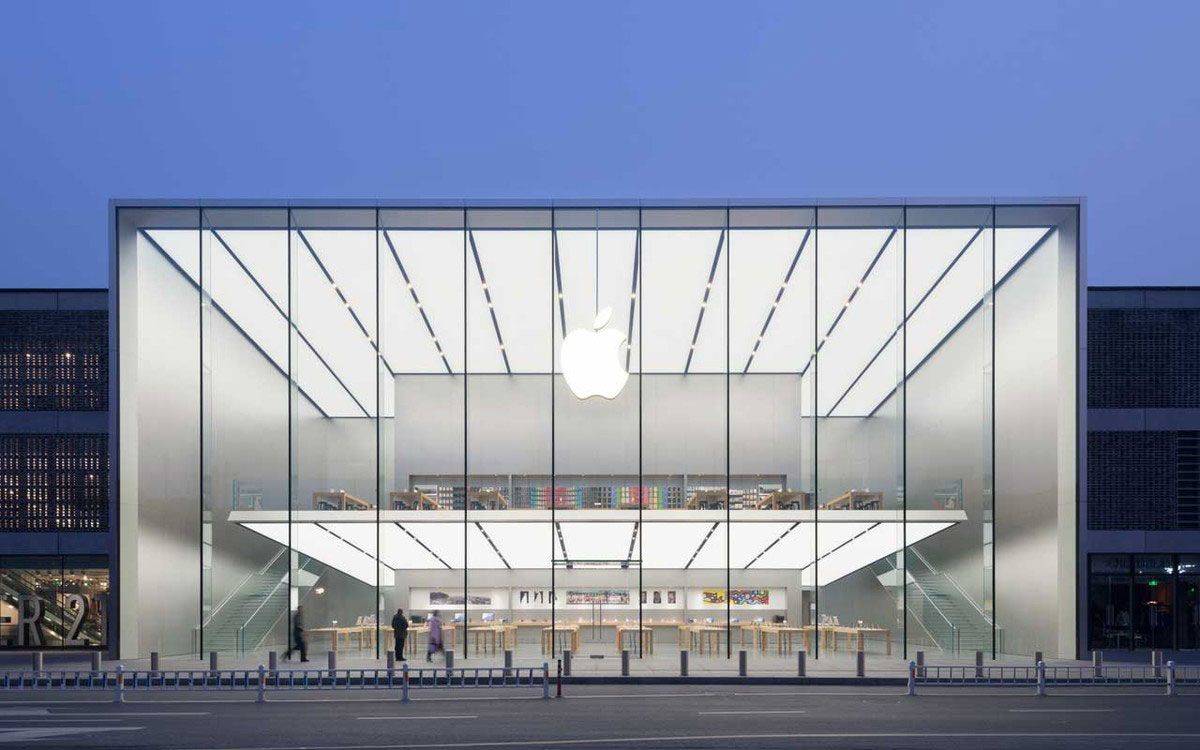
Apple reopened all 42 of its retail locations in China on Friday after it was forced to close them last month due to the coronavirus outbreak, that according to Apple’s website.
Apple is closed for business in Italy. Photo: Apple
Apple is set to shutter all of its stores in Italy beginning Thursday until further notice as the country goes into total lockdown due to concerns over the coronavirus outbreak.
All 17 stores in Italy have updated their webpages showing that doors will close early Wednesday and the company isn’t saying when they will be reopened.
Unfortunately, Apple's not able to match demand with supply. Photo: Apple
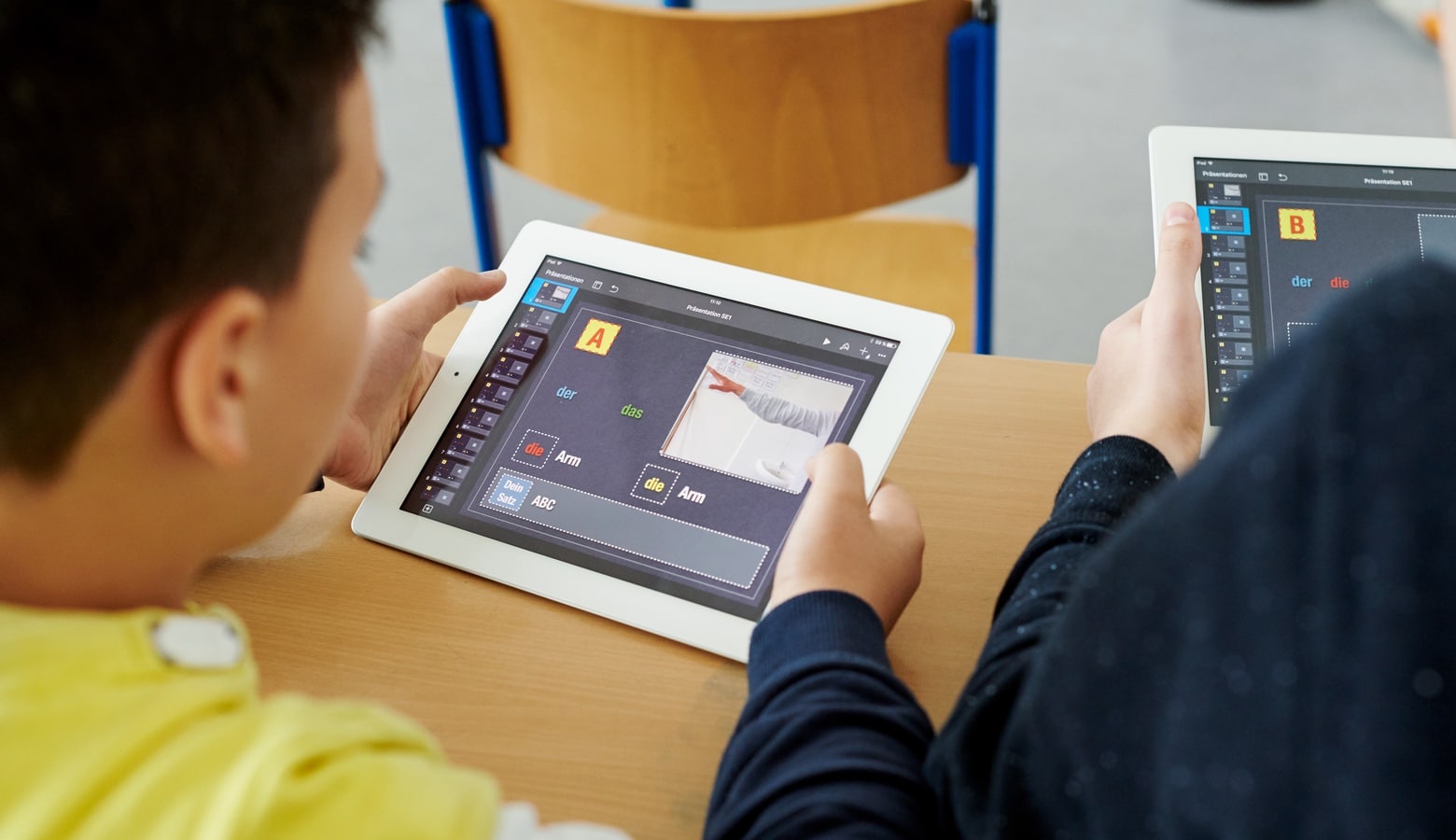
The spread of the COVID-19 novel coronavirus might have negatively impacted iPhone sales in China, but it may have also helped boost demand for iPads in the country.
According to a new report, iPads have experienced a surge in demand as families buy the tablets to carry out e-learning at home due to coronavirus-related school closures.
Apple is doing all it can to grow in India. Illustration: Cult of Mac
Apple became a trillion-dollar tech giant thanks to its deep and intricate ties to China for manufacturing and component supplies.
But a coronavirus that began in China has left that giant a little shaky on its feet and dizzy from renewed questions over why Apple hasn’t developed a more diverse strategy for building the world’s most popular personal computing devices.
It’s definitely not from a lack of trying as pointed out Thursday in an article by The Information, which took a deep-dive into Apple’s arduous path through India.
This store in Chengdu returns to normal hours on March 7. Photo: Apple
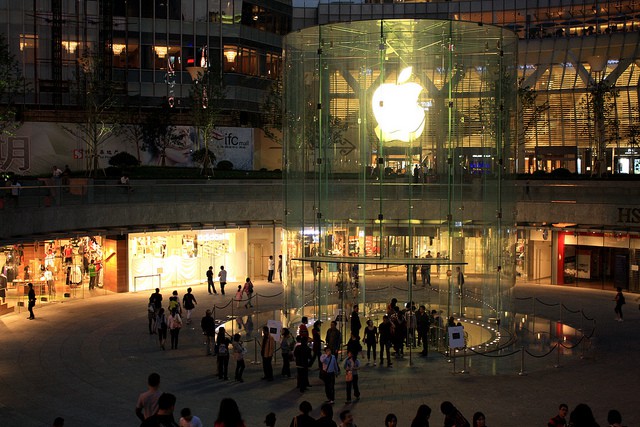
Apple retail stores in China are slowly getting back to business as 38 of the company’s 42 retail stores are now open in an attempt to normalize business despite coronavirus concerns.
A review of the company’s retail web pages by Cult of Mac reveals Apple will expand business hours at 19 locations over the next couple of days and at least 6 stores will return to normal hours of operation.
Seeing the Coliseum is a no-go for Apple employees. Photo: Sean MacEntee/Flickr
Apple has added more travel restrictions for employees this week due to concerns of the ongoing coronavirus outbreak.
Italy and South Korea have been added to Apple’s list of banned destinations, according to a report from Bloomberg. The company instituted a similar restriction on travel to China earlier this month to protect employees’ health.
Both companies have factories in China. Photo: Ed Hardy/Cult of Mac
Two suppliers that make components for Apple in China employ forced labor, according to a report published Sunday. The Washington Post says BOE Technology Group, which supplies screens to Apple, and O-Film, which makes iPhone cameras, both use Uighur labor, either directly or through contractors. Apple lists both companies on its latest supplier list.
The report describes how the Chinese government detained more than 1 million ethnic Uighurs from China’s western Xinjiang region in reeducation camps. And it says evidence indicates that authorities “are moving Uighurs into government-directed labour around the country as part of the central government’s Xinjiang Aid initiative.”
Care packages sent to Apple employees stuck in China include cookies and chocolate. Oh yeah, and a free iPad. Photo: Weibo
Apple reportedly is sending care packages to its employees who are stranded in China by the COVID-19 coronavirus. And among the face masks, hand sanitizer and cookies is a slightly more expensive item: an iPad.