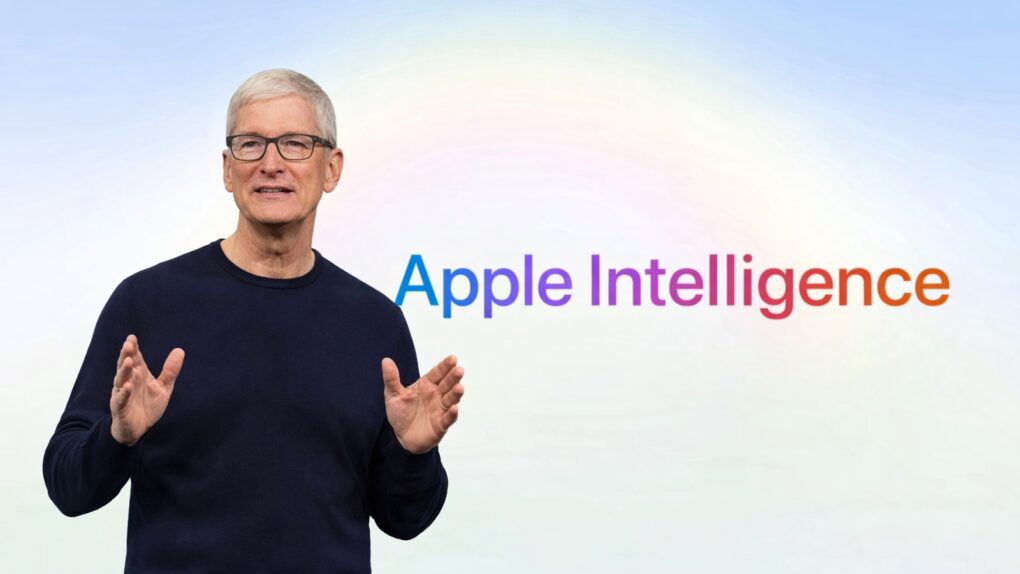
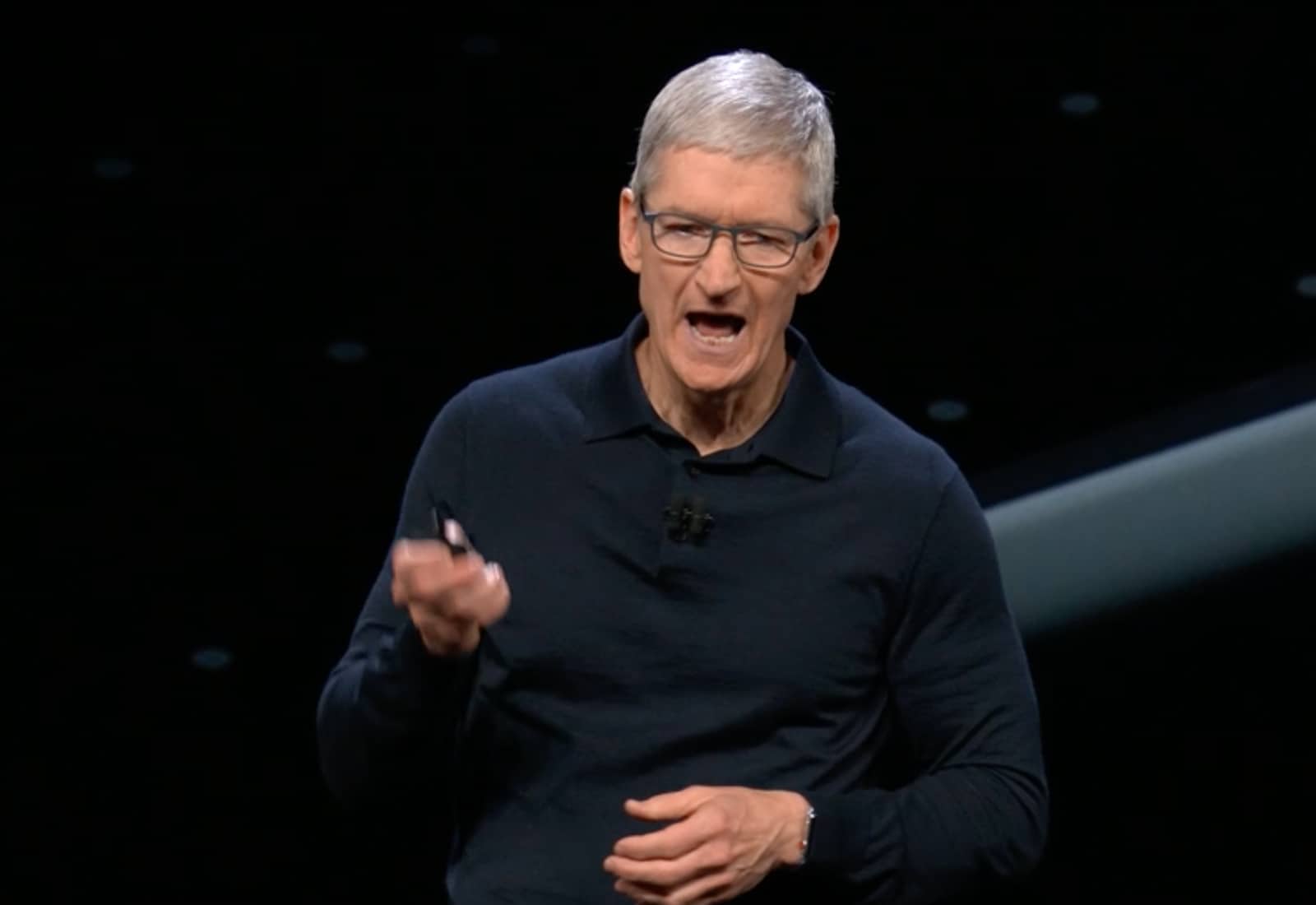
Apple's CEO is "very happy with the collaboration with Google" on AI. Image: Apple/Cult of Mac
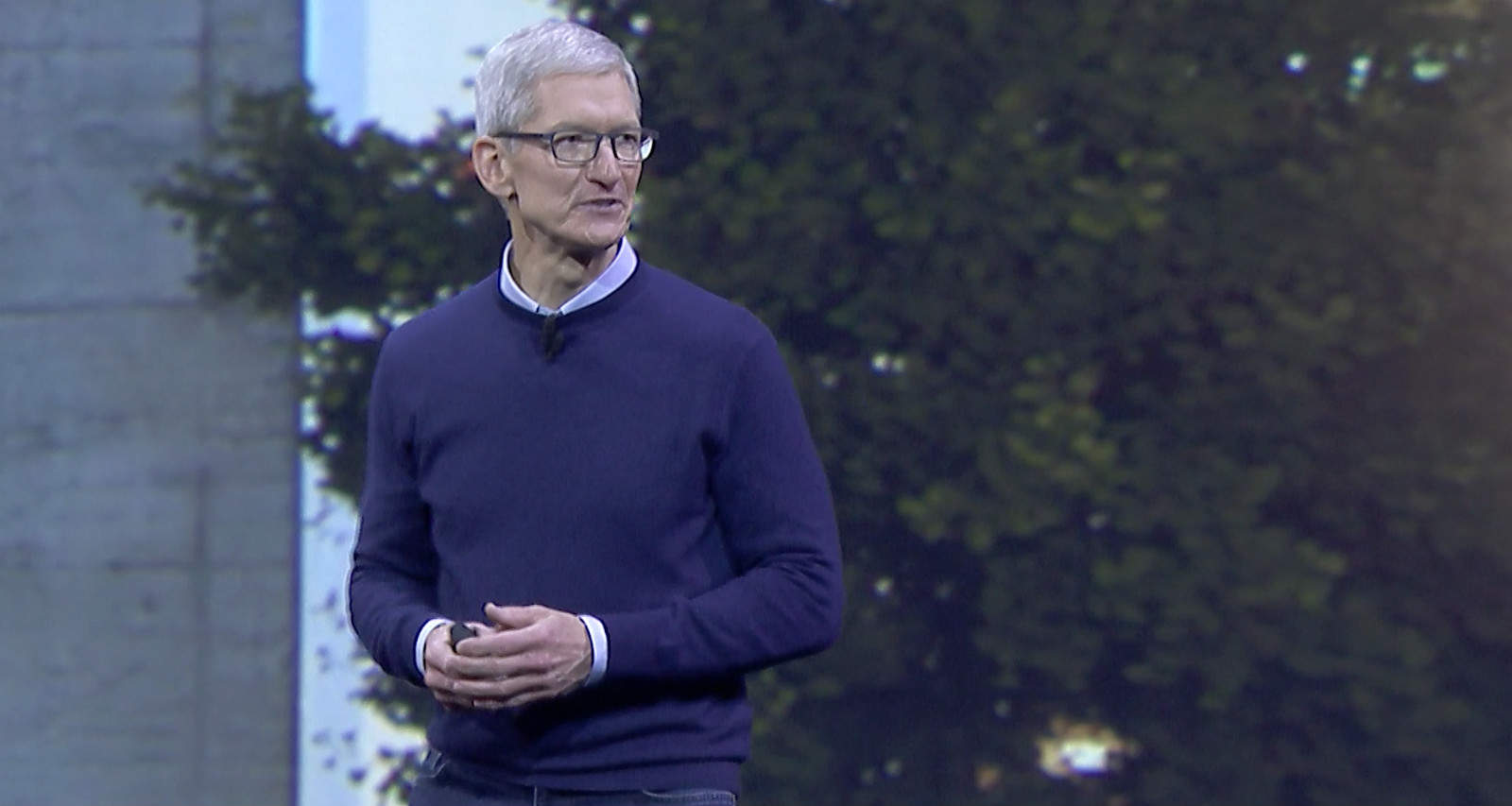
Apple CEO Tim Cook spoke publicly for the first time Thursday about the collaboration with Google that will upgrade the Siri voice assistant with Gemini AI. He emphasized that the new Siri will “maintain our industry-leading privacy standards.”
Cook also said Apple will continue to develop its own artificial intelligence models, even as it uses Google’s.
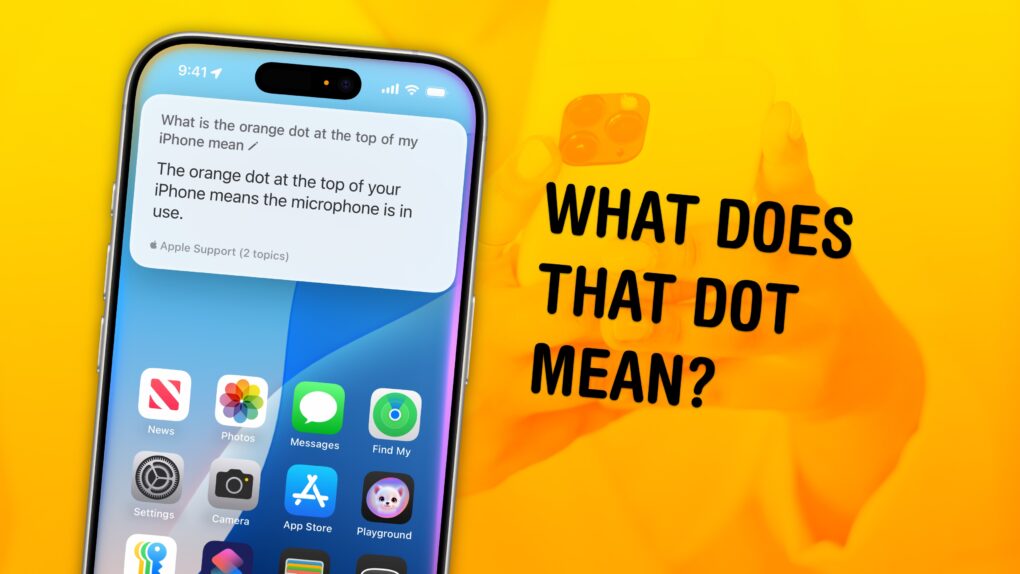
A long-standing mystery solved. Image: D. Griffin Jones/Cult of Mac
What does the orange dot on your iPhone mean — and while we’re at it, how about the green dot? These mysterious dots can appear in the Dynamic Island of newer iPhones, or in the upper right corner of older models, near the battery icon.
The dots are part of Apple’s vast system of privacy and security features built into the iPhone. Of course, these privacy features only work if you know what they mean and how to use them — so keep reading for the answer below.
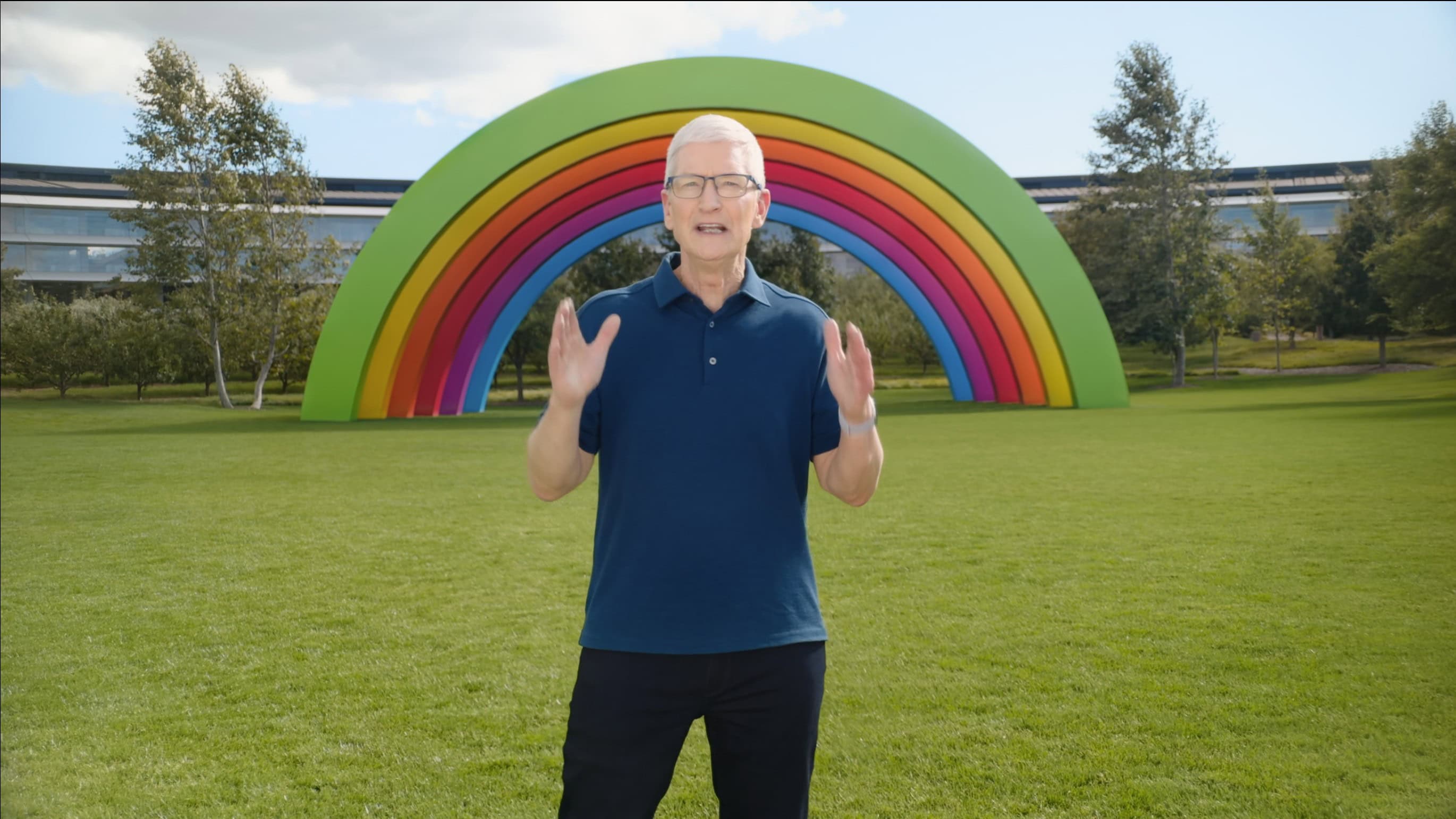
Tim Cook spoke recently at Apple Park during the "It's Glowtime" event. Photo: Apple
Apple CEO Tim Cook revealed details about the company’s approach to artificial intelligence and defended its Vision Pro headset in an extensive interview Wednesday. In a now-familiar refrain, he discussed the company’s strategic entry into generative AI while addressing criticisms about Apple’s seemingly delayed response to the AI boom.
“We never talked about charging for it,” Cook said of Apple Intelligence. “We view it sort of like multitouch, which enabled the smartphone revolution and the modern tablet.”
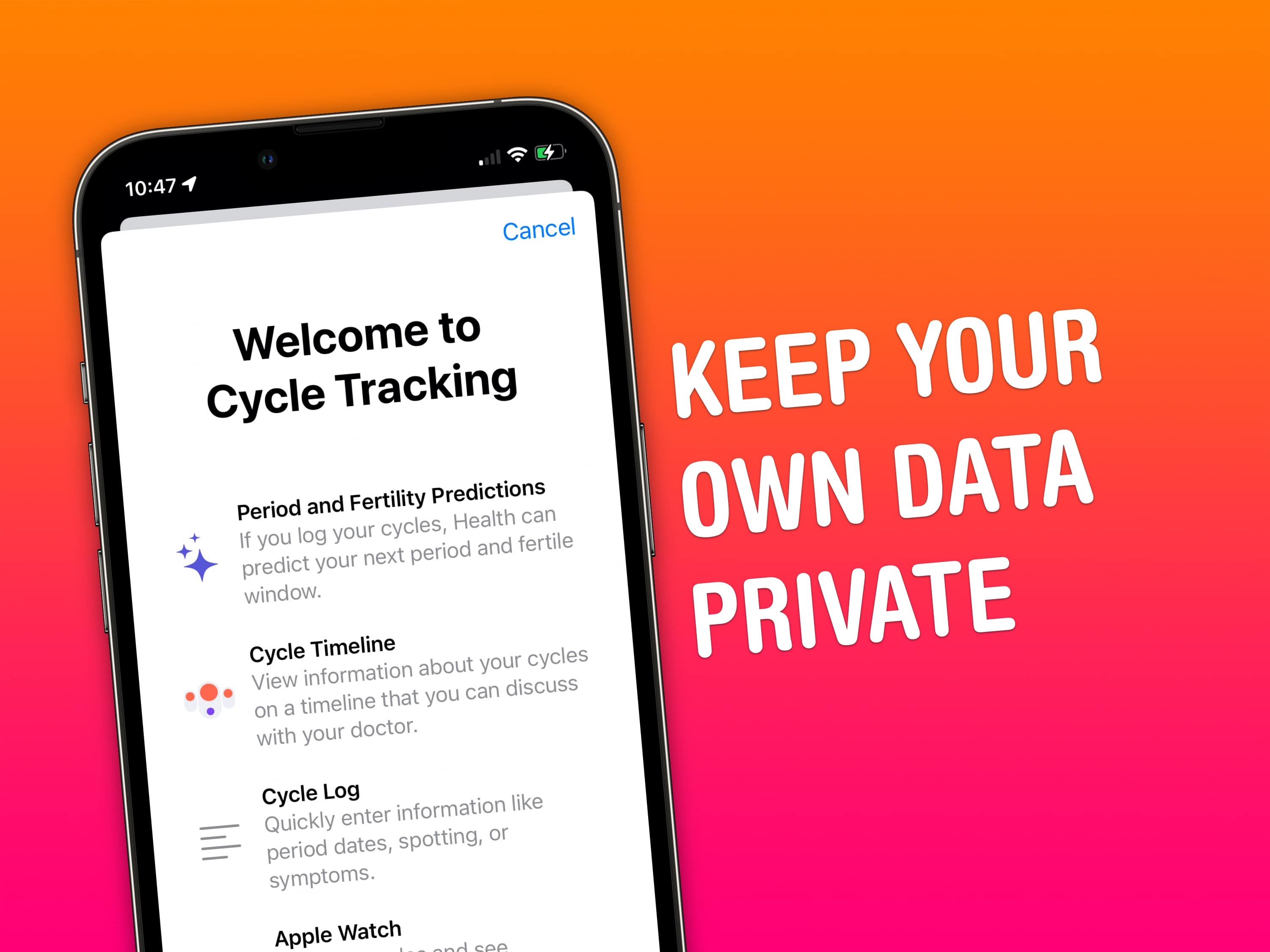
Your iPhone and Apple Watch, and third-party apps you use on them, efficiently capture data that could be used against you at a later date by law enforcement. We’re talking things like location data, ovulation records, text messages and your web-browsing history.
Keeping all your data private after Roe v. Wade to avoid prosecution could prove highly important. Luckily, Apple gives you powerful controls over how and where your data is stored. You just might need to adjust certain settings for maximum privacy.
Read on to dive deep into data security recommendations for iPhone, Apple Watch, and Mac.
Apple is taking even more shots at advertisers in the WWDC 2021 Privacy updates Screenshot: Apple
Apple is bringing big privacy-focused changes to its Mail app and other parts of its ecosystem, the company said Monday.
“At Apple, we believe privacy is a fundamental human right,” said Craig Federighi, Apple’s senior VP of software engineering. “We don’t think you should have to make a tradeoff between great features and privacy. We believe you deserve both.”
Apple Gatekeeper protects Mac users — it doesn’t spy on them. Photo: PhotoMIX/Pexels CC
Apple promises it isn’t spying on Mac users to find out which applications they are using. The company was forced to make this clear after a server glitch caused users to realize that Gatekeeper in macOS sends a message to Apple whenever they open an application.
Logging in to websites is about to get easier for Apple users. Screenshot: Apple
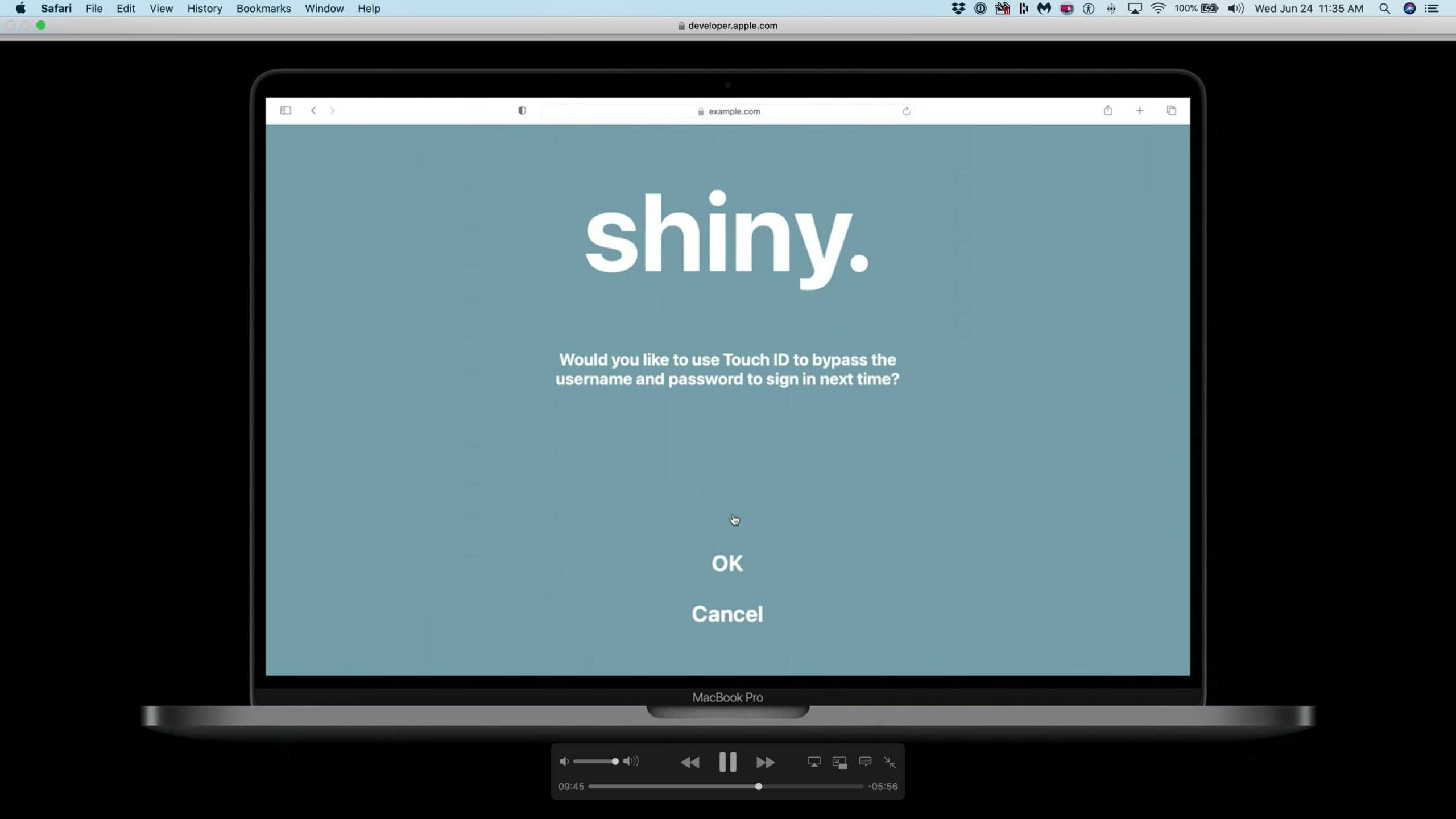
Safari users soon will be able to securely log into websites using Face ID and Touch ID. The new feature, which Apple is rolling out in iOS 14, iPadOS 14 and macOS Big Sur, should take away one of the most irritating things about using the web — remembering, and then typing in, user names and complicated passwords.
On websites that support the feature, users can opt in to use Apple’s biometric ID systems, making that irritating login dance a thing of the past.
Going forward, no one will listen to what you say to Siri unless you approve it. Photo: Jim Merithew/Cult of Mac
A revamp of Apple’s program that had people monitoring Siri voice commands for quality control will soon ask users to opt-in first, and only Apple employees will be listening.
“We realize we haven’t been fully living up to our high ideals, and for that we apologize,” the company said in a statement.
EU law sets strict privacy rules, and it’s the job of an Irish commissioner to be sure Apple is following them. Photo: rawpixel.com/Pexels CC
Ireland’s Data Protection Commissioner is looking into whether Apple is following all the requirements of the EU’s new General Data Protection Regulation privacy law.
The DPC has three investigations going into Apple’s business practices, each covering a different aspect of the GDPR legislation. There are far more ongoing probes into how Facebook handles user privacy.
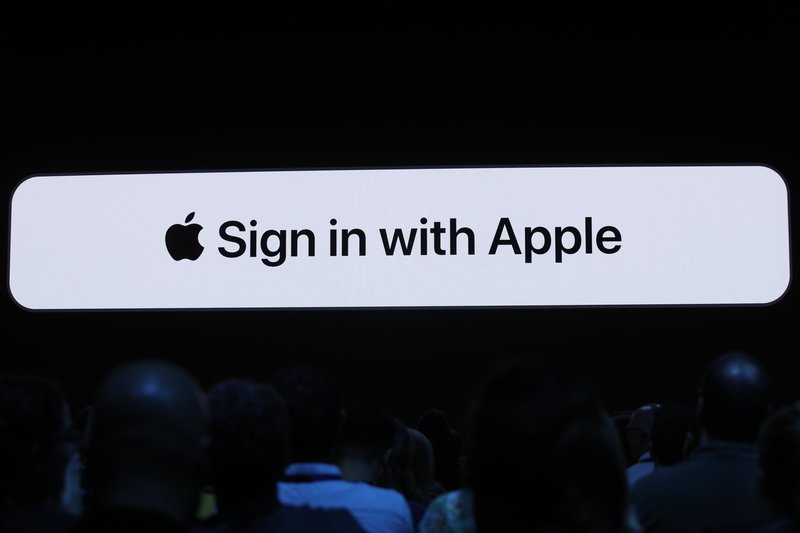
"Sign in with Apple" is a new privacy feature in iOS 13. Photo: Alfred Ng
Update: Apple says “Sign in with Apple” will be mandatory for third-party apps that require sign-ins, according to these new App Store guidelines. That means apps that currently use Facebook or Google to sign in will also have to support “Sign in with Apple.”
“It will be required as an option for users in apps that support third-party sign-in when it is commercially available later this year,” the new guidelines say.
Apple is targeting Facebook with a new privacy feature in iOS 13 that privately logs users into third-party apps and services.
Called “Sign in with Apple,” it aims to replace popular cross-web login services like ones offered by Facebook and Google.
The new privacy feature prevents third-party apps and web services from tracking users via their logins. It creates private, disposable logins for every service or app.
The Safari web browser won’t let sites track you, whether you’re a man or a boy. Photo: Apple
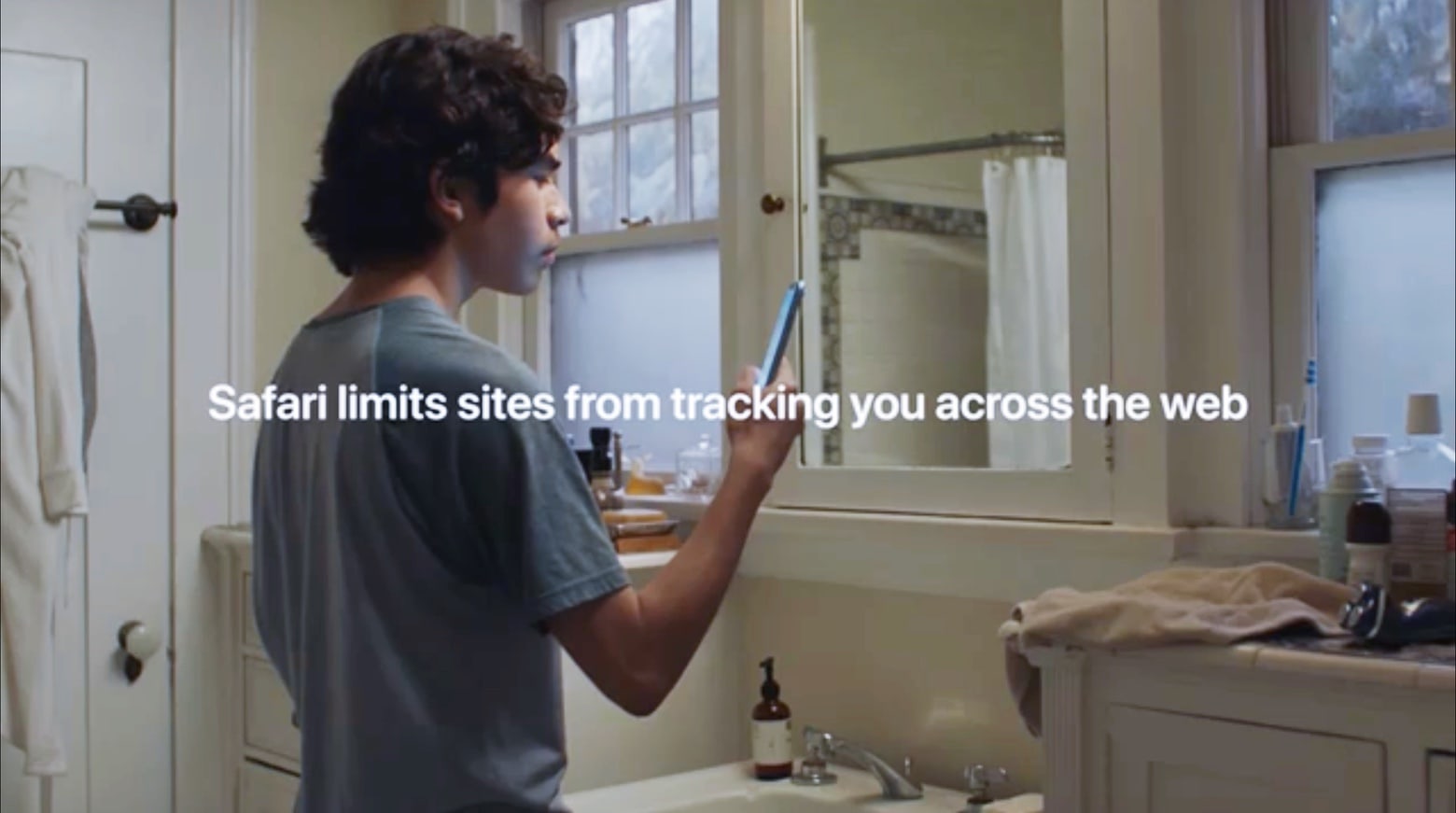
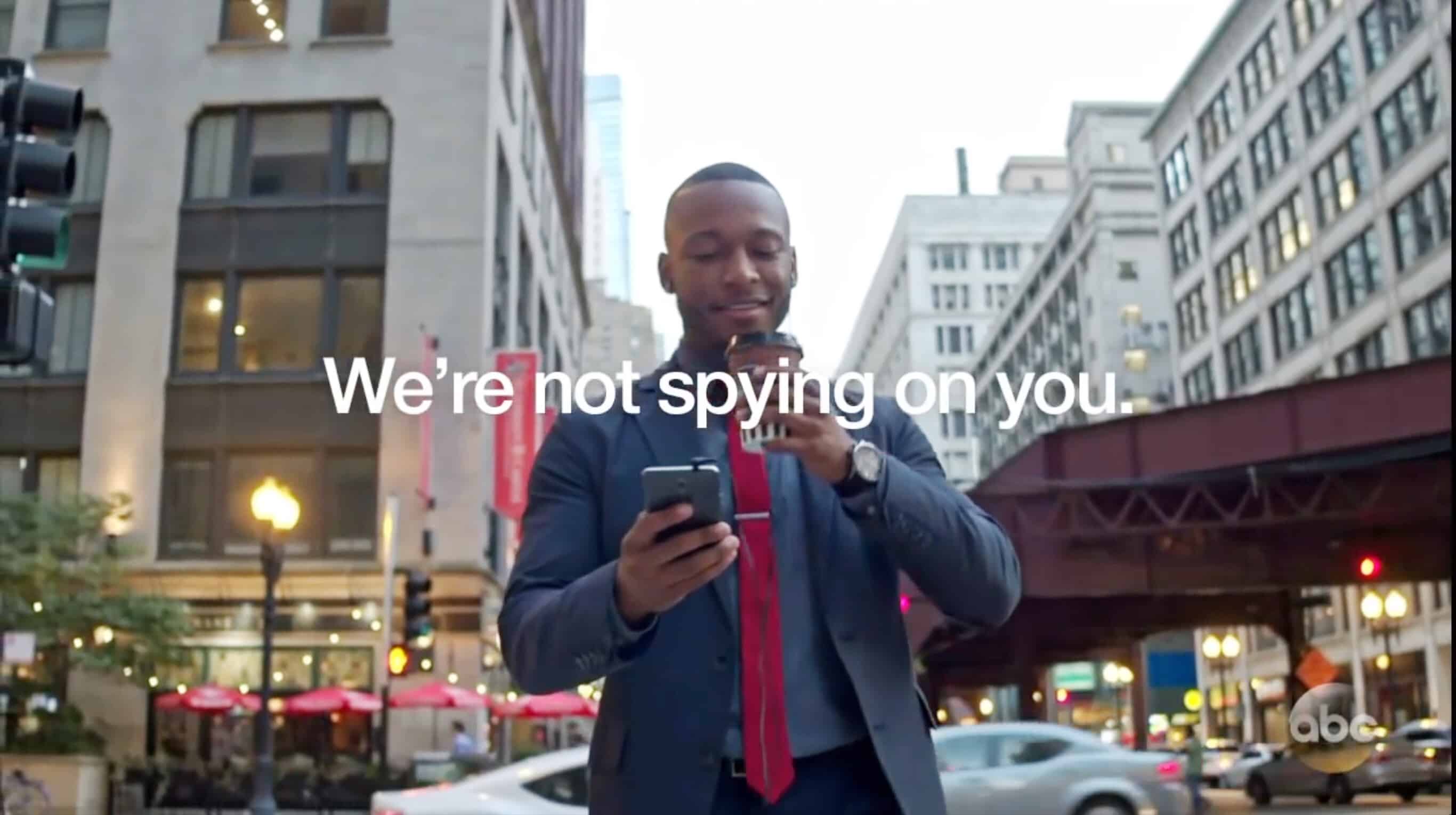
Apple is again using humor to get across a serious message. Its latest video has a young man using his iPhone to answer a personal question, and assures him that he isn’t being tracked while he’s doing so.
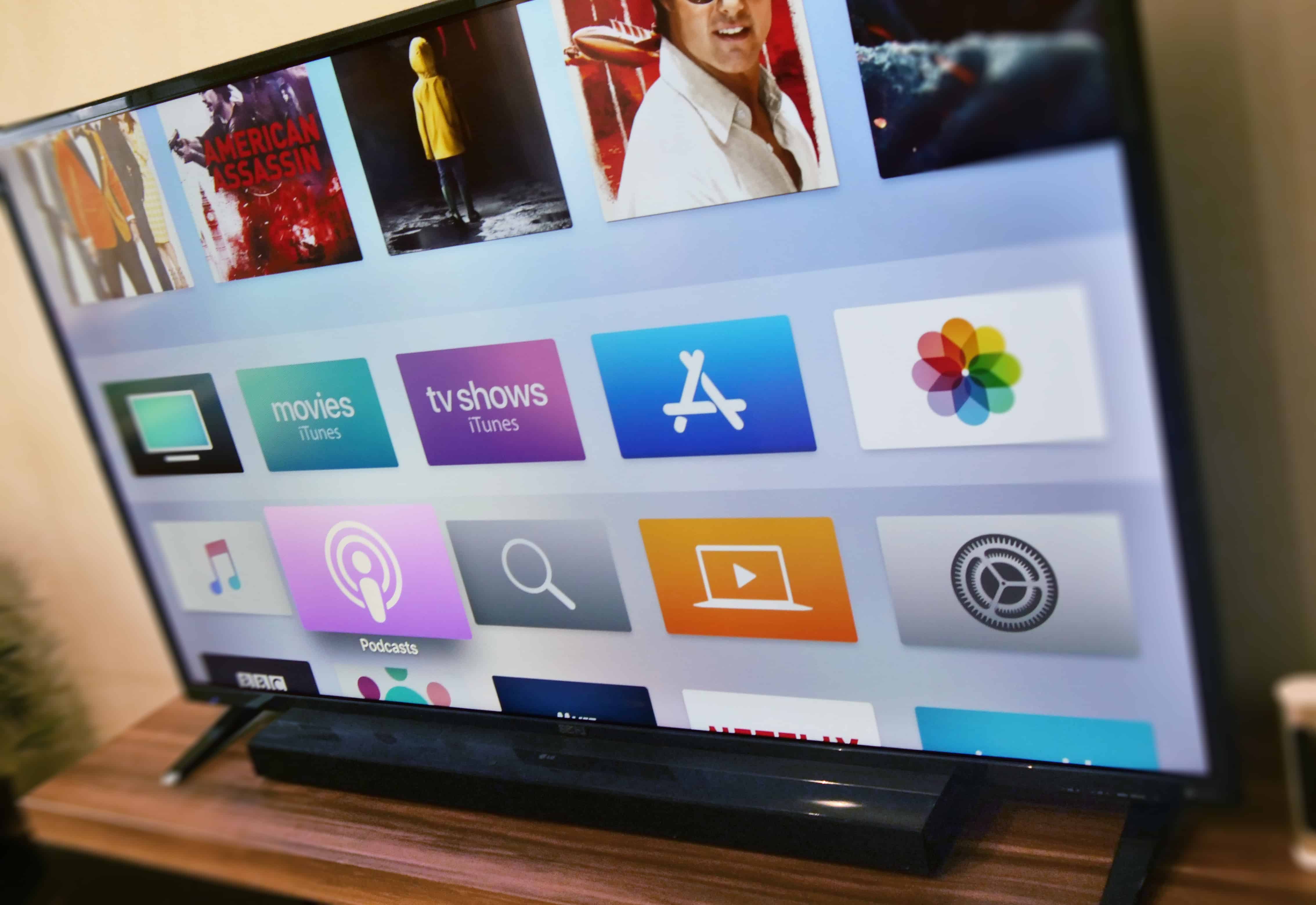
Expect to binge watch Apple TV shows without commercial interruption. Photo: Cult of Mac
TV shows and movies on Apple’s soon-to-be-announced streaming service might not be broken up by irritating commercial breaks.A new report indicates content will be either free or paid for entirely by subscription fees.
So you can expect to watch the upcoming shows staring Reese Witherspoon, Jason Momoa or many others without interruption.
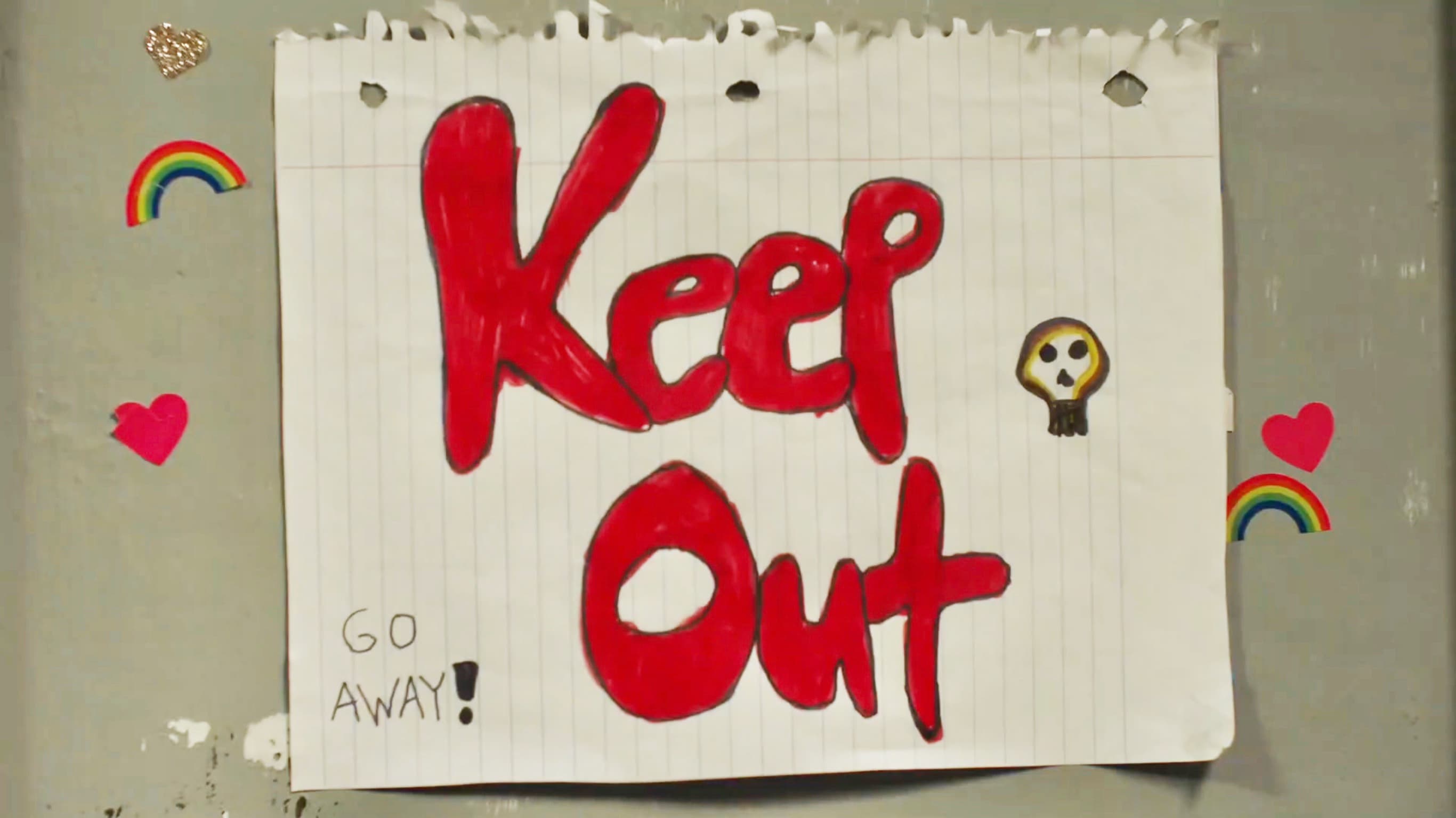
You keep people out of your bedroom, You should keep them out of your phone too. Photo: Apple
Apple’s latest video is a humorous take a serious topic. It reminds users of this company’s commitment to privacy with the tagline: “If privacy matters in your life, it should matter to the phone your life is on.”
One of Cellebrite's hacking devices. Photo: Tryc2/ebay
The Cellebrite hacking tool used by law enforcers for pulling data off locked iPhones costs $6,000 new. However, used units now show up on eBay for as little as $100.
That’s a big discount from the full price. And it seems that Cellebrite, a security firm based in Israel, isn’t too happy about the situation — with very good reason.
Several governments have passed or are working on laws that Apple argues weaken the encyption that protects the privacy of its users. Photo: Ed Hardy/Cult of Mac
Australia recently passed a law forcing tech companies to give law enforcement greater access to encrypted messages from users. The U.K. already has a similar law, and India is considering one.
There’s no new legislation in the U.S., but the FBI and other police agencies still want easy access to iPhones and other computers, as well as private conversations.
GrayKey can still unlock iPhones but can no longer unencrypted their contents. Photo: Ed Hardy/Cult of Mac
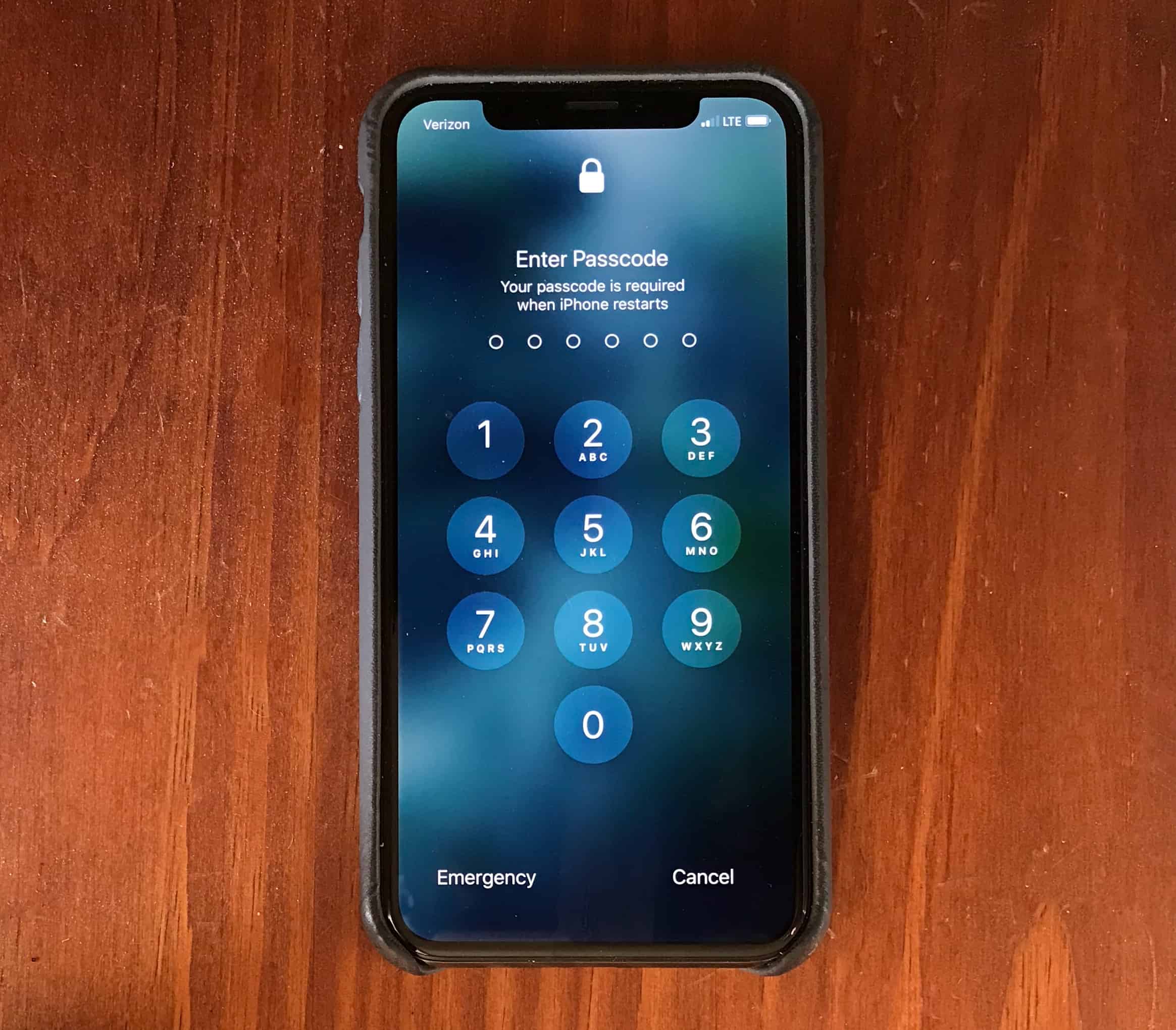
Apple has apparently won a victory in preserving the privacy of iPhone users. Previously, even if an iOS device was secured with a password, police could use the GrayKey unlocking tool to access the contents. But that changed with iOS 12.
This hacking tool reportedly became nearly useless with the release of Apple’s latest operating system.
No, this isn't the suspect in question! Photo: Ste Smith/Cult of Mac
According to a new report, for the first time in the U.S. and possibly elsewhere, law enforcement recently accessed a suspect’s phone by using their face to unlock Face ID.
The incident took place on August 10, when the FBI searched the house of 28-year-old Ohio resident Grant Michalski, later charged with receiving and possessing child pornography. Michalski was told to put his face in front of the phone, thereby unlocking it. This allowed agents to look through his online chats, photos, and other material deemed worthy of investigation.
Apple is watching to be sure your device is really being used by you, and has begun giving each an iPhone trust score. Photo: Ste Smith/Cult of Mac
In an attempt to prevent fraudulent purchases from the iTunes Store, Apple has begun giving each iOS device a “trust score.” Exactly how this is computed isn’t known, but one of the factors is how many phone calls and emails are sent and received by the phone or tablet.
Despite the laudable goal of preventing fraud, an iPhone trust score is something likely to raise the hackles of privacy advocates. Still, Apple promises that it’s not tracking its users.
Among other iPhone privacy topics, Apple explained to U.S. lawmakers that if your iPhone is tracking you, it's because you've given it permission to. Photo: Ste Smith/Cult of Mac
Privacy has become a hot-button issue, and a committee of the U.S. House of Representatives recently sent Apple some questions about iPhone privacy protections. These were about location tracking, audio recordings, and third-party applications.
The in-depth responses spell out Apple’s strong commitment to iPhone user’s privacy in all these areas.
CEO Tim Cook apparently laid out Apple's three policy priorities. Photo: Apple
Whenever Apple CEO Tim Cook weighs in on a social issue, like his recent disparaging comments about U.S. immigration policy, there are always voices urging him to be quiet and concentrate on making great products.
Speaking at a forum in San Francisco this evening, Cook said that changing the world is in his job description.
With its upcoming software, Apple addresses some Silicon Valley's most egregious abuses. Photo: Apple
After a particularly rough patch for the tech industry, Apple used yesterday’s WWDC keynote to atone for some of Silicon Valley’s biggest sins. The company showcased key features in its upcoming operating systems that reinforce the fact that it thinks different about how technology should work.
Undoubtedly eager to position itself as one of the good guys, Apple directly responded to some of the biggest tech scandals of the past year.
This privacy pledge in iOS 11.3 is why people can trust Apple. Photo: Ed Hardy/Cult of Mac
People trust Apple. A recent survey found that only a tiny percentage of Americans think the iPhone maker is irresponsible with their personal data.
That’s good news for Tim Cook and co., who have worked hard to differentiate themselves from Facebook, the least trusted tech company by a wide margin.
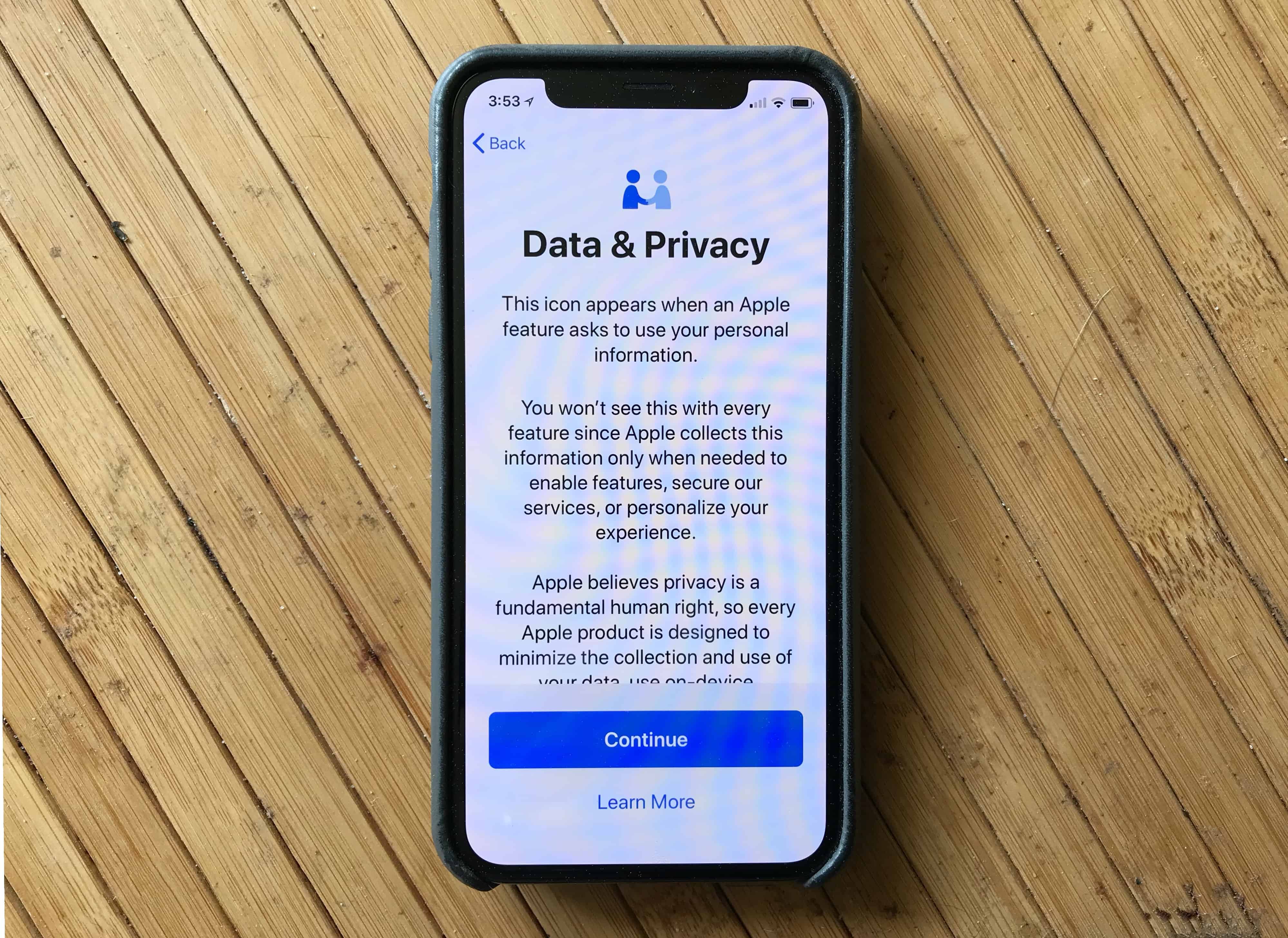
A pop-up in iOS 11.3 gives Apple's commitment to privacy. Photo: Ed Hardy/Cult of Mac
Apple will soon let you download all the information it has stored about you, modify it, or even delete it.The privacy change is required by a new European law, but is also in-line with Apple’s policy to not spy on itscustomers. This sets it apart from rivals like Google and Facebook.
How will Apple fare in the Trump era? Image: Ste Smith/Cult of Mac. Original photo: Michael Vadon/Flickr CC
In case you hadn’t noticed, the United States has a new leader — and President Donald Trump has a bone to pick with Apple. Several, actually.
Will Trump’s “America first” stance and pro-business policies help Apple or give Tim Cook a series of premium headaches? Cult of Mac editors Leander Kahney and Lewis Wallace come out swinging in this week’s edition of “Friday Night Fights.”