August 2, 1993: Apple launches the Newton MessagePad, the first product in the company’s line of handheld personal digital assistants. While it will become the most unfairly maligned product in Apple history, the Newton is a revolutionary device.
It predates Apple’s push toward app-based mobile devices 14 years later with the iPhone. And, while often dismissed as a failure, the Newton ranks near the top of the list of Apple’s most influential creations.
The Newton MessagePad 2000 brought many upgrades to Apple's doomed PDA line. Photo: iFixit
March 24, 1997: The Newton MessagePad 2000 brings major upgrades to Apple’s PDA line, including a far better display and a much faster processor.
The best MessagePad yet by a wide margin, it quickly becomes a critical and commercial success. But it won’t be enough to save the doomed product line.
The Newton MessagePad 120 finally fulfilled the promise of Apple's PDA. Photo: Fzurell/Flickr CC
January 30, 1995: Apple Computer launches the Newton MessagePad 120, the first truly great device in an unfairly maligned product line.
Coming 18 months after the original Newton MessagePad, the upgraded PDA packs more power — and truly shines once Newton OS 2.0 rolls out.
AirTags with new functionality and Apple Watches in new colors sound good to us. Image: Cult of Mac
This week on Cult of Mac’s podcast: Which gets you more excited, an AirTag with new AR capabilities, a pink Apple Watch or a black titanium Apple Watch Ultra? This week’s top Apple rumors fuel our imaginations …
Also on The CultCast:
Apple touts 1 billion paid subscribers, a gigantic number that pushed the company to record-high revenue for its services division last quarter.
Leander cooks up a cheap-and-dirty way to add CarPlay to any car, even an old beater. (Still can’t get him to come on the podcast, though, because … 👀.
Tim Cook finally plays the AI card as Apple tries to cash in on the latest tech buzzword.
Griffin proves he’s a total nerd the consummate tech collector by revealing what he uses an ancient Apple Newton for these days.
Listen to this week’s episode of The CultCast in the Podcasts app or your favorite podcast app. (Be sure to subscribe and leave us a review if you like it!) Or watch the video live stream, embedded below.
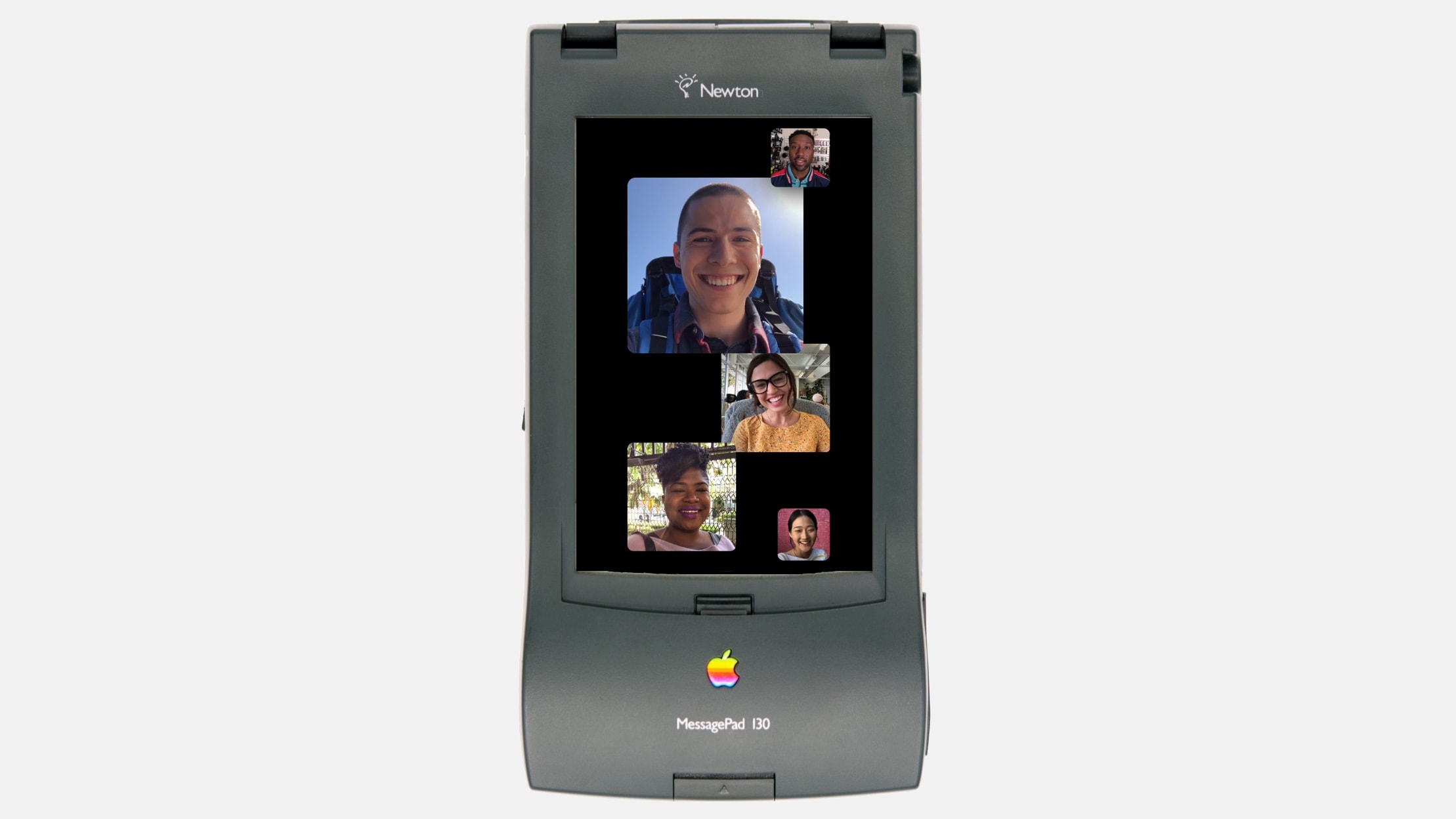
A color Apple Newton that can make FaceTime calls is just a dream. Photo: Apple/Cult of Mac
An episode of For All Mankind features some retro Apple tech that real people in the 1990s could only dream of: an Apple Newton with a color screen. And one that can make video calls!
A producer for the show explained the clever trick.
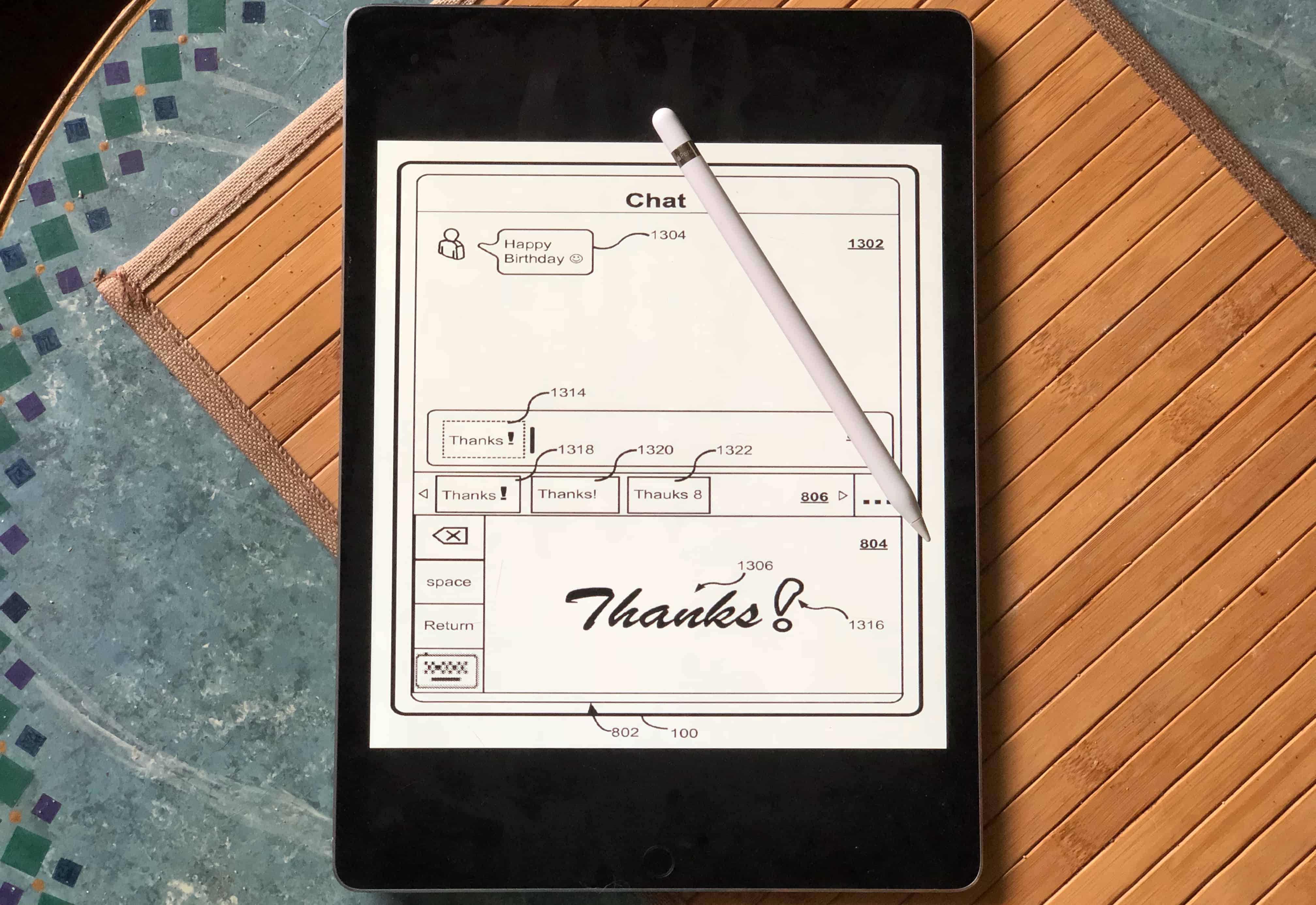
Apple is investigating including handwriting recognition in the iPhone and iPad. Photo: Apple/Cult of Mac
Apple is actively working on a handwriting recognition system. This raises the distinct possibility that you might someday enter text by writing words on your iPhone or iPad screen, rather than tapping out letters on a virtual keyboard.
Some will remember that Apple’s tried something similar before and it didn’t go well.
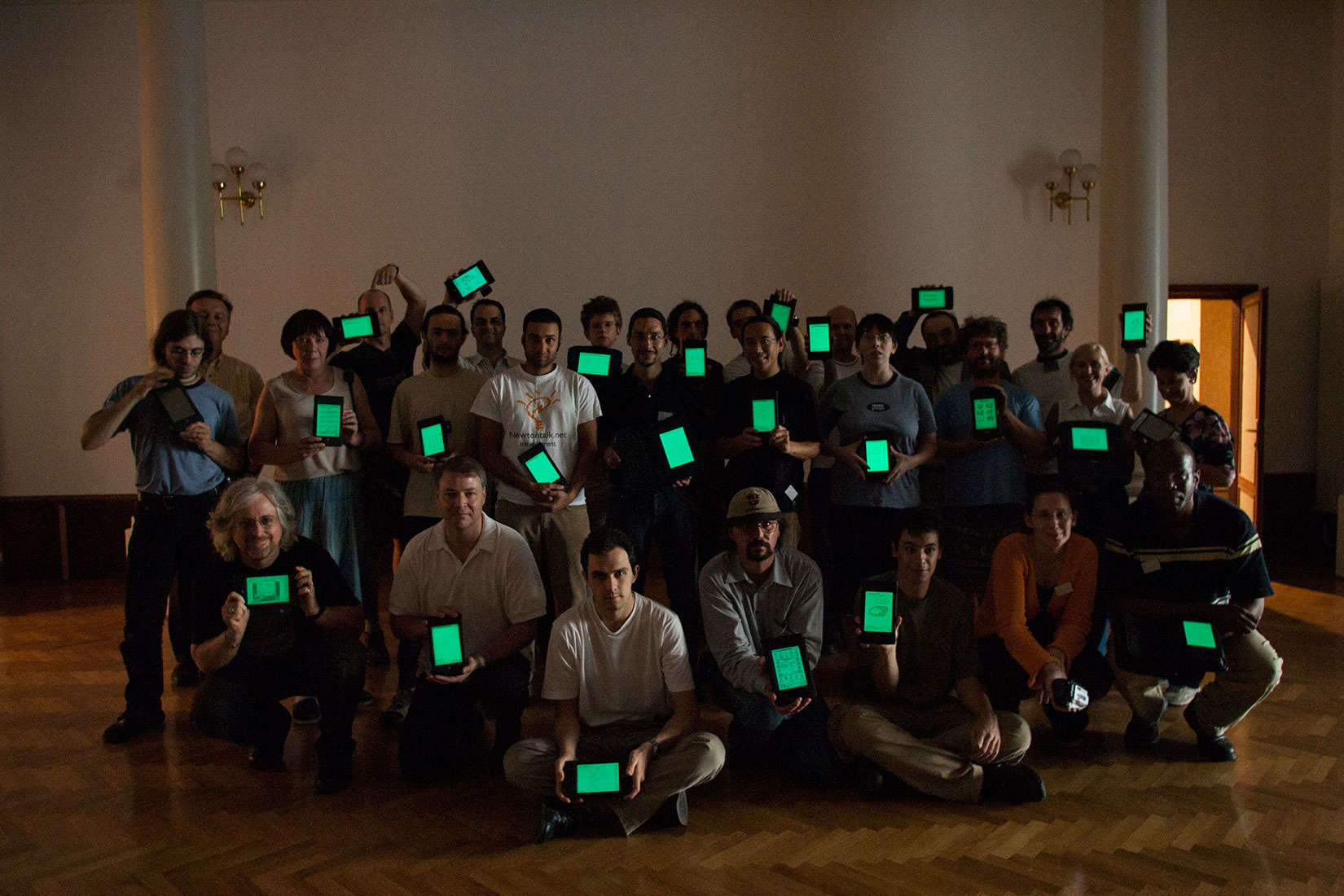
Keeping the light on. A group of enthusiasts who keep their Apple Newtons aglow. Photo: Adam Tow
Grant Hutchinson has never owned an iPad. He does, however, own some 15-dozen Newton devices, a few of which he uses every day to help manage tasks, a schedule and software clients.
Why would Hutchinson cling to and even rely on a clunky obsolete digital message pad, an Apple failure so big it inspired f-bomb rage in Steve Jobs and a week’s worth of damning Doonesbury comic strips?
Hutchinson is just one of a few thousand people worldwide who collect and even use Apple’s first mobile computing device, discontinued in 1998 after a number of incarnations over a rocky five-year run.
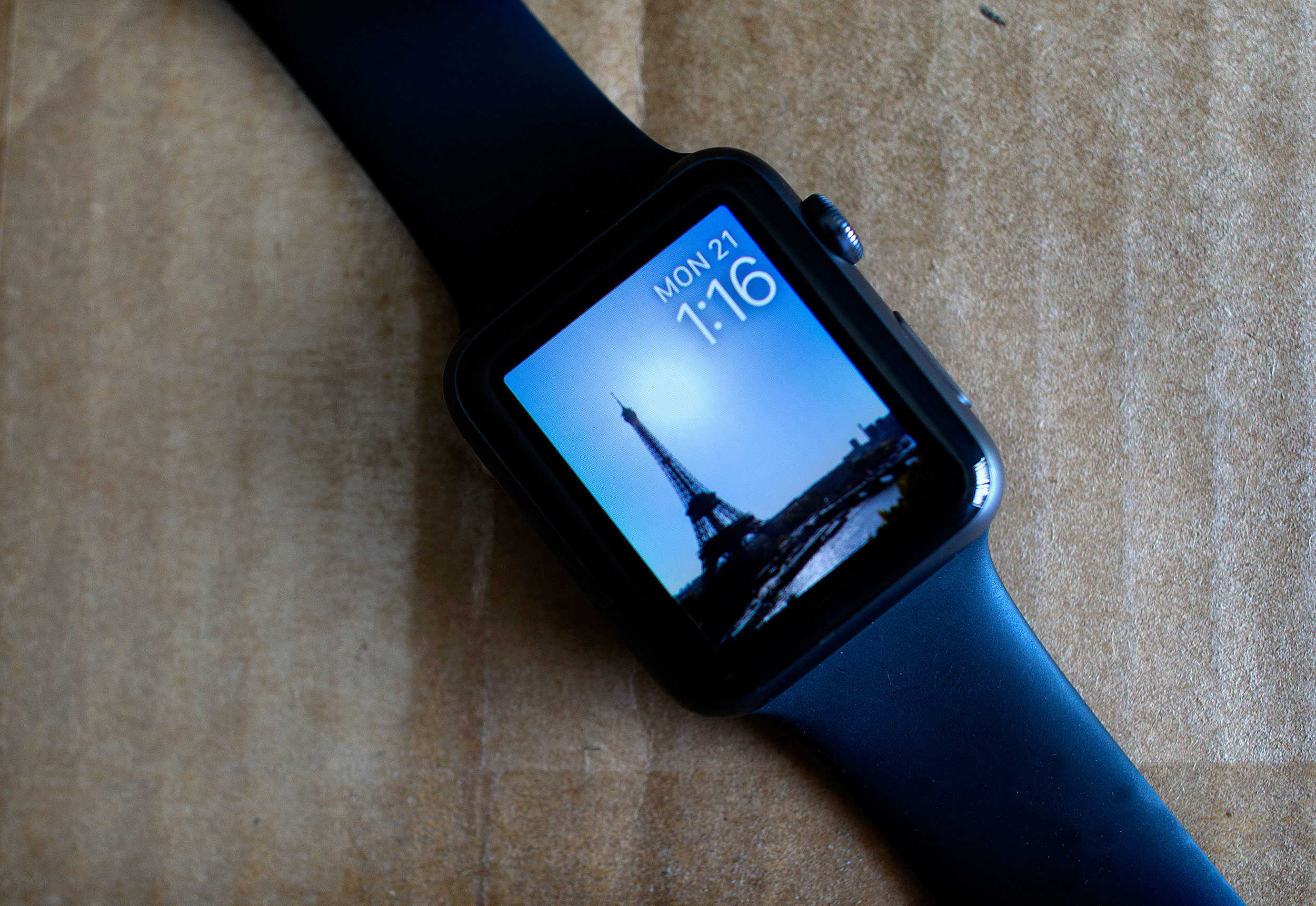
Will Apple finally deliver one of our most-requested features for watchOS? Photo: Jim Merithew/Cult of Mac
Apple Watch owners have had some time to play around with the wearable’s custom faces since the feature launched with watchOS 2, and some creative tech and sci-fi fans have come up with delightfully nerdy ways to spruce up their devices.
A few users have taken to making specially formatted faces that showcase their love of games, movies, and TV shows, but the really enterprising ones have found ways to include coordinated Apple Watch bands into their designs.
Here are some of the coolest ones we’ve tracked down.
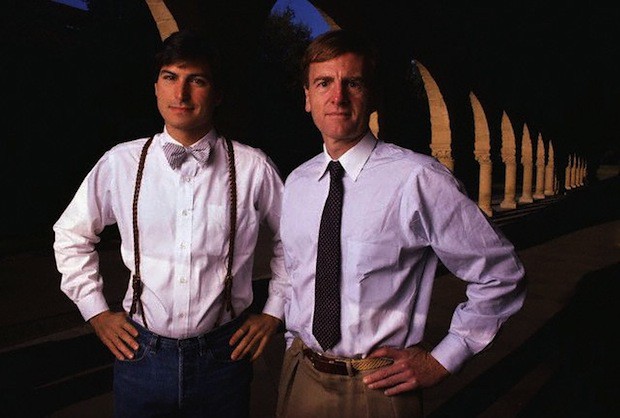
1984 --- Steve Jobs and John Sculley --- Image by Ed Kashi/CORBIS
John Sculley, a former Apple CEO who was at the helm of the Cupertino company between 1983 and 1993, has no doubts that it can revolutionize the television set. If anyone’s going to change the experience and the “first principles” of TV, Sculley told the BBC in a recent interview, it’s going to be Apple.
It’s retro-future time again at Cult of Mac. These ads, circa 1993, for the ill-starred PDA the Newton sound a lot like the all-singing, all dancing expectations of portable computing expected at tomorrow’s tablet announcement.
Some of the salient claims from the “Who is Newton?” ad:
“Newton talks to fax machines, laser printers to telephones (NB – a landline) and computers!”
And remember, the Newton is for “All you mobile professionals who like cool stuff.”
While the “Where is Newton?” spot promised portability and connectivity on the go:
httpv://www.youtube.com/watch?v=d3ITn5LBU5A
“Newton can get you from the urban jungle to the nearest hamlet…You can send a letter or a memo and faxes from places where there are no fax machine. Newton is everywhere and that’s not a bad place to be.”
And when the Newton did not live up to expectations — handwriting recognition being one of the big flaws in attempting to send faxes from outpost gas stations as per the ad — here’s what one crystal-ball gazing analyst told the New York Times in 1995:
“In the long run there is no doubt people will carry around small computers much like pagers today,” said Amy Wohl, president of Wohl Associates, a Narberth, Pa., consulting group. “But it’s still not clear that Apple will be one of the major providers of these systems.”
Subscribe to the Cult of Mac Today newsletter
A daily blast of Apple news, reviews, how-tos and deals, delivered straight to your inbox.
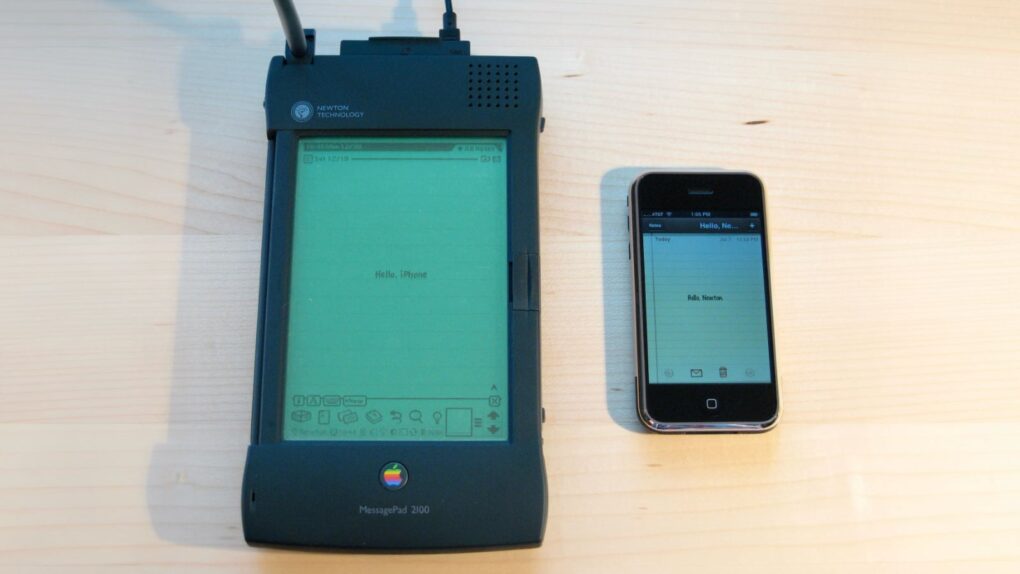
 August 2, 1993: Apple launches the Newton MessagePad, the first product in the company’s line of handheld personal digital assistants. While it will become the most unfairly maligned product in Apple history, the Newton is a revolutionary device.
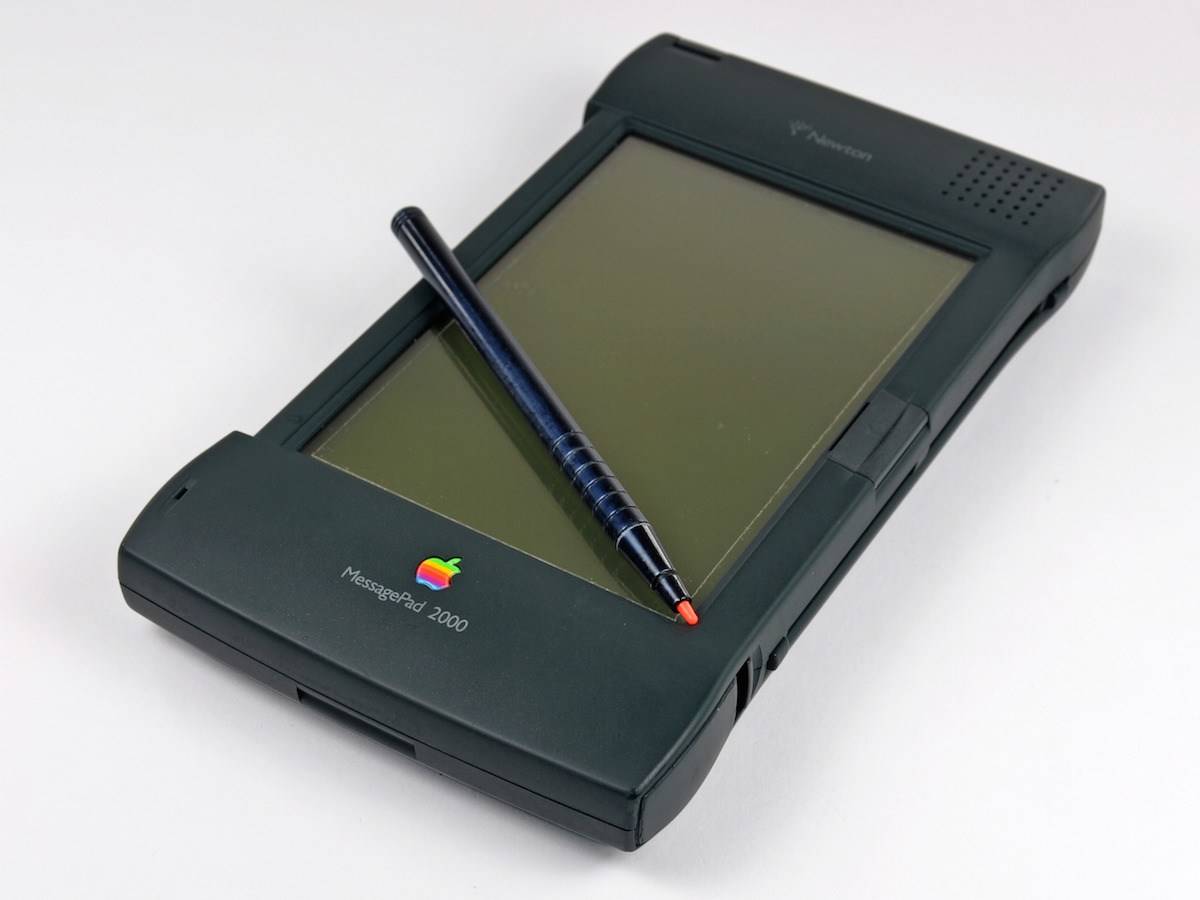
 March 24, 1997: The Newton MessagePad 2000 brings major upgrades to Apple’s PDA line, including a far better display and a much faster processor.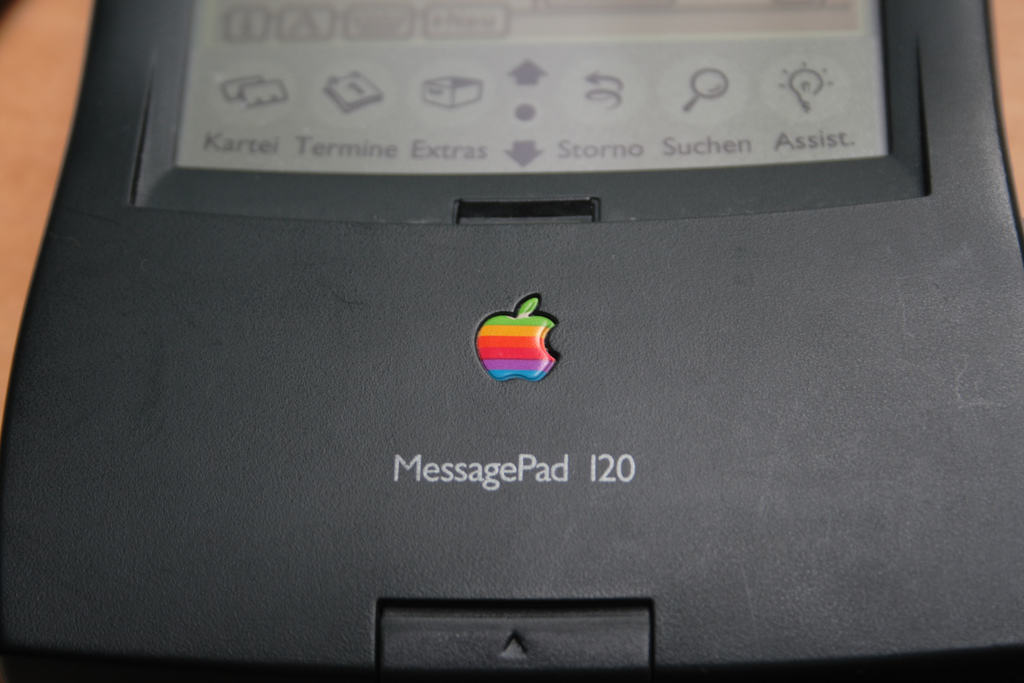
 January 30, 1995: Apple Computer launches the Newton MessagePad 120, the first truly great device in an unfairly maligned product line.