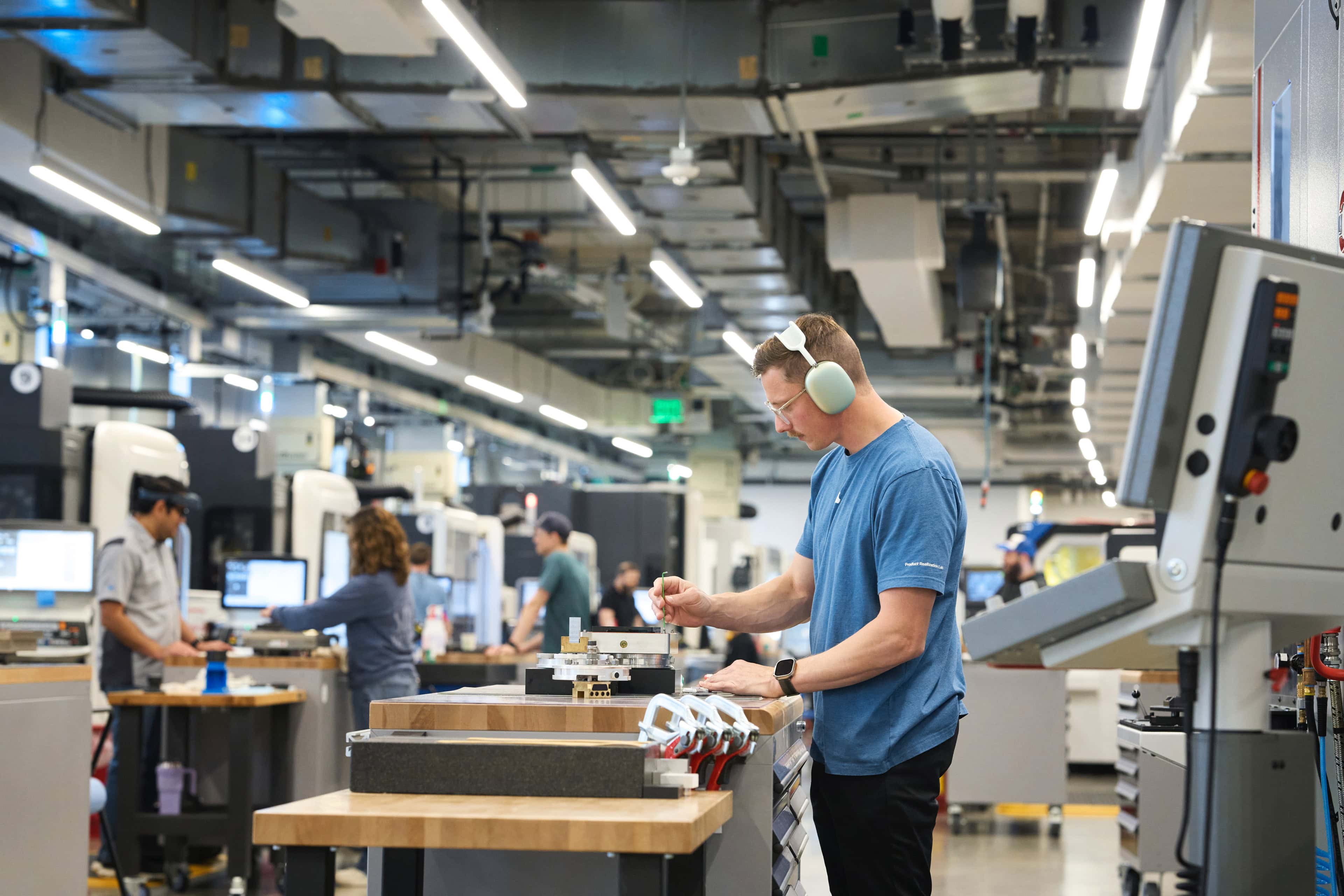
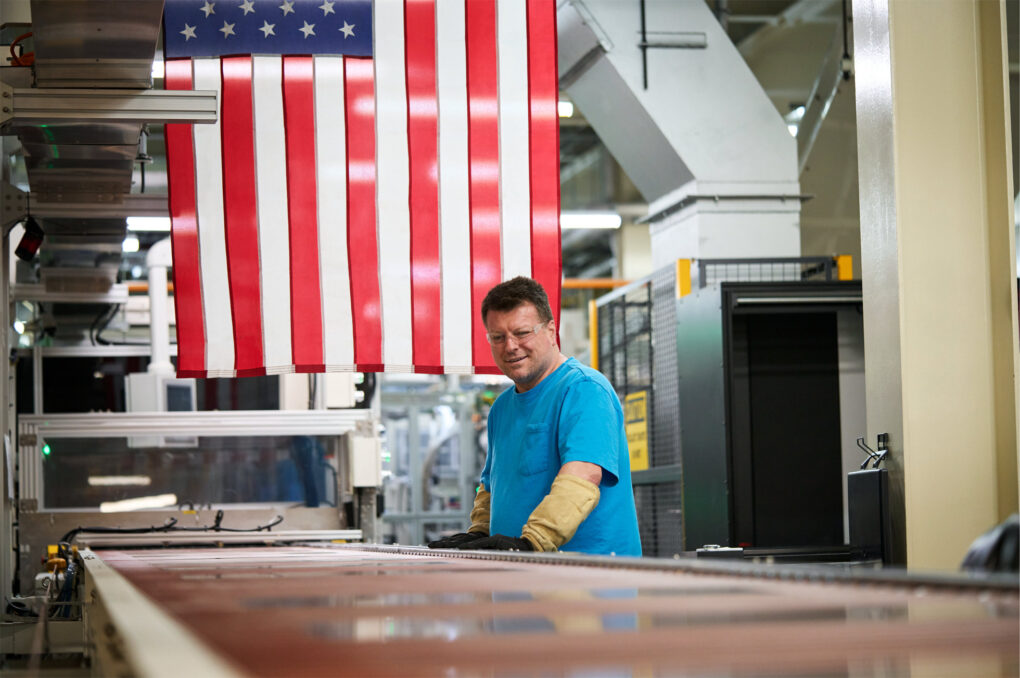
Apple's plan should continue to bolster U.S. manufacturing. Photo: Apple
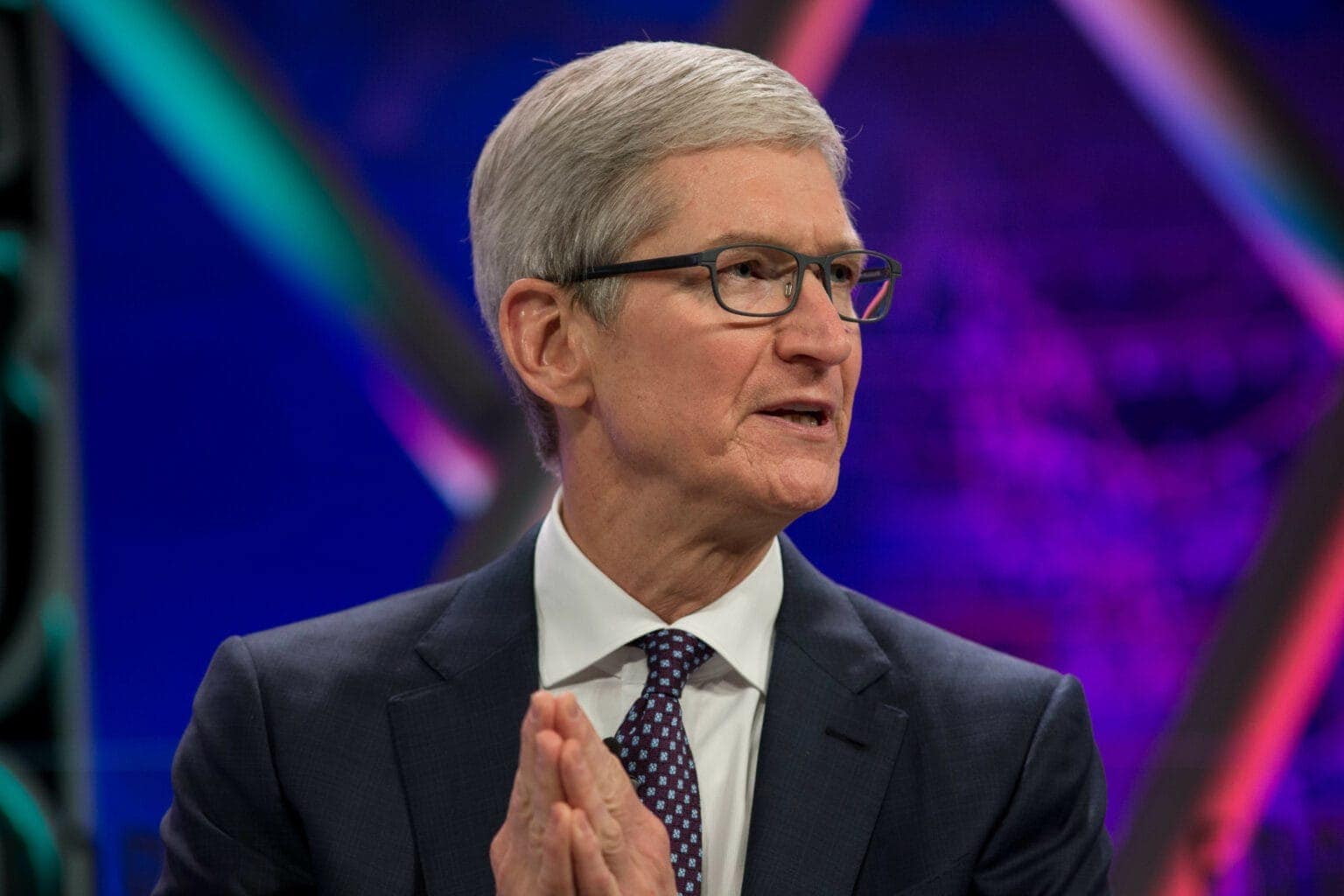
Apple CEO Tim Cook revealed during Thursday’s quarterly earnings call that the company intends to apply for refunds on tariffs it paid under trade measures that the Supreme Court recently ruled unconstitutional. And has a clear plan for where that money will go: straight into U.S. manufacturing.
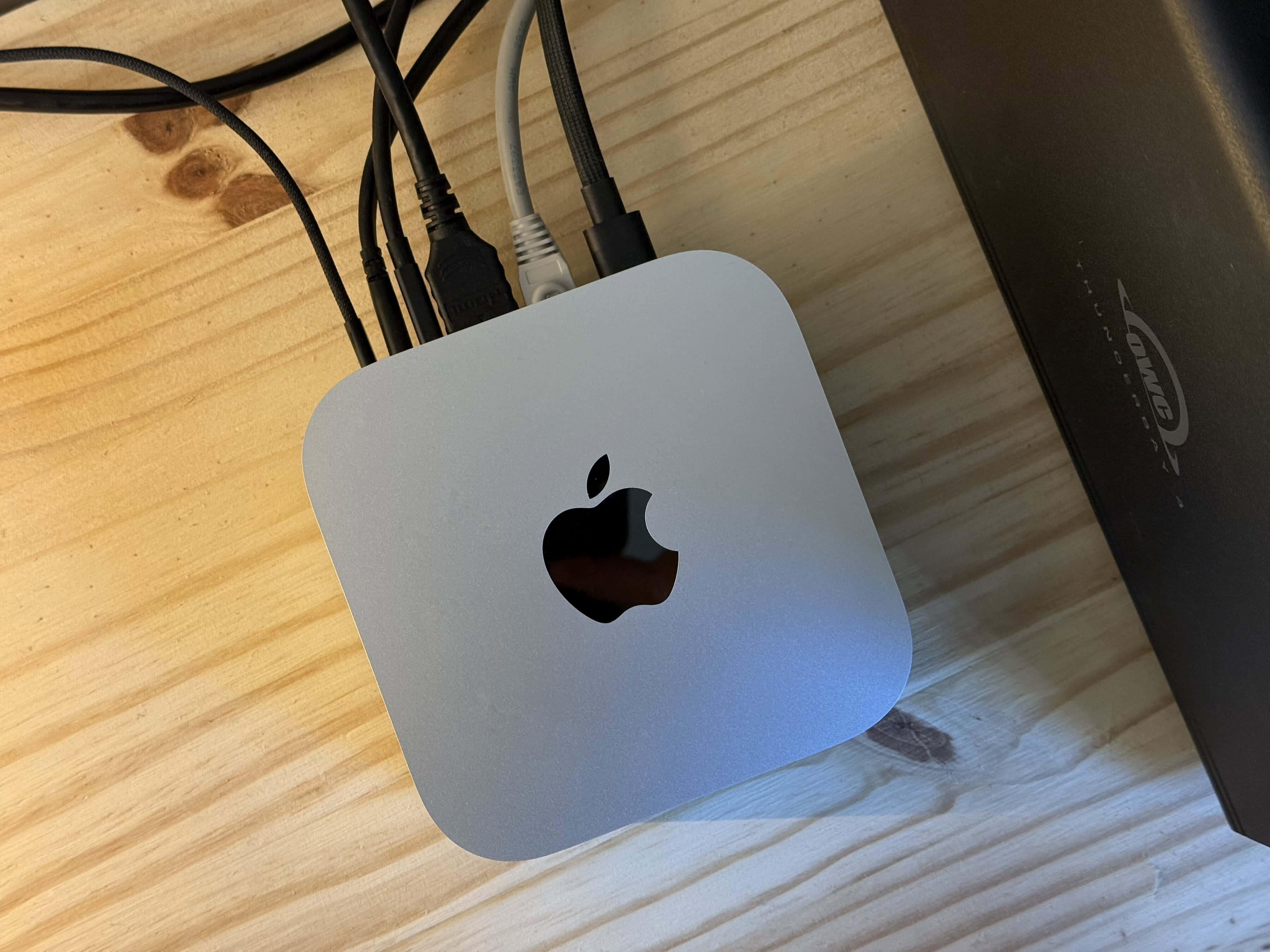
"Made in the USA" Mac minis are coming soon! Photo: D. Griffin Jones/Cult of Mac
Apple will start assembling Mac mini in the United States later this year. Foxconn will build the tiny desktop computers at its facility in Houston, Texas.
A plain manila envelope became a key stage prop for selling the MacBook Air. Photo: Apple
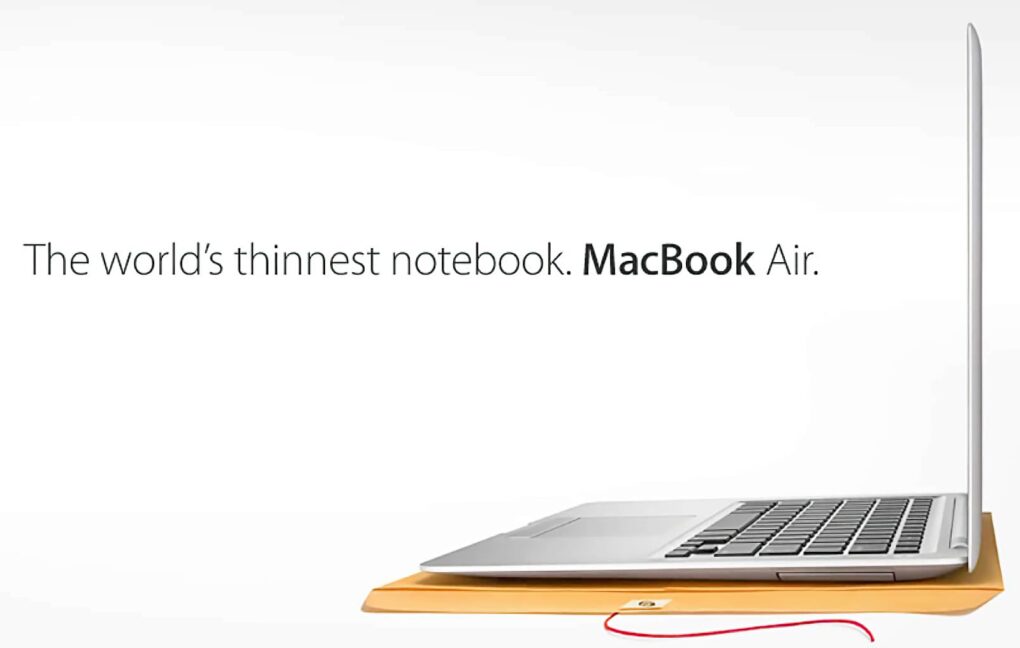
January 15, 2008: Apple CEO Steve Jobs shows off the first MacBook Air at the Macworld conference in San Francisco, calling the revolutionary computer the “world’s thinnest notebook.”
The 13.3-inch laptop measures only 0.76 inches at its thickest point and 0.16 inches at its tapered thinnest. It also boasts a unibody aluminum design, thanks to an Apple engineering breakthrough that allows the crafting of a complicated computer case from a single block of finely machined metal.
In a brilliant piece of showmanship during the MacBook Air launch, Jobs pulls the super-slim laptop out of a standard interoffice envelope. (You can watch his keynote introducing the MacBook Air below.)
October 20, 2009: Apple goes big with its iMac redesign, introducing the first 27-inch all-in-one Mac. The sleek, sophisticated aluminum unibody design looks so good that the iMac will remain virtually unchanged for years.
As with the first Macintosh with a built-in CD-ROM drive, the iMac’s 27-inch display represents a sea change for tech. The big, beautiful screen signals that larger displays need no longer remain the domain of pampered professionals.
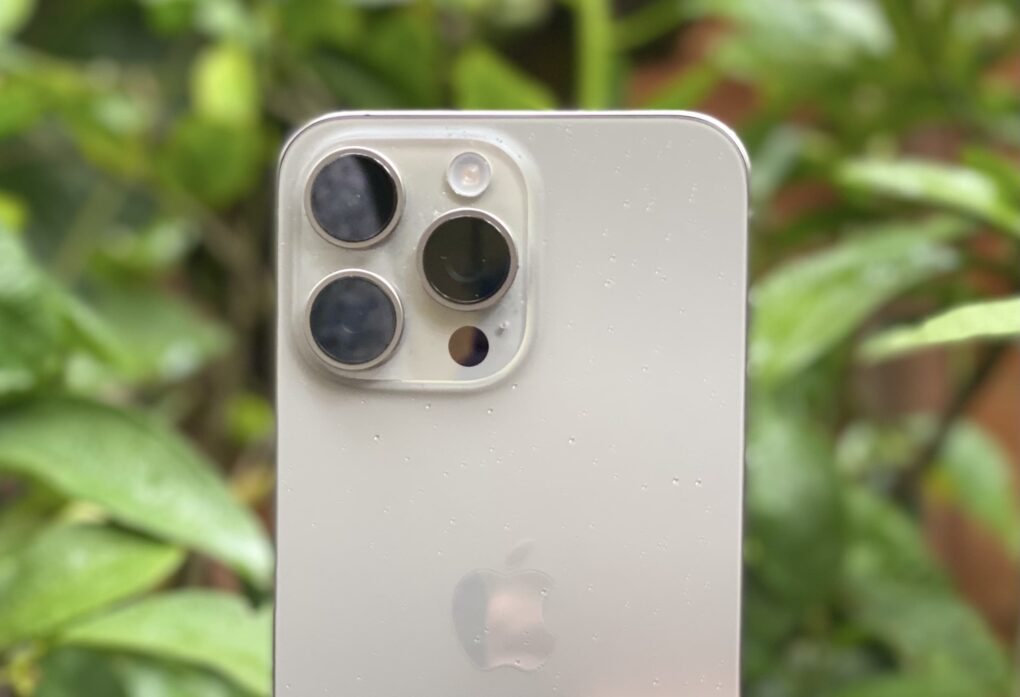
As soon as iPhone 18 in 2026, Apple's handsets could pack 200MP Samsung sensors. Photo: Lyle Kahney/Cult of Mac
A major shift in Apple’s iPhone camera technology could come soon, as it partners with Samsung to manufacture advanced image sensors at a Texas facility for the first time, according to new reports. They stem from Wednesday’s big news from the White House about the iPhone giant’s new US manufacturing program.
“By bringing this technology to the US first, this facility will supply chips that optimize power and performance of Apple products, including iPhone devices shipped all over the world,” Apple said.
Previously, Apple worked exclusively with Sony on iPhone camera sensors, including its recent 48MP sensors. Now, it may use more advanced 200MP Samsung sensors — perhaps as soon as iPhone 18 drops in 2026.
The new investment brings Apple's spending on US manufacturing to $600 billion. Photo: Grok
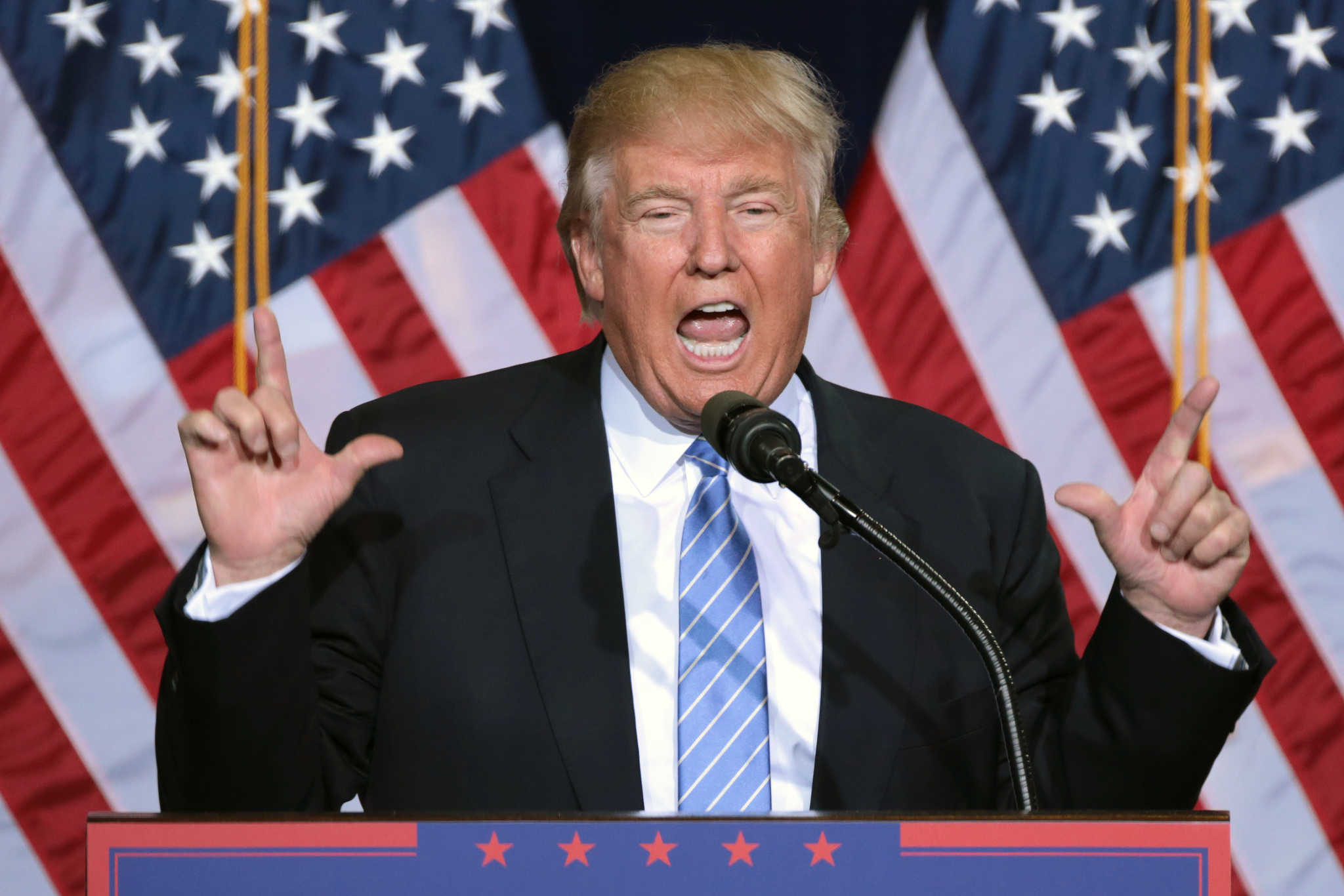
President Donald Trump invited Apple CEO Tim Cook to the White House on Wednesday to announce Apple’s new investment of an additional $100 billion in domestic manufacturing. It’s part of a new program designed to bring more of Apple’s supply chain to American shores.
“Today, we’re proud to increase our investments across the United States to $600 billion over four years and launch our new American Manufacturing Program,” said Cook in a press release. “This includes new and expanded work with 10 companies across America. They produce components that are used in Apple products sold all over the world, and we’re grateful to the President for his support.”
A well-connected supply chain analyst thinks that, from a profitability standpoint, it’s better for Apple to absorb the 25% tariff on iPhones. But the bigger concern is the growing political pressure from the U.S. president.
Don't mean to burst your bubble, but an American-made iPhone isn't in the cards. AI image: Midjourney/Cult of Mac
A top goal of President Donald Trump’s hefty tariffs on essentially all imports is to force companies to move their production to the United States. That includes bringing iPhone assembly to America. The problem is, there are huge roadblocks that make that goal virtually impossible.
In broad terms, America doesn’t have anywhere close to the production capacity, or sufficient numbers of workers interested in low-paying factory jobs, to produce an all-American iPhone along with everything else Trump wants made in the U.S. Also missing from the equation: customers thrilled about paying much higher costs for products made in the United States.
The result is shaping up to be years of economic difficulties for Americans.
Apple is making a $500 billion investment commitment in the US. Photo: Apple
Apple pledged Monday to invest more than $500 billion in the United States over the next four years. This stands as the company’s largest-ever spending commitment to a market.
Under this investment, Apple will expand its U.S. manufacturing efforts.
Foxconn wants to make iPads in India. Photo: Ed Hardy/Cult of Mac
Apple manufacturer Foxconn wants to expand its operations in India and assemble iPads in the country, potentially at its Sriperumbudur facility in Tamil Nadu.
Currently, Apple contractors Foxconn, Pegatron and Tata Group only assemble iPhones in India.
You won't see a more fascinating 1-minute, 21-second video today! Image: Apple
Even if you have zero interest in buying a $3,499 mixed-reality headset, you should stop right now and watch the new Making Apple Vision Pro video. It’s an absolutely mesmerizing video that shows the elaborate manufacturing process for Apple’s upcoming “spatial computing” device.
It takes just over a minute to watch, and it’s truly stunning!
Stainless steel Apple Watches are the test case for a new manufacturing process using 3D printers. Photo: Apple
Apple is testing a 3D-printer-based manufacturing process for some of its upcoming Apple Watches that could radically change how it manufactures products generally, a new report said Wednesday.
In testing, the company is using 3D printers for the stainless steel chassis of some wearables. It may prove more eco-friendly and economical, cutting down on materials needed.
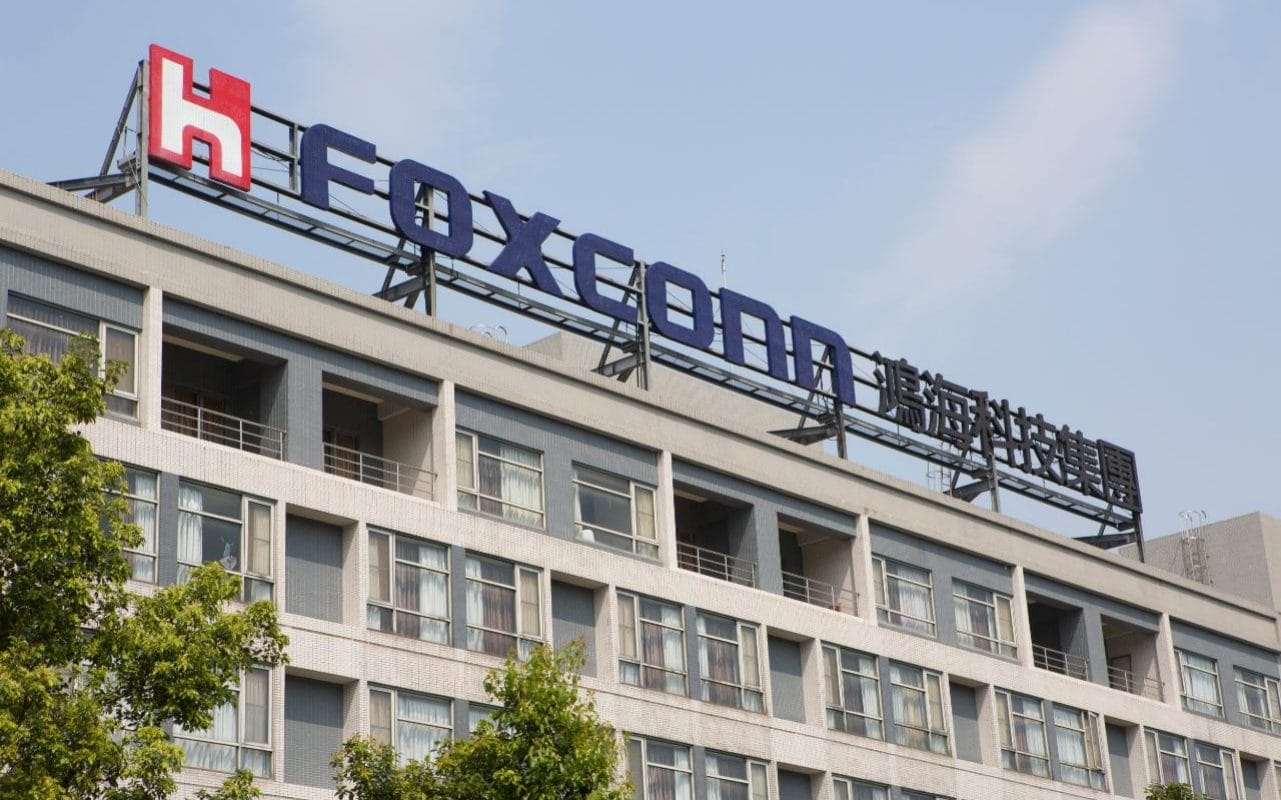
Foxconn is Apple's biggest contract manufacturer. Photo: Puddingworld, CC BY-SA 4.0/Wikimedia Commons
Days after reports of Foxconn employees hopping fences and fleeing from their jobs, a report late Wednesday from Taiwan News says Apple’s biggest iPhone factory is now on “total lockdown.” These new restrictions may have a big impact on Apple’s sales during the crucial holiday period.
Foxconn, whom Apple contracts to manufacture the lion’s share of iPhones, Macs and other Apple products, has had employees stay in on-site dormitories in a “closed-loop system” to prevent COVID outbreaks. Employees have been complaining about the “increasingly unsafe and inhumane working conditions” of the dorms.
In order to quell the spread of COVID-19, at least one Apple supplier set up coronavirus “bubbles” for employees on its production lines, essentially sealing off workers from the outside world.
According to a Tuesday report by Nikkei Asia, several factories in Vietnam — including one owned by AirPods manufacturer GoerTek — took this precautionary measure as COVID-19 cases ramp up in the country.
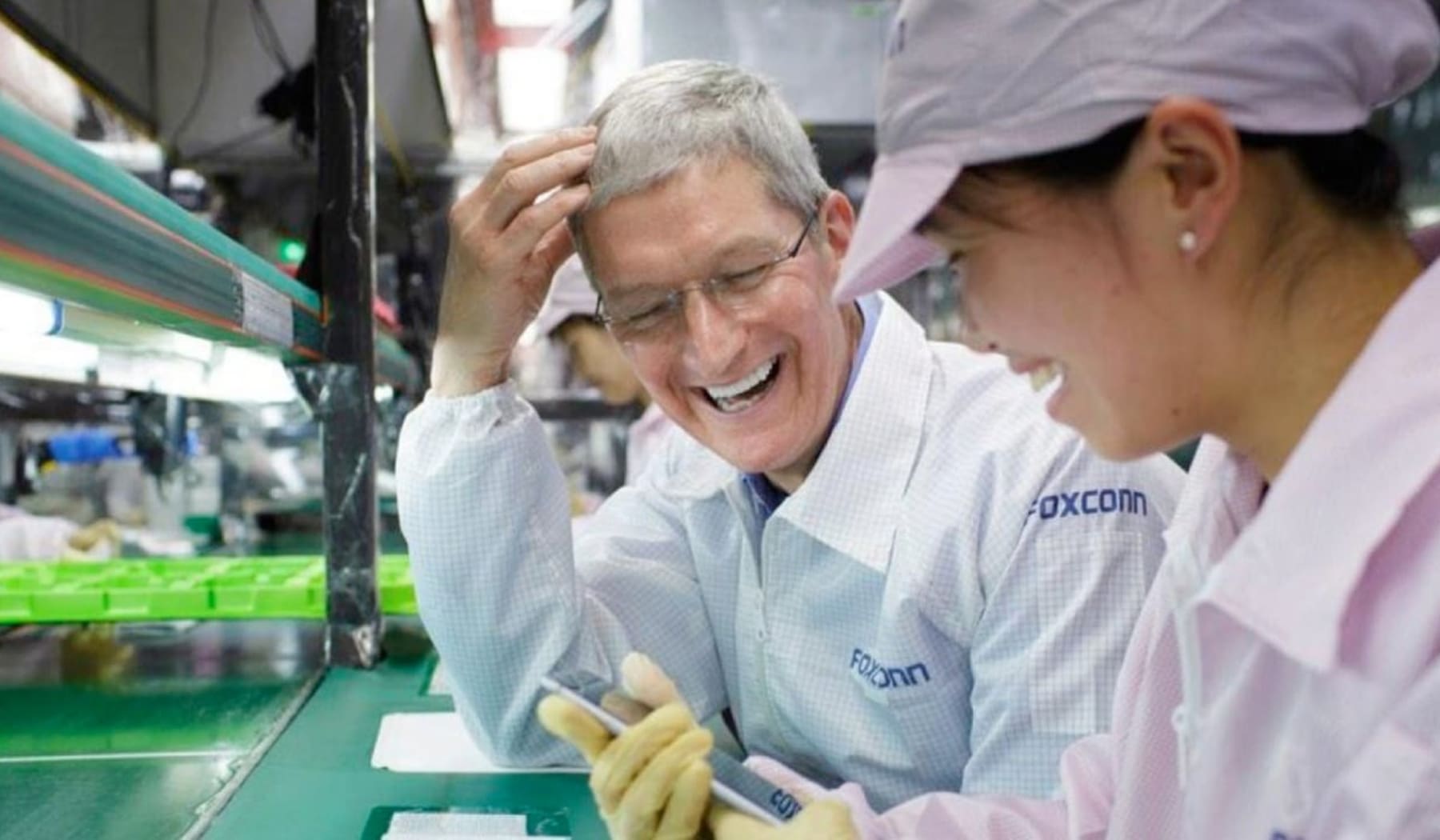
Tim Cook meeting with a member of the iPhone production line. Photo: Apple
Production is running full-tilt for the iPhone 12, the South China Morning Post reported Tuesday.
According to the publication, production is running 24 hours per day, with no vacations allowed and mandatory overtime. There are also “juicy bonuses” for employees who put in the time.
Apple is gradually scaling up its focus on Indian manufacturing. Photo: Ste Smith/Cult of Mac
For the first time, Apple is manufacturing its current flagship iPhone in India, a Friday report from the Economic Times claims. The report says Foxconn is building the iPhone 11 at its plant near Chennai.
While many previous iPhones made in India have been manufactured for the local market, the story says Apple might export these devices internationally. Building some of its flagship iPhones in India would help lessen Apple’s reliance on China.
Some AirPods Pro owners smell blueberries when they open their new earbuds. An expert says that's not surprising. Photo: Envato Elements
Some AirPods Pro owners report an unusual smell emanating from the plastic and rubber casings of Apple’s hot new earbuds. Of all things, they say they detect a whiff of … blueberries.
One expert tells Cult of Mac the aroma could be deliberate, or simply a result of chemical compounds in the plastics.
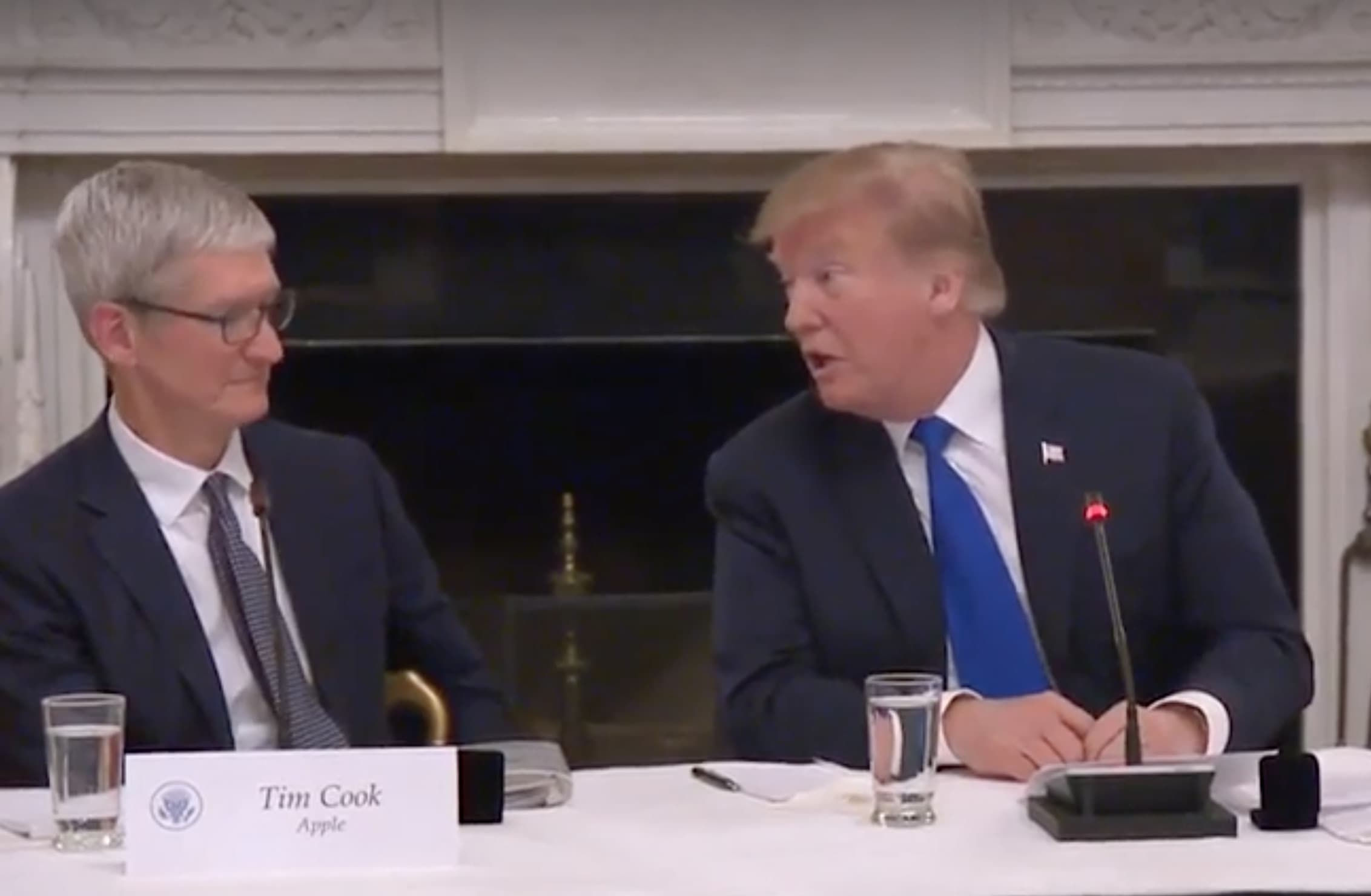
Trump and Cook have had a complex relationship since 2016. Photo: White House
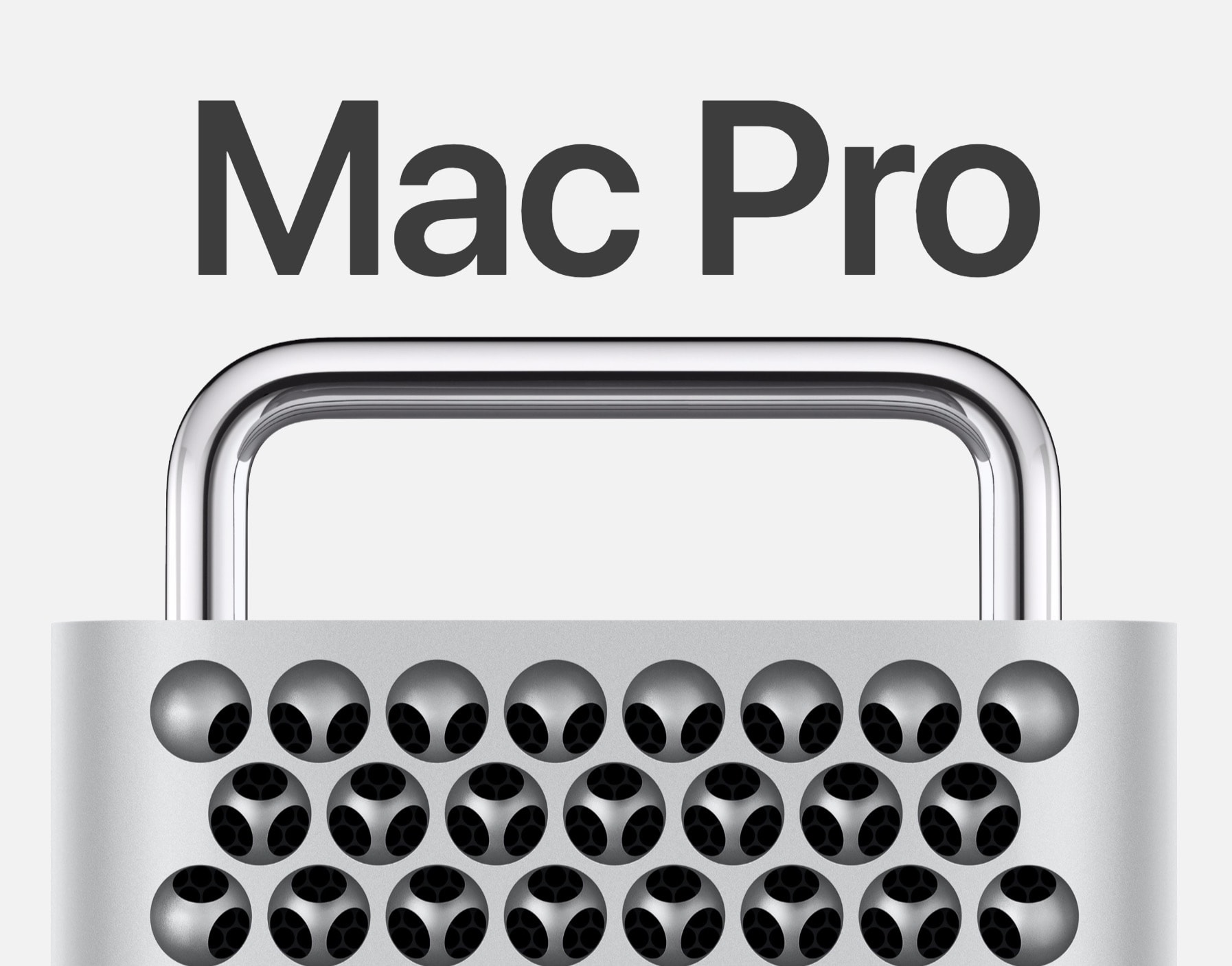
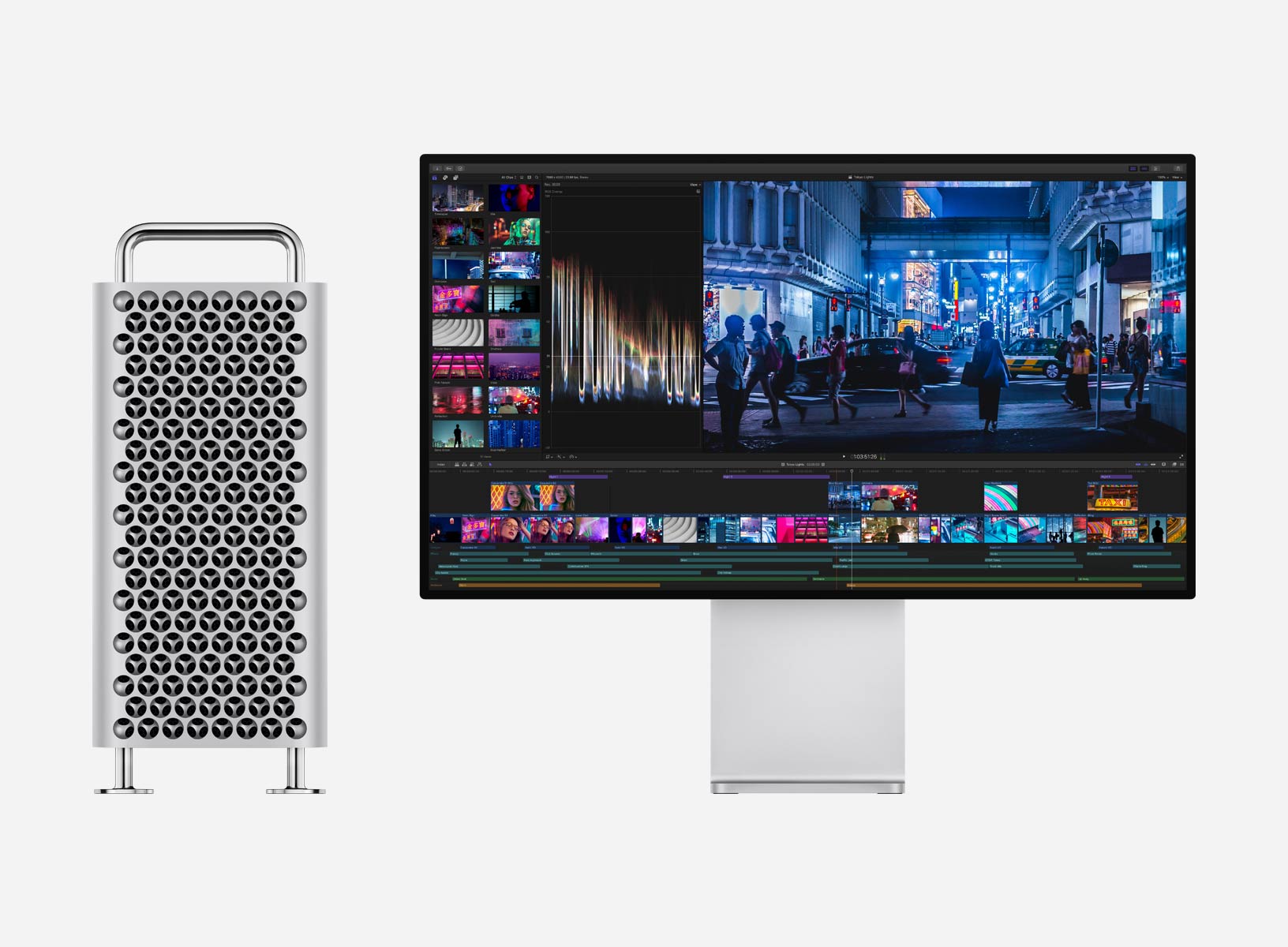
Apple CEO Tim Cook and President Donald Trump will reportedly tour facilities in Austin, Texas, where the company makes its Mac Pro desktops.
The trip would be part of Trump’s ongoing efforts to highlight U.S. manufacturing. Last month, Trump toured the Louis Vuitton factory in Alvarado, Texas.
Apple would prefer to build the upcoming Mac Pro in the United States. In fact, the company is trying to make it happen, CEO Tim Cook said Tuesday.
“We’ve been making the Mac Pro in the United States and we want to continue doing that,” Cook said during Apple’s earnings call. “We’re working and investing currently in the capacity to do so. We want to continue to be there.”
You might be better off with iMac Pro instead. Photo: Apple
President Donald Trump said Friday that Apple will not receive special treatment for Mac Pro components made in China.
Apple submitted multiple requests asking the Trump administration to exclude certain Mac Pro parts from a 25% import tariff. But Trump says the U.S. government will not extend any special waivers or relief to Cupertino.
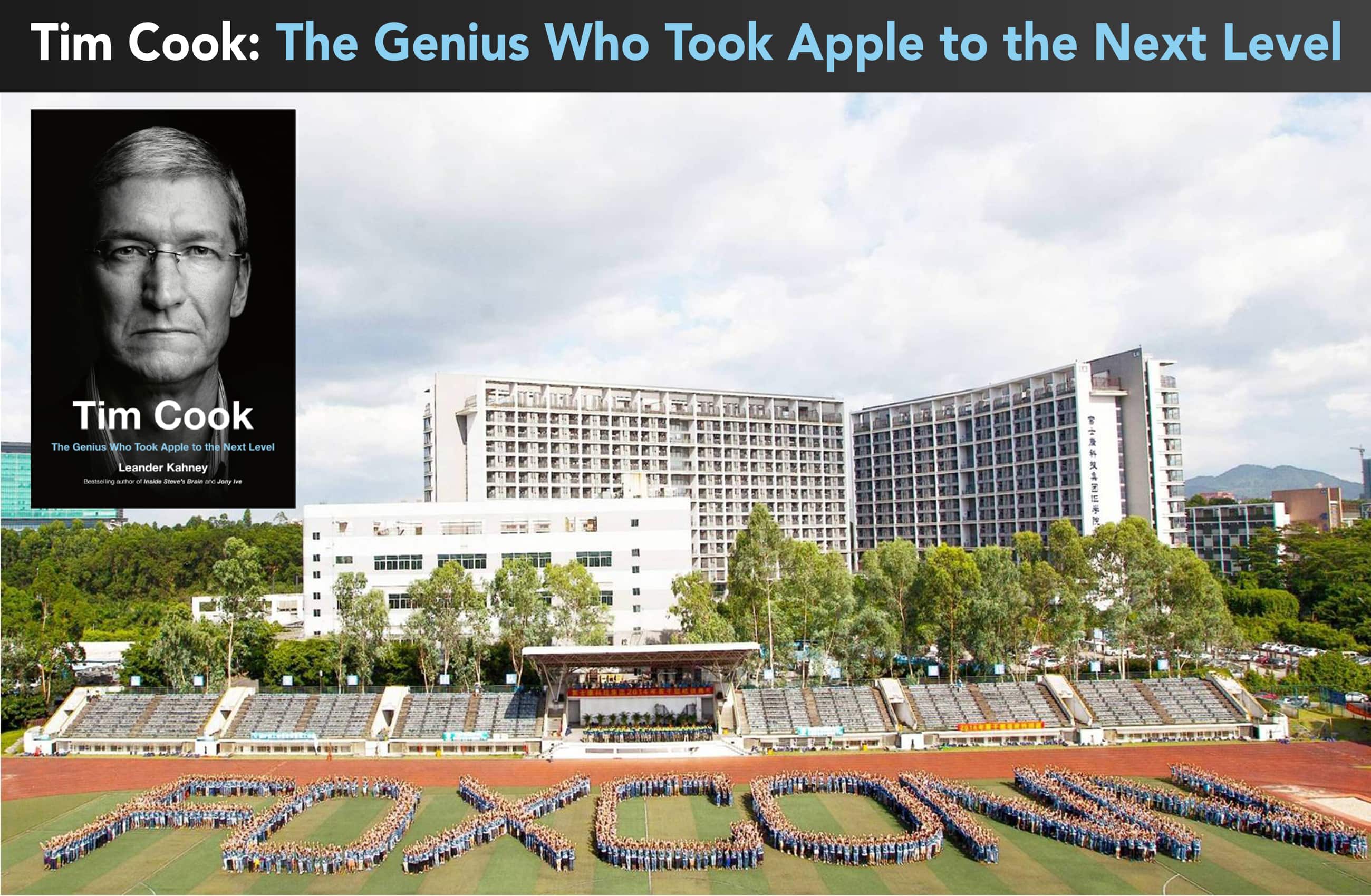
Workers spell out the company's name at one of Foxconn's giant plants. Photo: Foxconn
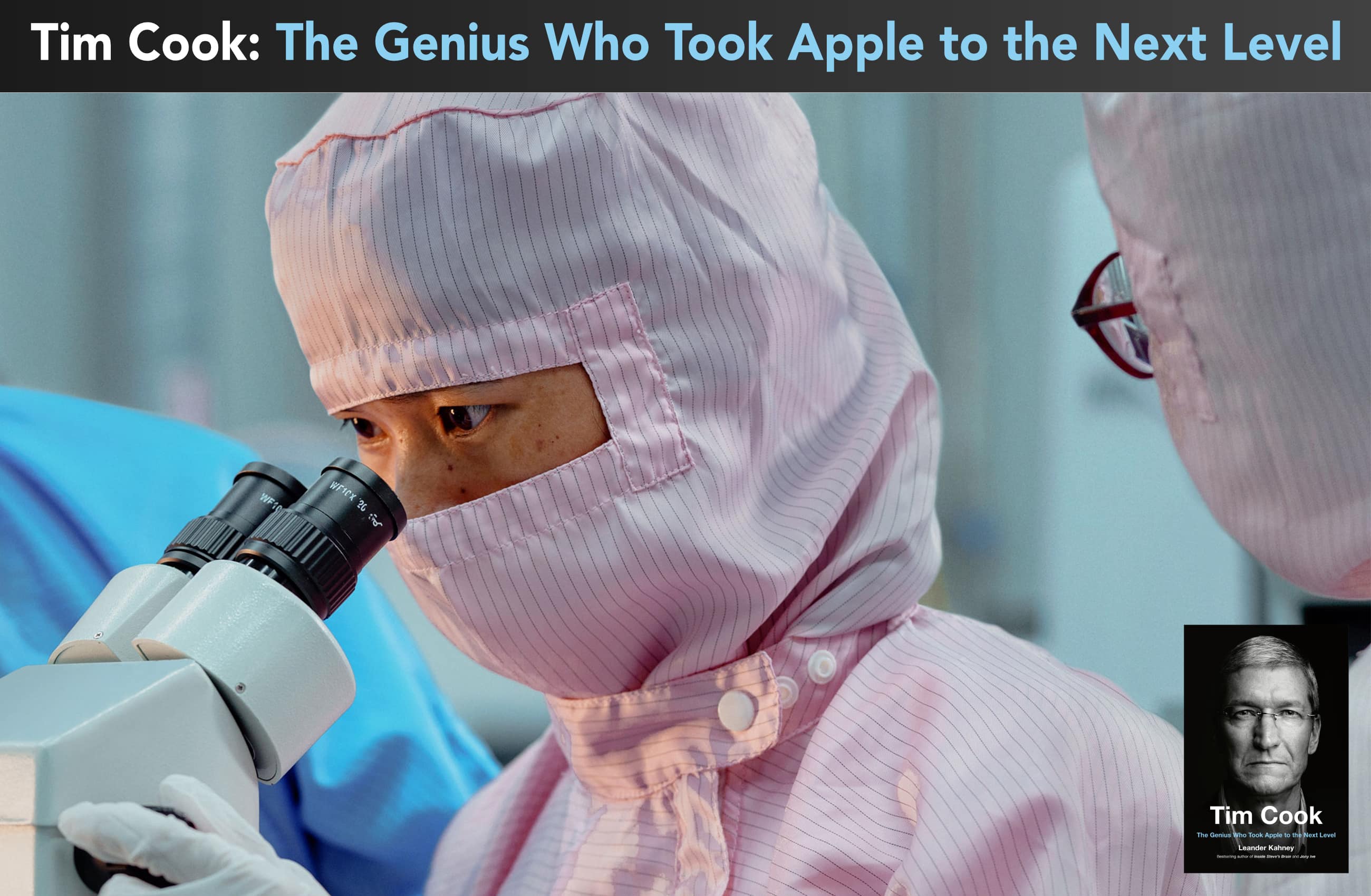
This post was going to be part of my new book, Tim Cook: The Genius Who Took Apple to the Next Level, but was cut for length or continuity. Over the next week or so, we will be publishing several more sections that were cut, focusing mostly on geeky details of Apple’s manufacturing operations.
Foxconn was founded around the same time as Apple, although 6,000 miles away on the other side of the world. In 1974, when 19-year-old Steve Jobs was working at Atari, 24-year-old Terry Gou borrowed $7,500 ($37,000 in today’s money) from his mother to start up a business.
Apple leases new offices near to Apple Park Photo: Duncan Sinfield
This post was going to be part of my new book, Tim Cook: The Genius Who Took Apple to the Next Level, but was cut for length or continuity. Over the next week or so, we will be publishing several more sections that were cut, focusing mostly on geeky details of Apple’s manufacturing operations.
As iPhone growth exploded, Apple struggled to keep up with demand. Every year, the number of iPhones sold would double, which meant that Apple kept adding new suppliers and assembly operations to keep up. It was a monumental struggle.
Workers examine a camera module in one of Apple's factories in China. Photo: Apple
This post was going to be part of my new book, Tim Cook: The Genius Who Took Apple to the Next Level, but was cut for length or continuity. Over the next week or so, we will be publishing several more sections that were cut, focusing mostly on geeky details of Apple’s manufacturing operations.
A good measure of the size of Apple’s manufacturing operations is its capital expenditure, the amount of money spends on things like buildings and equipment.
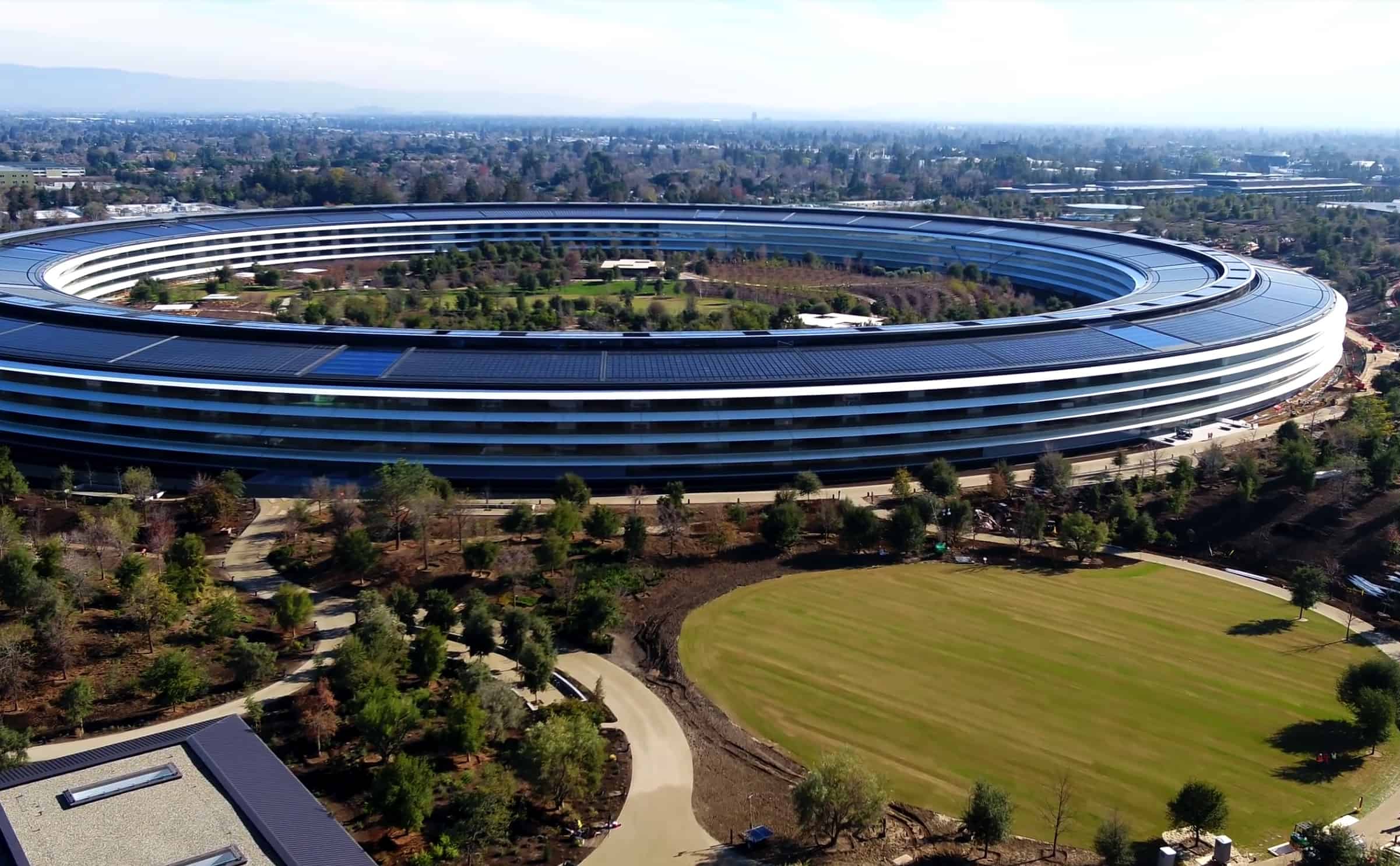
Apple’s capital expenditure, or CapEx, is mindboggling. To get an idea of how big it is, take Apple’s new spaceship campus in Cupertino – which is the fourth most expensive building in the world. It cost the company an estimated $5 billion to construct.
Apple spends a similar amount every six months on manufacturing equipment.

 January 15, 2008: Apple CEO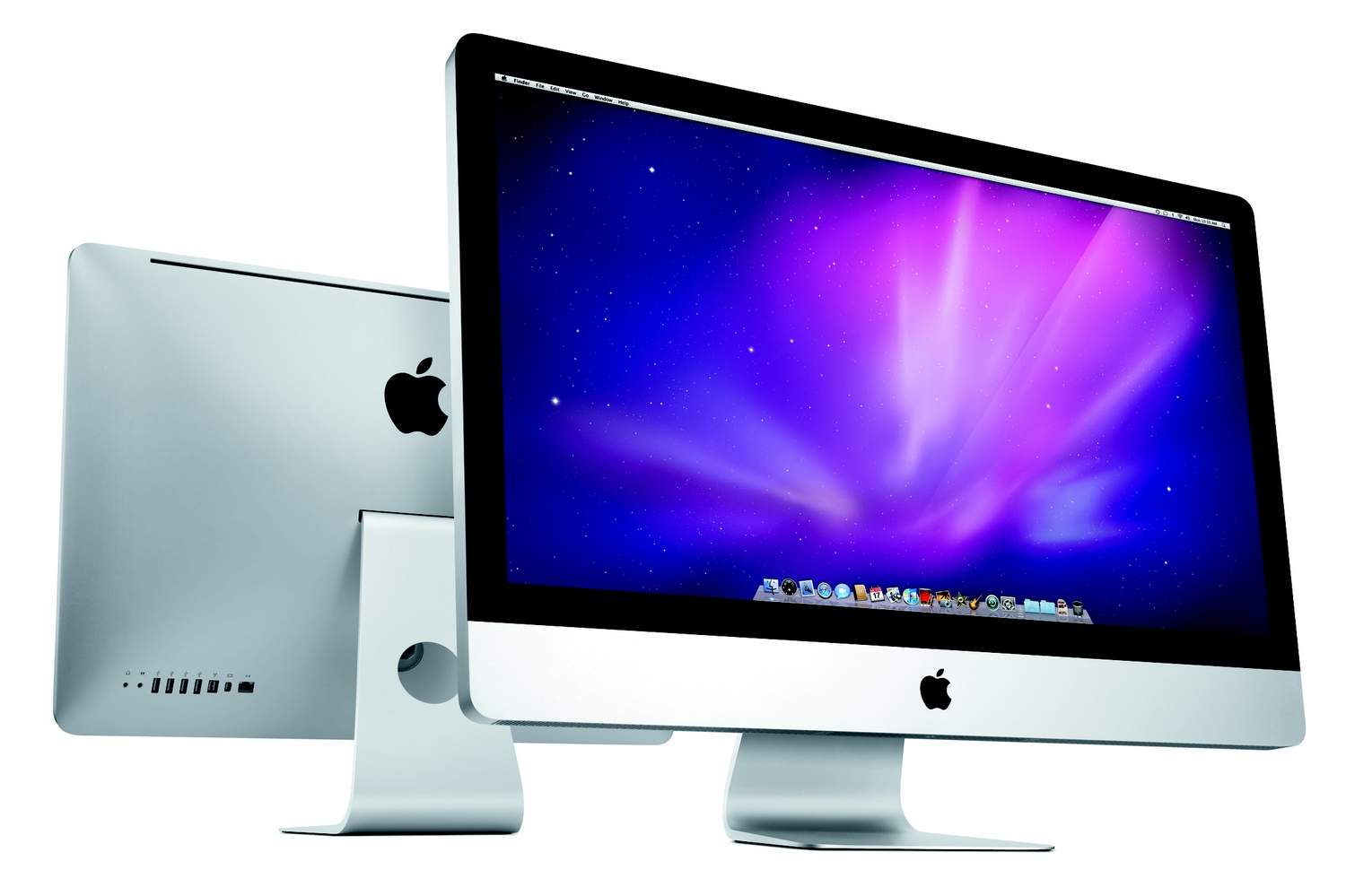
 October 20, 2009: Apple goes big with its iMac redesign, introducing the first 27-inch all-in-one Mac. The sleek, sophisticated aluminum unibody design looks so good that the iMac will remain virtually unchanged for years.