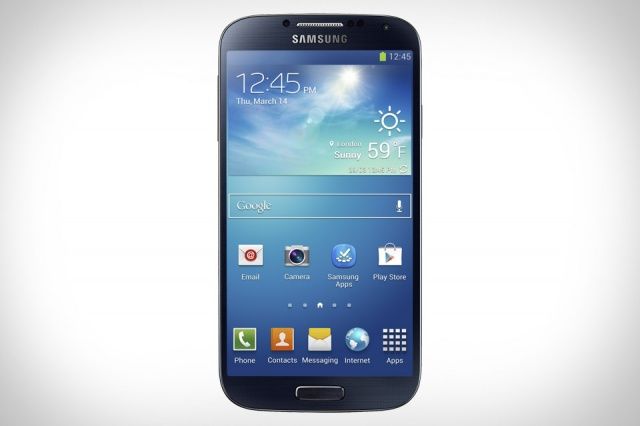
As you may have noticed already, the embargo on the new Samsung Galaxy S4 was lifted today, and reviewers from all corners of the web are weighing in on the latest Android flagship. Given that the handset succeeds one of the most successful Android phones of all time, many of you are likely to be itching to find out what it’s like.
We’ve put together a review roundup to give you a snapshot of what those early reviews are saying about the Galaxy S4, and to help you decide whether the handset will be worth your hard-earned cash when it goes on sale in the coming weeks.
Sprint has this morning reported its financial results for the first quarter of 2013, and they show yet another loss for America’s third-largest carrier. The company announced a $643 million net loss on $8.79 billion revenue, though it did manage to generate a positive operating revenue of $29 million.
Sprint sold 5 million smartphones during the period, 1.5 million of which were iPhones.
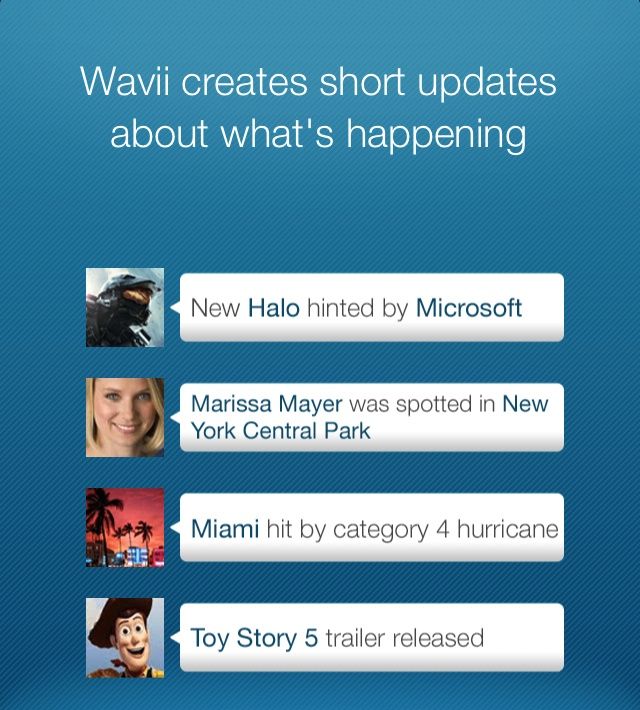
Google has allegedly purchased Wavii, a small natural language parsing startup, according to a report on TechCrunch. Wavii ended up going to Google for “more than $30 million” after a bidding war with Apple.
Wavii’s technology and talent will reportedly be integrated in Google Now and the Knowledge Graph, Google’s experimental division that is working on the future of search.
Rogers is the latest Canadian company to broaden its horizons with the introduction of LTE. This week the carrier introduced LTE to 7 new markets, keeping the promise it made a fortnight ago.
The U.S. International Trade Commission (ITC) has officially ruled in favor of Apple against Google’s Motorola Mobility in a patent case that began in 2010. The last patent Motorola was using to sue Apple for infringement has been ruled invalid by the ITC.
Motorola sued Apple for allegedly violating six of its patents three years ago, and today’s patent was the last of six patents to be thrown out of court. If Motorola would have proven Apple’s infringement of this particular patent, the ITC could have possibly blocked sales of certain iPhone models.
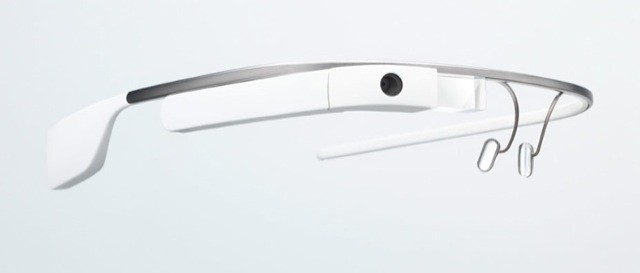
The future of computing might be in wearable computers like Google Glass and the rumored Apple iWatch, but you’re still going to have to wait before getting to try them out.
Google has never commented on a launch date for Google Glass, but Eric Schmidt says it’s not that far away. In an interview for BBC Radio 4’s “World at One” today, Schmidt says that he thinks the consumer version of Google Glass is “probably a year-ish away.”
Twitter recently announced that it’s killing TweetDeck for Android, iOS, and Adobe AIR, and we now have a date for the operation. TweetDeck will stop functioning and be pulled from Android and iOS on May 7, according to an announcement on the TweetDeck website.
We learned a lot about Google Glass this week. In doing so, we also learned a lot about Google.
It’s tempting to look at Google’s vast range of products and research projects and conclude that the company has more ideas than vision. (The difference is that ideas tend to be disconnected, whereas vision involves a coherent strategic direction.)
Where is Google going? Does Google even know?
A closer look suggests that Google is, in fact, an increasingly visionary company. And the fate of many Google projects is predictable.
Some are predestined to die eventually in the hellfire of “spring cleaning” (Orkut), many will live on forever as useful, profitable but not centrally strategic products (Gmail) and others form the strategic centerpiece of Google’s longterm future (Google+).
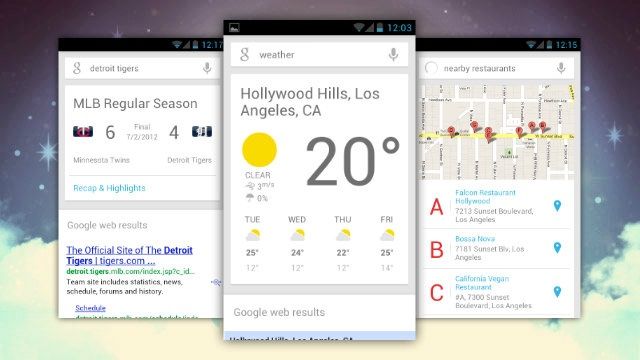
If we’ve learned anything from the truckload of Google Glass details this week, and from prior revelations that I’ll tell you about, Google Now is absolutely strategic and central to the future of Google.
More interestingly, Google Now’s cards metaphor looks likely to become one of the main interfaces for interacting with Google’s many cloud services.
There’s an argument in the platform wars, and also on Wall Street, that goes something like this: “Apple doesn’t innovate anymore. It moves too slowly, and is being taken over by more nimble, more innovative rivals.”
Any success Apple has is the result of slick marketing, rather than the newest technology. But now, Apple is a laggard and is being overtaken by more nimble companies.
When I hear about a game that uses miniature figurines with a videogame, I automatically think of Skylanders, Activision’s hit toy/video game that uses plastic creature figures placed on a special “portal of power” to use the creature’s special abilities in the videogame, on consoles and on iPad.
Sydney, Australia-based TableTop Interactive is going one step further to a fuller interactive experience, with mini-figurines reminiscent of tabletop games like Hero Clix or Warmachine, and gameplay that looks more like an action RPG like Diablo. The Kickstarter project is just getting started, with a £150,000 goal and 42 days left to get to it.
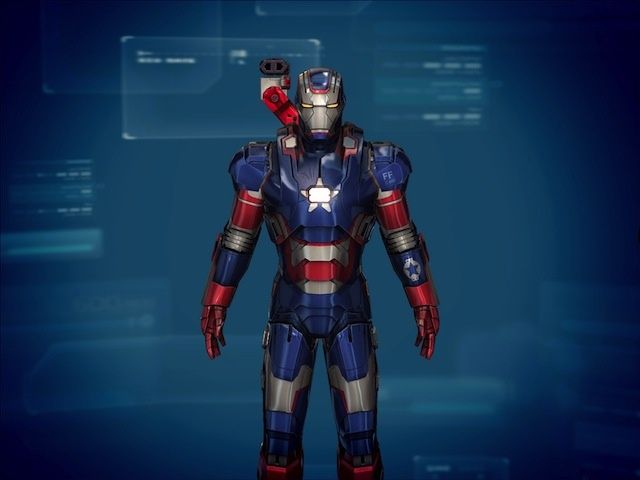
The exotic Iron Patroit armor, featured prominently in trailers for the movie.
The release of Iron Man 3 for Android and iOS is almost upon us, and Gameloft sent us a sneak peak of the 18 different Iron Man armor suits available to the player in the game.
These gorgeous images augment the trailer Gameloft released of their endless runner (the category of game Iron Man 3 falls into) last month. The game’s out on April 25; no word about price yet. More suits to get you drooling below.
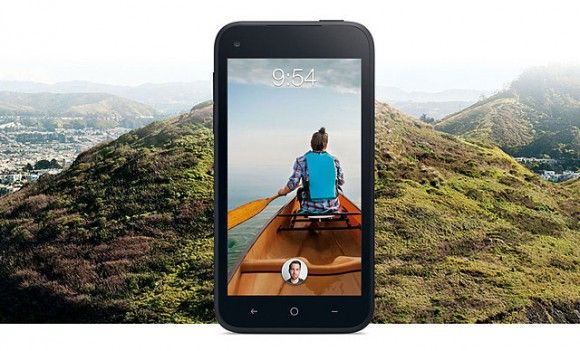
Here’s an interesting fact for you. Facebook Home — the new app that deeply-integrates Facebook into Android smartphones (and probably most notable for its system-wide Chat Heads messaging) — doesn’t work as intended on iOS… but it was actually prototyped on Quartz Composer, Apple’s visual development environment distributed as part of Xcode!
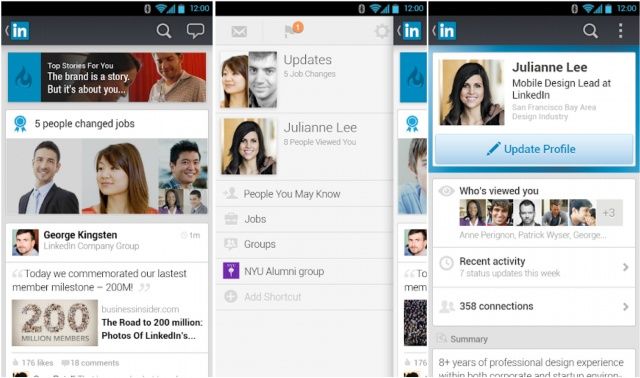
LinkedIn has rolled out new apps for Android and iOS that boast brand new designs, faster navigation, and new features. Users will now find an increased focus on their news stream, with conversations, network updates, and more now front and center. The update even comes with a fancy new demonstration video; check it out below.
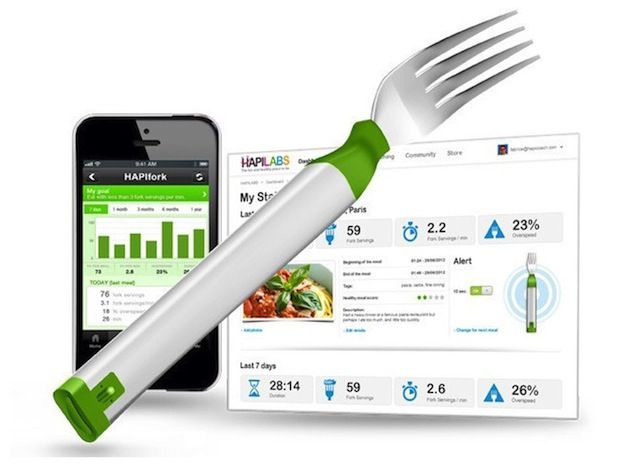
The French were everywhere at this year’s CES, measuring everything. Everything. The most imaginative expression of this peculiar (but useful) French obsession was the Hapifork, a Bluetooth-connected utensil that measures the user’s eating habits.
If that sounds interesting, good news: Hapifork has finally made it to Kickstarter, just two months behind schedule.
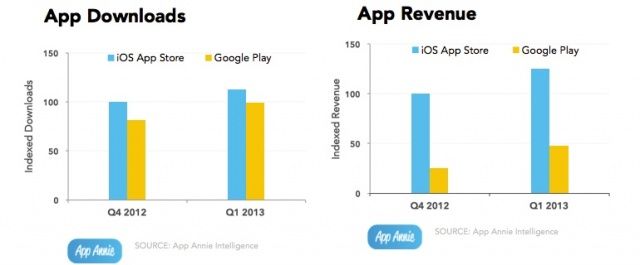
Apple got a head start on Google with the App Store, but over the last year, Google Play has continued to make up ground, not only with its offerings of apps, but also the amount of revenue it generates.
In Q4 2012, Apple’s App Store was still seeing four times as many sales as Google Play was, but fast forward to Q1 2013 and the App Store is now only making 2.6 times as much as Google Play.
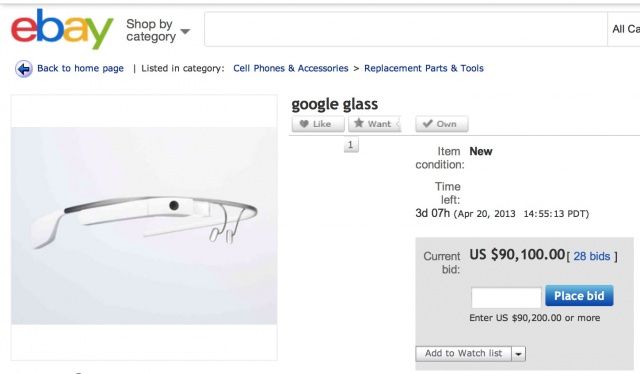
Google Glass is probably one of the most interesting pieces of technology you’ll see this year, so it’s no wonder people are scrambling to get their hands on a pair. Unfortunately, it seems Google’s in little rush to get them out the door, but you don’t necessarily have to wait for them to hit Best Buy before you can buy your own.
All you need is an eBay account and a hoard of cash you have no use for.
Having problems accessing Gmail, Google Drive, Google Docs, and other Google services this morning? Don’t worry — you’re not the only one. Google is currently suffering a partial service outage which is making these service inaccessible for some users, but the company assures us that it is working on resolving the issues as quickly as possible.
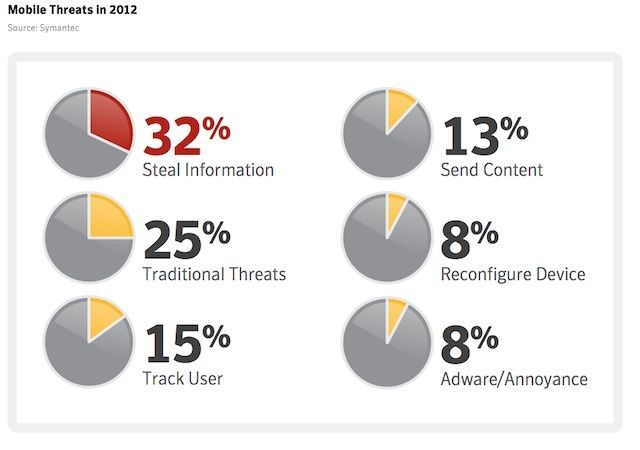
Android’s reputation as a nest for malware isn’t likely to heal anytime soon, thanks to a new report from Symantec.
According to the security company’s research, Android is still the main target when it comes to mobile malware writers, but iOS is technically a more vulnerable platform.
Satellite TV provider Dish Network is looking to derail Sprint’s deal with SoftBank and acquire the carrier with a $25.5 billion bid. Dish has offered $17.3bn in cash and $8.2bn in stock for 100% of Sprint shares, and the company argues that the deal represents a 13% premium over SoftBanks “complicated” bid to acquire 70% for $20.1 billion.
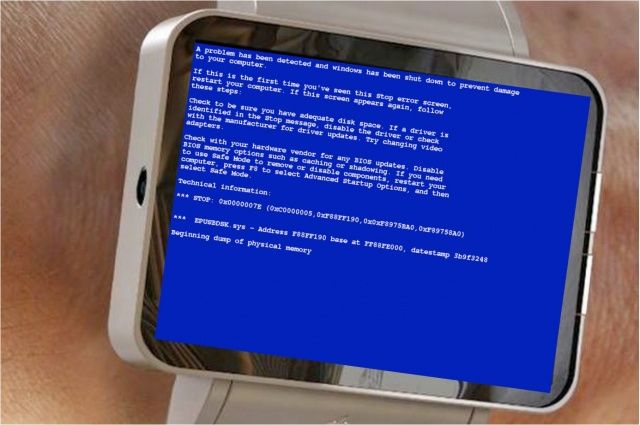
Microsoft is designing a new smartwatch that could allow it to compete with upcoming devices from the likes of Apple, Google, and Samsung, The Wall Street Journal reports. The company has already asked suppliers in Asia to ship components for the device, which will reportedly boast a “touch-enabled” display.
Messaging standards are great! Maybe that’s why we have so many of them.
Don’t look now, but people communicate via the Internet. Whichever company can get the majority of users on their system wins. To quote Newman, the Seinfeld mailman: “When you control the mail, you control… information!”
The reason is that communication is where most of the online eyeballs are. And the network effect factor is overwhelming. (Network effect is: more users make a network more valuable to users, and users want to use networks that are more valuable.)
The carriers want everybody texting. It costs next to nothing to deliver text messages, but carriers can charge a lot and, for some reason, people pay. It’s free money, as far as the carriers are concerned.
Thousands of app makers want you to give up SMS and embrace some app-based communications system. Some work like texting. Others like an intercom system. Many of them are really great, but they’ve got an uphill battle getting everyone to embrace them.
Apple wants to get all OS X and iOS users messaging via iMessage.
Facebook wants to leverage Google’s Android to get everyone embracing Facebook Home.
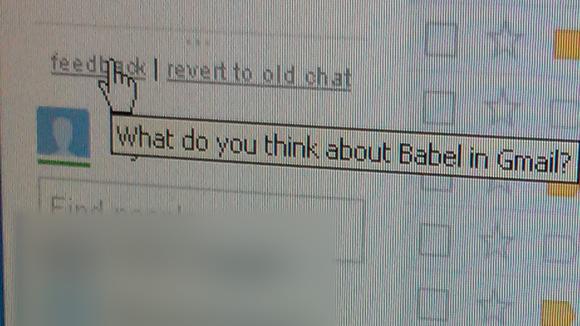
And Google’s hatching a killer service based on Google+ called Babel. Allegedly.
LinkedIn has officially announced that it will acquire the popular mobile newsreader Pulse in a deal worth $90 million, following rumors that began circulating back in March. The company is hoping that the move will help it become the “definitive professional publishing platform,” expanding its business beyond the professional network it already provides.
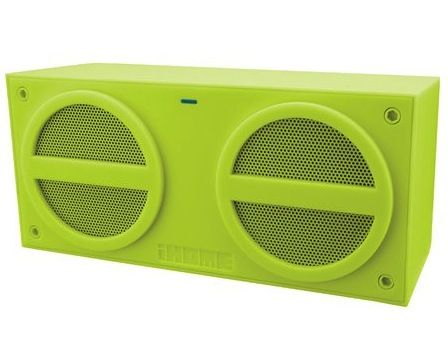
Yeah, that’s a bit of sarcasm up there in the hed; there’s obviously no lack of choice regarding Bluetooth speakers. This year’s CES exploded with Bluetooth, and it doesn’t seem a day goes by that a manufacturer doesn’t release another model.
I’m sitting here bobbin’ my head to these fresh playlists, straight outta Liberty City, Chinatown, Vice City, and other locations in Rockstar’s flagship series of games, Grand Theft Auto.
I’m not playing the games through, either. All the songs are set up in Spotify and iTunes by Rockstar itself, from the radio stations in the GTA series, including Grand Theft Auto IV, Episodes from Liberty City, San Andreas, Vice City and more.
Looks like this whiteout winter may finally be waning. Time to soak up a little sunshine; so grab your bike, backpack, rod, oars, harness and a Pocket Ranger official State Park Guide app for Android or iOS and get yourself outside. Why a Pocket Ranger app? Because it’s stuffed full of info about anything and everything related to state parks in your area — for free.