Did this patent tip Apple’s intent to buy AuthenTec?
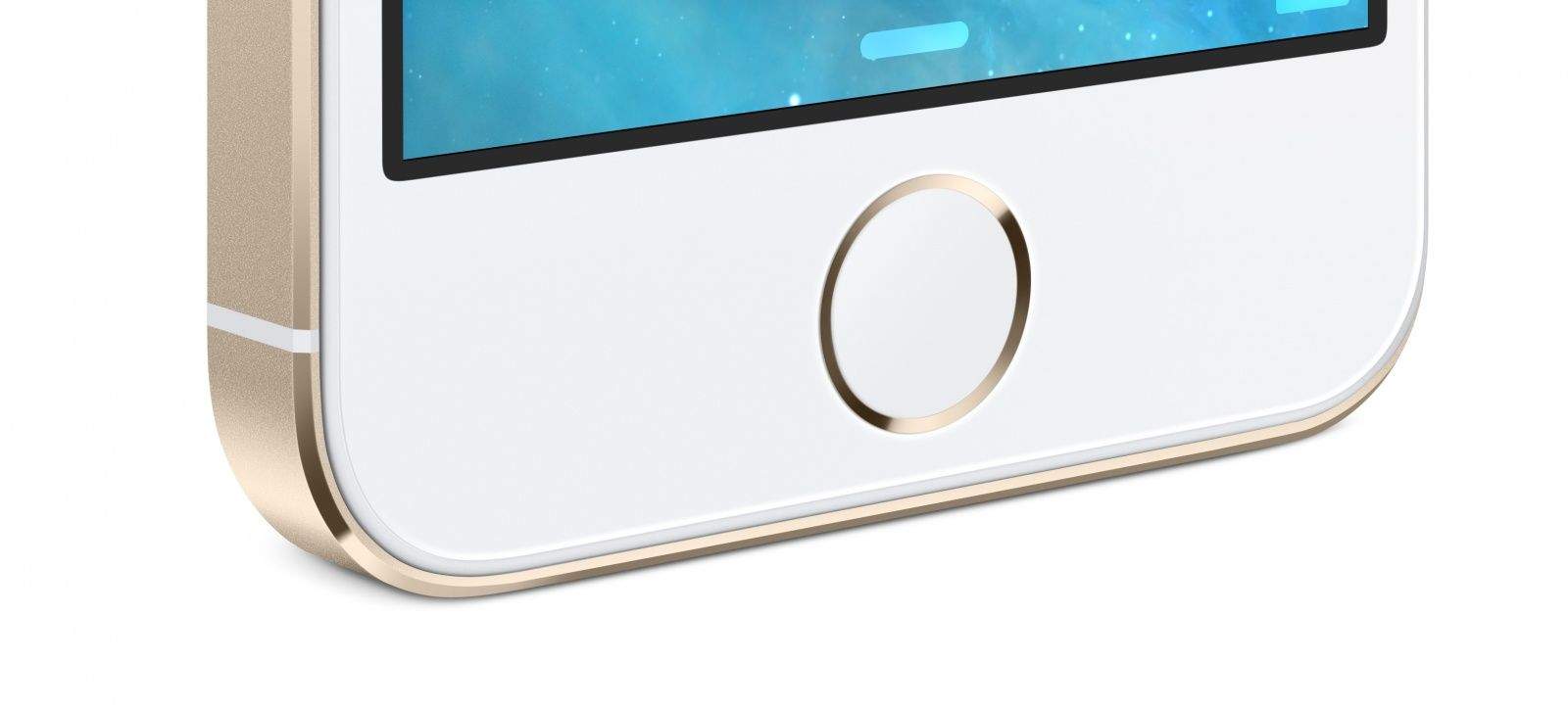
Whenever Apple moves to purchase a company, you know they’ve got something up their sleeves, and it’s not hard to imagine the possibilities of their latest acquisition: maker of fingerprint sensor chips, AuthenTec.
With PayPal’s acquisition of card.io mobile credit/debit payments could become as easy as snapping a photo.
While Apple’s taking a wait and see approach to the nascent mobile payments and digital wallet industries, PayPal seems ready to launch an all-out offensive. In addition to its existing assortment of mobile, local, and online payment systems, PayPal announced this week that it is acquiring startup card.io.
card.io currently works with a range of iOS and Android developers to help them integrate mobile credit/debit card payment capabilities into their apps without the need of additional hardware like Square’s card reader or PayPal’s Here card reader. Instead, card.io’s partners use the built-in camera of an iPhone (or other iOS or Android device) to snap a photo of a credit card. The card number and related information is extracted and passed to a payment processor to complete the transaction (manual keying in a card number is also supported as a backup).
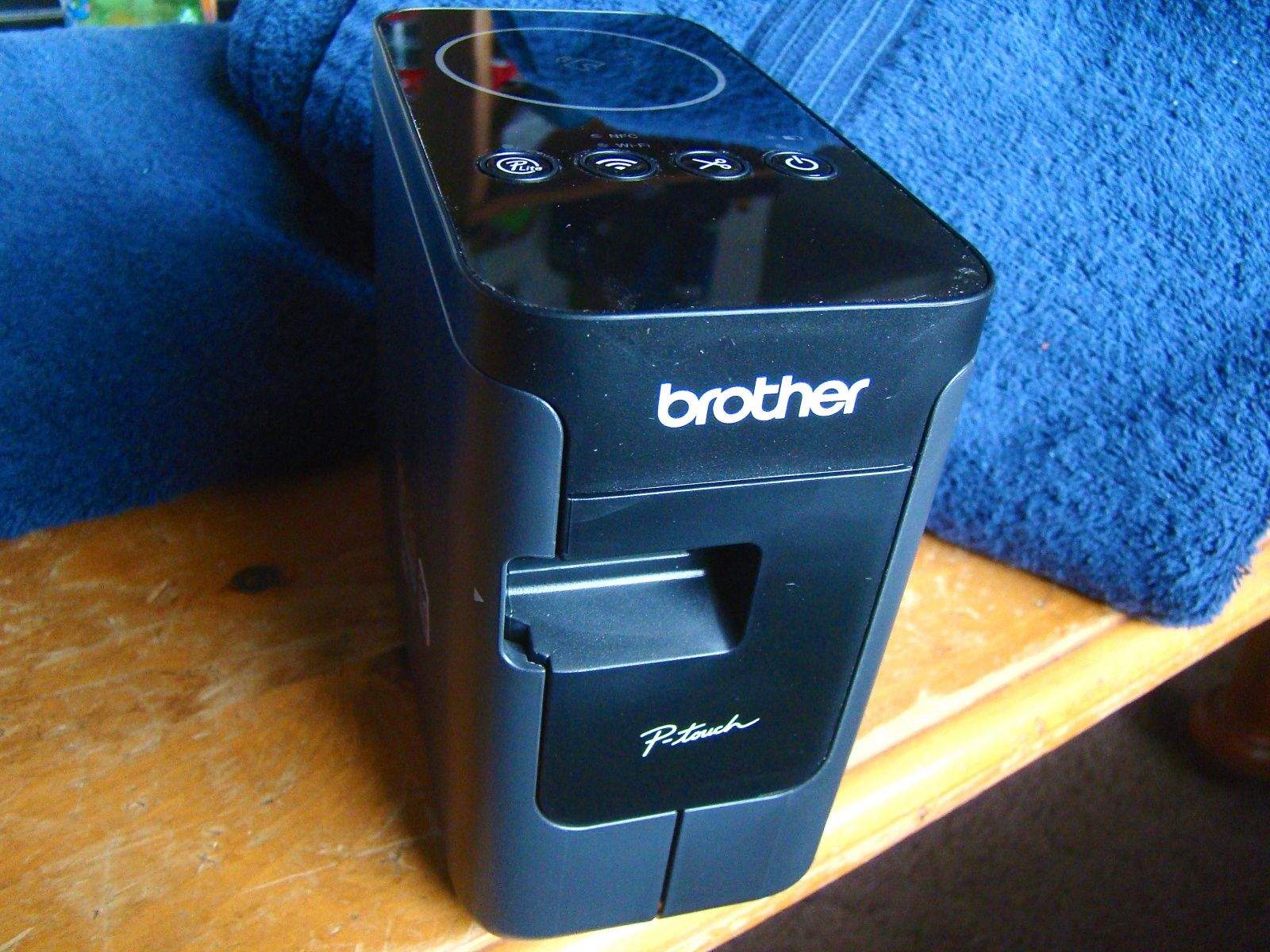
The OKSU printer is kind of like a real life Pinterest concept, only cooler, and not just for girls. Found some Prada shoes you like but can’t afford? Print their picture out on the OKSU, pin them to your wall or something so you can drool over them everyday, and then when you finally got enough cash to buy them, you just drop the picture on top of the OKSU printer and the website pops up on your MacBook, iPad, or iPhone automatically. It’s magic, ta-da!
Passbook could be a brilliant way for Apple to trump any other mobile payment option.
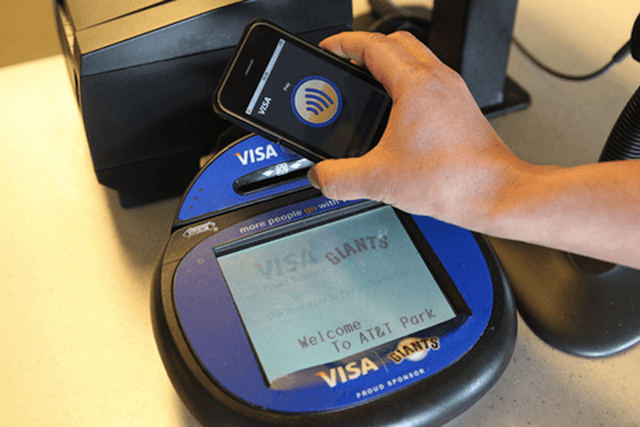
Mobile payment technologies have an interesting and complicated relationship with local businesses. On the one hand, local mom-and-pop restaurants, shops, and services are probably the companies that you’d expect to adopt new payment technologies the slowest – particularly if those technologies require new point of sale hardware like an NFC reader. On the other hand, mobile payment systems could be poised to deliver a new wave of business to such local companies.
Making the situation more complicated is the fact that any mobile payment system (Google Wallet, PayPal in-store purchasing, or any system that Apple may be slowly developing) can’t be considered a solid winner or option unless that system strikes it big with local businesses. A system that only applies to large chains, like the in-store purchasing the PayPal rolled out to Home Depot and other retailers, can’t be considered mainstream unless it’s adopted very widely and by a significant percentage of small businesses.
Further complicating the relationship is the fact that many players in the race to create a true digital wallet are on focusing widely varying options for small and local businesses. That means that no one company is leading and no company really seems to have a consistent strategy for tapping this immense and important market.
Despite new technologies for mobile payments, customers trust familiar companies like Apple.
PayPal, Amazon, and Apple are leading the mobile payment market according to IDC. The research company released the results of a business strategy study that focused on new and emerging payment technologies. The 2012 study is eighth year that IDC has conducted the survey, but it is the first year where mobile payments were a major focus.
While many efforts are underway to develop new payment technologies, many of them based around NFC, most new technologies have yet to catch on with consumers.
Overall mobile payments, however, are catching on with consumers. IDC reports that the number of individuals making mobile payments has doubled since last year’s report and that one-third (33%) of consumers have made some form of mobile payment. The data also shows that the mobile payments market is being led established players and existing technologies.
Could Apple add NFC to the iPhone after all? This patent would suggest so.
Apple’s rivals are already producing smartphones with NFC capabilities, and although NFC is yet to really take off, it’s still capable of some pretty incredible things that we all want from our smartphones. However, there has been some debate about whether or not Apple will adopt the feature, or create an alternative of its own — possibly utilizing Bluetooth.
Since the company unveiled Passbook in iOS 6, that debate has hit an all-time high. Passbook would work wonderfully with NFC, and would allow us to ditch physical cards and tickets in favor of a “contactless” system in which we just hold our devices up to a sensor. And according to a newly granted Apple patent for “iTravel,” it appears the Cupertino company is just as excited about that prospect as we are.
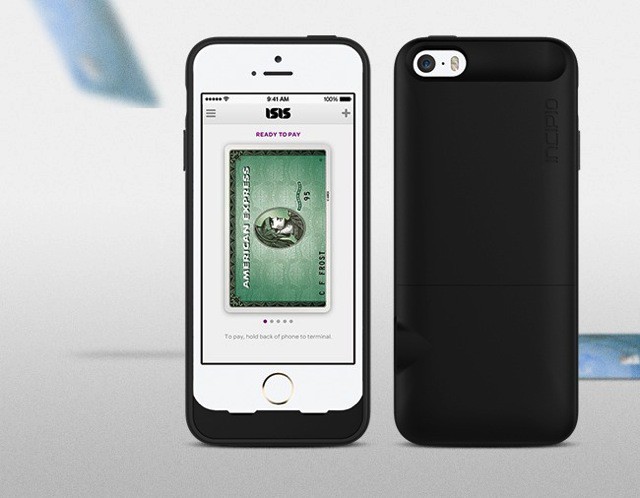
We’ve all been waiting with bated breath for Apple to take the mobile payment industry by storm and bring it to the mass consumer market. For years, there have been whispers that Apple is working on its own approach to reinventing mobile payments, including the possibility of a NFC-equipped iPhone. When Apple unveiled Passbook in iOS 6 last month, the company announced its first real foray into mobile payments by partnering with select companies for handling virtual goods like coupons and airline tickets.
According to a new report on The Wall Street Journal, Apple’s Passbook is only a shadow of things to come. The company is “deliberately” working on its own mobile payment system, and while the rest of its competitors scramble to test the waters, Apple is sitting back and developing the right strategy.
Congressional testimony raises concerns about consumer protections for mobile payments
Are mobile payments safe? That was a question that the House Financial Services Subcommittee on Financial Institutions and Consumer Credit posed to various finance officials earlier today. The subcommittee didn’t get a particularly clear answer.
According to written testimony provided by Stephanie Martin, associate general counsel for the Federal Reserve Board of Governors, defining what protections apply to mobile payment systems is complicated by the fact that many businesses involved in the transfer of money through mobile devices aren’t banks. Companies involved in mobile payment systems that don’t meet the established definition of providing banking services aren’t subject to certain scrutiny, regulation, or consumer protection laws.
The mobile payment options becoming mainstream are the simplest and low-tech ones.
Read enough articles about NFC and its potential for mobile payments and you’ll find yourself thinking the technology is the inevitable mobile payment platform. Every major mobile platform except iOS already includes or will include support for NFC-enabled devices. There are lots of partnerships being announced between key players like device manufacturers, carriers, and banking or credit card companies. It also just seems to make sense that this is the future.
Until you look up from all the stories about what NFC and look at what’s really happening in the world. You don’t see much evidence of NFC payment systems in everyday life. NFC isn’t yet emerging into mainstream commerce, but there is ample evidence that mobile payments are taking off without it. Those options becoming mainstream are decidedly low tech by comparison, but that’s precisely why they’re succeeding.
Microsoft unveiled today what will be the future of their phone software, Windows Phone 8. Building upon the foundation of Windows Phone 7, Microsoft’s newest iteration of its phone operating system brings some new features and enhancements that tie both Windows on the desktop and Windows on mobile devices together. With the introduction of Windows Phone 7, Microsoft laid the groundwork for a new, company wide strategy which closely resembles that of Apple’s.
Many of the improvements and added features to Windows Phone 7 are now making their way back to the desktop, in the form of Windows 8 and Windows RT, the tablet variety. Windows Phone 8 further unifies the operating system structure across all devices, and also brings some new functionality to the table which will compete directly with iOS 6, come fall.