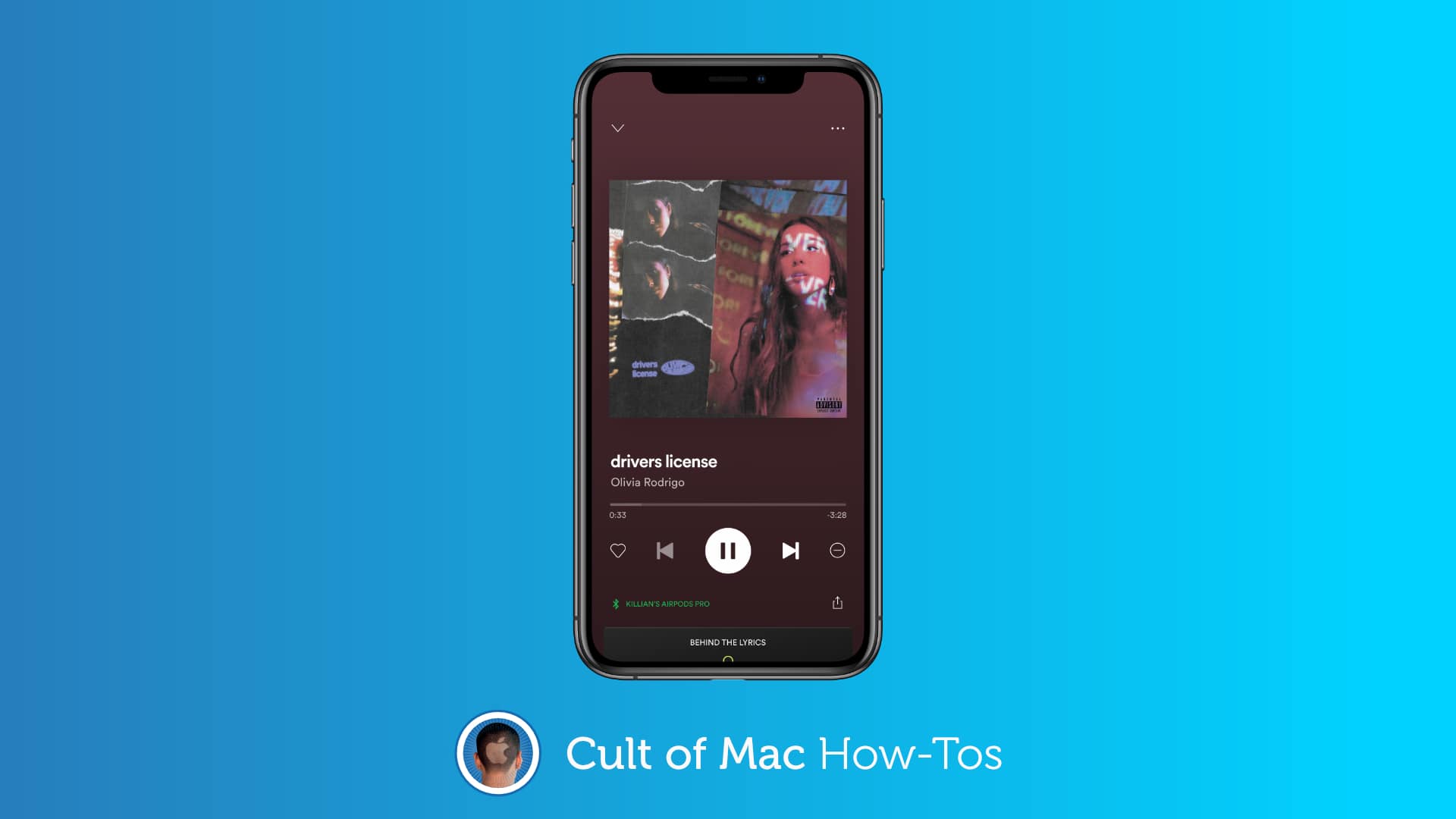
Your phone can DJ for you. Image: D. Griffin Jones/Cult of Mac
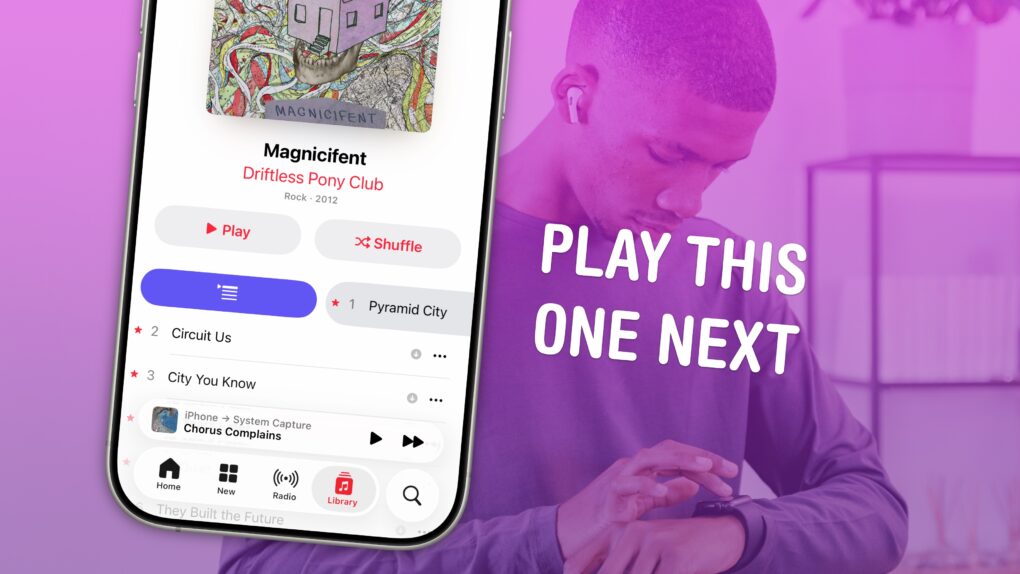
You can queue songs in Apple Music so the tracks you want to hear play automatically, one after another. You don’t need to wait for the song to end and manually play the next one. And if you want to start over, you can quickly clear the queue as well.
Plus, you can let friends add songs to the queue from their own phones — even if they don’t have an Apple Music subscription. Watch our video or keep reading below.
Artists like Kanye West helped drive music video downloads past 1 million in less than 20 days. Photo: Rodrigo Ferrari/Flickr CC
October 31, 2005: Less than three weeks after launching video downloads with iTunes 6, Apple reveals that it has already sold more than 1 million music videos.
Apple’s dive into the online digital video market — with 2,000 music videos, Pixar short films and a selection of hit TV shows for $1.99 — looks like the logical next step after selling individual songs on iTunes. Passing the 1 million download benchmark so quickly suggests the plan is a roaring success.
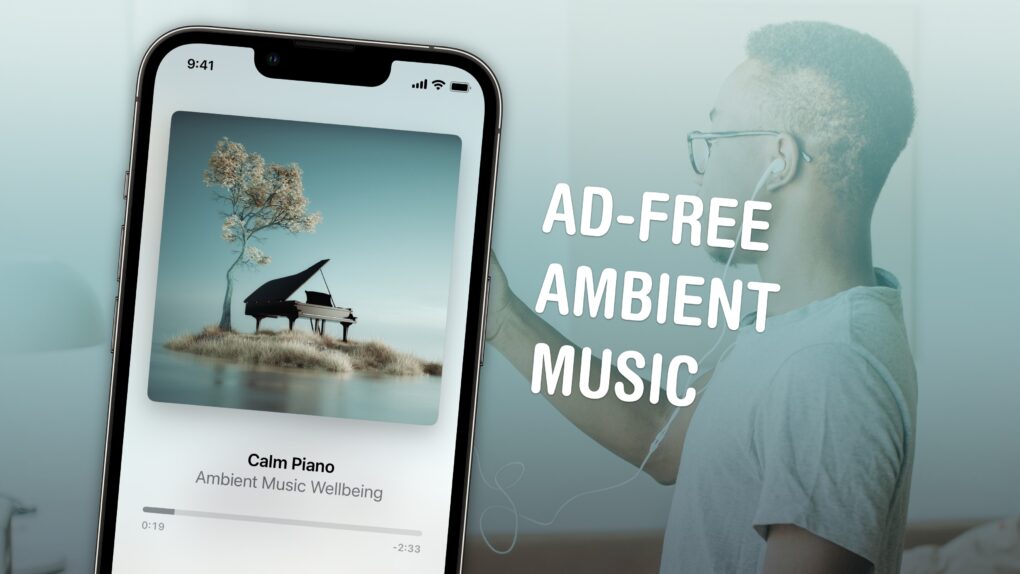
Throw on some background sounds without any fuss. Image: D. Griffin Jones/Cult of Mac
If you like working, sleeping, relaxing or meditating to ambient music — and you own an iPhone — you’re in luck. You can now play background tunes from Control Center on your iPhone. The feature is ad-free and doesn’t require a subscription to Apple Music.
If you usually put on a lo-fi music stream on YouTube, you should give this new feature a shot instead. You don’t need to keep the YouTube app open, and annoying ads won’t interrupt you.
Here’s how the iPhone’s ambient music feature works.
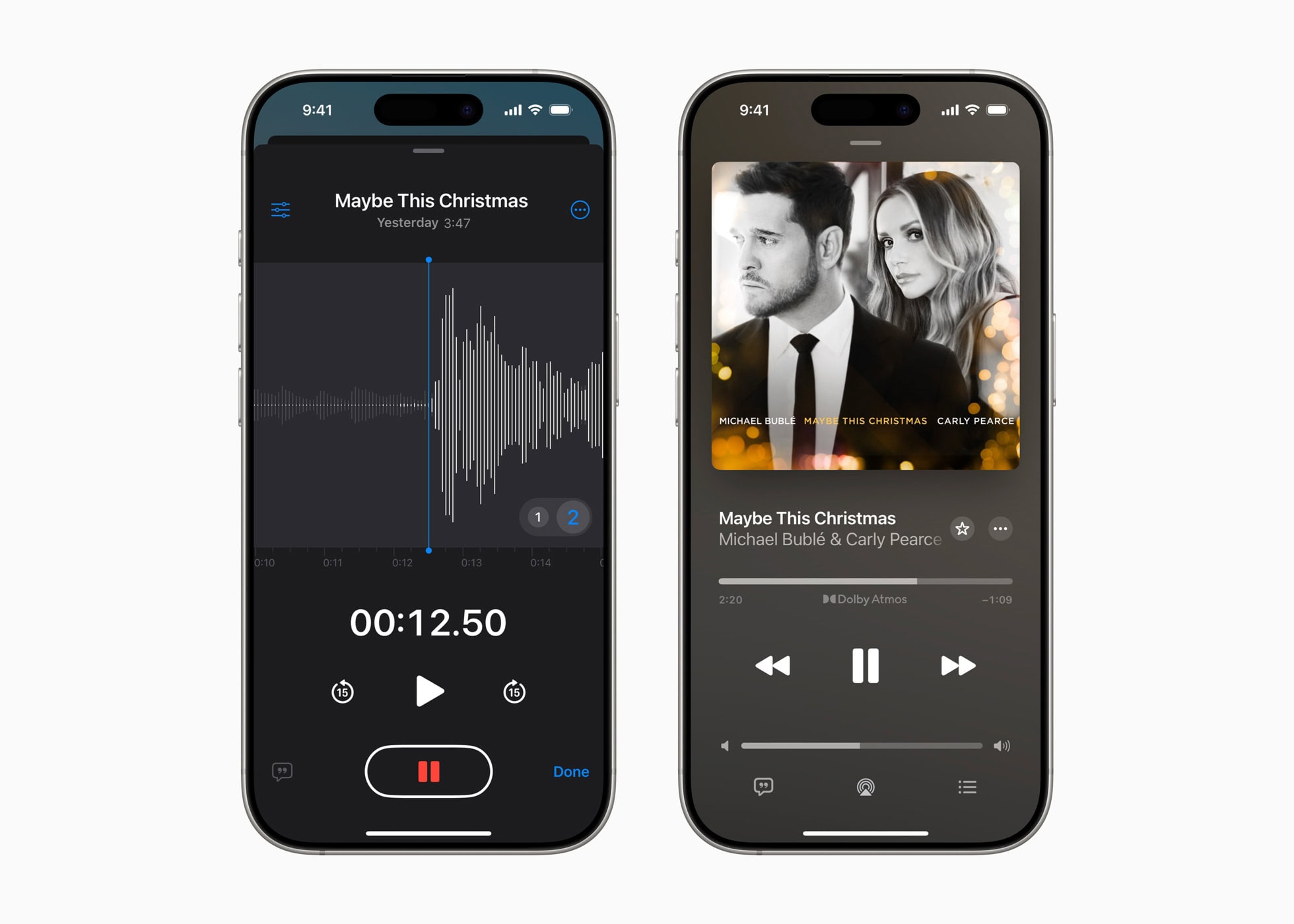
An Voice Memos app update lets users layer a vocal on top of an existing instrumental recording on iPhone 16 Pro and iPhone 16 Pro Max. Photo: Apple
In an advancement for mobile music production, Apple showed off the Voice Memos app’s new Layered Recordings feature Wednesday, releasing a new holiday single recorded with it. Exclusively available on the iPhone 16 Pro and iPhone 16 Pro Max, Layered Recordings comes via the newly released iOS 18.2 update.
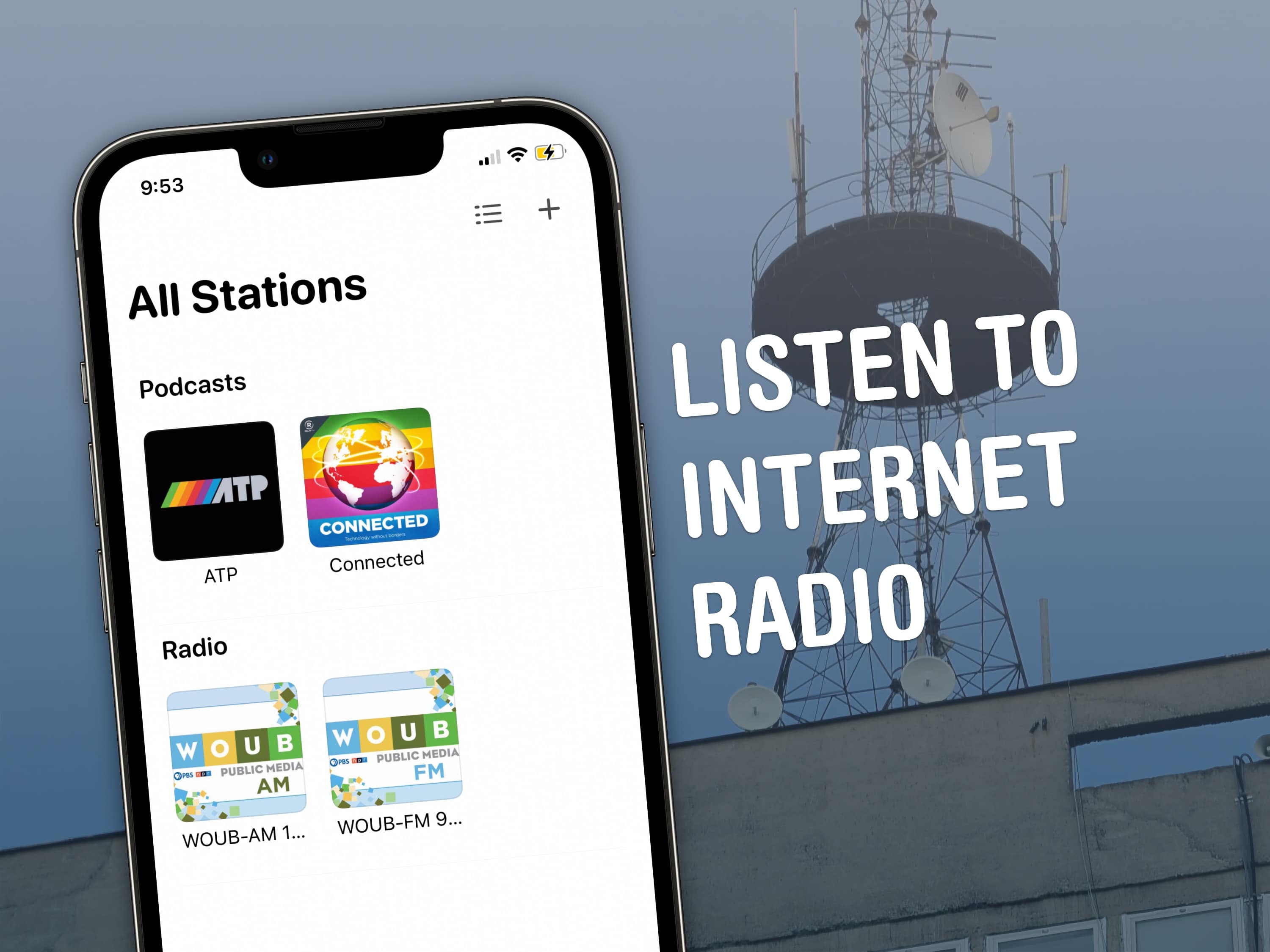
Use your phone to tune in to radio broadcasts all around the world. Image: D. Griffin Jones/Cult of Mac/Arianit/Wikimedia Commons
Most people don’t really use AM and FM radios anymore, but streaming live content is hardly dead. Lots of podcasts do live streams — and you can still tune into radio stations online. Broadcasts, an app by independent developer Steven Troughton-Smith, makes listening to live music and streaming radio on your iPhone very easy.
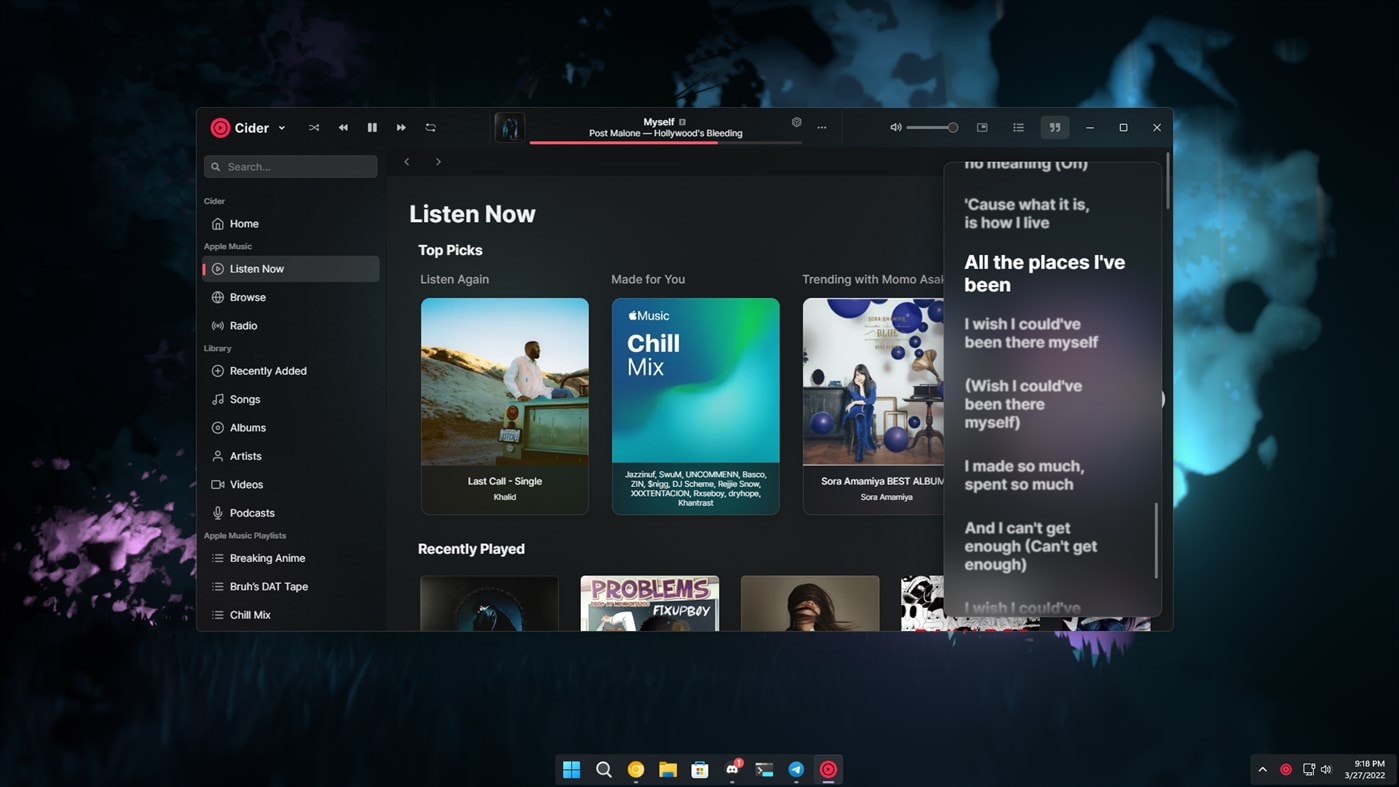
Better than iTunes in every single way. Image: Cider Collective
iTunes has become a slow and bloated mess over the years — which is why it no longer exists on Mac. But for those who are stuck with Windows, suffering iTunes is necessary if you want to enjoy Apple Music. Or is it?
There are other ways to take advantage of your Apple Music subscription on third-party machines. You could use the web app in a browser of your choice, or you could download Cider, a new and far greater iTunes alternative.
Cider, which is also available on Mac if you aren’t happy with the default Music app, offers a clean and simple user interface and almost all of the features we’ve come to expect from Apple’s streaming service — plus extras.
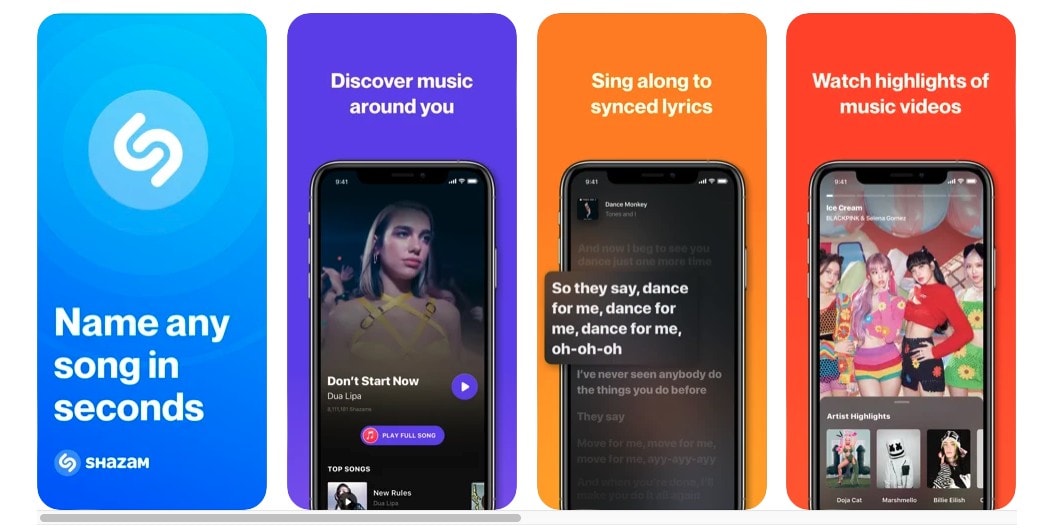
Apple's Shazam app has added detailed concert and ticket notes to help artists. Photo: Shazam
You may know the Shazam app, owned by Apple, for its ability to recognize songs and artists. But a new update to the app for iOS now also helps you “explore upcoming live music shows.” This comes from a Shazam integration with Bandsintown. Apple and Shazam said the new feature will help increase exposure for artists.
Bands didn't get much artier than The Velvet Underground, and this new documentary does the group proud. Photo: Apple TV+
In The Velvet Underground, the coolest band of the ’60s finally gets the biodoc treatment from a director who engaged with the group’s legacy throughout his career. Todd Haynes and Apple TV+ finally bring you the story of The Velvet Underground, the band that created punk rock and broke rock ‘n’ roll.
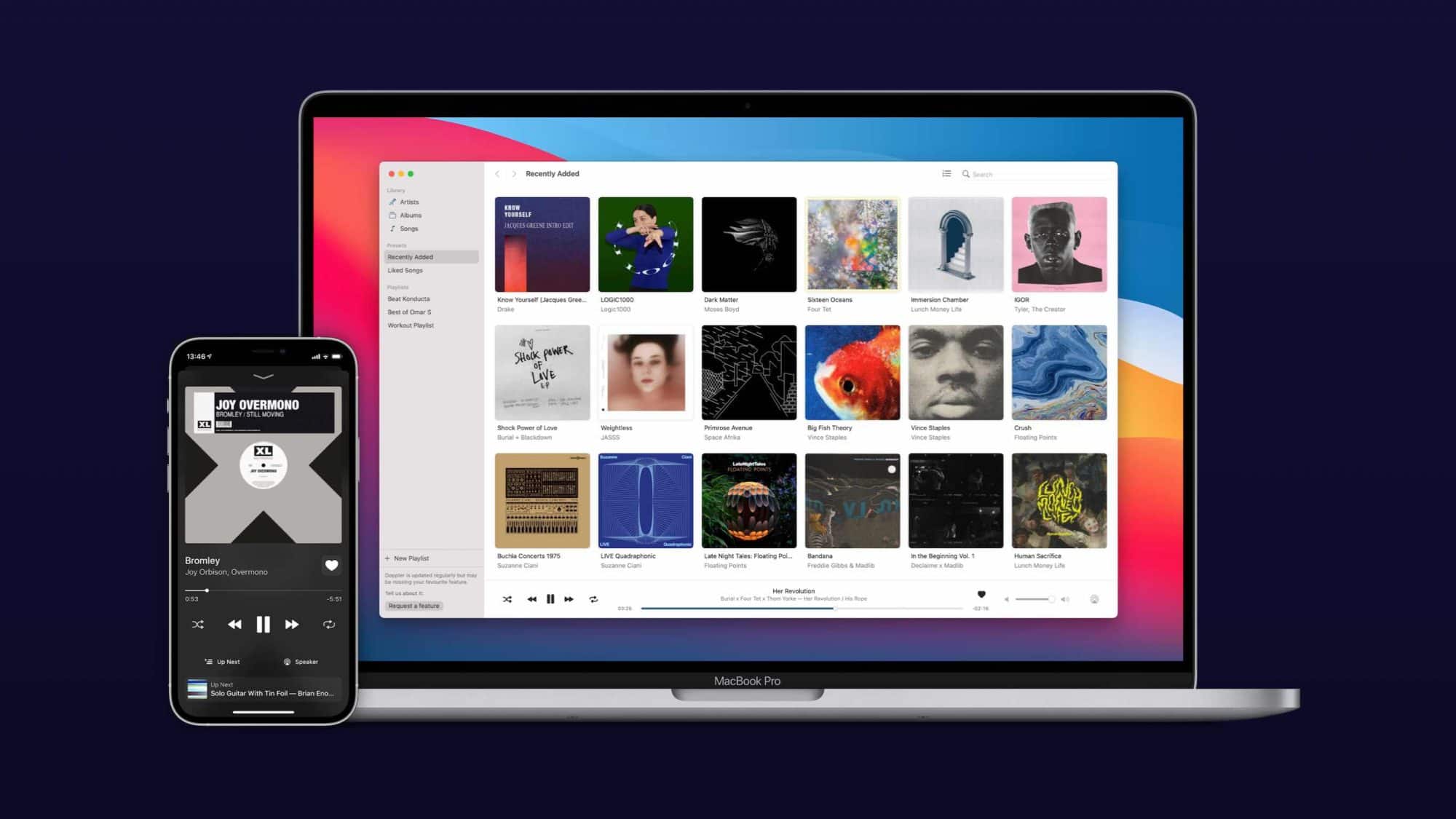
Doppler for Mac makes listening to your own music collection easy. Photo: Doppler
If you like listening to your own library of music and want support for hi-res file formats, Doppler for Mac could be for you. It’s now available, joining the popular Doppler for iPhone app.
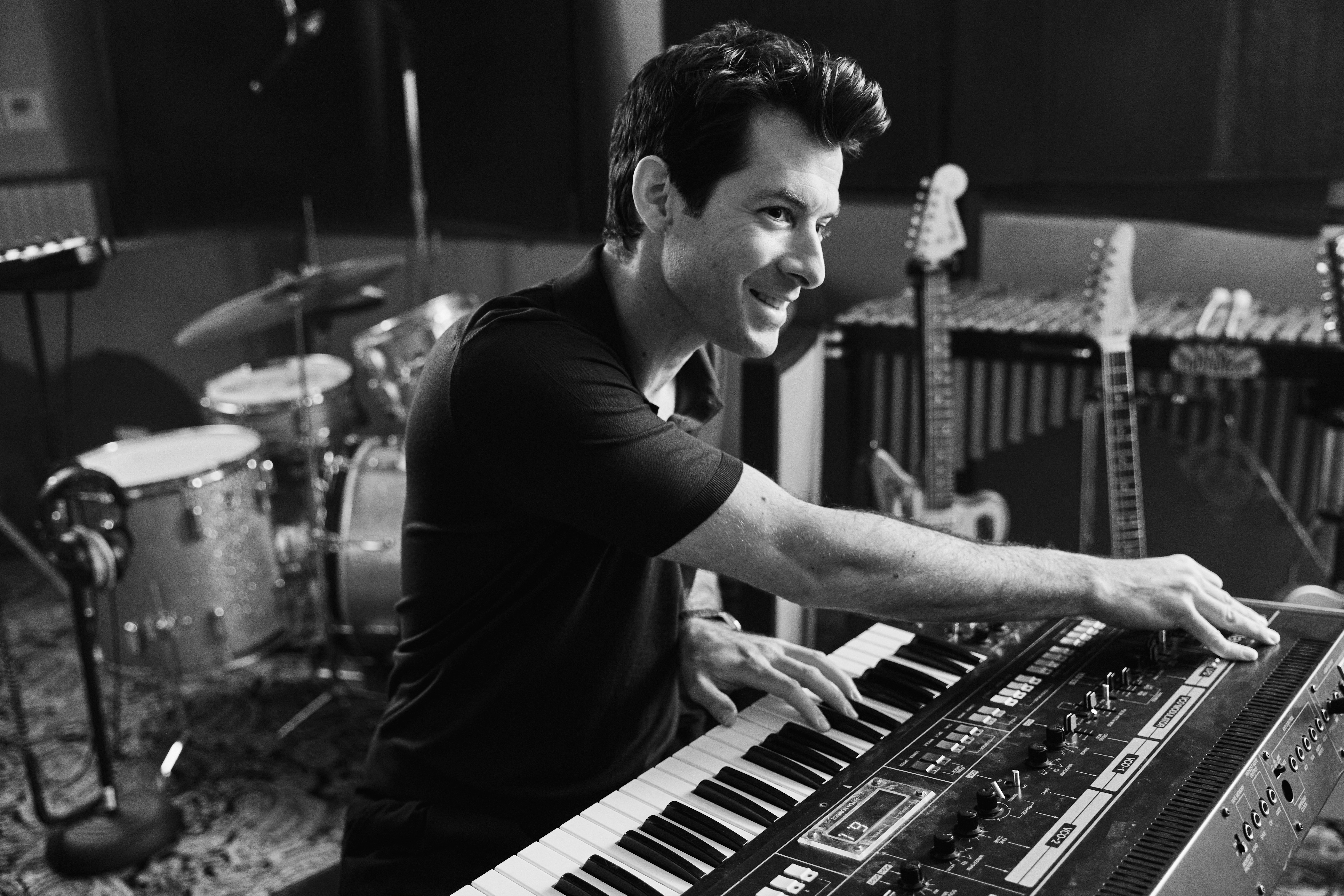
Mark Ronson breaks down the elements of music on the hugely enjoyable new Apple TV+ docuseries. Photo: Apple TV+
In the latest docuseries from Apple TV+, the world’s most in-demand producer takes a step out from behind the boards to lead us on a meditative quest to better understand the elements of music and music production that inspire him. Watch the Sound With Mark Ronson serves as a master class in mixing, mastering, experimenting and breaking it down.
Don't let songs take up all your space. Image: Apple/Cult of Mac
If you like to store music locally on your iPhone so you don’t need a data connection to listen to your favorite tracks while you’re on the go, you may find that, over time, your music takes up too much space.
You can prevent that from happening by optimizing music storage on your device so the songs you don’t listen to anymore are automatically deleted to make room for other content. We’ll show you how.
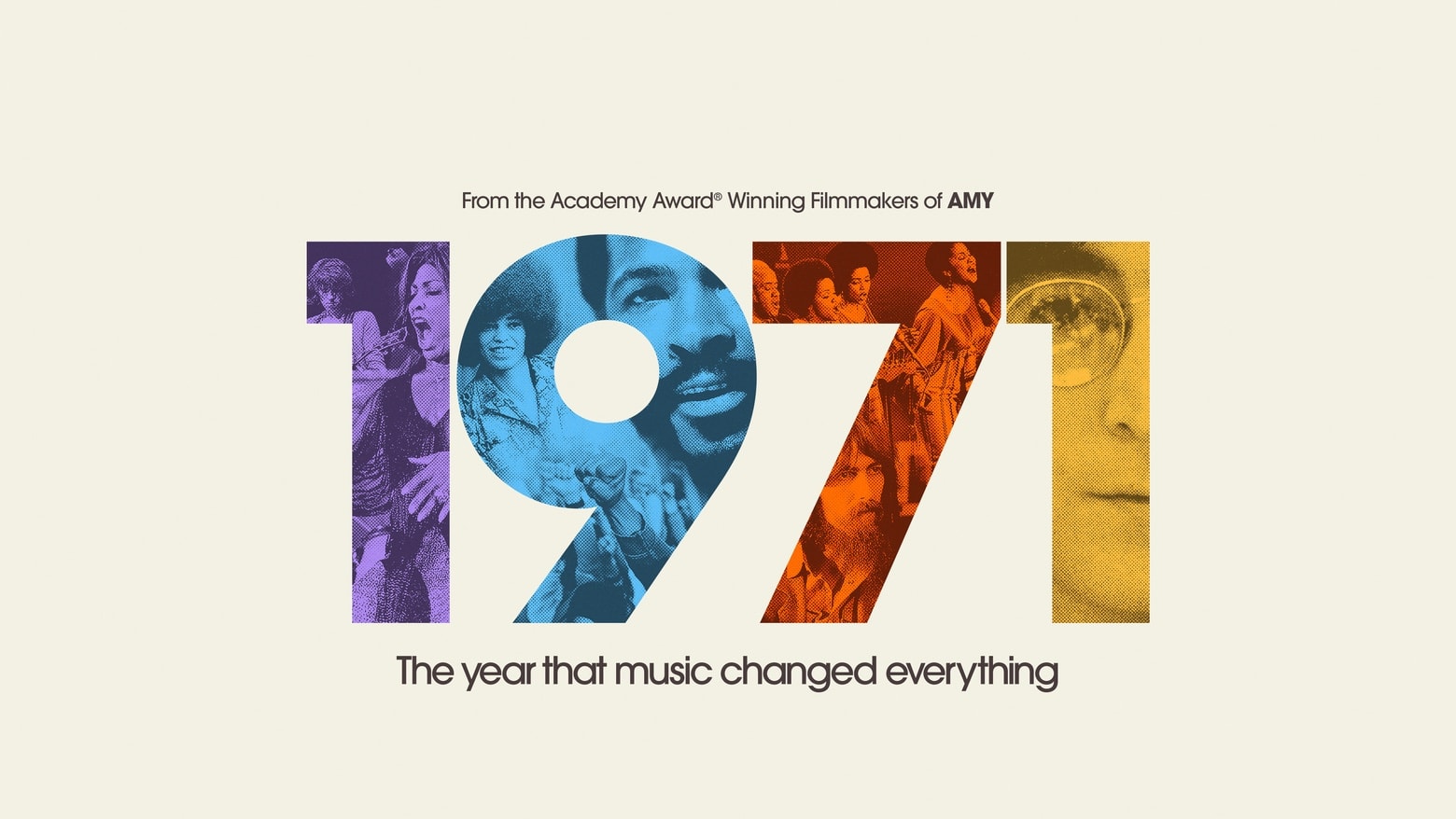
Jump back 50 years to take a deep dive into “1971: The Year That Music Changed Everything.” Photo: Apple
Music fans rejoice! 1971: The Year That Music Changed Everything is an upcoming Apple TV+ documentary series exploring the musicians and soundtracks that shaped the culture and politics of 50 years ago.
It’ll premiere on Apple’s streaming video service on Friday, May 21.
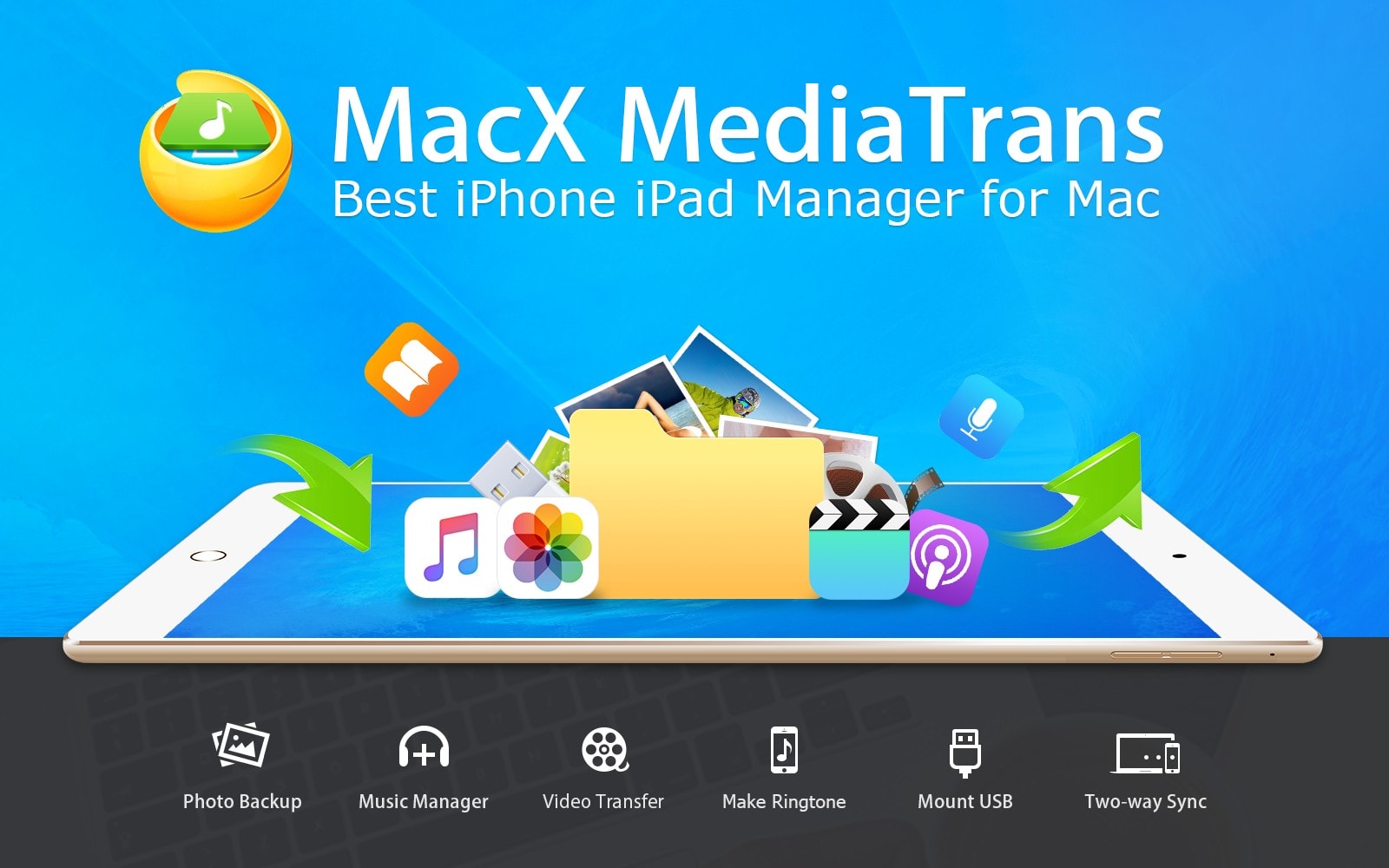
Digiarty Software offers a free giveaway of MacX MediaTrans. Photo: Digiarty Software
This media transfer post is presented by Digiarty Software.
If you ever found iTunes a bit clunky or too restrictive, you might want to try an alternative for transferring media files between your Mac and your iPad and iPhone, like Digiarty Software’s MacX MediaTrans. It’s an effective option.
Or you can get a lifetime license with free upgrades. It’s currently available at a 62% discount, but you save less the longer you wait to buy. (The giveaway version lets you use all the MacX MediaTrans features except for the free upgrade service, which is reserved for users of the full version of the software.)
Apple gives users more freedom over apps in iOS 14.5. Image: Killian Bell/Cult of Mac
The recently released iOS 14.5 beta gives iPhone and iPad users the ability to change their default music player for the first time. Third-party apps like Spotify and Tidal are supported, and switching is super-simple.
Streaming now ... unless you live outside the U.S. Photo: Apple
Apple Music TV is now available in the United States, streaming live music videos 24 hours a day. The surprise new channel, which is free to all, promises “exclusive new music videos … live shows” and more.
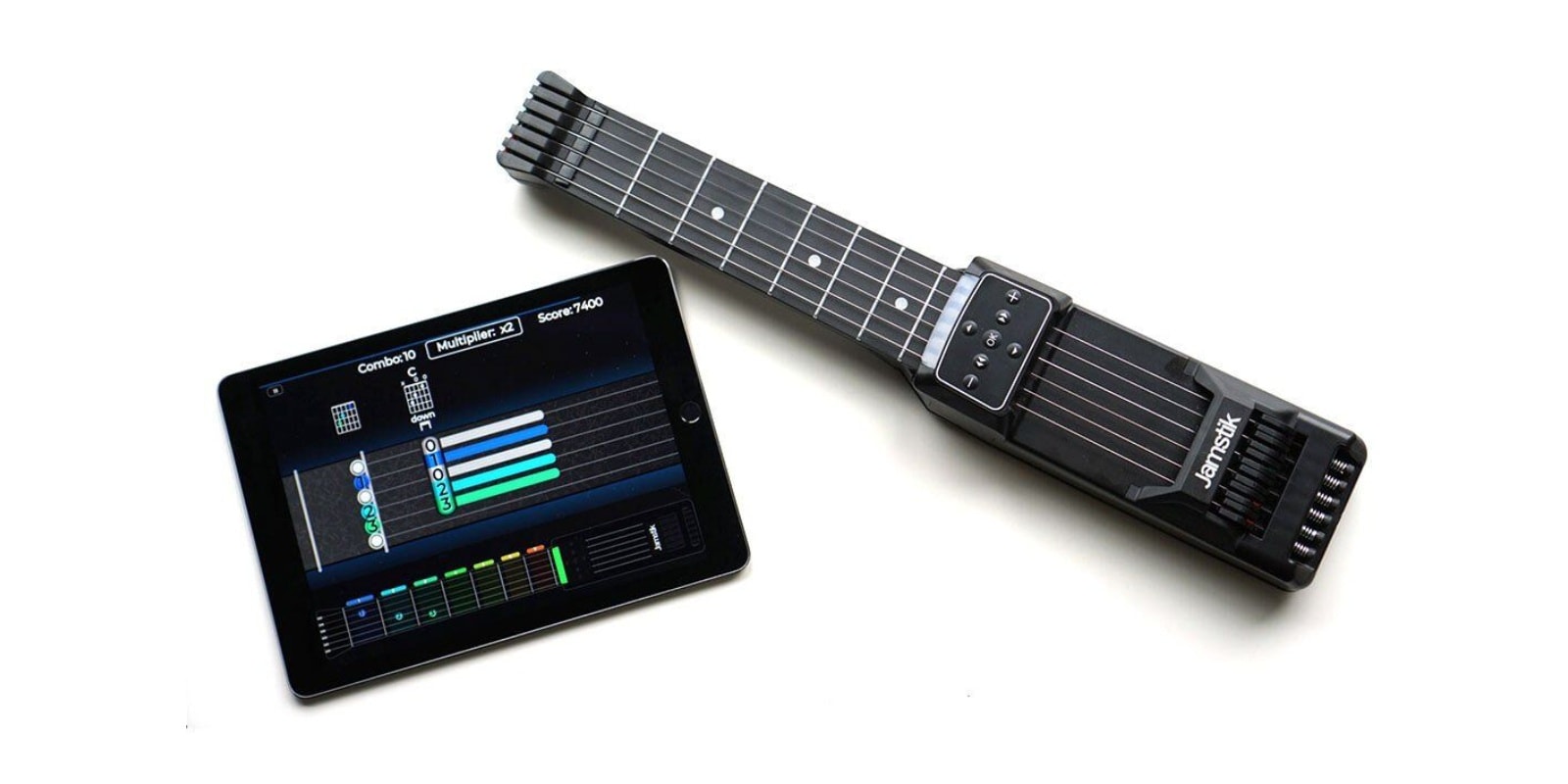
This portable trainer makes it easy and fun to improve your guitar skills. Photo: Cult of Mac Deals
Lots of people are practicing guitar in the age of quarantine, and guitars are perfectly portable around the house. But try traveling with one, and they suddenly become a much bigger hassle. Thankfully digital technology has made it so you can practice guitar anywhere, without a guitar.
The Jamstik Guitar Trainer is a cleverly designed, compact guitar practice controller, with six strings, directional pad controls and a feature-packed companion app. At just over 18 inches long, the controller fits inside any backpack, but it also includes a convenient travel case. The new 2020 edition features spring-loaded strings for a more realistic feel. As you play, you’ll see your fingers on the screen in real-time, so you can get a grip (literally) on chords, scales and songs. AI-generated exercises, play-along sequences, and a gamified progression system make it exciting to progress. It’s like Guitar Hero, except that by the end you’re actually better at guitar.
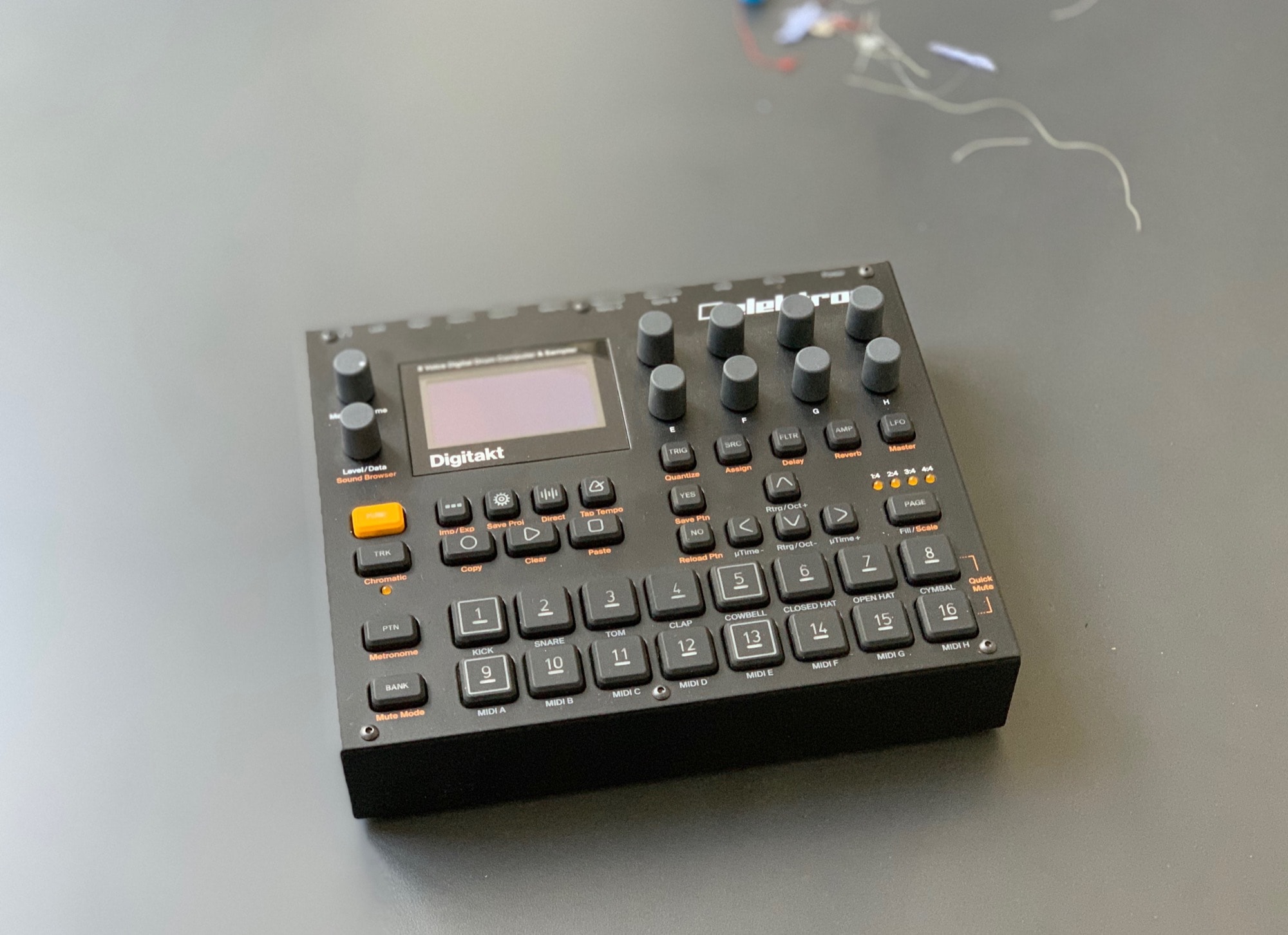
The Digitakt is good alone, better in a group. Photo: Cult of Mac
This is the second of a two-part video feature on integrating your Elektron synthesizers, samplers and drum machines with Ableton Live on your Mac.
In this video, we’ll show you how to use the brand new Overbridge 2 app and plugin to record up to eight tracks simultaneously over a single USB connection. We’ll also dive into FX routing on the Elektron’s Digitakt sampling drum machine, which is powerful but confusing at first. Finally, we’ll explain how to use the Overbridge plugin to sync Ableton and the Digitakt, and to record loops through a normal analog mixer.
There's no need to stare at a screen just to listen to YouTube music. Photo: Szabo Viktor/Unsplash
Unlike streaming music, which often keeps playing when you switch away from the app or webpage, YouTube playback stops as soon as you leave mobile Safari. This means that using YouTube as a music player is out of the question. Or is it? Can you make YouTube play just the audio, even when you’re not showing the video? You can, and it’s really, really simple.
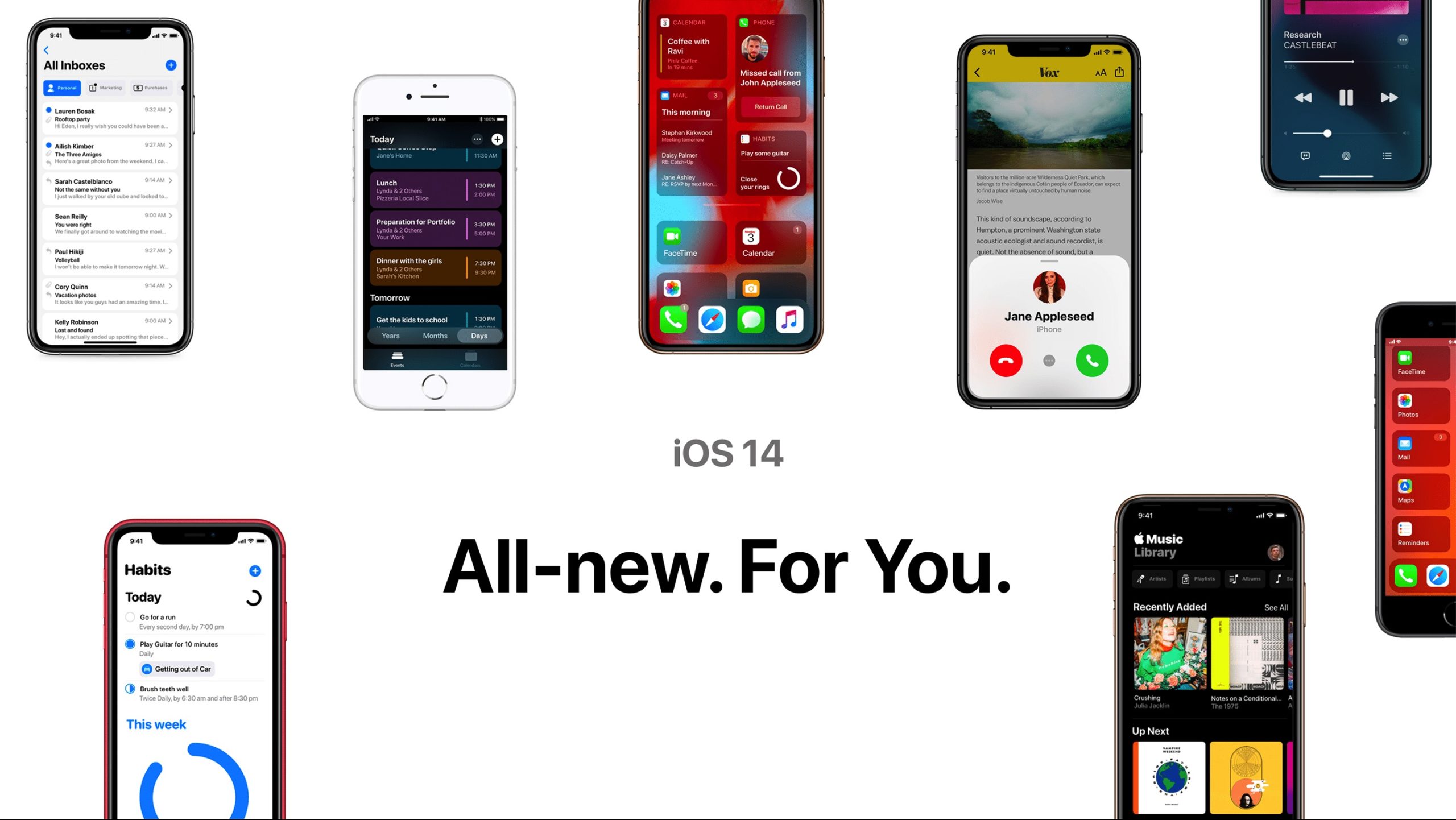
Another iOS 14 concept to get you hyped for the real thing. Photo: Jack Phillip
Some of the most anticipated iOS 14 features that allegedly leaked though an early beta build of the upcoming software are on full display in a fresh iOS 14 concept that’s full of stuff like widgets on the home screen, list view for apps, new call alert screen and more.
The new iOS 14 concept created by Jack Phillip imagines how Apple’s planned mentions feature for iMessage would work, while also tossing in some new ideas, like a list view in Calendar, a Habits app, an overhaul of the Music app’s UI and so much more.
Never miss new releases from your favorite artists again. Photo: Charlie Sorrel/Cult of Mac
You may have seen a notification from Apple Music at some point. It popped up, told you about a new album from a favorite artist, and you thought, “Thanks Apple Music! That’s great news.” Finally, you thought to yourself, this is a machine doing what machines are supposed to do. Then maybe you clicked on that notification, and the Music app launched, but didn’t go to the artist or album. Or perhaps you dismissed the alert, and when you opened the Music app later, you were confused because you couldn’t find the notification anywhere.
Now, Apple has (maybe) fixed this problem. Instead of just plain old lock-screen notifications, the Music app will now show you new music alerts inside the app itself. Here’s how to switch them on.
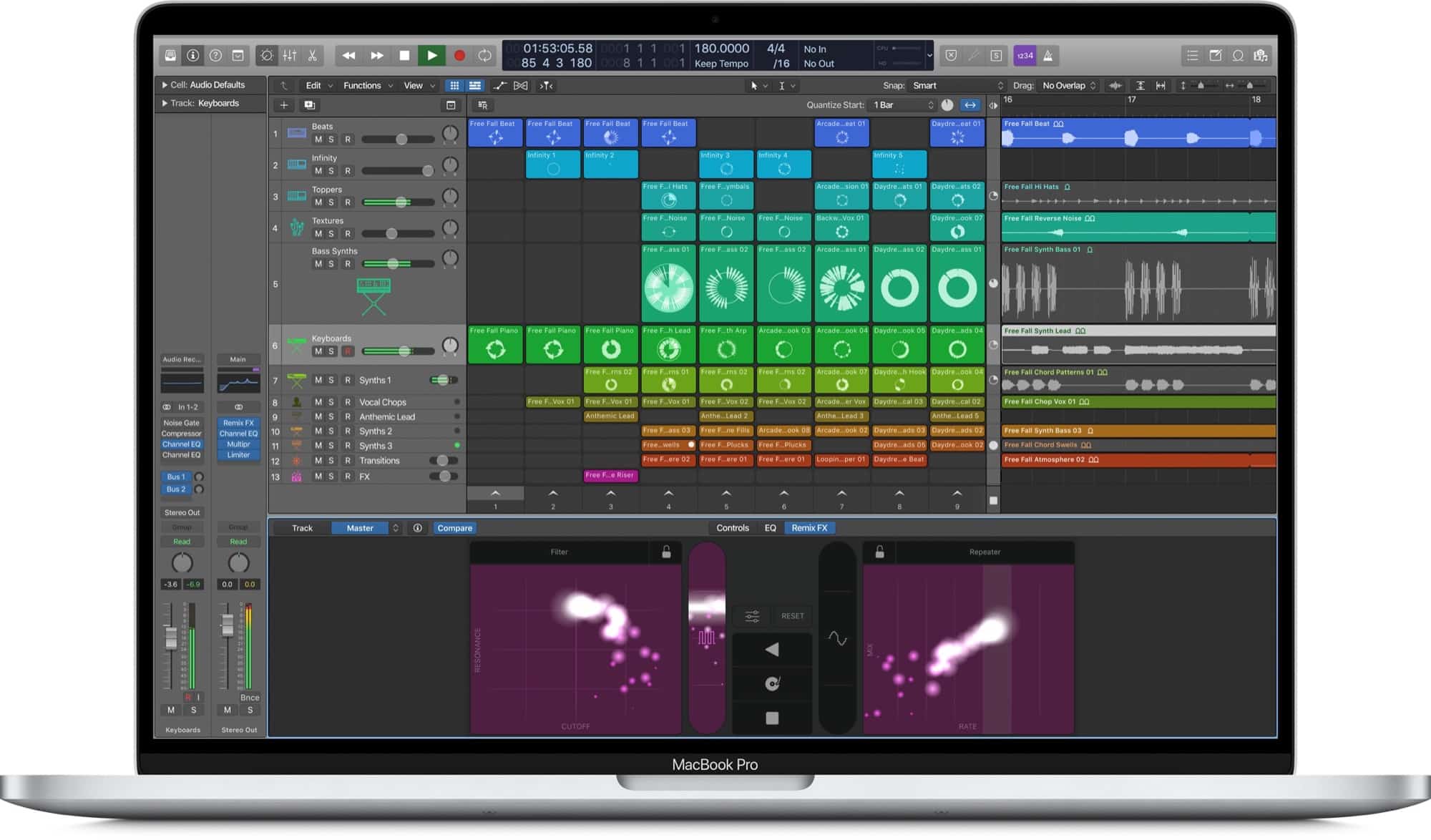
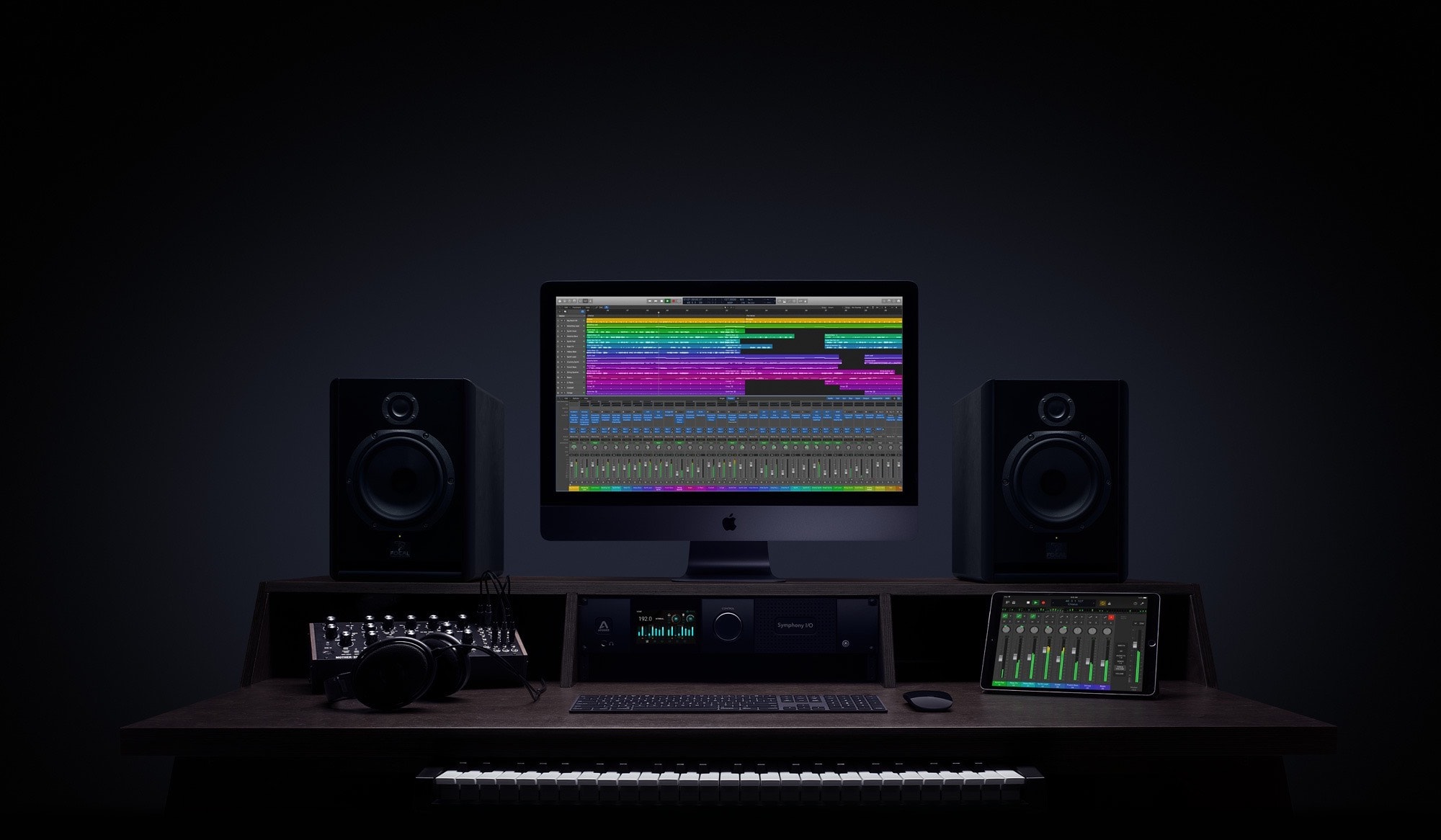
This screenshot shows an as-yet unreleased version of Logic Pro X. Photo: Apple
Sometime before this past weekend, Apple posted a screenshot of what is presumably an upcoming new version of Logic Pro X, its pro music-creation app, onto its education page. It shows a brand new feature, previously only seen in the iOS version of GarageBand: Live Loops. Live Loops is a way to trigger music clips live, on-the-fly, so you can create music like a DJ.
And the Logic version looks great. And more importantly, it finally adds Apple’s take on the Session View from Logic’s biggest rival, Ableton Live.
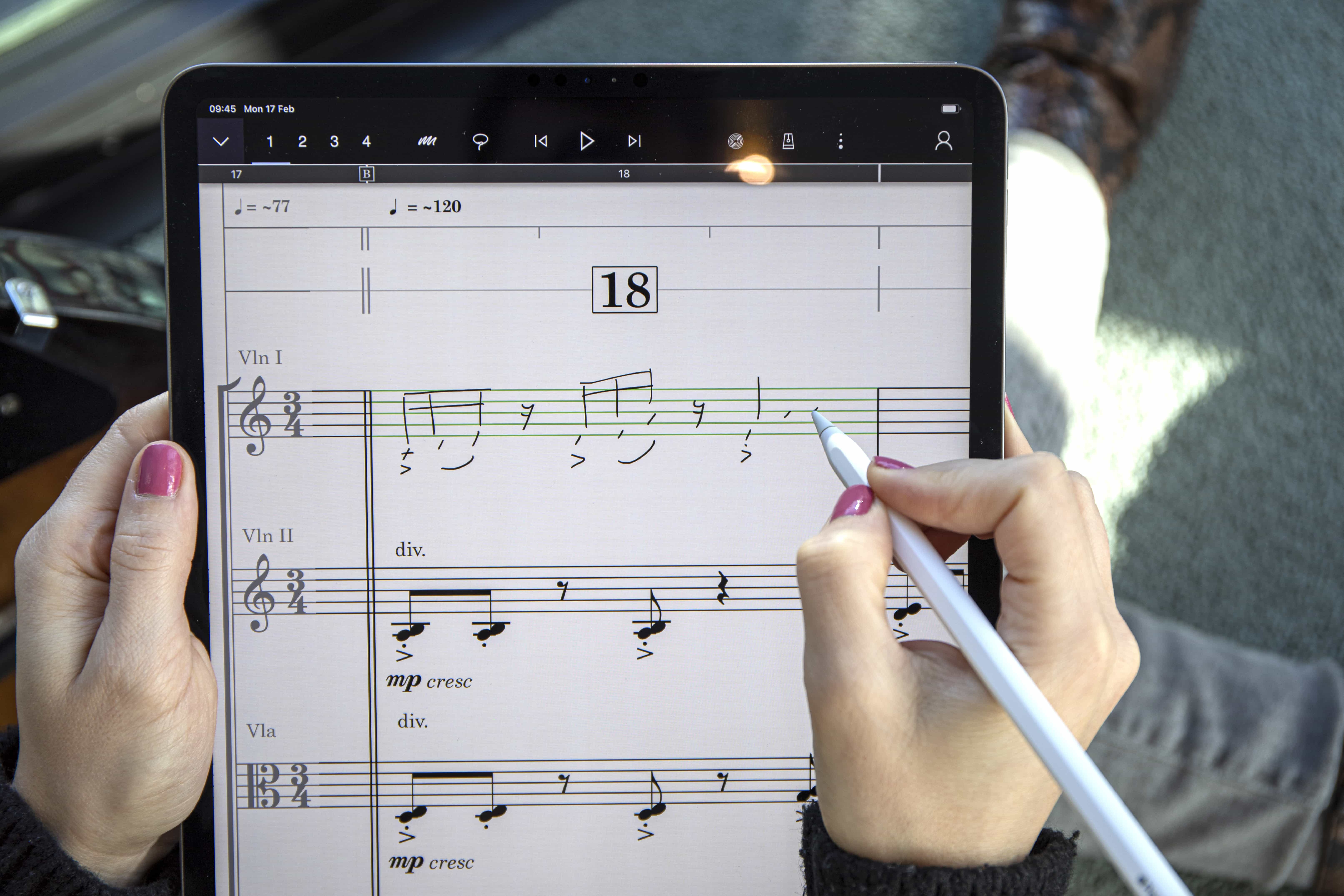
Logic Pro X. Is there anything it cannot do? Photo: Apple
If you’re a musician, or if you ever tried to record yourself singing, playing or just trying to bang out “Happy Birthday” to add to that cool video you made, you’ll be familiar with the First Law of Recording Music: Your best ever performance will be the practice run right before you press record.
No matter how many takes you do, the best one will always be the one that you didn’t record. Wouldn’t it be amazing if there was a way to go back in time, and record the one that got away? If you’re using Apple’s Logic Pro X software, you can do just that — with both audio and built-in software instruments (MIDI).


 October 31, 2005: Less than three weeks after launching video downloads with iTunes 6, Apple reveals that it has already sold more than 1 million music videos.