Mobile menu toggle

TIAH: Steve Jobs

Read Cult of Mac’s latest posts on TIAH: Steve Jobs:

Today in Apple history: iTunes video takes world by storm

By •

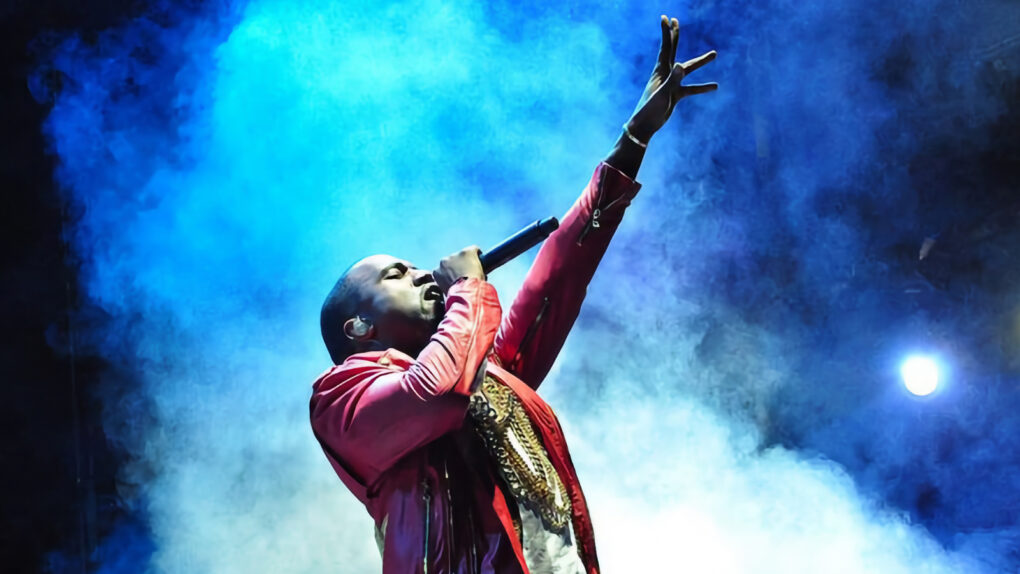
Photo of rapper Kanye West performing onstage
Artists like Kanye West helped drive music video downloads past 1 million in less than 20 days.
Photo: Rodrigo Ferrari/Flickr CC

October 31: Today in Apple history: iTunes video takes world by storm October 31, 2005: Less than three weeks after launching video downloads with iTunes 6, Apple reveals that it has already sold more than 1 million music videos.

Apple’s dive into the online digital video market — with 2,000 music videos, Pixar short films and a selection of hit TV shows for $1.99 — looks like the logical next step after selling individual songs on iTunes. Passing the 1 million download benchmark so quickly suggests the plan is a roaring success.

Today in Apple history: iPad sales overtake Macs

By •

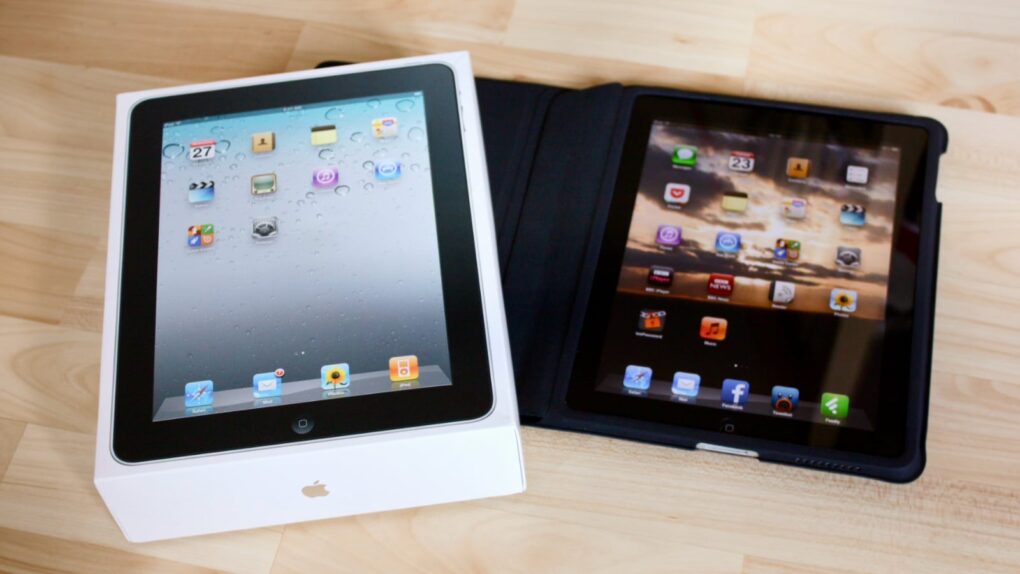
Photo of the original iPad with the box it came in, sitting on a wooden table
The iPad quickly became the world's fastest-selling device.
Photo: Neil Turner/Flickr CC/Modified by Cult of Mac

October 18: Today in Apple history: iPad sales overtake Macs October 18, 2010: Just six months after the original iPad debuts, Apple CEO Steve Jobs reveals that the tablet already outsells the mighty Macintosh computer.
During the company’s fourth-quarter earnings call, Jobs says Apple sold 4.19 million iPads during the previous three months, compared with 3.89 million Macs.

Today in Apple history: Bono’s (Product) Red iPod nano fights HIV/AIDS

By •

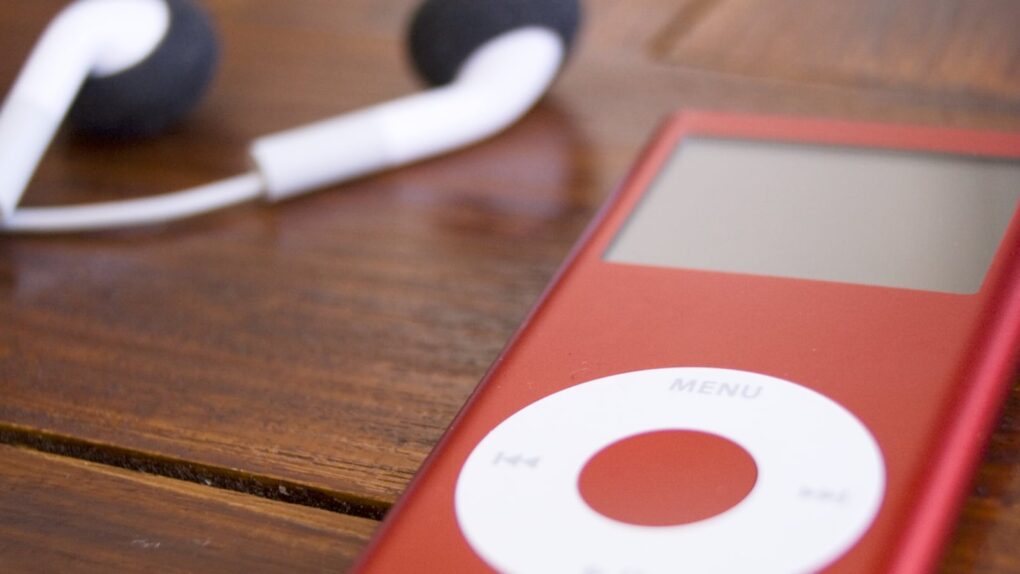
Photo of Product Red iPod nano sitting on wooden table with Apple EarPods in the background.
Did you own this special edition iPod?
Photo: Wikimedia Commons CC/Modified by Cult of Mac

October 13: Today in Apple history: Bono's (Product)Red iPod nano fights HIV/AIDS October 13, 2006: Apple launches a limited-edition iPod nano (Product) Red Special Edition music player in collaboration with U2 lead singer Bono and activist/attorney Bobby Shriver, with 10% of profits going to fight AIDS in Africa.

It’s the first of many Apple philanthropic products. “We’re ecstatic that Apple is giving their customers the choice to buy a red iPod nano and help women and children affected by HIV/AIDS in Africa,” the U2 singer says in a statement.

Today in Apple history: Michael Dell says he’d shut down Apple

By •

Photo of Michael Dell, who once said he would shut down Apple
Steve Jobs took issue with Michael Dell's "rude" comment about Apple.
Photo: Oracle PR/Flickr CC

October 6: Today in Apple history: Michael Dell says he'd shut down Apple October 6, 1997: Michael Dell makes an incredibly bleak appraisal of Apple’s fortunes, uttering a quote that will become notorious. Asked what he would do with the struggling company, the founder of Dell Inc. says he would “shut it down and give the money back to the shareholders.”
As incorrect forecasts go, this ultimately will go down as one of the more notable in tech history. But it doesn’t seem that way at the time.

Today in Apple history: Steve Jobs dies at 56

By •

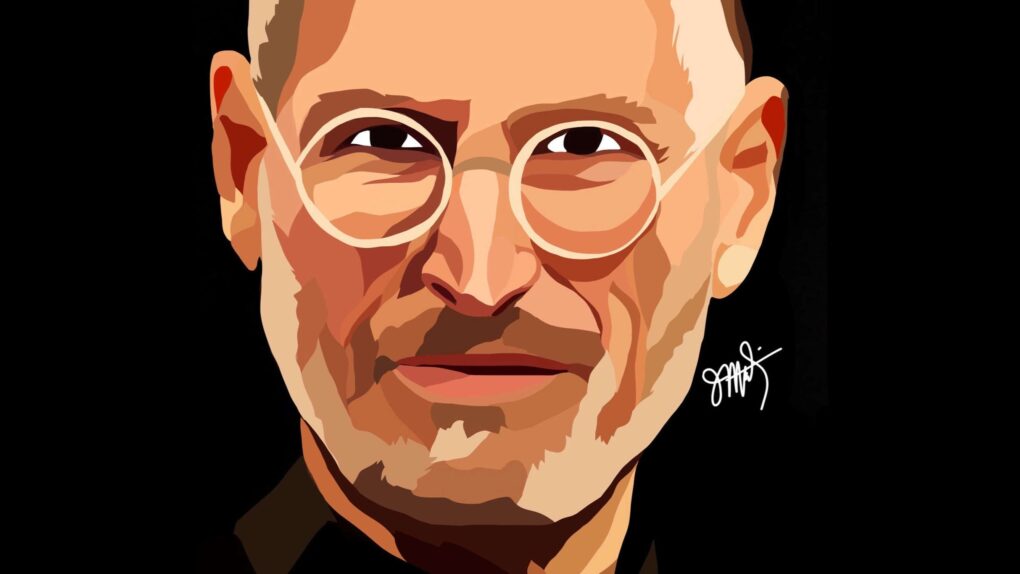
A painting of Apple co-founder and CEO Steve Jobs, used to illustrate a story about his death on October 5, 2011.
Steve Jobs leaves an enduring legacy at Apple.
Portrait: Jeremy Martin

October 5: Today in Apple history: Steve Jobs dies at 56 October 5, 2011: Apple co-founder Steve Jobs dies at the age of 56 in his home in Palo Alto, California.

Jobs’ official cause of death is respiratory arrest arising from complications related to a rare type of pancreatic cancer. He was diagnosed with cancer eight years earlier, and officially stepped down from his role as Apple CEO in August 2011, just weeks before his death.

Today in Apple history: Macs get that iSyncing feeling

By •

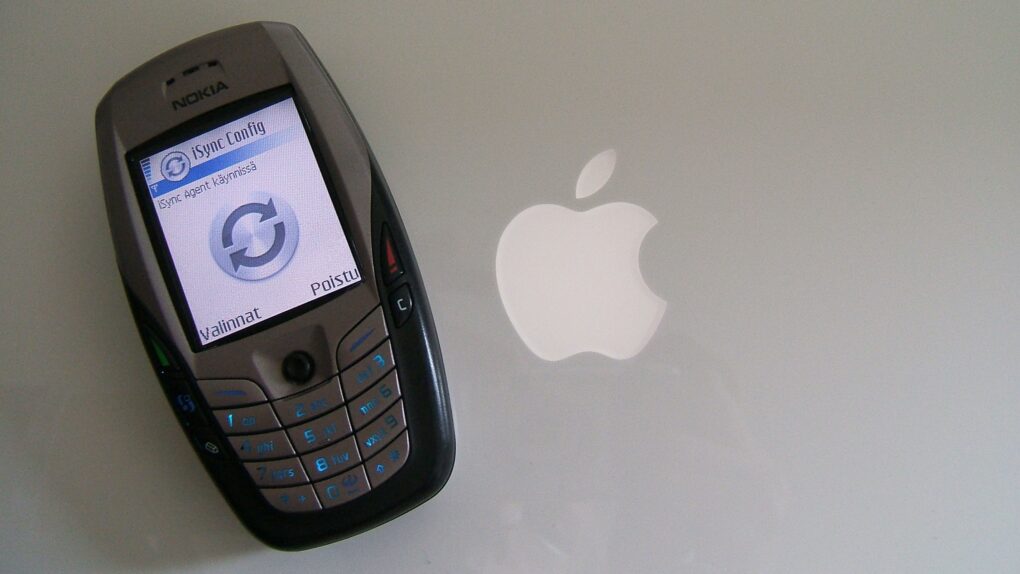
Photo of a Nokia 6600 smartphone on top of a MacBook, used to illustrate a story about Apple's iSync launch.
iSync let Macs sync with a variety of other devices.
Photo: Juska Wendland/Flickr CC

September 30: Today in Apple history: Apple introduces iSync, letting Macs sync to cellphones and iPods September 30, 2002: Apple introduces iSync, a tool that lets Mac users synchronize their address books and calendars with their cellphones, iPods and Palm OS-compatible handheld organizers via Bluetooth.
“iSync is the beginning of something really big,” Apple CEO Steve Jobs says in a press release announcing the public beta. “With the push of a button, iSync synchronizes the address book and calendar on your Mac with those on your mobile phone.”

iSync represents a big leap forward in how computers and mobile devices can talk to one another. And it hints at some of Apple’s later advances.

Today in Apple history: Steve Jobs reports Apple’s biggest loss ever

By •

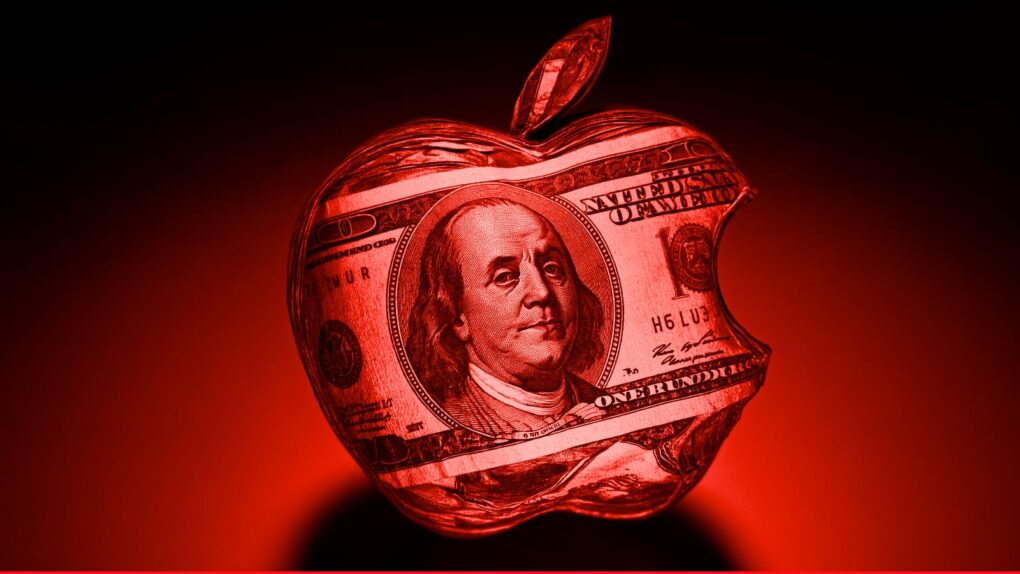
Red-tinted image showing Apple logo with $100 bill on it, used to illustrate story about Apple's $161 million quarterly loss in 1997
Remember when Apple used to lose money?
Illustration: Cult of Mac

September 26: Today in Apple history: Steve Jobs reports Apple's $161 million loss September 26, 1997: In one of his first tasks after returning to Apple as interim CEO, Steve Jobs reveals the company’s massive quarterly loss of $161 million. It’s Apple’s biggest loss ever.
Giving investors the bad news is miserable, but things are about to change dramatically for Cupertino.

Today in Apple history: Steve Jobs leaves and rejoins Apple

By •

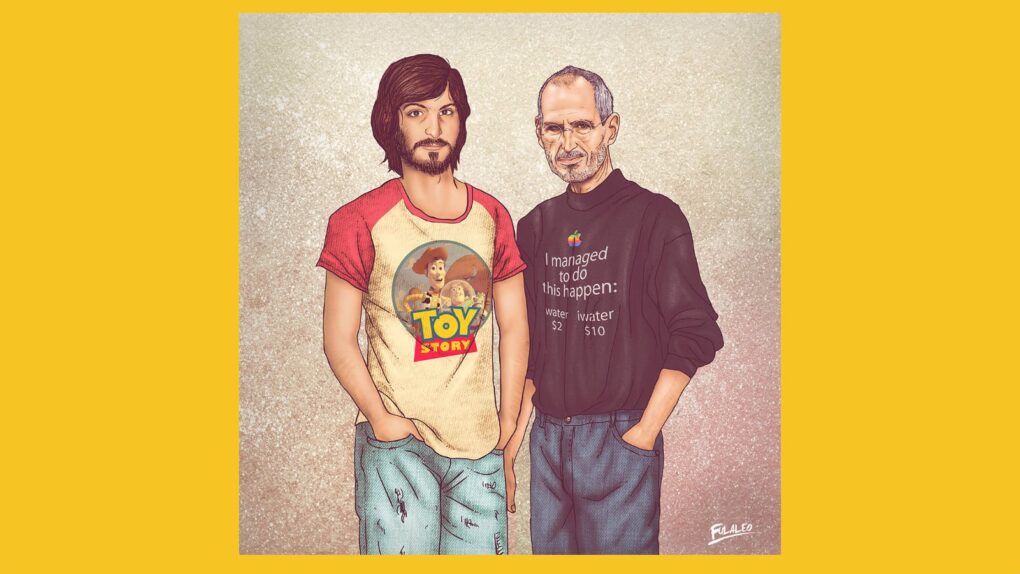
Illustration of young versus old Steve Jobs, Fulvio Obregon
Two significant days in Jobs' career took place on this day.
Image: Fulvio Obregon

September 16: Today in Apple history: Steve Jobs leaves and rejoins Apple September 16, 1985 and 1997: Twice on this day, Apple co-founder Steve Jobs makes significant moves with regard to his career at the company. In 1985, he leaves Apple after a failed boardroom coup. Then, a little more than a decade later, he officially returns to Apple as its new interim CEO.
In terms of the emotions associated with those historic occasions, it’s hard to think of two more polarizing days in Jobs’ life.

Today in Apple history: Apple shows off its amazing Fifth Avenue store in NYC

By •

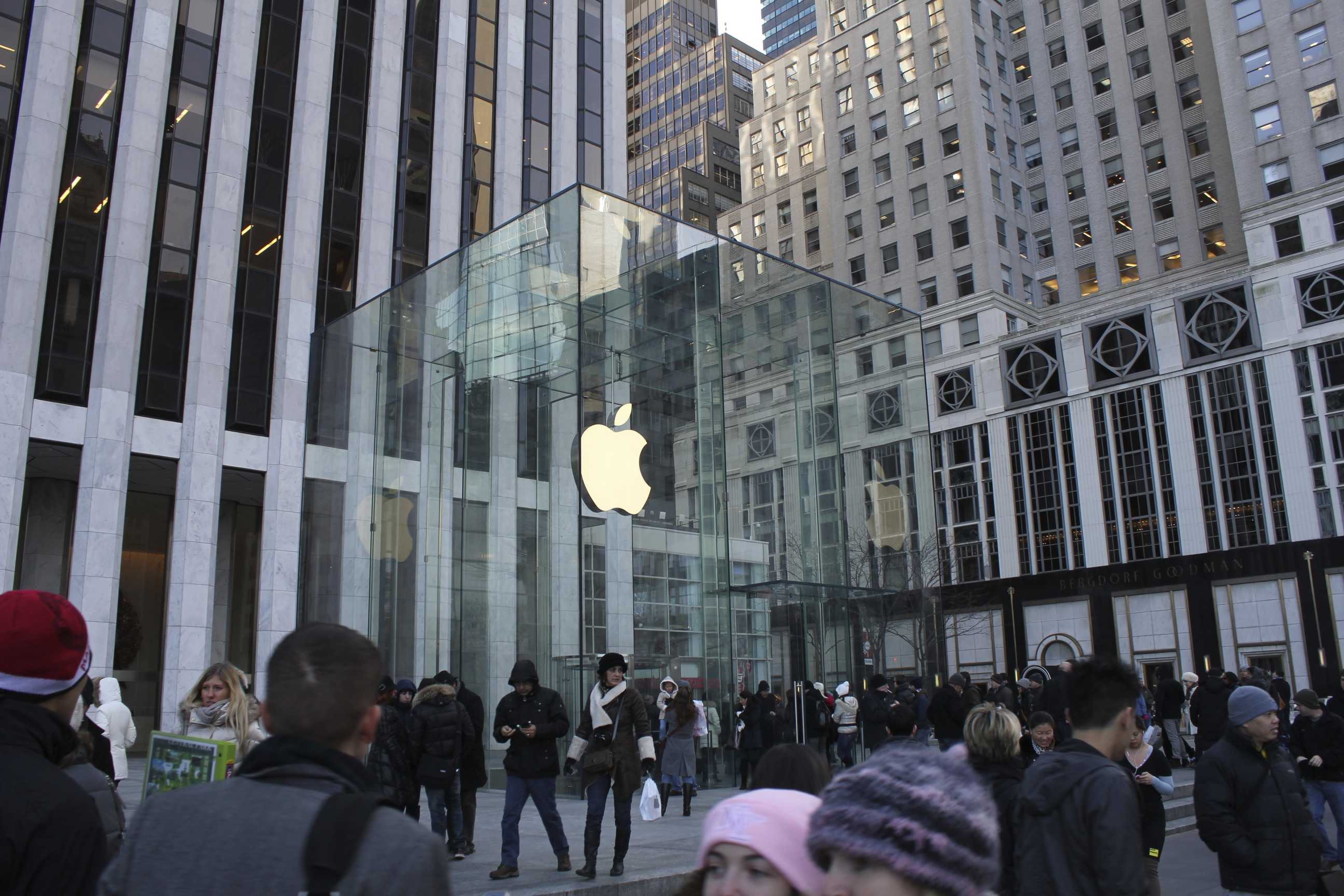
apple-store-fifth-avenue-nyc-new-york
Apple's stunning Fifth Avenue store quickly becomes a New York landmark.
Photo: Simone Lovati/Flickr CC

May 18: Today in Apple history: Cupertino shows off its amazing Fifth Avenue Apple store May 18, 2006: The world — and, more specifically, the Apple-watching press — gets its first glimpse of the swanky new Fifth Avenue Apple Store in New York City.
Previously hidden behind a black plastic wrapper during development, that all changes a day before the store’s grand opening. Workers remove the covering to reveal a 32-foot glass cube adorned with a floating, white Apple logo. At 10 a.m., members of the press go on an exclusive tour of the new venue.

Today in Apple history: Steve Jobs lays out a new strategy for Mac OS

By •

Why Salesforce chief gave up AppStore.com for Apple
Steve Jobs introduced the world to OS X.
Photo: Ben Stanfield/Flickr CC

May 11: Today in Apple history: Steve Jobs spells out a new strategy for Mac OS May 11, 1998: As part of his mission to turn Apple around, CEO Steve Jobs spells out the company’s strategy for the Mac operating system going forward. The big news is that Apple is hard at work creating a major new operating system called OS X, he says at Apple’s Worldwide Developers Conference in San Jose, California.
However, first the company will ship Mac OS 8.5 and the first customer release of an OS called Rhapsody that fall.

Today in Apple history: iTunes Music Store opens its doors

By •

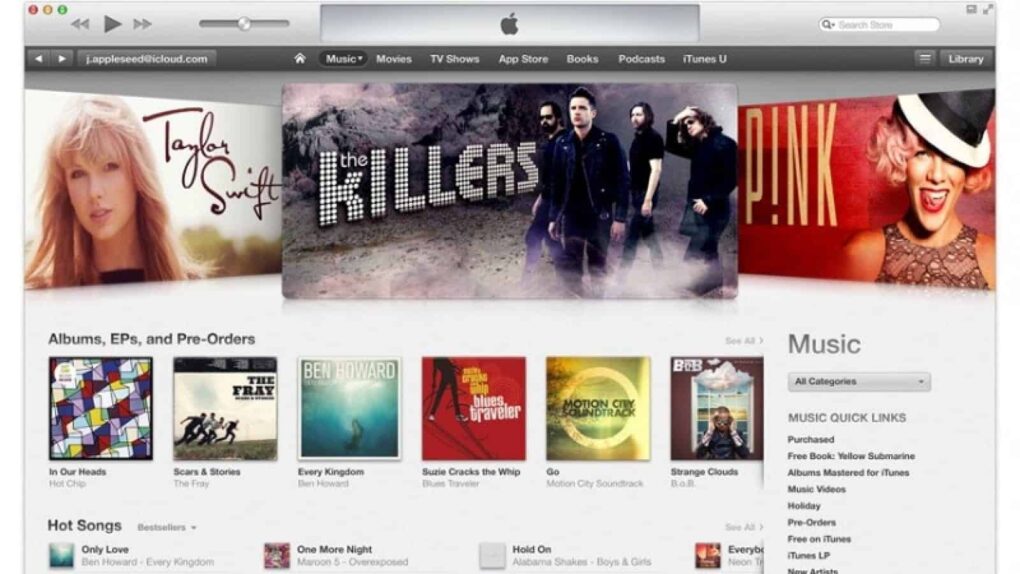
Screenshot of the iTunes Music Store
The iTunes Music Store revolutionized the music industry.
Photo: Apple

April 28: Today in Apple history: iTunes Music Store launches April 28, 2003: Apple opens the iTunes Music Store, revolutionizing the music industry and digital distribution of content.

At a time when getting music online mostly means illegal downloads from pirate services like Napster, iTunes quickly proves that customers will pay for songs — provided the service is good enough.

Today in Apple history: Pixar gets out of the computer game

By •

The pricey Pixar Image Computers, including the Pixar P-II, powered the company's early animated works.
The powerful Pixar Image Computer II simply cost too much to thrive.
Photo: Wikipedia CC

April 25: Today in Apple history: Pixar stops selling computers April 25, 1990: Steve Jobs shuts down Pixar’s hardware division (yes, it used to have one!), ending production of the pricey Pixar Image Computer immediately.
Jobs sells the company’s hardware unit to Fremont, California-based imaging company Vicom Systems for a paltry $2 million.

Today in Apple history: Steve Jobs loses control of the Mac

By •

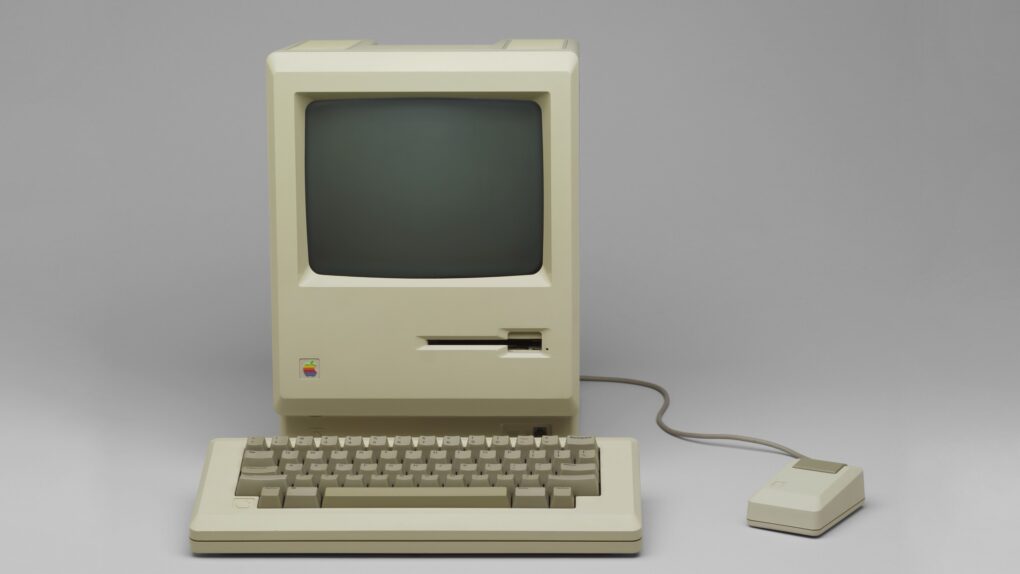
The original Macintosh with its matching keyboard and mouse on a gray background
Steve Jobs was distraught at being removed as general manager of the Mac division.
Photo: Apple

April 10: Today in Apple history: Steve Jobs loses control of the Mac April 10, 1985: During a fateful meeting, Apple CEO John Sculley threatens to resign unless the company’s board of directors removes Steve Jobs as executive VP and general manager of the Macintosh division.
Sculley’s threat triggers a series of events that ultimately will result in Jobs’ exit. The marathon board meeting — which continues for several hours the next day — leads to Jobs losing his operating role within the company. However, the Apple board allows him to stay on as chairman. Things won’t exactly play out like that.

Today in Apple history: First iPad reviews hail a true game-changer

By •

iPad
Did you own an original iPad?
Photo: Apple

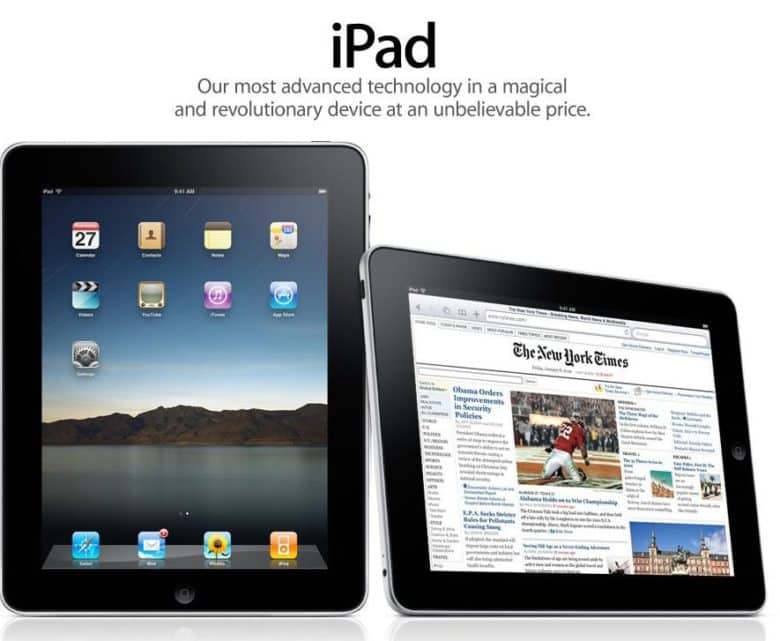
March 31: Today in Apple history: First iPad reviews hail a true game-changer March 31, 2010: When the first iPad reviews hit the internet, the world gets a sense of how Apple’s new tablet measures up.
The consensus? That there’s no Flash, no USB, no multitasking — but Apple’s tablet offers an exciting new computing experience all the same. As USA Today writes, “The first iPad is a winner.”

Today in Apple history: Happy birthday, Steve Jobs!

By •

Steve Jobs-inspired art
Steve Jobs was born on this day in 1955.
Photo: Jason Mercier

February 24: Today in Apple history: Steve Jobs birthday February 24, 1955: Steve Jobs is born in San Francisco. He will go on to co-found Apple and become one of the most important figures in the history of consumer technology. He’s also probably a big part of why you’re reading this website right now.

Happy birthday, Steve! Let’s take a moment to reflect on your innovation, artistry and overall brilliance.

Today in Apple history: iTunes hits 10 billion downloads

By •

With iTunes 10 billion downloads milestone, Apple becomes the world's biggest music vendor.
Apple becomes the world's biggest music vendor.
Photo: Ste Smith/Cult of Mac

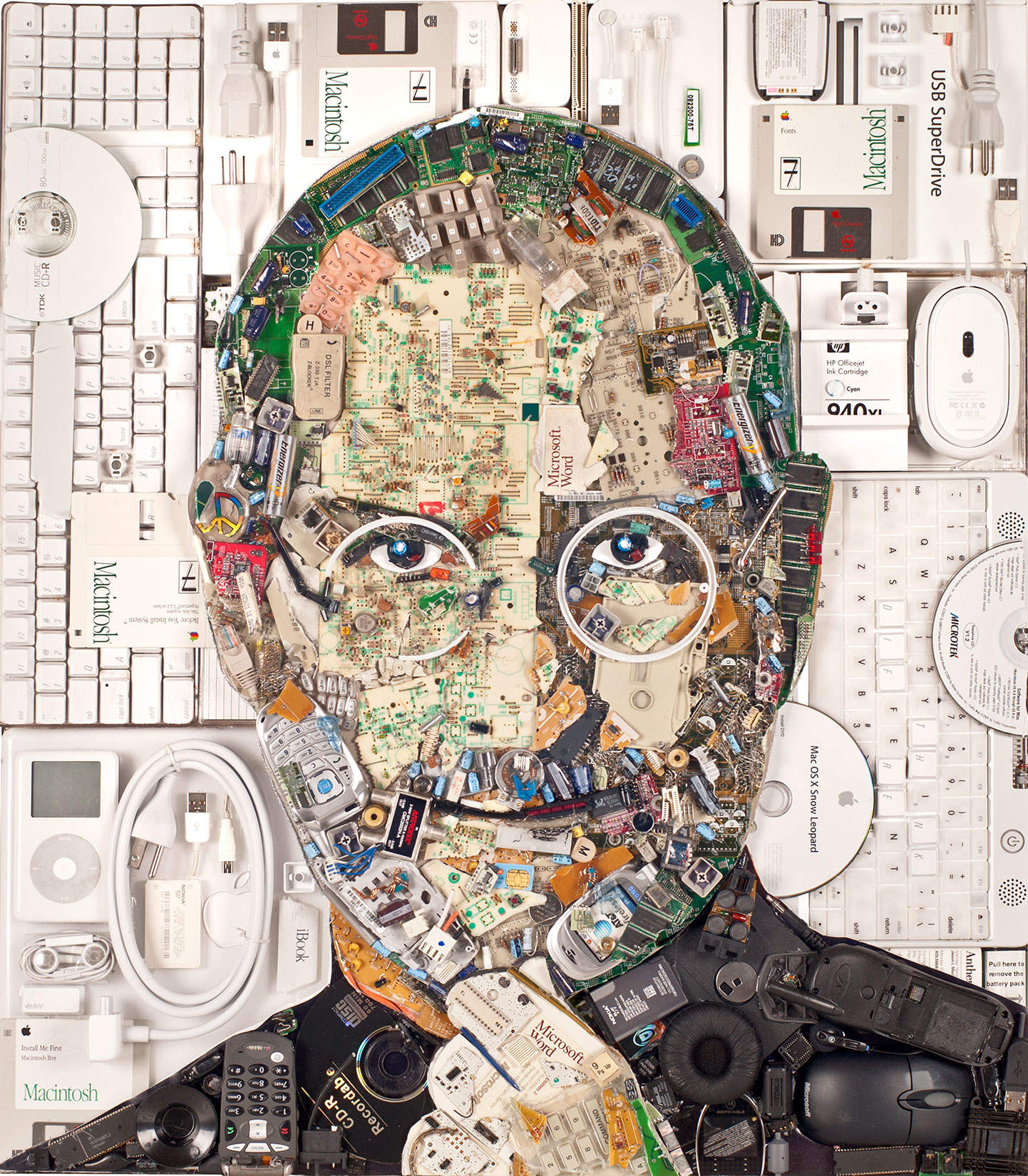
February 23: Today in Apple history: iTunes hits 10 billion downloads February 23, 2010: The iTunes Store officially passes the 10 billion music downloads mark, reaching a major milestone. The 10 billionth purchase? “Guess Things Happen That Way” by Johnny Cash.
The buyer of the song in question is Louie Sulcer of Woodstock, Georgia. As part of a “Countdown to 10 Billion Songs” promotion by Apple, Sulcer wins a massive $10,000 iTunes Store gift card. He also receives a personal phone call from Apple CEO Steve Jobs for good measure!

Today in Apple history: Apple and Cisco settle over ‘iPhone’ name

By •

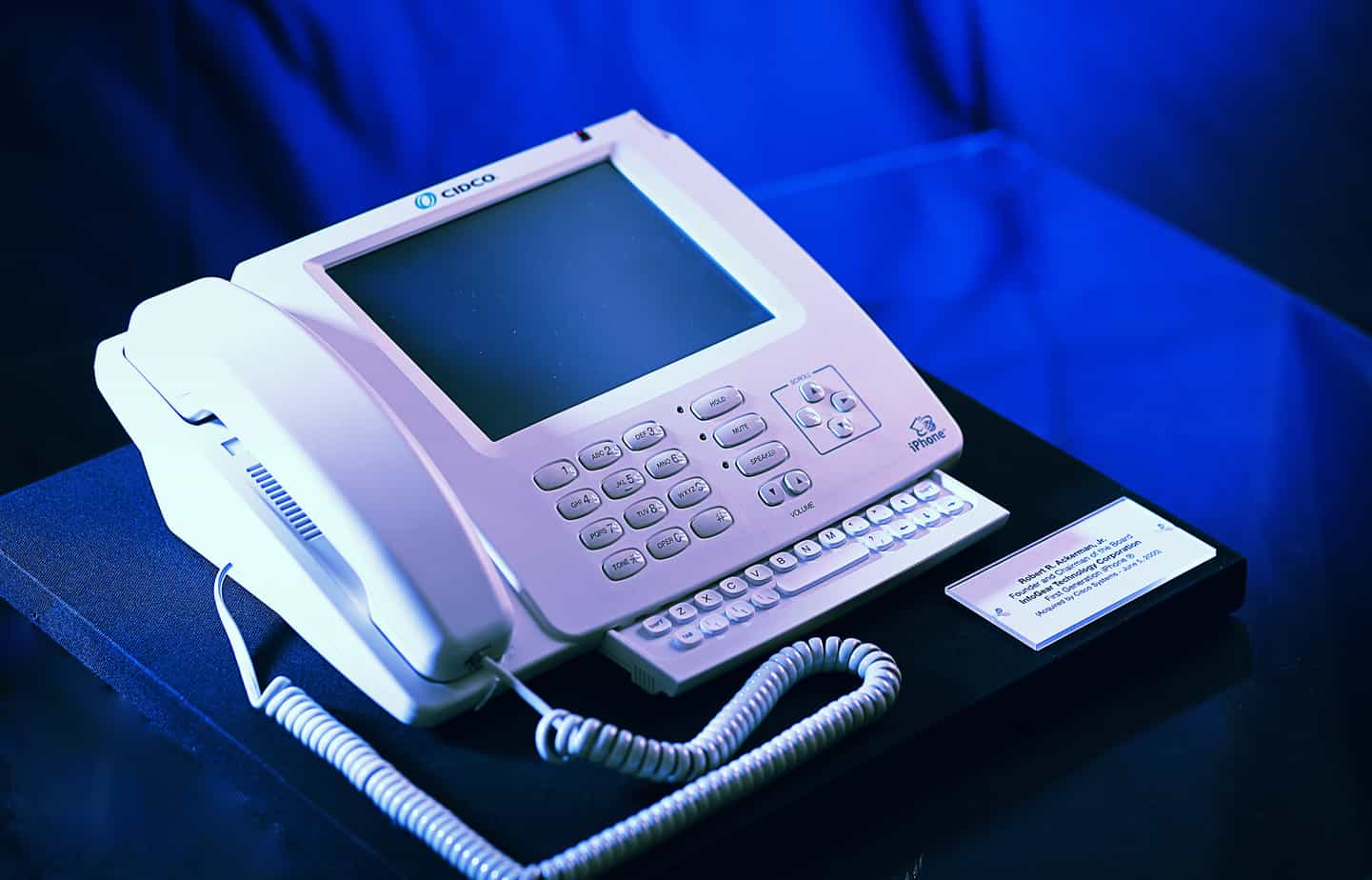
The InfoGear iPhone was definitely a bit ... different from current models.
The first iPhone was definitely a bit ... different from current models.
Photo: Bob Ackerman/Wikipedia CC

February 21: Today in Apple history: Apple and Cisco settle over 'iPhone' name February 21, 2007: Apple comes to an agreement with Cisco over the iPhone trademark, which Cisco legally owns but Apple wants to use.
Under the agreement, both companies get to use the iPhone trademark on products throughout the world. The two businesses also dismiss outstanding lawsuits against one another, and agree to “explore opportunities for interoperability in the areas of security, and consumer and enterprise communications.”

It’s a classic bit of Apple CEO Steve Jobs steamrolling the opposition.

Today in Apple history: A young Steve Jobs appears on Time cover

By •

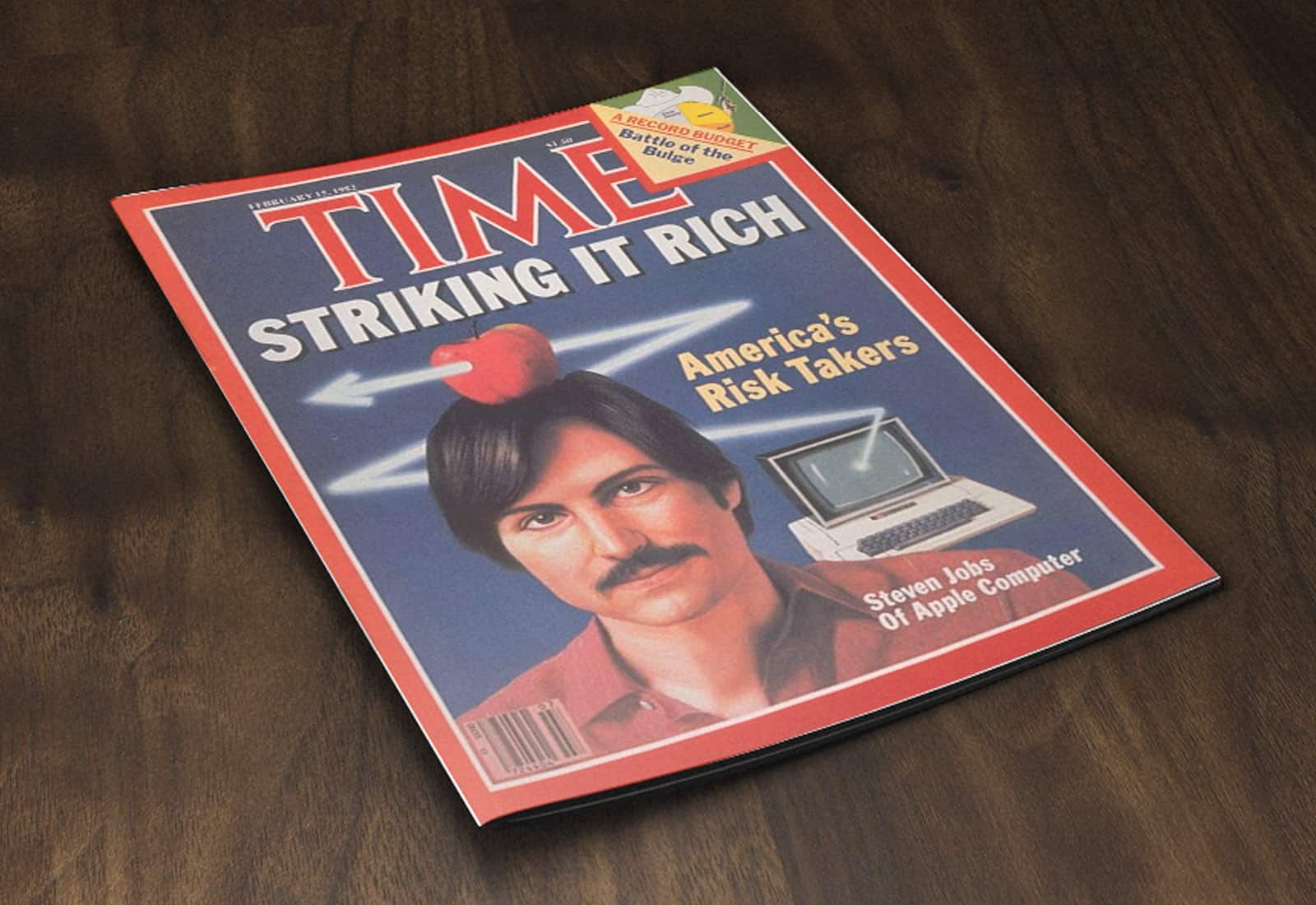
With Steve Jobs first Time magazine cover, he becomes the face of the 1980s tech boom.
Steve Jobs becomes the face of the 1980s tech boom.
Photo illustration: Ste Smith/Cult of Mac

February 15: Today in Apple history: Young Steve Jobs appears on Time magazine cover February 15, 1982: Apple co-founder Steve Jobs appears on the front cover of Time magazine for the first time. The lengthy cover story makes Jobs the public face of successful tech entrepreneurship.

The first of many Time covers for Jobs, the article — titled “Striking It Rich: America’s Risk Takers” — casts him as the prototypical young upstart benefiting from the burgeoning personal computing revolution. It also identifies him as part of a surge of freshly minted millionaires running their own businesses.

Today in Apple history: Steve Jobs’ NeXT quits making computers

By •

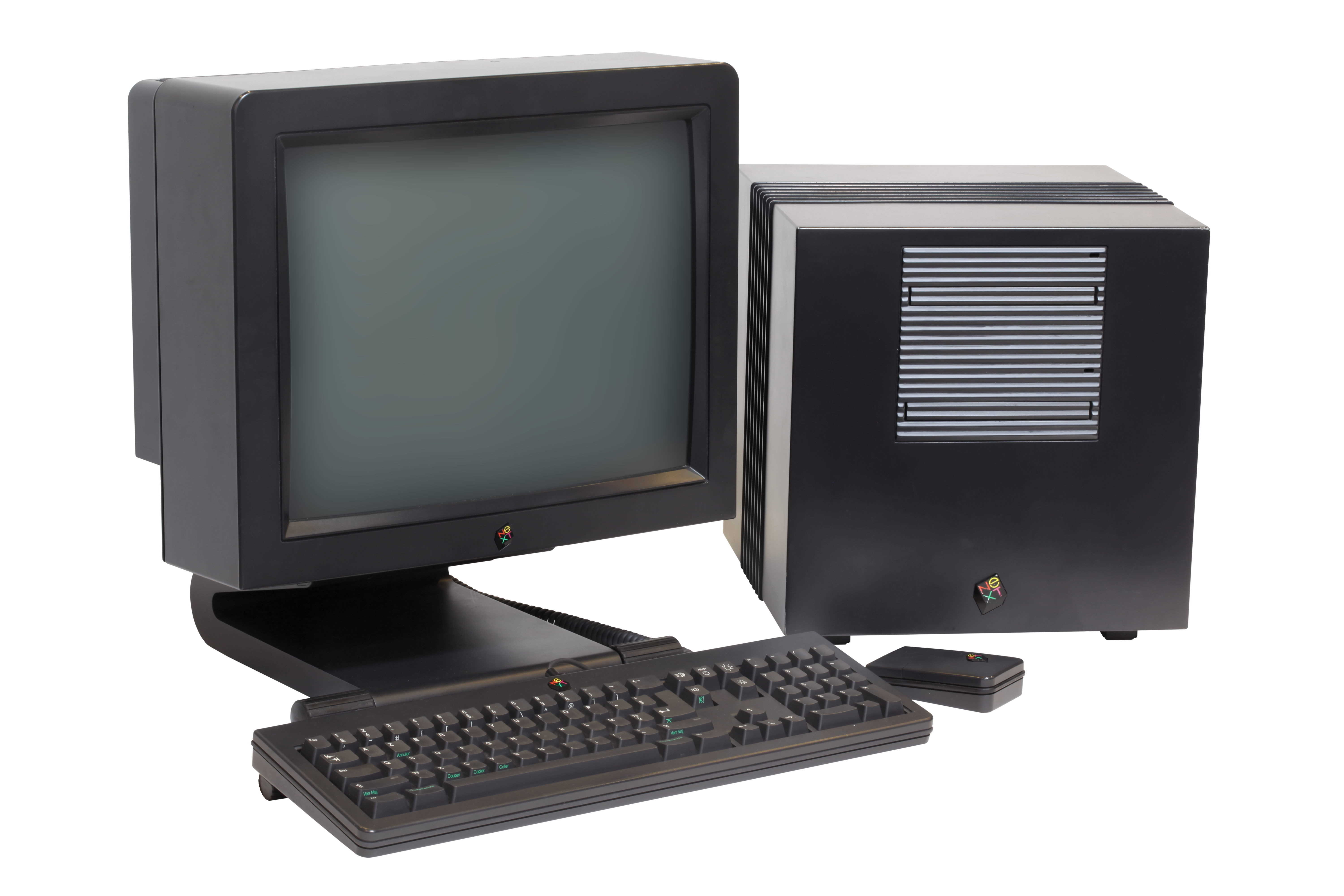
Photo of the NeXT Cube computer manufactured by NeXT Inc.
The NeXT Computer was great but it didn't sell.
Photo: Rama & Musée Bolo/Wikipedia CC

February 9: Today in Apple history: Steve Jobs' NeXT quits making computers February 9, 1993: NeXT Inc., the company Steve Jobs founded after being pushed out of Apple, quits making computers. The company changes its name to NeXT Software and focuses its efforts entirely on producing code for other platforms.
In a mass layoff, 330 of NeXT’s 500 employees lose their jobs in an event known internally as “Black Tuesday.” Cruelly, many people hear of their fate on the radio.

Today in Apple history: Steve Jobs flips out over iPad tweet

By •

The first-gen iPad in all its glory.
Steve Jobs did not like losing control of the iPad narrative.
Photo: Apple

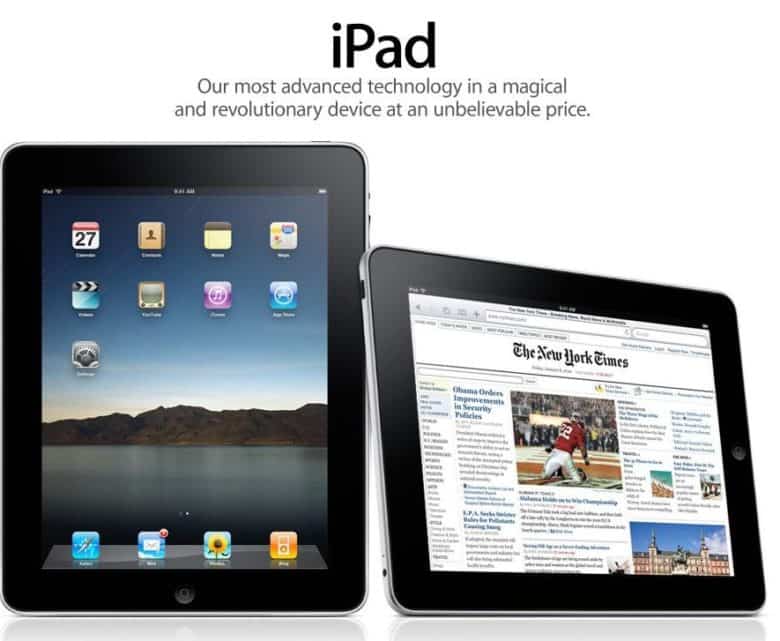
February 8: Today in Apple history: Steve Jobs flips out over iPad tweet February 8, 2010: Apple CEO Steve Jobs reportedly flips out over a tweet sent from an iPad by an editor at The Wall Street Journal.
The reason? Apple showed the iPad to top staffers at the news outlet months ahead of its official release. While Jobs already unveiled the device to the public a couple of weeks before, the suggestion that people outside Apple gained early access to the tablet apparently upset him.

The iPad tweet quickly disappears.

Today in Apple history: Apple is back in the black

By •

Apple takes a hacksaw to estimated trade-in values for its devices
The turnaround begins...
Photo: Pictures of Money/Flickr CC

January 6: Today in Apple history: Apple is back in the black January 6, 1998: Just months after taking over a company on the verge of bankruptcy, Steve Jobs shocks attendees at San Francisco’s Macworld Expo by revealing that Apple is profitable again. An Apple comeback is on the way!
Referring to the company’s strategy since he took over as interim CEO in September 1997, the recently returned Apple co-founder says, “It’s all come together for us.”

Little did most of us know exactly how astonishing Apple’s rebound would be.

Today in Apple history: NeXT buyout brings Steve Jobs back to Cupertino

By •

Steve Jobs returned to Apple on December 20, 1996.
Steve Jobs pictured on December 20, 1996.
Photo: Tim Holmes/Flickr CC

December 20: Today in Apple history: Apple buys NeXT for $429 million, bringing Steve Jobs back to Cupertino December 20, 1996: Apple Computer buys NeXT, the company Steve Jobs founded after leaving Cupertino a decade earlier.

The deal costs Apple $429 million. It’s a massive price to pay for the failing NeXT, a computer company that already saw its hardware division crash and burn. But the price is worth it when you consider what Apple gets as part of the deal: the return of Steve Jobs.

Today in Apple history: Apple IPO mints instant millionaires

By •

Apple's HQ when it went public: 20863 Stevens Creek Blvd, Cupertino.
Photo: Google Street View

December 12: Today in Apple history: Apple goes public at $22 per share, minting instant millionaires December 12, 1980: Apple goes public, floating 4.6 million shares on the stock market at $22 per share. The Apple IPO becomes the biggest tech public offering of its day. And more than 40 out of 1,000 Apple employees become instant millionaires.

As Apple’s biggest shareholder, 25-year-old Steve Jobs ends the day with a net worth of $217 million. However, the big payday triggers internal tensions as it highlights Cupertino’s class divide.

Today in Apple history: Apple storms New York’s Grand Central Terminal

By •

Photo of Apple Grand Central in New York City, one of the company's most stunning retail outlets.
Apple Grand Central is one of the company's most stunning retail outlets.
Photo: Apple

December 9: Today in Apple history: Apple opens store in New York's Grand Central Terminal December 9, 2011: Apple opens a store in New York’s fabled Grand Central Terminal, the company’s fifth Manhattan retail outlet.

Overlooking the terminal’s Main Concourse, the enormous Apple Grand Central makes a stunning addition to the 140-year-old train station, which is one of New York’s busiest transportation hubs.