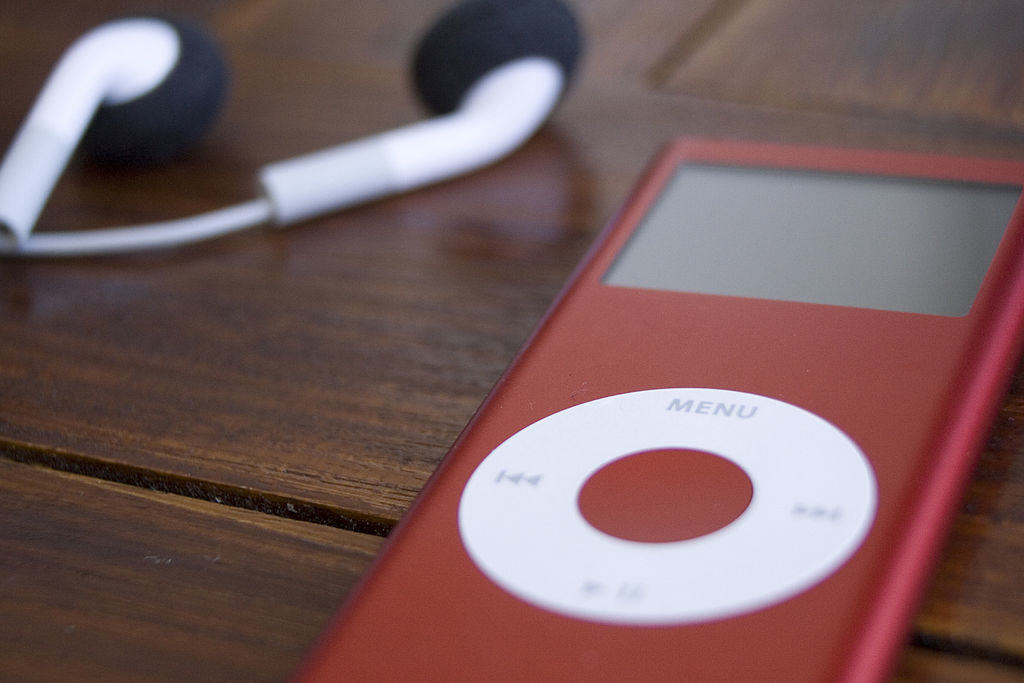
 October 13, 2006: Apple launches a limited-edition iPod nano (Product) Red Special Edition music player in collaboration with U2 lead singer Bono and activist/attorney Bobby Shriver, with 10% of profits going to fight AIDS in Africa.
It’s the first of many Apple philanthropic products. “We’re ecstatic that Apple is giving their customers the choice to buy a red iPod nano and help women and children affected by HIV/AIDS in Africa,” the U2 singer says in a statement.

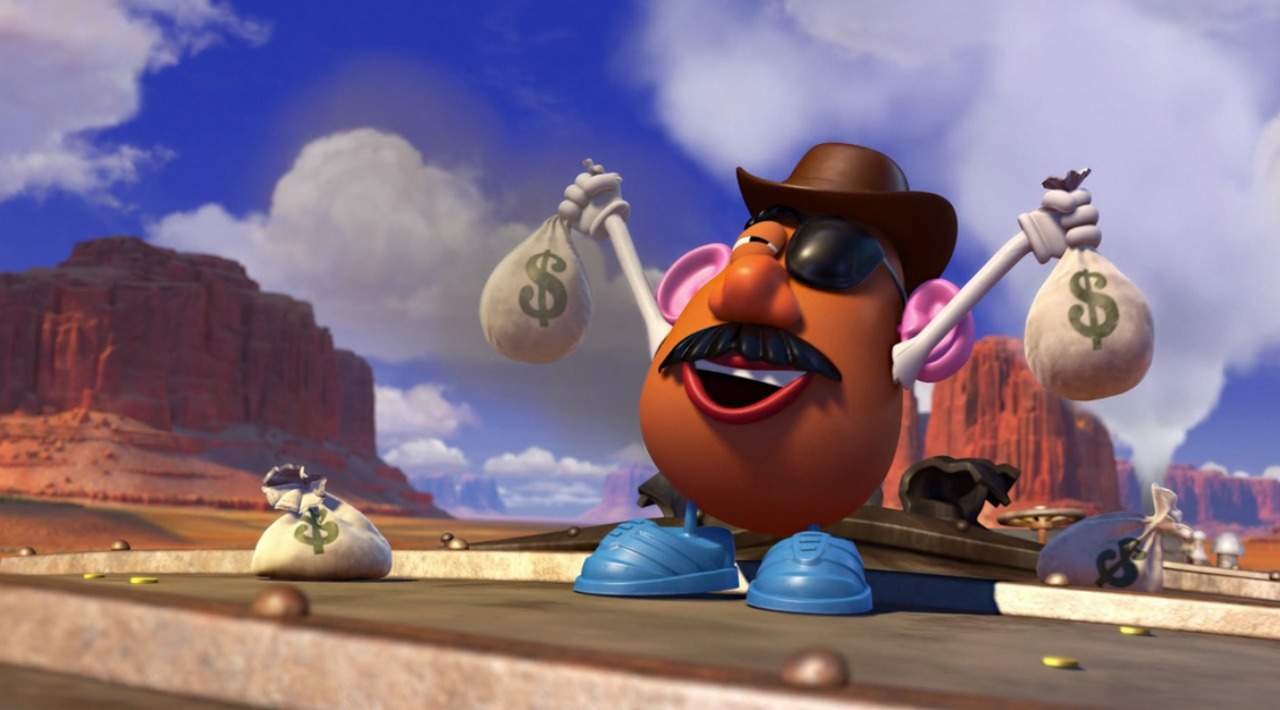
 October 11, 1995: Steve Jobs files the paperwork to float Pixar Animation Studios on the stock market.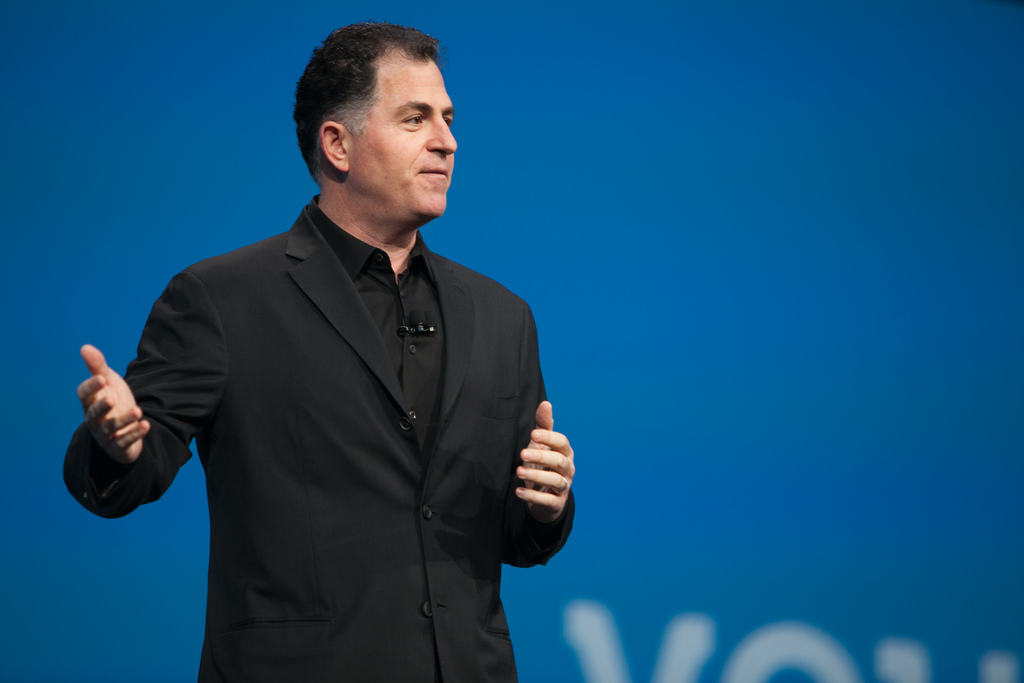
 October 6, 1997: Michael Dell makes an incredibly bleak appraisal of Apple’s fortunes, uttering a quote that will become notorious. Asked what he would do with the struggling company, the founder of Dell Inc. says he would “shut it down and give the money back to the shareholders.”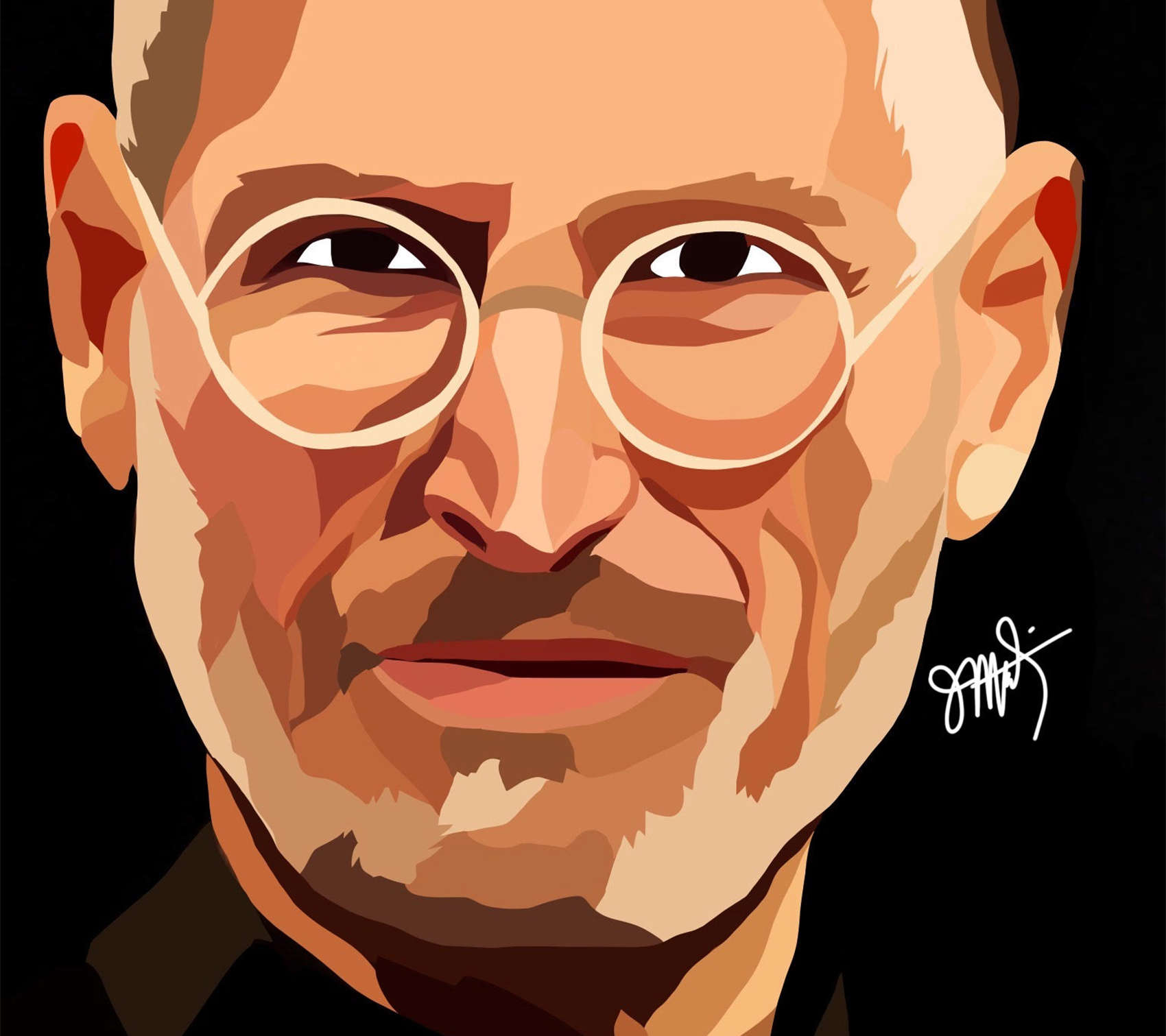
 October 5, 2011: Apple co-founder
 September 30, 2002: Apple introduces iSync, a tool that lets Mac users synchronize their address books and calendars with their cellphones, iPods and Palm OS-compatible handheld organizers via Bluetooth.
 September 26, 1997: In one of his first tasks after returning to Apple as interim CEO, Steve Jobs reveals the company’s massive quarterly loss of $161 million. It’s Apple’s biggest loss ever.

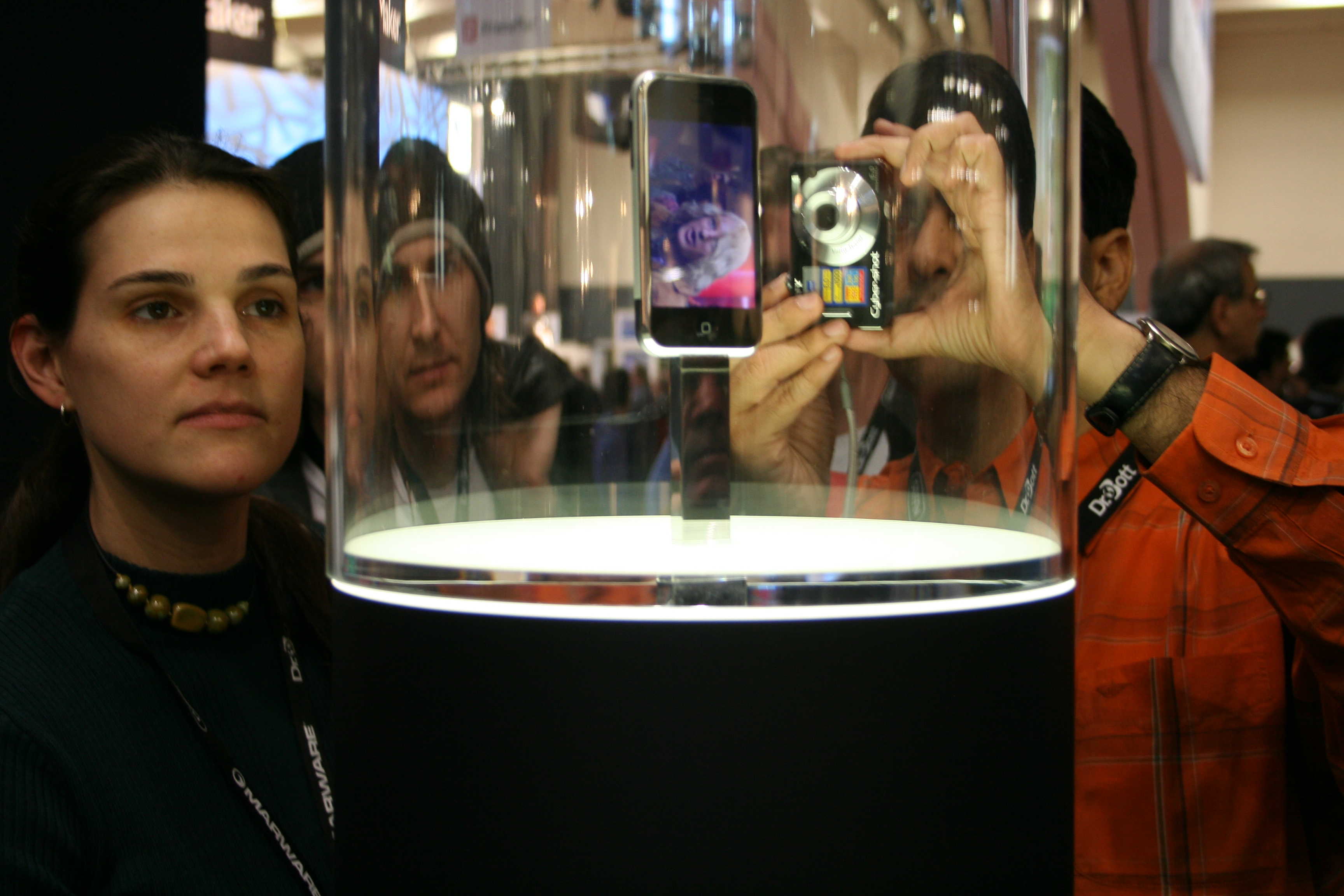
 September 6, 2007: Apple deals with its first iPhone PR crisis, as early adopters complain about the company dropping the price of its new smartphone by $200 just two months after introducing it.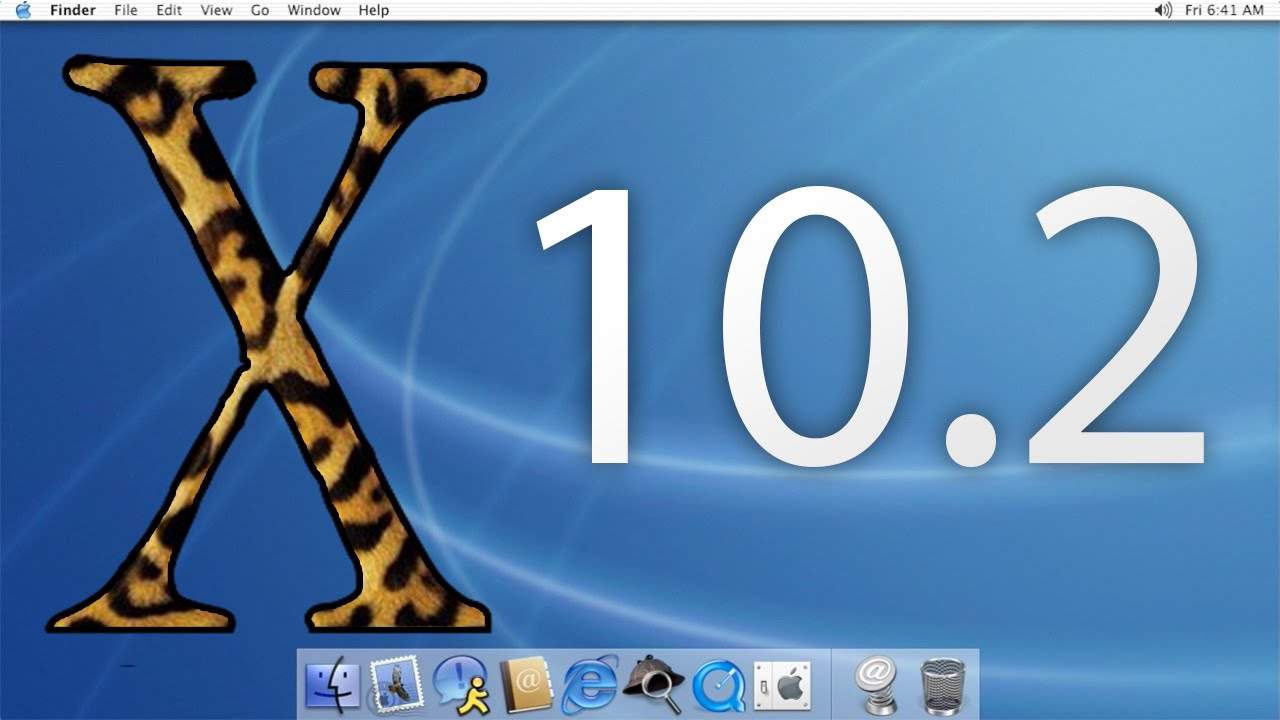
 August 23, 2002: Apple ships Mac OS X Jaguar, the third major release of OS X and the first to publicly adopt the cat-themed code name it had been known by inside the company.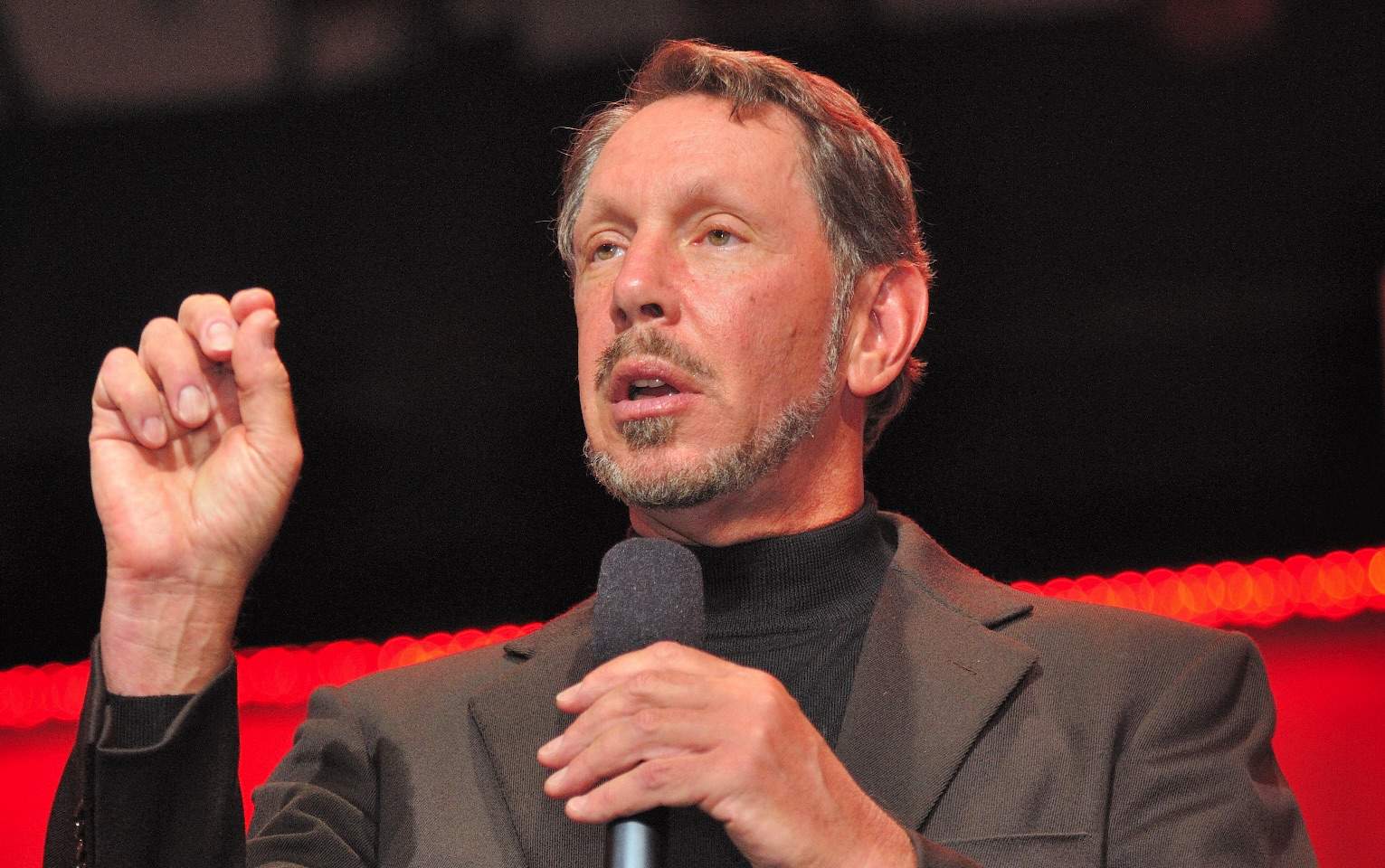
 August 17, 1944: Larry Ellison, billionaire co-founder and former CEO of Oracle, and Steve Jobs’ best friend, is born.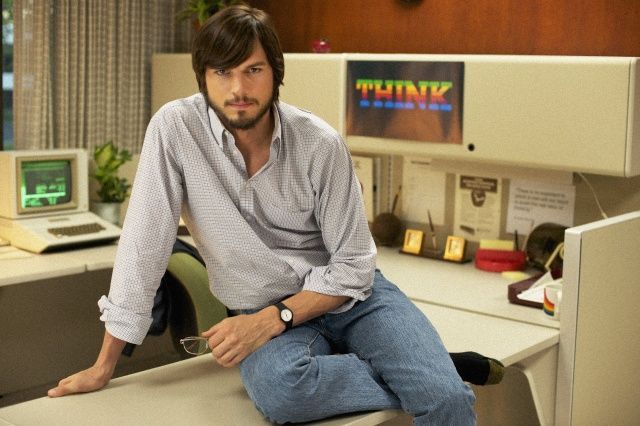
 August 16, 2013: JOBS, the Steve Jobs biopic starring Ashton Kutcher, lands in theaters.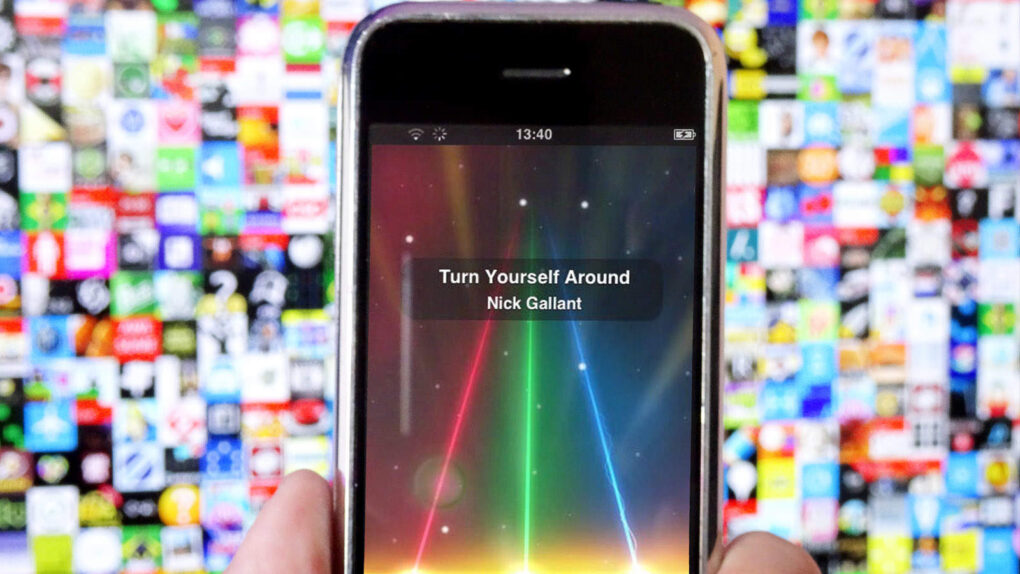
 July 14, 2008: Apple crows that its newly opened App Store hit a massive 10 million downloads in its first 72 hours.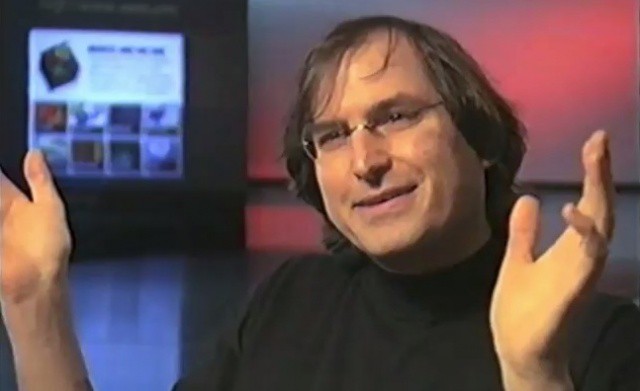
 July 7, 1997: Apple CEO Gil Amelio officially steps down from his role, turning the company over to the returning Steve Jobs, who immediately begins making his presence felt.
 July 6, 2011: Amazon wins a landmark verdict against Apple over its proprietary use of the term “App Store” — opening up the possibility of other rival services calling their own app stores by the phrase Apple had helped popularize.
 July 1, 1976: The Apple 1 goes on sale, becoming the first computer ever sold by the Apple Computer Company.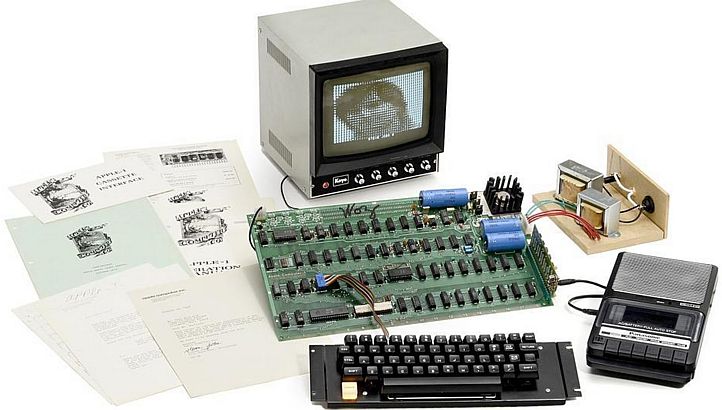
 On June 24, 2013, an Apple I — the first ever computer built by Apple Computer, Inc. — was listed for auction by international auction house Christie’s.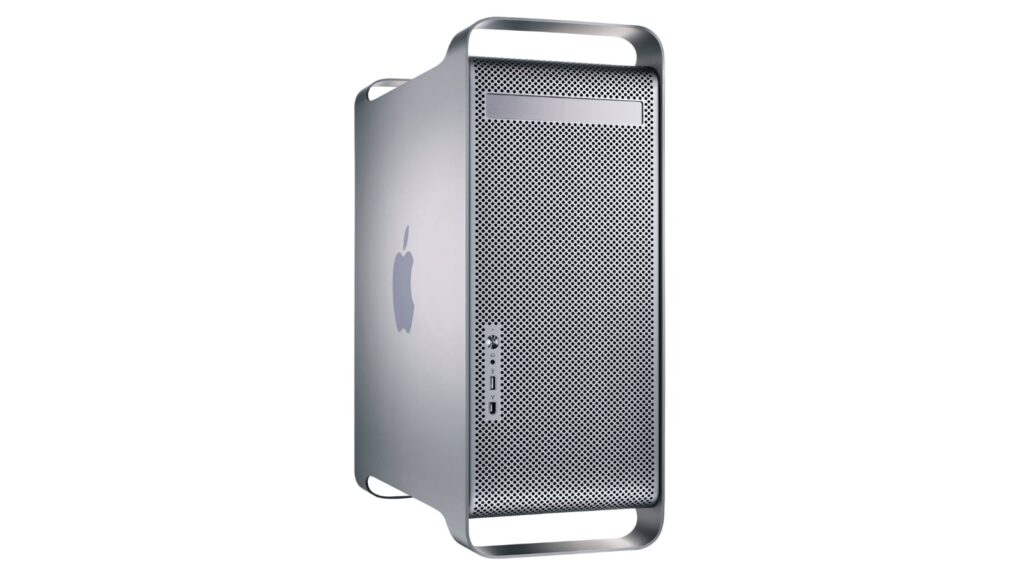
 June 23, 2003: The Power Mac G5 goes on sale. Affectionately nicknamed the “cheese grater” due to its distinctive perforated exterior, it’s Apple’s fastest-ever machine — and the world’s first 64-bit personal computer.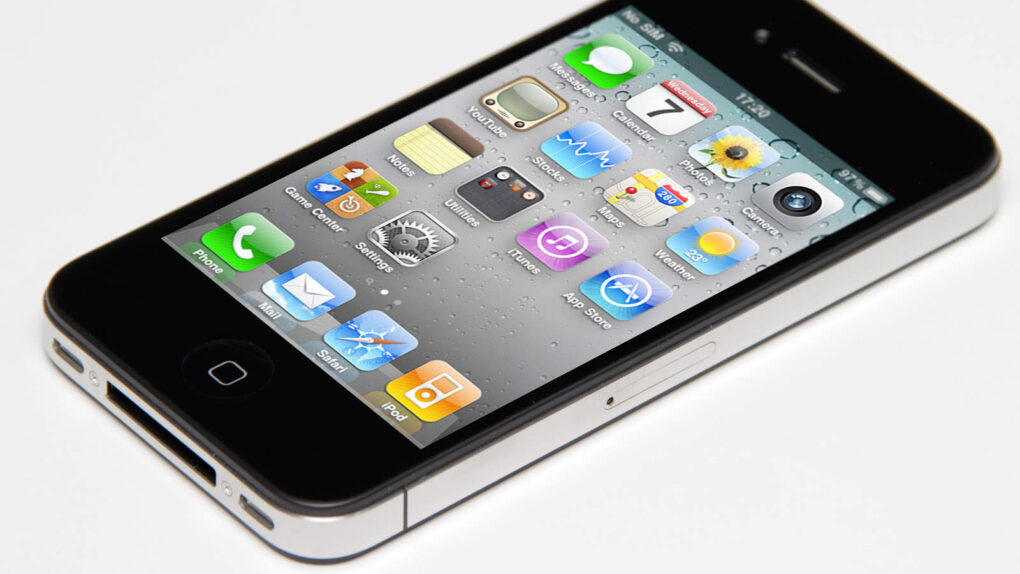
 iOS 4 was not only the last version of Apple’s mobile operating system released during Steve Jobs’ life, it was also a significant step up in terms of the software’s productivity features.
 There was, to put it mildly, a lot that was insanely great about Steve Jobs’ return to Apple. But one thing that always struck me as less than good from an Apple fan’s perspective was that he stopped giving revealing in-depth interviews.